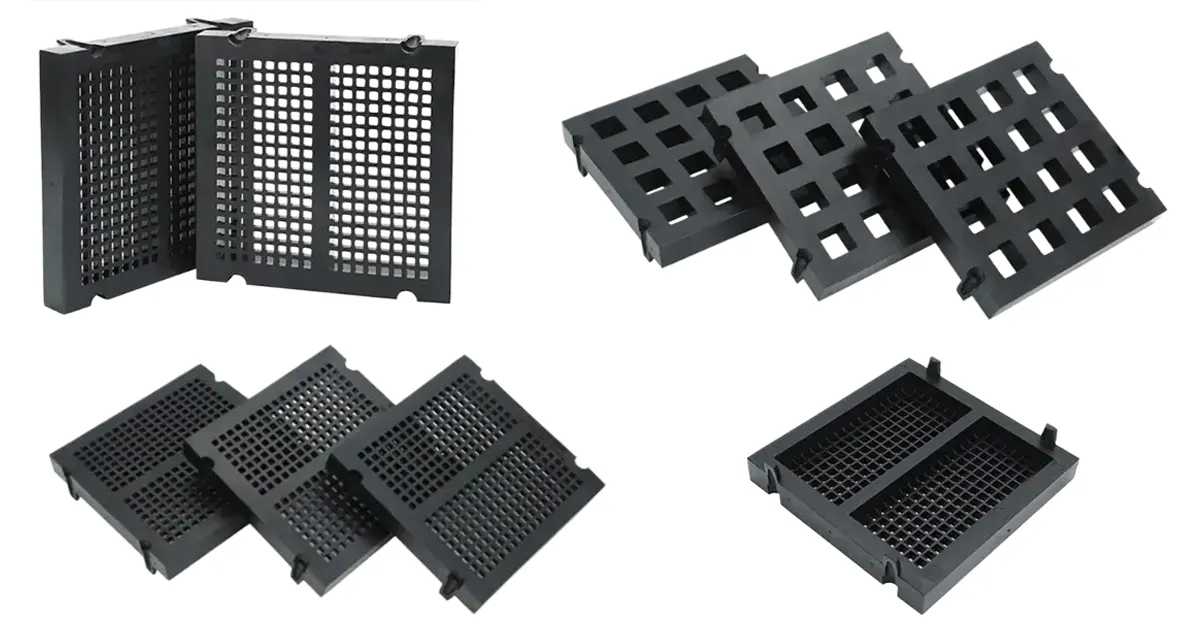
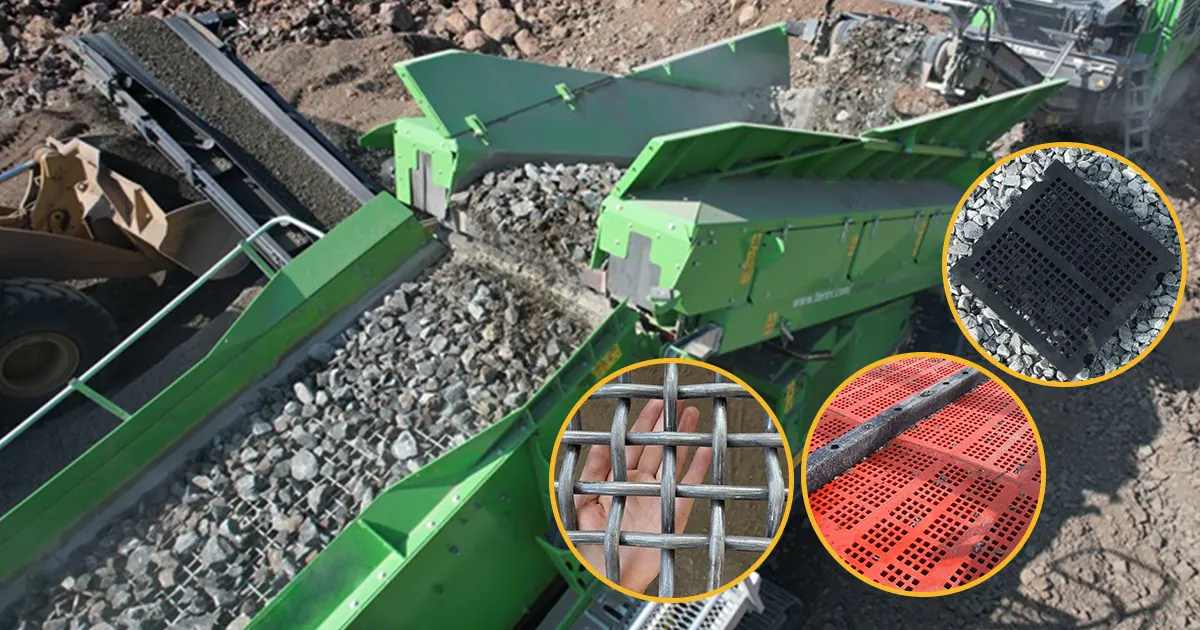
You know that basalt screening can be tough on equipment. When you choose the right screen, you boost efficiency and cut costs. Mesh size matters because it affects how well your screen separates particles. Material properties play a big role in the screening process. If you match the screen printing process to your needs, you get better performance and longer-lasting results. Practical decisions help you avoid problems and save time.
Key Takeaways
- Pick the right mesh size for your basalt’s particle size. This helps separate the pieces well and keeps the product good.
- Think about things like aperture size and wire thickness. These change how well your screen works and how long it lasts.
- Durability is very important for basalt screening. Choose high-tensile or polyurethane mesh to make it last longer and wear out less.
- Look at both starting costs and future costs. A pricier mesh might save money later because you won’t replace it as much.
- Check how rough and wet your basalt is. This helps you pick a mesh that can handle hard jobs and not get clogged.
- Always make sure the mesh fits your equipment before you buy it. This stops you from making expensive mistakes.
- Keep up with regular care. Clean your mesh often so it does not clog and lasts longer.
- Ask suppliers for detailed price quotes. Include things like mesh size and material quality to get the right one.
Key Factors for Basalt Screening
When picking a screen for basalt screening, you should think about three things: performance, durability, and cost. Each one changes how well your screening works and how much you pay over time. Let’s look at each factor so you can make better choices.
Performance Needs
Your screen mesh should handle hard jobs and give steady results. Here are some things to look for:
- Aperture size tells which particles can go through. If you want fine screening, choose a mesh with small holes.
- Wire diameter affects how strong your screen is. Thicker wires last longer but make the open area smaller, which can slow down screening.
- Flexibility and adaptability are important. You need a screen media that fits many machines and ore types.
- Exact aperture sizes help you separate particles well. This keeps your product quality good.
- Good wear resistance matters, especially if you use high-carbon steel or 65Mn mesh. These materials can handle the tough work of basalt screening.
If you pay attention to these things, your screen will work well and help your operation run smoothly.
Durability
Durability is very important when working with rough materials like basalt. You do not want to change your screen mesh all the time. Check out this table:
| Property | Basalt Fiber Performance | Comparison to Glass Fiber |
|---|---|---|
| Compressive Strength | Higher for basalt | Lower for glass |
| Tensile Strength | Better tensile strength | N/A |
| Failure Strain | Higher failure strain | N/A |
| Resistance to Impact | High resistance | N/A |
| Fire Resistance | High resistance | Lower than basalt |
| Corrosion Resistance | High corrosion resistance | Lower than basalt |
| Heat Resistance | Maintained 90% strength at 600 °C | Lost volumetric integrity |
| ASR Expansion Reduction | 27% reduction in ASR expansion | N/A |
| Modulus of Elasticity | 21.7% increase | N/A |
Basalt fiber mesh gives you better strength, impact resistance, and durability. This means your screen lasts longer and can handle tough jobs.
Cost Considerations
You need to think about both the first cost and how much you spend later. Here are some things to remember:
- Manganese steel meshes are cheaper at first, but you have to replace them more often.
- Polyurethane meshes cost more at the start, but they last longer and you do not need to change them as much.
- High-carbon steel is great for abrasion resistance in basalt screening, but it can rust in wet places.
- Polyurethane is light and flexible. It is good for fine screening and wet jobs, which can help lower maintenance costs.
Think about both the starting price and the cost to keep it working. If you pick the right screen mesh, you save money and stop downtime.
Tip: Always look at the total cost, not just what you pay at first. A strong screen media can save you money over time.
Basalt Screening Material Assessment
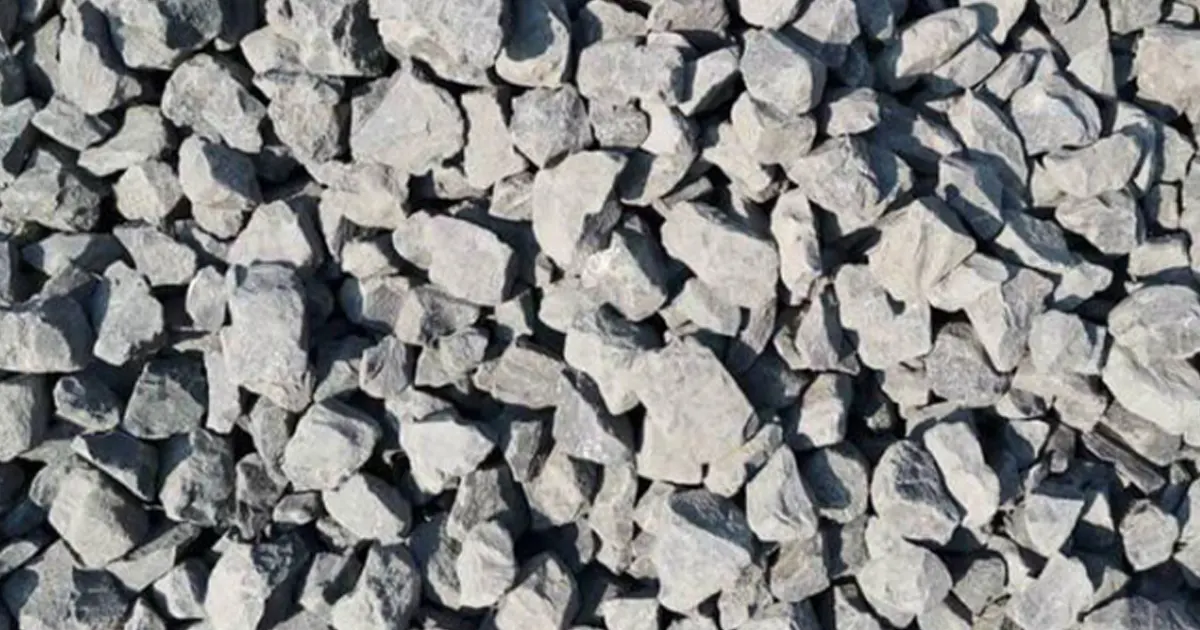
When you start a basalt screening job, you need to look at the material itself. The properties of basalt can change how your screen works. If you pay attention to abrasiveness, moisture levels, and particle size, you can pick the right mesh and avoid problems.
Abrasiveness
Basalt is a tough material. It wears down equipment fast. If you use the wrong mesh, you might see holes or tears in your screen. You want a screen media that can handle sharp edges and rough surfaces. High-tensile steel or polyurethane mesh works well for abrasive jobs. These materials last longer and keep your screening running smoothly. If you choose a weak mesh, you will spend more time and money on repairs.
Tip: Always check how abrasive your basalt is before you pick a mesh. If your material is extra rough, go for a stronger screen.
Moisture Levels
Moisture changes how basalt moves through your screen. Dry basalt flows easily and does not clog the mesh. Wet or damp basalt sticks together and slows down screening. If you want to see how moisture affects screening efficiency, look at this table:
| Moisture Level | Effect on Screening Efficiency |
|---|---|
| < 1% (Dry) | Flow freely, minimizes clogging |
| Wet/Damp | Forms clumps, reduces efficiency |
If your basalt is wet, you need a mesh with larger openings or self-cleaning features. This helps prevent clogging and keeps your screen working. You can also use polyurethane screen media for wet jobs. It resists sticking and makes cleaning easier.
Particle Size
Particle size matters when you choose a mesh. If your basalt has big chunks, you need a mesh with larger holes. If you want to catch fine particles, pick a mesh with smaller openings. The right mesh size keeps your screening efficient and stops unwanted material from slipping through. You can measure particle size in microns to match it with the mesh opening. If you get this right, your screen will separate basalt well and keep your product quality high.
Note: Always match mesh size to the particle size of your basalt. If you are not sure, ask your supplier for help.
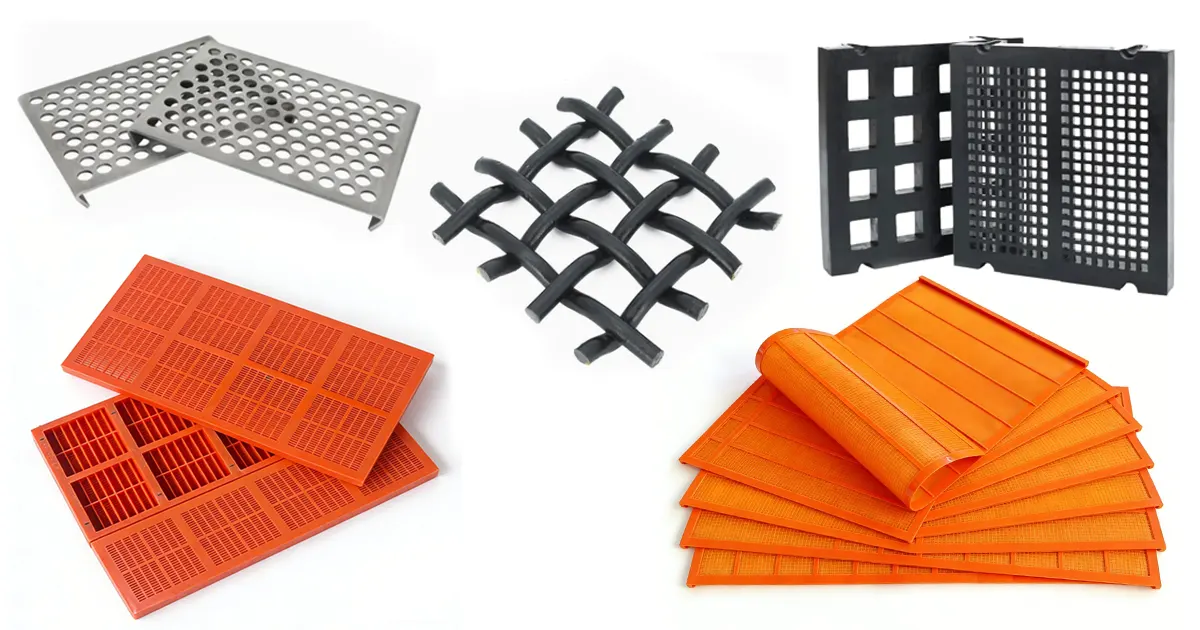
If you look at abrasiveness, moisture, and particle size, you can make better choices for your basalt screening job. As a screen mesh manufacturer, we produce a full range of screening media, including woven wire mesh, polyurethane panels, self-cleaning screens, and perforated plate. If you share your application details, we can help verify the mesh specifications and suggest a more suitable option for your basalt screening job.
Choosing Screen Mesh Size
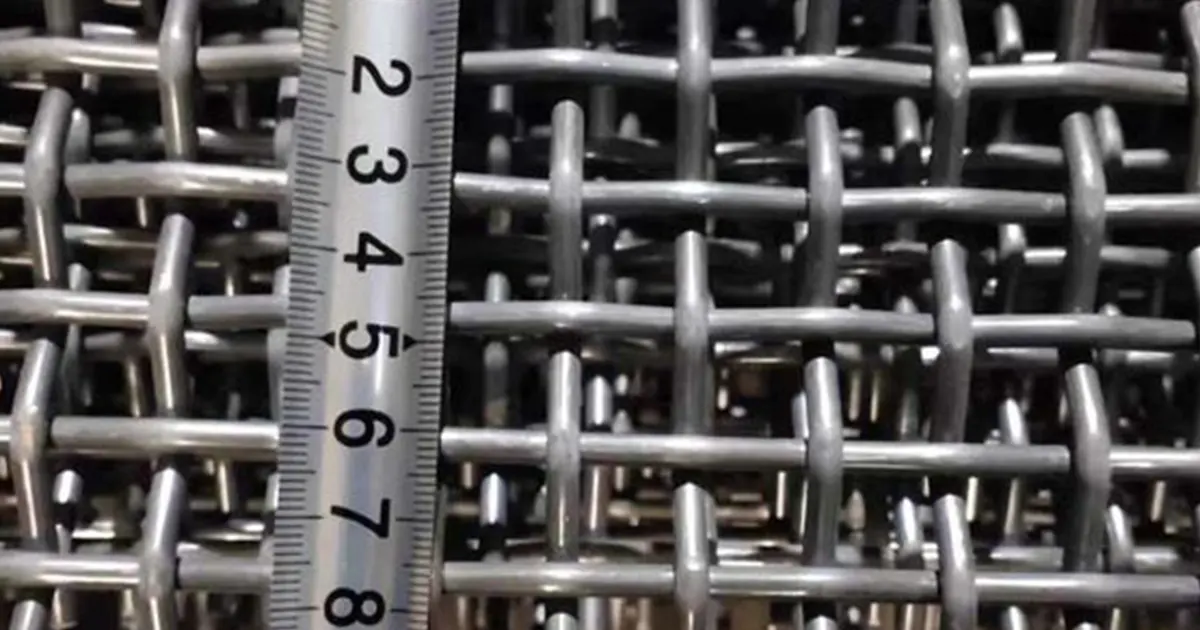
Selecting the right mesh size is one of the most important steps in basalt screening. If you get this step right, you can boost screening efficiency and keep your product quality high. Let’s break down what you need to know about mesh size selection, open area, and particle retention.
Mesh Size Selection
Mesh size tells you how big the openings are in your screen mesh. You need to match mesh size to the particle size of your basalt. If you use the wrong mesh size, you might let unwanted pieces through or block the good stuff. Mesh count is the number of openings per inch. A high mesh count means smaller holes, which is good for fine screening. A low mesh count means bigger holes, which works for coarse screening.
Here’s a quick guide to help you pick the right mesh size for your job:
| Particle Size Range | Recommended Mesh Size |
|---|---|
| Coarse screening | 3mm–100mm |
| Medium screening | 0.5mm–3mm |
| Fine screening | <0.5mm |
If you want to screen out fine particles, choose a high mesh count. For bigger chunks, go with a lower mesh count. Always check the particle size of your basalt before you order your screen mesh. You can ask your supplier to help you measure particle size in microns. This makes sure your mesh size matches your needs.
Tip: Use a sieve test to check the particle size of your material. This helps you pick the right mesh size and avoid costly mistakes.
Open Area Impact
Open area is the part of the screen that lets material pass through. If you have a high mesh count, you get smaller openings and less open area. This can slow down your screening efficiency. If you have a lower mesh count, you get bigger openings and more open area, which lets more material flow through.
You need to balance open area and durability. Thicker wires make your screen last longer, but they also reduce the open area. Thinner wires give you more open area, but they may wear out faster. Here’s a table to help you see the trade-offs:
| Wire Thickness | Impact on Durability | Impact on Open Area | Impact on Fines Recovery |
|---|---|---|---|
| Thicker Wires | Increases durability and resistance to wear | Reduces percentage of open area | Limits fines recovery |
| Thinner Wires | May wear out faster under heavy loads | Allows for higher open area | Improves fines recovery |
If you want to recover more fine particles, use a high mesh count with thinner wires. If you need your screen to last longer, use thicker wires, but know that you might lose some screening efficiency.
Particle Retention
Particle retention means how well your screen mesh holds back unwanted particles. You want your mesh to keep out the big pieces and let the right size through. Mesh count and mesh size both play a big role here. A high mesh count gives you better control over what stays and what goes.
To check particle retention, look at the size of the mesh openings in microns. You can ask your supplier for the exact micron rating of your screen mesh. This helps you make sure your screen keeps out the particles you do not want. If you use the right mesh size, you get better product quality and less waste.
Note: Always double-check the mesh count and micron rating before you buy. This simple step can save you time and money.
When you choose the right mesh size, balance open area, and check particle retention, you get the best results from your basalt screening. You improve screening efficiency, protect your equipment, and keep your operation running smoothly.
Mesh Type and Material Options
When you pick mesh for basalt screening, you have many choices. Each mesh type has its own benefits. Some work better for certain jobs. Let’s look at the main types so you can choose the best one.
Steel Mesh
Steel mesh is a common choice for tough jobs. You see it used in mining and making aggregates. There are two main kinds: high-tensile and stainless.
High-Tensile
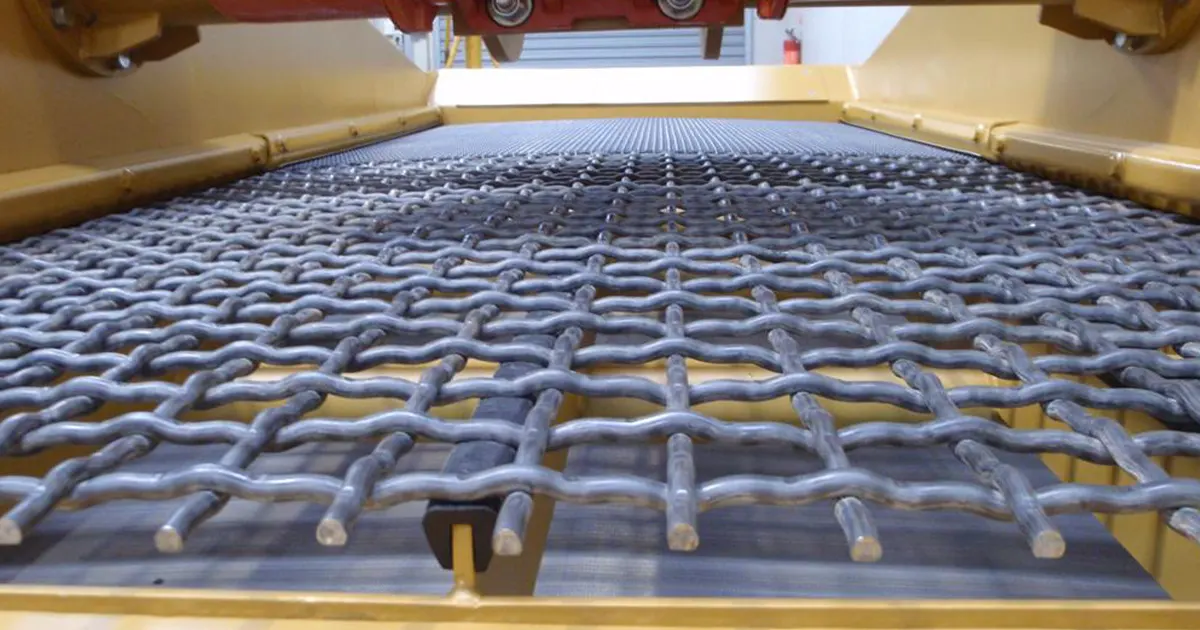
High-tensile wire mesh is strong and lasts a long time. It works well for heavy basalt screening. Mesh count is important here. High-tensile mesh handles sharp and rough particles. It keeps its shape even under pressure. If you want a screen that lasts, this mesh is a good pick. You do not need to replace it often. It gives steady results.
Tip: High-tensile mesh is best for rough materials. It works well for jobs needing a strong screen and high mesh count.
Stainless
Stainless steel mesh does not rust easily. You can use it in wet or damp places. Stainless mesh stays strong even with moisture. If you want a screen that resists rust and lasts longer, pick stainless mesh. It is good for jobs where you need a clean product and reliable mesh count.
Polyurethane & Rubber
Polyurethane and rubber mesh are flexible and resist wear. These materials are used in modern screening setups. They help lower noise and make screens last longer.
Wear Resistance
Polyurethane mesh is great for resisting wear. It works well when abrasion is a big problem. Polyurethane mesh handles sharp basalt particles. It lasts longer than many other types. Rubber mesh absorbs impact and cuts down vibration. Both help you spend less on maintenance.
Application Limits
Polyurethane mesh has some limits. Look at this table for details:
| Characteristic | Polyurethane Value |
|---|---|
| Hardness Range | 60 to 90 Shore A |
| Flexibility | Greater at lower hardness (60–70 ShA) |
| Wear Resistance | Higher at upper hardness (80–90 ShA) |
| Temperature Range | -30°C to +80°C (-22°F to 176°F) |
| Elasticity under temperature | Maintains integrity under extreme conditions |
| Applications | Mining, recycling, chemical processing, aggregate production |
You get more flexibility at lower hardness. You get more wear resistance at higher hardness. Polyurethane mesh works in cold and hot temperatures. It keeps its shape even in tough conditions. You can use it in mining, recycling, and making aggregates. Rubber mesh fits many jobs, but it may not handle sharp basalt as well as polyurethane.
Note: Always match mesh count and mesh type to your job. If you need help, ask your supplier.
You have lots of mesh choices for basalt screening. Steel mesh gives strength and lasts long. Polyurethane and rubber mesh are flexible and resist wear. As a screen mesh maker, we offer woven wire mesh, polyurethane panels, self-cleaning screens, and perforated plate. If you tell us your job details, we can check the mesh specs and suggest the best option for your basalt screening job.
Screen Equipment Compatibility
Picking the right screening equipment makes your basalt job easier. You need to make sure your mesh fits your equipment. If you do this, you avoid problems and keep everyone safe. Different machines need different mesh types.
Tip: Always read your equipment manual before buying new mesh. This helps you avoid mistakes that cost money.
Here’s a table to help you check if your mesh fits your equipment:
| Key Factor | Description |
|---|---|
| Equipment Compatibility | Not all screen meshes fit all crushers; compatibility affects performance and safety. |
| Frame Dimensions | Verify that the mesh fits the frame dimensions of the equipment. |
| Mounting Style | Check if the mounting style (tensioned, bolted, or modular) is compatible with the equipment. |
| Load Ratings | Ensure the mesh can withstand the dynamic forces of heavy-duty crushers. |
| OEM Manual Consultation | Always consult the crusher’s OEM manual or supplier for approved screen types to avoid damage. |
Vibrating Screens
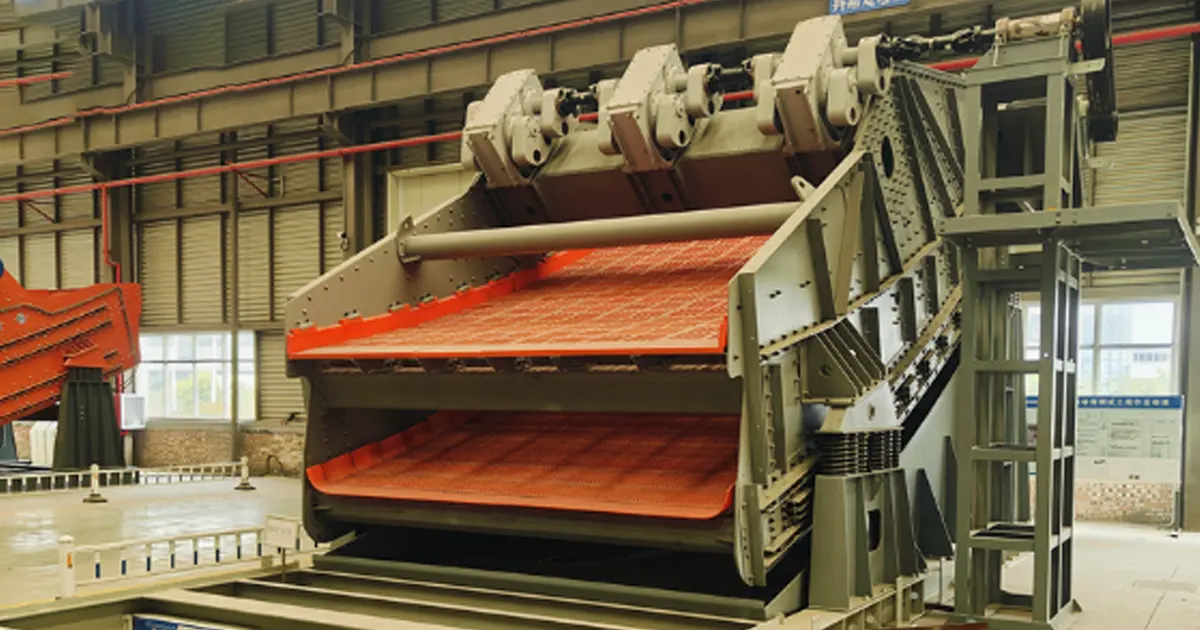
Vibrating screens are common in basalt screening. These machines shake the mesh to sort out particles. The right mesh gives you better results and less downtime. Vibrating screens need mesh that can handle shaking and heavy loads.
You can pick from many mesh types for vibrating screens. Polyurethane panels last long and work well when things are wet. Stainless steel panels do not rust and need little care. Carbon steel mesh is strong and saves money, but it may need a coating if things get wet. High-tensile steel wire mesh is tough and keeps its shape. Perforated metal sheets have exact holes and are very strong. Wedge wire screens clean themselves and do not get blocked easily. Fine mesh catches small pieces but needs cleaning often. Coarse mesh lets lots of material move fast.
| Mesh Type | Key Properties | Applications |
|---|---|---|
| Polyurethane Panels | Excellent resistance to abrasion, impact, and chemicals; performs well in wet conditions | Mineral processing, aggregate screening |
| Stainless Steel Panels | Superior resistance to rust, high temperatures, and chemicals; minimal maintenance required | Food processing, pharmaceuticals, chemical industries |
| Carbon Steel Mesh | High strength and cost-effective; may need protective coatings in corrosive environments | General applications, where cost is a factor |
| High-Tensile Steel Wire | Exceptional strength and flexibility; resists deformation under operational loads | Mining, heavy-duty applications |
| Perforated Metal Sheets | Ideal for precise hole geometry and high structural rigidity | Coarse screening, scalping operations |
| Wedge Wire Screens | Self-cleaning surface; resistant to plugging | Dewatering, desliming, washing applications |
| Fine Mesh | Used for separating fine particles; requires frequent cleaning to prevent blinding | Mineral processing, pharmaceuticals, agriculture |
| Coarse Mesh | Suitable for rapid separation of large volumes; offers higher flow rates | Construction aggregates, recycling, bulk handling |
| Opening Shape | Affects flow dynamics and separation accuracy; rectangular slots allow higher throughput | Various applications depending on material shape |
Make sure your mesh fits your vibrating screen frame and mounting style. If you use the wrong mesh, your equipment could get damaged.
Trommel Screens
Trommel screens use a spinning drum to sort materials. You see them in recycling and aggregate jobs. Trommel screens handle lots of material and need strong mesh that can spin all the time. The mesh shape and size must fit the drum and not block up.
You can use wire mesh screen, polyurethane panels, or perforated plates in trommel screens. Polyurethane panels are good for wet jobs. Wire mesh screen is easy to clean and flexible. Perforated plates are strong and have exact holes. Make sure your mesh fits the drum and mounting style. If you do this, your equipment works well.
Note: Trommel screens need mesh that does not wear out fast and fits the drum. If you use the wrong mesh, you get clogs and more downtime.
Grizzly Screens
Grizzly screens take out big pieces before they reach the crusher. You see them in mining and quarrying. These screens use heavy bars or plates, not fine mesh. Grizzly screens keep your equipment safe and help you work faster.
Here’s a table showing what is good and bad about grizzly screens:
| Benefits | Limitations |
|---|---|
| Efficiently separates oversized materials from finer particles, enhancing throughput and reducing wear on downstream equipment. | More complex design increases maintenance needs. |
| Particularly effective in mining and quarrying operations, preventing clogging of crushers and improving material processing efficiency. | Higher manufacturing and replacement costs. |
| Supports consistent operation under demanding conditions. | Potential for wear at step junctions under abrasive conditions. |
Grizzly screens are great for tough jobs. They protect your equipment and help you process basalt faster. You need to check the bar spacing and mounting style. If you use the wrong spacing, big pieces can get through and hurt your crusher.
Tip: Always match your mesh or bar spacing to the size of your material. If you are not sure, ask your supplier for help.
You need to check if your mesh fits every type of screening equipment. If you match your mesh to your vibrating screen, trommel screen, or grizzly screen, you get better results and less downtime. If you tell us about your job, we can help you pick the best mesh for your equipment.
Cost Evaluation
When you start a basalt screening project, you need to think about costs. If you look at maintenance, replacement, and long-term value, you can make smarter choices. Let’s break down each part so you know what to expect.
Maintenance
You want your screen to work well every day. If you pick the right mesh, you spend less time fixing things. Some screens need more care than others. Polyurethane panels last longer and need less cleaning. Wire mesh screens can get clogged, especially with wet screening solutions. If you use screens that clean themselves, you save time and money.
Here are some ways to keep maintenance costs low:
- Choose mesh that resists wear and tear.
- Use screens with self-cleaning features.
- Check your screen often for damage.
Tip: If you keep your mesh clean and check it often, you avoid big repairs.
Replacement
Every screen wears out after a while. If you use tough mesh, you do not need to replace it as often. High-tensile steel mesh lasts longer than regular wire mesh. Polyurethane screens also give you more life, especially when you use wet screening solutions. If you pick the right mesh, you spend less on replacements.
Look at this table to compare replacement costs:
| Mesh Type | Replacement Frequency | Cost Impact |
|---|---|---|
| Wire Mesh | High | Higher cost |
| Polyurethane Panel | Low | Lower cost |
| High-Tensile Steel | Medium | Medium cost |
If you plan ahead, you can order mesh before your screen wears out. This keeps your screening job running smoothly.
Long-Term Value
You want your screening project to pay off over time. If you pick strong mesh and the right screen, you save money in the long run. Polyurethane panels cost more at first, but you do not need to replace them often. High-tensile steel mesh gives you steady results and lasts longer.
Think about these things for long-term value:
- Pick mesh that fits your material and job.
- Use screens that match your equipment.
- Choose wet screening solutions if you work with damp basalt.
Note: If you invest in quality mesh and screens, you get better results and spend less over time.
If you look at maintenance, replacement, and long-term value, you make your screening job easier and cheaper. You get more out of your mesh and screen, and your project stays on track.
Mesh Specification Tips
When you start a basalt screening job, you need the right mesh. If you follow some easy steps, you can stop mistakes and help your screen work better.
Requesting Quotes
You should ask suppliers for quotes before you buy mesh. Here are things you should check:
- Material Quality: Ask for mesh made with virgin basalt fibers. This makes the mesh stronger and last longer.
- Mesh Specifications: Look at mesh size, fiber diameter, tensile strength, weight per area, and weave pattern. These details help you pick the right mesh for your job.
- Compliance with Quality Standards: Make sure the mesh meets ISO 9001 and ASTM standards. This helps your screen stay reliable.
- Customization Options: See if the supplier can make custom sizes, match resin, or add special finishes. You may need these for special jobs.
- Supplier Reliability: Compare quotes, check delivery times, and look at the total price. A good supplier keeps your project moving.
Tip: Always ask for full specs and quality certificates when you get a quote. This helps you avoid problems later.
Key Details
You need to give clear info when you order mesh for your screen. If you forget something important, you might get the wrong mesh. Here are things you should include:
- Mesh size and shape of the openings
- Wire or fiber diameter
- Panel size and how it mounts
- Expected load and screening conditions
- Special needs like corrosion resistance or self-cleaning
If you tell suppliers about your job, they can help you choose the best mesh.
Common Mistakes
Many people make mistakes when they order mesh for basalt screening. If you know what to look out for, you can avoid problems. Here is a table with some common errors:
| Functional Requirement | Key Specifications |
|---|---|
| Scalping | Heavy-duty bar grizzlies or polyurethane panels with thick cross-sections (≥25 mm) and aggressive open area (≥45%) |
| Fine classification | Precise tension control, low vibration transmission, and corrosion-resistant alloys like Hastelloy C-276 |
| Dewatering | High open area (≥65%), steep deck angles (18–22°), and hydrophobic surface treatments |
| Explosive environments | Conductive materials or FDA-compliant stainless grades (316L with Ra ≤0.8 µm finish) |
Note: If you skip these specs, your screen might not work right. Always check your needs twice.
As a screen mesh maker, we offer woven wire mesh, polyurethane panels, self-cleaning screens, and perforated plate. If you tell us about your job, we can check the mesh specs and suggest the best mesh for your basalt screening job.
Conclusion
You can make your basalt screening project a success by following a few simple steps. First, think about panel thickness, since thicker panels need larger holes for the same separation. Next, look at different hole shapes and patterns, because each one works better under certain conditions. Then, pick the right hole size based on your material and how your screen will be used. Here’s a quick checklist to help you:
- Check panel thickness for your application.
- Compare hole shapes and patterns.
- Choose the right hole size for your needs.
If you want the best results, talk with your supplier and double-check all mesh specifications. As a screen mesh manufacturer, we offer woven wire mesh, polyurethane panels, self-cleaning screens, and perforated plate. Share your details with us, and we’ll help you find the perfect mesh for your basalt screening job.
FAQ
What is the best mesh size for basalt screening?
You should match mesh size to your material’s particle size. Fine particles need smaller openings. Large chunks need bigger holes. Always test your material first to find the right fit.
How do I know if my screen is wearing out?
Look for holes, tears, or uneven wear on the screen. If you see material passing through that should not, it is time to replace the screen.
Can I use the same mesh for wet and dry screening?
Not always. Wet screening works better with self-cleaning or polyurethane mesh. Dry material flows easily, so you have more options. Check your material’s moisture before choosing.
How often should I clean my screen mesh?
You should check and clean your mesh regularly. If you see clogging or reduced flow, clean it right away. Regular cleaning keeps your screening efficient.
What is the difference between steel and polyurethane mesh?
Steel mesh is strong and lasts long with rough material. Polyurethane mesh resists wear and works well with wet or sticky material. Pick the one that fits your job best.
How do I measure the open area of my screen?
Measure the size and number of openings in your screen. Divide the total open space by the whole screen area. This gives you the open area percentage.
Can I get custom mesh sizes for my equipment?
Yes, many suppliers offer custom mesh sizes. Share your equipment details and material type. They can help you find the best fit for your screening needs.