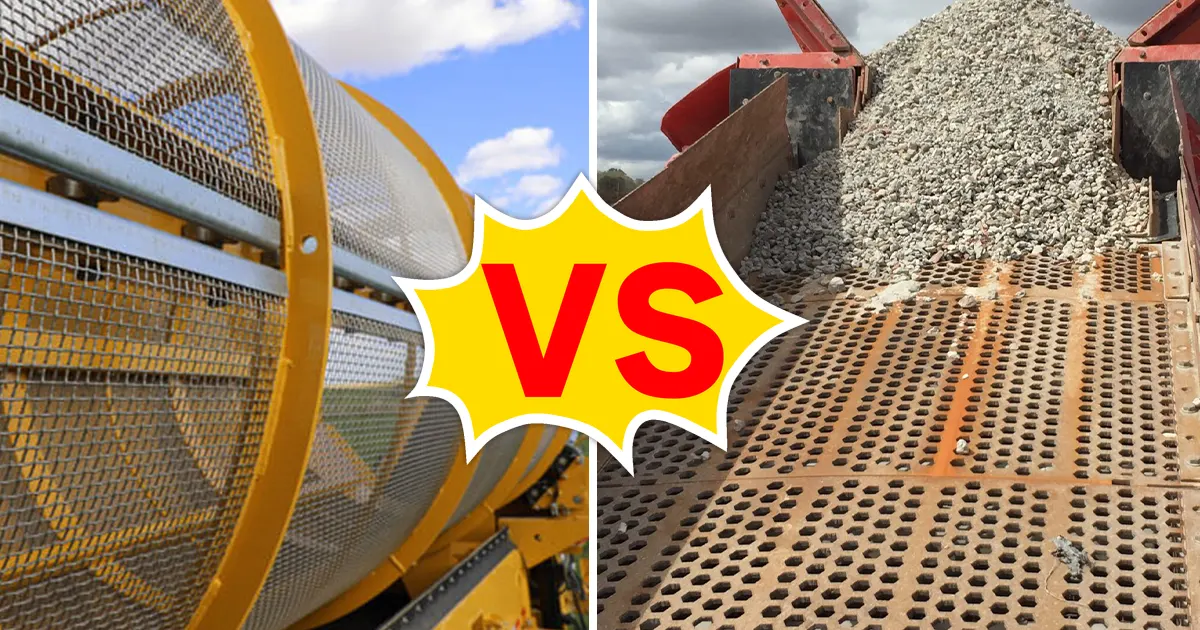
What is the Trommel Screen Working Principle

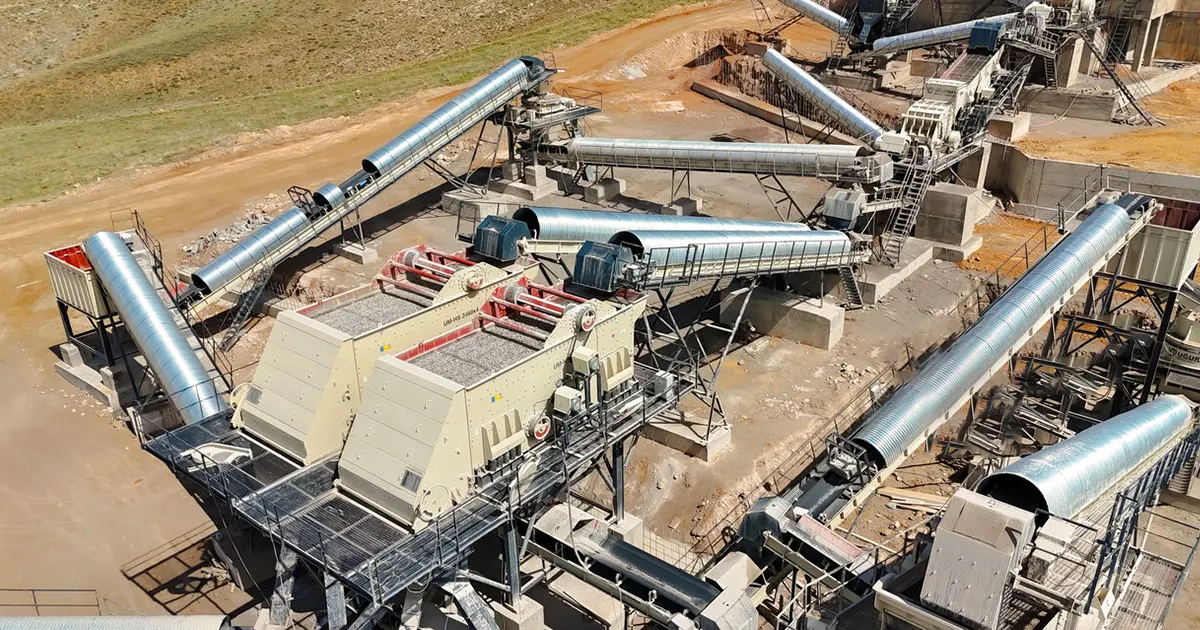
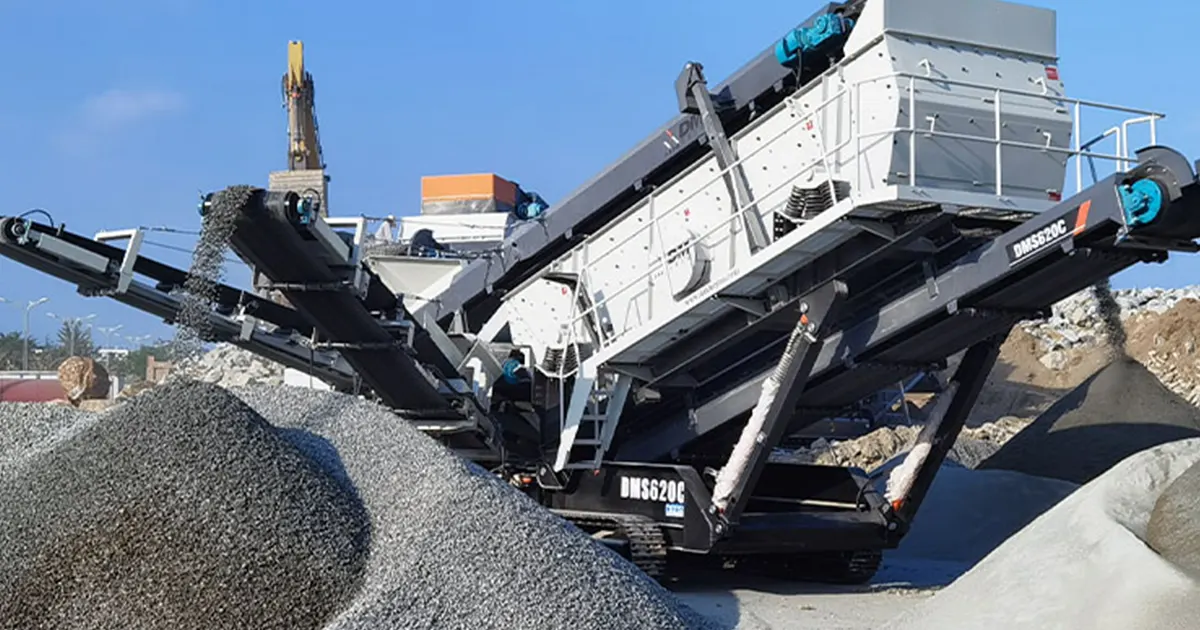
How does a trommel screen work? You feed material into a rotating drum with mesh panels and lift bars. The trommel lifts and tumbles the mix. Smaller pieces fall through the mesh while larger ones move forward and exit. The trommel screen working principle uses drum movement to keep material flowing and sort by size. […]
What Is the Wire Drawing Process and How Does It Work

The wire drawing process is used to transform metal into thin wire. This cold metalworking method elongates and reduces the diameter of the wire. By pulling thick rods through dies, the wire becomes stronger due to strain hardening. As a result, you obtain wire suitable for various applications, such as construction and manufacturing. The wire […]
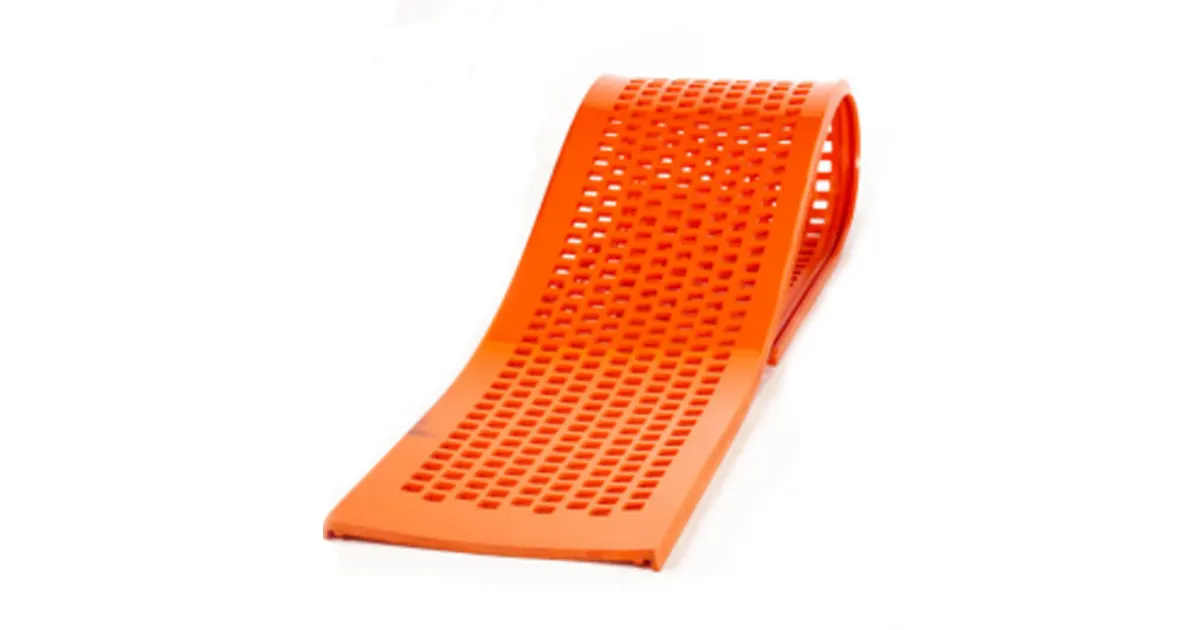
Best Polyurethane Screen Panels: How to Choose

When you want the Best Polyurethane Screen Panels, you need panels that last a long time. They should fit your machines. They also need to be good for your budget. What you need depends on what you process. Minerals, coal, and recycled materials all need different things. For example, mineral processing needs good separation. Recycling […]
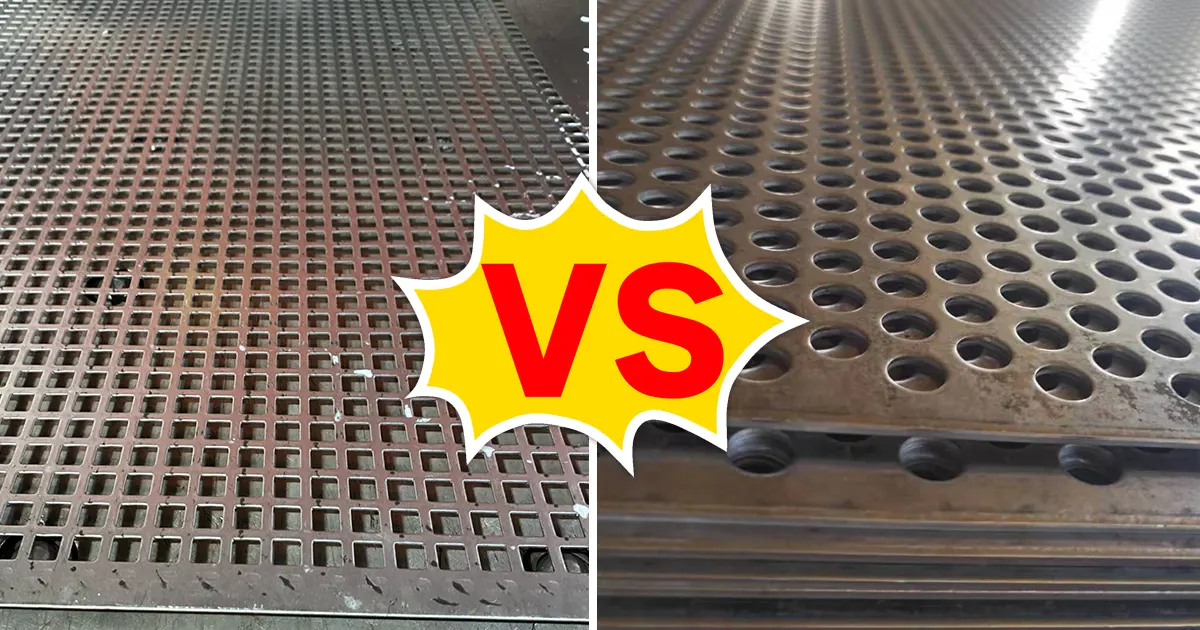
Piano Wire vs Woven Wire Screens: Key Differences

If you want to screen small materials effectively, piano wire screens are usually the best choice. However, if you need something robust for tough jobs, woven wire screens are a better option. When comparing piano wire screens vs woven wire screens, you’ll notice differences in open area, flexibility, and their ability to prevent clogging. It’s […]
Harp Screen vs Self-Cleaning Screen Which Wins for You

If you want the best screening results, you usually find self-cleaning screens work better for most jobs. You know, every operation has its own challenges. The right choice in the harp screen vs self-cleaning screen debate depends on your materials and goals. Take a moment and think about what you need your screen to handle. […]
Pros and Cons of Rubber Screens vs Wire Mesh Screens

You probably wonder which is better for your needs—rubber screens or wire mesh screens. Choosing the right screening media can change how your plant runs and how much you spend on upkeep. The materials you pick for screens affect durability and operational costs. Micro screening helps lower the load on downstream treatment and boosts efficiency. […]
What Are the Main Types of Vibrating Screens and Their Uses

When you start learning about material processing, you will see different vibrating screens. Each type helps in a special way: Picking the right screen helps you work faster and fix things less often. It also saves money. If you know about the types of vibrating screens, you can make more and waste less. Key Takeaways […]
Flip Flow Screens vs Woven Wire Screens: Key Differences & Best Uses

When you compare flip flow screens vs woven wire screens, you notice they are quite distinct. Flip flow screens feature flexible mats that effectively prevent blinding, making them ideal for handling wet, sticky, or small materials. On the other hand, woven wire screens are straightforward and cost-effective, best suited for dry and clean rocks. The […]
Flip Flow Screens vs Banana Screens for Fine Coal Screening

When you compare flip flow screens vs banana screens for fine coal screening, you’ll notice that flip flow screens come out on top for efficiency. These screens handle fine and sticky coal much better, especially as raw coal input increases. Banana screens move more material, but flip flow screens actually process more fine coal under […]