
Concrete Wire Mesh
We specialize in concrete wire mesh that strengthens slabs, driveways, foundations, and other concrete work. We use welded wire reinforcement to help control cracking, improve durability, and support long-lasting performance. Our team provides reliable materials and practical guidance so every project gets the reinforcement it needs.
Find the Reliable Concrete Wire Mesh Manufacturer
We help you find a reliable concrete wire mesh manufacturer by prioritizing certified quality, consistent wire spacing, strong tensile performance, dependable lead times, and responsive service. We verify material specifications, production capacity, delivery capability, and industry compliance before recommending a supplier that supports your project’s durability, schedule, and budget.
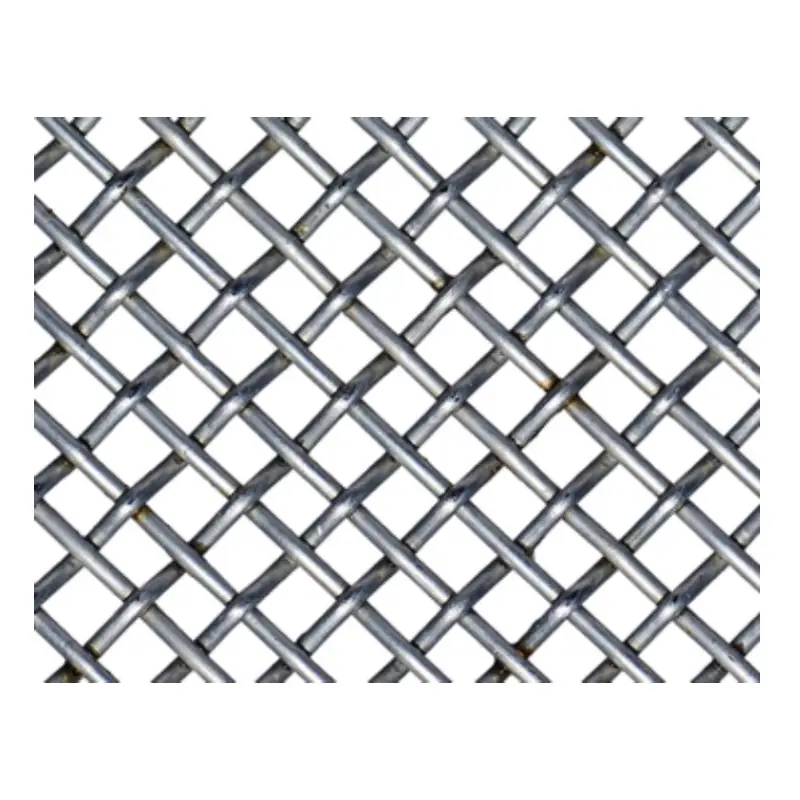
concrete welded wire mesh
We supply concrete welded wire mesh for slabs, driveways, floors, foundations, walls, and precast applications. Our mesh features securely welded steel intersections that create a stable, uniform reinforcement grid. We help contractors and builders improve crack control, simplify placement, reduce installation time, and achieve dependable, long-lasting concrete performance on every project.
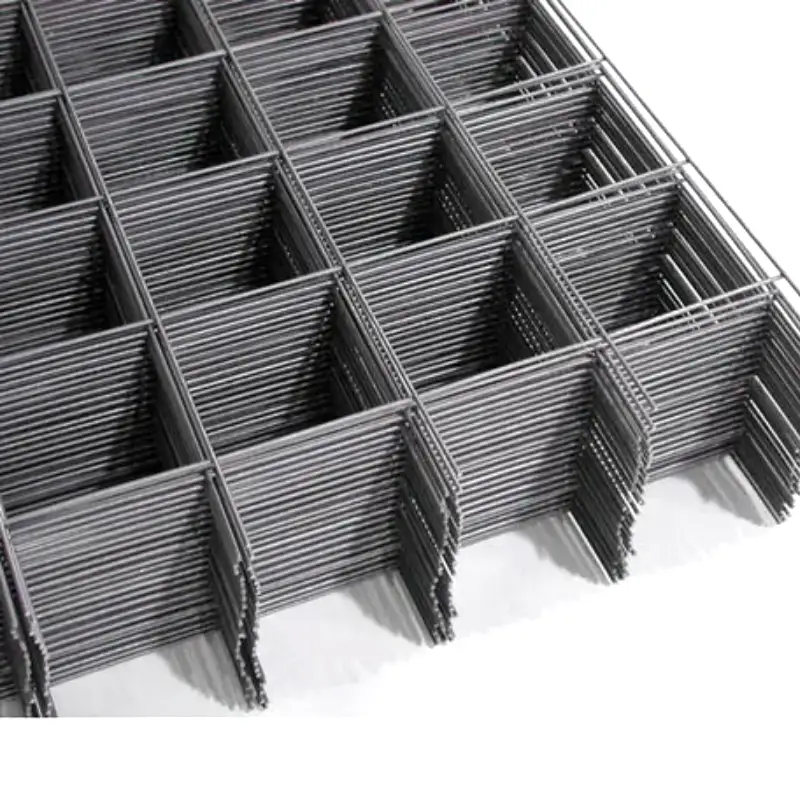
concrete reinforcement wire mesh
We supply concrete reinforcement wire mesh to strengthen slabs, floors, driveways, pavements, walls, foundations, and precast products. Our welded steel grid distributes reinforcement throughout the concrete, helping control cracking, improve load distribution, and streamline installation. We offer dependable mesh configurations that support durable, efficient concrete construction for projects of varying sizes.
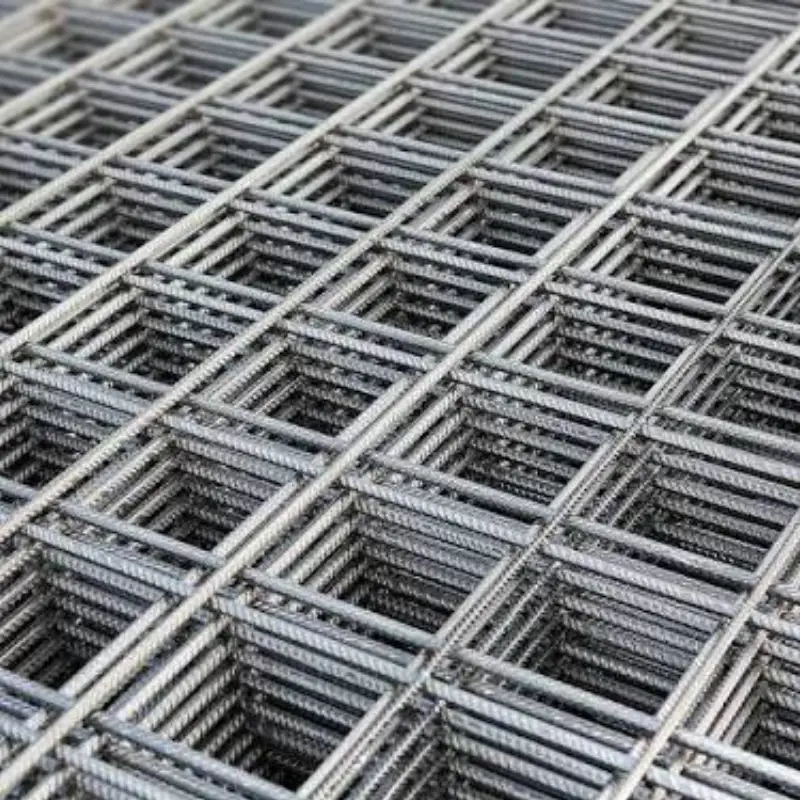
galvanized concrete wire mesh
We supply galvanized concrete wire mesh for projects that need dependable reinforcement with added corrosion resistance. The zinc-coated steel grid helps protect the wire from rust in wet, outdoor, or moisture-prone conditions while providing the uniform reinforcement needed for durable concrete slabs, walls, and pavements.
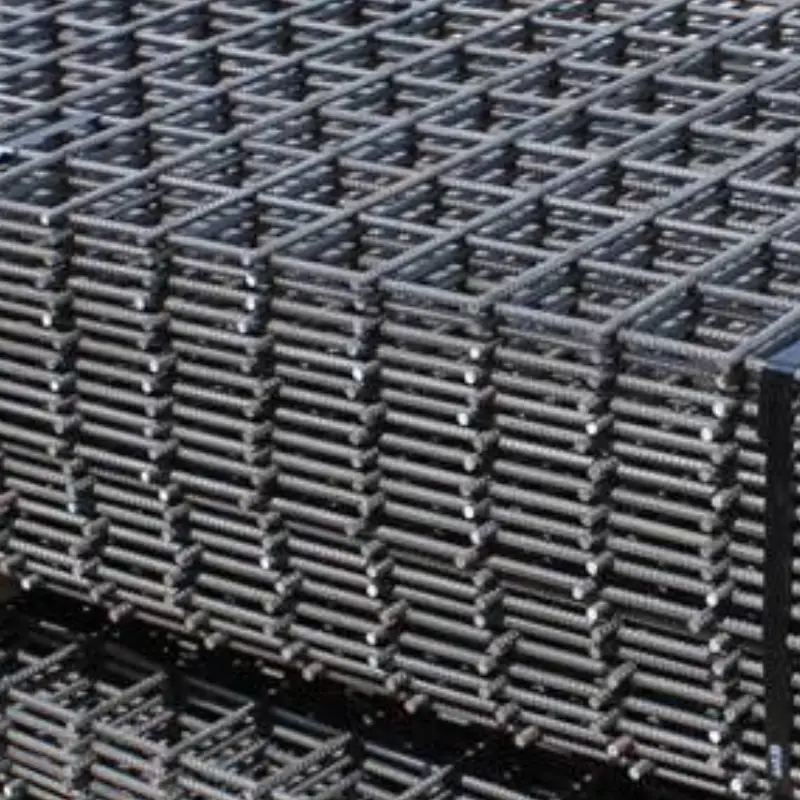
concrete slab wire mesh
We supply concrete slab wire mesh to provide uniform reinforcement and better crack control in residential, commercial, and industrial slab applications. Our welded wire mesh helps keep cracked concrete sections closely connected, supports even reinforcement distribution, and simplifies placement across large floor areas. Proper positioning within the slab is essential for effective performance.
concrete driveway wire mesh
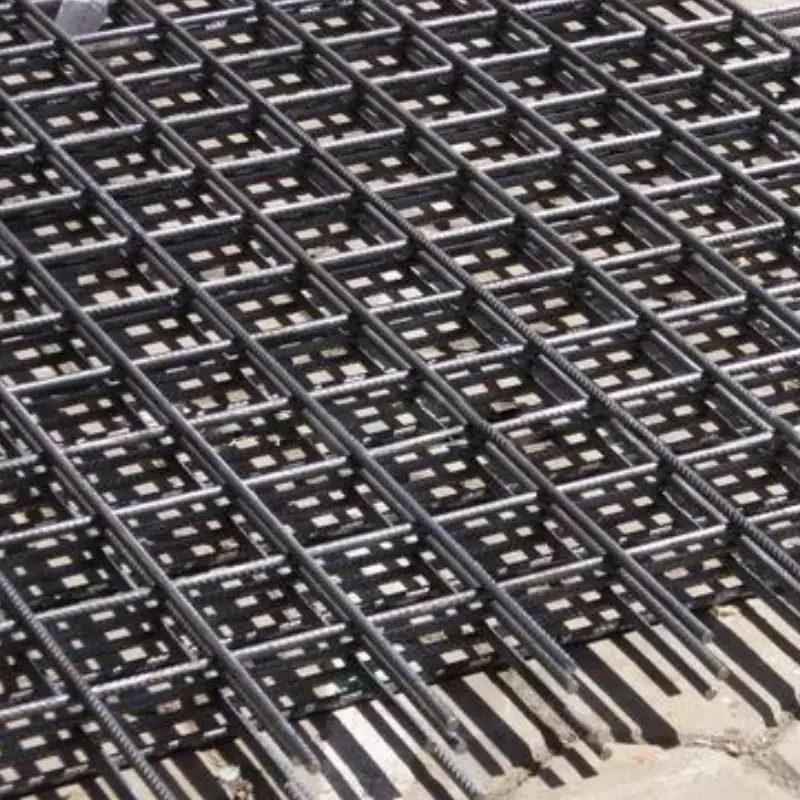
We supply concrete driveway wire mesh to provide consistent reinforcement and crack control for residential and light commercial driveway slabs. Our welded steel grid helps hold concrete sections together after cracking, distribute stresses across the slab, and simplify installation. We recommend placing the mesh on supports at the specified depth—not directly on the compacted base—for effective performance.
concrete foundation wire mesh
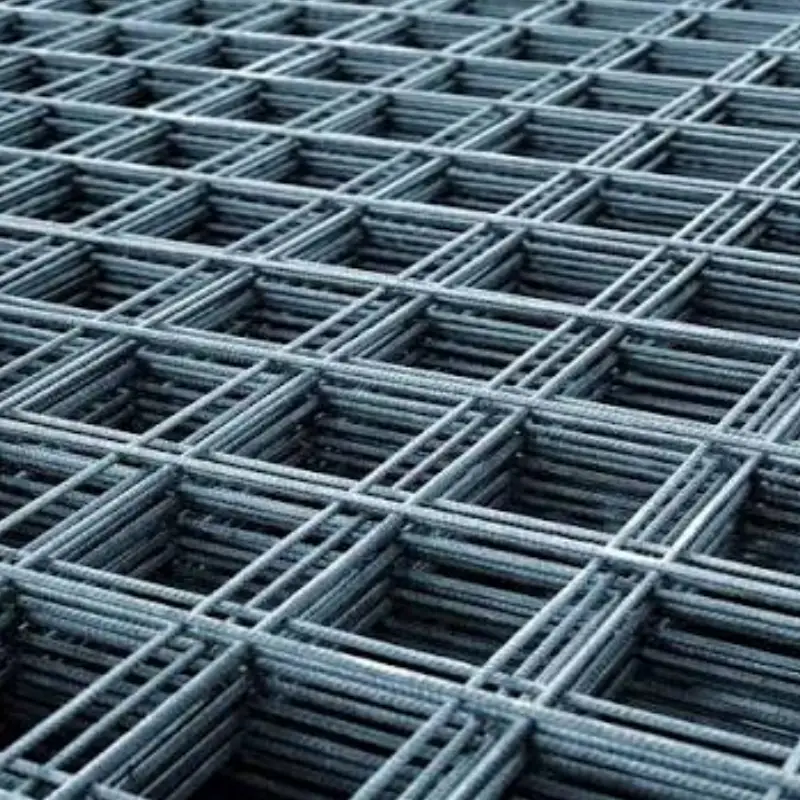
We supply concrete foundation wire mesh for foundation slabs and other specified concrete components that benefit from uniform crack-control reinforcement. Our welded mesh helps distribute steel consistently throughout the pour, supports efficient placement, and can help hold cracked concrete sections together. For load-bearing footings, stem walls, and structural foundations, we follow the engineer’s reinforcement design, which commonly requires rebar rather than mesh alone.
concrete wall wire mesh
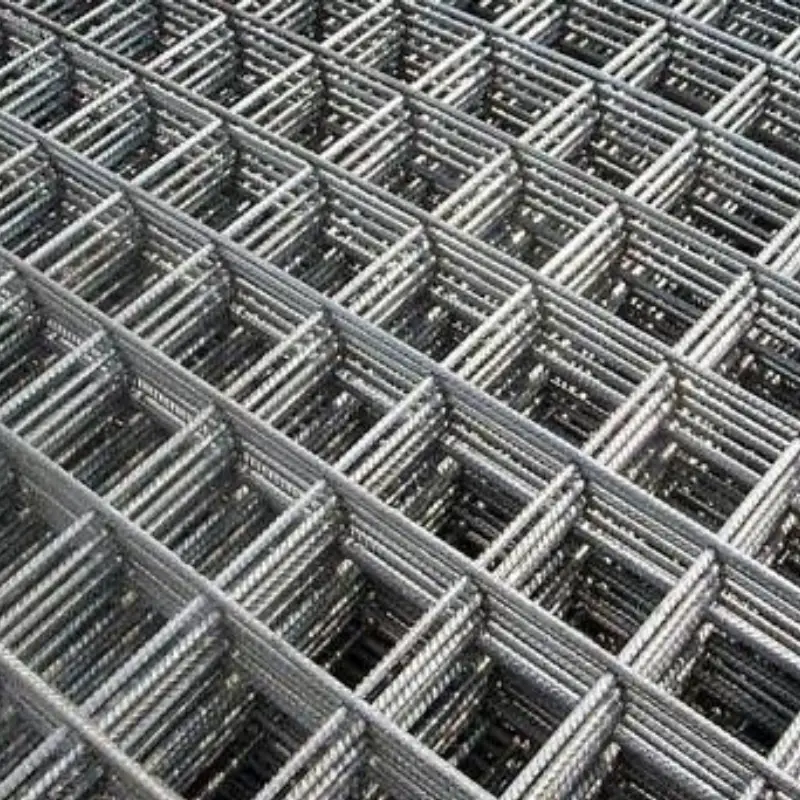
We supply concrete wall wire mesh to provide evenly distributed reinforcement in cast-in-place walls, precast panels, retaining walls, and shotcrete applications. Our welded steel grid helps control cracking, supports consistent reinforcement placement, and can replace hand-tied bar layouts where permitted by the engineered design. We tailor wire size, spacing, sheet dimensions, and protective finishes to suit wall thickness, loading, exposure, and installation requirements.
concrete block wire mesh
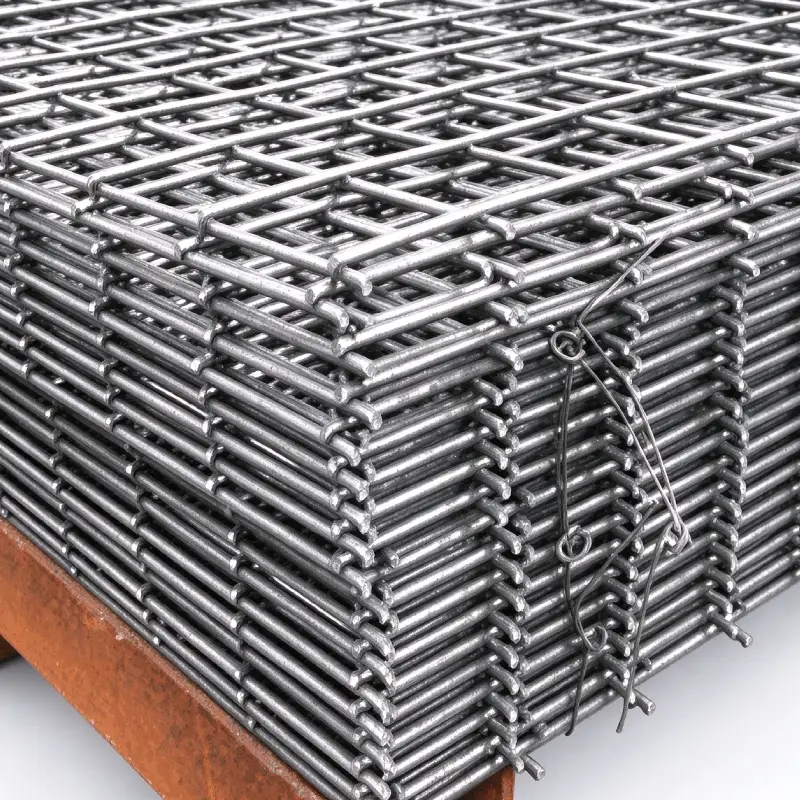
We provide concrete block wire mesh designed to improve the strength and stability of concrete block structures. We use quality steel and precise welding to ensure reliable reinforcement and consistent performance. Our concrete block wire mesh helps reduce cracking and supports masonry walls, concrete blocks, foundations, and other construction applications.
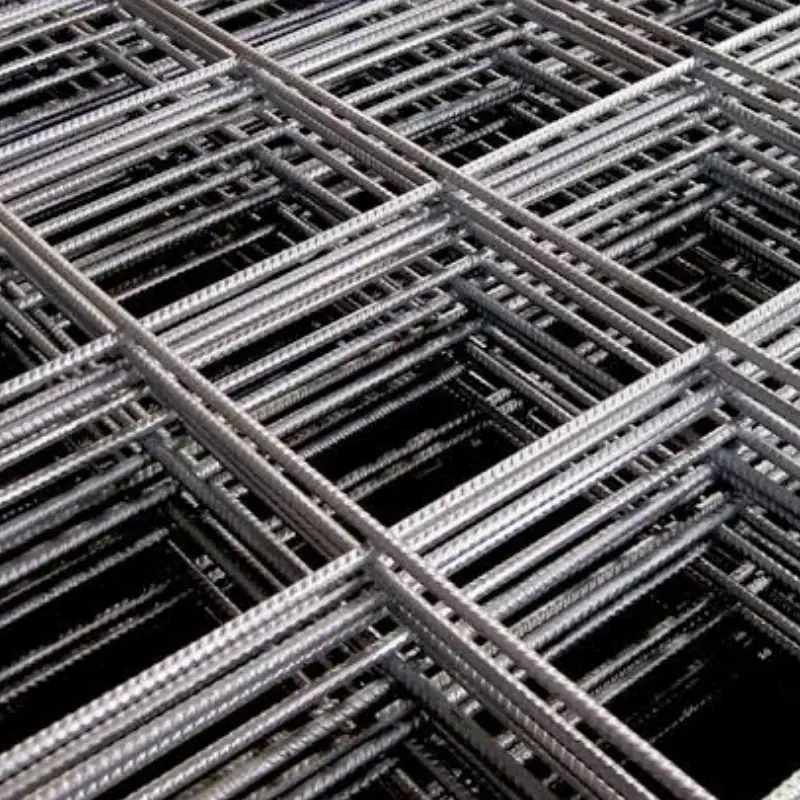
4x4 concrete wire mesh
We supply 4×4 concrete wire mesh with steel wires spaced 4 inches apart in both directions, creating a tighter reinforcement grid than 6×6 mesh. We use it where closer wire spacing is specified for slabs, pavements, walls, and other concrete elements requiring more uniformly distributed reinforcement and enhanced crack-control support.
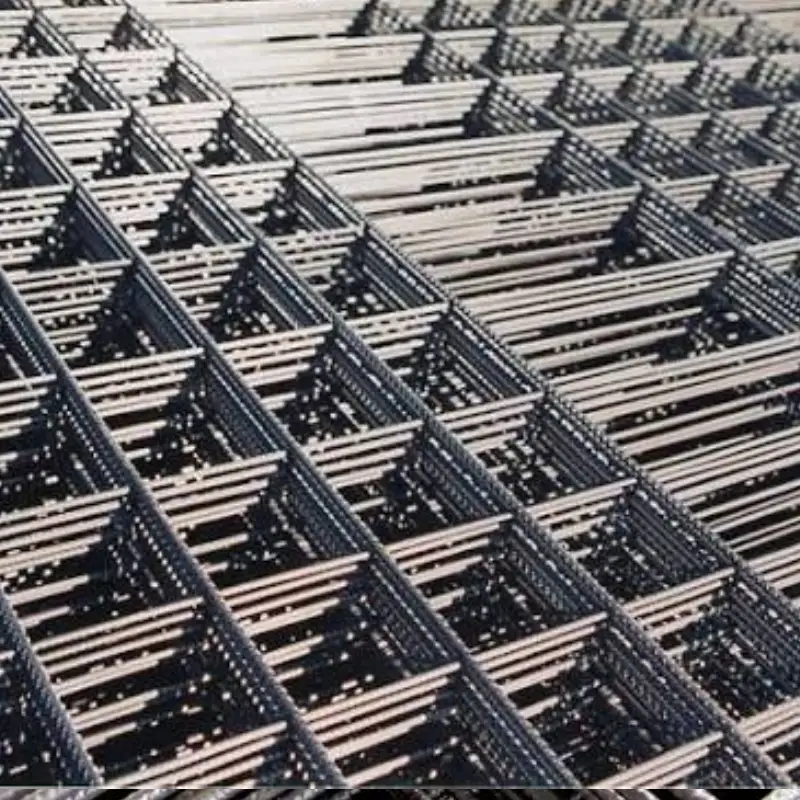
4x8 concrete wire mesh
We supply 4×8 concrete wire mesh panels for convenient reinforcement of smaller slabs, patios, sidewalks, repairs, and residential concrete work. The 4×8 designation usually describes the panel’s overall dimensions—4 feet wide by 8 feet long—not the wire spacing. We confirm the grid spacing, wire size, and finish separately to match your project requirements.
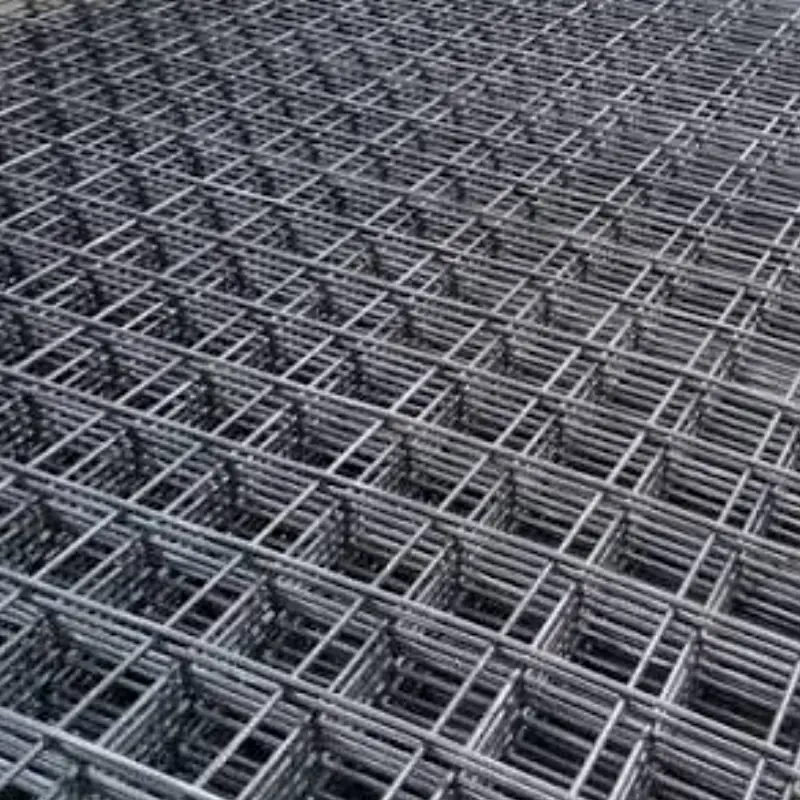
6x6 concrete wire mesh
We supply 6×6 wire mesh for concrete with steel wires spaced 6 inches apart in both directions, creating a uniform square reinforcement grid. It is commonly used in slabs, driveways, sidewalks, patios, and floors to support crack control and consistent reinforcement distribution. We offer multiple wire sizes to meet your project’s specified performance needs.
5x10 concrete wire mesh
We supply 5×10 concrete wire mesh sheets for reinforcing slabs, driveways, sidewalks, patios, and other concrete placements. The 5×10 designation identifies a panel measuring approximately 5 feet wide by 10 feet long, covering about 50 square feet before overlap. We confirm wire gauge, grid spacing, and coating separately to meet your project specification.
5x10 concrete wire mesh
We supply 5×10 concrete wire mesh sheets for reinforcing slabs, driveways, sidewalks, patios, and other concrete placements. The 5×10 designation identifies a panel measuring approximately 5 feet wide by 10 feet long, covering about 50 square feet before overlap. We confirm wire gauge, grid spacing, and coating separately to meet your project specification.
Why Choose Our Concrete Wire Mesh
Wire size and strength
We customize wire diameter, cross-sectional area, and smooth or deformed wire profiles to match the required reinforcement level. Heavier wires provide greater steel area where needed, while lighter options suit less demanding applications. We confirm the selected wire designation aligns with the project’s drawings, loading requirements, and ASTM A1064 material specification.
Grid spacing and pattern
We tailor longitudinal and transverse wire spacing to achieve the desired reinforcement distribution and crack-control performance. Common layouts include 6-by-6, 6-by-12, and 4-by-4-inch grids, but we can produce patterns suited to the specified design. We also accommodate different wire sizes in each direction when the design requires it.
Sheet or roll dimensions
We manufacture mesh in sheet or roll configurations based on wire size, jobsite access, handling equipment, and installation preferences. We can adjust width and length to reduce field cutting, overlaps, and off-cuts. Lighter mesh is commonly supplied in rolls, while heavier reinforcement is generally produced as flat sheets.
Coatings and finishing
We customize protective finishes for projects exposed to moisture, chemicals, or corrosive environments. We can supply uncoated steel for conventional applications, or specify epoxy-coated and galvanized options where corrosion resistance is required. We also provide specialty cutting so the mesh arrives in a format that supports faster, more accurate placement.
FAQs
What is concrete Wire Mesh?
Concrete wire mesh, also called welded wire reinforcement (WWR), is a grid of plain or deformed steel wires electrically welded at their intersections and placed within concrete slabs, sidewalks, driveways, walls, and similar elements.
What is concrete Wire Mesh made of?
Concrete wire mesh is primarily made from steel wire arranged in a square or rectangular grid and electrically welded at each intersection. We select the wire material, surface profile, finish, and fabrication method according to the concrete element, exposure conditions, structural design, and applicable specifications.
Carbon-steel welded wire reinforcement commonly follows ASTM A1064/A1064M.
- Carbon-steel wire: We commonly use carbon steel made from hot-rolled rod that is cold-drawn or cold-rolled into reinforcing wire. This process produces strong, consistent wire suitable for concrete reinforcement. The steel can be plain or deformed and is welded into stable mesh panels or rolls.
- Plain or deformed surface: We can use plain wire with a smooth surface or deformed wire featuring ridges, indentations, or protrusions. Deformed wire improves mechanical bond with hardened concrete, while plain wire remains suitable where the project specifications and intended application allow its use.
- Welded intersections: We create the mesh by resistance-welding the crossing longitudinal and transverse wires with controlled automated equipment. These welded joints form a rigid grid that maintains the specified spacing during handling and concrete placement, rather than relying on manually tied individual bars.
- Protective coatings: We supply bare steel for conventional applications and can add corrosion-resistant finishes when exposure demands it. Galvanized mesh uses a zinc coating, while epoxy-coated mesh uses a protective polymer layer. These options help protect the reinforcing steel in moisture- or chloride-prone environments.
What is concrete Wire Mesh used for?
Concrete wire mesh is used to reinforce concrete where added tensile capacity, crack control, and uniform steel distribution are needed.
We place the mesh at the designed depth within the concrete—not on the ground—to help it perform as intended. Its prefabricated grid speeds installation and supports consistent reinforcement across large pours.
- Slabs and floors: We use concrete wire mesh in residential slabs, warehouse floors, patios, and garage floors to distribute reinforcement across the surface. It helps manage temperature- and shrinkage-related cracking, supports durable service performance, and provides a more consistent reinforcement layout throughout the concrete placement.
- Driveways and pavements: We install mesh in driveways, sidewalks, road pavements, and runway slabs where repetitive traffic and environmental movement can cause cracking. It does not eliminate cracks, but helps limit crack width and hold adjacent concrete sections together after cracking occurs.
- Walls and foundations: We use heavier welded wire reinforcement in concrete walls, foundation walls, footings, retaining walls, and structural linings when specified by the engineer. The mesh distributes reinforcement in two directions, helping these elements resist applicable loads and maintain their intended shape.
- Precast concrete products: We use wire mesh to reinforce precast wall panels, concrete pipes, boxes, barriers, and similar factory-made elements. The consistent, welded grid simplifies repeatable fabrication, improves handling strength, and supports dependable reinforcement placement before the concrete is cast and cured.
how to attach wire mesh to concrete wall?
Attaching wire mesh to a concrete wall requires the right fasteners and proper spacing. We recommend choosing the attachment method according to the mesh type, wall condition, and intended use. With accurate drilling and secure fixing, we can create a stable installation that stays firmly against the concrete surface.
Choose the right fasteners: We select concrete screws, masonry anchors, or expansion anchors based on the mesh weight and wall condition. These fasteners provide reliable holding strength and help keep the wire mesh securely attached.
Mark the installation points: We measure and mark evenly spaced fixing points along the mesh edges and center. Proper spacing distributes the load and prevents the mesh from becoming loose, warped, or uneven.
Drill into the concrete: We use a masonry drill bit to create holes at the marked points. The holes should match the recommended diameter and depth of the selected concrete anchors for secure installation.
Position the wire mesh: We place the wire mesh against the concrete wall and align it with the drilled holes. We keep the mesh flat and properly positioned before inserting the fasteners.
Secure the mesh: We insert concrete screws or anchors through the mesh openings and tighten them firmly. We avoid excessive tightening, which could deform the wire or damage the protective coating.
Check the installation: We inspect the entire mesh after fastening to ensure there are no loose sections or sharp protruding edges. We also confirm that the mesh remains properly aligned and firmly attached.
how do you support wire mesh in concrete?
Supporting wire mesh correctly in concrete helps keep it at the proper height during pouring and curing. Proper placement improves reinforcement performance, helps control cracking, and supports the slab’s structural integrity.
The right support method depends on slab thickness, project requirements, mesh size, and whether the concrete is poured on the ground or within a structural framework.
-
Use wire mesh chairs: Place chairs beneath the mesh to maintain the required elevation and concrete cover.
-
Install concrete blocks: Use suitable precast concrete spacers to support the mesh above the subgrade.
-
Secure the mesh: Tie overlapping sheets together with binding wire to prevent movement during concrete placement.
-
Maintain proper spacing: Position supports at suitable intervals to reduce sagging and keep the reinforcement evenly distributed.
-
Check mesh positioning: Inspect the mesh before pouring to confirm that it remains stable and at the specified height.
wire mesh vs rebar for concrete
Wire mesh and rebar are both used to reinforce concrete, but they serve different purposes depending on the project. Wire mesh consists of interconnected steel wires arranged in a grid, while rebar uses individual steel bars to provide reinforcement.
Understanding their differences helps you choose the right option for concrete slabs, driveways, foundations, and other construction applications.
-
Strength and load capacity: Rebar is generally preferred for structural applications requiring higher tensile reinforcement.
-
Crack control: Wire mesh helps distribute reinforcement across concrete slabs to control cracking caused by shrinkage and temperature changes.
-
Installation: Wire mesh is typically easier to install over large, flat areas, while rebar often requires more cutting, bending, and tying.
-
Cost: Wire mesh may reduce installation labor for simple slabs, whereas rebar costs depend on bar sizes, spacing, and project complexity.
-
Common applications: Wire mesh is often used in floors and pavements, while rebar is common in foundations, beams, columns, and heavily loaded concrete structures.
why choose our concrete Wire Mesh?
We provide concrete wire mesh designed to support reliable reinforcement, efficient installation, and lasting concrete performance.
We combine dependable materials, consistent fabrication, flexible sizing, and responsive service to help contractors, distributors, and project teams meet their specifications. Our goal is to supply mesh that arrives ready to place, reduces unnecessary jobsite work, and supports quality results.
- Consistent quality: We manufacture and source concrete wire mesh with controlled wire spacing, secure welded intersections, and dependable dimensional accuracy. We focus on uniform reinforcement so your team can place material confidently, maintain the intended layout, and achieve consistent coverage across slabs, pavements, walls, and precast applications.
- Custom specifications: We tailor wire diameter, grid spacing, panel dimensions, roll formats, and finishes around your project requirements. We work from drawings, schedules, or sample specifications to help minimize cutting, excess overlap, and material waste while ensuring our mesh suits the intended concrete element and installation method.
- Reliable strength: We provide mesh options engineered to deliver the reinforcement area and crack-control support your application requires. We help match the product to slab thickness, loading conditions, exposure environment, and design requirements, giving you a practical solution that supports durable, serviceable concrete construction over time.
- Efficient installation: We supply prefabricated mesh that helps crews cover large areas faster than assembling individual reinforcing bars on site. Our consistent grid layout supports straightforward positioning, overlap planning, and placement. This can reduce labor demands, improve workflow, and keep concrete pours moving according to schedule.
- Responsive support: We offer clear product guidance, specification assistance, and dependable communication from quotation through delivery. We help you identify an appropriate mesh configuration, confirm order details, and coordinate supply requirements. Our team remains focused on helping your project receive the right reinforcement when it is needed.