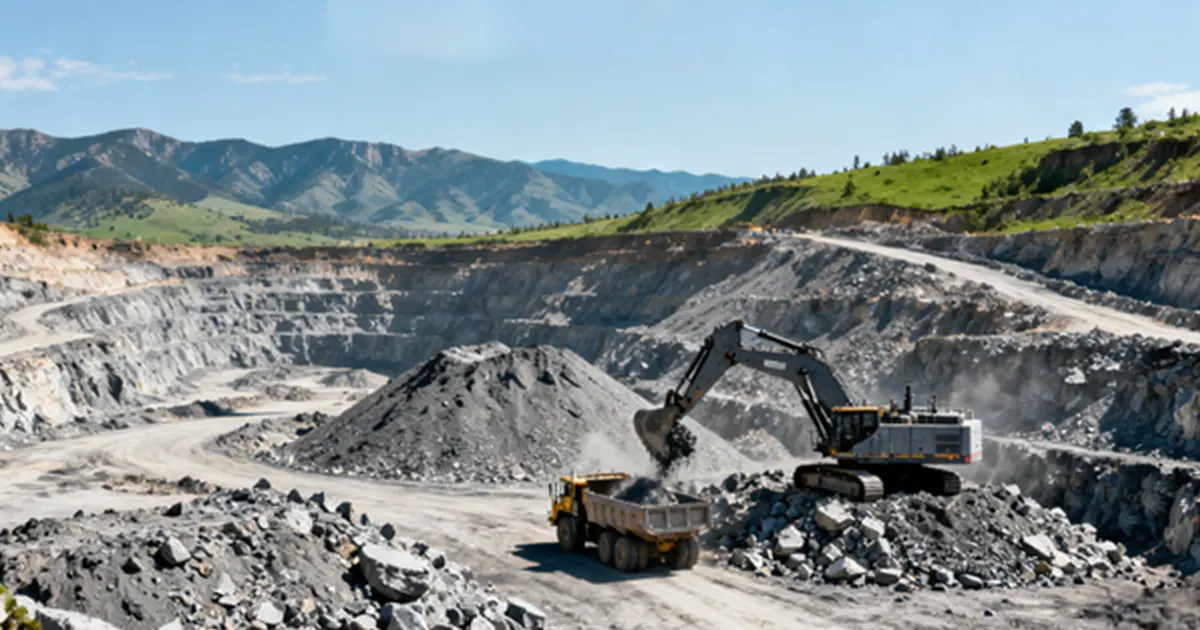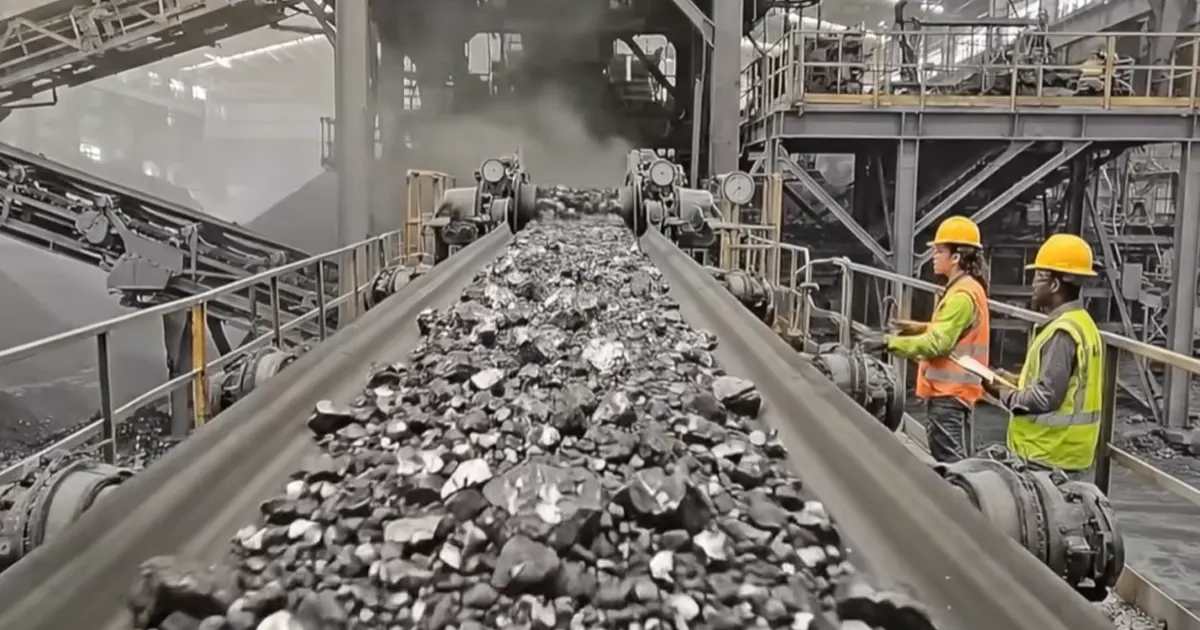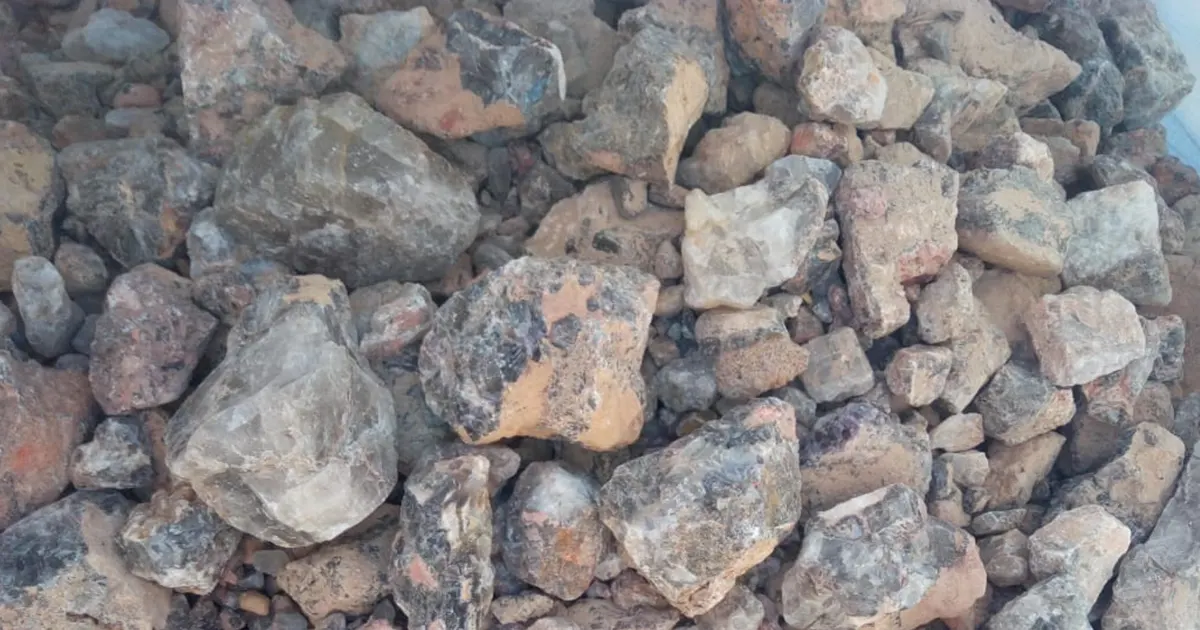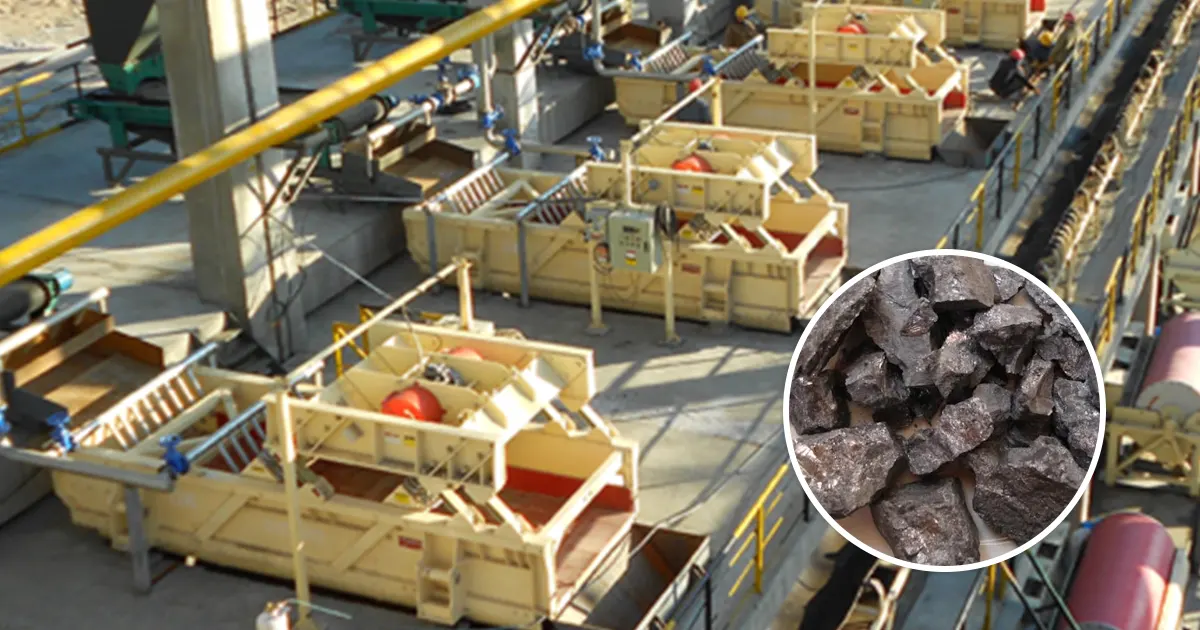
When you begin demolition waste screening, you need the right tools. The equipment you choose should match your demolition waste and your system’s setup. If you use high-vibration screens, you get better separation. You also have less recirculation. This saves money and makes your output better. Good screening choices help you get back more materials, like metals and aggregates, with less work.
Key Takeaways
- Pick the right screening equipment for the waste size and type. Match screens to the material for better sorting.
- Keep the feed rate steady to stop clogs and slowdowns. A steady flow helps the equipment work well.
- Choose screens made from strong materials for tough demolition waste. Check them often to make them last longer.
- Think about how wet or sticky your materials are. Use trommel screens or self-cleaning media for wet or sticky waste.
- Set clear goals for screening before picking equipment. Know what you want to recover to choose the best tools.
- Use modular screening systems to handle changing feed conditions. This helps keep things running well and cuts down on stops.
- Regular care is important to keep your screening equipment working. Plan inspections and clean screens to stop expensive fixes.
- Talk to experts when picking screening equipment. Their advice can help you set up better and recover more materials.
Demolition Waste Screening: Selection Criteria
Material Size and Feed
When you start screening demolition waste, look at the size and shape of the pieces. Some are big and heavy. Others are small and light. You might find concrete, bricks, wood, or metal. How these materials go into your screening equipment matters a lot. If the feed is steady, your screen works well. If the feed is uneven, you get clogs and slowdowns.
Here’s a simple table to show what is important for screening equipment:
| Criteria | Description |
|---|---|
| Moisture | Surface moisture affects screening most. Inherent moisture also matters. |
| Particle Shape | The shape of particles in the feed and products changes screen choice. |
| Density | Material density changes how much the screening machine must handle. |
| Feed Rate | A steady feed is needed for screens to work right. Irregular feed causes problems. |
| Bed Depth | The depth of material on the screen changes how fines pass through. |
| Screen Openings | The size and design of openings affect efficiency, capacity, and quality. |
You need to match your screening equipment to the material size and feed rate. If you have lots of fines, use a screen with small openings. If you have big chunks, use coarse screening. This helps separate materials and keeps your process smooth.
Abrasiveness and Wear
Demolition waste can be hard on your screening equipment. You might see sharp edges and rough surfaces. Heavy materials can wear down screens fast. If you pick the wrong screen, you spend more time and money fixing it.
Choose screens made from strong materials. Some screens use special alloys or coatings to handle tough waste. Modular systems let you change worn parts without stopping everything. If you check your screens often, you find problems early and keep your equipment working longer.
Moisture and Stickiness
Moisture and stickiness are big problems in demolition waste screening. Wet materials can clog screens and slow things down. Sticky fines block openings. You need screening equipment that can handle these issues.
Trommel screens work well for sticky or wet demolition waste. Their rotating drum keeps materials moving and stops clogs. Screening buckets with rotating blades and scrapers help keep screens clear. These tools improve material separation. If you deal with high moisture, pick equipment that handles different shapes and sizes without getting stuck.
Tip: If you check your screening equipment often, you find moisture and stickiness problems before they get worse. This keeps your process running well and cuts downtime.
Screening Objectives
When you start demolition waste screening, you need clear goals. These goals help you pick the right screening equipment and get the best results from your process. Let’s break down what you should focus on.
First, you want to know the size and amount of each type of material in your waste. This step matters because it tells you what kind of screening equipment you need. If you have lots of big chunks, you might use coarse screening. If you see many small pieces, you need screens with smaller openings. You can even use smart tools, like deep learning cameras, to measure and sort the waste before it reaches the screen. This makes your screening more accurate and helps you match the right equipment to your needs.
Next, think about what you want to do with the screened material. Do you want to make recycled aggregates? Are you trying to pull out metals or wood? Your screening objectives will change based on your end goal. For example, if you want clean aggregates, you need screening equipment that can separate out fines and remove unwanted bits. If you want to recover metals, you need a screen that lets you spot and pull out those pieces easily.
You also need to think about the environment. Some screening equipment uses more energy or creates more dust. You can use tools to check how much pollution your process makes. This helps you pick equipment that works well and keeps your costs and emissions low. When you choose screening equipment with the environment in mind, you help your business and the planet.
Here’s a quick checklist to guide your screening objectives:
- Measure the size and amount of each material in your demolition waste.
- Match the screening equipment to the size and type of waste.
- Set clear goals for what you want to recover (aggregates, metals, wood, etc.).
- Check how your screening process affects the environment.
- Pick equipment that balances performance, cost, and sustainability.
Tip: Write down your screening objectives before you choose your equipment. This makes it easier to find the right screen for your job and helps you get the most value from your demolition waste screening.
When you set clear screening objectives, you make better choices. You get better material separation, higher recovery rates, and a smoother process. The right screening equipment helps you reach your goals and keeps your operation running strong.
Screening Equipment: Common Challenges
Mixed Materials
Demolition waste is usually a mix of many things. You might see concrete, wood, metal, brick, and plastic. This mix makes it hard for screening equipment to work well. Sometimes, materials stick together or hide inside each other. This makes it tough for the screen to separate them.
Here are some problems and ways to fix them:
- It can be hard to tell different materials apart, especially if they are dirty or stuck.
- Sorting systems at the site can help separate materials before screening. This stops mixing and makes screening easier.
- Selective demolition helps keep good materials in better shape. This lets your screening equipment recover more.
- Tools like sensors and robots can find and sort materials faster and better.
- Most deep learning models work best with just one material. You need better sensors and more data for mixed waste.
If you use modular screening equipment, you can change parts or setups when the mix changes. This keeps your process flexible and helps you get more from each load.
Rebar Contamination
Rebar is a big problem in demolition waste. These metal rods twist through concrete and can jam your screening equipment. If you do not remove rebar, you will have more breakdowns and lower-quality recycled materials.
Here is how rebar contamination affects your screen:
| Impact on Screening Equipment | Description |
|---|---|
| Increased Maintenance | You need to fix and check your screening equipment more often. |
| Reduced Operational Efficiency | Extra steps slow down your screening process. |
| Lower Value of Recycled Aggregates | Rebar can lower the quality of your screened materials. |
You can use magnets or pick out rebar by hand before it gets to the screen. This keeps your screening equipment working better and gives you better results.
Sticky Fines
Sticky fines are tiny, wet bits that stick together. They can clog your screen and slow down your screening equipment. If sticky fines build up, your screening process will stop.
Here is what you can do:
- Use vibrating screeners. They shake off sticky fines and keep your screening equipment clear.
- Treat your demolition waste before screening to lower moisture. This stops clumps from forming.
- Check and clean your screen often. Regular cleaning keeps sticky fines from blocking your screening equipment.
Tip: If you keep your screening equipment clean and use the right screen for sticky fines, you will have fewer clogs and better material flow.
When you know these common problems, you can choose screening equipment that fits your needs. You will spend less time fixing things and more time getting value from your demolition waste.
Variable Feed
You never know what will come down the line when you handle demolition waste. Sometimes, you get a steady flow of similar-sized pieces. Other times, you face a wild mix of big chunks, small bits, and everything in between. This is what people call variable feed. It can make your job much harder if you do not plan for it.
Variable feed can cause a lot of trouble for your screening equipment. When the size of the material changes all the time, your screen has to work extra hard. Big pieces can block the openings. Small pieces might slip through too fast. Wet or sticky materials can make things even worse. You might see your screen clog up or get blinded, which means the holes fill up and nothing gets through. When this happens, your screening slows down, and you get less good material out of the process.
Let’s look at some common problems you might face with variable feed:
- Large chunks can jam the screen and stop the flow.
- Fine particles can overload the screen and reduce quality.
- Wet or sticky waste can stick to the screen and cause clogs.
- Sudden changes in feed rate can make your screening equipment work unevenly.
If you use traditional screening equipment, you might spend a lot of time fixing these problems. You could see more downtime and need more maintenance. This means you lose time and money. But you do not have to settle for this. Some modern screens use special designs to handle variable feed better. For example, flip-flow screens use flexible mats that move and shake. This helps keep the screen clear, even when you deal with tough, sticky, or mixed materials. These screens can boost your efficiency and cut down on wear and tear.
Tip: If you expect a lot of changes in your feed, pick screening equipment that can adapt. Modular systems let you swap out parts or change the setup fast. This keeps your screening running smoothly, even when the material changes from load to load.
You can also help your screen by controlling the feed as much as possible. Try to keep the flow steady. Use pre-sorting or feeders to break up big pieces before they hit the screen. Check your screening equipment often to spot problems early. When you stay on top of these challenges, you get better results and keep your process moving.
Screening Processes for C&D Waste
Scalping Screens
When you work with construction and demolition waste, you see big and small pieces. Scalping screens help with this problem. These screens go first in your screening system. They take out the biggest pieces before anything else moves on. This step keeps your equipment safe and makes the rest of the job easier.
Here are some good and bad things about scalping screens:
| Advantages | Disadvantages |
|---|---|
| Ability to separate mixed materials into different grades based on size | Higher costs than box screeners |
| Yields three products (fines, middles, and overs) compared to two | Slightly more complex transportation needs |
| Efficient separation and sorting of materials | Requires a larger footprint on job sites |
Scalping screens help you sort better. You can get fines, middles, and overs. This means you save more useful stuff. But these screens need more space and cost more than box screeners.
Multi-Deck Screening
After you take out the big pieces, you need to sort the rest by size. Multi-deck screening makes this simple. Each deck has a screen with its own opening size. As the waste moves, each layer catches a different size. You get neat piles instead of just two.
Look at this table to see how multi-deck screening is different from single-deck systems:
| System Type | Number of Cuts | Number of Fractions |
|---|---|---|
| Single-deck | 1 | 2 |
| Two-deck | 2 | 3 |
| Three-deck | 3 | 4 |
More decks mean more cuts and more piles. You can sort your waste into very exact sizes. You get cleaner products and less leftover waste. Multi-deck screening helps you get the most out of every load.
Closed Circuit
Closed circuit screening goes even further. In this setup, you send pieces that are not the right size back through the screen. This loop keeps going until you get the size and quality you want. You waste less and save more.
Closed circuit screening also helps with recycling and being green. Here’s how it helps:
| Application | Description |
|---|---|
| Material Substitution | Recovered materials can replace raw construction materials like sand and gravel. |
| Upcycling | Innovations can lead to new materials such as inorganic polymers and glass-ceramics. |
| Circular Economy | Recovery processes contribute to closing material life cycles and enhancing sustainability. |
You can use closed circuit screening to map resources, use selective demolition, and check how much CO2 you save by recycling. This process helps you make better choices for your business and the earth.
Tip: If you want to get more good material and better quality, try using these screening methods together. You will get cleaner products and help the planet too.
Screening Phases
When you handle demolition waste, you do not just toss everything onto a single screen and hope for the best. You use different screening phases to get the most out of your materials. Each phase has a special job. You start with the first phase to remove the biggest pieces. This step protects your equipment and makes the next steps easier.
The next phase uses a screen to sort medium-sized pieces from the smaller ones. You can think of this as a way to organize your waste into neat piles. The last phase focuses on the smallest bits. This phase helps you catch fines and tiny pieces that might slip through earlier screens.
Let’s break down why these screening phases matter for your work:
- You get less waste going to the landfill. Each screen pulls out more recyclable material.
- You save money because you reuse more and buy less new stuff.
- You finish jobs faster since your materials meet the right standards from the start.
Here’s a table to show how each screening phase helps your project:
| Benefit | Description |
|---|---|
| Reduced Waste and Environmental Impact | Screening separates recyclable materials from waste, minimizing landfill use and conserving resources. |
| Cost Savings and Resource Efficiency | Recycled materials reduce the need for new raw materials, optimizing resource allocation and saving costs. |
| Improved Project Timelines | Proper screening ensures materials meet quality standards, reducing delays and enhancing scheduling. |
You might wonder how to pick the right screen for each phase. Start by looking at your waste. If you see lots of big chunks, use a coarse screen first. For mixed sizes, try a multi-deck screen. If you deal with sticky or wet materials, choose a screen that can shake or clean itself.
Screening works best when you check your equipment often. Clean your screens and watch for clogs. If you keep your screens in good shape, you get better results and less downtime.
Tip: Write down your screening plan before you start. This helps you pick the right screen for each phase and keeps your process smooth.
When you use the right screening phases, you get cleaner materials, save money, and help the planet. You also make your job easier and faster. That’s a win for you and your team.
Screen Media: Types and Selection
Woven Wire
You see woven wire in many demolition waste screening jobs. This type of screen media uses steel wires woven together to make a grid. The wires can be thick or thin, depending on what you need. Woven wire works well when you want to separate materials by size. You can pick different opening sizes for your screen. This helps you get the right cut for your project.
Woven wire is strong and flexible. You can use it for heavy loads and rough materials. If you need to change your screen media often, woven wire makes it easy. You just swap out the panels. You can also spot damage quickly because you see the wires. If you check your screen media often, you will catch wear before it causes trouble.
Tip: Woven wire is a good choice if you want a simple, reliable screen media that you can change fast.
Self-Cleaning
Self-cleaning screen media can make your life easier. These screens use special wires or shapes that move and flex as material passes over them. This action shakes off sticky bits and keeps the openings clear. You do not have to stop and clean the screen as much.
Here’s why you might like self-cleaning screen media:
- They stop blinding and clogging, so you do not need to clean by hand.
- You get steady performance from your screen, even with tough materials.
- Your material stays pure, so you do not need to fix problems as often.
If you deal with sticky fines or wet demolition waste, self-cleaning screen media can save you time. You spend less time on maintenance and more time getting good material. You also keep your screen running at top speed.
Note: Check your screen media often to make sure the self-cleaning parts still work well. This keeps your screening process smooth.
Polyurethane
Polyurethane screen media is tough. You see it in places where the waste is sharp, heavy, or rough. Polyurethane costs more at first, but it lasts much longer than other types. You do not need to change your screen as often. This means less downtime and more work done.
Let’s look at how polyurethane screen media helps you:
| Aspect | Details |
|---|---|
| Initial Cost | Polyurethane costs 25–35% more than other screen media. |
| Longevity | It lasts much longer, so you do not need to repair or replace it as often. |
| Downtime Reduction | You can cut downtime by 60%. This means your screen works more and rests less. |
| Payback Period | Most companies get their money back in 18–24 months. |
| Long-term Savings | Over five years, you can save 140–160% compared to cheaper screen media. |
| Resistance to Wear | Polyurethane stands up to abrasion and impact. It keeps its shape under heavy use. |
| Chemical Resistance | It resists oils, fuels, solvents, and water. It does not break down easily. |
You get a strong, long-lasting screen media when you pick polyurethane. You spend more at first, but you save money over time. You also get less downtime and fewer repairs. If you want a screen media that can handle tough jobs, polyurethane is a smart choice.
Tip: Polyurethane works best when you check your screen media for wear and damage. Replace panels before they fail to keep your screening line running.
Rubber
Rubber screen media is great for tough demolition waste. You might see sharp concrete, heavy bricks, or twisted metal in the mix. Rubber screen media can handle these hard jobs easily. It is very strong and does not break or crack fast. You can use rubber screen media where other types do not last.
Rubber screen media can bend and move. This means you can fit it into many different screens. You do not have to worry about stiff panels. Rubber can change shape to fit your needs. You can use it for big pieces or small pieces. It keeps working even if the feed changes a lot.
You want your screen media to last a long time. Rubber screen media uses special materials that fight wear and tear. These materials help the panels last longer. You do not need to change them as much. Your screen media works well in many different conditions. You do not see big drops in how well it works.
Let’s see how rubber screen media compares to other types:
| Feature | Rubber Screen Media | Other Media Types |
|---|---|---|
| Durability | High, engineered for intense mechanical stress | Varies, often lower durability |
| Flexibility | Excellent, conforms to various configurations | Limited flexibility |
| Resistance to Wear | Superior, abrasion-resistant compounds | Generally less resistant |
| Service Life | Extended, reduces replacement frequency | Shorter lifespan |
| Performance Consistency | Maintains efficiency across varying conditions | Inconsistent performance |
You can see rubber screen media gives you more value. You get fewer breakdowns and less time fixing things. Your screening line keeps running. You also protect your equipment from getting hurt. If you want screen media you can trust, rubber is a good pick.
Tip: Check your rubber screen media often. Look for any signs of damage or wear. Change panels before they break. This keeps your screen working well and your process smooth.
Perforated
Perforated screen media is another choice for demolition waste screening. You see it used in many recycling plants. Perforated screen media is made from metal plates with holes punched in them. The holes can be different shapes and sizes. You can pick the pattern that fits your job best.
You use perforated screen media when you need strong panels. Metal plates can hold up heavy loads. You can use them in both fixed and moving screeners. Perforated screen media is good for sorting and sieving. You can take out unwanted bits and get better material.
Here are some ways people use perforated screen media:
- You make recycled aggregates from construction and demolition waste.
- You use it to sort and sieve out things you do not want.
- You find it in fixed screeners, trommels, and perforated belt conveyors.
- You save space because the equipment is efficient.
Perforated screen media gives you clean cuts. You get neat piles of sorted material. You can use it for big or small pieces. The panels last a long time. Metal plates do not wear out fast. You spend less time fixing and cleaning.
You want your screen media to work well. Check your panels often for blocked holes or worn spots. Clean your screen media to keep it working right. Change damaged panels so you do not have downtime.
Note: Perforated screen media works best when you match the hole pattern to your material. Try different shapes and sizes to see what works best.
You can use rubber and perforated screen media together. Rubber is good for places with lots of impact. Perforated panels give you clean cuts. You get a screening system that works for all kinds of demolition waste.
Practical Guidance: Media Configuration
Matching Media to Material
You want your screen media to fit your demolition waste. If you match the right media to your material, you get better results and less trouble. Start by looking at what you need to screen. Is it wet, sticky, or full of sharp pieces? Does it have lots of fine dust or big chunks? Each type of waste needs a different approach.
Here’s a quick table to help you decide:
| Factor | What to Look For |
|---|---|
| Material Type | Wet, sticky, or abrasive? Use tough or self-cleaning screens. Dry and light? Woven wire works well. |
| Volume | Big jobs need heavy-duty screens. Small jobs can use lighter, flexible media. |
| Desired Output | Want clean, even sizes? Pick media with the right mesh size and shape. |
| Machine Size & Capacity | Large machines handle more but need space. Small machines fit tight spots but process less. |
| Waste Characteristics | Lots of debris or fines? Choose media that resists clogging and handles mixed materials. |
You should also think about what you want to recover. If you want to pull out useful aggregates, use scalping screens to separate them from debris. For fine sand or dust, try screens with smaller holes. If you want to recycle more, use media that helps you sort and clean your materials.
Tip: Always check your raw material before you pick your screen media. The right match saves you time and money.
Panel Thickness
Panel thickness matters more than you might think. Thick panels last longer and stand up to heavy, sharp waste. Thin panels give you more open area, so you get faster screening, but they wear out quicker. You need to balance strength and speed.
Here’s how to choose:
- For heavy, abrasive waste (like concrete with rebar), pick thicker panels. They resist bending and breaking.
- For lighter or less abrasive material, thinner panels work fine. You get more throughput and save on weight.
- If your feed changes a lot, modular panels let you swap thick and thin sections as needed.
Check your panels often. If you see cracks or worn spots, change them before they fail. This keeps your line running and avoids big repairs.
Note: Thicker isn’t always better. Too thick can slow down your process. Find the sweet spot for your job.
Hole Patterns
The shape and size of the holes in your screen media make a big difference. Large holes (6–25 mm) work best for big chunks of demolition waste. Medium holes (2–6 mm) are good for sand or small gravel. Fine holes (0.5–2 mm) catch dust and tiny bits.
Let’s look at how hole patterns affect your screening:
| Hole Size | Best For |
|---|---|
| Large (6–25 mm) | Coarse screening, big debris, gravel |
| Medium (2–6 mm) | Sand, small stones, plastic pellets |
| Fine (0.5–2 mm) | Dust, powder, seed grading |
The pattern matters too:
| Pattern Type | What It Does |
|---|---|
| Staggered (Triangular) | Gives you more open area and faster flow. Great for high volume. |
| Straight (Square) | Easy to clean and check. Good for even, steady flow. |
| Specialty Patterns | Custom shapes for tricky materials. |
If you want more speed, pick staggered holes. For easy cleaning, go with straight patterns. Specialty shapes help with sticky or odd-shaped waste.
Tip: Try different hole patterns on test runs. You’ll see what works best for your material and goals.
Efficiency and Maintenance
You want your screening line to run smoothly and last a long time. The secret is regular maintenance. When you check your screen media often, you catch problems before they grow. You keep your equipment working at its best. You also save money because you avoid big repairs and downtime.
Let’s look at how maintenance helps you:
| Maintenance Aspect | Benefit |
|---|---|
| Regular maintenance | Ensures peak performance and extends equipment life |
| Preventive maintenance | Avoids unplanned shutdowns, maintaining efficiency |
| Equipment design | Easy-to-maintain designs reduce long-term costs |
If you clean your screens and check for wear, you get better results. Dirty or damaged screens slow down your process. They let good material slip through or block the flow. You want to spot holes, tears, or clogged spots early. Change worn panels before they break. This keeps your line moving and your workers safe.
Here are some quick tips for better efficiency:
- Set a schedule for cleaning and inspections.
- Use easy-to-change panels if you want less downtime.
- Keep spare parts on hand for fast swaps.
- Train your team to spot problems early.
Tip: A little time spent on maintenance saves you hours of lost work later.
You also want to pick screen media that fits your job. Some designs are easier to clean and fix. If you choose smart, you spend less time on repairs and more time getting value from your demolition waste.
Consulting Experts
Sometimes, you need a little help to get the best results. Screening equipment experts know all the tricks. They can help you pick the right media, set up your line, and solve tough problems. You get advice that fits your site, your waste, and your goals.
Check out what you gain when you talk to the pros:
| Benefit | Description |
|---|---|
| Improved Recycling Rates | You separate more reusable materials and send less to the landfill. |
| Cost Savings | You lower disposal costs and make money from recycled stuff. |
| Environmental Sustainability | You cut waste and save resources, which is good for the planet. |
| Versatility | You can use expert advice at job sites or recycling plants. |
| Enhanced Productivity | You save time and boost your project’s speed with better setups. |
Experts can show you new tools or ways to boost your recovery rates. They help you avoid common mistakes. You get more value from your equipment and waste stream. If you want to stay ahead, ask for advice before you buy or change your screen media.
Note: Don’t wait for problems to call an expert. Get their input early and keep your screening line running strong.
Screening Impact: Recovery and Quality
Recovery Rates
When you screen demolition waste well, you get more useful stuff. Good screening lets you pull out concrete, metal, and wood. You do not just toss things away. You can use them again for new jobs. This saves money and helps the planet too.
You can get better recovery rates by picking the right equipment and screen media. Vibrating screens and trommels sort materials by size and type. This makes it easier to grab what you need. You also send less waste to the landfill. When you recover more, you spend less on dumping and get more to recycle.
Tip: Keep track of your recovery rates. If they go up, your screening process is working well.
Aggregate Quality
You want your recycled aggregates to be strong and dependable. Good screening helps make this happen. Effective screening makes sure your recycled aggregates meet building standards. This means your materials will last in roads, sidewalks, and buildings.
Here’s how screening helps aggregate quality:
- You meet building rules, so your materials are safe and strong.
- Your recycled aggregates last longer and work better.
- You waste less and use more, which helps the environment.
If you use the right screen media, you remove dust, dirt, and unwanted bits. This gives you clean, high-quality aggregates. Builders trust materials that go through a good screening process.
Note: Clean aggregates mean better buildings and fewer repairs later.
Contamination Reduction
Nobody wants dirty or weak recycled materials. Contamination can ruin your final product. That’s why you need a smart screening process. When you use advanced screening technology, you separate materials by size and type. This keeps out things you do not want, like plastic, wood, or metal bits in your concrete.
Here’s what happens when you reduce contamination:
- You get higher-quality recycled materials.
- You cut down on defects and weak spots in your products.
- You make your construction materials last longer.
Some screens, like vibrating and trommel screens, do a great job removing unwanted particles and debris. They shake or spin the waste, so only the right pieces get through. This means your recycled aggregates are cleaner and stronger.
- Optimized screening cuts down on contamination.
- Advanced screens sort materials by size and type.
- You get fewer defects and better durability.
- Vibrating and trommel screens remove debris and unwanted bits.
- Clean materials mean better results for your projects.
Tip: Check your screened materials often. If you see less contamination, you know your process is working.
Sustainability
When you see demolition waste, you might think it is just trash. But you can use screening to find useful things in the rubble. Screening is not only about sorting. It helps your business and the planet.
Efficient screening equipment lets you pull out materials you can use again. You can save concrete, metal, wood, and plastics. These do not go to the landfill. You give them a second life. This step means you throw away less waste. Less waste uses less space in landfills and helps the environment.
Here’s how screening helps with sustainability:
| Benefit | Description |
|---|---|
| Waste Reduction | Screening separates reusable materials from waste, minimizing landfill usage. |
| Resource Recovery | Allows contractors to recover valuable materials from demolition and excavation sites. |
| Compliance with Regulations | Ensures alignment with local environmental laws, avoiding fines and promoting sustainable practices. |
You can also get back valuable resources. When you pull out metals or clean aggregates, you can sell them or use them again. This saves money and helps you use fewer new materials. You do not need to buy as much raw stuff. That means less mining, less energy, and less pollution.
Following local rules is important too. Many places have strict laws about waste and recycling. If you use good screening equipment, you can meet these rules easily. You avoid fines and show your community you care about the environment. People notice when you do things right.
Here are ways to boost sustainability with screening:
- Sort materials at the source. This makes recycling easier and cleaner.
- Use modular screens. You can swap out parts and keep your system running longer.
- Check your equipment often. Well-maintained screens work better and last longer.
- Train your team. When everyone knows how to spot good material, you recover more.
Tip: Every time you recover and reuse a material, you help the planet. You also make your business stronger and more respected.
Screening is more than just sorting. It is a smart choice for the future. You cut waste, save resources, and follow the rules. Efficient screening helps you build a better world, one load at a time.
Conclusion
Picking the right screening equipment and media helps your demolition waste process work better. If you match the screen media to the size, weight, and roughness of your material, you get better results. You also have less time when your equipment is not working. Manufacturers can help you choose the best options for each step. Always check your screens to see if they are worn out or broken. If you are not sure what to do, ask an expert for help. These steps let you get back more materials and keep your work going strong.
FAQ
What is demolition waste screening?
You use demolition waste screening to sort rubble, concrete, metal, and wood. Screening helps you separate materials by size and type. You get cleaner piles and recover more useful stuff.
How do I choose the right screen media?
You look at your waste. If it’s wet or sticky, pick self-cleaning or rubber media. For heavy, sharp debris, use polyurethane or thick panels. Woven wire works for dry, light material.
Can I use the same screen for all demolition waste?
No, you need to match your screen to the material. Heavy, mixed waste needs tough screens. Fine or dry waste works best with lighter media. Modular screens let you swap panels fast.
How often should I check my screening equipment?
You should inspect your screens every day. Look for holes, tears, or clogs. Clean panels often. Quick checks help you spot problems early and keep your screening line running.
What problems can sticky fines cause?
Sticky fines block screen openings. You see clogs and slowdowns. Vibrating or self-cleaning screens help shake off sticky bits. Regular cleaning keeps your process smooth.
Why does panel thickness matter?
Thicker panels last longer with heavy waste. Thin panels give you faster screening but wear out quicker. You need to balance strength and speed for your job.
How does screening help with recycling?
Screening lets you pull out clean aggregates, metal, and wood. You send less waste to the landfill. You save money and help the planet by reusing materials.
Should I ask an expert before buying screening equipment?
Yes, you get better results when you talk to a screening expert. They help you pick the right media, set up your line, and solve tough problems. You save time and money.