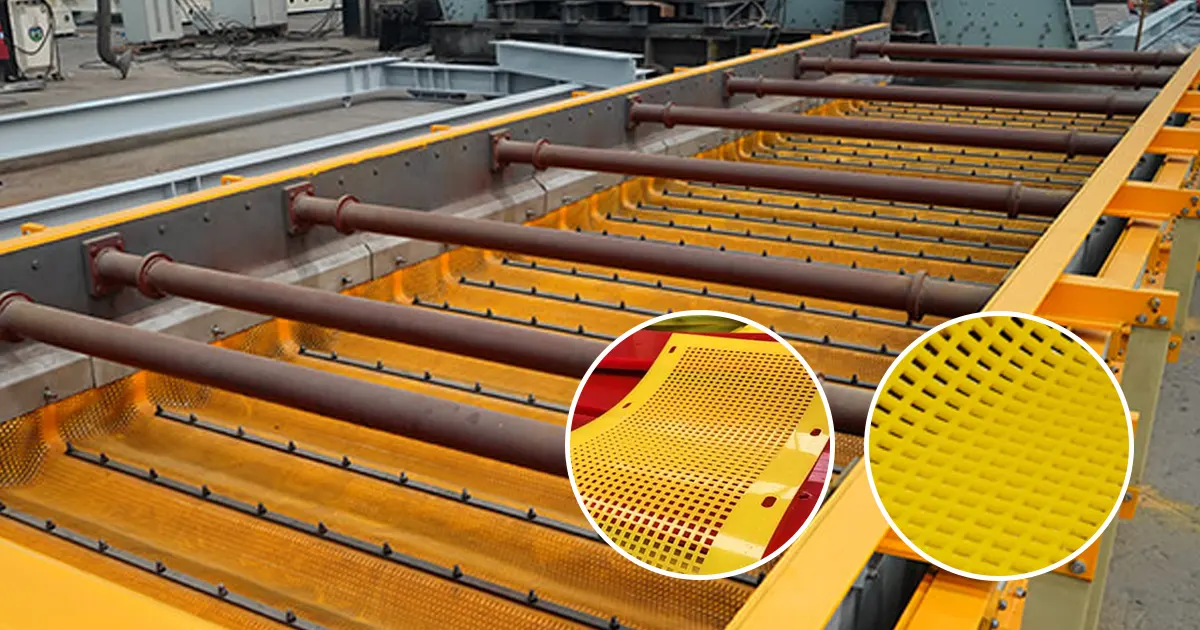
You see a flip flow screen when you need to sort sticky, wet, or small materials. The screen has a flexible polyurethane mesh. It also uses fast vibration. This stops clogging and keeps things moving.
- Polyurethane mesh helps stop blinding and pegging.
- Small holes help stop clogging and let more material through.
- Big open spaces let things flow easily for better screening.
Flip Flow Screen Working Principle uses this moving action to give good results with tough materials.
Key Takeaways
- Flip flow screens work well for sorting sticky, wet, or small things because they use a flexible polyurethane mesh and move very fast.
- The vibration exciter makes the screen move hard, which stops clogging and helps separate materials well. Flip-flow action lets the screen clean itself, so there is less downtime and less fixing needed, which makes it work better.
- The screen frame is strong and stable, so the machine can hold heavy stuff and move a lot.
- Polyurethane screen mats last longer than rubber ones, do not wear out fast, and keep their hole sizes the same for good screening.
- It is important to keep the screen mats tight for the best results; check them often to stop damage and make them last longer.
- Flip flow screens can separate many sizes of particles, so they can be used for different materials.
- Using flip flow screens can use less energy and cost less to fix, which helps everything work better.
Key Components
Screen Frame
The screen frame is the main part of a flip flow screen. It holds all other parts together. The frame gives the machine its shape and strength. Makers use strong steel for the frame. This helps it handle heavy loads and lots of movement.
The frame must stay steady when the machine shakes fast.
The screen surface uses special materials. These materials help the frame last longer and work better. Some important features are:
- The elastic screen surface uses tough polyurethane.
- Polyurethane makes the screen bend and stretch without breaking.
- Some screens use strong mesh material. This helps the frame stay stable and resist damage.
The frame’s design lets the flip flow screen do hard jobs. It keeps the screen mats tight and in place, even when the machine shakes a lot.
Polyurethane Screen Mats
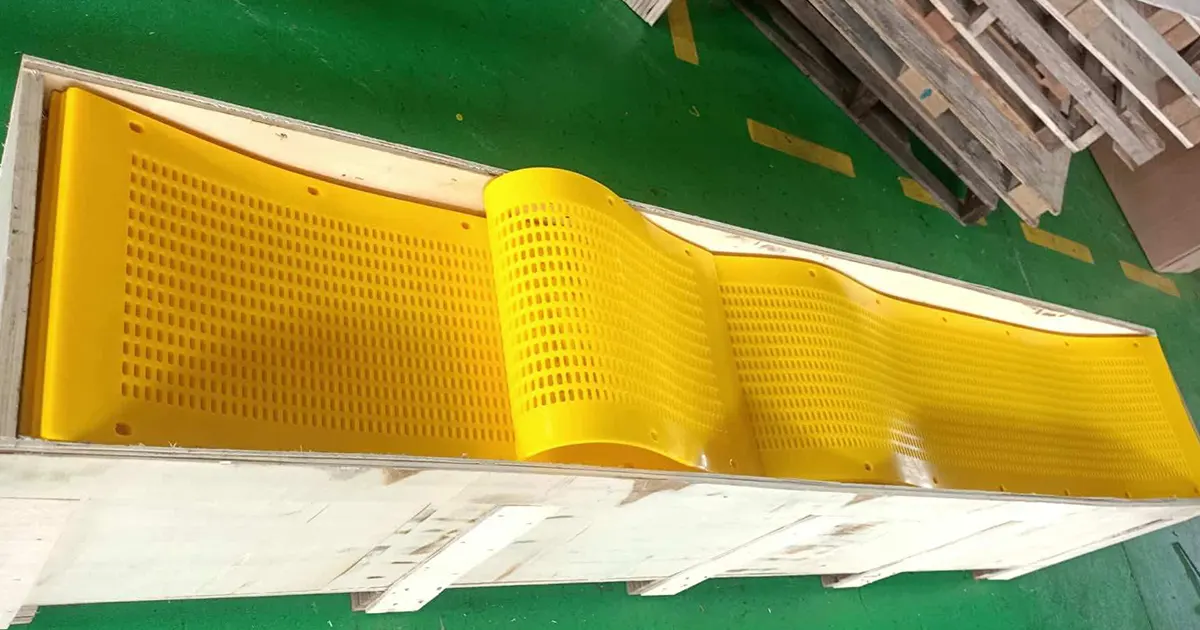
Polyurethane screen mats stretch across the frame. These mats do the screening job. They have small holes that let tiny pieces go through. Bigger pieces stay on top.
Polyurethane is the best choice for these mats. Here is why:
- The mats last longer, even with rough materials.
- The holes stay the same size. This gives you good screening and less waste.
- Polyurethane mats last two to three times longer than rubber.
- They keep a steady cut point, so you get cleaner product.
Rubber mats are used in some screens. Rubber works well for heavy hits and absorbs shock. You might see rubber in first decks or recycling plants. Still, polyurethane is the best for most flip flow screens because it lasts longer.
Vibration Exciter
The vibration exciter makes flip flow screens move. This part is attached to the frame or screen box. It uses a motor or exciter to shake the screen fast.
Here is how the vibration exciter works:
- The motor or exciter moves the frame at a high speed, usually between 10 and 15 Hz.
- This shaking goes through elastic parts to the moving screen box.
- The frame and screen box move in opposite ways. This makes the screen mats tighten and relax. It helps separate materials and stops clogging.
This back-and-forth motion gives strong screening action. The vibration exciter keeps the screen mats clean and flexible, even with sticky or wet materials.
Drive System
The drive system gives power to the flip flow screen. It controls how the screen moves and shakes. Special technology helps the screen work well. One common type is the double-mass vibration system. This system has two masses that move in opposite ways. The double-mass vibration system makes strong movement with less energy.
You get many benefits from this drive system:
- The double-mass vibration system uses less energy. You save power compared to old machines.
- The screen moves fast and relaxes often. This helps you screen sticky, wet, or small materials without wasting energy.
- The drive system keeps the screen mats moving quickly. This stops clogging and makes screening better.
The drive system is important for tough materials. It keeps the screen working smoothly. You get clean, separated products. The drive system also lowers wear and tear on the machine. You spend less time and money fixing it.
Tensioning Mechanism
The tensioning mechanism keeps the screen mats tight. It makes sure the mats stay in place when the screen works. Proper tension is important for good screening and mat life. If mats are not tight, you face problems.
| Issue | Consequence |
|---|---|
| Improper Tensioning | Causes mats to fail early |
| Uneven Tension | Makes stress spots that lead to cracks |
| Over-tensioning | Can stretch polyurethane mats too much |
| Under-tensioning | Lets mats flop and hit the frame |
You should check the tensioning mechanism often. Uneven tension can cause cracks and damage. Over-tensioning stretches the mats too much. Under-tensioning lets mats flop and hit the frame, which can break them.
Keeping mats tight stops early failure. This gives you the best screening results. You can pick screens made from different materials. Polyurethane is popular because it lasts longer and stays flexible. Rubber mats are used in some screens, especially where shock is a problem.
The tensioning mechanism protects your screen mats. It keeps mats working well and helps you avoid expensive repairs. You get more uptime and better performance when you keep tension right.
Flip Flow Screen Working Principle
Flip-Flow Action
The flip-flow action is the main part of how the Flip Flow Screen works. The screen mats stretch and then relax again and again. This movement helps you deal with sticky, wet, or tiny materials. It stops the screen from getting clogged.
- Polyurethane screen mats stretch tight. When they stretch, the holes in the mesh get bigger. More material can go through.
- The mats relax after stretching. They snap back to their normal shape. This shakes off any particles stuck in the holes.
- The mats keep tightening and relaxing. This keeps the screen clean. You do not have to stop the machine to clear blockages.
Flip-flow action uses fast vibrations. These vibrations break up sticky or wet materials. The force separates water from the material. Water does not build up on the screen surface. For example, in coal washing, flip-flow action helps screen wet and sticky coal. A normal screen would get blocked.
Tip: Flip-flow action works best with polyurethane mats. These mats bend and snap back without breaking.
Dual Vibration and Near Resonance
The Flip Flow Screen uses a special vibration system. Two types of vibration work together. This is called dual vibration and near resonance.
| Design Aspect | Description |
|---|---|
| Near Resonance Principle | One drive makes double vibration. This helps the screen work better. |
| Shear Spring Connection | Lets the main and floating screen frames move almost together. |
The dual-mass vibration system gives strong and gentle shakes at the same time. This helps you screen tough materials.
| Feature | Description |
|---|---|
| Dual-Mass Vibration System | Mixes basic and extra vibrations for better results. |
| Material Dispersion | Spreads out material and stops clogging, even with wet or sticky stuff. |
| Resonance State | Changes speed and timing for the best relaxation effect. |
You find two main parts in this system:
| Component | Function |
|---|---|
| Main Vibration Motor | Moves the whole screen box in a straight line. |
| Auxiliary Vibration Device | Makes the screen mats vibrate fast with small shakes. |
| Composite Motion | Mixes both movements to handle wet and sticky materials easily. |
This setup means the screen works well, even with hard materials. The near resonance state uses less energy but gives strong movement. You get better screening and less clogging.
High-Frequency Vibration
High-frequency vibration is another important part of how the Flip Flow Screen works. The screen shakes very fast, about 10 to 15 times each second. This speed helps you separate small particles from bigger ones.
- High-frequency vibration breaks sticky bonds between wet materials.
- The fast movement throws particles up and down. This keeps them from sticking together.
- The screen cleans itself. The holes stay open, and more material passes through.
You can screen materials with lots of moisture or tiny size. High-frequency vibration makes sure nothing blocks the screen holes. You get clean, separated products every time.
Note: High-frequency vibration also means you do not need to clean the screen as much. You save time and money.
The Flip Flow Screen Working Principle uses flip-flow action, dual vibration, and high-frequency vibration. This gives you a strong tool for screening even the hardest materials.
Screening Process Steps
Material Feeding
You start the screening process by feeding material onto the flip flow screen. A feed hopper or chute delivers the material in a controlled way. This step is important because even feeding helps you get the best results. If you feed too much at once, the screen can overload. If you feed too little, you waste energy and time.
A well-designed feeding system spreads the material evenly across the screen surface. This even spread lets every part of the screen work. You avoid blockages and get a steady flow. Controlled feeding also helps you separate materials by size more accurately. When you use a feed hopper or chute, you make sure the material enters the screen at the right speed and angle.
Tip: Always check your feeding system for clogs or uneven flow. Good feeding means better screening.
Particle Acceleration
Once the material lands on the screen, the flip flow screen starts to move it. The screen uses high-frequency vibration and flip-flow action to shake the material. This shaking creates strong acceleration—sometimes up to 50 times the force of gravity. You can adjust the vibration to match the type of material you want to screen.
This strong acceleration does two things. First, it loosens the material. Sticky or wet particles break apart and move freely. Second, it stops the screen from clogging. The fast movement throws particles up and down, so they do not stick to the mesh. You get a clean screen surface and better separation.
The design of the flip flow screen lets you change the way the screen moves. You can set the vibration to fit different materials. This flexibility helps you screen many types of materials without changing the whole machine.
Separation by Size
After acceleration, the screen separates the material by size. The flip flow screen uses a flexible mesh with small holes. As the material moves, smaller particles fall through the holes. Larger pieces stay on top and move to the end of the screen.
You can see how well the screen separates material by looking at its efficiency. The flip flow screen can reach a maximum screening efficiency of over 80% when set at the right speed. The size of the particles and the way they hit the screen both affect how well the screen works. If you increase the amount of material, the efficiency may go down a bit.
| Mechanism | Description |
|---|---|
| Screening Probability Model | Tells you how likely particles are to pass through the mesh. |
| Influence of Particle Size | Smaller particles are easier to separate, but their size matters a lot. |
| Maximum Screening Efficiency | Can reach up to 80.41% at the right vibration speed. |
The Flip Flow Screen Working Principle lets you separate fine particles with high accuracy. You get clean, sorted material ready for the next step.
Discharge of Fractions
After the flip flow screen separates materials by size, you need to collect the different fractions. This step is called the discharge of fractions. Each fraction means a group of particles with similar sizes. The flip flow screen helps you sort these groups and send them to the right place.
You see two main types of discharge on a flip flow screen:
- Oversize Fraction: These are the larger particles that do not pass through the screen holes. You find them moving toward the end of the screen. The machine collects them in a special chute or bin.
- Undersize Fraction: These are the smaller particles that fall through the mesh. The screen collects them below the mats. You can send these particles to another process or store them in a hopper.
Tip: You can adjust the screen angle or vibration speed to control how fast each fraction moves. This helps you get cleaner separation.
You often see more than two fractions in some setups. For example, a multi-deck flip flow screen can sort materials into three or four groups. Each deck has its own mesh size. You get fine, medium, and coarse fractions at the same time.
Here is a simple table to show how the discharge works:
| Fraction Type | Where It Goes | Common Use |
|---|---|---|
| Oversize | End chute or bin | Re-crushing, disposal |
| Undersize | Under-screen hopper | Further processing |
| Middle (if any) | Middle chute or bin | Special product streams |
You can use conveyors, chutes, or bins to collect each fraction. The design depends on your plant layout and the type of material you handle. You should check the discharge points often. Blockages can slow down your process and reduce efficiency.
When you set up your flip flow screen, think about where each fraction will go. Good planning helps you avoid mixing products. You get higher quality and less waste.
Note: Clean discharge points mean less downtime. You spend less time fixing problems and more time producing good material.
You can also automate the discharge process. Sensors and smart controls help you track how much material you collect in each fraction. This data helps you adjust your process for better results.
Dynamic Motion Benefits
Self-Cleaning Effect
Flip flow screens clean themselves very well. The screen mats move in a special way. They stretch and relax fast. This makes waves on the screen surface. The mats use quick flexing and strong up-and-down shaking. Sometimes, the force is 50 times stronger than gravity in the middle of the panel. This movement breaks up clumps and keeps the screen open.
The table below shows how this motion helps clean the screen:
| Aspect | Description |
|---|---|
| Motion Type | Quick flexing and strong up-and-down shaking |
| Acceleration | Up to 50 g at the panel midpoint |
| Material Interaction | Breaks up small clumps by bending the panel |
| Surface Material | Polyurethane, which pushes water away and stops sticking |
| Movement Pattern | Wave-like motion from stretching and relaxing |
| Screening Outcome | Fine particles go through; big ones move off the screen |
Polyurethane mats help too. They do not let water or sticky stuff stick to the surface. You spend less time cleaning the screen. The machine keeps working longer without stopping.
Tip: The self-cleaning effect means you do not need to stop the machine to clear blockages. You save time and keep your process running smoothly.
Efficient Wet and Sticky Material Screening
It is hard to screen wet or sticky materials. Flip flow screens fix this problem. The moving mats keep the screen open, even with tough materials. You get better results than with regular screens.
Here is a comparison of performance:
| Metric | Rigid-Flexible Coupled Screen | Conventional Screen | Improvement |
|---|---|---|---|
| Screening Efficiency | > 85% | N/A | N/A |
| Desliming Efficiency | 91% | N/A | N/A |
| Maximum Processing Capacity | 380 tons/hour | N/A | N/A |
| Closed-Circuit SE Improvement | Nearly 12% | N/A | N/A |
| Circulating Load Reduction | ~8% | N/A | N/A |
You can make screening sticky materials work even better. Just adjust the tension of the mats. This is easy and does not need extra energy. You get more product and less waste.
Note: Flip flow screens handle sticky, wet, or fine materials much better than standard screens. You get higher efficiency and cleaner products.
Fine Particle Separation
Flip flow screens can separate very small particles. The design lets you screen pieces as tiny as 3 mm. The best results come when you use holes between 3 mm and 30 mm. The mats bend and snap back quickly, so fine particles pass through easily.
- You get clean separation of fine materials.
- You can handle many sizes of particles.
- You improve product quality and reduce waste.
Flip flow screens are strong tools for tough jobs. You get cleaner products, less downtime, and better results with dynamic motion.
Applications
Recycling
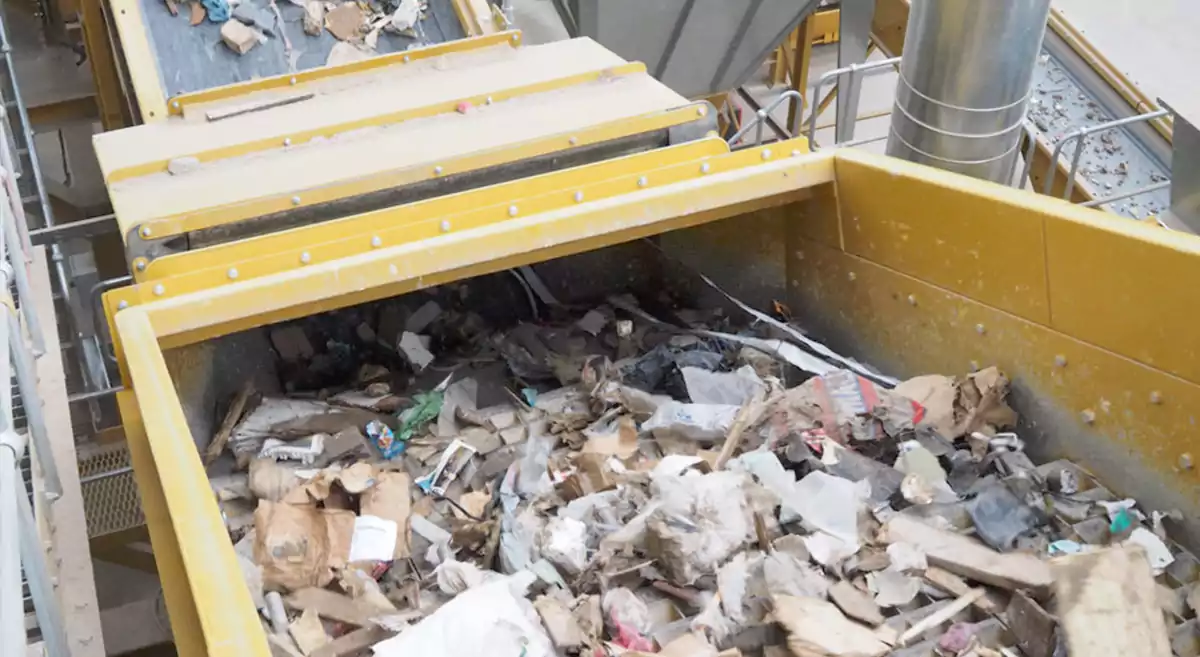
Flip flow screens are used in recycling centers. They help sort sticky, wet, or mixed materials. The mats are flexible and vibrate fast. This lets you separate small pieces from big ones. You can process things like organic waste and construction debris. Mixed packaging is also sorted with these screens. Flip flow screens remove things that should not be in compost.
Here is a table that shows where flip flow screens are used and what they sort:
| Application Area | Materials Processed |
|---|---|
| Material Recovery Facilities (MRFs) | Organic waste, recyclables, construction debris |
| Construction and Demolition (C&D) waste | Fine soil, rubble, wood, metal, plastic |
| Commercial and industrial waste sorting | Mixed packaging waste |
| Composting facilities | Non-compostable contaminants from compost products |
| Pre-treatment of municipal solid waste | Small-sized organic matter, fine soil, viscous substances |
| Recycling of C&D waste | Fine aggregates, dust, clay particles |
| Kitchen waste and composting systems | Impurities and fine compost products |
Flip flow screens help make recycled products better. They let you get more good material and less waste. The mats clean themselves, so you spend less time cleaning.
Mining and Quarrying
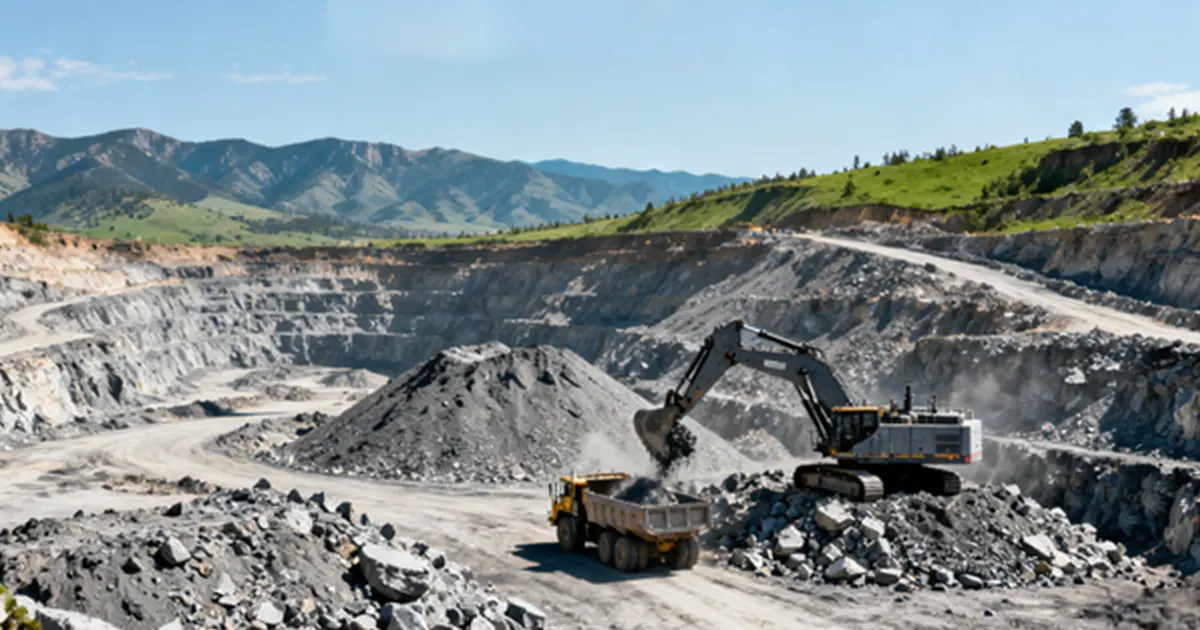
Flip flow screens are important in mining and quarrying. They help separate ores, crushed stone, sand, and gravel. These screens work well with wet materials that block other screens. The panels stretch and relax to handle fine separations from 0.5 to 50 mm.
Here is a table showing how flip flow screens help in mining and quarrying:
| Application Area | Benefits | Types of Materials |
|---|---|---|
| Mining | Improves product purity and recovery rates | Ores, crushed stone |
| Quarrying | Efficient separation of valuable materials | Sand, gravel, fine particles |
You get many benefits from flip flow screens:
- The throwing action moves material fast.
- You can screen wet and fine materials that block other screens.
- You get purer products and recover more valuable material.
You can change the screen to fit the size and type of material. This helps you get the best results for each job.
Waste Processing
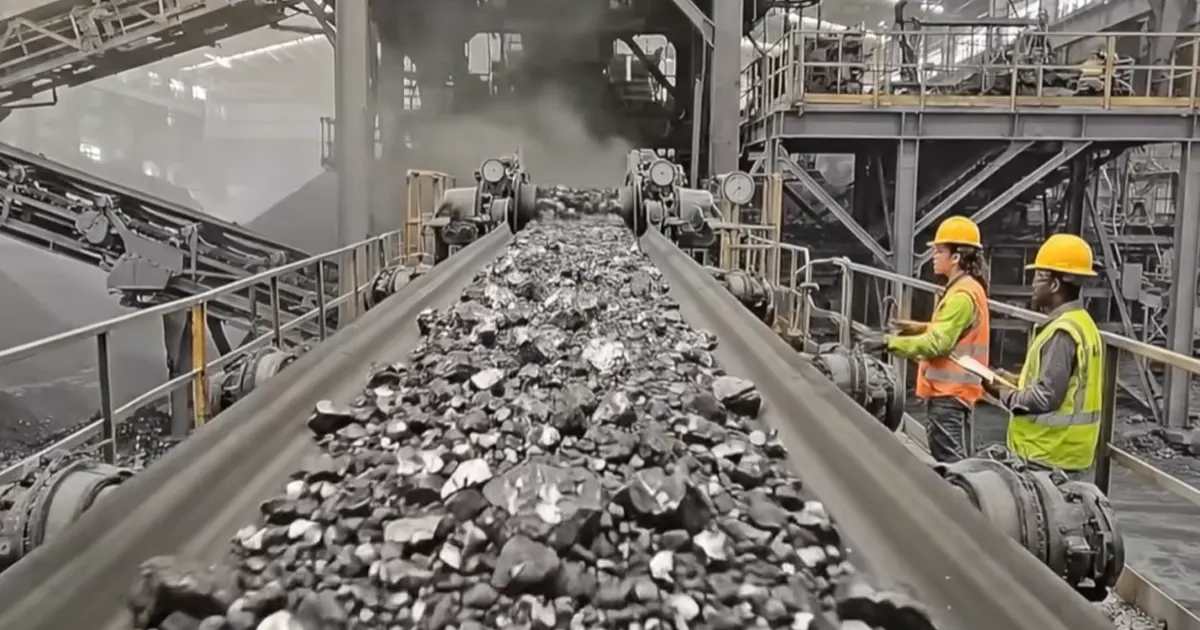
Flip flow screens are used in waste processing plants. They handle tough materials like wet, sticky, or mixed waste. The mats stop blinding, so you do not need to stop the machine often. You get high capacity and efficient work, even with hard materials.
Here are ways flip flow screens help in waste processing:
- You handle tough materials without much maintenance.
- The screens keep working without blockages.
- You process lots of waste quickly and efficiently.
Flip flow screens let you sort waste into clean groups. You can recycle more and use landfills less. You save time and money because the screens need less cleaning and fixing.
Other Industries
You can use flip flow screens in many industries besides recycling, mining, and waste processing. These screens help you work with tough materials. They also make your products better. When you pick the right screen, you get better results for your job.
Here is a table that shows where flip flow screens are used and what they do:
| Industry | Specific Processes |
|---|---|
| Steel Industry | Processing coking coal, separating oversized particles, fine coal dust, and coke breeze for uniform feedstock quality. |
| Petroleum Coke Production | Separating usable coke from fines, ash, and hydrocarbons to meet size requirements for various applications. |
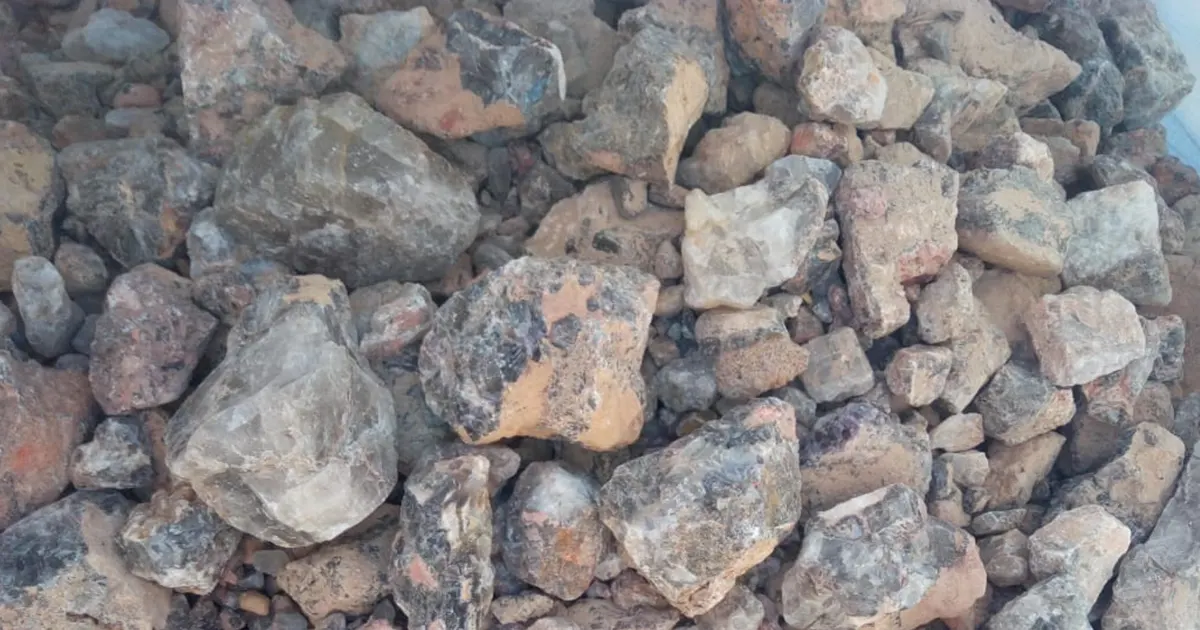
| Mining and Mineral Processing | Separating valuable ores from waste rock and classifying feed material before grinding or flotation. |
| Waste Management and Recycling | Sorting mixed waste streams to separate recyclable materials from contaminated waste. |
| Aggregates and Construction | Classifying sand, gravel, and recycled concrete while removing fine contaminants for high-purity products. |
| Soil and Sediment Processing | Processing soil and sediment to separate clean topsoil from debris and ensuring high-quality seed batches. |
In the steel industry, flip flow screens help process coking coal. They separate fine coal dust and coke breeze. This gives you feedstock that is all the same size. The screens also take out big pieces that can hurt the furnace.
In petroleum coke production, you must meet strict size rules. Flip flow screens separate good coke from over-small pieces, ash, and leftover hydrocarbons. You get a cleaner product that works well in many uses.
You also find flip flow screens in aggregates and construction. These screens sort sand, gravel, and recycled concrete. They remove tiny bits that make products dirty. You get cleaner materials for building strong concrete and asphalt.
Flip flow screens help with soil and sediment too. They separate clean topsoil from rocks, roots, and trash. This is important for farming and landscaping. You can also use these screens to get good seed batches. Clean soil helps seeds grow strong.
You might see flip flow screens in other places too. For example, they are used in glass recycling, fertilizer making, and food processing. The flexible mats and strong shaking let you handle sticky, wet, or tiny materials that block other screens.
Tip: Before you pick a flip flow screen, think about what kind of material you need to screen. The right screen gives you better results and saves you time and money.
Flip flow screens are great tools for many jobs. They help you make better products, cut down on waste, and keep your plant working well. If you have tough materials, a flip flow screen can make your work easier and faster.
Advantages
Reduced Blinding
You often face screen blinding when you try to separate sticky or fine materials. Flip flow screens help you solve this problem. The mats stretch and relax quickly. This movement shakes off particles that stick to the mesh. Polyurethane screens work better than traditional vibrating screens because they bend and snap back. You get a self-cleaning effect that keeps the holes open.
- Polyurethane mats bend and vibrate to push out stuck particles.
- The screen stays clean even with moist or fine materials.
- You spend less time stopping the machine to clear blockages.
You see a big difference when you use flip flow screens. The elasticity of polyurethane lets the mats flex and move. This action removes blinding and keeps your process running smoothly. You get more uptime and better results.
Tip: Flip flow screens help you screen tough materials without frequent cleaning. You save time and keep your plant working.
Wide Separation Range (0.2–50 mm)
Flip flow screens give you a wide separation range. You can screen particles from as small as 0.2 mm up to 50 mm. This flexibility lets you handle many types of materials. You can use the same machine for fine, medium, or coarse products.
| Particle Size Range | Typical Materials | Screening Outcome |
|---|---|---|
| 0.2–3 mm | Fine sand, coal dust | Clean separation |
| 3–30 mm | Gravel, crushed stone | Efficient sorting |
| 30–50 mm | Larger rocks, debris | Quick removal |
You can change the mesh size to fit your needs. The mats stay flexible and strong, so you get accurate separation. You do not need to switch machines for different jobs. You get more value from your equipment.
Note: Flip flow screens let you screen a wide range of sizes. You can adjust the mesh for each job.
Lower Maintenance
You spend less time and money on maintenance when you use flip flow screens. The mats clean themselves. The stretching and relaxing motion stops blockages and reduces wear. Polyurethane mats last longer than rubber or metal screens. You do not need to replace them often.
- Self-cleaning mats reduce downtime.
- Polyurethane resists wear and tear.
- You avoid frequent repairs and replacements.
You also find that the drive system uses less energy. The double-mass vibration system lowers stress on the machine. You get longer life for motors and parts. You keep your plant running with fewer interruptions.
Callout: Lower maintenance means you can focus on production. You get more output and spend less on repairs.
Flip flow screens give you clear advantages. You reduce blinding, screen a wide range of sizes, and lower maintenance costs. You get reliable performance and better results for tough screening jobs.
Conclusion
When you use the Flip Flow Screen, two frames move in different ways. This makes the screen mats stretch and relax over and over. It helps you separate wet or sticky materials very well. You need to pick the right screen media and equipment for good results. Think about things like the size of the holes, how fast the screen shakes, and how wet the material is. Our company makes special screen designs and uses strong materials. These help your plant work better and make the screens last longer.
Tip: Custom screen solutions stop clogging and keep your work going.
| Aspect | Benefit |
|---|---|
| Optimized Screen Designs | Steady work and less machine stoppage |
| Advanced Materials | Screens last longer, even for tough jobs |
FAQ
What materials can you screen with a flip flow screen?
You can screen wet, sticky, fine, or hard-to-handle materials. Flip flow screens work well with coal, compost, sand, minerals, and recycling waste.
How do you keep flip flow screens from clogging?
The mats stretch and relax quickly. This motion shakes off stuck particles. You do not need to stop the machine for cleaning.
How often should you check the tension of the screen mats?
You should check the tension every week. Proper tension keeps the mats working well and helps them last longer.
Can you adjust the mesh size on a flip flow screen?
Yes, you can change the mesh size. This lets you screen different particle sizes, from 0.2 mm up to 50 mm.
What is the main advantage of polyurethane screen mats?
Polyurethane mats last longer than rubber. They resist wear and stay flexible. You get better screening and less downtime.
Do flip flow screens use more energy than regular screens?
No, flip flow screens use less energy. The double-mass vibration system saves power and reduces stress on the machine.
Where do you use flip flow screens in a plant?
You use flip flow screens after crushers or before washing units. They help you separate materials before further processing.
Tip: Always follow the manufacturer’s maintenance guide for best results.