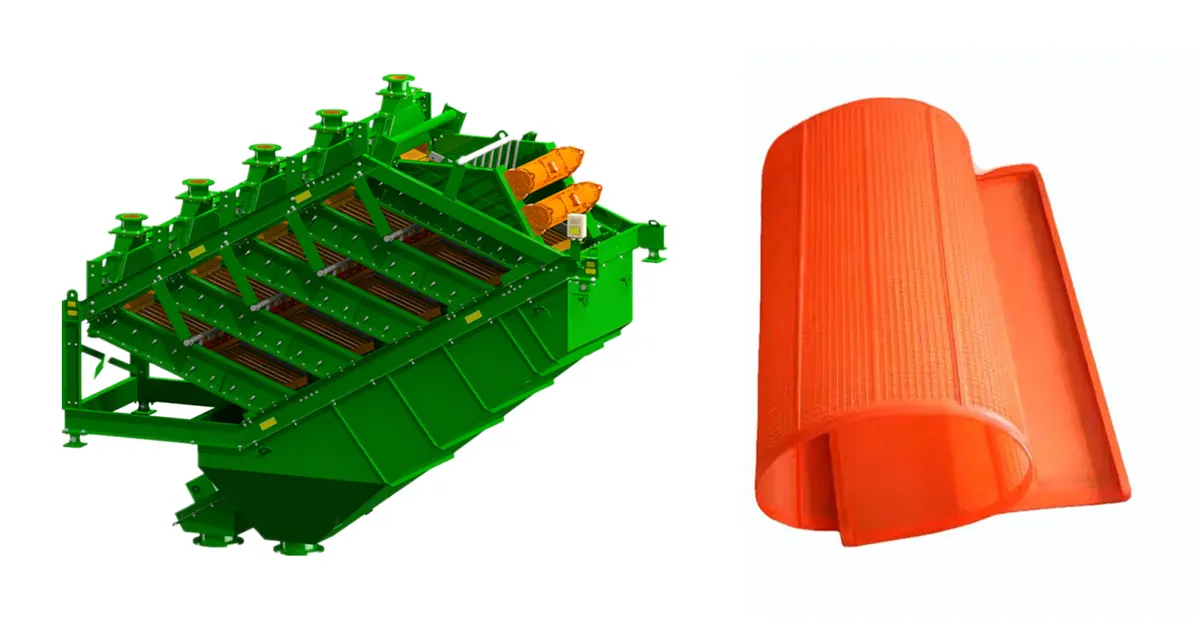
A High Frequency Screen helps you sort small particles from liquids quickly and accurately. You see these screens in mining and mineral processing. Other industries use them too when they need to handle tiny materials and remove water.
- More people want minerals and metals, so companies use these screens more often to get valuable materials and save water.
- These machines can shake up to 6,000 times each minute. They can catch particles as small as 0.15 mm.
This advanced technology gives you better results and less waste.
Key Takeaways
- High Frequency Screens quickly sort tiny pieces from liquids. They are very important in mining and mineral work.
- These screens shake very fast, between 1,800 and 7,200 times each minute. This helps them catch pieces as small as 0.15 mm.
- Picking the right mesh is very important. Mesh types like polyurethane and stainless steel have different strengths. They help the screen last longer and work better.
- You should clean the mesh often and check for damage. This helps your High Frequency Screen last longer.
- High Frequency Screens help save money by making less waste. They also help make more products, so they are good for many jobs.
- These screens can be used in mining, ceramics, food, and waste work. They help make materials better.
- The high frequency shaking helps clean itself. This means less stopping and better work.
- Using High Frequency Screens helps meet tough quality rules. They are great for jobs that need very careful sorting.
High Frequency Screen Basics
What Is a High Frequency Screen
You may wonder why a High Frequency Screen is important. This machine shakes very fast to split tiny pieces from liquids or other stuff. People use it when they need to sort fine sand, minerals, or chemicals. The screen moves thousands of times every minute. This fast shaking helps you get clean and exact results.
A High Frequency Screen works in many places. Mining companies use it to find valuable minerals. Factories use it to check if powders and grains are the right size. Even medicine makers use these screens to keep products pure.
Tip: If you want to separate very small pieces, a High Frequency Screen does a better job than regular vibrating screens.
Key Features and Differences
Let’s see what makes a High Frequency Screen different from other screens. It gives you more than just speed. You get better results and the machine lasts longer.
Here’s a table to show the main differences:
| Characteristic | Description |
|---|---|
| Increased Screening Efficiency | The screen shakes between 1,500 and 7,000 times each minute. This helps you sort things faster and more exactly. |
| Durability and Wear Resistance | These screens are made from strong stuff like stainless steel or polyurethane. They last longer and do not break as much. |
| Versatility in Application | You can use them in mining, ceramics, and medicine. They work well anywhere you need to split tiny pieces for better quality. |
You may ask, “How is this different from regular screens?” Here is what you should know:
- High Frequency Screens shake much faster than normal screens.
- This fast speed helps you split smaller pieces.
- You get better results and less waste.
If you want to make your screening better, think about using a High Frequency Screen. It gives you cleaner results, saves time, and works well in hard jobs.
Main Components
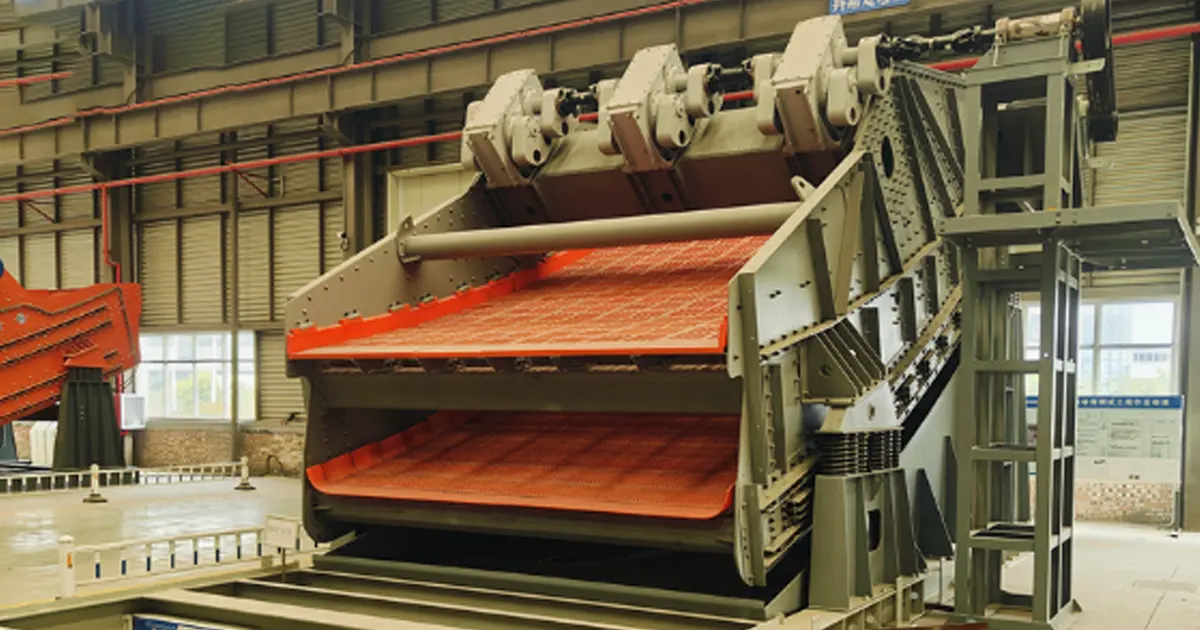
When you look at a High Frequency Screen, you see more than a box that shakes. Each part works together to help you separate things fast and right. Let’s look at the main parts so you can see why these machines work so well.
Screen Deck and Mesh
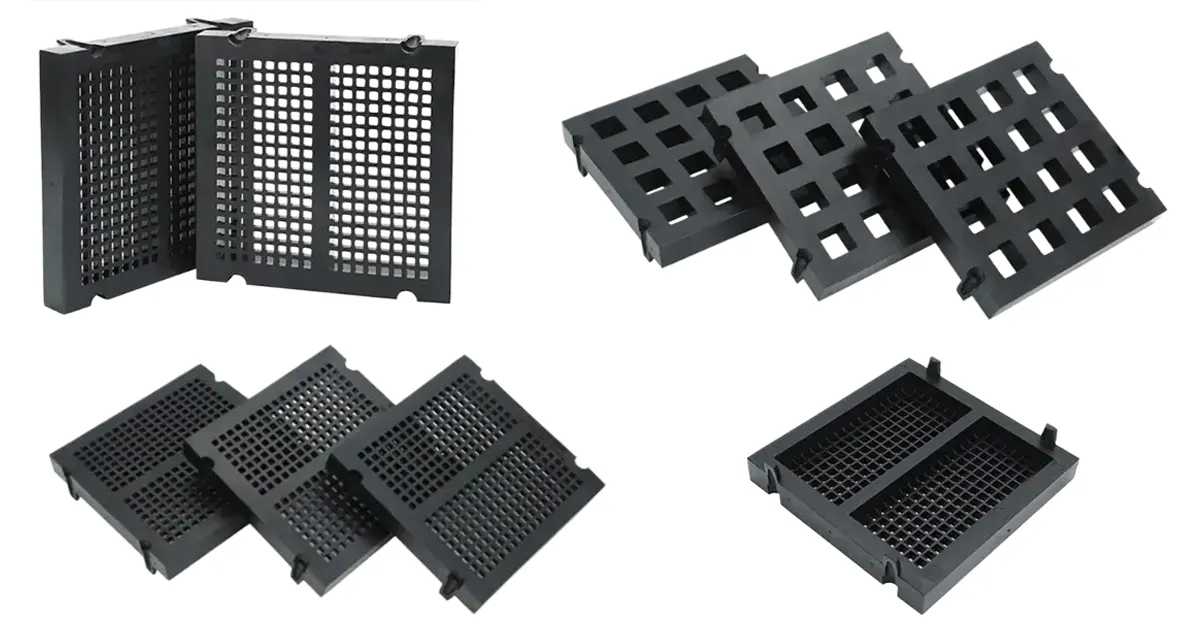
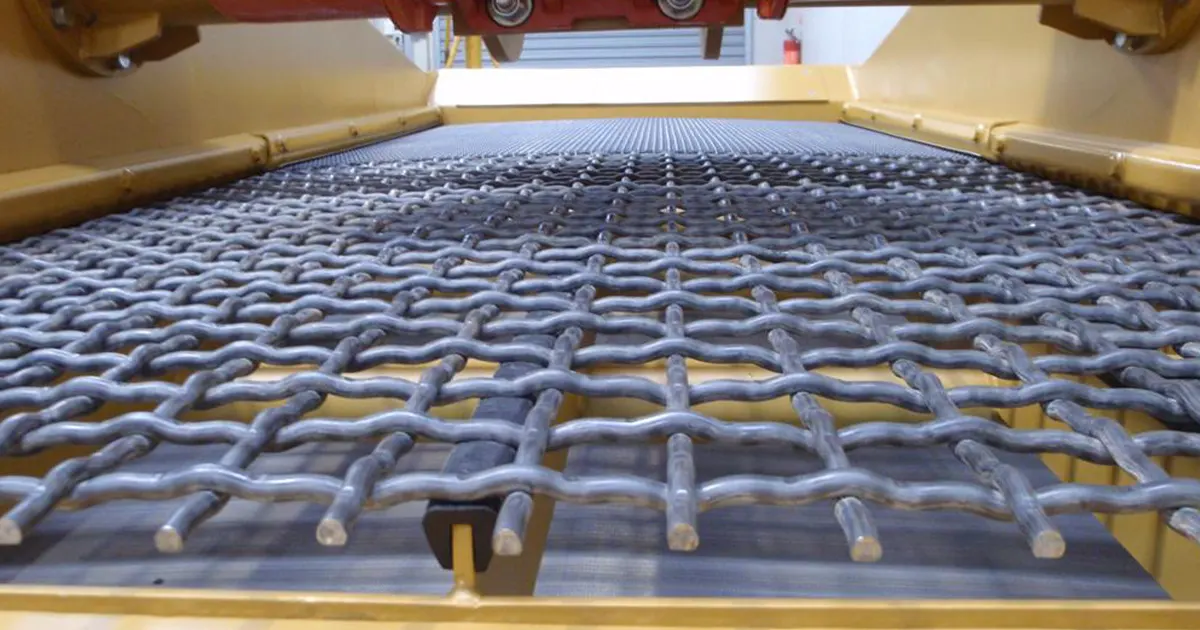
The screen deck holds the mesh, which acts like a filter. You pour your material on the deck. The mesh lets only the right-sized pieces go through. The way the deck and mesh are made is very important. When particles hit the mesh, they get many chances to fall through. This helps you get a clean split.
Mesh Types
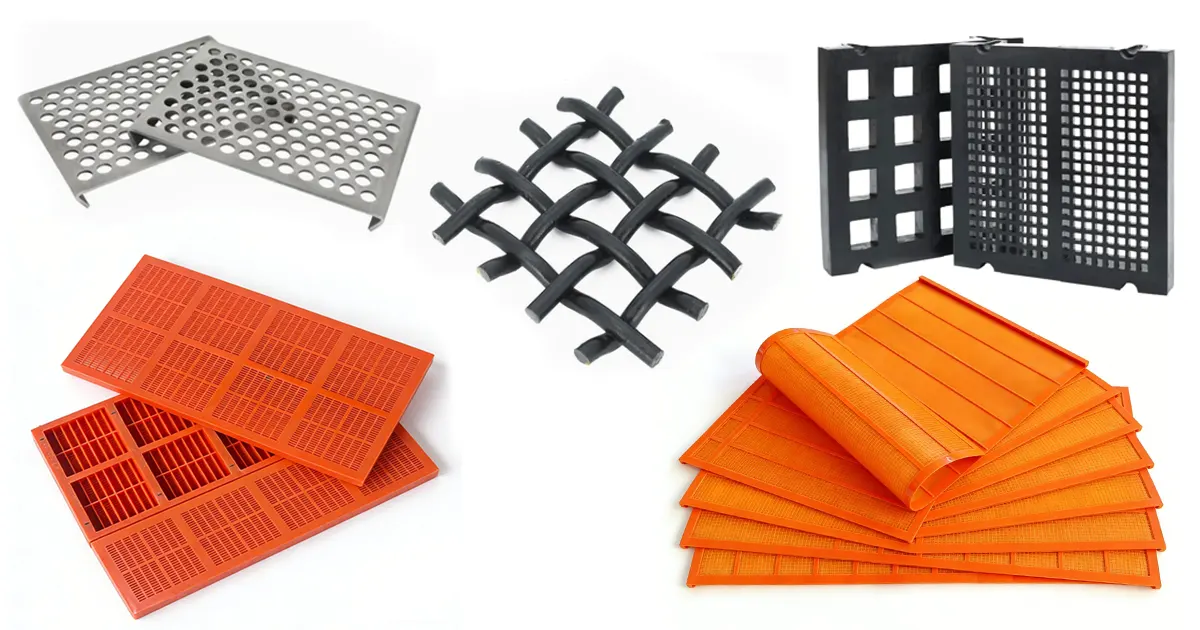
You can pick from different mesh types for your job:
- Polyurethane mesh: It lasts a long time and does not rust. It is good for tough jobs.
- Stainless steel mesh: It works with high heat and gives sharp splits. It is great for fine materials.
- Woven wire mesh: It bends and works for many uses.
Tip: Polyurethane mesh costs more at first, but it lasts longer and you do not need to replace it as much.
Mesh Selection Factors
Choosing the right mesh is important. Here are things to think about:
- Mesh size tells you the biggest piece that can pass.
- Smaller mesh sizes let only tiny pieces through. This is good for jobs like sorting silica sand.
- Bigger mesh sizes work for larger pieces.
- Finer meshes have less open space, so you may need more shaking to keep things moving.
- The mesh material changes how long it lasts, especially if you use rough or sharp stuff.
Vibration System
The vibration system is the heart of the machine. It shakes the screen deck very fast. This keeps particles moving and stops the mesh from getting blocked. There are different kinds of vibration systems:
| Type of Screen | Advantages | Limitations |
|---|---|---|
| Polyurethane Screens | Lasts long, does not wear out fast | Costs more, not for very hot jobs |
| High-Frequency Vibrating Screens | Very exact, great for drying and fine pieces | Uses more power, needs care often |
| Linear Vibrating Screens | Very exact, can handle lots of material | Not for sticky stuff |
| Ultrasonic & Electromagnetic | Stops mesh from blocking, screens very tiny pieces | Expensive, for smaller jobs |
| Circular & Elliptical | Handles heavy loads, sorts layers well | Not for very fine dry powders |
The right vibration system helps you get the best results for your material.
Support and Drive
Support and drive parts keep the machine working well. The frame holds the screen steady, even when it shakes a lot. Strong steel frames take the stress and keep the machine safe. Good motors give steady shaking and use less energy. If you check and fix these parts often, your screen will last longer and work better.
Note: A strong frame and good motor make your screening work smooth and steady.
How High Frequency Screens Work
Screening Process Steps
You might wonder what happens inside a High Frequency Screen when you turn it on. The process is simple but powerful. Here’s how it works, step by step:
- Data Pre-processing
First, you prepare your material. You might need to mix, wash, or break it down into smaller pieces. This step helps the screen work better. - Distance Computation and Similarity Assessment
The machine checks the size and shape of the particles. It uses sensors and smart controls to measure and compare the material. - Time Series Clustering
The screen groups similar particles together. It does this by shaking and moving the material across the mesh. - Optimization of Clustering Output
The machine adjusts how it shakes and sorts. It finds the best way to separate the particles for your needs. - Power Analysis and Sample Size Determination
The screen checks if it’s working well. It looks at how much material passes through and makes changes to keep things running smoothly.
You get a clean split between fine and coarse particles. The machine does all this in just a few seconds.
Role of High Frequency
High frequency is the secret sauce that makes these screens so good. When the screen shakes very fast, it can sort even the tiniest particles. This is important if you want to get the best quality and save time.
- High-frequency screens work at a much higher vibration rate than regular screens.
- You get better accuracy and higher production rates.
- The fast shaking helps separate smaller particles, which is key for many industries.
High-frequency operation significantly enhances the stratification of fine particles and reduces the likelihood of clogging or blockages, ensuring a smoother screening process.
Frequency vs Amplitude
You might ask, “What’s the difference between frequency and amplitude?” Here’s a simple way to think about it:
| Term | What It Means | Why It Matters |
|---|---|---|
| Frequency | How fast the screen shakes | Faster shaking sorts smaller pieces |
| Amplitude | How big each shake is | Bigger shakes move heavier material |
- The efficiency of a High Frequency Screen depends on both frequency and amplitude.
- Lower frequencies can give good results but often cause the mesh to block.
- Higher frequencies reduce blocking but can make it harder for particles to pass through.
- You need to find the right balance for your material.
Self-Cleaning Effect
One cool thing about high frequency is the self-cleaning effect. When the screen shakes quickly, it stops particles from sticking to the mesh. This means you spend less time cleaning and more time working.
- The rapid vibration keeps the mesh clear.
- You don’t have to stop the machine as often.
- You get better results with less effort.
Some screens use electromagnetic vibrators or dual motors that sync up on their own. This makes the shaking even more effective and keeps everything running smoothly.
Tip: If you want less downtime and cleaner results, choose a High Frequency Screen with a self-cleaning mesh.
Mesh Selection for Performance
Choosing Mesh for Fine Screening
You want the best results when you separate tiny particles. The mesh you pick for your High Frequency Screen makes a big difference. If you choose the wrong mesh, you might miss fine material or clog the screen. You need to think about several things before you decide.
Here’s a table to help you see what matters most:
| Criteria | Description |
|---|---|
| Material Composition | Stainless steel, polyurethane, and rubber screens each have unique properties for different jobs. |
| Mesh Size and Aperture | Smaller sizes catch fine particles. Larger sizes work for bigger pieces. |
| Type of Material Being Processed | The shape and hardness of your material can wear out some meshes faster or cause clogging. |
| Operating Conditions | Heat, cold, and moisture can change how long your mesh lasts. |
| Open Area Percentage | More open space lets more material through. Less open space gives you better accuracy. |
| Screen Life and Maintenance | Tough meshes last longer and are easier to swap out, saving you time and money. |
You should match your mesh to your material and your goals. For example, stainless steel mesh works well for sharp or abrasive materials. Polyurethane mesh lasts longer if you need durability. If you want to catch the smallest grains, pick a mesh with a tiny aperture.
Tip: Always check the open area percentage. More open space means faster screening, but you might lose some accuracy.
Mesh for Dewatering
Dewatering means you want to remove water from your material. The right mesh helps you do this quickly and keeps your product dry. You need a mesh that lets water pass but holds back fine solids.
You should look for these features:
- Slotted or wedge-shaped openings. These let water drain fast but keep solids in place.
- Strong materials like polyurethane. These resist wear from wet, heavy loads.
- Mesh with the right size. Too small, and water drains slowly. Too big, and you lose material.
If you work with sand, minerals, or recycled materials, you know how important it is to keep your mesh clean. High-frequency vibration helps, but the right mesh design makes dewatering even better.
Note: Clean mesh means less downtime and better results. Check your mesh often for wear or clogging.
Our Screen Mesh Solutions
You want a mesh that fits your job and lasts a long time. We offer many options for fine screening and dewatering. You can choose from stainless steel, polyurethane, or woven wire mesh. Each type works best for different materials and conditions.
If you need help picking the right mesh, just ask. We know how to match mesh to your High Frequency Screen. You get better performance and less trouble when you use the right mesh for your job.
Callout: The right mesh saves you time, money, and effort. Make your screening process smooth and easy.
Advantages of High Frequency Screens
Efficiency and Precision
You want your screening to be quick and correct. High Frequency Screens help with this. These machines shake very fast, between 1,800 and 7,200 times each minute. This fast shaking breaks the surface tension between particles. It helps you separate them better and keeps sizes from mixing.
Here’s how these features help you:
| Feature | Benefit |
|---|---|
| High vibration rates | Breaks surface tension, so particles split apart easily. |
| Fine mesh openings | Catches even tiny pieces for better accuracy. |
| Vertical vibration | Lifts bigger pieces, making sorting easier. |
| Controlled flow rate | Changes the process for your material, so you get the best results. |
You can use mesh openings as small as 0.15 mm. This is important when working with gold or other valuable minerals. Even small mistakes can cost a lot. The fast shaking also keeps the mesh from getting blocked. You can keep working without stopping.
Tip: Using a High Frequency Screen gives you cleaner material streams. This helps you meet tough quality rules and makes recycling easier.
Dewatering Capability
If you need to get water out of your material, these screens work well. The fast shaking moves water out quickly and keeps solids on the mesh. You can change the screen angle and shaking to get the best results for your job.
Here’s what helps with dewatering:
| Factor | Result |
|---|---|
| Vibration Intensity | Faster shaking means less build-up and quicker water removal. |
| Layer Thickness | Thinner layers let water drain faster, so your material dries out more quickly. |
| Screen Design | The right angle and mesh size help you reach low moisture levels, sometimes below 17%. |
| Case Study | One place cut water by more than half in under eight hours. |
You can see how these screens help you get dry, clean material. This is important for sand, minerals, and other products that need to be ready for the next step.
Production Capacity
You want to handle more material in less time. High-frequency screens let you do this. They can take bigger loads and still give you fine, accurate results. You can separate pieces as small as 0.15 mm, which is hard for older machines.
Here’s a quick comparison:
| Feature | High Frequency Screens | Traditional Screening Equipment |
|---|---|---|
| Production Capacity | Much higher | Lower |
| Efficiency | Significantly higher | Standard |
| Fine Particle Precision | Excellent | Limited |
You get more work done and better quality at the same time. This means your plant runs smoother, and you use your resources better. You also save money because you waste less and spend less time fixing problems.
Note: Using these screens helps you work faster and helps the environment by making less waste.
Applications
Mining and Minerals
High Frequency Screens work a lot in mining. These machines help you get more valuable minerals from rocks. If you mine iron ore, you use these screens to pull out iron-rich pieces from the waste. In copper mining, you want only the right copper bits to move on. High Frequency Screens make sure you get a clean split before the next step.
You also see these screens where people mine tin and tungsten. They help sort the material so gravity separation works better. You can use High Frequency Screens for gold, phosphate, and other important minerals too. Here are some ways you might use them:
- Make iron ore better by taking out unwanted stuff.
- Get the right copper pieces ready for flotation.
- Sort tin and tungsten for better gravity separation.
- Separate gold, copper, and phosphate ores.
Tip: If you want to get more minerals and make less waste, High Frequency Screens help a lot.
Sand and Aggregates
You need clean sand and good gravel for roads, concrete, or glass. High Frequency Screens help you get these materials fast and easy. These machines sort sand and gravel quickly, so you get the right size every time.
Look at this table to see how High Frequency Screens help your work:
| Benefit Description | Impact on Efficiency |
|---|---|
| Faster particle separation | You move more material and stay accurate. |
| Good material layering | Small pieces drop down, so you avoid clogs. |
| Less machine stress | Your screens last longer with less damage. |
| Easy to adjust | You can change settings for different sands or gravels. |
| Saves energy | You use less power and still screen fast. |
You can change these screens for different jobs. Even if you switch from river sand to crushed stone, you get steady results. High Frequency Screens also use less energy than old machines, so you save money and help the earth.
Note: If you want the best sand and gravel, High Frequency Screens make your job easier and faster.
Industrial Uses
High Frequency Screens are not just for mines or quarries. You find them in many other places. If you work in waste management, you use these screens to sort compost and soil. In recycling, you use them to separate plastics from metals. Food companies use them to sort grains and powders. Even energy plants use High Frequency Screens to get fuel ready from waste.
Here is a table that shows where you might use these screens:
| Industrial Sector | Specific Applications |
|---|---|
| Waste Management | Compost and soil sorting |
| Energy Production | Making fuel from waste |
| Recycling | Separating plastics and metals |
| Food Processing | Sorting grains and powders |
| Construction | Sorting wood and gravel |
| Wet Materials | Screening clay and compost |
| Fine Particle Separation | Sand and silica sorting |
You can see that High Frequency Screens work in many jobs. They help you get clean, sorted material no matter what you process.
Callout: If you want better results in any industry, High Frequency Screens give you the boost you need.
Maintenance Tips
Taking care of your high frequency screen keeps it running smoothly and saves you money. You don’t need to be an expert to do this. Just follow a few simple steps, and you’ll get the best results every time.
Routine Checks
You want your screen to last a long time. Regular checks help you spot problems early. Here’s what you should do:
- Clean the mesh often. Dust and small bits can block the holes and slow things down.
- Lubricate moving parts. Check the manufacturer’s guide for the right oil or grease.
- Adjust the vibration amplitude if you notice changes in performance.
- Inspect for signs of wear or strange vibrations. These can mean something needs fixing.
- Look at the screen frame for cracks or loose bolts. Tighten anything that feels loose.
- Check the drive V-belts and systems. Make sure they aren’t worn out or too loose.
- Replace any damaged parts right away.
Tip: A quick look every day can help you avoid big repairs later.
Mesh Care
Your mesh works hard. If you take care of it, you’ll save money and keep your screen working better. Here’s how regular mesh care helps you:
| Benefit | Description |
|---|---|
| Equipment Lifespan Extension | Durable, high-quality mesh lasts longer and keeps your screen in good shape. |
| Maintenance Cost Minimization | Cleaning and checking the mesh often means you spend less on repairs. |
| Operational Efficiency Improvement | Good mesh helps your screen work faster and more accurately. |
If you follow a disciplined maintenance plan, you can make your equipment last 25–50% longer. That means fewer headaches and more time getting work done.
Note: Always use the right mesh for your material. Clean it after each shift to keep it in top shape.
Troubleshooting
Sometimes, things go wrong. Don’t worry. You can fix most problems with a few simple steps.
- If the screen shakes too much or too little, check the vibration settings and adjust them.
- If you see material building up, clean the mesh and check for blockages.
- If you hear strange noises, stop the machine and look for loose bolts or worn parts.
- If the screen isn’t separating material well, check the mesh tension and replace it if needed.
Stay calm and work through each step. Most issues have a simple fix. If you keep up with routine checks and mesh care, you’ll have fewer problems and more time to focus on your work.
Callout: Good maintenance means less downtime and more profit. Take a few minutes each day to check your screen, and you’ll see the difference.
Conclusion
You’ve learned how a High Frequency Screen uses fast vibrations and smart mesh design to give you cleaner, faster results. Picking the right mesh matters most for fine and dewatering jobs. Check out this table to see why:
| Mesh Size | Best For | Key Point |
|---|---|---|
| Small (200 mesh) | Fine powders, silica sand | High accuracy, wears faster |
| Large (10 mesh) | Coarse materials | More flow, less precision |
We build tough mesh solutions that handle sticky, wet, or abrasive materials. For the best results, always match your equipment and mesh to your job.
FAQ
What is the main job of a high frequency screen?
You use a high frequency screen to separate small particles from liquids or other materials. It helps you get cleaner results and saves time in sorting.
How do I pick the right mesh size?
Think about the size of the particles you want to catch. Smaller mesh sizes work for fine materials. Larger mesh sizes let bigger pieces through. Always match the mesh to your job.
Can I use high frequency screens for wet materials?
Yes! High frequency screens work great for wet materials. They help you remove water fast and keep solids on the mesh. You get drier, cleaner products.
How often should I clean the mesh?
You should check and clean the mesh every day. If you see any blockages or buildup, clean it right away. Clean mesh keeps your screen working well.
What materials can I screen with this machine?
You can screen sand, minerals, gravel, compost, food grains, and even recycled plastics. High frequency screens work in many industries.
Why does my screen keep clogging?
Clogging happens if you use the wrong mesh size or if the material is sticky. Try a self-cleaning mesh or adjust the vibration settings. Clean the mesh often to avoid this problem.
Do high frequency screens use a lot of power?
They use more power than some older screens, but you get better results and less waste. You also save time, which can lower your total energy costs.
How long does a screen mesh last?
Mesh life depends on what you screen and how well you care for it. Polyurethane mesh lasts longer than wire mesh. Clean and check your mesh often to make it last.