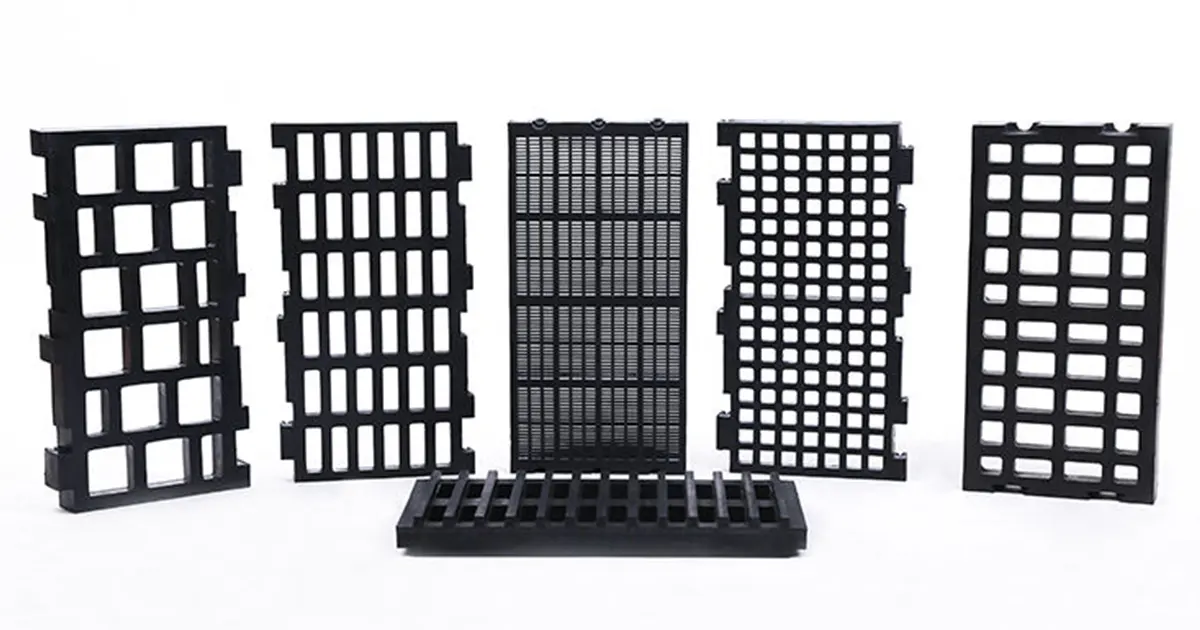
To learn how to choose rubber screen panels effectively, you must match panel size, hardness, and mounting to your material, process, and equipment. Rubber screen panels are essential for tackling tough screening jobs in mining and quarrying. You can expect these main benefits:
- Rubber screen panels last longer than wire screens when used with rough materials.
- They perform well for dry jobs and provide better long-term results.
Anpeng offers expert assistance so you can learn how to choose rubber screen panels that are best suited for your plant. Selecting the right one can reduce downtime and enhance your results.
Key Takeaways
- Rubber screen panels last longer than metal ones. This means less downtime and lower repair costs.
- Pick the right hardness for your material. Soft rubber takes in impacts. Hard rubber stands up to wear.
- Choose panel size and thickness that fit your machine. This helps your machine work better.
- Think about climate and weather. Rubber panels work well in many temperatures. They do not rust.
- Use modular mounting for fast changes. This means less downtime. You can replace worn panels easily.
- Rubber panels lower noise a lot. This makes work safer and more comfortable.
- Try different aperture shapes to see what works best. Square, rectangular, and round shapes have different uses.
- Always talk to your supplier for solutions that fit your needs.
What Are Rubber Screen Panels
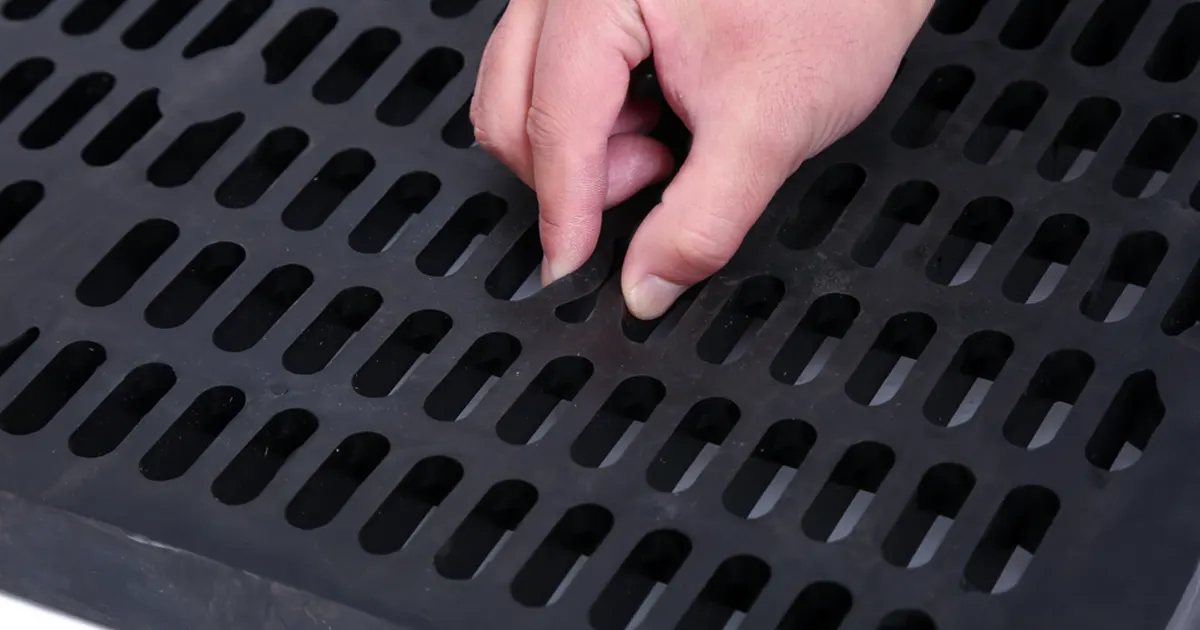
Rubber screen panels are special screens used in mining and building. People use these panels to sort materials by size on vibrating screens. They are made from different kinds of rubber. Each type works best in certain conditions. The table below lists the most common types:
| Type of Rubber Compound | Application |
|---|---|
| Standard rubber compound | Good for normal temperatures |
| High-temperature rubber compound | Best for very hot places |
You can pick the right rubber for your plant’s temperature and needs.
Key Benefits
Rubber screen panels have many good points for your work. They are strong and can bend without breaking. These panels soak up about 60% of impact energy. This helps protect your machines. They also resist damage from acids, alkalis, and solvents. So, you can use them in tough places without worry.
- They last longer than metal screens
- They are very tough in rough places
- You do not need to fix them as often
- They help save energy by reducing shocks
- They support recycling and less waste
- They make work safer and faster with less fixing time
Rubber screen panels often last longer than polyurethane in tough jobs. This means you do not have to replace them as much. You will have less downtime. You can get better screening and spend less money over time.
Tip: Using rubber screen panels helps your plant work better and safer.
When to Use Rubber Screens
You should use rubber screen panels in some cases. If you work with medium-hard, dry, or a little wet materials like raw coal or quartz sand, these panels are a good choice. They fit small and medium vibrating screens and round screens. Many industries use rubber, like coal plants, sand and gravel, and building.
| Material Type | Application Scenarios | Industries Benefiting |
|---|---|---|
| Medium-hard, dry/slightly wet | Raw coal, quartz sand | Coal plants, sand/gravel, building |
| High-frequency vibrations | Small or medium vibrating screens, round screens | Coal plants, sand/gravel, building |
You can use rubber screen panels when you want them to last longer and need less fixing. They work best in rough and high-impact places. If you want less noise and safer work, rubber is a smart pick.
How to Choose Rubber Screen Panels
Assess Material Type
Start by checking what material you need to screen. This helps you pick the right rubber screen panels. Every material needs something different. Abrasive rocks, fine minerals, and wet ores all need special panels. You must match panel size, hardness, and mounting to your material and equipment.
Here is an easy way to choose:
- Figure out what you need to screen. See if you have rough rocks, fine minerals, or sticky stuff.
- Pick the right rubber and hardness. Hard rubber is good for rough things. Soft rubber takes in more hits.
- Think about how thick and big the panel is. Thicker panels last longer. Make sure the size fits your machine.
- Choose the best hole shape and pattern. This helps the material move and separate.
- Look for panels that last and do not wear out fast. Good rubber lasts longer in hard jobs.
- Pick panels that are easy to put in and take care of. Easy panels save you time.
The material type changes the hole size and shape. Big rocks need bigger holes. Fine minerals need small holes. If you screen wet stuff, you need panels that do not clog and can handle water. This keeps your screening working well and saves time.
Wet vs Dry Screening
You need to know if you use wet or dry screening. This changes how you pick rubber screen panels. Wet screening needs panels that do not let water cause clogs. Dry screening needs panels that can handle dust and hits.
Here is a table that shows how rubber screen panels and polyurethane screen plates work for wet and dry screening:
| Performance Attribute | Rubber Screen Panels | Polyurethane Screen Plate |
|---|---|---|
| Wear Resistance | Good for medium hard stuff, lasts 3-6 months; wears out faster with hard ores. | Lasts 3-5 times longer, 6-12 months, good for hard hits. |
| Impact Resistance | Very bouncy, takes in shakes, but can rip after a long time. | Stronger against rips, good for big pieces, steady against hits. |
| Corrosion Resistance | Handles some acids and bases, works from -30℃ to 80℃, can get old over time. | Great with acids and bases, works from -40℃ to 100℃, does not get old from sun. |
| Screening Efficiency | Cleans itself well, but may miss tiny pieces. | Regular holes, less clogging with wet or sticky stuff. |
| Noise and Energy Consumption | Makes little noise (5-20 decibels), uses less energy. | Makes less noise by 10-15 decibels, steady energy use. |
Rubber screen panels are good for wet screening because they bend. This bending stops clogs and keeps things moving. You get better screening and less time stopped. Dry screening is also better with rubber because it takes in hits and makes less noise.
Tip: Always pick rubber screen panels that fit your machine and job for the best results.
Blinding and Pegging Issues
Blinding and pegging happen when stuff blocks the holes in your panels. You need to know how to pick rubber screen panels that stop this. Bendy rubber screens help stop blinding and pegging. Their smooth, stretchy surfaces keep things from getting stuck. This keeps your machines working well.
- Bendy rubber screens stop blinding and pegging.
- Their shape lets material move better.
- You get less clogging and better work.
Here is a table that shows how rubber screen panels and wire cloth compare:
| Screen Type | Flexibility | Blinding Issues | Pegging Issues |
|---|---|---|---|
| Rubber Screen | High | Lower | Lower |
| Wire Cloth | Low | Higher | Higher |
Rubber screen panels bend more than wire cloth. This helps your machines last longer. You spend less time fixing and more time working well.
Note: If you want less time stopped and better screening, pick bendy rubber screen panels for your plant.
Noise Reduction Needs
You may notice that screening operations can get very loud. High noise levels can harm your team and make the worksite less safe. If you want to lower noise, you should look at the materials you use for your screens. Rubber screen panels help reduce noise much better than metal or wire screens. The soft surface of rubber absorbs impact and vibration. This means you get a quieter work area.
When you use rubber screen panels, you can expect noise levels to drop by 5 to 20 decibels. This makes a big difference for your workers. Less noise means less stress and a safer environment. You also help your plant meet safety rules for noise. If you work in a place where noise is a problem, rubber screen panels are a smart choice.
Tip: Choose rubber screen panels if you want to protect your team from loud sounds and create a better work setting.
Climate and Weather Impact
You need to think about climate and weather when you pick rubber screen panels. Different weather conditions can change how long your screens last and how well they work. Hot, cold, and wet weather all affect rubber in different ways.
Here is a table that shows how climate can impact your screens:
| Climate Condition | Impact on Rubber Screen Panels |
|---|---|
| Hot, Dry Conditions | Causes brittleness and flaking in polyurethane, reducing lifespan and increasing downtime for replacements. |
| Cold Temperatures | Makes rubber rigid and brittle, increasing the risk of cracking and rusting in steel components. |
| High Moisture Levels | Accelerates rust formation on wires, decreasing efficiency and lifespan, and complicates material separation. |
If you work in a hot, dry place, you may see some types of screens become brittle and flake. Cold weather can make rubber hard and more likely to crack. Wet conditions can cause rust on metal parts and make it harder to separate materials. Rubber screen panels handle many of these problems better than metal or wire screens. They resist rust and can work in a wide range of temperatures. You should always check the type of rubber used in your panels to make sure it fits your local climate.
Note: Ask your screening media supplier for advice if you have extreme weather at your site. The right rubber screen panels will help you avoid downtime and keep your plant running smoothly.
Panel Size & Thickness
Measuring Decks
You need to measure your screening decks before you choose panel size. Start by checking the number of decks in your machine. More decks help you separate materials better. Look at the width of your screen. A wider screen can carry more material at once. Measure the length of your screen too. Longer screens let material stay on the deck longer, which helps you separate fine particles.
- Count the number of decks for your process.
- Measure the width to know how much material you can handle.
- Measure the length to improve how well you separate materials.
A good rule is to keep the length about 2.5 to 3 times the width. This helps your rubber screen panels work well and gives you better results.
Throughput Considerations
You want your plant to move material quickly and smoothly. Throughput means how much material passes through your screen in a set time. The size and thickness of your panels affect this. Thicker panels need larger holes to keep the same flow. If you use thick panels with small holes, you may slow down your process. When you tilt your deck more, you also need bigger holes for good separation.
- Thicker panels need bigger holes for good flow.
- Steeper decks need larger holes to keep up with the material.
- The right match of thickness and hole size keeps your plant running fast.
You can see some common panel sizes and thicknesses in the table below:
| Size | Thickness |
|---|---|
| 2.00 x 20.00 | 4 |
| 2.00 x 24.00 | 4 |
| 2.00 x 28.00 | 4 |
| 3.75 x 28.00 | 4 |
| 4.00 x 28.00 | 5 |
| 5.00 x 28.00 | 5 |
| 6.00 x 28.00 | 5 |
| 6.90 x 28.00 | 5 |
| 25.00 x 80.00 | 20 |
| 25.00 x 120.00 | 20 |
| 28.00 x 80.00 | 20 |
| 30.00 x 100.00 | 20 |
| 30.00 x 120.00 | 20 |
| 35.00 x 70.00 | N/A |
You can also look at this chart to see how thickness changes with size:
Choosing Thickness
You must pick the right thickness for your rubber screen panels. Thicker panels last longer, but they need bigger holes to keep up with your plant’s needs. If you use thin panels, you may get more flow, but they can wear out faster. The best thickness depends on your material and how hard your process is.
Here are some common panel sizes and thicknesses you might see:
| Size (mm) | Thickness (mm) |
|---|---|
| 305×305 | 30–90 |
| 305×610 | 30–90 |
Slot size also matters. You can find panels with slot sizes from 0.3 x 12 mm up to 120 mm. Always match the thickness and slot size to your material and your plant’s needs.
Tip: Ask your supplier for help if you are not sure which thickness to choose. The right choice will help your rubber screen panels last longer and keep your plant running well.
Rubber Screen Panel Hardness
Understanding Shore A
You should learn about the Shore A hardness scale. This scale tells you how hard or soft rubber is. It works for rubber and other similar materials. The Shore A scale gives a number to show hardness. A low number means the rubber is soft and bends easily. A high number means the rubber is hard and strong. Knowing this helps you pick the right panel for your work.
Rubber screen panels are used in mining, coal, and aggregates. These panels are needed where things are rough or wet. They are stretchy, last a long time, and do not rust easily. You can use them to dry or sort materials.
Matching Hardness to Material
You need to match the panel’s hardness to what you are screening. If you pick the wrong hardness, your panels may not work well or wear out fast. The table below shows which hardness is good for each job:
| Rubber Hardness Type | Characteristics | Suitable Applications |
|---|---|---|
| Soft Rubber | More flexible, absorbs impacts | Delicate materials, reduces vibration |
| Hard Rubber | Superior abrasion resistance | Heavy-duty applications with hard materials |
Soft rubber is best for gentle materials. It bends and takes in hits. This keeps your material safe and makes less noise. Hard rubber is good for tough jobs with hard rocks. It lasts longer and can handle rough work.
Tip: Always check what you are screening before picking hardness. The right choice helps your plant work better and saves money.
Environmental Factors
You should think about where you will use your rubber screen panels. Weather like heat or cold can change how rubber works. Hot or cold weather can make rubber softer or harder. This can change how long your panels last.
Other things matter too. Sunlight can make rubber weaker over time. Ask your supplier if the panels can handle strong sun. You should also think about wet or dry weather. Good rubber panels should work well in all kinds of weather and last a long time.
- Heat and cold can change how panels work.
- Sunlight can make rubber weaker after a while.
- Pick rubber that works well in your local weather.
Note: Always choose rubber screen panels that fit your weather and job. This helps you avoid problems and keeps your plant working well.
Aperture Shape & Open Area
Selecting Aperture Shape
You have to pick the right hole shape for your rubber screen panels. The shape of the holes changes how well your screen works. There are a few common shapes. These are square, rectangular (slot), and round. Each shape is good for different jobs.
- Square apertures are good for most screening jobs. They help separate things evenly and keep material moving.
- Rectangular or slot apertures are best for wet or sticky materials. These slots let things pass through easier and stop clogging.
- Round apertures are used for special jobs. They help keep the shape of what you screen.
Look at what you need to screen before picking a shape. If you work with sand, gravel, or coal, square or slot shapes are usually best. Slots are better if your material is sticky or wet. If you do not know which shape to use, ask your supplier for help.
Tip: Try out different hole shapes on a small part of your plant first. This helps you see which one works best for your material.
Impact on Separation
The open area in your rubber screen panels is very important. Open area means the part with holes where material can go through. More open area lets more particles pass through the screen.
- A bigger open area means more particles can get through.
- You get better separation when there is more open area.
- Rubber panels are strong and last long, but they often have less open area than metal screens.
If your panels have less open area, not as much material will pass through. This can slow down your work and make your plant less efficient. You need to find a balance between how long the panels last and how many holes they have. Thicker rubber panels last longer but have fewer holes. Panels with more holes let more material through but may wear out faster.
Here is a simple table to help you compare:
| Feature | High Open Area | Low Open Area |
|---|---|---|
| Separation | Better | Lower |
| Throughput | Higher | Slower |
| Panel Lifespan | May be shorter | Longer |
Always match the open area to what your plant needs. If you want fast screening and high efficiency, pick panels with more open area. If you need your panels to last longer, you might choose less open area.
Note: Ask your supplier to help you find the best balance between open area and how long the panels last.
Mounting Systems for Rubber Screen Panels
You need to choose the right mounting system for your rubber screen panels. The way you mount your panels affects how easy they are to install, replace, and maintain. Each mounting style works best for certain machines and jobs. You can pick from modular mounting, tensioned panels, or bolt-down options. Let’s look at each system so you can decide what fits your plant.
Modular Mounting
Modular mounting lets you use small panels that fit together like puzzle pieces. You snap or lock each panel into a frame on your screen deck. This system makes it easy to swap out only the worn or damaged parts. You do not need to replace the whole deck. You save time and money because you only change what you need.
- You can install panels quickly.
- You can mix different panel types on one deck.
- You can reduce downtime during maintenance.
Many plants use modular mounting for high-wear areas. You can also use it if you want to test different panel types. If you need flexibility, modular mounting gives you many options.
Tip: Modular mounting works well if you want fast changes and less downtime.
Tensioned Panels
Tensioned panels stretch across the screen deck and hold tight with hooks or clamps. You pull the panel tight so it stays flat and secure. This style works well for larger screens or when you need a smooth surface. You can use tensioned panels if you want a simple setup.
- You can cover large areas with fewer panels.
- You can get a tight, even surface for screening.
- You can remove and replace panels with basic tools.
Tensioned panels often work best for older machines or when you need to upgrade from wire cloth. You can use them with many types of rubber. If you want a strong and steady screen, tensioned panels are a good choice.
Note: Always check your machine’s frame before choosing tensioned panels.
Bolt-Down Options
Bolt-down options use bolts or screws to fix each rubber screen panel directly to the deck. You get a very secure fit. This system works well for heavy-duty jobs or when you need extra strength. You can use bolt-down panels in places with lots of vibration or impact.
- You get a strong and stable screen.
- You can handle tough materials without panels moving.
- You can use this system for custom shapes or sizes.
Bolt-down mounting takes more time to install and remove. You may need special tools. If you want the most secure fit, bolt-down options give you peace of mind.
Tip: Use bolt-down mounting for the toughest jobs or when you need a custom fit.
You can talk to your supplier to find the best mounting system for your rubber screen panel. The right choice helps your plant run smoothly and safely.
Durability & Performance
Handling Abrasive Materials
Screening tough materials like granite or iron ore is hard. These materials can quickly wear out your screens. Rubber screen panels are strong in these rough jobs. Their flexible surface takes in hits and stops cracks. They can handle sharp and rough pieces without changing shape. This means you do not have to worry about damage as much. You can focus more on how well your plant works.
If you want something that lasts, pick panels made for high durability. These panels do not cut or tear as easily as others. They last longer, even with the hardest rocks. This helps your plant keep working without stopping.
Maintenance & Downtime
You want your plant to run with few stops. Rubber screen panels help you do this. They lower vibration and noise, so your machines have less stress. This means fewer broken parts and easier setup. It is easy to clean and change these panels. You can do it fast, so your team has less downtime.
Here is a table that shows how rubber screen panels and metal screens compare:
| Benefit | Rubber Screen Panels | Traditional Metal Screens |
|---|---|---|
| Vibration Reduction | Yes | No |
| Noise Reduction | Yes | No |
| Mechanical Stress | Reduced | Increased |
| Component Failures | Fewer instances due to less stress | More frequent due to higher stress |
| Installation Ease | Easier and quicker | More complex and time-consuming |
| Maintenance Frequency | Lower due to durability and ease of cleaning | Higher due to wear and tear |
| Downtime | Less due to fewer repairs and failures | More due to frequent maintenance |
Rubber screen panels mean you fix things less often. You spend more time making products and less time fixing problems. This helps your plant work better and faster.
Tip: Pick rubber screen panels if you want less downtime and easier maintenance for your team.
Cost vs Lifespan
You may ask if rubber screen panels save money over time. Rubber panels usually cost less at first than polyurethane screens. Polyurethane screens last three to five times longer than metal screens. This means you do not need to fix or replace them as much. Even though polyurethane costs more at first, you save money later because you buy fewer panels.
Rubber screen panels give you a good mix of price and strength. They last a long time and keep your repair costs low. They are easy to take care of, so you do not have long stops. When you look at the total cost over time, you see real savings and better value for your plant.
Note: Always think about both the starting price and the money you save later when you pick your screening panels.
Practical Selection Checklist
Key Questions to Ask
You want to make the best choice for your screening plant. Start by asking yourself these important questions:
- What material will you screen? Think about how rough, wet, or sticky it is. Check the size and shape of the particles.
- What are your screen’s settings? Look at the deck angle, how fast it moves, and what size you want to separate.
- What Shore A hardness do you need? Match the hardness to the impact and abrasion in your process.
- What aperture shape and size work best? Make sure the holes fit your cut point and help stop clogging.
- Have you talked with a manufacturer or technical team? Get advice for your plant’s needs.
- Have you tested the panels? Run a trial to see if they meet your throughput, efficiency, and wear-life goals.
Tip: Use this checklist every time you select new panels. It helps you avoid costly mistakes.
Common Mistakes
Many people make the same errors when choosing screen panels. You can avoid these problems if you know what to watch for:
- Picking the wrong hardness for your material. This can cause fast wear or poor performance.
- Ignoring the size and shape of the holes. This leads to clogging or poor separation.
- Forgetting to measure your deck. Panels that do not fit waste time and money.
- Not thinking about your climate. Extreme heat or cold can damage panels.
- Skipping a trial run. You may not see problems until it is too late.
Note: Always double-check your choices before you buy. Small mistakes can lead to big problems later.
Working with Manufacturers
You get better results when you work closely with a trusted manufacturer. Share details about your plant and your materials. Ask for custom solutions if you have special needs. Here are some things to discuss with your supplier:
| Consideration | Description |
|---|---|
| Material Characteristics | Tell the supplier about the size, shape, and roughness of your material. |
| Aperture Size and Shape | Make sure the openings match your target particle size and flow needs. |
| Rubber Compound and Hardness | Choose the right hardness for your job. Softer rubber absorbs vibration. Harder rubber resists wear. |
| Panel Thickness and Backing | Ask about thickness and any extra support for tough jobs or noise control. |
| Environmental Factors | Pick compounds that last in your weather and resist chemicals or sunlight. |
Tip: Good communication with your supplier leads to better screening and longer-lasting panels.
You can improve your plant’s performance by following these steps. Careful planning and teamwork help you get the most from your rubber screen panels.
Conclusion
You can pick the right rubber screen panels by matching size, hardness, and mounting to what your plant needs. If you work with a company like Anpeng, you get help from experts who know about mesh choices. They give you support all day and night. You can also get special solutions made just for your plant. Use the checklist and tips to help your plant run better and stop delays. If you want expert help or answers made for you, contact Anpeng.
FAQ
What is the main advantage of rubber screen panels?
Rubber screen panels last longer than metal screens in tough jobs. You get less noise, fewer repairs, and better safety for your team.
How do I know which panel size fits my screen?
Measure your screen deck’s length and width. Check the number of decks. Ask your supplier for help if you are unsure about the right fit.
Can rubber screen panels handle wet materials?
Yes, rubber panels work well with wet or sticky materials. Their flexible surface helps prevent clogging and keeps your process moving.
How often should I replace rubber screen panels?
You should check panels regularly for wear or damage. Most panels last 3–6 months, but this depends on your material and workload.
What is Shore A hardness, and why does it matter?
Shore A measures how hard or soft rubber is. You need to match hardness to your material. Harder panels resist wear. Softer panels absorb impacts.
Do rubber screen panels reduce noise?
Yes! Rubber absorbs vibration and impact. You can expect noise levels to drop by 5–20 decibels, making your plant safer and more comfortable.
Can I mix different mounting systems on one deck?
You should not mix mounting systems on the same deck. Use one system for best performance and easier maintenance.