Cutting wire mesh may seem simple, but choosing the wrong tool or technique can result in uneven edges, damaged wires, or unnecessary safety risks. Whether you are working with welded, woven, stainless steel, or galvanized wire mesh, proper preparation helps you make accurate cuts while protecting both the material and yourself.
Before cutting wire mesh, you should understand its material, wire diameter, mesh opening, and overall structure. Different mesh specifications may require different cutting tools and methods. In this guide, we will explain how to prepare, cut, and finish wire mesh safely and efficiently while achieving clean and accurate results.
What Time to Cut Wire Mesh?
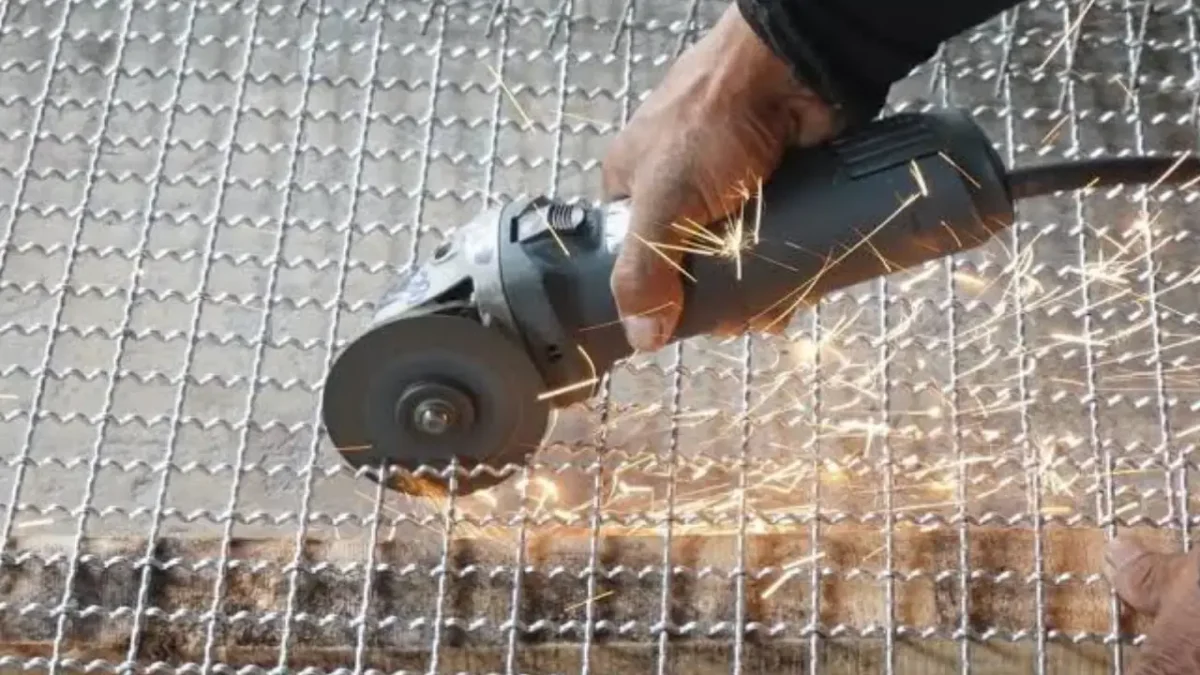
The best time to cut wire mesh is usually when you have a clean, stable, and well-lit working environment. Although wire mesh does not require a specific time of day, choosing a suitable working period can improve visibility, concentration, and safety. Avoid cutting during poor lighting, wet conditions, or when you are rushed.
For outdoor projects, weather and working conditions can also affect the cutting process. Plan your work when the surface is dry and you have enough time to handle tools properly. For indoor work, ensure adequate ventilation, lighting, and workspace before starting to cut the wire mesh.
When to Cut Wire Mesh
- During Daylight: Natural daylight provides better visibility, helping you identify cutting points and inspect wire ends accurately.
- In Dry Conditions: Dry conditions reduce slippery surfaces and help you maintain better control of tools and materials.
- With Good Lighting: Adequate lighting makes it easier to see mesh openings, wires, and marked cutting lines clearly.
- When You Have Enough Time: Avoid rushing the job, as careful cutting improves accuracy and reduces the chance of mistakes or injuries.
- Before Installation: Cutting mesh before installation allows you to prepare the required sizes and shapes for easier assembly.
- After Measuring Carefully: Always measure and mark the required dimensions before cutting to minimize material waste and incorrect cuts.
How to Cut Wire Mesh Safely and Efficiently?
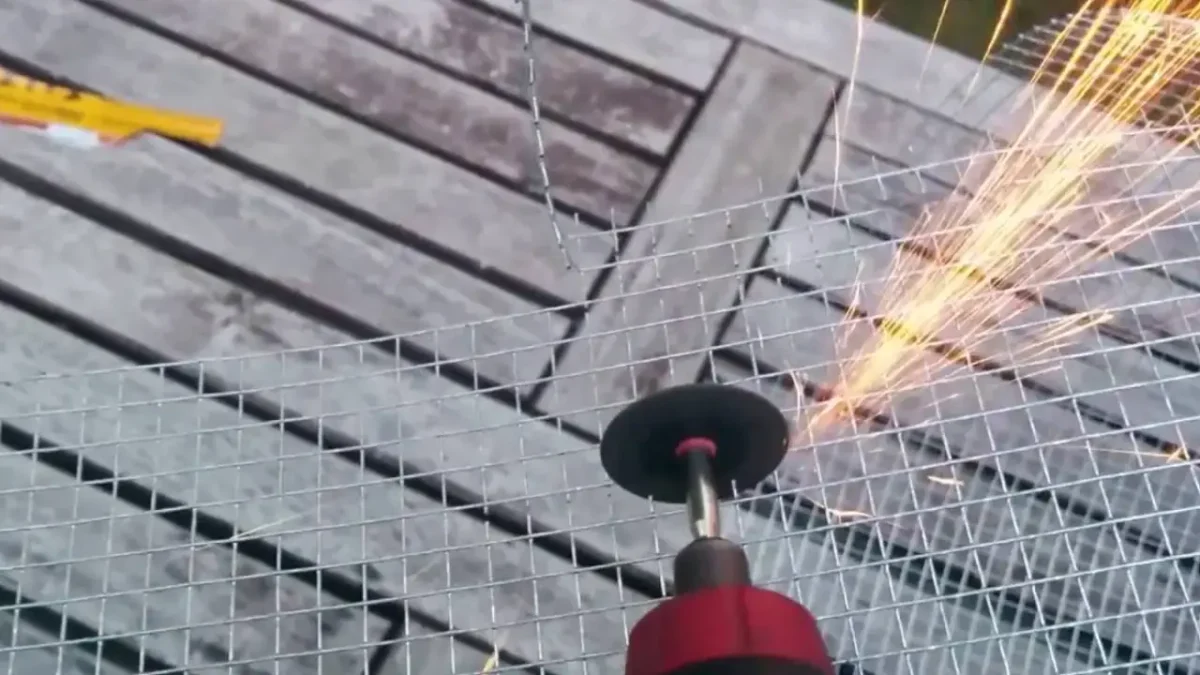
Cutting wire mesh requires careful preparation, the right tools, and a suitable cutting method. Different mesh materials and wire diameters may require different approaches, so understanding the material before starting is important. Proper measuring, securing, cutting, and edge finishing can help you achieve accurate results while reducing material damage and unnecessary safety risks.
Tools Needed
- Wire cutters or bolt cutters
- Aviation snips
- Angle grinder with a suitable cutting disc
- Measuring tape
- Marker or chalk
- Clamps
- Work gloves
- Safety glasses
- Metal file or deburring tool
- Cleaning brush
Step 1: Identify the Wire Mesh Type
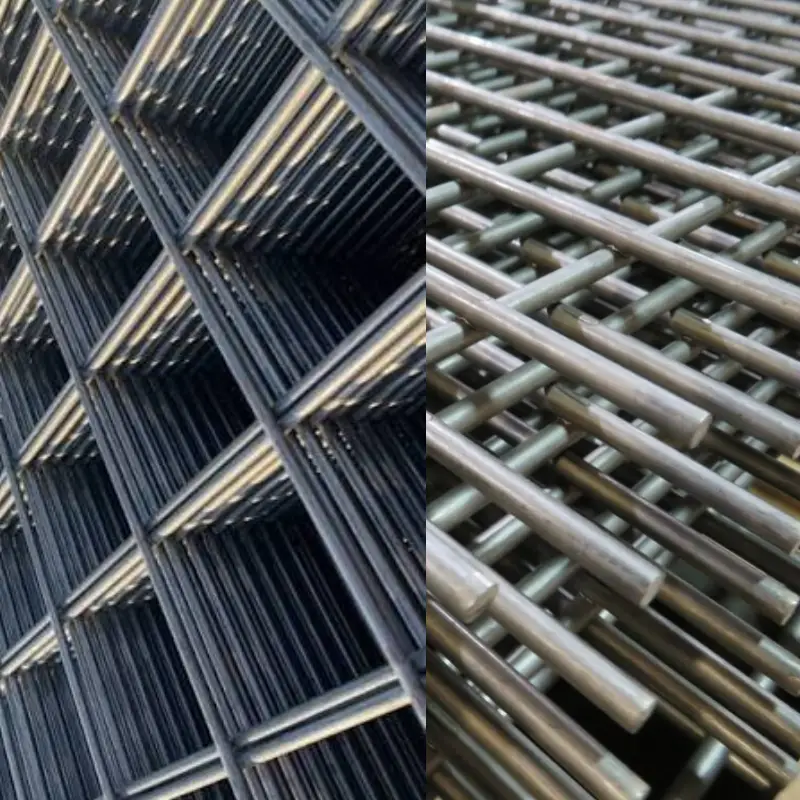
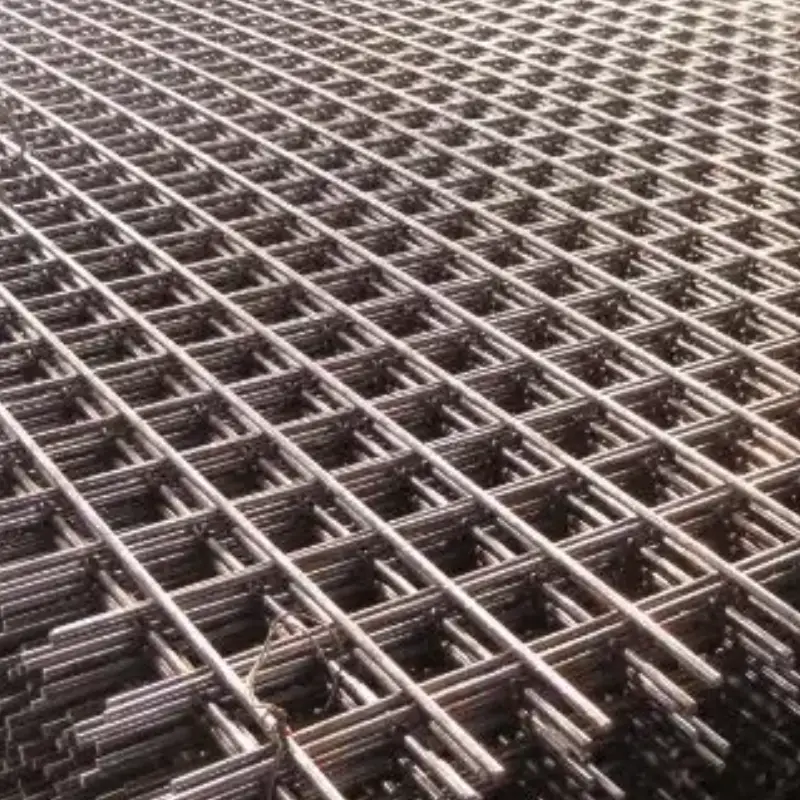
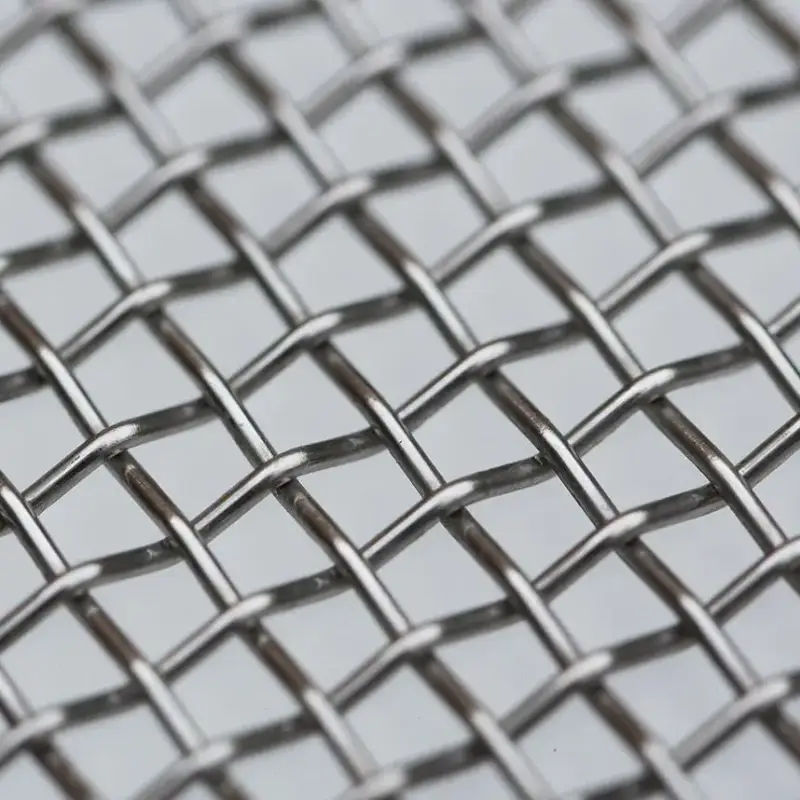
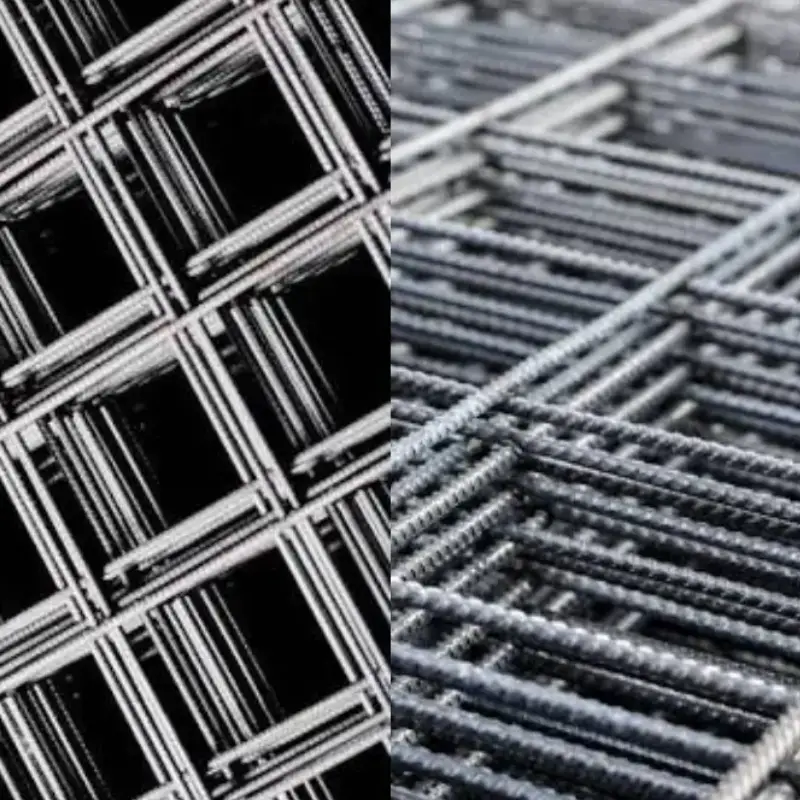
Before cutting, check whether the mesh is woven, welded, expanded, or another type. Also identify its material, wire diameter, opening size, and thickness. These details help you select a suitable cutting tool and prevent using equipment that may damage the mesh or produce uneven edges during the cutting process.
The mesh structure also affects how it should be handled during cutting. Welded mesh is generally rigid, while woven mesh can move more easily. Understanding these differences allows you to plan the cutting direction and support points before starting, helping maintain the mesh shape and improve overall cutting accuracy.
Step 2: Measure the Required Size
Measure the required length or width carefully using a measuring tape or ruler. Take measurements from several points when working with large sheets to ensure consistency. Double-check the dimensions before marking, especially when preparing multiple pieces that need to fit together during installation.
Consider the final installation requirements when taking measurements. If the mesh needs to overlap another section or fit inside a frame, include the required allowance. Accurate measurements help reduce material waste and prevent problems caused by pieces being too short or incorrectly sized.
Step 3: Mark the Cutting Line
Use a permanent marker, chalk, or another suitable marking tool to create a clear cutting line. Follow the mesh pattern and mark each section that needs to be cut. For larger pieces, add several reference marks so the cutting line remains easy to follow across the entire sheet.
Make sure the marked line is visible before beginning the cutting process. When working with coated or finished mesh, choose a marking method that will not unnecessarily damage the surface. A clear line helps improve cutting accuracy and makes it easier to check the final dimensions afterward.
Step 4: Secure the Wire Mesh
Place the wire mesh on a stable, flat work surface before cutting. Use clamps to hold it firmly in position and prevent movement. Keeping the mesh stable gives you better control of the cutting tool and helps reduce uneven cuts, slipping, bending, or accidental damage during the operation.
For larger mesh sheets, support both sides of the cutting area to prevent excessive movement. Make sure the clamps do not cover the cutting line. Leave enough working space around the marked section so you can operate the tool safely and maintain a comfortable cutting position.
Step 5: Choose the Right Cutting Tool
Select a cutting tool according to the mesh material, thickness, and project requirements. Wire cutters or aviation snips may work for thinner wires, while bolt cutters can handle stronger wire. Thicker or heavier mesh may require powered equipment such as an angle grinder with an appropriate cutting disc.
Avoid choosing a tool based only on convenience. Using an unsuitable tool can crush the wire, deform the mesh, damage the surrounding coating, or make cutting unnecessarily difficult. Check the tool condition before use and ensure the cutting blade or disc is appropriate for the material.
Step 6: Cut Along the Marked Line
Start cutting slowly along the marked line while maintaining firm control of the tool. For hand tools, position the jaws around each wire and apply steady pressure. For powered tools, keep the cutting disc aligned with the marked line and avoid forcing the equipment through the material.
Work progressively across the mesh instead of attempting to cut everything at once. Follow the wire pattern carefully and keep your hands away from the cutting area. If the mesh begins moving, stop cutting and secure it again before continuing with the remaining section.
Step 7: Smooth the Cut Edges
After cutting, inspect the newly created edges for sharp wires, burrs, or protruding sections. These edges can cause cuts or scratches during handling and installation. Use a metal file or suitable deburring tool to smooth sharp points and make the cut section safer to handle.
If complete removal of sharp ends is not practical, consider using an appropriate edge covering or protective trim. Handle the mesh carefully while inspecting it, and continue wearing gloves and eye protection. Pay particular attention to corners and areas where individual wires extend beyond the mesh pattern.
Step 8: Check the Cut Dimensions
Place the cut piece on a flat surface and measure it again to confirm the final dimensions. Compare the measurements with your original requirements before installation. Checking the finished piece helps identify incorrect cuts early and prevents unsuitable mesh sections from being installed in the project.
Also inspect the mesh for bent wires, distorted openings, loose welds, or damaged coatings. Minor problems may be corrected before installation, while significant damage may require another piece. A final inspection is especially useful when preparing multiple mesh sections that need to fit together accurately.
Step 9: Clean the Cut Wire Mesh
Remove loose metal fragments, dust, and debris from the finished mesh before installation or storage. Use a suitable brush or cleaning method based on the material and surface finish. Cleaning helps remove particles created during cutting and allows you to inspect the mesh more clearly.
For coated or stainless steel mesh, avoid cleaning methods that could unnecessarily damage the surface. Make sure the mesh is free from loose debris before handling or packaging it. A clean surface also makes it easier to identify scratches, damaged coatings, or other cutting-related issues.
Step 10: Store the Cut Wire Mesh
Place the finished mesh on a stable surface where it will not be bent, crushed, or damaged by other materials. Store pieces carefully and avoid placing heavy objects on top of thinner mesh. Proper positioning helps maintain the original dimensions and prevents unnecessary deformation.
Keep the mesh in a dry and suitable environment, particularly when working with materials that may be affected by moisture. Protect finished surfaces when necessary and organize different sizes separately. Proper storage makes the cut mesh easier to identify, transport, and install when needed.
Things to Avoid for Cutting Wire Mesh
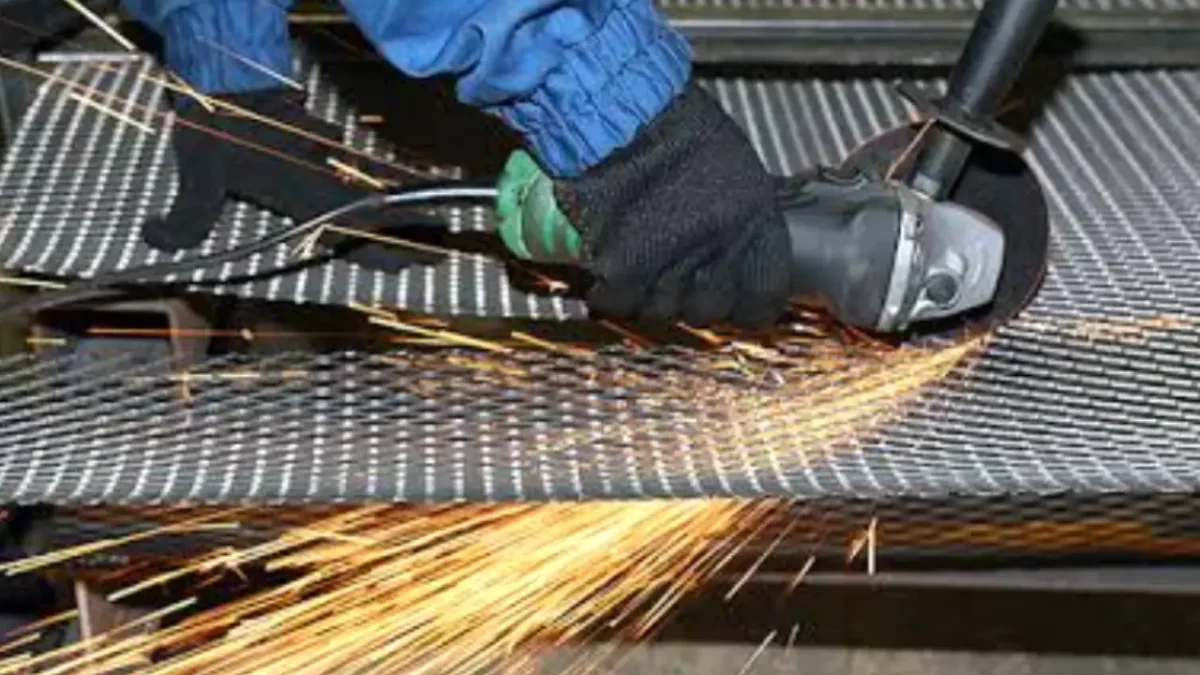
Cutting wire mesh requires more than simply choosing a cutting tool and applying pressure. Poor preparation, incorrect equipment, or careless handling can damage the mesh and create unnecessary safety risks. Understanding common mistakes before starting can help you achieve cleaner cuts, protect the material, and make the entire cutting process more efficient.
Things to Avoid When Cutting Wire Mesh
- Using the Wrong Cutting Tool: Avoid using a tool that cannot handle the mesh material or wire diameter. An unsuitable tool may crush wires, create uneven edges, damage coatings, or require excessive force, making the cutting process less efficient and potentially increasing the risk of accidents.
- Skipping Measurements: Avoid cutting before confirming the required dimensions. Incorrect measurements can produce pieces that are too short or too narrow, resulting in wasted material and additional work. Always measure carefully and check the dimensions before marking the cutting line.
- Cutting Without Securing the Mesh: Avoid cutting loose mesh that can move unexpectedly during the process. Movement can make the cutting line difficult to follow and may cause uneven cuts. Use suitable clamps or supports to keep the mesh stable throughout the operation.
- Ignoring Sharp Edges: Never assume newly cut mesh edges are safe to handle. Cut wires can create sharp points and burrs that may cause injuries. Inspect the edges after cutting and use a file, deburring tool, or suitable protective trim when necessary.
- Applying Excessive Force: Avoid forcing hand tools or powered equipment through the wire mesh. Excessive pressure can deform the wires, damage the cutting tool, or make the mesh difficult to control. Use a suitable tool and allow it to cut through the material properly.
- Cutting Without Protective Equipment: Avoid working without appropriate personal protective equipment. Safety glasses can help protect your eyes from flying particles, while suitable gloves can reduce contact with sharp wires. Additional protection may be necessary when using powered cutting equipment.
- Ignoring the Mesh Coating: Avoid damaging protective coatings unnecessarily when cutting galvanized or coated wire mesh. Excessive heat or inappropriate tools can affect the coating around the cut area. Choose a suitable cutting method and inspect the exposed wire after cutting.
- Rushing the Cutting Process: Avoid rushing, especially when making long or detailed cuts. Working too quickly can lead to inaccurate measurements, uneven edges, or loss of tool control. Take your time to check the marked line and reposition the mesh when necessary.
- Leaving Debris on the Work Area: Avoid leaving cut wire pieces, metal fragments, or other debris around the workspace. These materials can create additional hazards during handling or installation. Clean the work area after cutting and collect sharp offcuts for proper disposal.
- Storing Mesh Incorrectly: Avoid placing freshly cut mesh where it can become bent, crushed, or exposed to unnecessary moisture. Poor storage can affect its shape and surface condition. Keep finished pieces organized, supported, and protected until they are ready for installation.
Wire Mesh Cutting Tips
Cutting wire mesh requires careful preparation, suitable tools, and controlled movements. Whether you work with stainless steel, galvanized steel, aluminum, or other mesh materials, the right technique can help produce clean edges and accurate dimensions. Before cutting, consider the mesh type, wire diameter, opening size, and required shape to avoid unnecessary material waste.
Good cutting practices can also improve safety and make installation easier. Secure the mesh properly, mark the cutting line clearly, and choose a tool that matches the material thickness. After cutting, inspect the edges and remove sharp points or debris. The following tips can help you cut wire mesh more efficiently and consistently.
- Measure Twice Before Cutting: Carefully check the required dimensions before making any cuts. Taking measurements twice helps prevent pieces from being too short or incorrectly sized. Consider overlaps, frame dimensions, and installation allowances so you can reduce material waste and avoid having to recut another section.
- Choose the Right Cutting Tool: Select your cutting tool according to the wire diameter, mesh material, and thickness. Wire cutters may work for thin mesh, while bolt cutters or powered equipment may be needed for heavier materials. Using the right tool can improve cutting accuracy and reduce unnecessary effort.
- Secure the Mesh Firmly: Use clamps or suitable supports to keep the wire mesh stable before cutting. A secure workpiece is easier to control and helps prevent movement, bending, or uneven cuts. For large sheets, support both sides of the cutting area for better stability.
- Mark a Clear Cutting Line: Use chalk, a marker, or another suitable marking tool to indicate exactly where the mesh should be cut. Make the line visible across the entire section and check the marks before starting. Clear measurements and markings can significantly improve cutting accuracy.
- Follow the Mesh Pattern: When cutting woven or welded mesh, follow the existing wire pattern whenever possible. Cutting along the appropriate wires can make the process easier and produce a cleaner result. It can also help maintain the shape of the remaining mesh after removing a section.
- Cut Slowly and Carefully: Avoid rushing through the cutting process, particularly when working with thick or strong wire. Apply steady pressure and maintain control of the tool. Slow, deliberate movements can help prevent uneven edges, damaged wires, and mistakes that may require additional cutting or adjustment.
- Wear Appropriate Safety Equipment: Always use suitable protective equipment when cutting wire mesh. Safety glasses help protect your eyes from flying particles, while work gloves can reduce contact with sharp wires. When using powered tools, additional protection may be required according to the equipment manufacturer’s safety instructions.
- Watch for Sharp Edges: Newly cut wire mesh can have sharp wire ends and burrs that may cause cuts or scratches. Carefully inspect the finished edges and use a metal file or deburring tool to smooth them. Protective edge trim can also be considered when appropriate.
- Check the Finished Dimensions: Measure the cut piece again after completing the work. Confirm that its length, width, and shape match your original requirements. A final measurement can identify problems before installation and is especially useful when preparing multiple mesh sections that must fit together accurately.
- Clean and Store the Mesh Properly: Remove loose wire pieces, metal fragments, and dust after cutting. Then store the finished mesh on a stable surface where it will not be bent or crushed. Keep it in a dry environment and organize different sizes separately for easier handling later.
Conclusion
Cutting wire mesh safely requires the right preparation, suitable tools, and proper handling techniques. Understanding the mesh material, wire diameter, and construction method can help you choose an appropriate cutting method. Taking time to secure the mesh and protect yourself can also reduce the risk of injuries and help produce cleaner, more consistent cuts.
After cutting, inspect the edges carefully and remove or cover sharp wire ends when necessary. For larger projects, using suitable professional cutting equipment can improve efficiency and consistency. Always follow the tool manufacturer’s instructions and wear appropriate protective equipment, especially when cutting thicker or stronger wire mesh.
At Apscreens, we provide wire mesh in different materials, mesh sizes, wire diameters, and specifications for various applications. Whether you need standard or customized solutions, our team can help you select suitable products for your project. Contact us with your requirements to discuss your needs and get wholesale wire mesh from our Apscreens for your next project.