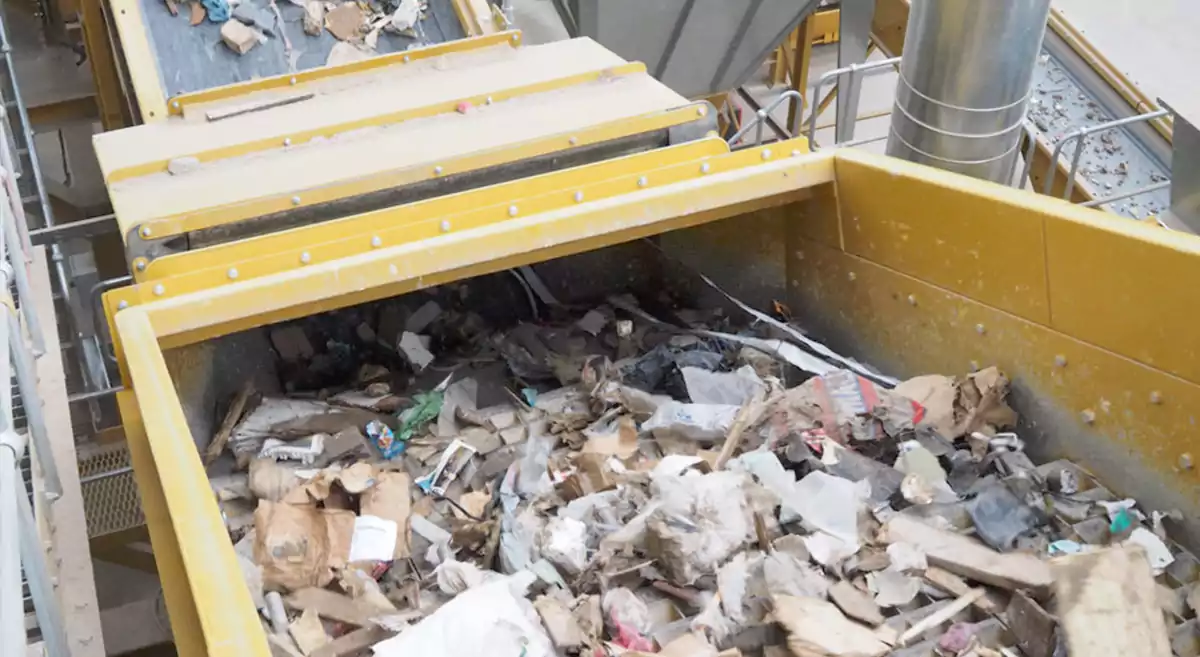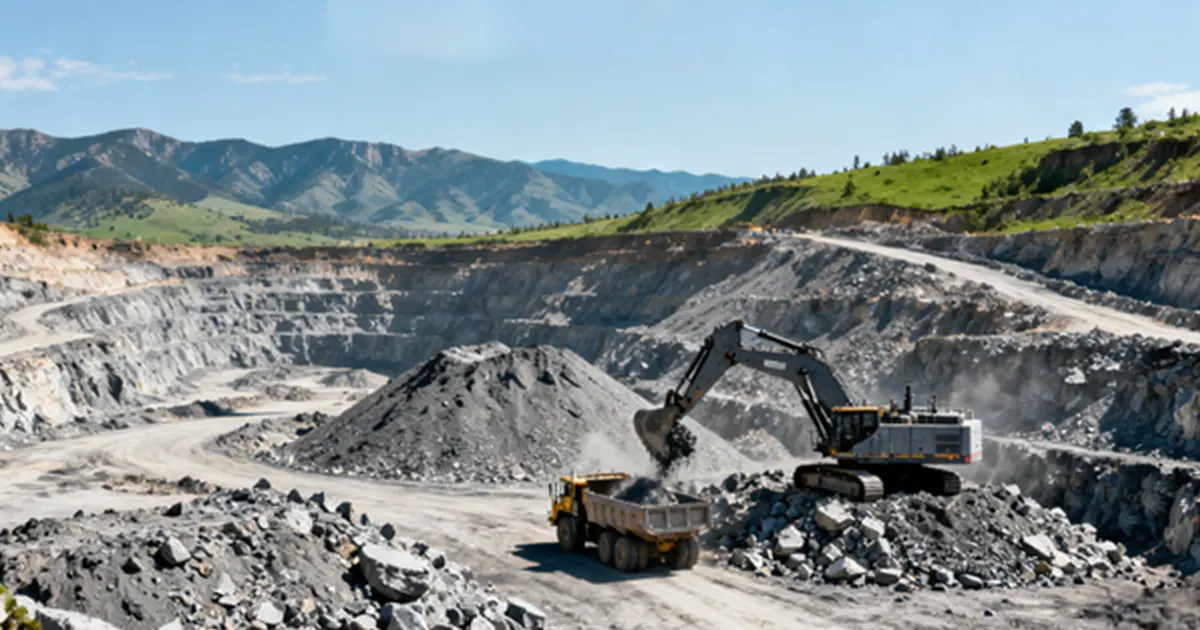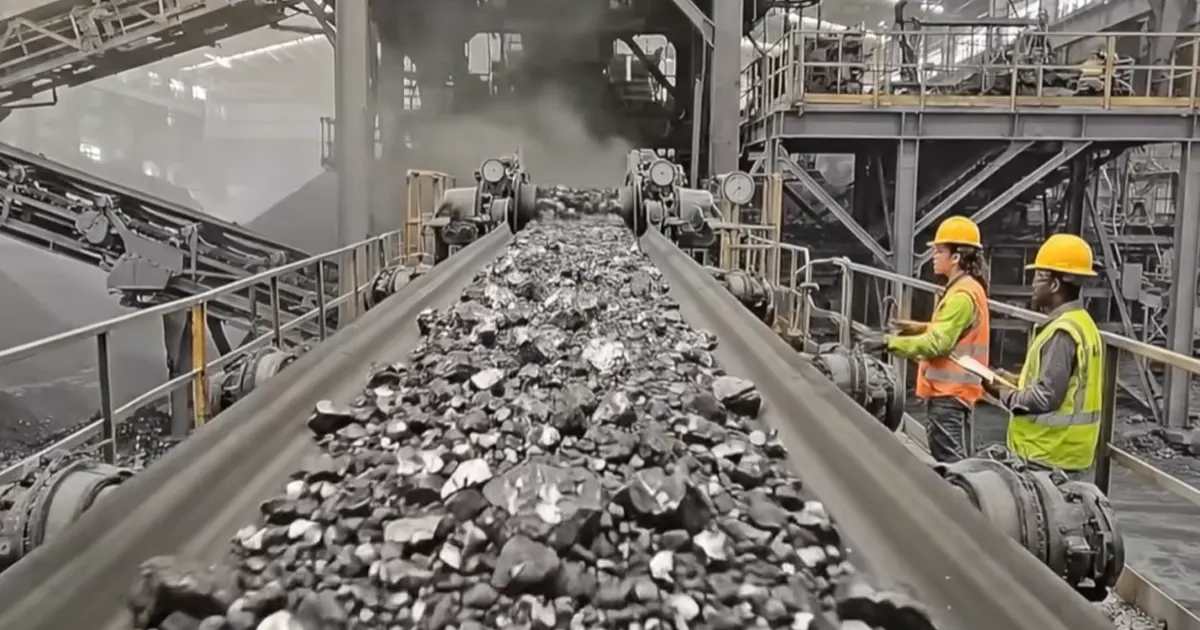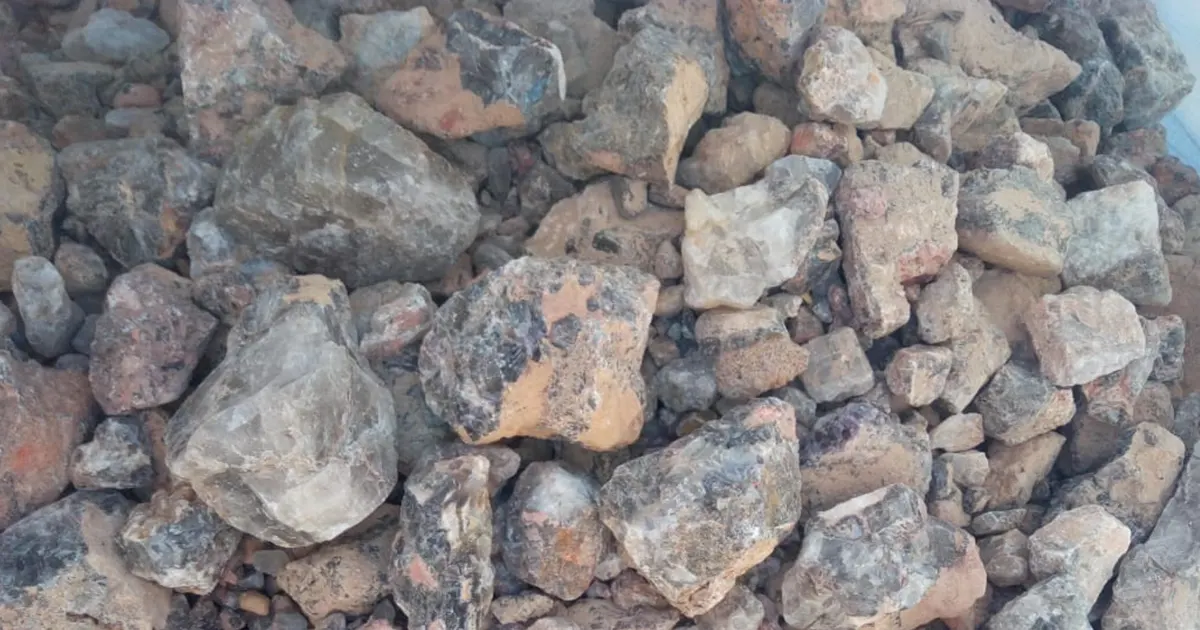
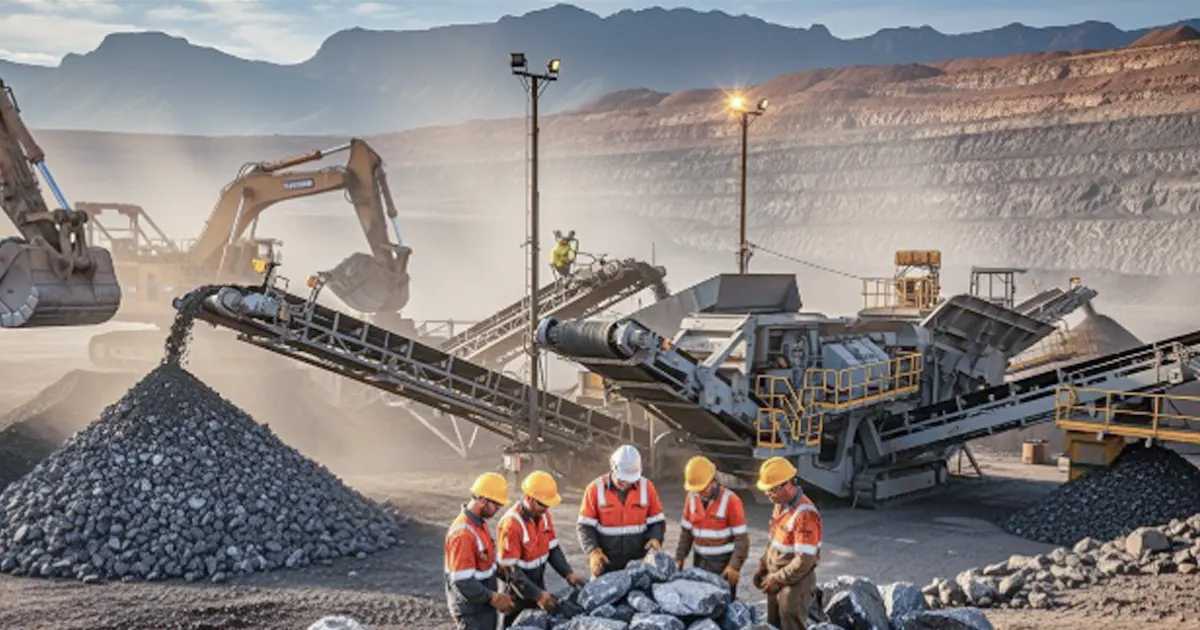
You may ask how people get manganese from the ground. The manganese mining process uses different machines for each step. First, you have raw manganese. You must crush, wash, grind, dress, and dry the ore. These steps help make the ore useful. Here is a simple guide to what happens:
| Stage | Description |
|---|---|
| Crushing | Breaking the ore into smaller bits. |
| Washing | Taking away dirt from the ore. |
| Grinding | Making the ore even smaller. |
| Dressing | Making the ore better and cleaner. |
| Drying | Getting water out of the ore. |
Each step helps make manganese ready for use. The right machines help workers stay safe and do the job well.
Key Takeaways
- Manganese mining has many steps. These steps are crushing, washing, grinding, dressing, and drying the ore. These steps help make the ore useful.
- Manganese is very important for making steel strong. It also helps steel not to rust. More people want manganese now because of electric vehicle batteries.
- South Africa, Gabon, and Australia produce the most manganese. They give most of the world’s manganese.
- Exploration is the first step in mining. People use tools like ground-penetrating radar to find manganese ore fast.
- Site preparation is very important for safe mining. Workers clear land and build things needed for mining.
- Open-pit mining is faster and costs less for shallow ore. Underground mining works better for deep ore.
- Crushing and screening make the ore smaller and sort it. This helps process the ore well and waste less.
- New methods like hydrometallurgy and bioleaching are being used. These methods help get more manganese and protect the environment.
Manganese’s Role and Mining Overview
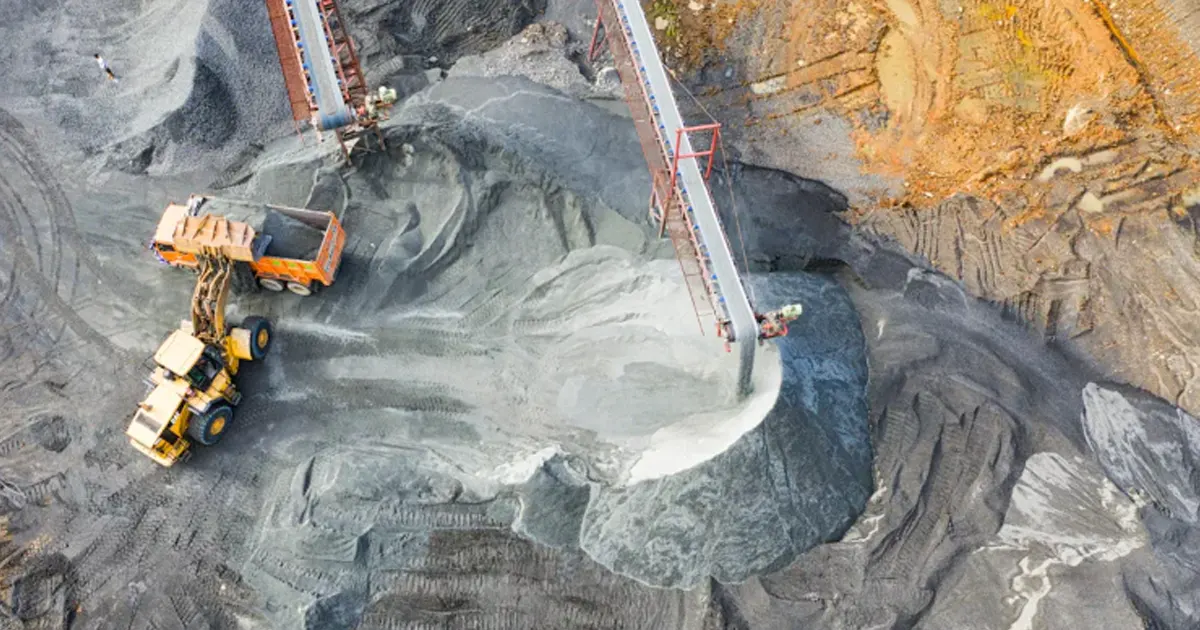
Industrial Uses
You see steel in many places, like cars and bridges. Manganese makes steel strong and bendy. Most manganese is used to make steel. You need manganese to make steel tough. It also helps steel not rust. This makes steel good for building and cars.
But manganese is not just in steel. It is also in aluminum alloys, batteries, and chemicals. Electric cars use batteries that need more manganese now. The need for manganese in batteries is growing fast. It is growing even faster than in steel. Because of this, mining companies must find more manganese.
Here is a list of where you find manganese in industry:
- Steel production (the biggest use)
- Aluminum alloys
- Batteries for electric vehicles and mobile devices
- Industrial chemicals
Mining changes when battery demand goes up. Companies dig for more manganese when this happens. Steel still uses most of the world’s manganese. But batteries are using more each year. As electric cars get popular, mining grows to meet the need.
Tip: If you work in mining or factories, watch battery trends. These trends can change how much manganese you need and where you get it.
Major Mining Regions
You may wonder where most manganese comes from. Only a few countries make most of the world’s supply. South Africa makes the most. Gabon and Australia are next. These countries have a lot of manganese and big mines.
Look at this table to see the top countries:
| Country | Annual Yield (Metric Tons) | Percentage of Global Supply |
|---|---|---|
| South Africa | 7.2 million | 37% |
| Gabon | 4.6 million | N/A |
| Australia | 3.3 million | N/A |
| China | 770,000 | N/A |
| Brazil | 590,000 | N/A |
| Malaysia | 410,000 | N/A |
| Côte d’Ivoire | 360,000 | N/A |
South Africa makes more manganese than any other country. Gabon and Australia also make a lot. China, Brazil, Malaysia, and Côte d’Ivoire make less.
If you work in mining, you know location is important. Mining companies go to these countries because they have lots of manganese. They also have good roads and tools for mining. When people need more manganese, these countries make more to help the world.
Note: If you want to know about the manganese market, watch South Africa, Gabon, and Australia. What they do changes the world’s supply.
Manganese Mining Process Steps
If you want to know how the manganese mining process works, here are the main steps. These steps show how you find manganese and get it ready for use. Each part helps you get more manganese and makes mining better.
Exploration
The first step is exploration. This means looking for the best places to mine manganese. Geologists use special tools to find ore bodies. Here are some ways they do this:
| Technique | Description |
|---|---|
| Ground-Penetrating Radar (GPR) | Finds manganese ore deep underground, even in hard places. |
| Geometallurgical Modeling | Tells you about ore grade and how it will act in processing. |
| Remote Sensing & Satellite Data | Checks big areas fast and helps the environment early on. |
| Transient Electromagnetic (TEM) Surveys | Finds changes in the ground that show manganese is there. |
| AI-Driven Mineral Targeting | Uses data to map good spots and pick where to drill. |
These tools make finding manganese faster and more exact. Satellite data and AI help you look at large places and pick the best ones. GPR and TEM let you see under the ground without digging. Geometallurgical modeling helps you plan your mining early.
Tip: If you use both old and new tools, you find manganese faster. You also save time and work.
Site Preparation
After you find a good spot, you get the site ready. This step helps the rest of the manganese mining process go well. You clear land, build roads, and set up things you need. You need space for machines, people, and storage.
You also plan for water, waste, and safety. Good site prep keeps everyone safe and the work smooth. If you skip this, you might have problems and delays.
Here are things you do to get ready:
- Clear plants and rocks.
- Build roads for trucks and machines.
- Set up power and water.
- Put up fences and safety signs.
- Make storage for manganese ore and waste.
This step is the base for the whole manganese mining process. If you do it right, mining and processing are much easier.
Overburden Removal
Next is overburden removal. Overburden is dirt and rock above the manganese ore. You must take it away before mining. This step keeps ore coming out smoothly.
You use different ways based on how deep the manganese is. Here is a table with the main ways and how they help:
| Method | Description | Impact on Efficiency |
|---|---|---|
| Open-Pit Mining | Uses big machines to take off top layers. | Makes mining fast and steady. |
| Underground Mining | Makes tunnels to reach deep manganese. | Lets you get more ore and helps recovery. |
| Modern Innovations | Uses satellites and tech to plan better. | Finds resources and makes mining work better. |
Open-pit mining is used when manganese is near the surface. This way keeps ore moving fast. If the ore is deep, you use underground mining. New tech like satellites helps you plan and work better.
Note: Overburden removal is not just digging. You must handle waste and care for nature. Good planning keeps mining safe and smooth.
The manganese mining process starts with exploration, then site prep, and then overburden removal. Each step helps the next one and makes mining work well. You want to keep things moving to get the most manganese.
Here is a table that shows how each step helps you get more ore:
| Step | Contribution to Recovery Rates |
|---|---|
| Crushing | Breaks ore into smaller pieces for the next steps. |
| Gravity Concentration | Saves 50-80% of manganese and costs less. |
| Grinding and Magnetic Separation | Gets 20-25% more by catching small bits of manganese. |
| Flotation | Makes sure little manganese is left in waste. |
Each step in the manganese mining process helps you get more manganese. Gravity concentration and magnetic separation help you use more of your ore. Flotation catches tiny pieces so you waste less.
Callout: If you want to get the most manganese, pay attention to every step. The flow from finding ore to processing it helps you do well.
Mining Methods: Open-Pit and Underground
When people mine manganese, they can use two main ways. These ways are open-pit mining and underground mining. Each way has its own steps and tools. Each way works best in different places. Let’s look at how these ways work and when to use them.
Open-Pit Mining
Open-pit mining is a common way to get manganese. People use this way when the ore is near the ground’s top. Workers dig a big hole and take away dirt and rocks. This way lets you see the ore and use big machines.
When to Use
Open-pit mining is good when manganese is close to the surface. It works best for some types of rocks. Here is what you need:
| Geological Condition | Description |
|---|---|
| Type of Deposit | Sedimentary deposits are the main source of manganese. They form in water like seas or lakes. |
| Rock Types | Manganese ores are found in marine shales, mudstones, and carbonate rocks. |
| Formation Process | Manganese minerals change over millions of years by diagenesis and metamorphism. |
If you see these things, open-pit mining is a smart pick. You can move lots of dirt fast and get the ore with less danger.
Key Equipment
You need strong machines for open-pit mining. Here are the main ones:
- Excavators: These dig and scoop up dirt and ore.
- Haul trucks: These carry the ore out of the pit.
- Drills: These make holes to blast the rock.
- Loaders: These help put ore on trucks.
These machines help you work quickly and keep people safe.
Underground Mining
Sometimes, manganese ore is deep under the ground. Then you need a different way. Underground mining helps you reach ore that open-pit mining cannot.
When to Use
You use underground mining when ore is too deep for open-pit mining. This way is good if you want to hurt the land less. Workers dig tunnels and shafts to reach the ore. This way is slower but can get more ore.
Key Equipment
Underground mining needs special tools. Here are some you might use:
- Jumbo drills: These make tunnels and blast holes.
- Shuttle cars: These move ore through the tunnels.
- Roof bolters: These keep tunnels safe and stop cave-ins.
You need these tools to keep workers safe and move ore in small spaces.
Method Comparison
You may wonder which way is better. The answer depends on your mine. Here is a quick look:
Open-pit mining is faster and costs less for shallow ore. Underground mining is better for deep ore and saves the land.
| Method | Best For | Speed | Surface Impact | Equipment Needed |
|---|---|---|---|---|
| Open-Pit | Shallow deposits | Fast | High | Large machines |
| Underground | Deep deposits | Slower | Low | Specialized machines |
Pick the way that fits your ore and your plan. Both ways help you get manganese from the ground. If you use the right tools and ways, you can mine safely and well.
Drilling, Blasting, and Extraction
When you want to get manganese out of the ground, you need to break up the rock first. This part of the process uses special equipment and smart techniques. Let’s walk through how you drill, blast, and move the ore.
Drilling Equipment
You start with drilling. Drills make deep holes in the rock where manganese hides. These holes help you place explosives in the right spots. You might see big rotary drills or smaller jumbo drills on a mining site. Each drill matches the size of the mine and the type of rock.
Drilling equipment must be tough. It works all day, even in dust and heat. You need drills that can go deep and stay steady. Good drilling helps you use less explosive and get better ore. If you use the right equipment, you save time and money.
Tip: Check your drills often. Well-kept equipment means fewer breakdowns and safer work.
Blasting Techniques
After drilling, you use blasting to break the rock. You place explosives in the holes and set them off in a pattern. This makes the rock crack and fall apart, so you can reach the manganese.
Here are some common blasting methods in manganese mining:
- Room-and-pillar mining is the most popular. You leave pillars of rock to hold up the roof. This method works well for orebodies that tilt at 20–30°.
- The cut-and-fill method is used when you need to fill empty spaces as you go. It helps in mines with changing ore thickness.
- Bottom-hopper caving lets you collect ore from below. It works best when the roof is strong.
- Explosive throw movement is rare but helps in special cases.
- For thin ore layers (less than 5 meters), you use single-layer recovery. For thick layers, you use multi-layer recovery.
- The inverted bench method lets you mine from the bottom up when the roof is stable.
These techniques help you get more manganese and waste less rock. Good blasting gives you the right size pieces for the next step.
If you plan your blasts well, you get better ore and keep your team safe.
Loading and Hauling
Now you need to move the broken rock. This is where loading and hauling equipment comes in. Loaders scoop up the manganese ore and put it into trucks or onto belts. Each loader has a different bucket size and lifting power.
Here’s a table to show you some common loader equipment and what they can do:
| Loader Series | Bucket Capacity (m³) | Lifting Capacity (kN) |
|---|---|---|
| 300 Series | 1.6 | 30 |
| 400 Series | 2.0 | 40 |
| 700 Series | 3.5 | N/A |
| 800 Series | 3.5 – 5.0 | 80 |
| 900 Series | 3.8 – 4.5 | 90 |
| 1600 Series | 8.5 | 160 |
You pick your equipment based on how much ore you need to move. Bigger loaders can carry more manganese at once. Smaller ones fit in tight spaces underground.
Remember: The right equipment keeps your process smooth and your team safe. Always match your machines to your mine’s needs.
Crushing and Screening
When you mine manganese, you can’t use the raw rocks right away. You need to break them down and sort them by size. This is where the crushing and screening steps come in. These steps help you get the right size for the next part of the process and make sure you don’t waste good material.
Primary Crushers
You start with big machines called primary crushers. These machines take large chunks of manganese and crush them into smaller pieces. You’ll see two main types in most mines: gyratory crushers and jaw crushers. Gyratory crushers handle huge rocks—sometimes over 1,500 mm across—and can process more than 1,000 tons per hour. They give you pieces between 50 and 300 mm. Jaw crushers also break down big rocks, but they work best for medium-sized pieces.
| Crusher Type | Throughput Capacity (tons/hour) | Feed Size (mm) | Output Size (mm) |
|---|---|---|---|
| Gyratory Crusher | 1,000 to over 5,000 | > 1,500 | 50 to 300 |
| Jaw Crusher | N/A | N/A | N/A |
You pick your crusher based on how much manganese you need to process and the size of your rocks.
Vibrating Screens
After crushing, you need to sort the pieces. Vibrating screens do this job. They shake back and forth, using both vibration and gravity to move the manganese ore across a mesh surface. Fine pieces fall through the mesh, while bigger chunks move to the end. This keeps the manganese ore crushing process running smoothly and stops jams.
Vibrating screens help you get better results with less work. They can boost separation efficiency by 15–25% and keep your throughput high. You also spend less time on maintenance—usually just 4 to 6 hours each month.
| Metric | Description |
|---|---|
| Maintenance Requirements | About 4–6 hours monthly, less than older equipment. |
| Separation Efficiency | Can increase by 15–25% with good practices. |
| Throughput Rates | Better feed and distribution mean higher throughput. |
| Operational Costs | Less downtime means lower costs. |
Woven Wire Screens
Woven wire screens are common in manganese mining. They use strong metal wires woven together to make a mesh. These screens let you sort different sizes quickly. You can change the wire spacing to match your needs.
Polyurethane Panels
Polyurethane panels are another choice. They last longer and resist wear from sharp manganese pieces. You might use these if you want less maintenance and a longer screen life.
Blinding and Pegging
Sometimes, screens get clogged. This is called blinding or pegging. Fine, sticky manganese can block the holes. You can fix this by adjusting vibration, cleaning screens, or switching to a different panel type.
Tip: Keep your screens clean and check for blockages often. This keeps your process moving and saves you money.
Feed Size and Throughput
Feed size and throughput matter a lot. If you feed the screens too fast or with pieces that are too big, you get jams and lose efficiency. Spread the manganese evenly across the screen. Adjust the feed rate so you don’t overload the deck. Make sure the vibration is strong enough—usually 8–12 mm amplitude works well.
If you follow these steps, you get more manganese with less downtime. You also keep your team safe and your machines running longer.
Manganese Ore Processing and Beneficiation
Washing and Sieving
The first step is washing and sieving the ore. This step removes sticky clay, mud, and other things you do not want. Clean ore helps the next steps work better. The manganese ore washing process uses water and special machines to clean and sort the ore.
A trommel scrubber is a machine you might see. It spins and washes the ore with water. There are two screens inside. One screen has small holes (2mm) and the other has bigger holes (20mm). The ore rolls around inside, and the screens sort out the clean pieces. If you have small pieces, you can use jig separators. These machines use water and shaking to pull out the good manganese from the mud. Jig separators can get back 90% to 95% or even more of the valuable ore.
Here’s a quick look at the machines you might use:
| Equipment Type | Description | Efficiency Rate |
|---|---|---|
| Trommel Scrubber | Washes sticky clay, has 2 layers of screens (2mm, 20mm) | N/A |
| Jig Separators | Separates 0-2mm material, high recovery rate | 90%-95%+ Guaranteed |
| Drum Magnetic Separators | Refines ore after jig separation | N/A |
Washing and sieving make sure you start with clean, sorted ore. This makes the next manganese ore beneficiation steps work better.
Tip: For the best results, always wash and sieve your ore before the next step.
Gravity Separation
Gravity separation is a very old and trusted way to process manganese ore. You use this method to separate manganese from lighter rocks and dirt. This works because manganese is heavier than most waste.
You might use shaking tables or jigs for this. These machines move the ore back and forth or up and down. The heavy manganese sinks to the bottom. The lighter stuff floats away. This method works best for big pieces of ore. You can get a lot of manganese this way, sometimes up to 80% or more.
Here are the main steps:
- Put the washed ore into a jig or shaking table.
- Water and movement help the heavy manganese settle.
- Collect the concentrated manganese at the bottom.
- Take away the lighter waste from the top.
Gravity separation is simple, uses less energy, and costs less than other ways. You get better manganese, which is good for steel and battery factories.
If you want to save money and get good results, try gravity separation first.
Magnetic Separation
Magnetic separation is another important part of manganese ore processing. This method uses magnets to pull out manganese from other minerals. You use this when gravity separation does not work, especially with fine or tricky ores.
You might see high-intensity magnetic separators (HGMS) being used. These machines make strong magnetic fields—sometimes up to 16,000 Gauss. They grab the manganese particles and let the non-magnetic stuff, like silica, go through. This is very helpful for ores with lots of phosphorus, silicon, or low iron.
Some plants use two steps. First, they do a rough separation with a strong magnet. Then, they do a fine separation with a medium magnet. This double step removes more bad stuff and makes the manganese better by 4% to 10%. You can use magnetic separation for new ore and old waste piles.
Here’s why you might pick magnetic separation:
- It works well for high-phosphorus and high-silicon ores.
- It helps recover manganese from fine tailings.
- It increases the value of your concentrate.
Note: Magnetic separation is a smart choice when you need to get the most out of tricky manganese ores.
These manganese ore beneficiation methods—washing and sieving, gravity separation, and magnetic separation—work together to give you cleaner, richer ore. You get better results, higher profits, and ore that’s ready for the next manganese ore grinding process or final use.
Flotation
Sometimes, gravity and magnets cannot separate manganese from other minerals. That is when flotation helps. Flotation is a smart way to get more manganese from tough ores. You use chemicals and bubbles to make manganese float and leave waste behind.
Here is how flotation works. First, you crush and grind the manganese ore until it is very small. Then, you mix it with water and special chemicals called collectors. These chemicals stick to the manganese. Next, you blow air into the mix. Tiny bubbles form and grab the manganese. The bubbles rise to the top and carry the manganese with them. You skim off the froth, and now you have a concentrate full of manganese.
You need special machines for flotation. The most common one is a flotation cell. It looks like a big tank with paddles and pipes. The paddles stir the mix and keep the bubbles moving. Some mines use many cells in a row to get the best results.
Here is a table that shows the main chemicals and what they do:
| Chemical Type | What It Does |
|---|---|
| Collector | Makes manganese stick to bubbles |
| Frother | Helps bubbles form and last longer |
| Depressant | Stops waste from floating |
| Activator | Makes manganese react better |
You can change the chemicals and how you run the machines to match your ore. Flotation works well for fine manganese and ores with lots of iron or phosphorus. You get a cleaner product and waste less.
Tip: If you have low-grade or tricky manganese ore, try flotation. It can help you get more manganese and better results.
Advanced Processing Methods
Sometimes, you need stronger ways to get the most out of your manganese ore. That is when advanced processing methods help. These ways use new technology and smart ideas to make manganese ore processing better and faster.
One advanced way is hydrometallurgy. You use liquids to dissolve the manganese and pull it out. You might use acid or other chemicals. This way works well for ores that are hard to treat with old ways. You can get very pure manganese for batteries and special uses.
Another way is bioleaching. Here, you use tiny bacteria to help break down the ore. The bacteria eat the minerals and release the manganese. This process is gentle on the environment and uses less energy. More mines are trying bioleaching because it is green and safe.
Some plants use high-pressure leaching. You put the ore in a tank, add chemicals, and heat it up under pressure. This makes the manganese come out faster. You get more manganese in less time.
Here is a quick list of advanced machines you might see:
- High-pressure leach tanks
- Solvent extraction columns
- Ion exchange units
- Bio-reactors for bacteria
These advanced ways help you get more value from your ore. You can treat old waste piles, low-grade ore, or even recycle manganese from used batteries. You also make less waste and pollution.
Note: If you want to stay ahead in manganese ore processing, watch for new technology. Try advanced ways when old ones do not work.
You have many tools for manganese ore processing. You can use flotation, hydrometallurgy, or bioleaching. Pick the right machines for your ore and your goals. This way, you get the most manganese and keep your operation strong.
Efficiency, Safety, and Environment
Efficiency Factors
You want your manganese mine to work well and get the most ore. Many things can change how well your mine works. Some things come from the ground. Others depend on how you run your mine.
- Microbiological factors are important if you use bioleaching. The kind of microorganisms you pick can make manganese come out faster or slower.
- Mineralogical factors matter because the shape and type of ore decide how easy it is to get manganese.
- Physicochemical parameters like pH, temperature, and chemicals can change how fast manganese comes out.
- Process parameters, like how you set up machines and control the flow, help you get more manganese and waste less.
You can check efficiency by looking at how much manganese you get, how much energy you use, and how fast you finish each job. If you watch these things, you can get more manganese and save money.
If you want better efficiency, check your machines often and change settings to fit your ore.
Safety Measures
Safety keeps workers healthy and helps the mine run well. You must follow rules and use the right safety gear. Workers wear helmets, gloves, and boots to stay safe from falling rocks and sharp tools. You also use alarms and sensors to find danger early.
Here’s a table that shows some common safety steps:
| Safety Step | What It Does |
|---|---|
| Protective Gear | Keeps workers from getting hurt |
| Emergency Training | Gets teams ready for accidents |
| Dust Control | Makes air clean and safe to breathe |
| Equipment Checks | Stops machines from breaking |
You should have safety drills and teach workers what to do in emergencies. If you keep your mine clean and your machines working, you can stop many accidents.
Remember: A safe mine means workers are happy and there are fewer problems.
Environmental Management
Mining for manganese can change the land and water nearby. You need to protect nature and help people who live close. Many mines use smart ways to keep the environment safe.
- Habitat and soil protection is important. You fix the land after mining, plant trees, and help animals stay safe.
- Water quality and usage matter. Mines clean and reuse water before putting it back in rivers or lakes. This stops pollution and saves water.
- Social responsibility and labor practices help you build trust. You talk to local people and make sure workers are treated fairly.
- Traceability and transparency use digital tools to track where manganese comes from. This helps you follow rules and show you care about the earth.
If you do these things, you can mine manganese without hurting nature. You also make your company look good.
Tip: Good environmental care helps your mine last longer and keeps everyone happy.
Conclusion
You learned that open-pit and underground mining use smart machines to get more manganese. Processing and screening the ore is important for these reasons:
- High-grade manganese makes steel stronger and worth more money.
- New methods and small pieces make products better and easier to move.
Strong screen media, like manganese steel screens, help your mine work with fewer stops:
| Feature | Manganese Steel Screens | Other Materials |
|---|---|---|
| Downtime Reduction | Yes | No |
| Consistent Sizing | Yes | No |
Always work on being efficient, keeping people safe, and protecting nature to keep your mine doing well.
FAQ
What is manganese used for?
You see manganese in steel, batteries, and chemicals. It makes steel strong and helps batteries store energy. You also find it in aluminum cans and some fertilizers.
How do you know where to mine manganese?
You use tools like ground-penetrating radar and satellite data. Geologists look for special rocks and test the soil. These steps help you find the best spots.
Is manganese mining safe for workers?
You stay safe by wearing helmets, gloves, and boots. Mines use alarms and sensors. Training and regular equipment checks help prevent accidents.
What machines do you need for manganese mining?
You need excavators, drills, crushers, vibrating screens, and loaders. Each machine does a special job. For example, crushers break rocks, and screens sort them by size.
How do you protect the environment during mining?
You clean and reuse water. You plant trees after mining. You also use dust control and talk with local people to keep nature safe.
Can you recycle manganese from old products?
Yes! You can recycle manganese from used batteries and scrap metal. Recycling saves resources and helps the environment.
What happens to waste from manganese mining?
You store waste in special areas. You cover it with soil and plants. This keeps the land safe and stops pollution.