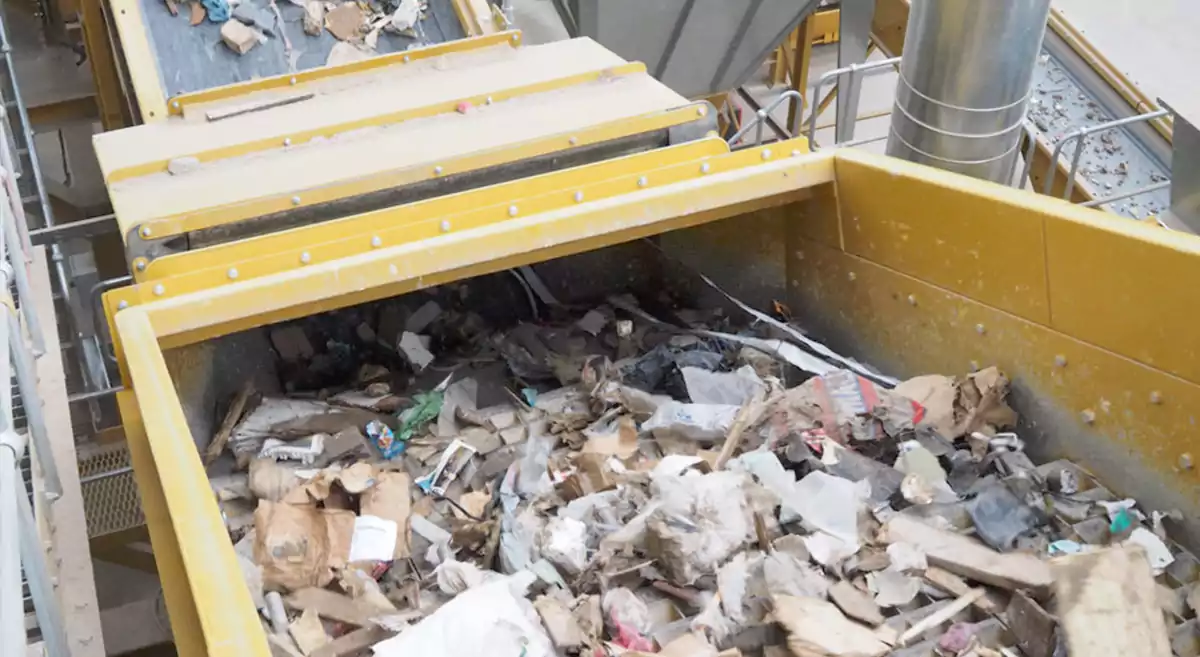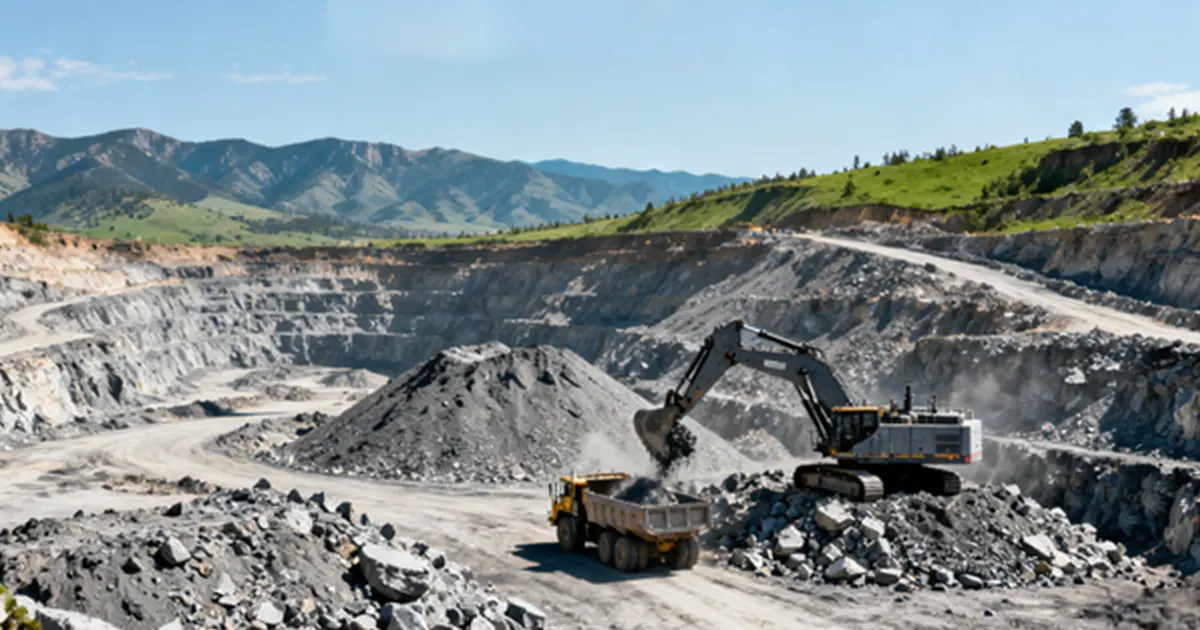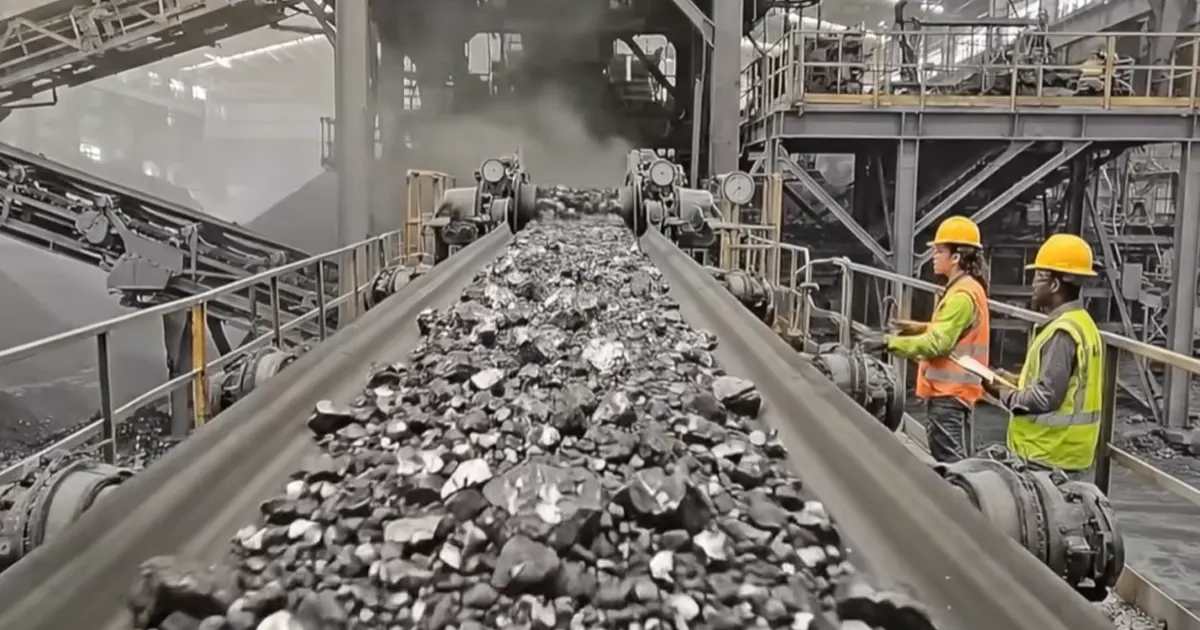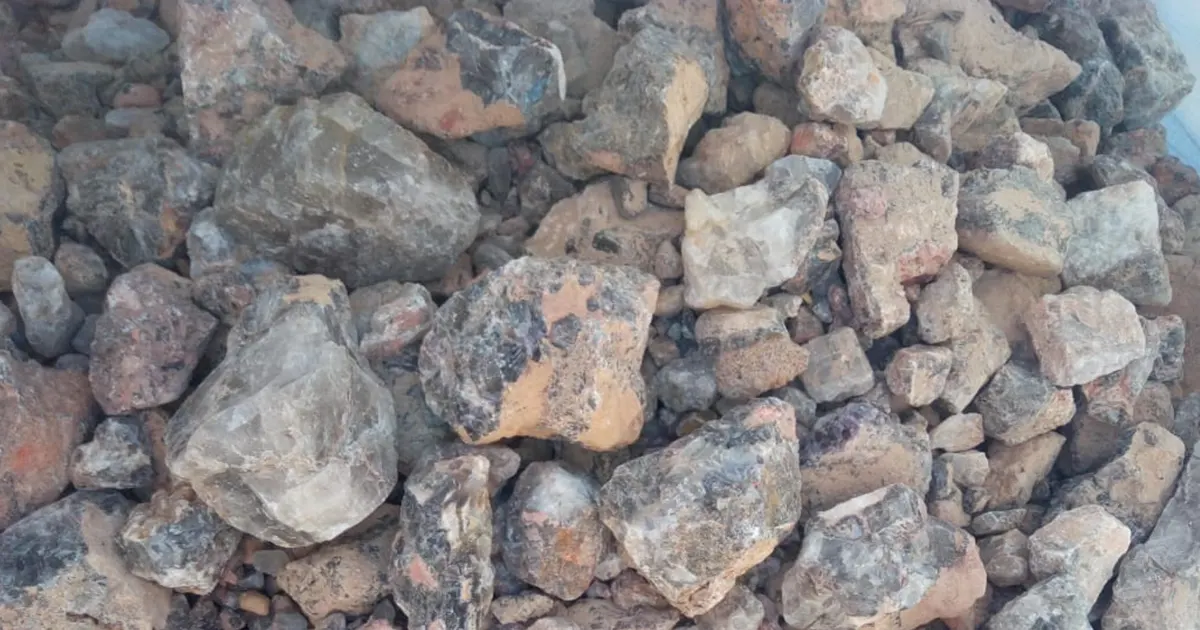
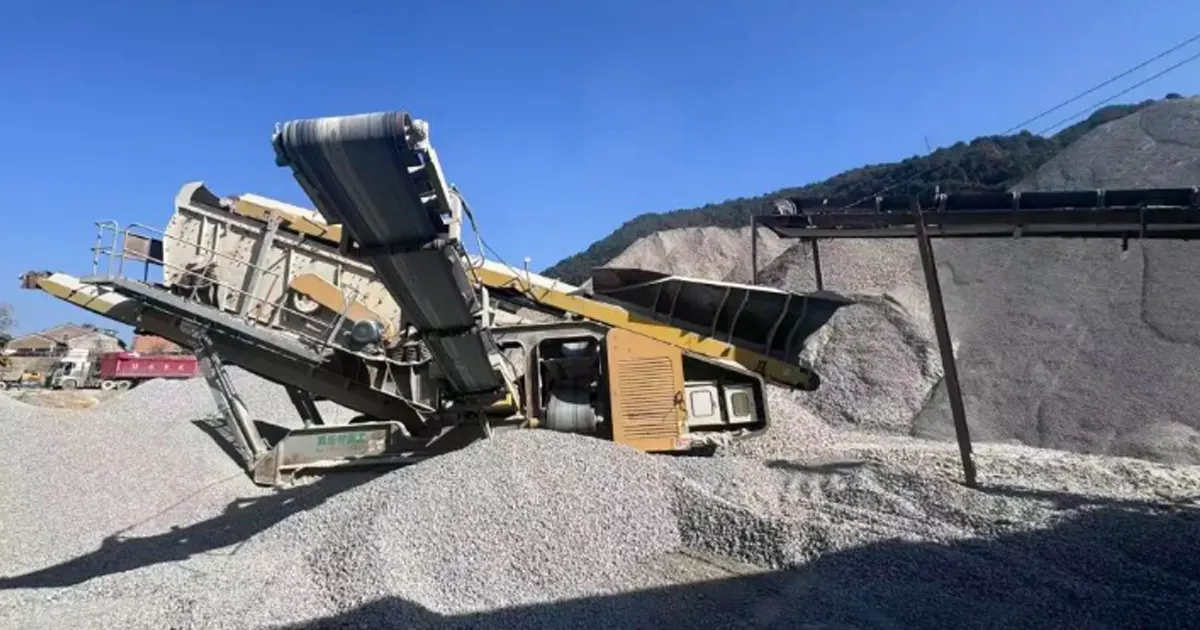
You need the right mining screening equipment to sort rocks, minerals, and aggregates by size or weight. Mining screening equipment helps you separate small pieces from big chunks. This makes your work easier and faster. Here’s what you will see in the field:
- Vibrating screening machines sort materials by size fast.
- Stationary screening machines take out big pieces first.
- Mining screening equipment can get rocks ready for roads, process salt, or prepare lime for industry.
Choosing the right mining screening equipment gives you better results and fewer problems.
Key Takeaways
- Mining screening equipment sorts things by size. This makes your work faster and easier.
- Vibrating screens and trommel screens can handle big loads. They separate materials quickly.
- Picking the right screening equipment saves money. It also makes the material better.
- Dewatering screens take water out of materials. This makes them easier to move and use.
- Self-cleaning screens stop blockages from sticky stuff. This means less time is wasted.
- You need to know about your material to pick the right equipment.
- Checking and fixing your screens often stops problems. This keeps everything running well.
- There are different screens for different jobs, like banana and circular screens. These special screens help you get more work done.
What Is Mining Screening Equipment?
Definition and Function
Mining screening equipment sorts materials by size. It handles lots of rocks, minerals, or aggregates. The equipment uses a mesh or screen that shakes. Small pieces drop through the mesh. Big chunks stay on top. This process helps you find valuable minerals fast. It also removes things you do not want. Think of it like a huge sifter. It makes your job quicker and more accurate.
- Mining screening equipment includes machines like vibrating screens and circular screens.
- Each machine is made for a special job, like sorting, sizing, or taking out impurities.
- Screening is important for sorting both raw and processed ores.
Role in Mining
Screening equipment keeps mining operations running well. It separates materials by size, weight, or texture. This step happens early in the process. It removes big rocks or debris before they reach other machines. Using the right screens improves your final product. It also cuts down on waste.
Tip: Using automatic screening saves work and lowers mistakes.
Here’s how screening equipment helps in mining:
- It cleans materials and removes things you do not need.
- It makes sure only the right sizes go forward, which boosts efficiency.
- It keeps workers safe by lowering accident risks later.
- It helps you follow environmental rules by reducing waste.
Key Benefits
Mining screening equipment gives you many good results. Here are the main benefits:
| Benefit | Description |
|---|---|
| Enhanced Screening Efficiency | Vibrating screens sort big loads and separate materials fast. |
| Reduced Operational Costs | These machines use less energy, so you save money. |
| Improved Material Handling | The design keeps materials moving and stops blockages. |
| Environmental Benefits | Removing impurities makes ore cleaner for industry use. |
| Safety Advantages | Protects other machines and lowers maintenance costs. |
You can process more ore and finish production faster. Screening out big pieces protects your machines and makes ore purer. Fine screening helps you get useful minerals from leftover material. This means less waste and more profit.
Types of Screening Equipment in Mining
Mining uses different kinds of screening equipment. Each kind is good for certain jobs. You should know how each one works. This helps you pick the right tool for your work. Let’s learn about the most common types of screens.
Linear Vibrating Screens
How They Work
Linear vibrating screens move material in a straight line. Motors shake the screen back and forth. This makes rocks and minerals spread out in a thin layer. Small pieces fall through the mesh. Big pieces move forward and fall off the end. You can use one deck or many decks to sort different sizes at the same time.
Common Uses
You see linear vibrating screens in many mining jobs. Here is what they do:
- They sort and separate materials quickly.
- They handle big loads and keep things moving.
- They let you control the size of your final product.
- They work well with many decks for sorting many sizes.
- They help your work go smoothly by stopping blockages.
You can use these machines for ore, coal, sand, and gravel. They are best when you need a steady flow and lots of material.
Pros and Cons
Here are the good and bad points:
| Advantage | Limitation |
|---|---|
| Good control over material | Not good for sticky or wet stuff |
| Uses little energy | May need angle changes for best results |
| Small size | Can wear out in tough jobs |
Linear motion screens work well and save space. They use less energy than some other screens. But they may not work well with wet or sticky stuff. You might need to change the angle to get the best results.
Circular Vibrating Screens
How They Work
Circular vibrating screens move material in a round path. Motors make strong, even shakes. This keeps rocks and minerals bouncing and spreading out. The round motion stops clogs and keeps things moving. These screens are good for dry or a little wet materials with medium or big pieces.
Common Uses
You can use circular vibrating screens for many mining materials. They sort:
- Fine powders
- Big pieces
- Ores and minerals of different sizes
These machines are popular in mining and aggregate sites. They work well with both small and big pieces. You can trust them to sort materials well.
Pros and Cons
Here are the main points:
- The gentle motion makes screens and materials last longer.
- The design keeps material moving. You will not see many clogs.
- They are best for dry or a little wet materials.
- They may not work well with very fine materials.
Circular motion screens are flexible. You can use them for many jobs. They are a good choice if you need to sort different materials.
Banana Screens
How They Work
Banana screens have a curved, multi-level deck. The shape looks like a banana. Material moves fast at first, then slows down as it goes. This spreads material thin and gives more time for small pieces to fall through. You get better sorting and can handle more material.
Common Uses
Banana screens are used in hard mining jobs. You see them in:
- Gold processing, where they sort ore into big and small pieces.
- Copper processing, where they speed up work and stop slowdowns.
- Iron ore processing, where they help you get more material.
- Coal processing, where they sort minerals and make sorting better.
These machines handle sticky or wet materials better than most. They keep your work going, even with hard-to-sort loads.
Pros and Cons
See how banana screens compare to other screens:
| Feature | Banana Screens | Other Screening Equipment |
|---|---|---|
| Design | Curved, multi-level decks | Flat or straight decks |
| Throughput | Up to 50% more material | Normal amount |
| Separation | More exact, slower particle speed | Changes, often less exact |
| Maintenance | Needs less work, smart design | May need more fixing |
Banana screens let you sort lots of material and do it well. You spend less time fixing them. They are best when you need to process a lot of material fast.
Tip: If you have sticky or wet ore, banana screens can help you save time and money.
There are many types of screening equipment. Linear vibrating screens, circular vibrating screens, and banana screens all have special benefits. Think about your material, job size, and site before you choose your next screening machine.
Trommel Screens
How They Work
Trommel screens use a large spinning drum to sort things by size. You put rocks and dirt into one end of the drum. The drum turns and mixes everything inside. Small pieces fall through holes in the drum. Big pieces stay inside until they reach the other end. This machine is good for sorting lots of material fast.
Here’s a simple look at how trommel screens work:
| Operational Principle | Description |
|---|---|
| Drum Rotation | The drum spins and moves the material around. |
| Material Tumble | Rocks and dirt roll, so small pieces fall out. |
| Size Separation | Small pieces drop through holes; big ones go to the end. |
| Mining Applications | Trommel screens are used in gold, iron ore, and coal mining. |
Common Uses
You find trommel screens where you need to sort a lot of material. They are used in gold mining, coal work, and iron ore jobs. Trommel screens can handle sticky or wet stuff better than some vibrating screens. You can use them to separate soil, gravel, or even compost sometimes.
Tip: If you have wet or sticky material, try trommel screens. They keep working when other screens get clogged.
Pros and Cons
Trommel screens have good and bad points. Look at this table to compare:
| Advantages | Disadvantages |
|---|---|
| Increased Efficiency | They are big and use a lot of energy |
| Versatility | Not great for sorting tiny pieces |
| Reduced Downtime | |
| Cost-Effective |
Trommel screens work well and do not break down much. They are useful and save money. But they take up space and use more power. They also do not sort very tiny pieces as well as other machines.
Grizzly and Scalping Screens
How They Work
Grizzly screens and scalping screens are like strong guards for mining. They remove big rocks and trash before the material goes to the crusher. Grizzly screens have thick steel bars set apart. As material moves over the bars, small pieces fall through. Big rocks stay on top. The bars are strong and get wider at the end, so rocks do not get stuck.
Scalping screens work almost the same way. They separate big rocks from smaller stuff like sand or gravel. These screens can stay in one place or shake, but they always handle heavy loads.
Common Uses
You use grizzly screens to keep crushers safe from big rocks. They stop rocks that are too large and remove dirt that does not need crushing. This makes your work safer and faster. Scalping screens help sort out big pieces before more work is done. You see these screens at the start of a mining job, especially with big, heavy rocks.
Note: Grizzly screens are great for very rough material. They protect your crushers and keep things running well.
Pros and Cons
Grizzly and scalping screens have some limits. Here is a quick look:
| Limitation | Description |
|---|---|
| Larger footprint and space requirements | You need more space to set them up and use them. |
| Lower screening precision for fine particles | They do not sort small pieces very well. |
| Higher power consumption at large scales | They use more energy with big loads. |
These screens are good for big, tough jobs. They do not work well for small pieces or in small spaces.
Dewatering Screens
How They Work
Dewatering screens help you take water out of mined material. They shake fast to get water out of the mix. As wet material moves across the screen, water drains away. You end up with drier, lighter material at the end. This helps you keep fine pieces and reuse water in your plant.
| Function | Benefit for Mining Operations |
|---|---|
| Moisture Reduction | Lighter material, lower moving costs, dries faster |
| Fines Recovery | Saves valuable small pieces |
| Water Recycling | Uses less new water, helps the environment |
Common Uses
You use dewatering screens when you need to dry sand, coal, or ore. They are common where water control is important. These screens help you make piles of dry material. They also let you save water and fine pieces, which saves money and helps nature.
- Environmental Management: Dewatering screens make waste safer and easier to move.
- Resource Recovery: You can catch small pieces and reuse water, saving money.
Pros and Cons
Dewatering screens work well, but there are some things to watch for:
- Wet material can stick if the shaking is not right.
- Small pieces might get lost in the water.
- The screen can get blocked and slow you down.
- How dry the material gets depends on the size and water amount.
- You need to check and fix your equipment to keep it working well.
Tip: Check your dewatering screens often and set them up right for the best results.
Disc, Star, and Oscillating Screens
How They Work
You might see disc screens when you need to sort tough materials. These screening machines use spinning discs lined up in rows. As material moves across the discs, small pieces drop through gaps. Larger chunks roll forward. The discs spin fast, so clumped materials break apart and sort easily. You get a steady flow and fewer blockages.
Star screens look similar, but they use star-shaped paddles instead of discs. The paddles spin and toss material. This action separates bigger pieces from smaller ones. Star screens work well with wood and bulky items.
Oscillating screens use a swinging motion. The screen shakes side to side. This movement spreads material out and sorts it by size. You can use oscillating screens for many types of mining materials. They handle both fine and coarse particles.
If you deal with sticky or tangled materials, disc screens can help you keep your process smooth.
Common Uses
You can use disc screens for sorting solid waste, compost, scrap metal, and even car tires. These screening machines handle tough jobs and keep your operation moving. Star screens work best with wood and larger aggregates. Oscillating screens help you sort materials at the start of mining. They handle different particle sizes and make upfront sorting easier.
Here’s a quick look at what each type handles:
| Screen Type | Typical Materials Processed |
|---|---|
| Disc Screens | Solid waste, compost, scrap metal, car tires |
| Star Screens | Wood, larger aggregate |
| Oscillating Screens | Upfront materials sorting, various particle sizes |
You can pick the right screening machines based on what you need to sort. Disc screens are great for clumped or tangled materials. Star screens shine with bulky items. Oscillating screens give you flexibility for mixed loads.
Pros and Cons
You want to know how disc screens compare to other types of screens. Let’s break it down:
| Feature | Disc Screens | Trommels |
|---|---|---|
| Efficiency | Higher efficiency | Less efficient, can clog |
| Maintenance | Needs less maintenance | Needs more maintenance |
| Footprint | Smaller size | Bigger size |
| Performance with clumped materials | Works better with clumped materials | Not as good with clumped materials |
Disc screens give you higher efficiency. You spend less time fixing them. They take up less space. If you work with clumped materials, disc screens handle them better than trommels. Trommels can clog and need more care.
Star screens and oscillating screens also have their strengths. Star screens move bulky items fast. Oscillating screens sort mixed materials well. You get reliable results with these screening machines.
Tip: If you want less downtime and easy maintenance, disc screens are a smart choice.
You can trust disc screens to keep your mining operation running. They work well with tough materials. You save space and time. Star screens and oscillating screens help you sort different loads. You get the right tool for every job.
Applications of Mining Screening Equipment
Primary Scalping
Primary scalping is the first step in mining. It takes out big rocks and trash before crushing. Aggregate screening equipment sorts lots of rocks and minerals fast. These machines can handle heavy loads, up to 850 tons each hour. You only process what you need, so you save money and get better quality.
Primary scalping separates sand or silt from metals or gems. You make neat piles and keep your work smooth. If you skip this step, crushers can break and your work slows down.
Tip: Use primary scalping to keep your machines safe and work faster.
- Aggregate screening equipment sorts materials quickly.
- You stop slowdowns and sell more minerals.
- You get cleaner, more valuable material for the next steps.
Secondary Sizing
After scalping, you do secondary sizing. This step sorts materials into different sizes. Screens with many decks help you group materials for more crushing. The screens shake or tumble so only the right sizes move forward.
You make crushers work better and your process faster. If you want different sizes, secondary sizing is important. You can use vibrating screens or other machines to sort by size. This step makes your final product even and easier to sell.
- Screens separate materials for more work.
- Crushers stay strong and work well.
- You get even piles ready to move or sell.
Fine and Wet Screening
Fine and wet screening helps with tricky materials. Pick the right media for your material and water needs. Change vibration settings to match how much you feed. Make sure materials do not break or grow when wet. They should stay stable, even with heat up to 110°C.
Keep feed rate within limits so particles layer right. Try for feed density between 15–20% by volume. Use earlier steps to keep particle sizes even. Choose screen holes and open area based on cut size, wear, and how much goes through.
- Stop blinding by checking and cleaning screens often.
- Pick hole sizes to balance drainage and keeping product.
- Change vibration and use water sprays to stop clogs.
Note: Fine and wet screening needs careful setup. If you follow best steps, you get good separation and less downtime.
Aggregate screening equipment works for fine and wet screening. It helps you get valuable minerals and keeps your work smooth.
Dewatering
Mining gets messy when water mixes with your materials. Dewatering screens help by shaking and draining water out. They work on sand, coal, or ore. You get drier material that is easier to move. This makes your mining job better and faster. Dewatering screens can really help your work.
Here are some ways dewatering screens help you:
| Benefit | Explanation |
|---|---|
| Enhanced product quality | Minerals have less water. They are easier to move and use. |
| Increased efficiency | Dewatering screens work fast with lots of material. You get more done in less time. |
| Cost savings | These machines use less power than other dryers. You spend less money on energy. |
| Minimal environmental impact | Dewatering screens let you reuse water and make less waste. You follow the rules for the environment. |
Dewatering screens give you cleaner and drier minerals. They help you work faster and save money. If you care about nature, these screens help you use less water and make less waste.
Tip: Want a cleaner site and to save money? Use dewatering screens. They dry your materials and help the earth.
Material Types (Ore, Coal, Aggregate, Sand)
Mining uses many different materials. Each one needs the right screen. Let’s see what works best for ore, coal, aggregate, and sand.
- Dewatering screens dry wet sand and coal. You get dry material to move.
- Sieve bends and DSM screens sort small pieces from ore and sand.
- Flat panel screens are good for aggregates. They separate strong and fast.
- Vibrator screens sort coal and ore quickly.
- Cross-flow sieves work with sticky stuff. They keep things moving.
- Centrifuge baskets spin water out of coal and minerals.
- Mining trommel screens sort big loads of ore and aggregate.
- Well screens filter sand and gravel when there is lots of water.
You want screens that last and work hard. Here is what you need:
- High strength and can hold heavy loads. Screens must be tough.
- Long life so you do not have to fix them often.
- Can separate and sort lots of material fast.
If you choose the right screen, you get better results for every job. Your work goes smoothly and is easier.
Note: Always pick the right screen for your material. You will get cleaner, faster, and safer results.
Choosing the Right Mining Screening Equipment
Material and Feed Size
You want your screening equipment to match your material and feed size. Every rock, mineral, or aggregate acts differently. Some are big and heavy. Others are fine and light. You need to know what you are working with before you choose your screen. Take a look at this table to see what matters most:
| Factor | Description |
|---|---|
| Material Characteristics | Particle size, shape, density, and moisture content change how well your screen works. |
| Screening Capacity and Throughput | How much you need to process decides the size and type of screen. Avoid overloading. |
| Screen Size and Deck Configuration | The length, width, and angle of your screen affect how fast and well it sorts. |
| Screening Purpose | Each job needs a special screen, like dewatering or grading. |
| Screen Media Selection | The material and design of your screen matter for tough jobs. Durable screens last longer. |
| Maintenance and Durability | Easy-to-fix and strong screens save you time and money. |
| Environmental Conditions | Heat, cold, and wetness can change how your screen works. |
If you know your material and feed size, you can pick a screen that works best for your job. You will get better results and fewer problems.
Moisture and Abrasion
Moisture can make your screening operation tricky. Wet materials like coal or sand can stick together. This causes screens to clog or blind. When this happens, your screen cannot separate materials well. You might see piles of wet clumps instead of neat, sorted material.
If you deal with high moisture, standard vibrating screens may not work. You might need water spray systems or trommel screens. These help keep things moving and stop clogs. Always match your equipment to your material’s moisture level.
Abrasion is another thing to watch. Hard, rough materials can wear out your screens fast. You need tough screen media for these jobs. If you pick the right screen, you will not have to stop and fix things as often. This keeps your work going and saves money.
Capacity and Throughput
You need to think about how much material you want to process every hour. If you run a big mine, you might need to move 100 to over 1,000 tonnes each hour. That is a lot! The size and type of your screen depend on this number.
Here is what you should do:
- Decide how much you need to process (tonnes per hour).
- Pick a screen that can handle this load without getting overloaded.
- Choose a bigger screening area or the right screen size if you need more throughput.
If you overload your screen, you will lose time and money. A good screening operation keeps everything moving and sorts materials fast. When you match your equipment to your needs, you get the best results.
Tip: Always check your screen’s limits. A bigger screen or more decks can help you handle more material without slowing down.
Product Size and Operation Mode
You want your mining screening equipment to give you the right product size. This means you need to think about how small or big you want your final material. If you need fine sand, you need a screen with small openings. If you want big rocks, you need larger holes. The size of your product changes everything about your screening setup.
Let’s break it down:
- Fine Product: Use screens with small holes. These catch tiny pieces and let you sort out dust or sand.
- Medium Product: Choose screens with medium-sized holes. These work well for gravel or crushed stone.
- Coarse Product: Go for screens with big openings. These let large rocks or chunks pass through.
Tip: Always check the size you need before you pick your screen. This saves you time and money.
Operation mode also matters. You can run your screens in different ways. Some screens shake all the time. Others move in circles or swing side to side. You can pick the mode that fits your job.
Here are some common operation modes:
| Operation Mode | How It Works | Best For |
|---|---|---|
| Continuous | Runs non-stop, keeps material moving | Big jobs, lots of material |
| Batch | Runs in short bursts, then stops | Small jobs, special products |
| Wet Screening | Uses water to help sort materials | Sticky or fine materials |
| Dry Screening | No water, just vibration or shaking | Dry, easy-to-move materials |
You need to match your operation mode to your material. Wet screening helps with sticky stuff. Dry screening works best for clean, dry rocks. Continuous mode keeps things moving fast. Batch mode gives you more control for special jobs.
Note: If you change your product size or operation mode, you may need a new screen or setup.
Ask yourself these questions:
- What size do I want at the end?
- Is my material wet or dry?
- Do I need to run all day or just sometimes?
When you know your product size and operation mode, you can pick the best mining screening equipment. This helps you get the results you want and keeps your work running smooth.
Screen Media and Surface Selection
Self-Cleaning Screens
You want your mining operation to run smoothly. Self-cleaning screens can help you do that. These screens use special wires or panels that move and flex. This action shakes off sticky material and keeps the holes open. You do not have to stop your work to clean the screens by hand.
Self-cleaning screens work well when you deal with wet or sticky materials. You might see mud, clay, or damp sand in your feed. These materials can block regular screens. When you use self-cleaning screens, you keep your process moving. You do not lose time or money.
Let’s look at why you might pick self-cleaning screens:
- You want less downtime.
- You need to handle sticky or wet material.
- You want to keep your product size even.
- You want to avoid blockages and clogs.
Self-cleaning screens come in many types. Some use wires that vibrate. Others use flexible panels. You can find self-cleaning screens made from steel, rubber, or even polyurethane screens. Each type works best for certain jobs.
You might wonder how self-cleaning screens compare to static screens. Static screens do not move. They can block up fast if you feed them sticky material. You have to stop and clean static screens often. This slows you down. Self-cleaning screens keep working. You do not need to stop as much.
Here’s a quick table to show the difference:
| Feature | Self-Cleaning Screens | Static Screens |
|---|---|---|
| Handles sticky material | Yes | No |
| Needs manual cleaning | Rarely | Often |
| Downtime | Low | High |
| Works with wet feed | Yes | No |
You can use self-cleaning screens with many machines. They fit on vibrating screens, rotary screens, and even some polyurethane screens. You get more choices for your setup.
You might ask, “Can I use self-cleaning screens with polyurethane screens?” Yes, you can. Some self-cleaning screens use polyurethane screens as the base. This gives you the strength of polyurethane screens and the cleaning power of self-cleaning screens. You get the best of both worlds.
Self-cleaning screens also help you save money. You do not need to buy as many spare parts. You do not need to pay workers to clean screens by hand. You get more work done in less time.
Here are some tips for using self-cleaning screens:
Tip: Check your feed material. If you see a lot of mud or clay, switch to self-cleaning screens.
Tip: Try self-cleaning screens if you use static screens and see lots of blockages.
You can use self-cleaning screens in many places. They work in mining, sand plants, and even recycling. You can use them with polyurethane screens for extra strength. You can also use them with static screens if you want to upgrade your setup.
Self-cleaning screens last a long time. They do not wear out as fast as static screens. You get more value for your money. You also get better results. Your product stays clean and sorted.
You can trust self-cleaning screens to keep your mining operation running. You do not have to worry about clogs or downtime. You get steady, reliable performance every day.
Perforated Plate
You might see perforated plate screens in tough mining jobs. These screens use thick metal plates with holes punched in them. The holes can be round, square, or even slotted. You get a strong surface that stands up to heavy rocks and rough minerals.
Perforated plate screens work well when you need durability. You can use them for scalping, sizing, or sorting big chunks. If you deal with sharp or abrasive materials, these screens last longer than wire mesh. You do not have to worry about bending or breaking.
Let’s look at some reasons to choose perforated plate screens:
- You want a screen that handles heavy loads.
- You need to sort big rocks or tough minerals.
- You want less downtime from repairs.
- You need a surface that resists wear and tear.
Perforated plates come in many shapes and sizes. You can pick the hole pattern that fits your job. If you want fast drainage, try slotted holes. If you need precise sizing, go for round holes. You can even mix patterns for special jobs.
Here’s a quick table to help you compare perforated plate screens with other types:
| Feature | Perforated Plate | Woven Wire Mesh | Polyurethane Panels |
|---|---|---|---|
| Strength | High | Medium | Medium |
| Wear Resistance | Excellent | Good | Very Good |
| Precision | Good | Excellent | Good |
| Weight | Heavy | Light | Medium |
| Maintenance | Low | Medium | Low |
You can see that perforated plate screens give you strength and wear resistance. They are heavier than wire mesh, but you get less maintenance. You do not have to replace them as often.
Tip: If you work with sharp or abrasive materials, perforated plate screens can save you money on repairs.
You might wonder about the downsides. Perforated plate screens can be heavy. You need strong support frames. Sometimes, the holes can clog if you use sticky material. You can fix this by choosing the right hole shape or adding cleaning systems.
You can use perforated plate screens in crushers, scalping stations, or anywhere you need tough screening. You get reliable performance and long life. If you want a screen that stands up to hard work, perforated plate is a smart choice.
Benefits and Challenges
Efficiency Gains
You want your mining operation to run fast and smooth. Advanced screening equipment helps you do that. These machines give you better control over what you separate. You can sort materials by size with high precision. This means you get more of the product you want and less waste.
Take a look at some key features that boost your efficiency:
| Feature | Description |
|---|---|
| Heavy-duty steel construction | Stands up to tough jobs and cuts down on repairs. |
| Proper deck opening design | Keeps material moving and sorts it faster. |
| Protective liners | Stops wear on surfaces and helps your screens last longer. |
| Weather-proof designs | Works well even in rain, snow, or heat. |
You can also pick from different deck setups. Multiple decks let you sort more than one size at a time. Some machines handle up to 1,500 tons every hour. That’s a lot of material! When you use the right screen, you can boost your production by up to 25%. You also save money because you do not stop as often for repairs.
By cutting down on downtime and keeping your process steady, you move more material and make more profit.
Common Issues
Even the best screening equipment can run into problems. You might see screens get blocked or clogged. This is called blinding or pegging. Wet or sticky materials can make this worse. Sometimes, you get carry-over, where big pieces do not separate like they should. You might also see contamination if materials mix together.
Here are some common issues you may face:
- Blinding: Small holes get blocked by wet or sticky stuff.
- Pegging: Rocks or debris get stuck in the screen openings.
- Carry-over: Large pieces do not separate and move forward.
- Contamination: Different materials mix and lower your product quality.
- Wear and tear: Hard or sharp materials can damage your screens over time.
If you do not fix these problems, your operation slows down. You may need to stop and clean or repair your screens. This costs you time and money.
Tips for Performance
You can keep your screening equipment working its best with a few simple steps. First, check your screens often. Look for signs of wear or blockages. Clean your screens if you see buildup. Use self-cleaning screens if you deal with sticky materials.
Try these tips to get the most out of your equipment:
- Prevent blinding and pegging by choosing the right screen media for your material.
- Adjust your vibration settings to match your feed size and moisture.
- Keep your deck openings clean and clear.
- Use protective liners to cut down on wear.
- Make sure your screens have a consistent stroke, even when material surges.
Tip: A little maintenance goes a long way. Regular checks and cleaning help you avoid big problems.
When you follow these steps, you keep your operation running strong. You get better results, less downtime, and more profit from your mining screening equipment.
Conclusion
You’ve seen the main types of mining screening equipment and how each one fits a different job. Picking the right screen and media makes your work smoother and your results better.
- Linear, circular, banana, trommel, grizzly, dewatering, disc, star, and oscillating screens all have their place.
- Your material and goals decide what works best.
Need help? Our team knows screening media inside and out. Reach out for advice on the perfect solution for your mine.
FAQ
What is the main job of mining screening equipment?
You use mining screening equipment to separate materials by size. This helps you get the right rocks or minerals for your job. It also keeps your machines safe and your work fast.
How do I know which type of screen to choose?
Think about your material, how wet or sticky it is, and the size you want. If you need help, ask an expert. The right screen makes your work easier.
Can I use the same screen for wet and dry materials?
No, you should not. Wet materials need special screens like dewatering or self-cleaning screens. Dry materials work best with vibrating or grizzly screens.
How often should I check my screens?
Check your screens every day. Look for blockages, wear, or damage. Regular checks help you avoid big problems and keep your operation running.
What is screen blinding, and how can I stop it?
Screen blinding happens when holes get blocked by sticky material. You can stop it by using self-cleaning screens or adding water sprays. Clean your screens often.
Do self-cleaning screens really reduce downtime?
Yes! Self-cleaning screens shake off sticky stuff. You do not need to stop your work to clean them. This means more uptime and better results.