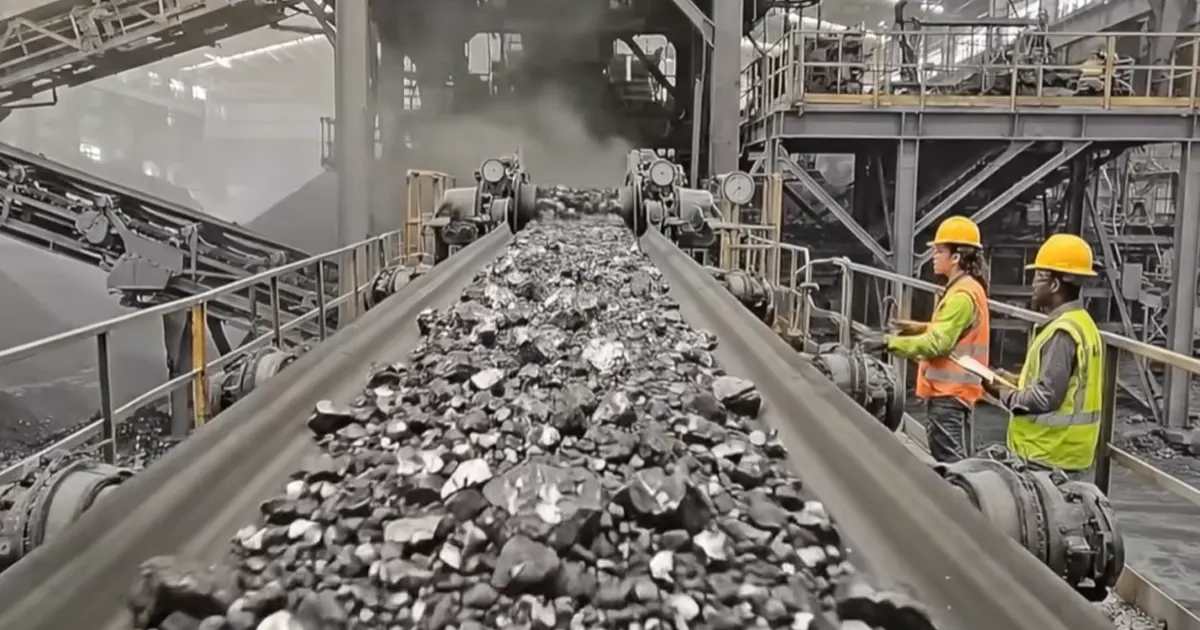
Molybdenum processing depends on efficient crushing and screening to prepare ore for downstream recovery. These early stages have a direct impact on particle size control, plant efficiency, and overall operating costs. Choosing the right screen media is also important, since it affects sizing accuracy, wear life, and maintenance needs. When each stage is planned correctly, the process becomes more stable and helps improve overall molybdenum recovery.
Key Takeaways
- Crushing breaks molybdenum ore into smaller pieces. This helps get more molybdenum during processing.
- Do not crush too much. Too many tiny pieces can make it hard to separate molybdenite from other minerals.
- Screening sorts the ore by size. Only the right sizes go to flotation. This helps get more molybdenum and makes less waste.
- Pick the best screen media for the ore type and processing stage. This makes the work faster and lowers maintenance costs.
- Self-cleaning screens work well for sticky ore. They cut down on stoppages and help get more molybdenum concentrate.
- Check slurry concentration often. Change feed rates to keep screening working well and stop clogging.
- Use strong screen media like polyurethane or rubber. These last longer in rough conditions and help the screens work longer.
- Teach your team to spot wear and fix things early. This keeps everything running smoothly and helps get the most molybdenum.
Role of Crushing in Molybdenum Processing
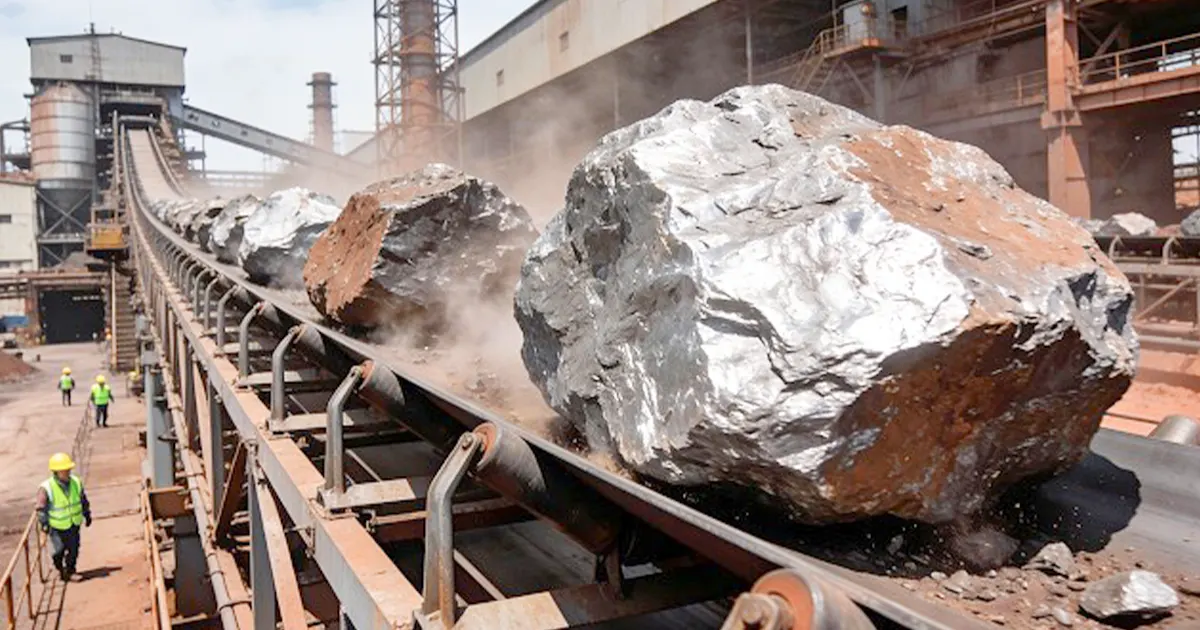
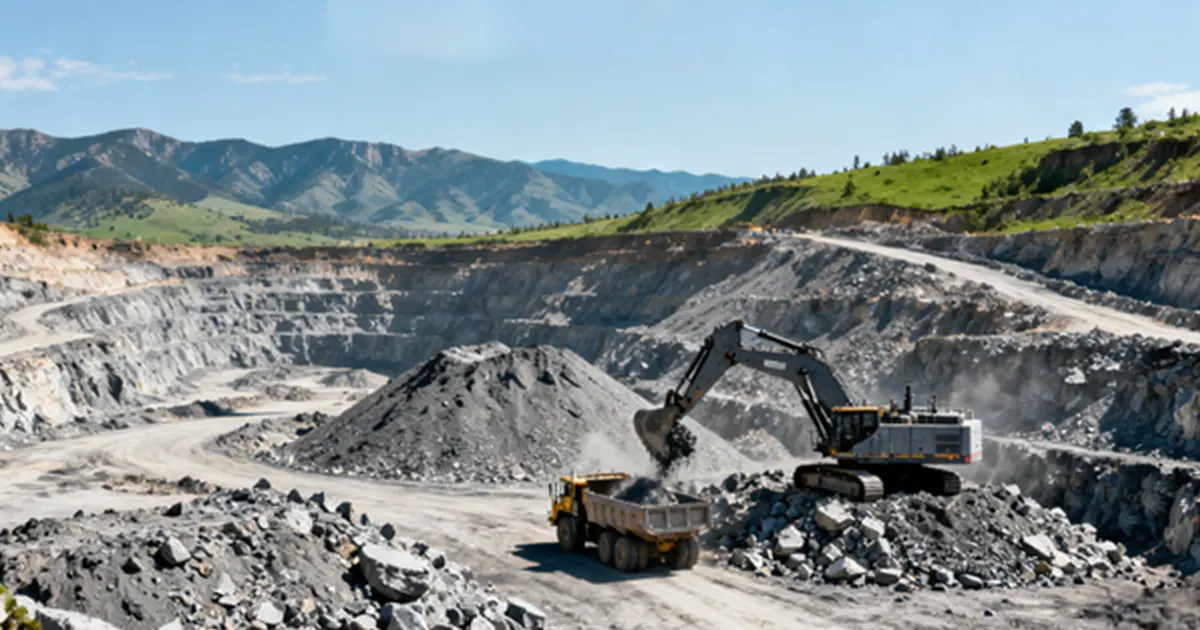
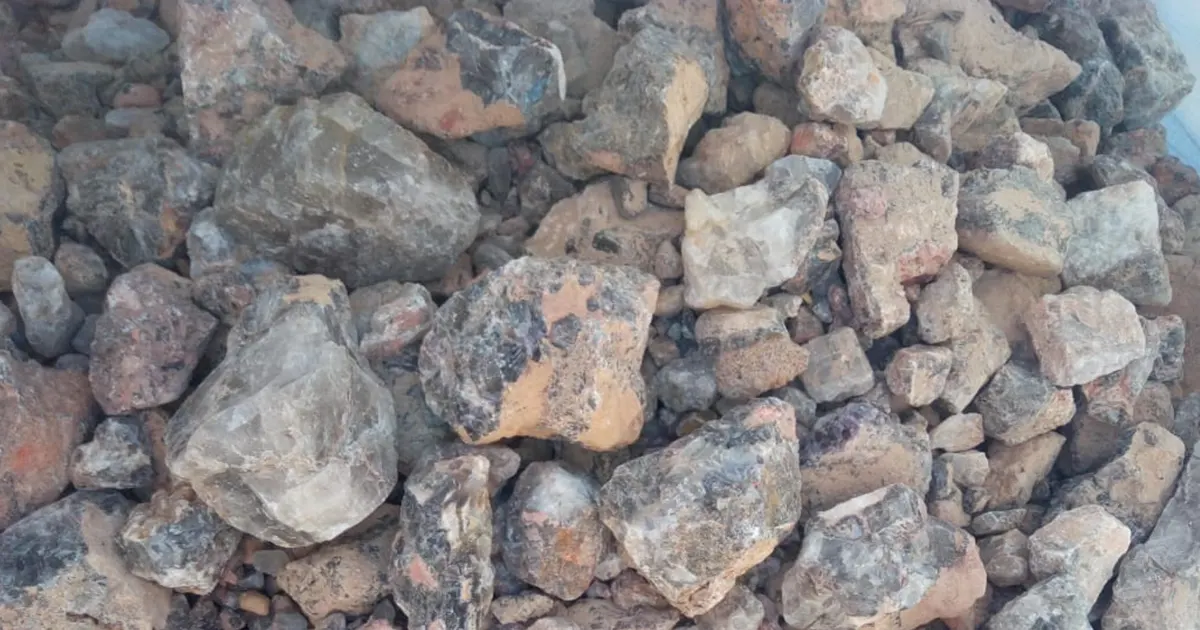
Crushing is the first main step in molybdenum processing. You start with big rocks from mining and break them into smaller pieces. This step is important because it helps you get more molybdenum from the ore. Crushing the ore well makes it easier to separate molybdenite from other minerals. Good crushing also helps you collect more molybdenum concentrate during beneficiation.
Crushing Stages and Equipment
You usually start with a heavy-duty apron feeder. This feeder sorts the molybdenum ore and sends it to the first crusher. At this point, jaw crushers are often used. These machines break big chunks into smaller pieces. After that, vibrating grizzlies or screens keep the right size and stop over-crushing. Sometimes, magnetic head pulleys or stationary magnets pull out iron pieces that could hurt your equipment. Open circuit crushing is common because it helps you avoid making the particles too small.
Jaw Crushers and Open Circuit Crushing
Jaw crushers are good for the first stage of molybdenum ore processing. They take large rocks and turn them into smaller pieces. Open circuit crushing means you do not send the material back through the crusher. This method helps you avoid over-crushing, which can waste energy and make the next steps harder.
Avoiding Over-Crushing
You want to avoid over-crushing because it makes too many fines. Too many small particles make it hard to separate molybdenite from the rest of the ore. Using screens and grizzlies helps you control the size and keep the process working well.
Particle Size Reduction
Getting the right particle size is important for molybdenum ore beneficiation. If you crush the ore to about 135 microns (µm P80), you can get about 56% liberation. This level is usually enough for good flotation recovery. Even if you use a bigger size, you can still get similar liberation and recovery. The goal is to make sure molybdenite is free from the gangue minerals so you can collect more molybdenum concentrate.
| Particle Size (µm P80) | Liberation (%) | Recovery Notes |
|---|---|---|
| 135 | 56 | Sufficient for flotation recovery |
| Coarser sizes | Similar | Potential for similar performance |
Impact on Molybdenum Ore Liberation
When you pick the right crushing equipment, you help the mineral processing work better. Here’s how your choices matter:
- The crusher you use changes the particle size. This helps you free molybdenite and get more concentrate.
- If you have lots of lower-grade ore, you need big, strong crushers to keep up.
- For smaller batches or higher-grade ore, you want flexible crushers that can handle different feed sizes.
- Newer crushing technology, like high-pressure grinding rolls, can help you save energy and get better liberation.
- Matching your equipment to your goals helps you get more molybdenum concentrate and makes the whole process better.
Tip: Crushing is not just breaking rocks. It helps set up the rest of your molybdenum processing for success. The right choices here help you recover more critical metals and make your plant run smoother.
You can see that crushing is a key part of the beneficiation process. It helps you get more from your molybdenum ore, improves mineral liberation, and gives you a better chance to get high-quality molybdenum concentrate. When you focus on good crushing, you help your plant extract and concentrate more critical metals.
Screening in Mineral Processing
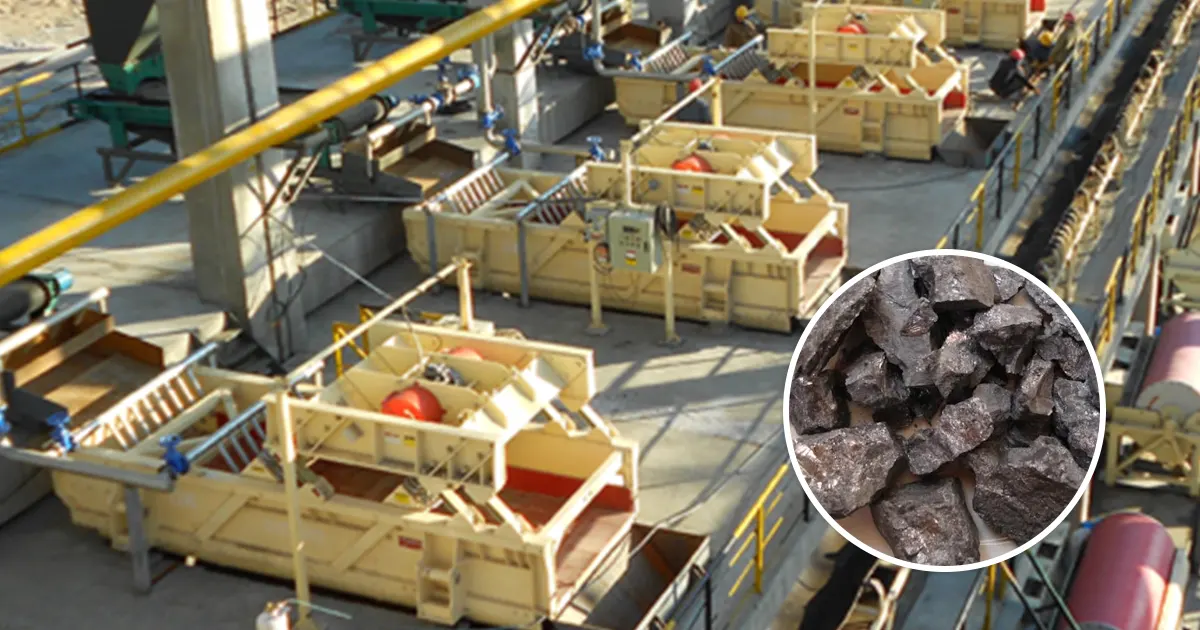
Screening is an important step in molybdenum processing. It helps you sort different particle sizes after crushing. This step makes sure the molybdenum ore is the right size before flotation. If you do not screen well, you might lose molybdenum or send wrong sizes forward. This can lower your recovery and waste energy.
Screening Methods for Molybdenum Ore
There are different ways to screen molybdenum ore. Each way helps you get clean molybdenum concentrate. Here are some common methods:
- Screening separates materials by size. This helps you separate molybdenite from other minerals.
- Machines like the Hi-Sifter system stop mesh from getting blocked. They give you accurate cuts down to 10 microns.
- The Elbow-Jet Air Classifier uses air to sort very fine particles. It can sort as small as 0.5 microns without adding anything extra.
- Good screening helps you recover more critical metals from mixed materials.
- Knowing your particle size helps you pick the best screening method. This helps you get high purity and tight size cuts.
| Method | Description | Benefits |
|---|---|---|
| MTSVD-TGJO-ELM | Uses visible-infrared spectroscopy and machine learning to check ore grade. | High accuracy for molybdenum ore grades, better beneficiation. |
| Data Collection | Looks at 128 ore samples for spectral data. | Gives a strong dataset for training models. |
| Machine Learning | Uses Extreme Learning Machine for non-linear data. | Fixes problems with old linear models. |
Note: Microscopic images show hydrocyclones do not work well for fine particles. You get poor separation, which lowers the quality of your molybdenum concentrate. Good screening methods help fix this problem.
Equipment Selection and Sizing
Choosing the right screening equipment is important for your plant. You want machines that fit your molybdenum ore and your goals. Here is a quick look at what to think about:
| Benefits | Limitations |
|---|---|
| High screening efficiency | Limited high-temperature tolerance |
| Superior abrasion resistance | Lower tear strength |
| Lightweight design | Higher upfront cost |
| Strong chemical resistance | |
| Low-noise operation |
You also need to think about the size of your product. For example, you may want 70% of your fine product to be less than 20 microns. If you use hydrocyclones, the cut size is about 38 microns. The solid percentage of your feed and underflow also matters for good separation.
Screening Efficiency Factors
Many things can change how well your screening works. You need to watch these factors for the best results:
- The solids percentage in your flotation feed changes recovery rates. Lower solids mean higher recovery.
- The type of host rock, like limestone skarn, can lower recovery. You need to know your ore’s mineralogy.
- Things like pH, pulp density, and clay content can affect flotation and screening.
- Adding chemicals like sodium silicate can help stop slime coatings from gangue minerals. This makes separation easier and improves molybdenite flotation.
- Moraine content in copper-molybdenum ores can hurt flotation recovery. Sodium silicate can help here too.
Screening helps you send only the right particle sizes to flotation. This boosts your recovery and cuts down on waste. For example, you can see an 8.5% increase in recovery for −38 + 19 μm molybdenite and a 14% increase for −19 μm molybdenite when you use good screening. This means you get more molybdenum concentrate and better results from your beneficiation process.
Tip: Focus on screening to get the most from your mining and mineral processing. It helps you recover more critical metals and improves the separation of minerals.
Challenges in Molybdenum Ore Screening
Variable Feed and Fine Particles
Molybdenum ore does not always look the same. The feed can change a lot during the day. The size and type of particles can be different each hour. This makes screening harder to do well. When there are many fine particles, they can fall through the screens or block them. If you miss these small pieces, you lose valuable molybdenite. This makes it harder to separate and lowers how much metal you get back.
Fine particles also make clean separation harder. They can stick to bigger pieces or float away when you screen. You want to keep as much molybdenum as you can. So, you need to watch your feed all the time. Change your screens and check your machines often. This helps you keep the right size for the next step.
Tip: If you see more fine particles in your ore, slow down the feed or use screens with smaller holes. This helps you catch more molybdenite and get better results.
Abrasive Wear and Media Life
Screening molybdenum ore is hard on your machines. The ore has hard minerals that wear out your screens fast. If you use steel screens, you may need to replace them a lot. They can bend, break, or wear out quickly. This means you stop work more often and spend more money.
Let’s see how different screens handle wear:
| Screen Type | Lifespan (times longer) | Impact of Abrasive Wear |
|---|---|---|
| Steel Screens | 1 | Rapid wear and deformation, frequent replacements |
| Polyurethane Screens | 4-7 | Superior abrasion resistance, enhanced efficiency |
Polyurethane screens last much longer than steel screens. They can handle rough ore and work four to seven times longer. This means you change screens less and focus more on separating molybdenite. You also get better results, which helps you collect more molybdenum.
Note: Picking the right screen media can save you money and help you get more from your molybdenum ore. Polyurethane screens are a good choice if you want them to last longer and work better.
Maintaining Screening Efficiency
Keeping your screening process efficient can feel like a moving target. Ore changes, equipment wears out, and small mistakes can add up fast. If you want to get the most molybdenum from your ore, you need to pay attention to a few key things every day.
First, always keep an eye on your slurry concentration. When you monitor the amount of solids and water in your slurry, you can spot problems before they get big. If your slurry gets too thick, screens can clog or blind. If it gets too thin, you might lose fine molybdenite. Use sensors or regular checks to track your water balance. This helps you adjust quickly and keeps your screens working at their best.
Next, think about the chemicals you use. Reagents like BK511 help separate molybdenite from other minerals. But if you use too much or too little, you can cause scaling or poor separation. Try to dose your reagents as precisely as possible. Automated dosing systems can help you hit the sweet spot. When you get the chemistry right, your screens stay cleaner and your recovery goes up.
Filtration also plays a big role. If you use staged filtration, you can remove unwanted particles step by step. This keeps your screens from getting overloaded. Cleaner feed means less blinding and pegging, so your screens last longer. You also get better separation, which means more molybdenum in your concentrate.
Here are some simple ways to keep your screening efficient:
- Check your screens daily for signs of wear, blinding, or pegging.
- Clean screens regularly to remove stuck particles.
- Adjust feed rates if you see too many fines or too much moisture.
- Use the right screen media for your ore type and particle size.
- Monitor slurry concentration and adjust water as needed.
- Optimize reagent dosing to keep screens clean and separation sharp.
- Try staged filtration to protect your screens and improve recovery.
Tip: Small changes can make a big difference. If you notice a drop in screening efficiency, check your slurry and reagent settings first. These are often the quickest fixes.
When you focus on these steps, you keep your screening process running smoothly. You catch more molybdenum, reduce downtime, and save money on maintenance. Screening efficiency is not just about the machines—it’s about how you run them every day.
Screen Media Options for Molybdenum
Woven Wire Mesh
Advantages
Woven wire mesh is a classic choice for screening in molybdenum processing. You get high open area, which means more material passes through the screen quickly. This helps you keep up with fast-moving operations. You can pick from different wire materials, like high carbon steel or stainless steel. High carbon steel gives you great wear resistance for rough jobs. Stainless steel works well if you need extra protection from corrosion. Woven wire mesh is also easy to install and replace, so you can swap it out fast when you need to.
Limitations
Woven wire mesh does not last as long as some newer options. If you process a lot of hard or abrasive ore, you might see the mesh wear out quickly. Fine wires can break or bend, especially if you have heavy loads or sharp rocks. Sometimes, the mesh can get blocked by sticky or wet material, which lowers your screening efficiency.
Applications
You will find woven wire mesh in many stages of molybdenum beneficiation. It works best when you need fast screening and want to keep costs low. Use it for dry screening or when you want to separate larger particles before the next step. If you need to change screens often or want a simple setup, woven wire mesh is a good pick.
Polyurethane Panels
Advantages
Polyurethane panels are tough. You get strong resistance to abrasion, oil, and even aging. These panels can handle impact from heavy ore without cracking. Polyurethane lasts much longer than wire mesh, so you do not need to replace it as often. You also get quieter operation, which makes your plant a better place to work.
Limitations
Polyurethane panels usually have a lower open area than woven wire mesh. This means less material passes through at once. The upfront cost is higher, so you pay more at the start. If you need to screen at very high temperatures, polyurethane may not be the best choice.
Applications
You should use polyurethane panels when you process abrasive molybdenum ore or want to cut down on maintenance. They work well in wet screening and in places where you want less noise. Polyurethane is a smart choice for the main screening stage in molybdenum beneficiation, especially if you want long-lasting performance.
Rubber Panels
Advantages
Rubber panels give you good abrasion resistance. They work well with hard materials like ores and gravel. Rubber absorbs impact, so you get less noise and less damage to your equipment. These panels can handle rough conditions and help protect your screens from sharp rocks.
Limitations
Rubber panels do not have as much open area as wire mesh. This can slow down your screening rate. They may not last as long as polyurethane in some cases. If you need very fine screening, rubber might not give you the accuracy you want.
Applications
You can use rubber panels in the early stages of molybdenum processing, especially when you deal with large, sharp, or heavy rocks. They are a good fit for wet or sticky materials. Rubber panels help you reduce noise and protect your equipment, making them a solid choice for tough jobs in molybdenum beneficiation.
Self-Cleaning Screens
Advantages
Self-cleaning screens can make your life much easier in molybdenum processing. These screens use special wires or shapes that move and flex. This movement helps shake off sticky or wet particles. You do not have to stop your machine as often to clean the screens. You get less blinding and pegging, so more ore passes through. This means you can keep your plant running longer and get more molybdenum concentrate.
Here are some big advantages:
- Less downtime for cleaning
- Better screening when you have wet or sticky ore
- Higher efficiency because screens stay open
- Good for fine and hard-to-screen materials
Tip: If you see your screens clogging up a lot, self-cleaning screens might be the answer.
Limitations
Self-cleaning screens are not perfect for every job. They can cost more than regular wire mesh. Sometimes, they do not last as long if you use them with very sharp or heavy rocks. You may also see a little less open area, so the screening rate can be slower than with plain wire mesh.
Applications
You should use self-cleaning screens when you process molybdenum ore that is wet, sticky, or has lots of fine particles. They work well in places where you see a lot of blinding or pegging. If you want to keep your plant running without stopping for cleaning, these screens are a smart choice. Many plants use them before flotation or in the final screening step to get the best molybdenum recovery.
Perforated Plate
Advantages
Perforated plate screens are strong and tough. You get a solid metal plate with holes punched in it. This design gives you great strength and can handle heavy loads. Perforated plates last a long time, even with sharp or abrasive molybdenum ore. You can pick different hole shapes and sizes to fit your needs. These screens are easy to clean and do not bend or break easily.
Here are some key advantages:
- High strength for heavy-duty jobs
- Long service life with abrasive ore
- Custom hole patterns for special sizing
- Easy to clean and maintain
Limitations
Perforated plate screens have less open area than wire mesh or polyurethane panels. This means you may not get as much material through at once. They can be heavier, so you need strong support in your screening machine. The cost can be higher at first, but you save money on replacements.
Applications
You can use perforated plate screens in the first stage of molybdenum processing. They work well when you need to screen large, heavy, or sharp rocks. Many plants use them for scalping or removing big pieces before finer screening. If you want a screen that lasts a long time and stands up to tough jobs, perforated plate is a good pick.
Note: Picking the right screen media helps you get more molybdenum and keeps your plant running smoothly.
Media Selection in Molybdenum Ore Beneficiation
Feed Size and Cut Size
You need to pay close attention to feed size and cut size when you choose screen media for molybdenum processing. Feed size means the size of the particles you send to the screen. Cut size is the size you want to separate. If you get these right, you improve your mineral processing results.
Let’s say you work with molybdenum ore that has a mix of big and small pieces. You want to pick a screen that matches the largest particle in your feed. If your feed has lots of fines, you need a screen with smaller openings. This helps you catch more molybdenite and boosts your beneficiation process.
Here’s a simple table to help you decide:
| Feed Size (mm) | Recommended Screen Media | Cut Size (mm) | Best Use |
|---|---|---|---|
| >50 | Perforated Plate | 40-50 | Scalping, heavy-duty jobs |
| 10-50 | Woven Wire Mesh | 10-20 | General screening |
| <10 | Polyurethane or Self-Cleaning | 1-10 | Fine screening, sticky ore |
If you want tight control over cut size, you should use screens with precise openings. Polyurethane panels and self-cleaning screens work well for fine cuts. You get better separation and higher molybdenum recovery.
Tip: Always check your feed size before you pick screen media. If you match the screen to your feed, you get more molybdenum concentrate and less waste.
Wet vs Dry Screening
You face a big choice in molybdenum processing: wet screening or dry screening. Each method has its own benefits and challenges.
Wet screening uses water to help move particles through the screen. You get less dust and better separation of fine particles. Wet screening works well if your molybdenum ore is sticky or has lots of fines. Polyurethane panels and rubber screens are good for wet jobs. They resist water and last longer.
Dry screening does not use water. You get faster screening and lower water costs. Woven wire mesh and perforated plate screens are common for dry screening. Dry screening works best when your ore is clean and not sticky.
Here’s a quick comparison:
| Screening Type | Best Screen Media | Benefits | Challenges |
|---|---|---|---|
| Wet | Polyurethane, Rubber | Less dust, better fines | Needs water, can clog |
| Dry | Wire Mesh, Perforated Plate | Fast, low water use | More dust, less fine control |
If you want high molybdenum recovery, you should pick wet screening for sticky or fine ore. Dry screening is good for larger, clean particles.
Note: Wet screening helps you get more molybdenite from sticky ore. Dry screening saves water and works fast with clean ore.
Handling Sticky or Abrasive Ore
Sticky or abrasive molybdenum ore can make your screening job tough. Sticky ore clogs screens and slows down your plant. Abrasive ore wears out screens fast and costs you money.
You need to pick screen media that fights these problems. Self-cleaning screens are great for sticky ore. They shake and flex, so particles do not block the openings. Polyurethane panels and rubber screens resist wear from abrasive ore. They last longer and need fewer replacements.
Here are some tips for handling tough ore:
- Use self-cleaning screens for sticky molybdenum ore. You get less downtime and more concentrate.
- Pick polyurethane panels for abrasive ore. They resist wear and keep your plant running.
- Clean screens often. If you see blinding or pegging, stop and clear the openings.
- Adjust feed rates. If your ore is sticky, slow down the feed to help screens work better.
Tip: If you deal with sticky or abrasive molybdenum ore, invest in tough screen media. You save money on maintenance and get more molybdenum from your beneficiation process.
You can see that picking the right screen media for feed size, screening method, and ore type makes a big difference. You improve your mineral processing, boost molybdenum recovery, and keep your plant running smoothly.
Wear Resistance and Open Area
When you pick screen media for your plant, you need to think about two big things: wear resistance and open area. These two factors can change how well your screening works and how often you need to stop for repairs.
Wear resistance means how long your screen can last before it wears out. If you process hard or sharp rocks, your screens can wear down fast. Polyurethane and rubber screens give you great wear resistance. They can handle tough jobs and last much longer than regular wire mesh. This means you do not have to change them as often, so you save time and money.
Open area is the space in your screen where material can pass through. If you have a screen with a high open area, more ore can move through at once. This helps you process more material and keeps your plant running fast. Woven wire mesh usually has the highest open area, but it may not last as long as other types.
You need to find the right balance. If you only care about wear resistance, you might pick a screen that does not let enough material through. If you only care about open area, your screens might wear out too fast. Here’s a quick table to help you compare:
| Screen Media Type | Wear Resistance | Open Area | Best Use Case |
|---|---|---|---|
| Woven Wire Mesh | Low | High | Fast screening, low wear |
| Polyurethane Panel | High | Medium | Abrasive ore, long life |
| Rubber Panel | Medium | Medium | Impact, noise reduction |
| Perforated Plate | High | Low | Heavy-duty, large particles |
Tip: If you process a lot of molybdenum ore with sharp or hard pieces, pick a screen with high wear resistance. If you want to move material fast, look for a screen with a high open area.
Machine Compatibility and Maintenance
You also need to make sure your screen media fits your machines. Not every screen works with every screening machine. Some screens are heavy and need strong support. Others are light and easy to install. Always check your machine’s manual before you buy new screens.
Maintenance is another big thing to think about. If you pick screens that are hard to change, you will spend more time and money on repairs. Polyurethane and rubber panels are easy to swap out. Woven wire mesh is light and simple to install, but you might need to replace it more often.
Here are some tips to help you with machine compatibility and maintenance:
- Check the size and shape of your screen deck before you order new media.
- Pick screens that are easy to remove and replace. This saves you time during shutdowns.
- Use modular panels if you want to change only the worn-out parts, not the whole screen.
- Keep extra screens in stock so you can fix problems fast.
- Train your team to spot wear and replace screens before they break.
Note: Good maintenance keeps your molybdenum processing plant running smoothly. When you match your screen media to your machines, you cut down on downtime and get better results.
Best Practices and Common Mistakes
Media Choices for Different Stages
You want your mining process to work well. Picking the right screen media at each step helps you get more molybdenum concentrate. Each stage needs a different kind of screen media. Here is a simple table to help you:
| Stage | Recommended Media Choices | Notes |
|---|---|---|
| Roughing | Flotation machines with the right cell volume and aeration | Reliable equipment is key for roughing. |
| Cleaning | Column flotation cells and advanced reagent schemes | Careful circuit design improves cleaning efficiency. |
| Scavenging | Staged grinding and flotation techniques | Sometimes you need to regrind for better concentrate recovery. |
| Optimization | Special reagents to suppress copper minerals without hurting molybdenum concentrate | Always optimize based on your ore’s properties. |
You should always think about what minerals are in your ore. The way you grind and screen will change depending on what you find. If you use the right media for each stage, you get more concentrate and make less waste.
Mistakes to Avoid in Media Selection
Many plants lose molybdenum concentrate because they pick the wrong screen media. Here are some mistakes you can avoid:
- Using the same screen media for every stage. Each step needs its own type.
- Not thinking about feed size. If your screen holes are too big or too small, you lose concentrate.
- Forgetting about wear resistance. If your screens wear out fast, you have to stop and lose molybdenum concentrate.
- Not checking for blinding or pegging. Blocked screens lower your recovery and slow down your plant.
- Skipping regular maintenance. Worn screens let valuable concentrate escape.
Tip: Always check your screens and change them when needed. This keeps your recovery high and your plant working well.
Optimizing for Efficiency and Cost
You want to save money and get good results. The best way is to match your screen media to your ore and your goals. Here are some ways to do better:
- Use self-cleaning screens for sticky ore. You will have less downtime and get more concentrate.
- Pick polyurethane panels for abrasive ore. They last longer and help you keep a steady flow of molybdenum concentrate.
- Change your feed rates and water levels. This helps you get the right concentration and keeps your screens working well.
- Train your team to spot problems early. Quick fixes save money and keep your recovery high.
If you follow these best practices, you will get more molybdenum concentrate in your final product. Your mining operation will work better, and you will reach your goals faster.
Conclusion
You get the best results in molybdenum processing when you match your screen media to your ore, process stage, and plant goals. Check out this simple table:
| Step | What You Do | Why It Matters |
|---|---|---|
| Crushing | Break ore into smaller pieces | Gets ore ready for screening |
| Screening | Sort by particle size | Sends right size to flotation |
| Flotation | Separate molybdenum | Gives you a better concentrate |
Pick woven wire screens for large particles. Try self-cleaning screens for sticky fines. Use PU-mesh screens in harsh conditions. Want expert help? Reach out to our team for recommendations that fit your operation.
FAQ
What is the best screen media for sticky molybdenum ore?
You should try self-cleaning screens. These screens shake off sticky particles and keep your process running. You spend less time cleaning and get more molybdenum concentrate.
How often should you check your screens for wear?
Check your screens every day. Look for signs of blinding, pegging, or holes. Quick checks help you catch problems early and avoid downtime.
Tip: Keep extra screens ready for fast replacements.
Can you use the same screen media for wet and dry screening?
No, you need different media. Polyurethane and rubber work well for wet screening. Woven wire mesh and perforated plate fit dry screening jobs.
| Wet Screening | Dry Screening |
|---|---|
| Polyurethane | Wire Mesh |
| Rubber | Perforated Plate |
What causes screens to blind or peg?
Sticky ore, high moisture, and fine particles can block your screens. If you see blinding, slow down the feed or switch to self-cleaning screens.
How do you pick the right cut size for molybdenum ore?
You match the cut size to your feed size and your recovery goals. Smaller cut sizes catch more molybdenite. Use screens with precise openings for tight control.
Why does screen media choice affect molybdenum recovery?
The right screen lets you separate molybdenite from waste. If you pick tough, accurate screens, you get more concentrate and less waste.
Note: Screen media choice can boost your recovery by up to 14%.
What is the main reason screens wear out fast?
Abrasive ore wears screens quickly. If you process sharp or hard rocks, pick polyurethane or rubber screens. These last longer and save you money.
Can you use modular panels in molybdenum screening?
Yes, modular panels make maintenance easy. You replace only the worn parts, not the whole screen. This saves time and keeps your plant running.