You face open pit mining environmental impact every day if you run a mine. This impact means changes to land, water, air, animals, and climate from mining. You notice how open pit mining environmental impact harms forests, water, and the air. More than half of water near mines can get polluted. Forests lose their ability to store carbon, so fighting climate change gets harder.
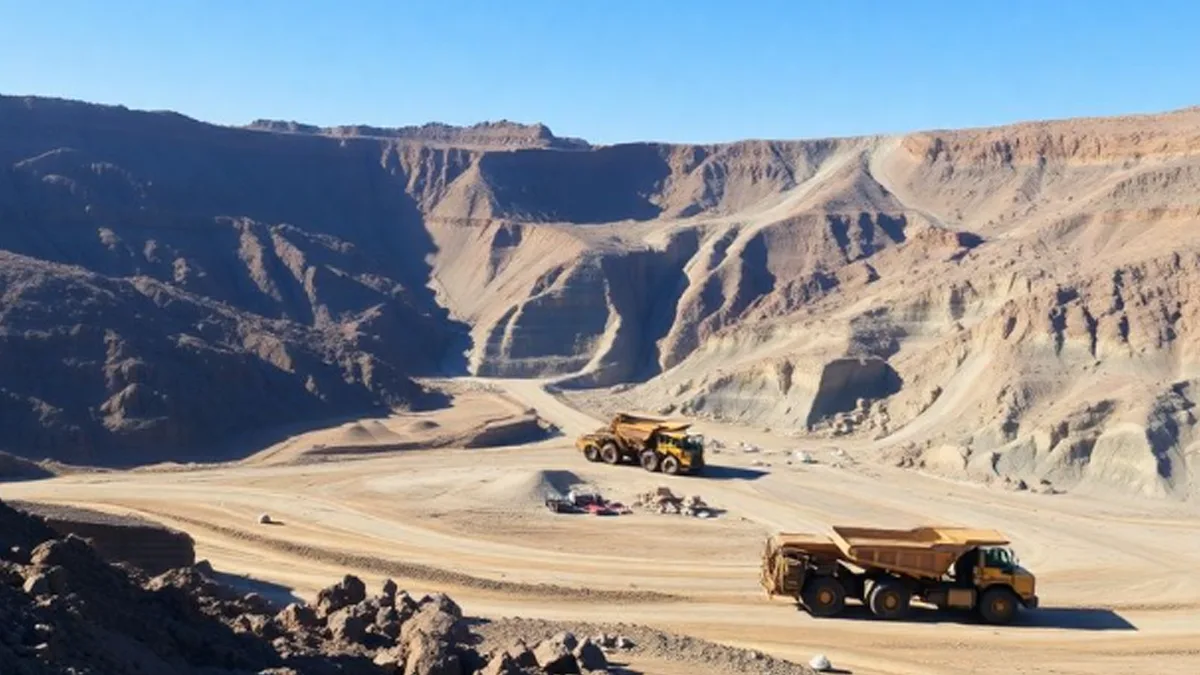
Open-pit mining causes big environmental and social problems. These include destroying habitats, polluting, and moving people from their homes. Managing these problems well is important for safe mining and following rules.
Knowing about open pit mining environmental impact helps you protect people and nature nearby. You need this knowledge to obey the law and make good choices. The open pit mining environmental impact affects your mining plans from start to finish.
- Large environmental footprint because of removing plants and soil.
- Many habitats are lost in farm and forest areas.
- Fewer kinds of animals and plants hurt local nature.
- Land stays damaged for a long time and is hard to fix.
Key Takeaways
- Open pit mining changes land, water, and air. It causes damage that lasts a long time.
- Pollution from mining can make local water dirty. This water is not safe to drink or use for farming.
- Mining destroys habitats and hurts biodiversity. Plants and animals can disappear because of this.
- Mining activities can ruin soil. Bad soil means less food can grow and people may not have enough to eat.
- Dust and emissions from mining pollute the air. This can make people nearby sick and cause breathing problems.
- Good monitoring and mitigation can help lower mining’s harm to the environment.
- Fixing mined areas step by step can bring back ecosystems. This can also cut down on lasting damage.
- Talking with the community is important for mining to work well. It also helps with fixing the environment.
Open Pit Mining Environmental Impact Overview
What Is Open-Pit Mining
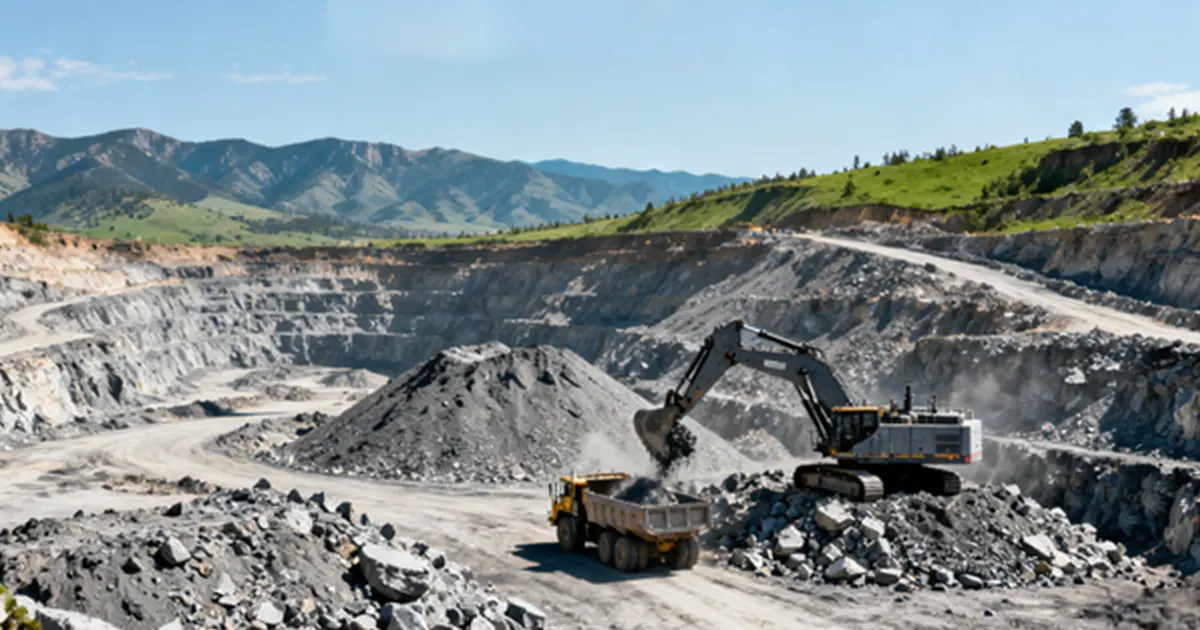
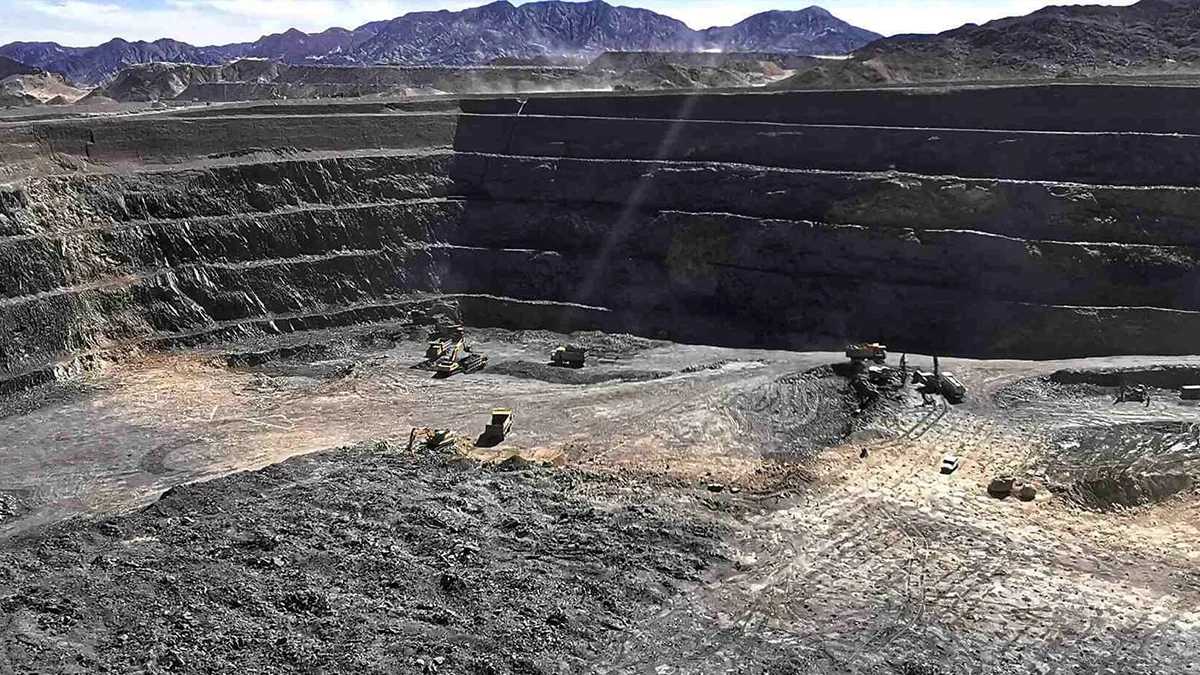
Open-pit mining means digging a big hole to get minerals. People use this method when minerals are near the surface. It is not like underground mining. You remove everything above the mineral, not just a tunnel. This changes the land a lot.
Extraction Process
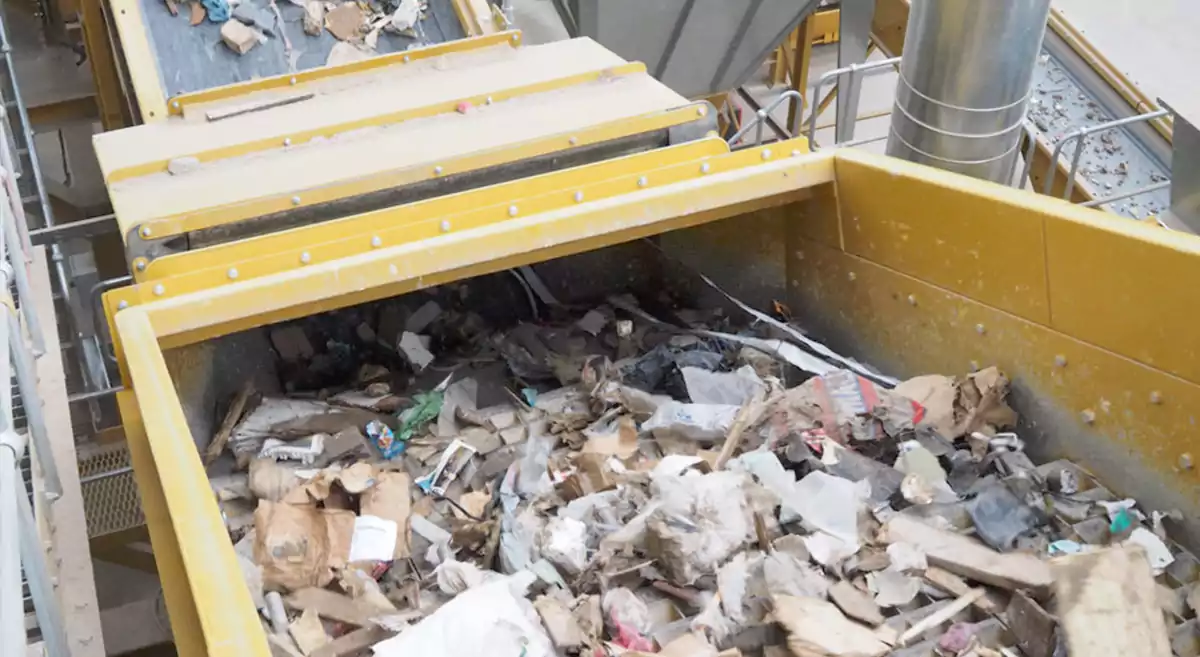
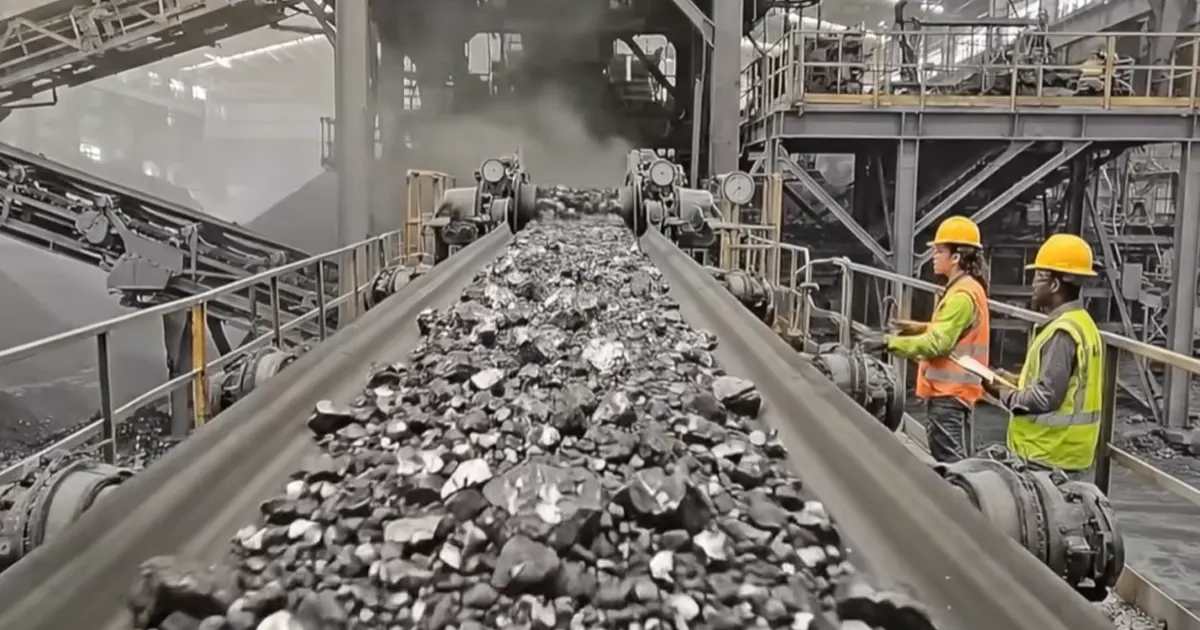
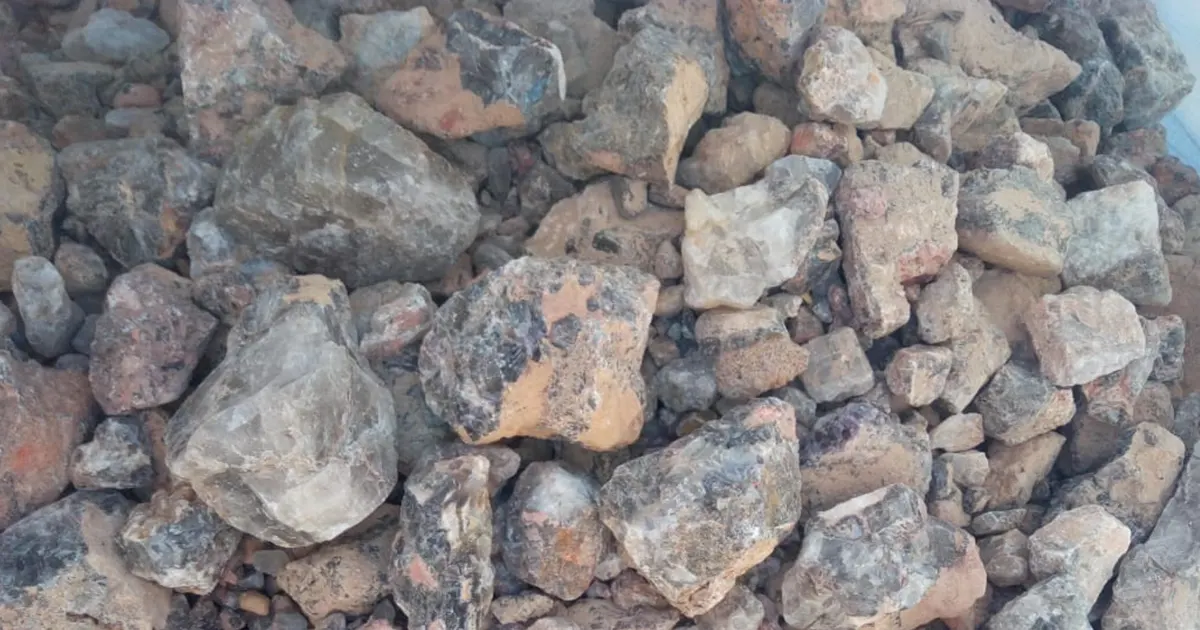
First, you clear away plants and soil. Big machines dig out layers of rock and earth. You keep digging until you reach the ore. The process leaves a huge hole you can see from far away. You also make piles of waste rock and tailings. These piles can leak bad chemicals into soil and water if not managed well.
Scale of Operations
Open-pit mining covers a very large area. Sometimes, mines stretch for miles. To get more ore, you dig deeper and wider each year. This makes the environmental impact even bigger.
Key Environmental Risks
Open pit mining brings many risks to nature. You see these risks from the first dig to the last day. The main impacts include:
- Loss of forests and plants
- Pollution of water and soil
- Dust and air pollution
- Noise and vibration
- Threats to animals and plants
- Climate change from carbon emissions
Open-pit mining often happens in important nature areas. Large, untouched forests are at risk. Biodiversity can be threatened.
Immediate Effects
When mining starts, changes happen fast. Habitats for animals and plants are destroyed. Soil washes away more easily, causing erosion. Water near the mine can get dirty from runoff. The table below compares how bad and how long these effects last:
| Type of Effect | Severity | Duration |
|---|---|---|
| Immediate Effects | High | Short-term |
| Long-term Effects | Severe | Years to decades |
Immediate effects include:
- Habitat destruction
- Soil erosion
- Water contamination
You notice these problems right away. They can harm local communities and wildlife.
Long-Term Effects
Long-term effects can last for many years. Even after the mine closes, the land may not heal. Contaminants can keep leaking into water and soil. Fewer plants and animals may return. Recovery takes a long time. Some damage may never heal.
- Ecological degradation continues for years.
- Contaminants move into distant ecosystems.
- Land may stay barren and unsafe.
How Open-Pit Mining Compares
Open-pit mining causes more damage than underground mining. You clear more land and make bigger waste piles. Air quality gets worse because of dust and particles. Water pollution is a bigger problem. Rain can wash chemicals from the surface into rivers and lakes. Underground mining has risks too, but open pit mining leaves a bigger mark on nature.
Stages of Open Pit Mining and Their Impacts
Open pit mining has several stages:
- Excavation and Ore Extraction: Heavy machines disrupt the land.
- Ore Processing: Waste materials can pollute water.
- Haulage and Waste Management: Soil and water can get contaminated if waste is not managed well.
- Reclamation and Closure: You try to fix the land, but success is not always guaranteed.
Each stage brings its own risks. If you do not plan well, the scars from open pit mining can last for generations.
Main Environmental Impacts at a Glance
Here is a quick look at the main impacts from open pit mining:
| Environmental Risk | Description |
|---|---|
| Water Contamination | Mining operations can pollute local water sources and harm ecosystems. |
| Soil Degradation | Mining can ruin soil quality and hurt farming and plants. |
| Air Quality Concerns | Dust and emissions can make air unhealthy for people and animals. |
- Open-pit mining puts biodiversity at risk.
- Large areas of forest can disappear.
- You may see fewer types of plants and animals.
Remember, open pit mining impacts the environment at every stage. From the first shovel of dirt to the final closure, you change the land, water, and air around you.
Land and Habitat Disturbance
Open pit mining changes the land in big ways. You can see forests disappear and animals lose their homes. Soil washes away after mining starts. These changes do not just happen at the mine. They spread to nearby farms, water, and even the air.
Deforestation and Soil Erosion
Surface Loss
When open pit mining begins, workers clear large areas of trees and plants. This is not just a small spot. Forests are removed for roads, buildings, and the pit. Studies show mining causes more deforestation than people thought before. Gold and coal mines are the main reason for this loss. This happens a lot in tropical countries like Brazil, Peru, Ghana, and Suriname.
| Findings | Details |
|---|---|
| Mining-related deforestation | Mining cuts down about twice as many trees as old reports said. |
| Dominant mining materials | Gold and coal mines cause most of the tree loss. |
| Impacted regions | Unrecorded gold mining leads to big forest loss in Brazil, Peru, Ghana, and Suriname. |
| Additional impacts | Artisanal mining pollutes soil and water, which hurts Indigenous health. |
There are two kinds of forest loss. Direct deforestation happens where digging takes place. Indirect deforestation spreads as new roads and people move in. Indirect loss can be much bigger than what you see at the mine.
| Impact Type | Description |
|---|---|
| Direct deforestation | Happens inside mining areas when sites and roads are built. |
| Indirect deforestation | Happens when mining brings new roads, people, and farms up to 70 km away. |
| Quantification | Indirect deforestation is 12 times higher than direct loss inside mining areas. |
Erosion Increase
When trees and plants are gone, nothing holds the soil. Rain makes the soil wash away fast. Open pit mining makes erosion worse. Gullies form and rivers get muddy. The land gets damaged and plants cannot grow back easily. Farms near mines lose good soil, which hurts crops and food.
Habitat Destruction
Biodiversity Loss
Open pit mining destroys habitats on a large scale. Plants and animals are pushed out of their homes. Many cannot live without their habitat. This causes biodiversity loss and sometimes extinction. The Espinhaço Range is a special place with many species. Mining now puts these species in danger. Healthy water supplies for millions of people depend on these places.
- Open pit mining causes big habitat loss and pushes out many species.
- This hurts local biodiversity and can make some species extinct.
- Mining creates waste that can pollute water and ruin soil.
Species Displacement
Animals move away from mining areas. Some never come back. Open pit mining changes the land so much that animals cannot travel or find food. This hurts wildlife and people who need these animals for food or money.
Threats to Agriculture and Ecosystem Services
Land damage from open pit mining does not stop at the mine. It spreads to farms and forests nearby. There may be less water for crops and fewer fish in rivers. Soil becomes poor for planting. The value of ecosystem services drops, especially in dry places. Local families often lose resources they need and cannot get back.
| Impact on Ecosystem Services | Description |
|---|---|
| Deterioration of ecological environment | Open pit mining harms nature and hurts the economy and society. |
| Destruction of natural features | Mining destroys soil, plants, and land shapes, making it hard for nature to help people. |
| Decline in Ecosystem Services Value (ESV) | In dry areas, ESV has dropped because of mining, and mining areas have grown a lot since 2000. |
You cannot forget the money lost when land is damaged. Many rural families need healthy land to live. When mining ruins these resources, it is hard to fix.
- Mining damage costs families money, especially in rural Africa.
- Local people depend on nature and ecosystem services, which are hard to replace.
- Project managers and leaders often do not count the cost of lost ecosystem services.
Open pit mining leaves damage that lasts for many years. You see ruined land, lost forests, and fewer animals. The harm goes far beyond the pit and changes how people and nature live.
Water and Soil Pollution from Open-Pit Mining
Open pit mining does more than change the land. It also causes big problems for water and soil. Rivers can turn dirty. Wells may not be safe to use. Crops might not grow well anymore. These problems can last a long time. People living nearby are affected.
Sediment and Contaminant Runoff
Digging and moving earth lets rain wash soil and chemicals away. This is called runoff. Runoff carries bad stuff into streams and rivers. It can travel far from the mine.
Waterway Pollution
Runoff from open pit mining often has heavy metals. These include mercury, lead, cadmium, and arsenic. They stay in the environment for a very long time. They do not break down. Floods and rain can spread these metals through rivers. Sometimes, many people are affected. Water pollution can make water unsafe to drink, fish, or swim in.
Water pollution from open pit mining means less clean water for your town. Fish and other water animals can get hurt too.
Groundwater Impact
Open pit mining can pollute groundwater as well. Acidic water and metals can seep into the ground. This can reach wells and springs. Families may have trouble finding safe water. Crops and animals can get sick if they use this water.
Acid Mine Drainage
Acid mine drainage is a big problem in open pit mining. It happens when water and air touch rocks with sulfur. This makes acid and releases more heavy metals.
Causes and Effects
Acid mine drainage makes water very acidic. Sometimes, the pH drops below 4. This water is toxic. Fish and other animals cannot live in it. The acid helps metals like arsenic and mercury dissolve. These metals become even more dangerous. Rivers can turn orange or red from this pollution.
- Acidic water kills fish and lowers biodiversity.
- Metals build up in fish and plants. This can hurt people who eat them.
- Acid mine drainage can ruin fishing and farming.
People who need clean water face big risks. There may be fewer fish, poor crops, and health problems.
Soil Degradation
Soil near open pit mines often gets polluted. Toxic metals like cadmium, mercury, lead, and arsenic build up in the soil. These metals stay for a long time. They can hurt plants, animals, and people.
Contamination
Soil pollution from open pit mining means crops can take in toxins. This makes it hard for plants to grow. Food can become unsafe to eat. Mercury and arsenic are very dangerous. They can cause health problems for people and animals.
Loss of Fertility
Soil degradation also means the soil loses nutrients. Crops may not grow well near mining areas. Farmers often get smaller harvests and poor-quality food. Many families need their gardens for food. Losing good soil can be a big problem.
| Impact | Description |
|---|---|
| Crop Yield | Smaller harvests because of bad soil and toxic metals |
| Community Health | More health problems from dirty water and food |
| Livelihoods | Farmers and fishers lose money |
Open pit mining can harm the environment for many years. You should watch for signs of water and soil pollution to keep your community safe.
Air Pollution and Noise
Open pit mining brings big changes to the air you breathe and the sounds you hear every day. You see dust clouds rise from trucks and machines. You hear loud blasts and engines working nonstop. These impacts can affect your health and your community.
Dust and Particulate Matter
Dust is everywhere in open pit mining. You notice it on your clothes, your car, and even inside your home. The dust comes from many sources:
- Silicate particles like kaolinite, quartz, and gypsum come from local soil and coal dust.
- Carbonate particles form when coal trucks wear down concrete roads.
- Sulfate particles appear from industrial dust and chemical reactions with coal gangue.
- Fe-rich particles come from vehicle wear and soil dust.
- Other particles include soot from vehicle exhaust and fly ash from burning coal.
PM10 and PM2.5
You hear about PM10 and PM2.5 when people talk about air pollution. These are tiny dust particles that float in the air. They are so small you cannot see them, but you can breathe them in. Here is what scientists found near open pit mines:
| Parameter | Concentration (μg·m–3) |
|---|---|
| PM2.5 | 74.38 |
| PM10 | 95.19 |
| TSP | 289.66 |
- PM10 levels ranged from 24.14 to 46.83 μg/m³ in different monitoring stations.
- All PM10 readings are higher than the World Health Organization guideline of 15 μg/m³.
Health Risks
Breathing in dust from mining can make you sick. Studies show that coal dust exposure leads to respiratory diseases. You may cough more, feel short of breath, or get asthma. Dust also causes metabolic disorders like dyslipidemia, which raises your risk for heart disease. People living near mines have higher rates of cancer and genetic damage.
| Health Risk | Findings |
|---|---|
| Respiratory Diseases | More breathing problems and lung issues. |
| Cancer | Higher cancer rates near coal mines. |
| Metabolic Disorders | More cases of dyslipidemia and heart disease. |
| DNA Damage | Increased genetic damage from dust exposure. |
| Chromosome Loss | PM2.5 exposure linked to chromosome loss. |
You should watch for signs of air pollution. Dust can harm your health even if you do not see it.
Noise and Vibration
Mining is loud. You hear blasts, trucks, and machines all day. Noise levels often reach 80 to 115 dB(A), which is above safe limits. The recommended limit is 90 dB(A), but many mines go over this. If you work in these conditions without ear protection, you risk hearing loss.
Blasting
Blasting shakes the ground and makes loud booms. Vibration levels can reach 12.7 mm/s at the impact point. This can crack walls and disturb wildlife. Blasting noise often goes above 115 dB(A), which can damage your hearing.
Equipment Operation
Machines like drills, loaders, and dump trucks make constant noise. Here is a table showing noise levels:
| Equipment Type | Noise Level (dBA) |
|---|---|
| Drills | 116 |
| Muckers | 107 |
| Load haul dump | 101 |
| Miners/loaders | 100 |
| Longwalls | 98 |
| Shuttle cars | 93 |
You can reduce noise by using acoustic barriers, soundproofing equipment, and monitoring noise levels. Engine enclosures and cabin soundproofing help protect workers.
Noise and vibration from mining affect your health and comfort. You need to manage these impacts for a safer workplace.
Waste and Climate Impact
Open pit mining makes a lot of waste. You see big piles of rock and tailings all around. These wastes can hurt the environment if not handled right. You should think about sustainability at every step.
Waste Rock and Tailings
Each year, open pit mines in the United States make about 0.9 billion metric tons of waste rock. They also create about 450 million metric tons of mill tailings from ore processing. That is a huge amount to deal with. To be more sustainable, you need better ways to store and treat this waste.
Storage Risks
Storing waste rock and tailings brings many risks. Here are some problems you might face:
- Acid rock drainage can form and harm water and soil.
- Water from tailings ponds may have toxic metals and chemicals.
- Heavy metals can build up in plants, animals, and people.
If you do not control these risks, you put people and nature in danger. Good sustainability means checking storage sites often and fixing problems quickly.
Leachate
Leachate is dirty water that leaks from waste piles. It can carry harmful chemicals into rivers and groundwater. You must stop leachate from spreading. Use liners, covers, and regular checks to keep water safe. This is important for sustainability in mining.
Greenhouse Gas Emissions
Open pit mining also adds to climate change. You use lots of fuel and electricity to run machines and move rock. This creates greenhouse gases that warm the planet. You should focus on sustainability to lower these emissions.
Fuel Use
Most emissions come from diesel trucks and loaders. These machines burn fuel and release carbon dioxide. The table below shows where most emissions come from:
| Source of Emissions | Description |
|---|---|
| Fuel for Transportation | Used for moving ore and waste, adds a lot to greenhouse gases. |
| Electricity Consumption | Powers crushers and grinders, also increases emissions. |
You spend a lot of money on fuel. Sometimes, fuel costs are over one hundred dollars for every thousand tons of rock. For better sustainability, you can use electric trucks or make fuel use more efficient.
Land Use Change
Clearing forests for mining releases more carbon into the air. This makes climate change worse. You also lose the ability to store carbon in trees and soil. Countries now have rules to cut emissions by 2030. You should plan for sustainability by restoring land and planting trees after mining.
Tip: You can help sustainability by recycling water, using renewable energy, and making less waste. Every small step helps protect the planet.
Sustainability is not just a word. It is your way to safer mining, lower costs, and a better future for everyone.
Monitoring and Mitigation Checklist
To keep your mine safe, you must watch the environment. This helps you find problems early. You can fix them before they get worse. Here is what you should check and how to lower harm.
Environmental Monitoring
You need to check the environment often. This helps you follow the rules. It also keeps nature healthy. If you monitor well, you can spot trouble early and keep mining safely.
Water Quality
Test water for pH, TSS, and heavy metals. Check rivers, lakes, and groundwater near your mine. Make sure water you release is clean enough. Stormwater control is important, too.
Air Quality
Measure dust and tiny particles like PM10 and PM2.5. Watch for dangerous gases. Track temperature and humidity. Use sensors to notice changes quickly. Too much dust can hurt workers and neighbors.
Noise Levels
Use meters to check noise. Watch blasting and machine sounds. Compare noise to safe levels, usually under 90 dB(A). Loud noise can hurt hearing and scare animals.
Biodiversity
Look at plants and how many kinds there are. Count animals and check their homes. Watch for animals that leave the area. Healthy plants and animals mean your mine is less harmful.
Tip: Write down all your checks. Good records help you show you follow the rules and make audits easier.
Mitigation Checklist
You can use good steps to lower harm from your mine. Here is a checklist to help you:
Land
- Plan to fix land as you mine.
- Use land for farming or fun after mining.
- Check soil health and clean up fast if dirty.
Water
- Clean water before you let it go.
- Reuse water in your mine.
- Collect rainwater to save local water.
- Watch water you release and stormwater.
Air
- Use machines that make less pollution.
- Spray water or cover dust to keep it down.
- Check air for pollution and change work if needed.
Noise
- Plan blasts to be quieter.
- Put up barriers and soundproof cabins.
- Do loud work when it bothers fewer people.
Biodiversity
- Plant native plants and fix habitats.
- Watch animals and protect rare ones.
- Plan to help nature recover after mining.
Waste
- Make less waste by sorting ore better.
- Use waste rock for building or other uses.
- Recycle water and scrap metal.
GHG
- Check energy use and try renewable energy.
- Use fuel wisely and try new fuels.
- Watch emissions and share reports.
| Component | Description |
|---|---|
| Water Quality | Check water for pollution and follow the rules. |
| Air Quality | Watch air for pollution to keep people and nature safe. |
| Soil Sampling | Test soil for pollution and health. |
| Vegetation Assessment | Check plant health and types for fixing land. |
| Wildlife Monitoring | Count animals and check their homes to protect them. |
| Discharge Monitoring | Make sure water you release follows the rules. |
| Stormwater Management | Control runoff to stop pollution. |
| Rehabilitation Area Monitoring | Check if land is getting better after mining. |
| Documentation Practices | Keep good records for checks and audits. |
You can make your mine safer and greener if you follow these steps. Start checking early and keep making your plan better.
Closure and Rehabilitation in Open-Pit Mining
Progressive Rehabilitation
You don’t have to wait until mining ends to start fixing the land. Progressive rehabilitation means you restore areas as soon as you finish mining them. This approach helps you lower closure costs and keeps the site safer for everyone. You can plan for what the land will look like after mining, which is called post-mining land use (PMLU). If you think about this early, you avoid big surprises and expenses later.
Here’s how you can make progressive rehabilitation work:
- Start planning for closure before you even begin mining.
- Adapt your plans as new technology and ideas come up.
- Focus on protecting the environment during every stage.
- Work with local communities and listen to their needs.
- Check your progress often and change your approach if needed.
Some mines, like the Rolleston Open Cut Mine, show how well this can work. They have restored almost 800 hectares of mined land to grazing pasture while still operating. Out of this, 386 hectares met strict environmental rules and got certified. The mine’s design keeps disturbed areas small and uses progressive closure to cut down on environmental harm. By talking with neighbors and local groups, you make sure your plans fit the community and the environment.
You can break down the process into simple steps:
- Assess and plan for impacts.
- Protect the environment during mining.
- Clean up contamination.
- Restore plants and wildlife.
Tip: Start rehabilitation early. You’ll save money and help nature recover faster.
Topsoil and Re-vegetation
Healthy topsoil is the key to bringing life back to mined land. You should save the top layer of soil before you dig. Store it carefully so you can use it again later. When you spread topsoil over the land, you give plants a better chance to grow.
Re-vegetation means planting new plants and trees. You need to pick the right species for your area. Sometimes, you add compost or fertilizer to help plants grow strong. Studies show that using organic materials and fertilizers usually helps re-vegetation succeed. But you should always think about your local climate and soil. What works in one place might not work in another.
You can follow these steps for better results:
- Test your soil and see what it needs.
- Choose native plants that fit your climate.
- Add nutrients if the soil is poor.
- Water and care for new plants until they are strong.
Note: Every site is different. You need a plan that matches your land and weather.
Drainage and Slope Stability
Water can cause big problems if you don’t manage it well. Good drainage keeps rain from washing away soil or making slopes collapse. You should build channels and ponds to guide water safely away from the pit. Stable slopes stop landslides and protect people, animals, and plants.
Here’s what you can do:
- Shape the land so water flows where you want it.
- Plant grass or shrubs to hold soil in place.
- Check slopes for cracks or weak spots.
- Fix problems quickly to avoid bigger issues.
You can’t ignore drainage and slope stability. These steps keep your site safe and help nature recover for the long term.
Post-Closure Monitoring
You might think that once mining stops and you finish rehabilitation, your job is done. That’s not the case. Post-closure monitoring is a key step if you want your site to stay safe and healthy for years. You need to keep an eye on the land, water, and plants long after the machines leave.
Why does this matter? Nature changes over time. Rain, wind, and people can all affect your site. If you don’t watch for problems, small issues can turn into big ones. You want to make sure your work lasts and the land stays stable.
Here’s what you should focus on during post-closure monitoring:
- Check for stability: Walk the site and look for signs of erosion, landslides, or cracks in the ground. Stable slopes mean less risk for everyone.
- Test water quality: Collect samples from streams, ponds, and wells. Watch for changes in pH, heavy metals, or other pollutants.
- Monitor plants and animals: Count how many species return. Healthy plants and animals show your rehabilitation is working.
- Inspect drainage systems: Make sure water flows where you want it. Blocked drains can cause floods or erosion.
- Track soil health: Test for nutrients and toxins. Good soil helps plants grow and keeps the land productive.
Tip: Start planning for post-closure monitoring before mining even begins. Early planning helps you avoid surprises and saves money.
You don’t have to do this alone. Work with local communities and listen to their concerns. They know the land best and can spot changes you might miss. Community engagement also builds trust and helps everyone feel involved.
Sometimes, things don’t go as planned. Maybe a storm washes away new plants, or water tests show pollution. That’s where adaptive management comes in. You can change your approach based on what you find. Fix problems early so they don’t get worse.
Here’s a quick checklist for post-closure monitoring:
| What to Monitor | How Often | Why It Matters |
|---|---|---|
| Slope stability | Every 6-12 months | Prevents landslides |
| Water quality | Every 3-6 months | Protects people and wildlife |
| Plant regrowth | Every season | Shows ecosystem recovery |
| Animal presence | Every season | Tracks biodiversity |
| Drainage systems | After heavy rain | Stops erosion and flooding |
| Soil health | Yearly | Supports plant growth |
Remember, your goal isn’t to make the land exactly as it was before. You want a stable, safe, and useful landscape. Long-term planning, community input, and flexibility help you reach that goal. If you keep monitoring and adapting, you’ll leave behind land that works for both people and nature.
Conclusion
Open-pit mining can affect land, water, and air far beyond the pit—and those impacts can last for years. Regular monitoring and practical controls help protect local communities while keeping operations stable. As a screening media manufacturer, we produce woven wire screens and other screen media for vibrating screens and trommels, with custom sizes for your circuit. Share your material and deck specifications, and we can recommend options that support cleaner separation and more consistent performance.
FAQ
What is the biggest environmental problem with open-pit mining?
You see the biggest problem as land and habitat loss. Open-pit mining removes forests and soil. This destroys homes for plants and animals. Water and air pollution also cause big issues.
How does open-pit mining affect local water?
Open-pit mining can pollute rivers and groundwater. You may find heavy metals and acid in water near mines. This makes water unsafe for people, animals, and crops.
Can you fix the land after open-pit mining?
Yes, you can help the land recover. You need to plant new trees, add topsoil, and manage water. Full recovery takes time. Some damage may last for years.
What can you do to reduce dust and noise?
You can spray water to control dust. Use barriers and soundproof cabins to lower noise. Plan blasting for times when fewer people are around.
Does open-pit mining cause climate change?
Yes, it does. You burn fuel for machines and clear forests. This releases greenhouse gases. You can lower emissions by using electric equipment and restoring land.
Why should you monitor the environment during mining?
You need to spot problems early. Monitoring helps you keep people and nature safe. You can fix issues before they get worse.
What is acid mine drainage?
Acid mine drainage happens when water and air touch certain rocks. This makes water acidic and full of metals. It can kill fish and harm crops.
Tip: Always test water near mines for acid and metals. This keeps your community safe.