When you pick perforated plate pitch, think about your use. You should look at hole size, open area, and strength. Perforated plate pitch controls how well the plate screens things. It also affects how long the plate lasts. It decides how much material goes through. You need to balance open area with how strong the plate is. If you want more material to pass, use a bigger perforated plate pitch. But this can make the plate weaker. First, check the size of your material. Next, look at the open area. Then decide how much wear life you want. Perforated plate pitch changes how well the plate works and how it performs.
Key Takeaways
- Pitch is the space between holes. It changes how strong the plate is. It also affects how things move through the plate.
- Pick the right pitch for your project. Try to keep strength and open area balanced. This gives the best results.
- Think about hole size and ligament width. These change how tough the plate is. They also affect how well it works.
- Choose the pitch type you need: side, end, or diagonal. Each type helps airflow and strength in different ways.
- Do not use tight pitch for heavy loads. Tight pitch can make the plate weak. It may cause the plate to break.
- Use staggered patterns for better flow. Staggered patterns help stop clogging. This is important for wet or sticky materials.
- Make sure your perforated plate fits its job. Every job needs its own specifications.
- Ask manufacturers for advice. They can help you pick the best options for your needs.
Perforated Metal Pitch Basics
Pitch Definition
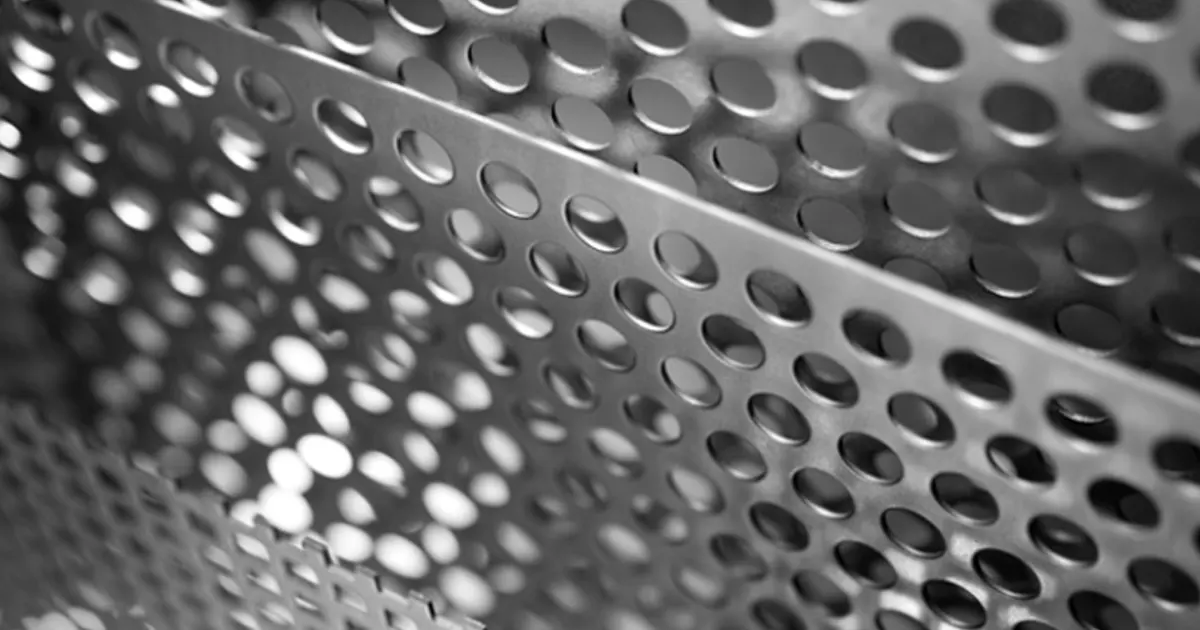
When you look at perforated metal, you will notice rows of holes. The distance from the center of one hole to the center of the next is called the pitch. This measurement is key in perforated metal design. Pitch tells you how close or far apart the holes are on perforated sheets. You can find pitch in many sizes, but most fall between 1.5mm and 150mm.
Here’s a quick table to help you see how pitch works in perforated metal:
| Parameter | Typical Range | Primary Impact | Selection Considerations |
|---|---|---|---|
| Pitch | 1.5mm – 150mm | Strength, open area percentage | Load requirements, desired airflow |
Pitch affects both the strength of the sheet and the open area percentage. If you want more air or light to pass through, you might pick a larger pitch. If you need the sheet to hold more weight, you might choose a smaller pitch.
Why Pitch Matters
Pitch is not just a number. It changes how your perforated metal works. When you pick a pitch, you decide how much material can pass through the holes. You also control how strong the sheet will be. A tight pitch gives you more holes and a higher open area percentage. This means better airflow or drainage. But it can make the sheet weaker. A wide pitch gives you fewer holes and a lower open area percentage. This makes the sheet stronger but lets less material pass through.
You need to think about your project. Do you want more strength or more flow? For custom perforated metal design, you must balance these needs. The right pitch helps you get the best performance from your perforated sheets.
Related Terms: Hole Spacing, Ligament
You will hear other words when you talk about perforated metal. Hole spacing is another way to talk about pitch. It means the same thing—the distance from the center of one hole to the next. Ligament is the solid metal left between two holes. The ligament keeps the sheet strong. If the ligament is too thin, the sheet can break. If it is too thick, you lose open area percentage.
When you plan your perforated metal, you also need to think about hole shape and hole patterns. Round holes are common, but you can pick square or slotted holes too. The hole shape and pattern change how the sheet looks and works. Calculating open areas helps you know how much space is open for air, water, or light to pass through. This is important for many perforated metal projects.
If you want your perforated sheets to last, pay attention to pitch, ligament, and open area percentage. These choices affect how well your perforated metal works in real life.
What Is Perforated Plate Pitch
Pitch Formula
You might wonder how to measure the distance between holes on a perforated plate. The answer is simple. You use a formula. The pitch is the distance from the center of one hole to the center of the next. Here’s the basic formula:
Pitch = Hole Diameter + Ligament WidthThis formula helps you plan your design. If you know the size of the hole and the ligament, you can find the pitch. You can also use this formula to check if your plate will be strong enough.
Worked Example: Pitch & Ligament
Let’s try an example together. Imagine you want holes that are 10 mm wide. You want the metal between the holes (the ligament) to be 5 mm. Here’s how you find the pitch:
- Hole diameter: 10 mm
- Ligament width: 5 mm
So, the pitch is:
Pitch = 10 mm (hole) + 5 mm (ligament) = 15 mmNow, you know each hole will be 15 mm from the next, center to center. This helps you see how many holes will fit on your plate. It also tells you how much solid metal stays between the holes. If you make the ligament too small, the plate can break. If you make it too big, you lose open area.
Tip: Always check the ligament width. A strong ligament keeps your plate safe and working longer.
Pitch vs Hole Size & Thickness
You need to think about more than just the pitch. The size of the holes and the thickness of the plate matter too. These three things work together. They change how strong your plate is and how well it lets material pass through.
Here’s a table to help you see how these parts interact:
| Parameter | Description |
|---|---|
| Plate thickness (t) | How thick the metal sheet is |
| Hole diameter (d) | The size of each hole |
| Pitch (p) | Distance from center to center of holes |
If you use a thin plate with big holes and a small ligament, the plate can bend or break. If you use a thick plate with small holes and a wide ligament, the plate gets stronger but lets less material through.
Another table shows how these choices affect performance:
| Parameter | Effect on Performance |
|---|---|
| t/d (thickness/hole size) | Changes how much pressure drops across the plate |
| Number of holes | More holes mean less pressure loss |
So, when you pick your design, think about what you need most. Do you want more strength or more flow? The right balance gives you a plate that works well and lasts longer.
Pitch Types in Perforated Metal Profile
When you look at a perforated metal profile, you will see different ways the holes line up. The pitch, or the distance from the center of one hole to the next, changes how the sheet works. You can pick from side pitch, end pitch, or diagonal pitch. Each type gives your perforated metal profile a special look and changes how strong or open the sheet feels.
Side Pitch
Side pitch means the holes line up in straight rows across the width of your perforated metal profile. You measure side pitch from the center of one hole to the center of the next hole in the same row. This type is easy to spot because the holes look like they form neat lines.
Side Pitch Use Cases
You might choose side pitch when you want a clean, organized look. It works well for screens, guards, and panels where you need even spacing. Many people use side pitch in architectural projects because it gives a modern style. If you care about visual aesthetics, side pitch can help your perforated metal profile look sharp and professional.
Strength & Open Area
Side pitch affects both strength and open area. When you use a tight side pitch, you get more holes and a higher open area percentage. This lets more air, light, or water pass through your perforated metal profile. If you need the sheet to hold more weight, you can use a wider side pitch. This leaves more solid metal between the holes and makes the sheet stronger.
End Pitch
End pitch runs along the length of your perforated metal profile. You measure it from the center of one hole to the center of the next hole in the same column. End pitch works with side pitch to create the full pattern on your perforated metal.
End Pitch Use Cases
You will see end pitch used in filters, guards, and machine covers. When you want to control how much material passes through your perforated metal profile, end pitch helps you set the right spacing. It also helps you match the pattern to the size of the material you want to screen.
Structural Impact
End pitch changes the strength and open area of your perforated metal profile. A smaller end pitch gives you more holes and a higher open area percentage. This is great for letting more light or air through. A larger end pitch means fewer holes and more solid metal, which makes your perforated metal profile stronger.
Diagonal Pitch
Diagonal pitch means the holes line up in a staggered or zigzag pattern. You measure diagonal pitch from the center of one hole to the center of the next hole in a diagonal line. This pattern is common in many perforated metal profiles.
Staggered Pattern Effects
A staggered pattern spreads the holes out more evenly. This makes your perforated metal profile stronger because the holes do not line up in straight lines. The sheet can handle more weight and pressure. Staggered patterns also look interesting and can add style to your project.
Open Area & Flow
Diagonal pitch gives you a higher open area percentage compared to straight patterns. More open area means better flow for air, water, or light. If you need your perforated metal profile to let more material pass through, diagonal pitch is a smart choice. It also helps reduce clogging because the holes do not line up, so material moves through more easily.
Tip: When you pick a perforated metal profile, think about how the pitch type will change the strength, open area, and look of your sheet. The right pitch helps your project work better and last longer.
Ligament Width
Durability Importance
Ligament width is the strip of solid metal between two holes in your perforated plate. You might think it’s just a small detail, but it plays a huge role in how your plate performs. If you want your plate to last, you need to pay close attention to this part.
When you use a wider ligament, you give your plate more strength. The metal between the holes can handle more pressure and stress. In real-world tests, plates with wider ligaments show less damage when you push or press on them. The damage does not spread as easily. Instead, it stays near the edges. This means your plate is less likely to crack or break in the middle. You get a longer-lasting plate that stands up to tough jobs.
But there’s a trade-off. If you make the ligament too wide, you lose open area. Less open area means less air, water, or material can pass through. You need to find the right balance. Too much open area can make your plate weak. Too little open area can slow down your process.
Here’s a quick look at how ligament width affects your plate:
| Ligament Width | Durability | Open Area | Best For |
|---|---|---|---|
| Narrow | Low | High | Light screening, airflow |
| Medium | Balanced | Balanced | General use |
| Wide | High | Low | Heavy loads, impact |
Tip: If your plate will face heavy loads or impact, choose a wider ligament. If you need more flow, go for a narrower one.
Ligament Calculation
You can figure out ligament width with a simple formula. This helps you plan your design and make sure your plate will work for your needs.
Ligament Width = Pitch – Hole Diameter
Let’s try an example. Say your pitch is 20 mm and your hole diameter is 12 mm. Plug these numbers into the formula:
Ligament Width = 20 mm – 12 mm = 8 mm
Now you know the solid metal between each hole is 8 mm wide. This number tells you a lot. If you see the ligament is too thin, you might want to increase it for more strength. If it’s too thick, you might want to make the holes bigger or move them closer for more open area.
- Check your application:
- For heavy-duty screens, aim for a ligament width that’s at least equal to the plate thickness.
- For light-duty or decorative panels, you can use a narrower ligament.
Remember, the right ligament width keeps your plate strong and helps it last longer. Always balance strength with the open area for the best results.
Pitch Types and Effects Table
Table: Pitch Term | Definition | What it Changes | When to Prioritize
You might feel overwhelmed by all the pitch terms. Let’s break them down so you can make smart choices for your project. Each pitch type affects your plate’s performance in a different way. You want to know what each term means, what it changes, and when you should focus on it.
Here’s a handy table that lays out the basics:
| Pitch Term | Definition | What it Changes | When to Prioritize |
|---|---|---|---|
| Pitch | Distance from center of one hole to the next | Open area, strength, screening efficiency | Always—core factor for plate design |
| Side Pitch | Center-to-center spacing across the width | Airflow, visual pattern, load distribution | When you want neat rows or architectural look |
| End Pitch | Center-to-center spacing along the length | Throughput, structural support | When you need strong columns or filtering |
| Diagonal Pitch | Center-to-center spacing in a staggered pattern | Open area, flow, resistance to clogging | When you want max flow or less clogging |
| Ligament | Solid metal between holes | Durability, plate wear life, impact resistance | When you need strength or heavy-duty use |
You can see how each pitch term changes the way your plate works. If you want more airflow, side pitch and diagonal pitch help you get it. If you need your plate to last longer, focus on ligament width.
Tip: If you work with sticky or wet materials, diagonal pitch can help reduce clogging. The staggered pattern lets material flow through more easily.
Let’s look at some effects you might notice:
- Open Area: More open area means better screening and higher throughput. Diagonal pitch usually gives you the most open area.
- Strength: Wider ligaments and larger end pitch make your plate stronger. You want this for heavy loads or impact.
- Screening Efficiency: Tight pitch and small holes catch finer material. You use this for precise filtering.
- Durability: Plates with wider ligaments last longer. They resist bending and cracking.
You might wonder how these choices affect real-world performance. Think about metrics like screening efficiency, plate wear life, and material flow. For example, if you want high screening efficiency, you pick a tight pitch and small holes. If you want your plate to handle heavy impact, you choose a wide ligament and larger pitch.
Here’s a quick checklist to help you decide:
- Do you need more airflow or drainage?
- Will your plate face heavy loads or impact?
- Are you screening sticky or wet materials?
- Is visual appearance important for your project?
If you answer yes to any of these, check the table and pick the pitch type that fits your needs. You can always adjust pitch and ligament width to balance strength and open area.
Remember, the right pitch type makes your plate work better and last longer. Take your time, review your needs, and use this table as your guide.
Pitch Performance Impact
Open Area vs Strength
When you choose a perforated plate, you face a big decision. You must balance open area and strength. Open area means how much space is available for air, water, or material to pass through. Strength shows how much force your plate can handle before it bends or breaks. If you want more open area, you get more holes. This lets more material flow, but it can make your plate weaker. If you want more strength, you use fewer holes. This keeps your plate solid, but it slows down the flow.
Screening Efficiency
Screening efficiency tells you how well your perforated plate separates materials. If you pick a plate with lots of holes and a high open area, you catch more fine particles. This works well for jobs where you need to sort small pieces. You get faster screening and better results. But, you must watch out. If your plate is too weak, it can wear out quickly. You need to find the right balance. Ask yourself, “Do I need fast screening or a plate that lasts longer?”
Tip: If you want high screening efficiency, choose a plate with a tight pitch and small holes. This helps you catch more material and keeps your process moving.
Plate Wear Life
Plate wear life means how long your perforated plate lasts before you need to replace it. If you use a plate with a lot of holes and thin ligaments, it can wear out faster. The metal between the holes gets weaker and can break. If you use a plate with fewer holes and thicker ligaments, it lasts longer. You spend less time and money on repairs.
Here’s a quick table to help you see the trade-off:
| Plate Design | Screening Efficiency | Wear Life |
|---|---|---|
| High Open Area | High | Low |
| Balanced Open Area | Medium | Medium |
| Low Open Area | Low | High |
You must decide what matters most for your job. Do you want a plate that screens fast, or one that lasts longer?
Throughput vs Clogging
Throughput means how much material passes through your perforated plate in a set time. Clogging happens when material gets stuck in the holes and slows down your process. You want high throughput, but you must avoid clogging.
Material Flow
Material flow depends on the size and pattern of the holes in your perforated plate. If you use a plate with a staggered pattern and bigger holes, you get better flow. Material moves through quickly, and you don’t waste time cleaning out clogs. If you use a plate with small holes and a tight pitch, you catch more fine material, but you risk clogging.
- Choose staggered patterns for better flow.
- Pick larger holes if you need high throughput.
If you work with dry materials, you can use smaller holes. If you handle wet or sticky materials, go for bigger holes and staggered patterns.
Wet/Sticky Fines
Wet or sticky fines can cause big problems for your perforated plate. These materials stick to the holes and block the flow. If you use a plate with straight rows and small holes, you see more clogging. If you use a plate with a staggered pattern and larger holes, you reduce clogging. Material moves through more easily, and you spend less time cleaning.
Here’s a simple list to help you:
- Staggered patterns help prevent clogging.
- Larger holes let sticky material pass through.
- Avoid tight pitch for wet or sticky fines.
Note: If you work with sticky materials, always check your plate for clogs. Clean it often to keep your process running.
Wear Life vs Efficiency
You must choose between wear life and efficiency. Wear life means how long your perforated plate lasts. Efficiency means how well your plate screens material and keeps your process moving. If you want high efficiency, you use more holes and a tight pitch. This gives you fast screening, but your plate wears out faster. If you want longer wear life, you use fewer holes and thicker ligaments. This slows down your process, but your plate lasts longer.
Longevity vs Productivity
Longevity means your plate stays strong and lasts a long time. Productivity means you screen more material in less time. You must decide which matters more for your job. If you need high productivity, pick a plate with more holes and a higher open area. If you need longevity, pick a plate with fewer holes and thicker ligaments.
| Priority | Plate Design | Result |
|---|---|---|
| Longevity | Fewer holes, thick ligaments | Plate lasts longer |
| Productivity | More holes, tight pitch | Faster screening |
Ask yourself: Do you want to change plates less often, or do you want to screen more material quickly? The right choice depends on your needs.
You can always talk to a plate manufacturer if you’re not sure. They can help you pick the best perforated plate for your job.
Pattern Choice
Choosing the right pattern for your perforated plate can change how your project looks and works. You have two main options: staggered and straight. Each pattern brings its own benefits and challenges. Let’s break them down so you can pick the best one for your needs.
Staggered vs Straight
Staggered patterns place holes in a zigzag or offset layout. Straight patterns line up holes in neat rows and columns. You might wonder which one fits your job best. Here’s what you should think about:
- Aesthetics: Staggered patterns look modern and dynamic. Straight patterns give a clean, organized appearance. If you want your plate to stand out, staggered might be the way to go. If you need a classic look, straight works well.
- Installation Complexity: Straight patterns are easier to install. You can line up the plate quickly. Staggered patterns take more time and care. You need to check the alignment so the holes match up.
- Repairability: Straight patterns make repairs simple. You can replace a section without much trouble. Staggered patterns can be tricky. You might need to cut and fit pieces more carefully.
- Longevity: Staggered patterns spread stress across the plate. This helps the plate last longer. Straight patterns focus stress in lines, which can lead to faster wear in some spots.
- Cost Considerations: Straight patterns usually cost less. They use less material and take less time to make. Staggered patterns can cost more because they need extra steps in production.
Tip: If you want a plate that lasts longer and handles heavy loads, staggered patterns are a smart choice. If you need a plate that’s easy to install and repair, straight patterns make your job easier.
Here’s a quick table to help you compare:
| Pattern | Visual Appeal | Installation | Repair | Durability | Cost |
|---|---|---|---|---|---|
| Staggered | Modern | Complex | Tricky | High | Higher |
| Straight | Classic | Easy | Simple | Medium | Lower |
Application Scenarios
You might see staggered and straight patterns in different places. Let’s look at where each one shines.
- Staggered Pattern:
- Works well in mining screens and heavy-duty filters.
- Handles impact and stress better.
- Reduces clogging for wet or sticky materials.
- Adds style to architectural panels and facades.
- Straight Pattern:
- Fits best in decorative panels and light-duty screens.
- Makes installation and repairs quick.
- Offers a neat look for office partitions or retail displays.
- Keeps costs down for large projects.
If you work with tough materials or need your plate to last, go with staggered. If you want a simple, clean look and easy maintenance, straight is your friend.
You can always mix patterns for special jobs. Some projects use staggered for strength and straight for style. Think about your needs, your budget, and how you want your plate to perform. The right pattern helps your plate do its job and look good doing it.
Pitch Selection Guide
Picking the right pitch for your perforated metal plate can be hard. You want your plate to work well and last a long time. You also want to keep people safe. Let’s go through simple steps to help you choose the best pitch for your project.
Step-by-Step Process
Application Needs
First, think about what you need your perforated metal to do. Are you making a screen for mining, a guard for a machine, or a panel for a building? Each job needs something different. If your project has heavy loads or sharp impacts, you need a strong plate. If you want more air or light, you need more open area. Always think about safety. The right pitch keeps your plate strong and safe.
Material Size
Check the size of the material you want to pass through your perforated metal. If you need to filter small pieces, use smaller holes and a tighter pitch. For bigger pieces, use larger holes and more space between them. Matching pitch to material size keeps things running smoothly. It also stops clogging and protects your equipment.
Moisture & Abrasion
Think about where you will use your perforated metal. Will the plate get wet or face rough materials? Wet material can stick to holes and block them. Rough material can wear down the plate fast. If you expect moisture, pick a staggered pattern and bigger holes. For rough jobs, use thicker plates and wider ligaments. This makes your plate last longer. A worn plate can be dangerous.
Throughput & Deflection
You want your perforated metal to move material fast but not bend or break. Throughput means how much material goes through in a set time. Deflection means how much the plate bends under weight. If you need high throughput, use more open area and a staggered pattern. For less bending, pick thicker plates and wider ligaments. Always balance speed with safety. Plates that bend too much can fail and cause accidents.
Hole Type & Thickness
Hole patterns and plate thickness change how your perforated metal works. Round holes are strong and do not crack easily. Slotted holes let more material pass but can make the plate weaker. Thicker plates handle hits better but are heavier. Thinner plates are lighter but can bend. Pick the right hole pattern and thickness for your job. This helps you get the best mix of strength, flow, and safety.
Pitch Selection Checklist Table
You can use a checklist to make sure you cover all the important points. This table helps you compare choices and pick the best perforated metal for your needs.
| Criterion | Description | Why It Matters for Safety and Performance |
|---|---|---|
| Aperture Size | Controls how much light, air, or material passes through. | Prevents clogging and ensures proper flow. |
| Hole Spacing | Changes strength and resistance to bending. | Keeps the plate from breaking under load. |
| Opening Rate | Higher rates mean more flow but less strength. | Balances throughput with safety. |
| Material Selection | Choose stainless steel for corrosion, carbon steel for cost, aluminum for light weight. | Matches plate to environment and safety needs. |
| Thickness | Thicker plates resist impact, thinner plates are lighter. | Prevents deformation and keeps workers safe. |
| Surface Treatments | Galvanizing or powder coating adds corrosion resistance and looks. | Extends plate life and reduces maintenance risks. |
| Hole Patterns | Round, square, or slotted holes change flow and strength. | Adapts plate to material and safety requirements. |
| Ligament Width | Wider ligaments add strength, narrow ligaments add open area. | Prevents cracks and keeps plate safe under stress. |
| Environmental Factors | Moisture, abrasion, and temperature affect plate choice. | Reduces wear and prevents unexpected failures. |
Tip: Use this checklist before you order or install your perforated metal. It helps you avoid mistakes and keeps your project safe.
Practical Scenarios
Let’s look at some real-life examples. These show how pitch selection changes performance, safety, and how long your plate lasts.
Mining Plates
Mining plates face heavy hits and rough material every day. You need thick perforated metal with wide ligaments and strong hole patterns. A staggered pattern spreads the load and reduces wear. Thin plates or tight pitch can crack or break. That puts workers and machines at risk. Always check your plate for damage and replace it before it fails.
Impact Loading
Some jobs have sudden shocks or heavy loads. Think about construction sites or big machines. Here, you want perforated metal with thick plates, wide ligaments, and round holes. These features help absorb hits and stop bending. If you pick the wrong pitch, the plate can bend or snap. That can cause injuries or damage. Always design for the biggest load to keep everyone safe.
Wet Fines
Wet or sticky material can clog holes and slow down your process. In these cases, pick perforated metal with bigger holes and a staggered pattern. This helps material flow and cuts cleaning time. Use stainless steel or coated plates to stop rust. If you ignore moisture, your plate can rust and break. That creates safety risks and costs money. Always match your plate to the environment for the best results.
Remember, every project is different. Take time to check your needs, look at your environment, and pick the right pitch for your perforated metal. The right choice keeps your process running, protects your team, and saves money over time.
Common Pitch Mistakes
Tight Pitch Weakness
You might think that packing as many holes as possible into your perforated plate is a smart move. More holes mean more open area, right? But if you make the pitch too tight, you create a weak plate. The metal between the holes, called the ligament, gets very thin. Thin ligaments can bend or break when you put weight on the plate. You might see cracks or even holes merging together. That’s not good for safety or performance.
Here’s what can happen with a tight pitch:
- The plate bends easily under pressure.
- Holes can stretch or tear.
- The plate wears out faster.
Tip: Always check the minimum ligament width. Make sure it’s at least as wide as the plate is thick. This keeps your perforated plate strong and safe.
Wide Pitch Capacity Loss
Now, let’s look at the other side. If you space the holes too far apart, you get a wide pitch. This makes your perforated plate very strong, but you lose open area. Less open area means less material, air, or light can pass through. Your plate might not do its job well. For example, if you use a wide pitch in a filter, it won’t let enough water flow. In a screen, it might block too much material.
Common problems with wide pitch:
- Low throughput (not enough material passes through).
- Poor screening or filtering.
- Wasted material and higher costs.
You need to find a balance. Don’t go too tight or too wide. Think about what your perforated plate needs to do. Match the pitch to your job.
Ignoring Thickness-Hole Ratio
One mistake you can’t ignore is the thickness-to-hole ratio. This means how thick your plate is compared to the size of the holes. If you use a thin plate with big holes, the plate can bend or break. If you use a thick plate with tiny holes, you waste metal and make the plate heavy for no reason.
Here’s a simple table to help you:
| Plate Thickness | Hole Size | What Happens |
|---|---|---|
| Thin | Large | Plate bends or tears |
| Thick | Small | Plate is heavy, costly |
| Balanced | Balanced | Strong and efficient plate |
Note: For most perforated plates, keep the hole diameter at least equal to the plate thickness. This gives you a plate that is both strong and efficient.
If you pay attention to these common mistakes, you’ll get a perforated plate that works well and lasts longer. Always check your pitch, ligament, and thickness before you order or install your plate.
Overlooking Application Needs
You might think that picking a pitch is just about numbers. But if you ignore what your plate will actually do, you can run into big problems. Every application has its own needs. If you don’t match the pitch to your job, your plate might fail, wear out fast, or even cause safety issues.
Let’s break down why application needs matter:
- Different jobs, different demands: A mining screen faces rocks and heavy loads. An air vent needs to let air flow easily. A food processing plate must be easy to clean. Each one needs a different pitch.
- Ignoring the environment: Will your plate get wet? Will it face chemicals or heat? If you don’t think about these things, your plate might rust, clog, or break.
- Missing the material type: Sticky, wet, or fine materials can clog small holes. Sharp or heavy materials can damage thin ligaments. You need to match the pitch to what you’re screening or filtering.
Tip: Always ask yourself, “What will my plate face every day?” Write down your answers before you pick a pitch.
Here’s a quick checklist to help you focus on your application:
| Application Type | Key Pitch Need | Common Mistake |
|---|---|---|
| Mining/Quarry | Wide ligament, thick plate | Too many holes, weak plate |
| Food Processing | Smooth, easy-to-clean pattern | Small holes, hard to clean |
| Airflow/Ventilation | High open area, staggered | Too thick, blocks airflow |
| Wet/Sticky Materials | Large holes, staggered pattern | Tight pitch, frequent clogs |
| Decorative Panels | Visual pattern, safe edges | Sharp edges, poor aesthetics |
You can see that each job needs something special. If you use the wrong pitch, you might spend more time fixing problems than getting work done.
Here’s what you can do:
- Talk to your team. Ask operators or workers what problems they see with current plates.
- Check your environment. Look for moisture, dust, chemicals, or heat.
- Test a sample. Try a small piece before you order a big batch.
- Review your goals. Do you want more flow, more strength, or a certain look?
Don’t guess. Take time to match your pitch to your real-world needs. You’ll save money, avoid downtime, and keep everyone safer.
Ignoring application needs is one of the biggest mistakes you can make. If you focus on what your plate will do, you’ll pick the right pitch every time.
Conclusion
Now you know how to choose the right perforated plate pitch. Start by defining what the plate must do, then match the pitch, hole pattern, and open area to your material and operating conditions. Make sure the plate thickness and edge finishing can handle impact and wear, and always confirm key dimensions and tolerances before production. As a perforated plate manufacturer for screening equipment, we can help you select the right material, thickness, hole pattern, and open area—and provide custom options to fit your deck and duty. Share your application, hole size, pitch, thickness, and plate size, and we’ll recommend a practical spec that performs well and lasts longer.
FAQ
What does “pitch” mean in perforated plates?
Pitch is the distance from the center of one hole to the center of the next. You use pitch to decide how close or far apart the holes are. This affects strength and how much material passes through.
How do I pick the right pitch for my project?
You start by thinking about your application. Check the material size, flow needs, and plate strength. Use a checklist to compare options. If you feel unsure, ask your plate supplier for advice.
Can I use a tight pitch for heavy-duty jobs?
No, tight pitch makes the plate weaker. Thin ligaments can bend or break under heavy loads. You need wider ligaments and thicker plates for tough jobs. Always match pitch to your project’s demands.
What happens if I choose a wide pitch?
Wide pitch gives you a stronger plate but less open area. You get lower throughput and slower material flow. If you need high screening or airflow, wide pitch may not work well.
Does hole shape affect pitch selection?
Yes! Round holes give you more strength. Slotted holes allow more material to pass but can weaken the plate. You should pick the hole shape based on your screening needs and plate durability.
How can I avoid common pitch mistakes?
Always check ligament width, plate thickness, and your application needs. Use a checklist before ordering. Test a sample if possible. Ask your supplier for help to avoid costly errors.
Is staggered pitch better than straight pitch?
| Pattern | Best For | Main Benefit |
|---|---|---|
| Staggered | Heavy-duty screens | Less clogging, more strength |
| Straight | Decorative panels | Easy installation, neat look |
You pick staggered for tough jobs. Straight works well for simple projects.