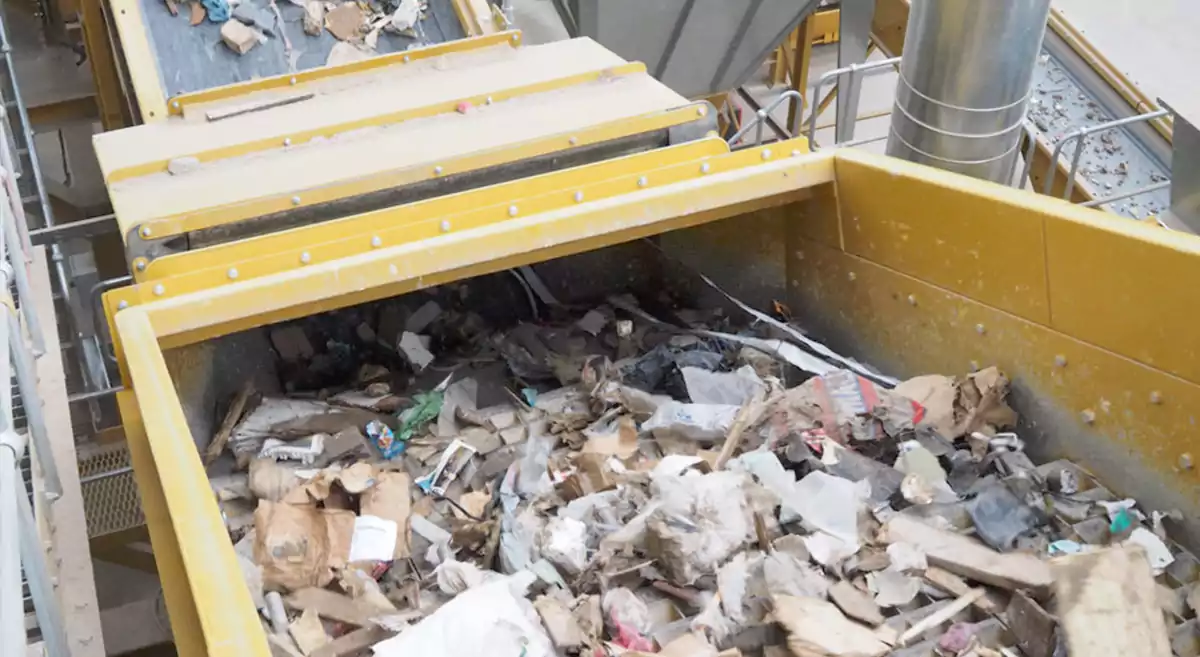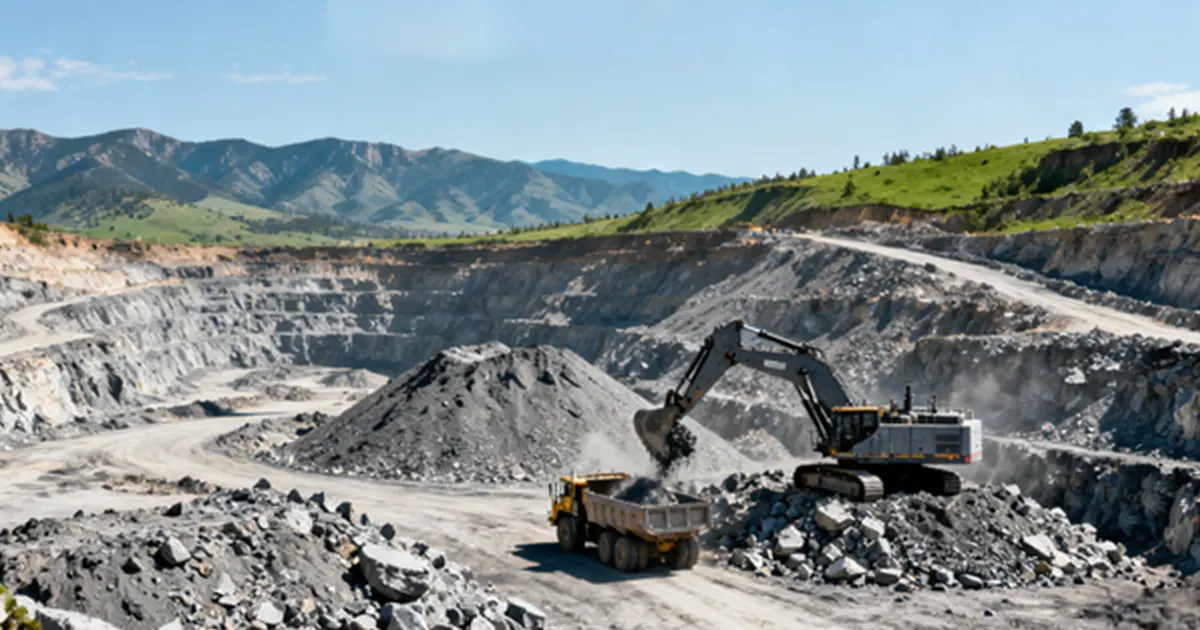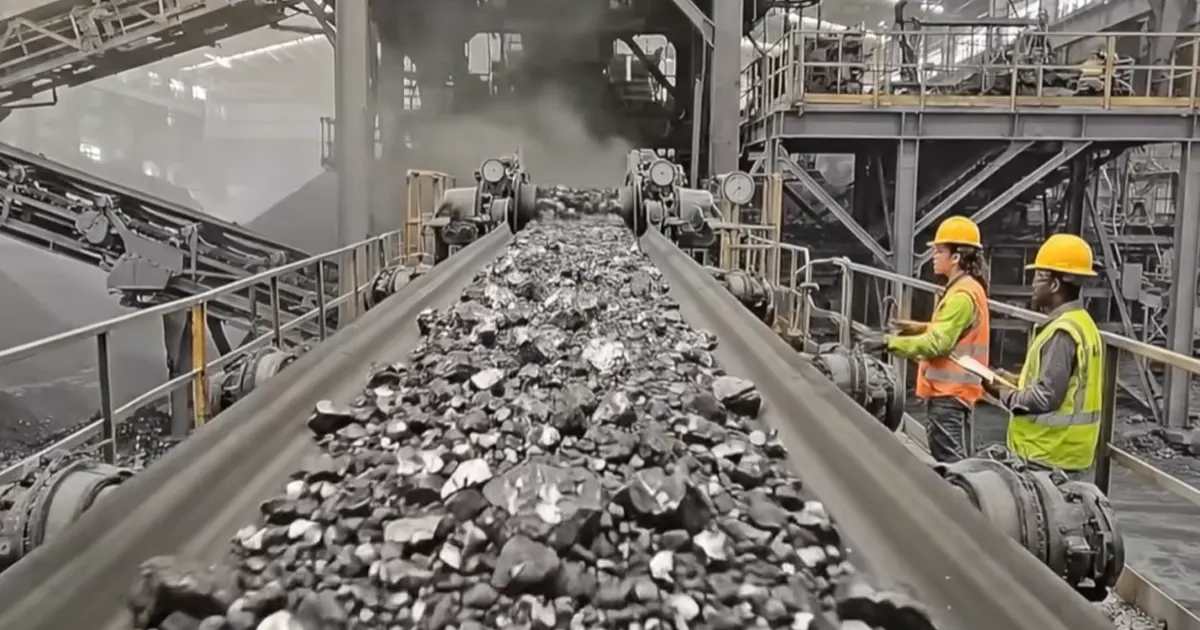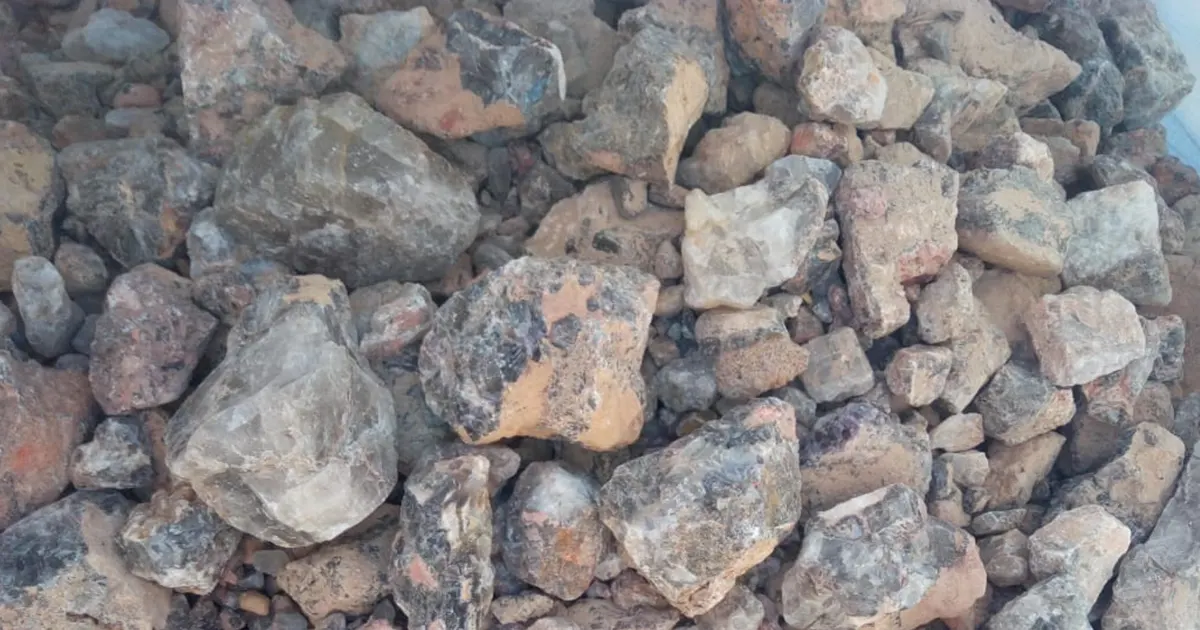
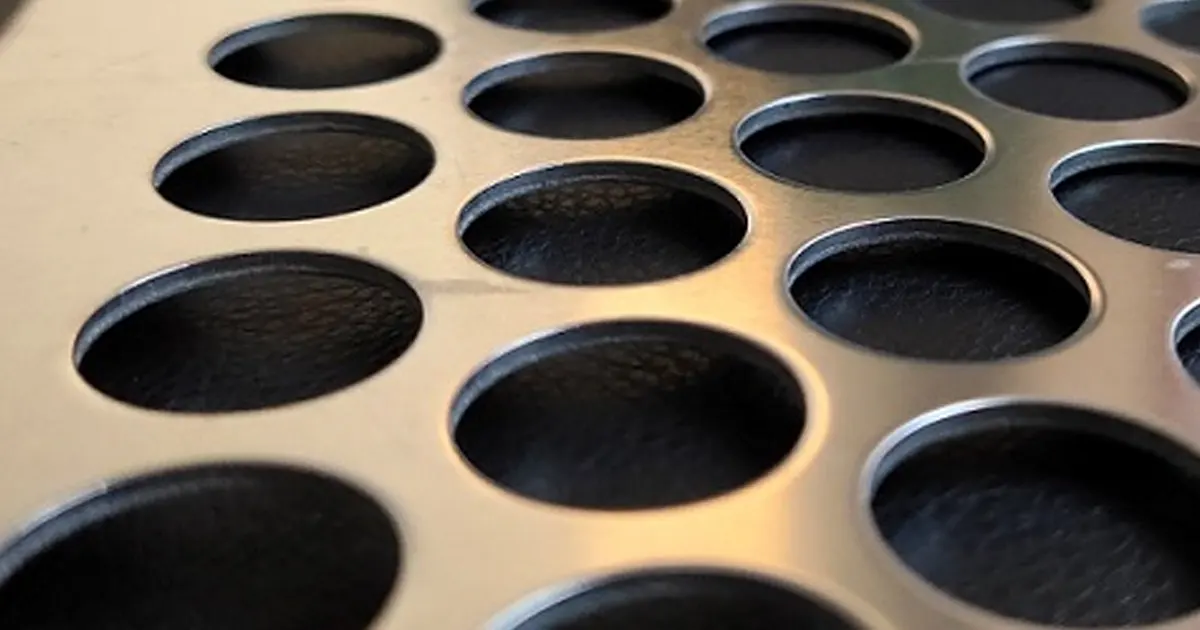
Choosing the right perforated plate material is important. It affects how well your screening equipment works. Picking the best metal helps it last longer. You will have fewer problems fixing it. The right material can handle tough jobs. It works well with high-impact and high-flow tasks. Cleaning often, like with a pressure washer, keeps holes clear. This makes screening work better. Some synthetic options last even longer. They help you spend less time fixing things. Always think about abrasion, impact, and corrosion. Also, check if the plate is easy to use before you choose.
Key Takeaways
- Picking the right perforated plate material helps machines work better and last longer.
- Think about how well the material can resist scratching, hitting, and rusting for your job.
- Cleaning perforated plates often makes them work better and saves time on fixing them.
- Stainless steel, aluminum, and carbon steel each work best in different places.
- Thicker plates are stronger for tough jobs, but lighter plates are easier to move and put in.
- Custom fabrication lets you get plates made just for your equipment and job needs.
- Always check how much materials cost and if you can get them easily to stay on budget and finish on time.
- Using the right material can help you save time and money because you will not need to fix or replace it as much.
Key Factors for Perforated Plate Material
Wear and Performance
When you choose a perforated plate, you want it to last long. The material you pick helps the plate handle tough jobs. Some metals, like high carbon steel, are very hard. Stainless steel does not rust easily. If you use the right material, the plate can hold heavy things and work longer.
Smooth holes and even spaces are important. They help things move through the screen without getting stuck. Even holes make it easier to separate materials and stop clogging. A smooth plate is easier to clean. You will spend less time cleaning and more time working. These are some good things about using perforated metal for screening.
Different materials have different strengths:
- High carbon steel: Good for hard and rough materials.
- Stainless steel: Best for wet or rusty jobs.
- Aluminum: Light and easy to move.
How the plate is made also matters. Punching, drilling, or casting can change how strong it is. The shape and pattern of the holes can help you pick the right plate.
Application Environment
Where you work can change how long your plate lasts. If you work in a wet or salty place, rust can be a big problem. Sun, dirty air, and chemicals can also hurt your plate. You can stop these problems by picking the right material and using coatings.
Cleaning your plate often helps too. Washing removes dirt and chemicals that can cause damage. In wet or salty places, check your plate for rust more often. Using rust stoppers or special finishes can help your plate last longer. Knowing these things can save you time and money.
Maintenance Needs
If you want your equipment to work well, think about maintenance. Some materials need more care than others. Stainless steel needs less cleaning because it does not rust. High carbon steel needs more care, especially in wet places.
Tips for easy maintenance:
- Pick materials that fit your work area.
- Use coatings if you need them.
- Clean your plates often to stop buildup.
- Check for damage and change plates before they break.
Choosing the right perforated plate makes your job easier. You will fix fewer problems and get more work done.
Types of Perforated Sheet Metal
When you look at perforated sheet metal for industrial screening, you have many choices. Each type of metal brings its own strengths and weaknesses. Picking the right one helps your equipment last longer and work better. Let’s break down the most common perforated metal types you’ll see in tough jobs.
Carbon Steel
Carbon steel is one of the most popular types of perforated sheet metal. You see it everywhere because it is strong and affordable. This metal handles heavy loads and tough work. If you need a plate that can take a beating, carbon steel is a solid pick.
But there’s a catch. Carbon steel can rust if you use it in wet or humid places. You need to treat it or add a coating to keep it from corroding. If you skip this step, you might see rust spots or damage over time.
Here’s a quick look at the pros and cons:
| Advantages | Disadvantages |
|---|---|
| High strength | Can rust without coating |
| Good load-bearing capacity | Needs extra care in wet areas |
| Affordable | Not great for salty or humid places |
You’ll find carbon steel in many industrial screening jobs. It works well for dry materials and places where you don’t worry about moisture. If you want something tough and budget-friendly, this is a good choice.
High Carbon / Wear Steel
If you deal with really rough or abrasive materials, high carbon or wear steel steps up the game. This type of perforated sheet metal is much harder than regular carbon steel. It stands up to scraping, pounding, and constant wear.
You get more energy transfer with high carbon steel. That means it cleans and screens faster. It also lasts longer when you use it for blasting or heavy-duty screening. You’ll notice less downtime because you won’t need to replace plates as often.
High carbon steel works best for:
- Mining and quarrying
- Screening sharp or rough rocks
- Jobs where plates take a lot of hits
If you want to boost your screening speed and cut down on maintenance, high carbon or wear steel is a smart pick. It’s one of the top types of perforated metals for tough jobs.
Stainless Steel
Stainless steel is the go-to choice when you need something that fights off rust and corrosion. This metal contains chromium, which helps it resist damage from water, chemicals, and even salty air. You can use stainless steel in wet, sticky, or harsh environments without worrying about rust.
This type of perforated sheet metal is also easy to clean. That makes it perfect for food processing, hospitals, and places where hygiene matters. Stainless steel lasts a long time and needs less maintenance. You spend less time fixing or replacing plates.
Here’s why you might pick stainless steel:
| Property | What It Means for You |
|---|---|
| Corrosion-resistant | No rust, even in wet or salty places |
| Long-lasting | Fewer replacements, less downtime |
| Hygienic | Easy to clean, safe for food and medical use |
If you work in a place with lots of moisture or chemicals, stainless steel is a smart investment. It’s one of the most reliable perforated metal types for industrial screening.
Tip: When you choose between these types of materials, think about your work environment and what you need your perforated sheet metal to handle. The right choice saves you time and money in the long run.
Galvanized Steel
Galvanized steel is a strong choice for screening. This perforated metal has a zinc layer on top. The zinc keeps the steel safe from rust and damage. It works well in places with water or chemicals.
- The zinc layer blocks water and air from touching the steel.
- If the zinc gets scratched, it still protects the steel. This is called cathodic protection.
- Over time, a thin zinc layer forms. This slows down rust and helps the plate last longer.
- The zinc sticks well to the steel. This makes the plate strong for tough jobs.
You can use galvanized perforated metal where you need strength and rust protection. It is good for outdoor screens and recycling plants. It also works in places where you want your equipment to last.
Tip: Galvanized steel is a smart choice if you want something strong and not too expensive.
Aluminum
Aluminum is great when you need a light perforated metal. You can move and put in these plates easily. Aluminum weighs much less than steel. This saves money on shipping and makes work easier. It helps if you change screens a lot or cannot lift heavy things.
Perforated aluminum is strong for its weight. You get a tough plate without making your machines heavy. This keeps your equipment working well and helps parts last longer.
Aluminum does not rust or corrode. It works well in wet or damp places. You can use it for food, chemicals, or anywhere you need a clean surface. Aluminum perforated metal lasts a long time. You will spend less time fixing it and more time working.
- Easy to move and put in place
- Saves money on moving costs
- Good for places where you move screens a lot
If you want a perforated metal that is light and lasts, aluminum is a great pick.
Manganese Steel
Manganese steel is the toughest perforated metal. You pick this metal when you need something very strong. It can take hits from rocks or scrap without breaking.
Here is how manganese steel compares to other metals:
| Material | Impact Resistance | Durability | Toughness |
|---|---|---|---|
| Manganese Steel | High | Excellent | Superior |
| Other Materials | Moderate | Varies | Varies |
You see manganese steel in mining and recycling. It works for the hardest jobs. Other metals might break, but manganese steel keeps going. This means you do not have to change screens as often. You save time and money.
If your job has lots of hard hits or sharp stuff, manganese steel is best. You get a plate that works even in rough places.
Brass, Copper, and Alloys
You do not see brass or copper as much as steel. But these metals are still useful. Brass and copper look nice and work well. They are good for special jobs that need style and strength. You can use them for sunshades or claddings. They also help when you need better filtering.
Here is what makes brass, copper, and alloys special:
| Property | Description |
|---|---|
| Resistance to abrasion | Brass does not wear out as fast as copper. |
| Corrosion resistance | Brass does not rust easily, so it works in many places. |
| Filterability | These metals are good for filtering and keeping things safe. |
| Heat dissipation | Air, light, sound, and gases move through them easily. |
| Aesthetic appeal | They look strong and give you many design choices. |
| Durability | These metals last a long time and you can cut or shape them. |
| Industrial applications | You find them in sunshades, claddings, and other big jobs. |
Brass perforated metal is great if you want something strong and nice-looking. Copper is good for special filters and moving heat. Alloys mix the best parts of both metals. This gives you more choices.
Tip: If you want a perforated metal that looks cool and works hard, try brass or copper. You get both style and strength.
Plastics and Non-Metals
Sometimes you need a perforated plate that is not metal. Plastics and non-metals are good for these jobs. You see them in food plants, building sites, and for blocking sound. They are also used in chemical plants, oil and gas, and on farms.
- They are lighter than steel, so you can move them easily.
- They do not rust, so they last in wet or tough places.
- You can clean them well, so they are safe for food or clean rooms.
- They help block sound or control air.
Plastics are a good choice when you want less weight and more safety from chemicals. But plastics are not as strong as metal. They can break if you put too much weight or hit them hard. Sunlight can make some plastics weak. High heat can also cause problems. Use plastics when you need light weight and chemical safety, but not for heavy jobs.
Note: Always check if a non-metal plate is right for your job. If you need more strength, use metal.
Table: Perforated Plate Materials Compared
Here is a simple table to help you compare the main types of perforated metal and non-metal plates for screening:
| Material | Strength | Abrasion Resistance | Corrosion Resistance | Weight | Cost | Best Use Cases |
|---|---|---|---|---|---|---|
| Carbon Steel | High | Moderate | Low | Heavy | Low | Dry screening, general use |
| High Carbon / Wear Steel | Very High | High | Low | Heavy | Medium | Mining, aggregates, abrasive materials |
| Stainless Steel | High | Moderate | Very High | Heavy | High | Wet, corrosive, or hygienic jobs |
| Galvanized Steel | High | Moderate | Moderate | Heavy | Medium | Outdoor, recycling, moderate moisture |
| Aluminum | Moderate | Low | High | Light | Medium | Food, chemicals, easy handling |
| Manganese Steel | Very High | Very High | Moderate | Heavy | High | Mining, recycling, high impact |
| Brass/Copper/Alloys | Moderate | Moderate | High | Medium | High | Filtration, design, heat dissipation |
| Plastics/Non-Metals | Low | Low | Very High | Very Light | Medium | Food, chemicals, sound insulation |
Use this table to pick the right perforated metal for your job. You can see which material is strong, light, or good at stopping rust.
Perforated Plate Material Selection Criteria
Abrasion Resistance
Abrasion resistance tells you how well a plate stands up to rubbing, scraping, or grinding. If you work with sand, gravel, or other rough materials, you need a plate that can take a beating. When you pick a perforated metal for screening, always check how it handles wear. Some plates last longer because they resist scratches and scrapes better.
Here’s a quick look at how different materials stack up for abrasion resistance:
| Material | Abrasion Resistance |
|---|---|
| Galvanized Steel | Good |
| Brass Steel | Good |
| Aluminum Steel | Good |
| Stainless Steel | Good |
You can see that several types of perforated metal offer good abrasion resistance. Stainless steel and galvanized steel both hold up well in tough jobs. If you want your screens to last, choose a plate that matches your workload. You will spend less time replacing worn-out parts and more time getting the job done.
Tip: If you notice your screens wearing out fast, try switching to a plate with higher abrasion resistance. It can save you money and reduce downtime.
Impact Resistance
Impact resistance is all about how well your plate can handle hits, drops, or sudden shocks. In many screening jobs, rocks or debris slam into the plate. If your perforated metal cannot take the impact, it will bend or break. You want a plate that stands strong, even when things get rough.
Plates made from high strength steel and nanostructured bainitic steel have shown great results in tests. These materials can stop projectiles and handle heavy blows. The right hole pattern also helps. It can make the plate lighter without losing strength. This means you get a tough plate that does not weigh down your equipment.
When you choose a perforated metal for high-impact jobs, look for one designed for strength. Mining, recycling, and heavy-duty screening all need plates that can take a hit and keep working.
Note: If you see dents or cracks in your screens, you may need a plate with better impact resistance. Stronger materials help your equipment last longer.
Corrosion Resistance
Corrosion resistance keeps your plate safe from rust, chemicals, and moisture. If you work in a wet or salty place, you need a plate that will not rust away. Stainless steel is a top choice for these jobs. It does not rust, even when you wash it often or use it in harsh environments.
Galvanized steel also fights off rust. It has a zinc layer that protects the metal underneath. Aluminum is another good pick. It does not rust and works well in damp places. If you need a plate for food, chemicals, or outdoor use, pick one with high corrosion resistance.
You will spend less time cleaning and fixing your screens if you choose the right perforated metal. Your equipment will last longer, and you will avoid costly repairs.
Tip: Always match your plate to your work environment. If you see rust or stains, switch to a plate with better corrosion resistance.
Weight and Handling
You might not think about weight first, but it can make a big difference in your screening job. Heavy plates, like those made from carbon steel or manganese steel, give you strength and durability. These plates work well for tough jobs, but they can be hard to move and install. If you need to change screens often, heavy plates can slow you down and make your team tired.
Lighter materials, such as aluminum or some plastics, make handling much easier. You can lift and install these plates with less effort. This helps if you need to swap out screens quickly or if you work in a place where lifting heavy things is a problem. Lighter plates also cut down on shipping costs and make storage simpler.
Here are a few things to keep in mind:
- Heavy plates: Strong and long-lasting, but harder to move and install.
- Light plates: Easier to handle, faster to install, and cheaper to ship.
- Balance: Think about how often you need to change screens and how much weight your equipment can handle.
Tip: If you want to save time and energy, pick a lighter material for jobs that need lots of screen changes. For heavy-duty work, go with a stronger, heavier plate.
Cost and Availability
Cost and availability play a big role when you pick a perforated plate material. Some metals cost more because they last longer or resist rust better. Others are cheaper but may not last as long. You need to find the right balance for your budget and your job.
Here’s a quick table to show you how different materials stack up:
| Material | Features | Cost Impact |
|---|---|---|
| Stainless Steel | High corrosion resistance | Higher |
| Aluminum | Lightweight & anti-rust | Medium |
| Galvanized Steel | Budget-friendly, rust-resistant surface | Lower |
| Copper | Decorative, conductive | High |
You also need to think about more than just the price of the metal. Other costs can add up, such as:
- Custom mold fees if you want special hole shapes or sizes
- Packaging and shipping, which can change based on where you are and how big the plates are
- Labor for installation, especially if your project is large or needs special skills
Sometimes, a material you want might not be easy to find in your area. If you pick a rare metal, you might wait longer for delivery or pay more for shipping. Common materials like carbon steel or galvanized steel are usually easy to get and cost less.
Note: Always check with your supplier about lead times and extra costs. Picking a material that is easy to find can help you finish your project on time and stay within your budget.
Matching Perforated Plate Material to Application
Abrasive Aggregates
If you work with abrasive aggregates, you need a strong screen. Crushed stone and gravel can wear out normal plates quickly. You want a plate that can handle lots of scraping and pounding. High-grade steel and wear-resistant alloys are the best for this. They last longer and keep your machines working well.
Here’s a table to show which materials are good for tough jobs:
| Material Type | Key Properties | Applications |
|---|---|---|
| High-grade steel | Durable, strong, customizable thickness | Heavy-duty mining, aggregate work |
| Aluminum alloys | Lightweight, corrosion-resistant, many grades | General screening |
| Wear-resistant alloys | Handles high abrasion, extends screen life | Mining operations |
You should also think about how your plate is made. Punched plate screens are good for hard jobs. Tapered holes help stop rocks from getting stuck. If you need a big open area, perforated steel plates are a smart choice. Always pick the right plate thickness for your job. Custom plates help you get the best fit for your work.
Things to remember:
- What material and thickness you need
- The size and shape of the holes
- If rocks might get stuck or block holes
- The size of the pieces and how fast they move
High-Impact Scalping
High-impact scalping means your screen gets hit by big rocks. You need a plate that can take hard hits without breaking. Manganese steel is a great pick for this. It soaks up the shock and keeps its shape. Rubber and polyurethane screens are also good if you want less noise.
You might see grizzly bars made from manganese steel in mining or recycling. These bars take the first hit and protect your other equipment. Keeping your screen tight is important too. It helps the plate last longer and not wear out fast.
For tough jobs, look for:
- Manganese steel or rubber surfaces
- Strong ways to keep the plate tight
- Designs that help things move through the screen
Tip: If you see dents or cracks, use a stronger plate. This will help your screens last longer and cut down on repairs.
Wet or Sticky Materials
Wet or sticky stuff can block your screens quickly. You need a plate that does not clog and is easy to clean. Polyurethane screens are great for these jobs. They keep their shape and last a long time, even when things are messy. Rubber screens are also good, especially for dry jobs where you want less noise.
Here’s a table to show the best picks for wet and dry jobs:
| Application Type | Best Media Choice | Key Benefits |
|---|---|---|
| Wet | Polyurethane | Lasts longer, easy to clean |
| Dry | Rubber | Takes hard hits, less noise |
When you pick a plate for wet or sticky jobs, think about the open space and if things will get stuck. Polyurethane screens help stop these problems. They work well in recycling, mining, and other places where things stick together.
Check these things:
- What the plate is made of
- How much open space and the hole shape
- How often you need to clean the screen
- The kind of material you are screening
You can find many ways to use perforated metal in these tough places. Picking the right plate keeps your work going and your screens clear.
Corrosive Environments
Do you work where rust and chemicals are a big issue? If you do, you need a perforated plate that can handle tough places. Regular steel does not last long in these spots. Chemical plants, food factories, and places near the ocean have these problems. Salt, water, and strong cleaners can damage metal fast. That is why picking the right material is important.
Let’s see some good choices for these jobs:
| Material | Key Properties | Common Uses |
|---|---|---|
| Stainless Steel | Strong, does not rust, lasts a long time | Chemical plants, food processing, marine |
| Titanium | Handles harsh chemicals, super tough | Chemical plants, medical, aerospace |
| Nickel Alloys | Stays strong in extreme heat and chemicals | Nuclear, chemical, aerospace |
| Aluminum Alloys | Light, forms a shield against rust, easy to move | Marine, construction, chemical plants |
| GRP (Fiberglass) | Won’t rust, resists salt and chemicals, very light | Wastewater, oil and gas, marine, chemicals |
Stainless steel is used a lot because it works well in wet places. It is also good where you clean things often. Titanium and nickel alloys are even better against chemicals, but they cost more money. Aluminum alloys are a good pick if you want something light and easy to move. GRP, or fiberglass, is not metal, but it will never rust and works well in many places.
Tip: If you see rust or stains on your screens, you should use a better material. Stainless steel or GRP can help you save money and avoid problems later.
Manufacturer Integration
You might ask how to get the best perforated plate for your job. Manufacturers can make custom plates just for you. This means you get the hole size, shape, and pattern you need. Custom plates fit your machines better and last longer.
Here is how custom and standard plates are different:
| Key Aspect | Customized Punched Plates | Standard Perforated Sheets |
|---|---|---|
| Design Flexibility | You pick the hole pattern and size | Fixed patterns, less choice |
| Manufacturing Complexity | Uses special machines like CNC or lasers | Made in big batches with set tools |
| Tool Preparation Time | Needs new tools for each design | Uses the same tools every time |
| Quality Control Protocols | Extra checks to match your needs | Regular checks for basic quality |
| Production Flexibility | Can change patterns during production | Same pattern for all sheets |
When you order a custom plate, the maker can use CNC or lasers to cut special shapes. This helps if you need a plate for a special job, like screening sharp rocks or sticky stuff. You can also ask for coatings or finishes to stop rust or wear.
Why pick custom?
- Get the right fit for your machine
- Choose the best material for your job
- Make your equipment last longer
If your job is hard or you need something special, talk to your manufacturer. They can help you pick the right material, thickness, and hole shape. You get a plate that works better and saves you time.
Note: Custom plates may take more time to make, but they can fix problems that regular sheets cannot.
Perforated Metal Design Factors
Plate Thickness
When you pick a perforated metal plate, thickness matters a lot. Thicker plates last longer and handle more pressure. You get more durability, so your screens stay strong even when you use them for tough jobs. Thicker plates resist bending and breaking. If you work with heavy materials or need your screens to stand up to constant use, thicker plates are a smart choice.
Thinner plates cost less and weigh less. You can move them easily and install them faster. But thinner plates wear out quicker. They bend and break more often, which means you might need to replace them sooner. If you use thin plates for heavy-duty screening, you risk losing efficiency. Your screens might not work as well, and you could spend more time fixing them.
Think about what you need. If you want your screens to last, go for thicker plates. If you need something light and easy to handle, thinner plates might work. Always match plate thickness to your job.
Hole Shape and Size
Hole shape and size change how your perforated plate works. You can pick round, square, or slotted holes. Each shape lets air, light, or materials pass through in different ways. If you want good ventilation, round holes are popular. They help air move freely and keep things cool.
Smaller holes protect your plates from damage. They lower the chance of bending by reducing mid-point deflection. You also get a higher tearing threshold, so your plate stays strong. The blockage ratio tells you how much space the holes take up. If you use more holes, you get better ventilation and less risk of clogging.
Here’s what happens when you change hole size and shape:
- Smaller holes mean less damage and more strength.
- More holes improve ventilation and airflow.
- Different shapes help with special jobs, like ventilation grills or filtering.
You can use perforated plates with special hole shapes for ventilation grills. These plates let air move while blocking dust or debris. If you need good ventilation, pick the right hole size and shape.
Open Area and Pitch
Open area means the total space that holes take up on your plate. Pitch is the distance between holes. If you want strong ventilation, you need a high open area. More holes let air move faster and keep your equipment cool. You also get better airflow for jobs like drying, cooling, or ventilation grills.
Pitch affects how strong your plate is. If holes are too close, your plate might bend or break. If holes are too far apart, you lose ventilation. You need to balance open area and pitch. Pick a design that gives you enough ventilation without making your plate weak.
You can use plates with high open area for ventilation in factories, kitchens, or machines. If you want to control airflow, adjust the pitch and hole size. This helps you get the right balance between strength and ventilation.
Tip: Always check your plate’s open area and pitch before you buy. You get better ventilation and longer-lasting screens when you pick the right design.
Fabrication and Repair
You want your perforated plate to fit your equipment and last as long as possible. Fabrication plays a big role in this. When you pick a material, think about how easy it is to cut, punch, or bend. Some metals, like aluminum, are simple to shape. Others, like manganese steel, need special tools and more effort.
If you need custom shapes or hole patterns, talk to your manufacturer. They can use CNC machines or lasers to get the exact design you want. You might need plates with special coatings or finishes. These help your plate resist rust or wear. Custom fabrication lets you match your plate to your job.
Repair is another thing to keep in mind. You will want a plate that is easy to fix or replace. If your plate cracks or bends, you should be able to swap it out fast. Stainless steel and aluminum are easier to weld or patch. High carbon steel and manganese steel are tougher to repair. Sometimes, you need to replace the whole plate instead of fixing it.
Here are some tips for fabrication and repair:
- Choose materials that match your fabrication needs. If you need lots of custom work, pick metals that are easy to shape.
- Ask about repair options. Some plates can be welded or patched. Others need full replacement.
- Keep spare plates on hand. This helps you fix problems quickly and avoid downtime.
- Work with a manufacturer who offers custom solutions. They can help you get the right fit and finish.
Tip: If you want less downtime, pick a plate that is easy to repair or replace. Custom fabrication can save you money and keep your equipment running.
Table: Material Selection Checklist
You can use this checklist to help you pick the best perforated plate material for your job. Just check off the features that matter most to you.
| Feature | Why It Matters | ✔️ Yes | ❌ No |
|---|---|---|---|
| Abrasion Resistance | Handles rough materials | ||
| Impact Resistance | Takes hits without breaking | ||
| Corrosion Resistance | Fights rust and chemicals | ||
| Weight | Easy to move and install | ||
| Custom Fabrication | Matches your equipment | ||
| Easy Repair | Quick fixes and replacements | ||
| Cost | Fits your budget | ||
| Availability | Ready when you need it |
Note: Use this table when you talk to your supplier or manufacturer. It helps you remember what you need and makes your decision easier.
If you check most boxes for a material, you are on the right track. If you miss a few, ask your supplier about custom options or alternatives. Picking the right perforated plate saves you time, money, and headaches.
Common Mistakes in Material Selection
Overlooking Abrasion
You might think all plates can handle rough materials, but that’s not true. Abrasion wears out screens fast. If you ignore abrasion resistance, you’ll see holes get bigger, plates thin out, and screens break down. Sand, gravel, and crushed stone scrape metal every day. Some metals last longer because they resist abrasion better.
Here’s what happens when you overlook abrasion:
- Screens wear out quickly.
- You spend more money on replacements.
- Machines stop working when plates fail.
If you want your screens to last, check the abrasion resistance of each material. High carbon steel and manganese steel work best for rough jobs. Stainless steel and aluminum don’t handle abrasion as well. Always match the plate to the material you’re screening.
Tip: If you see scratches or thin spots on your screens, switch to a tougher plate. You’ll save money and avoid downtime.
Wrong Material for Impact
Impact is another big mistake. Rocks and debris hit screens hard. If you pick a plate that can’t take a hit, it bends or cracks. You might think a thin plate saves money, but it breaks faster. You need a plate that stands up to heavy blows.
Let’s look at some common errors:
- Using aluminum for high-impact jobs. Aluminum bends easily.
- Choosing regular steel instead of manganese steel. Manganese steel absorbs shock.
- Picking thin plates for heavy rocks. Thin plates crack under pressure.
Here’s a quick table to help you choose:
| Material | Impact Resistance | Best Use |
|---|---|---|
| Manganese Steel | High | Mining, recycling |
| High Carbon Steel | Moderate | Aggregates |
| Aluminum | Low | Light materials |
If you see dents or cracks, you need a stronger plate. Manganese steel works best for high-impact jobs. High carbon steel is good for moderate impact. Aluminum is only for light materials.
Note: Always ask yourself, “Will this plate take a hit?” If not, pick a tougher material.
Ignoring Corrosion
Corrosion sneaks up on you. Water, chemicals, and salty air eat away at metal. If you ignore corrosion resistance, your screens rust and break. You might see brown spots, holes, or weak areas. Stainless steel and galvanized steel resist corrosion. Regular carbon steel does not.
Here’s what happens when you ignore corrosion:
- Plates rust and weaken.
- Screens fail in wet or chemical areas.
- You spend more time fixing or replacing plates.
If you work in a wet place or use chemicals, pick a plate that fights corrosion. Stainless steel lasts longer in these jobs. Galvanized steel works well outdoors. Aluminum resists rust, too.
Alert: If you see rust, stains, or holes, switch to a corrosion-resistant plate. You’ll keep your screens working and avoid costly repairs.
Choosing Thin Plates
You might think thin plates save you money. They look lighter and cost less up front. But thin plates can cause big problems in your screening equipment. When you pick a plate that’s too thin, you set yourself up for more repairs and downtime.
Thin plates bend and break much faster than thick ones. Heavy rocks or sharp materials can punch holes right through them. You may notice dents, warping, or even cracks after just a short time. If you use thin plates for tough jobs, you’ll spend more time fixing your screens than running your equipment.
Here’s what can go wrong when you choose thin plates:
- Frequent replacements: Thin plates wear out quickly. You’ll need to swap them out more often.
- More downtime: Every time a plate fails, your machine stops. That means lost time and lost money.
- Lower screening efficiency: Bent or damaged plates let the wrong size material pass through. Your product quality drops.
- Safety risks: Broken plates can create sharp edges. These can hurt you or your team.
Tip: Always match plate thickness to your job. If you screen heavy or abrasive materials, go thicker. For lighter jobs, a thinner plate might work, but check with your supplier first.
Let’s look at a quick comparison:
| Plate Thickness | Durability | Best For | Risk Level |
|---|---|---|---|
| Thin | Low | Light, soft materials | High |
| Medium | Moderate | General screening | Moderate |
| Thick | High | Heavy, abrasive loads | Low |
You don’t want to cut corners on thickness. Even if you save money at first, you’ll pay more for repairs and replacements later. Thick plates last longer and keep your screens working better.
If you’re not sure what thickness you need, ask your manufacturer. They can help you pick the right plate for your job. You’ll get better results and fewer headaches.
Remember: The right thickness keeps your equipment safe, your product clean, and your team happy. Don’t let thin plates slow you down.
Conclusion
Choosing the right perforated plate material can make screening more stable and efficient, especially when you match the plate to your material, wear level, and operating conditions. As a perforated plate manufacturer for screening equipment, we can produce custom plates in the material, thickness, hole size, pitch, and panel dimensions your deck requires. Use the tables and checklist above as a quick guide, and reach out if you’d like help confirming a practical spec. The right plate reduces downtime, improves consistency, and saves cost over the long run—let’s find the best fit for your job.
FAQ
What is the best material for high-abrasion screening?
You want high carbon or manganese steel for tough, abrasive jobs. These metals last longer when rocks or sand hit them. They help you avoid frequent replacements.
Can I use aluminum perforated plates outdoors?
Yes, you can. Aluminum resists rust and handles rain well. It is light, so you can move it easily. Just avoid heavy impact or very rough materials.
How do I know which plate thickness to choose?
Check your material and job type. Heavy rocks need thick plates. Lighter jobs work with thinner plates. If you are unsure, ask your supplier for advice.
Are plastics good for industrial screening?
Plastics work well for light, non-abrasive jobs. They resist chemicals and do not rust. You should not use them for heavy or high-impact tasks.
How do I prevent my perforated plates from clogging?
Pick the right hole size and shape. Clean your screens often. For sticky materials, try polyurethane or rubber screens. These help reduce blockages.
Can I get custom hole patterns for my screens?
Yes! Most manufacturers offer custom hole sizes, shapes, and patterns. You can match your screen to your equipment and job needs. Just ask when you order.
What should I do if my plate starts to rust?
Switch to a corrosion-resistant material like stainless or galvanized steel. You can also add a protective coating. Regular cleaning helps stop rust from spreading.