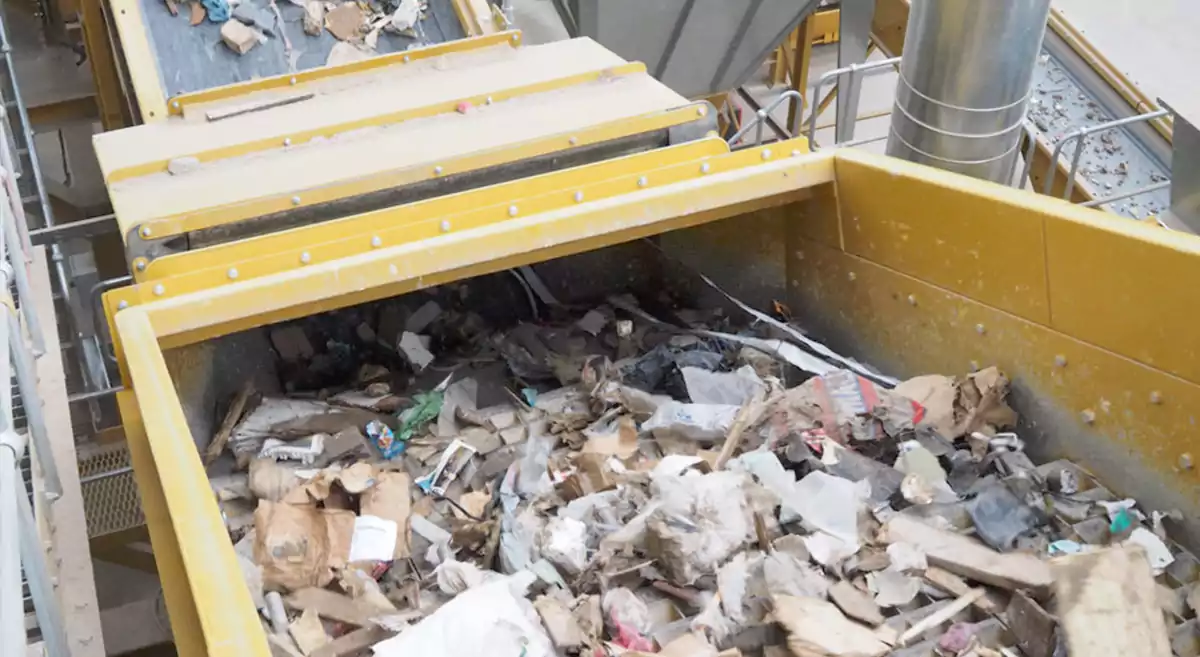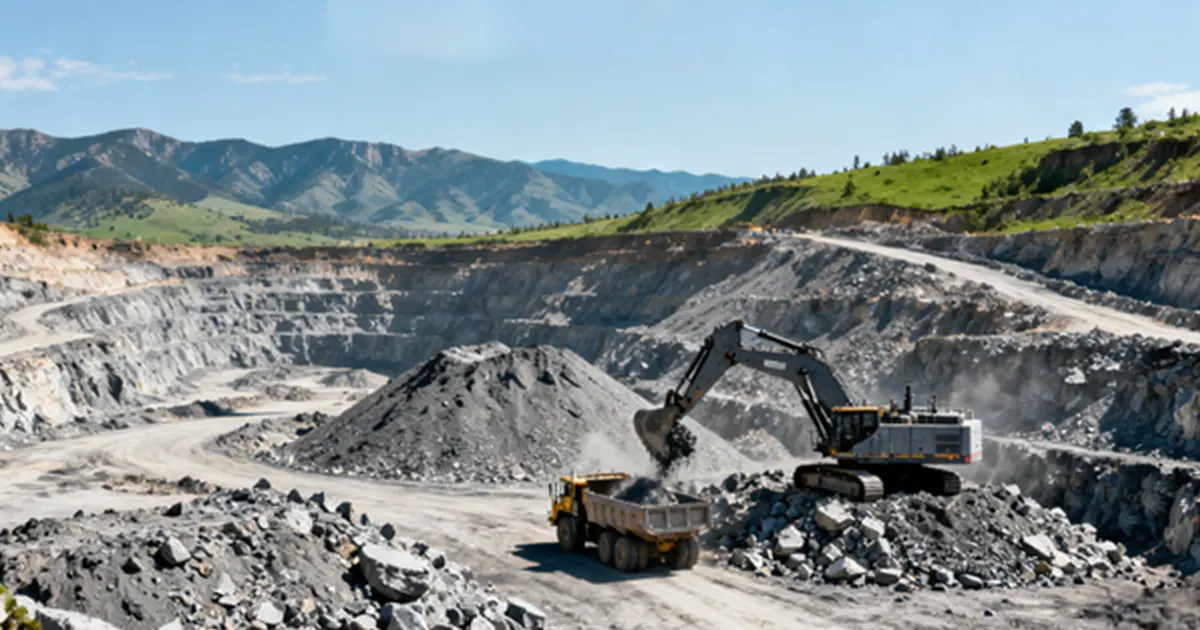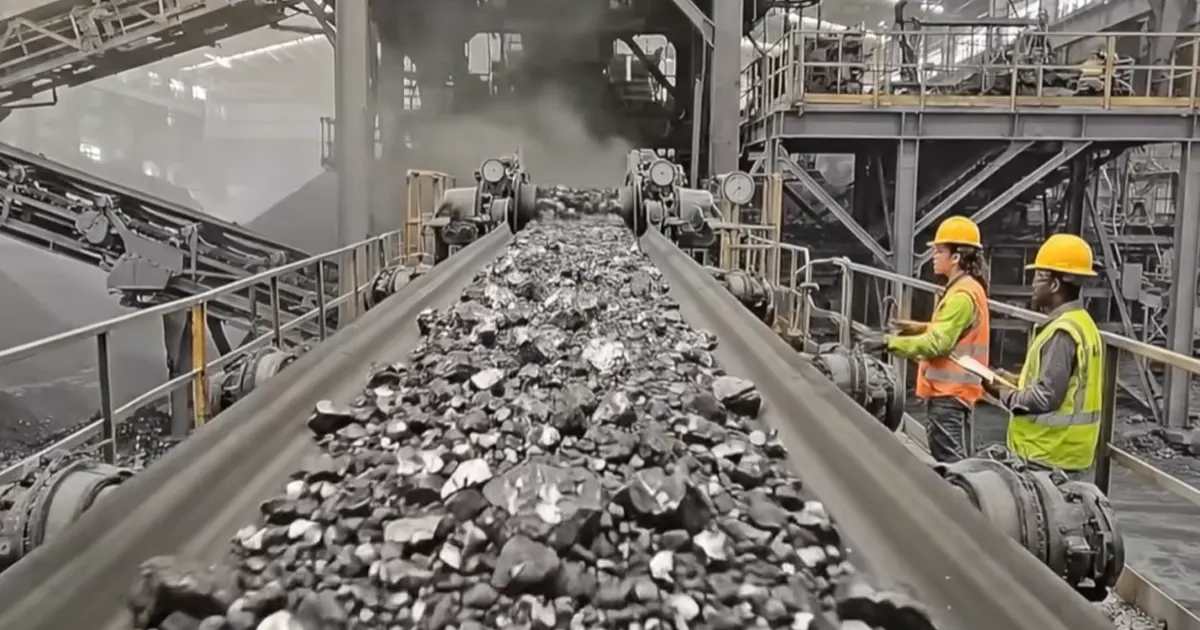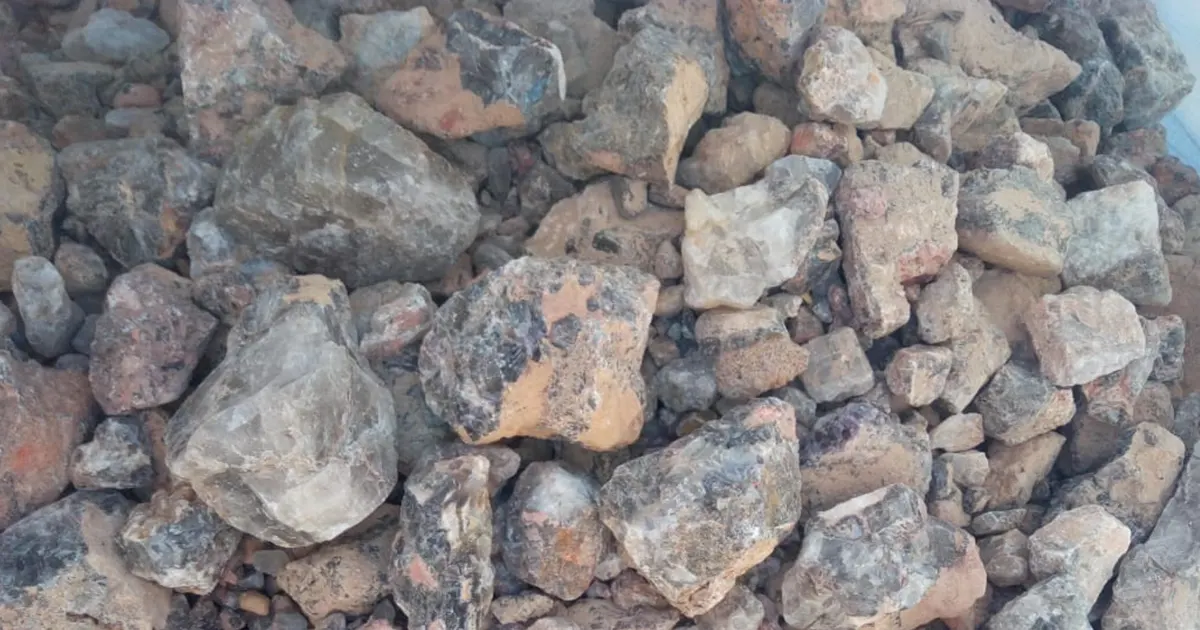
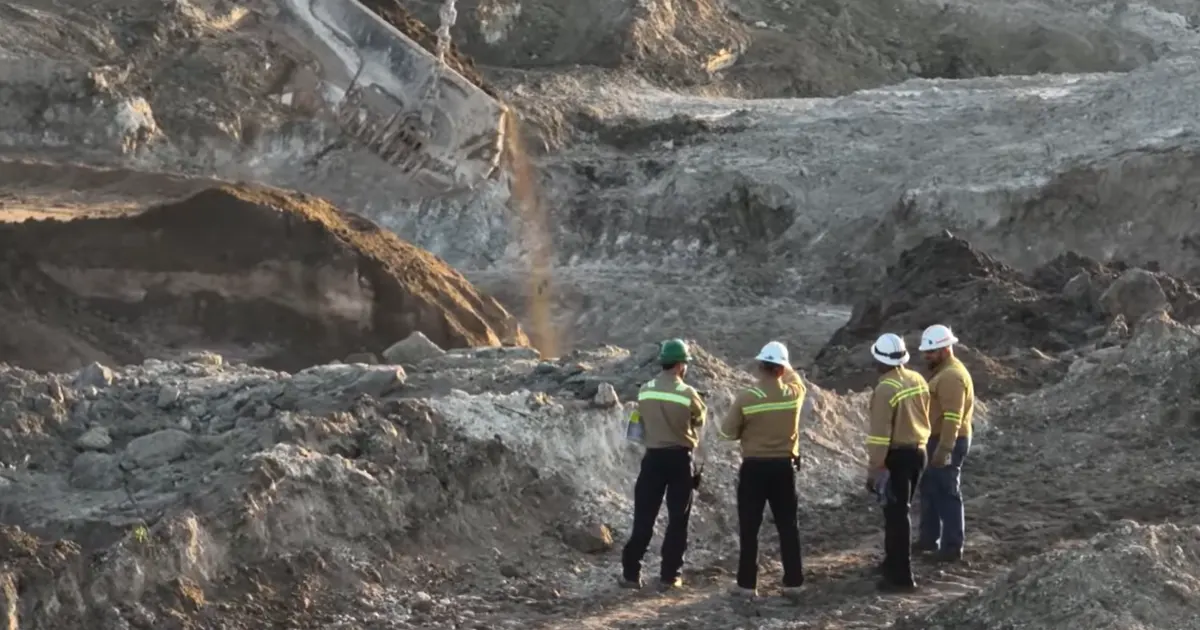
Always pick equipment that matches your feed for the best results in phosphate rock processing. This simple step can enhance efficiency, improve product quality, and benefit the environment. You will see significant improvements if you use robust, energy-saving machines and adjust your screens and dewatering systems to suit your material.
Did you know? New phosphate operations have saved up to 30% water and reduced pollution with improved systems.
Here’s a quick look at how smart choices in phosphate rock processing help:
| What You Adjust | Why It Matters |
|---|---|
| Equipment Size & Type | Handles your feed better and keeps things working well |
| Particle Size Control | Makes fertilizer work better and cuts down on waste |
| Water System Design | Saves water and keeps rivers and streams safe |
Key Takeaways
- Pick the best equipment for your phosphate rock feed. This helps things work better and makes a good product.
- Control the size of the particles. This makes fertilizer work well and cuts down on waste. Smaller particles give better results.
- Use smart ways to manage water. Recycling water saves money and keeps rivers and lakes clean.
- Check and fix your screening equipment often. This stops clogs and keeps everything running smoothly.
- Change screen settings for your material. Even small changes can make things work much better.
- Use green flocculants to help with dewatering. They make solids settle fast and are good for the environment.
- Watch your whole phosphate processing system. A change in one part can affect the whole system.
- Learn about new technology. New ideas can help things work better and meet rules for the environment.
Phosphate Rock Processing Overview
Key Processing Stages
Phosphate Rock Processing has a few main steps. Each one helps you get the most out of your rock and keeps your operation running smoothly.
Crushing and Grinding
You start by breaking down big chunks of phosphate rock. Crushers and grinders turn these rocks into fine particles. This step matters because smaller pieces make the next stages work better. When you grind the rock well, you can get more phosphate out of each ton. That means higher profits and less waste.
Beneficiation
Next, you clean up the crushed rock. This stage removes unwanted materials like clay or sand. You use water and special machines to separate the good stuff from the bad. If you do this right, you recover more phosphate and leave less behind. Some studies show you can recover up to 76% of the phosphate resource with smart methods. That’s a big win for your bottom line.
Dewatering
After cleaning, you need to get rid of extra water. Dewatering uses screens, cyclones, or other equipment to drain water from the phosphate concentrate. This step makes your product easier to handle and ship. It also helps you save water and cut down on waste.
Tip: If you focus on each stage, you boost your overall efficiency. A holistic approach can help you get the best results from your phosphate rock.
Environmental Considerations
You can’t ignore the environment when you work with phosphate rock. Good practices protect water and land for everyone.
Water Management
Water plays a big role in Phosphate Rock Processing. You use it to wash and separate the rock. But you also need to manage it carefully. Recycling water in your plant saves money and keeps rivers and streams clean. Smart water systems help you use less and waste less.
Tailings Reduction
Tailings are the leftover materials after you remove the phosphate. If you reduce tailings, you protect the environment and make your operation safer. You can do this by improving recovery rates and using better equipment. Less waste means less risk and more profit.
Note: Dewatering is key for both water management and tailings reduction. When you remove water from your product and waste, you help the environment and your business.
Screening in Phosphate Rock Processing
Screening is a key step in phosphate rock processing. If you get it right, you boost your plant’s efficiency and cut down on waste. Let’s break down how you can make smart choices and avoid common mistakes.
Screening Equipment Selection
Criteria for Selection
You want to pick the right screening equipment for your operation. Vibrating screens work well for most phosphate rock processing plants. They help you remove oversized material and keep your product clean. Classifiers also play a big role. They separate particles by how fast they settle in water, which helps you get the right size for your next step.
When you choose equipment, think about your feed. Particle size and moisture content matter a lot. If your rock is coarse, you might need a different screen than if you have fine powder. Wet material can clog some screens, so you need machines that handle moisture well. Always match your equipment to your feed to keep things running smoothly.
Common Pitfalls
Many plants run into trouble because they pick the wrong screen or don’t adjust for changes in their feed. If you use a screen that’s too fine for wet material, you’ll get clogs and downtime. If you don’t check your feed size, you might send oversized rocks to the next stage, which can damage equipment. Watch out for these mistakes:
- Ignoring changes in feed moisture or size
- Using worn-out screens that let bad material through
- Skipping regular checks on your equipment
Tip: Check your feed and screens every shift. Small changes can make a big difference in your results.
Screen Performance Optimization
Settings Adjustment
You can get more from your screens by making small adjustments. Change the angle or vibration speed to match your material. If you see too much fine material in your oversize, slow things down or try a different screen mesh. Always test changes and see what works best for your plant.
Maintenance
Good maintenance keeps your screens working longer. Use wear-resistant materials like rubber linings or hard plates in high-wear spots. Ceramic coatings can help in areas that see a lot of abrasion. These upgrades cut down on repairs and keep your plant running.
- Use rubber linings for cyclones and ducts.
- Try Hardox or chrome carbide plates for tough jobs.
- Add ceramic coatings where you see the most wear.
Troubleshooting
If your screen isn’t working right, look for these problems:
- Clogs or blinding from wet or sticky material
- Worn-out mesh or broken parts
- Poor separation of fine and coarse material
Fix these fast to avoid bigger problems. Sometimes, the issue starts upstream. If your mill isn’t making the right particle size, your screens will struggle. Check your whole system, not just the screen.
Feed Management
Particle Size
Feed size affects everything in phosphate rock processing. Coarse rock works for some uses, but fertilizer needs fine powder. If you control your milling system, you get better screening and lower costs. Always check your particle size before it hits the screen.
Moisture Content
Wet material can slow you down. High moisture makes screens clog and reduces efficiency. Pick equipment that handles wet feeds, or dry your material before screening. Adjust your process if you see more water in your feed.
Here’s a quick table to show how feed management helps your plant:
| Key Point | Explanation |
|---|---|
| Holistic Approach | Look at the whole process. Changes in one area affect the rest. |
| Upstream Milling | Good milling gives you the right particle size for better screening. |
| Equipment Selection | The right screen and good maintenance save money and improve your yield. |
Note: Environmental rules also shape your choices. You need equipment that meets emission standards and keeps dust and water clean. This protects your plant and the environment.
Stay alert for new technology. Some plants now use microwave energy or high-shear reactors to improve screening and dewatering. These tools can boost efficiency and help you meet tough environmental goals.
Dewatering Techniques
You want your phosphate plant to work well and not hurt nature. Dewatering is important for both. When you take water out of your product and waste, it is easier to move and helps keep rivers clean. Let’s see the best ways to do dewatering and how to use your equipment well.
Dewatering Equipment Types
There are a few kinds of dewatering equipment. Each one works in its own way and is good for different jobs.
Screens
Screens help take water away from solid phosphate pieces. Vibrating screens shake the mix. Water goes through, but solids stay on top. You can change the screen mesh and how fast it shakes to fit your feed. Screens are good for big pieces and remove water fast.
Cyclones
Cyclones spin the mix to split water from solids. You put slurry into the cyclone, and it spins quickly. Heavy solids fall down, while water and small bits go up. Cyclones are good for fine material and can handle lots of slurry fast. They also help you get more water back to use again.
Self-Control Facilities
Self-control facilities use sensors and computers to run dewatering. These systems change flow rates, check moisture, and keep things moving right. You do not have to guess or check by hand. Self-control facilities help you save water, make less waste, and follow rules. This smart equipment helps the mine and makes your job easier.
Tip: If you use screens, cyclones, and self-control facilities together, you get the best results. You can handle many types of feed and keep your plant working well.
Dewatering Efficiency
You can make dewatering work better with some smart steps. Let’s see what helps.
Operational Adjustments
You need to watch your slurry. If you change pulp density, you change how it moves and settles. This makes dewatering faster and better. Try to keep the right amount of solids in your slurry. If you add or reuse water as you go, you get the right thickness and recover more.
- Make pulp density better for good dewatering.
- Reuse water to control slurry and make less waste.
- Keep the right solids for good flow and mill power.
- Change water flows when needed to get more product and recovery.
Flocculants Use
Flocculants help small pieces stick together and settle fast. You can use green flocculants like carboxymethyl cellulose or xanthan gum. These give you lots of water back and clear water. If you use the right amount, you get less moisture and faster dewatering. Too much flocculant can make moisture go up, so start with a little and test what works.
Here’s a table to show how flocculants work:
| Flocculant Type | Water Recovery (%) | Sedimentation Rate (cm/min) | Clarity (NTU) |
|---|---|---|---|
| Carboxymethyl Cellulose | 82.8 | 5.8 | 1.2 |
| Xanthan Gum | N/A | N/A | N/A |
| Sodium Alginate | N/A | N/A | N/A |
- At low to medium amounts (0–50 g/t), moisture drops from 37.3% to 35.3% in centrifugation and from 36.0% to 35.8% in filtration.
- At high amounts (200 g/t), moisture goes up to 41.2% in centrifugation and stays at 39.8% in filtration.
- Centrifugation gets better at low amounts than filtration.
Note: Green flocculants help you get more water and keep your plant eco-friendly. You use fewer chemicals and protect nature.
Drainage Improvement
You can make drainage better by changing screen angles, using stronger mesh, or getting new equipment. If you keep screens clean and check for clogs, water drains faster and solids stay dry. Good drainage means less waste and easier work.
Dewatering Challenges
You will have some problems with dewatering. Knowing what can happen helps you fix things fast.
Clogging Prevention
Wet or sticky stuff can block screens and cyclones. You can stop this by picking the right mesh, cleaning screens often, and using self-control facilities to watch flow. If you find clogs early, you stop downtime and keep your plant running.
Discharge Uniformity
You want your discharge to stay even. If you use automatic controls, you keep flow steady and stop surges. Even discharge helps you handle tailings and keeps your product good.
Maintenance
Dewatering equipment wears out a lot. Rough slurries can hurt screens and cyclones. You need to look for worn parts and change them before they break. Regular checks save money and keep your plant safe.
Here’s a table that shows common problems and how they affect your plant:
| Challenge | Description |
|---|---|
| High capital and operational costs | Equipment and repairs cost a lot. |
| Frequent maintenance due to abrasive slurries | You need to fix things often because of wear. |
| Residual moisture may still require drying | You might need extra steps to get all water out. |
Callout: Good dewatering helps the environment a lot. You get more water back, make less tailings, and use fewer chemicals. Biobased polymers help you protect nature and support green mining. Smart equipment and self-control facilities help you reach world sustainability goals.
You can see that dewatering is more than just taking out water. It helps your plant, protects nature, and meets tough rules. If you use the right tools and make smart changes, you get the best results in Phosphate Rock Processing.
Advanced & Integrated Solutions
Today’s phosphate rock plants use smart and connected solutions. These help the plant work better, make good products, and protect nature. Using new technology and making sure machines work together is important.
Process Synchronization
Screening and Dewatering Coordination
If you match up screening and dewatering, your process is smoother. You can move more material, use less energy, and keep your product clean. Here are some things you get when you do this:
- You can handle a lot of material.
- Screens do not clog as much.
- Equipment is built in a smart way.
- You save energy.
- Dewatering works well.
- You sort materials the right way.
- There is less breaking of material.
When you do these steps together, you get more from your rock and waste less.
Equipment Compatibility
You need to pick the right equipment for your job. This helps your plant run well and stops breakdowns. Look at this table to see what materials are best for different jobs:
| Application Type | Recommended Equipment Materials |
|---|---|
| Abrasive Applications | Tempered steel, high-chrome alloys, ceramic-lined components |
| Corrosive Environments | Stainless steel (grades 304 or 316), fiberglass-reinforced plastic (FRP), lined carbon steel |
| Hygienic Applications | Non-porous, corrosion-resistant materials, CIP compatible systems |
If you choose the right materials, your machines last longer and work better.
Automation and Monitoring
Real-Time Data
Sensors and smart systems can watch your plant all the time. They check dust, pollution, water, and chemicals. If something is wrong, you get a warning. You can fix problems fast. This keeps your plant safe and helps you follow the rules.
Automated Controls
Automatic controls help you run your plant with less guessing. You can use systems like SCADA to control everything from one place. Here is a table that shows some top tools and what they do:
| Technology Type | Description | Impact on Performance |
|---|---|---|
| Emission and odor tracking systems | Monitor sulfur and pollutants | Keep workers safe, meet regulations |
| Dust and particulate sensors | Track dust near crushers | Improve air quality, protect workers |
| Effluent quality monitoring | Check water for contaminants and pH | Protect rivers, enable water reuse |
| Dosing control systems | Add chemicals precisely | Reduce waste, boost mineral recovery |
| Automated filtration and clarification | Clean process water before reuse or discharge | Raise efficiency, meet environmental rules |
| IoT technologies | Monitor equipment and pumps in real time | Cut downtime, improve efficiency |
| SCADA automation systems | Central control of plant processes | Respond quickly, see everything at a glance |
Technology Upgrades
X-ray Sorting Machines
X-ray sorting machines can do a better job than old ways. These machines use deep learning and special cameras to sort rock by more than just color or weight. See how they compare:
| Sorting Method | Accuracy (%) | Technology Used |
|---|---|---|
| Traditional Methods (XRT, Color) | 70-75 | Single physical properties (color, density) |
| X-ray Sorting Machines | >95 | Multi-modal perception, deep learning, hyperspectral imaging |
You get better sorting and higher quality with X-ray sorting.
System Integration
When you connect all your systems, you get even more good things:
- AI helps your plant run better.
- You can check product quality all the time.
- Automation makes things safer and easier to track.
- Recycling water in a closed loop can save over 30% water.
- Smart chemical and pH controls help you get more product and waste less.
Using these solutions also saves energy and keeps your product good. For example, new grinding mills give you the right size every time. When your systems work together, you have fewer problems and your plant runs smoothly.
Tip: If you spend money on automation and smart solutions, your plant will be safer, cleaner, and make more money.
Conclusion
You can make your phosphate plant work better by choosing the right equipment. It is important to check your process often and think about the environment. New machines can help you follow strict rules. They have engines that make less pollution, control dust, and lower noise. If you use good screening and dewatering, you can use up to half as much water. This also helps you spend less money. Here is a simple checklist:
- Pick equipment that fits your feed
- Change settings to get the best results
- Take care of screens and dewatering machines
- Manage water in a smart way
As a screening media manufacturer, Anpeng provides strong, dependable solutions for tough phosphate rock duties. Serving the aggregate, mining and quarrying sectors, we see a wide range of rock types, operating conditions, and throughput demands. To meet these evolving needs, we run an advanced R&D program to develop new aperture patterns, wire grades, and composite structures—while keeping the proven performance of our existing product lines.
FAQ
What is the main goal of screening in phosphate rock processing?
You want to separate big pieces from small ones. This step helps you get a cleaner product and makes the next steps easier. Good screening also keeps your machines safe.
How can I stop my screens from clogging?
Try these tips:
- Use the right mesh size for your material.
- Clean screens often.
- Adjust vibration speed if you see buildup.
Why does moisture content matter during screening?
Wet material can slow down your process. High moisture makes screens clog and lowers efficiency. You get better results when you control moisture before screening.
What is a self-control facility in dewatering?
A self-control facility uses sensors and computers. These tools watch your process and adjust settings for you. You save water and reduce waste without guessing.
How often should I check my screening and dewatering equipment?
Check your equipment every shift. Look for wear, clogs, or leaks. Quick checks help you catch problems early and keep your plant running.
Can I recycle water in phosphate rock processing?
Yes! You can reuse water in your plant. Recycling saves money and protects rivers. Many plants now use closed-loop systems for better water management.
What are green flocculants, and why should I use them?
Green flocculants come from plants or natural sources. They help solids settle and make water clear. You protect the environment and meet strict rules when you use them.