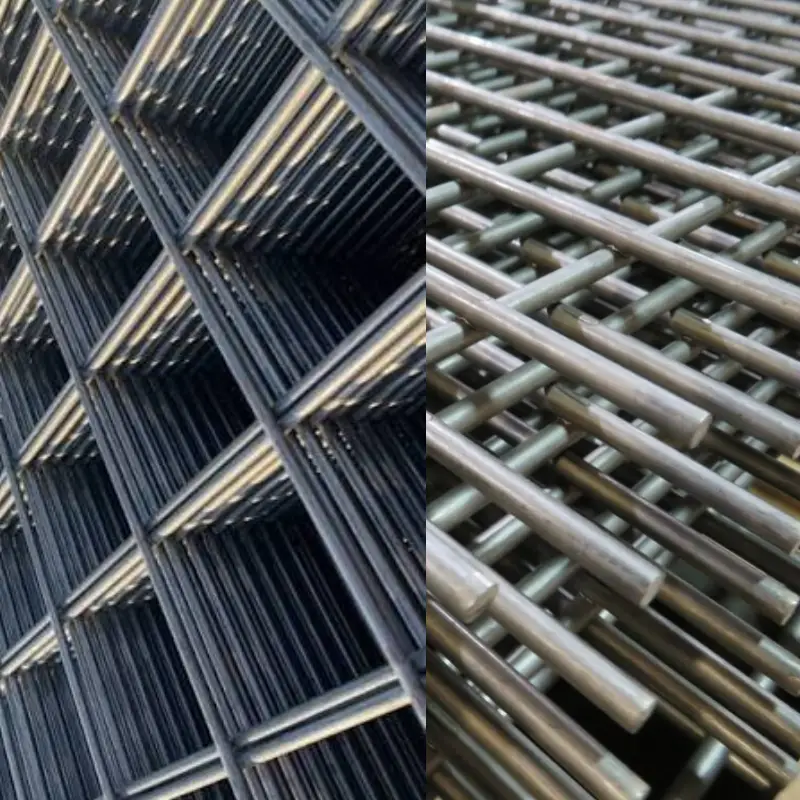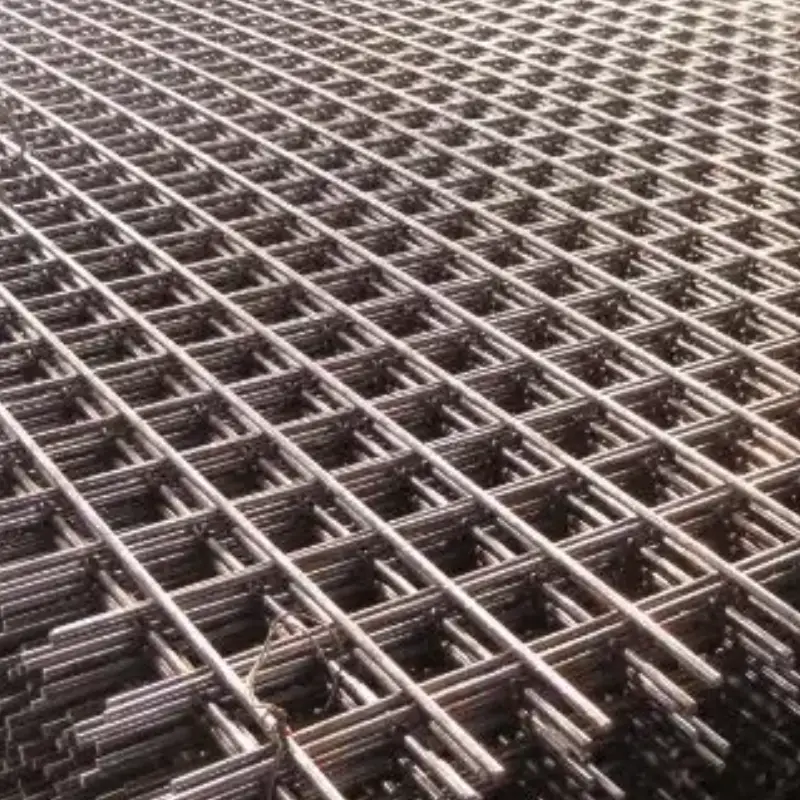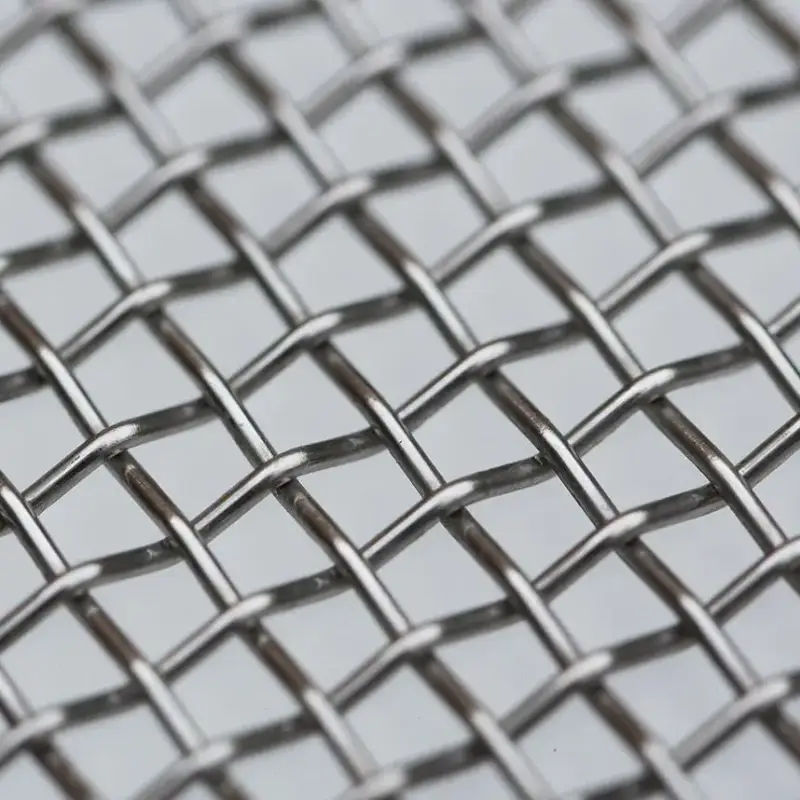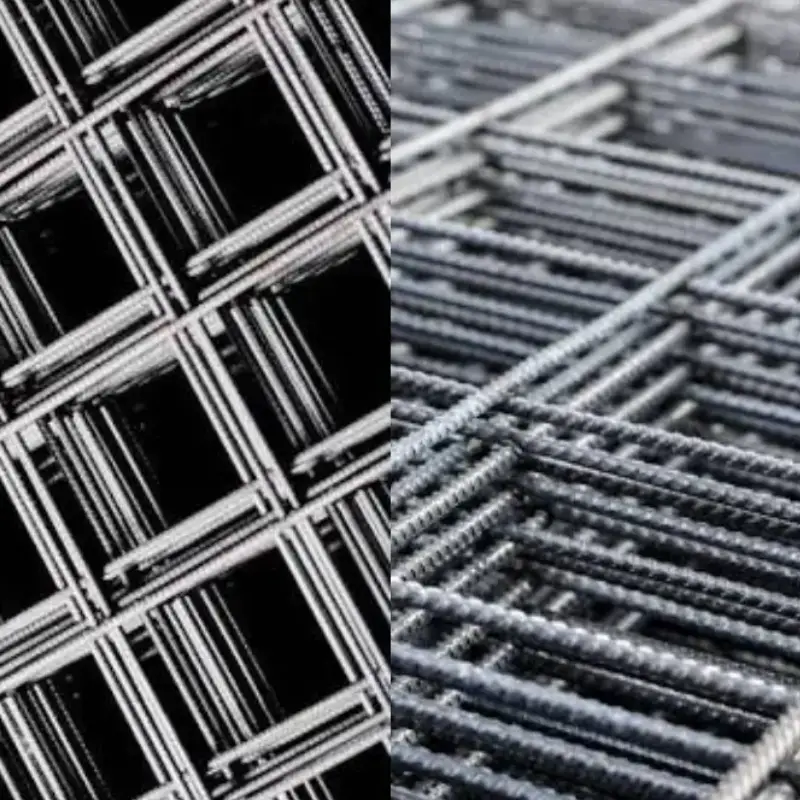
If you work with damp or sticky materials, screening can be very hard. Regular screens often get blocked, clogged, and do not separate well. In mining and mineral processing, sticky materials stick to screens. This makes your work slower and less efficient. Piano wire screens for sticky materials are a good solution. They help your work go smoothly, even when the material is hard to handle.
Key Takeaways
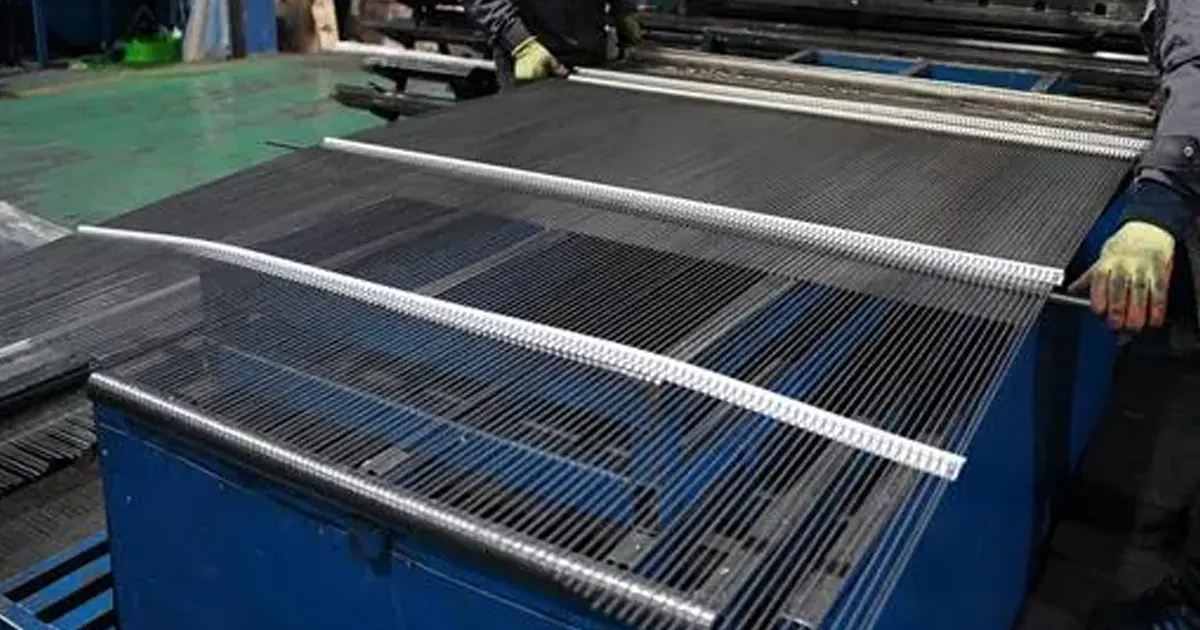
- Piano wire screens are great for wet or sticky stuff. They help stop the screen from getting blocked or clogged.
- The self-cleaning part means less stopping and faster work. The wires move and shake off things that get stuck.
- This keeps the screen clean and helps more material go through. Picking the right wire size and opening is very important.
- It helps sort different types of materials well. Checking and taking care of the screens every day makes them last longer.
- It also helps them work their best. Piano wire screens are used in mining, recycling, and food jobs.
- These jobs often have sticky materials. Using these screens can save time and money.
- You do not need to clean or fix them as much. Always pick the right screen for your material.
- This gives you the best results and stops long breaks in work.
Screening Problems with Sticky Materials
Blinding and Clogging Issues
Screening sticky materials can be tricky. Small pieces often cover the screen. This is called blinding. When blinding happens, holes in the screen get blocked. Less material can go through. High moisture makes blinding worse. Wet fines stick together and cover the screen. You will notice you can process less material. Sometimes clay fills up the screen holes. This is clogging. Clogging stops the screen from working well. Both blinding and clogging slow down your work. You spend more time cleaning or changing screens.
Tip: Look for blinding early. If you see material piling up, act quickly to stop bigger problems.
Here’s a simple look at how different screen materials deal with moisture and clogging:
| Property | Polyurethane | Stainless Steel | Rubber |
|---|---|---|---|
| Moisture Rejection | Hydrophobic | Adhesion-prone | Moderate absorption |
| Long-term Clogging | 40% reduction | Frequent pegging | Progressive blinding |
Impact on Throughput and Efficiency
When sticky materials blind or clog screens, throughput drops. You cannot process as much material. Screen efficiency goes down. You spend more time and energy for less product. Sometimes you must stop the machine to clean screens. This causes downtime and lost money. To keep your operation smooth, you need a screen that handles sticky materials well.
- Less material passes through the screen.
- More downtime for cleaning and fixing.
- Lower productivity overall.
Why Sticky Materials Are Challenging
Sticky materials are hard to screen because they like moisture. Many are hygroscopic, so they soak up water from the air. When this happens, particles stick together and form clumps. Clumps block the screen and make it hard for material to pass. Sticky materials also cling to the screen surface. This causes more blinding and clogging. Screening sticky materials is tough. You need a screen that deals with moisture, clumping, and sticking.
If you work with sticky materials often, picking the right screen matters. The right screen saves you time, money, and trouble.
What Are Piano Wire Screens?
Structure and Materials
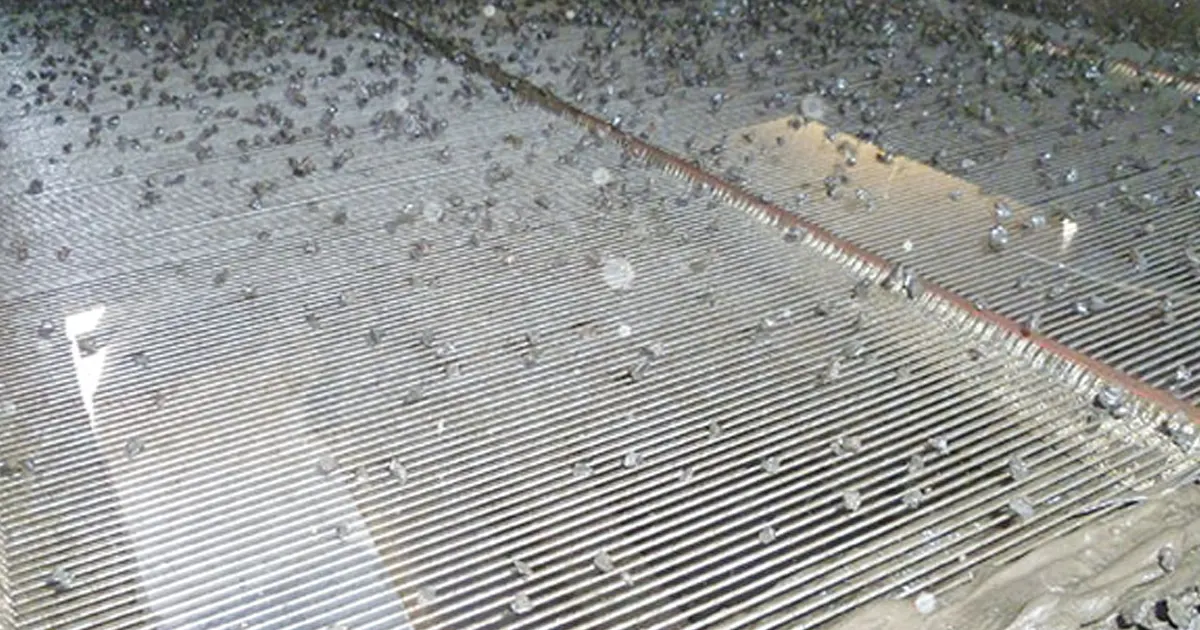
You might wonder why piano wire screens are not like regular screens. Piano wire screens have strong wires that can bend without breaking. These wires stretch across a frame. The wires are made from high-tensile spring steel or stainless steel. You can pick how thick the wire is. This depends on how much material you need to screen and how hard the job is. Some screens use metal profile bars. Others use plastic bars. Both types hold the wires in place. They also make it easy to put the screen in.
Here are the main features:
- High-tensile or stainless-steel wire
- Wire diameter ranges from 0.5 to 8 mm
- Slot width from 1.2 to 18 mm
- Slot length up to 304 mm
- Metal or polyurethane sliding profiles
- C, U, or V hooks for easy mounting
- High strength and flexibility
- Wear resistance
| Feature | Description |
|---|---|
| Material | High tensile spring steel wire, stainless steel wire |
| Wire diameter | 0.5–8 mm |
| Width of slot | 1.2–18 mm |
| Length of slot | Up to 304 mm |
| Sliding profile | Metal or polyurethane |
| Hook type | C hooks, U hooks, and V hooks |
| Characteristics | High strength, high flexibility, wear resistance, no blinding and plugging |
| Applications | Filtering wet, sticky, damp, and dry abrasive materials |
How They Differ from Other Screens
You may have seen woven wire or polyurethane screens before. Piano wire screens are different because of their design and how they work. They do not use interwoven wires. Instead, they use straight wires held by cross members. This gives you more open space for material to pass through. It also helps sort the material better. Woven wire screens can get blocked and clogged, especially with sticky materials. Polyurethane screens are good for some jobs. But they do not always work as well.
Check out this comparison:
| Feature | Piano Wire Screens | Woven Wire Screens | Polyurethane Screens |
|---|---|---|---|
| Design | High-tensile steel wires with cross members | Interwoven wires | Flexible polyurethane material |
| Function | Reduces clogging, improves efficiency | Prone to blinding and clogging | Good for certain applications |
| Screening Efficiency | Higher open area, consistent stratification | Lower open area, inconsistent stratification | Varies based on design |
Piano wire screens work better when you have sticky or damp materials.
Features for Sticky Materials
If you work with sticky materials, piano wire screens have special features. The wires shake when material moves over them. This shaking knocks off stuck pieces and keeps the screen clean. You will not see as much blinding or plugging. The self-cleaning action means you do not need to clean the screen as much. You can spend more time working.
Here is what helps you most:
| Feature | Description |
|---|---|
| Self-Cleaning Mechanism | Prevents material build-up through a vibrating action that dislodges trapped particles. |
| Anti-Blinding Performance | Maintains screening efficiency in wet and sticky conditions, reducing downtime and maintenance. |
| Higher Screening Efficiency | Adapts well to various material shapes and sizes, improving throughput capacity. |
Note: Piano wire screens help your work go smoothly, even when materials are wet, sticky, or hard to handle.
You can trust piano wire screens for tough jobs. Their flexible wires, strong materials, and smart design help you screen sticky materials with less trouble and more success.
How Piano Wire Screens for Sticky Materials Work
Flexible Wire Vibration
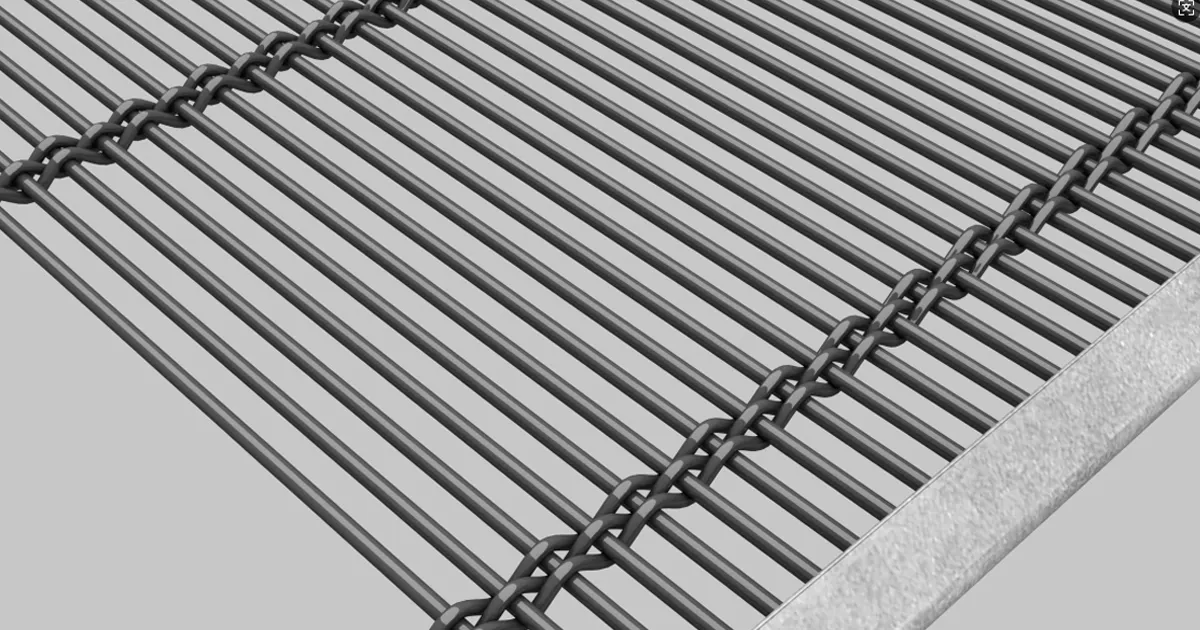
Piano wire screens help with sticky materials in a special way. The wires are not stiff. They bend and move when material hits them. This makes the wires shake by themselves. You do not need extra machines to make them vibrate. The wires move on their own as stuff goes over them.
This shaking helps a lot. It breaks up wet or sticky clumps. The wires knock off anything that tries to stick. The screen stays cleaner and material keeps moving. You do not have to stop your machine to clean as much. This means you can work longer without stopping.
Here is what flexible wire vibration does for you:
| Feature | Benefit |
|---|---|
| Self-Cleaning | Cuts down on clogging, great for wet and sticky materials |
| Longer Service Life | Lasts longer than regular screens, keeps working well |
| Largest Screening Area | Removes small pieces fast, makes work more efficient |
You will see that screens with flexible wires keep working even with tough material. The wires bend and shake, so sticky bits fall off fast.
- The wires shake and bend, knocking off sticky or wet clumps.
- This self-cleaning keeps the screen working without lots of stops.
- The screen stays clean, so material flows well and does not get blocked.
Self-Cleaning Action
Piano wire screens have a self-cleaning action that is special. Each wire can move by itself. When material lands on the screen, the wires bounce and shake. This movement knocks off things that block the holes.
You get steady work, even with wet or sticky stuff. The screen does not clog as much as regular mesh. You spend less time cleaning and more time working.
- Special wire patterns in self-cleaning screens handle wet and sticky materials better than regular mesh.
- They keep material moving, even when it is hard to screen.
- Self-cleaning screens use long wires that shake on their own, making it easier to handle material.
- The different shaking helps knock out small pieces, so the screen does not clog.
- This design keeps the holes open, so you get steady work and less downtime.
If you want less stopping and more work done, self-cleaning screens like piano wire screens are a smart pick.
Preventing Blinding and Plugging
Blinding and plugging are big problems with damp or sticky materials. Regular screens get blocked a lot. You waste time and money cleaning them. Piano wire screens fix this with their smart design.
These screens use both straight and crimped wires. The wires come in different thicknesses. Each wire shakes at its own speed. This mix of shaking breaks up stuck pieces. Small bits can go through easily. The screen keeps moving stuck pieces, so plugging happens less.
Piano wire screens, also called harp wire screens, use strong steel wires pulled tight in lines. This gives you more open space and better self-cleaning. You will see fewer clogs and more material going through. These features make them great for fine, wet, sticky, or easy-to-clog materials.
If you want your screens to work well, pick piano wire screens for sticky materials. You will see less blinding, less plugging, and better screening every day.
Advantages of Piano Wire Screens
High Screening Accuracy
You want your screens to sort material fast and right. Piano wire screens give you high screening accuracy. The wires stay straight and tight. They do not twist or sag. This helps you get a clean cut between sizes. You see fewer mistakes in sorting. The flexible wires move when material hits them. This shakes off sticky bits and keeps the screen clear. You get a steady flow of material. The screen does not miss small pieces. You can trust piano wire screens to keep your product quality high.
Tip: If you need to separate fine, damp, or sticky material, piano wire screens help you get the job done with fewer errors.
Increased Open Area
You need screens that let more material pass through. Piano wire screens have a bigger open area than most other screens. The wires run straight across the frame. They do not cross or weave. This leaves more space for material to drop through. You get faster screening and higher throughput.
Check out this table to see how piano wire screens compare to other types:
| Screen Type | Open Area Percentage | Wear Life Comparison |
|---|---|---|
| Piano Wire Screens | Higher than Polyurethane | Shorter than Woven Wire Screens |
| Woven Wire Screens | Highest | Shorter wear life, but effective |
| Polyurethane Screens | Lower than Piano Wire | Longer wear life than wire screens |
You see that piano wire screens offer more open area than polyurethane screens. This means you can process more material in less time. You do not have to worry about slowdowns from blocked holes. The open area helps you keep your operation moving.
- More open area means higher capacity.
- Material flows faster and smoother.
- You spend less time waiting for screens to clear.
Reduced Downtime
You know that downtime costs money. Piano wire screens help you cut down on stops and starts. The wires shake and clean themselves. Sticky material does not build up as much. You do not have to stop the machine to clean the screen. This saves you time and keeps your operation running.
- Self-cleaning wires reduce the need for manual cleaning.
- Fewer clogs mean fewer shutdowns.
- You get more work done in less time.
Note: When you use piano wire screens, you spend less time fixing problems and more time getting results.
If you want screens that work well with sticky or damp materials, piano wire screens give you high accuracy, more open area, and less downtime. You can keep your operation efficient and your product quality strong.
Limitations and Considerations
Wear and Durability
You might notice that piano wire screens do not last as long as some other types. The thin wires bend and flex a lot. This movement helps with self-cleaning, but it also causes wear. If you screen sharp or abrasive materials, the wires can break or wear out faster. You may need to replace them more often than woven wire or polyurethane screens. You should check your screens regularly for signs of damage. If you see broken wires or uneven surfaces, swap them out before they cause bigger problems.
Tip: Keep a spare screen handy. Quick swaps help you avoid downtime when a wire breaks.
Some screens use high-tensile steel for extra strength. Others use stainless steel for better resistance to corrosion. You can choose the wire type based on your material and environment. If you work with very rough or heavy materials, piano wire screens may not be the best fit.
Not for All Material Types
Piano wire screens shine with sticky or damp materials. They do not work well with every material. If you handle large, heavy rocks or sharp minerals, the wires can bend too much or snap. You might see the screen lose its shape. This affects sorting accuracy. For dry, abrasive, or chunky materials, woven wire or polyurethane screens may perform better.
Here are some materials that do not suit piano wire screens:
- Large, heavy rocks
- Sharp, abrasive minerals
- Very dry, non-sticky materials
If your material is sticky, damp, or fine, piano wire screens offer great results. If not, you should look at other screen types.
Note: Always match your screen to your material. The right choice keeps your operation smooth and efficient.
Installation Factors
You need to install piano wire screens the right way to get the best performance. If you rush the setup, you may see more clogging or less efficiency. The screen type matters. Piano wire screens reduce clogging because their wires flex and shake. You should match the screen to your material. This boosts efficiency and cuts downtime. Maintenance also plays a big role. The self-cleaning feature helps, but you still need to check the screens and clean them when needed.
Here’s a quick look at installation factors and their impact:
| Installation Factor | Impact on Performance |
|---|---|
| Screen Type | Piano wire screens are effective in reducing clogging due to their flexible wires. |
| Material Characteristics | Matching the screen to the material type enhances efficiency and reduces downtime. |
| Maintenance Practices | Self-cleaning features of piano wire screens help maintain performance in sticky conditions. |
If you want your screens to last and work well, pay attention to installation. Make sure the screen fits your machine. Check the tension of the wires. Keep up with regular maintenance. These steps help you get the most out of your piano wire screens.
Callout: Proper installation and maintenance keep your screens working longer and help you avoid costly downtime.
You can get great results with piano wire screens if you understand their limits and set them up right. Always check your material, screen type, and installation practices to make the best choice.
Best Uses for Sticky Materials
Ideal Applications
You want your screening to go well, especially with sticky materials. Piano wire screens work best where other screens have problems. You can use them in mining, sand and gravel jobs, coal plants, and recycling centers. These screens also help in fertilizer, chemical factories, waste treatment, and food plants. When you need to sort wet or sticky stuff, piano wire screens keep things moving.
Here’s a quick list of where piano wire screens work well:
- Mining and quarrying
- Sand and gravel sorting
- Coal separation
- Metallurgical processing
- Fertilizer and chemical plants
- Recycling and waste treatment
- Food and agriculture
Tip: If your screens clog a lot, try piano wire screens. They can save you time and help you work more.
Suitable Material Types
You might ask which materials are best for piano wire screens. These screens handle sticky things like wet sand, gravel, compost, peat, biomass, city waste, and food. The wires move and shake, so sticky bits fall off and do not block the screen. You get steady flow and less cleaning.
Check out this table to see how piano wire screens help with different materials:
| Material Type | How Piano Wire Screens Help |
|---|---|
| Wet, sticky materials | Throughput improves by over 20%. Blinding almost disappears. |
| Wet sand and gravel | Wires move so wet sand and gravel pass through easily. |
| Compost, peat, biomass | Mesh shakes off sticky bits for continuous processing. |
| Municipal waste | Sorts wet and sticky materials without blocking. |
| Food processing | Keeps efficiency high with sticky loads. |
You can count on piano wire screens to handle sticky materials that block other screens.
Industry Examples
You see piano wire screens in many industries. Mining companies use them to separate rocks and gravel. Coal plants use them to sort coal. Builders use them to grade stones for roads and buildings. Sand companies sort sand by size. Compost places sort organic stuff. Topsoil companies remove small pieces from soil.
Here’s a table showing common materials and their uses:
| Material | Application Description |
|---|---|
| Rock | Separates in mining and quarrying |
| Gravel | Sorts and separates different sizes |
| Coal | Separates coal in many industries |
| Aggregates | Grades for building and asphalt work |
| Sand | Screens sand to sort it by size |
| Compost | Screens and sorts organic material |
| Topsoil | Removes small pieces in soil screening |
You find piano wire screens wherever sticky materials cause problems. These screens help you keep your work smooth and your product clean.
Comparing Screening Media
Piano Wire vs. Woven Wire
You may wonder how piano wire screens compare to woven wire screens. Piano wire screens work really well with sticky materials. Their wires are flexible and move when material goes over them. This movement helps shake off sticky pieces and keeps the screen clean. You do not have to clean as much. You get more time to work.
Woven wire screens use stiff wires that do not bend. Sticky material can build up on these wires. This causes more blinding and clogging. If you work with damp or sticky stuff, woven wire screens can slow you down. Piano wire screens, also called harp screens, are better for sticky materials. Their design lets material move through easily and helps stop clogging.
Some harp patterns make the mesh shake even more. This shaking knocks off anything that sticks. You get steady work, even in tough jobs like recycling or quarrying.
Tip: If you often have problems with blinding and clogging, try piano wire screens. They can make your job easier.
Piano Wire vs. Polyurethane
Now let’s see how piano wire screens compare to polyurethane screens. Polyurethane screens are strong and last a long time. But they do not always work well with sticky materials. Piano wire screens have a self-cleaning feature. Their flexible wires shake off stuck pieces, so you clean less and work more.
Here is a table that shows the differences:
| Screen Type | Cleaning Frequency | Downtime Risk | Maintenance Needs |
|---|---|---|---|
| Piano Wire (Self-Cleaning) | Low | Low | Minimal |
| Woven Wire | High | High | Frequent |
| Polyurethane | Moderate | Moderate | Moderate |
You can see that piano wire screens need less cleaning and cause fewer stops. Polyurethane screens are good for rough materials, but sticky loads can still clog them.
- Piano wire screens: Flexible wires shake off sticky bits, less cleaning, fewer stops, stay efficient.
- Polyurethane screens: Good for rough materials, need some cleaning, can clog with sticky loads.
Note: If you want less downtime and easier care, piano wire screens are a smart pick for sticky materials.
Selection Criteria
Picking the right screen depends on your material and what you need. Ask yourself these questions:
- Is your material sticky, damp, or does it clump?
- Do you want high output and less downtime?
- Will you work with rough or heavy loads?
If you handle sticky materials, piano wire screens work best. Their self-cleaning action keeps your work going. For rough or heavy materials, polyurethane screens may last longer. Woven wire screens are good for dry, non-sticky stuff.
Callout: Match your screen to your material. You will get better results and save time.
You can work better by choosing the right screening media. Piano wire screens help you with sticky jobs and make your work easier.
Selection and Maintenance Tips
Choosing Aperture and Wire Size
Picking the right aperture and wire size for your piano wire screens makes a big difference. You want your vibrating screen to handle sticky materials without trouble. Start by thinking about the type and size of material you need to screen. If you work with fine, wet material, choose a smaller aperture. For bigger pieces, go with a larger opening. The wire size should match the strength you need. Thicker wires last longer but may let less material through.
Here’s a handy table to help you decide:
| Factor | Description |
|---|---|
| Material Type & Size | Match wire strength and aperture to your material’s size and toughness. |
| Aperture Size | Small for fine screening, large for more material flow. |
| Anti-Clogging Properties | Look for self-cleaning mesh shapes to stop blinding. |
| Durability & Wear Resistance | Use strong steel or stainless steel for tough jobs. |
| Mesh Design | Trapezoidal wires and even openings help with efficiency and sizing. |
| Installation & Tensioning | Make sure your screen is tight and installed right for best results. |
Tip: Always check your vibrating screen’s specs before you buy. The right fit means less downtime and better results.
Maintenance for Sticky Materials
Keeping your piano wire screens in good shape helps you get the most out of them. Sticky materials can build up fast, so regular checks are important. Clean off any stuck material at the end of each shift. Use a soft brush or air to avoid damaging the wires. Watch for broken or loose wires. If you spot any, replace them right away.
Here are some simple steps for maintenance:
- Inspect screens daily for wear or damage.
- Remove buildup with gentle tools.
- Check wire tension often.
- Replace worn wires quickly.
- Keep spare screens on hand.
Note: A little care goes a long way. Regular maintenance keeps your screens working longer and saves you money.
Troubleshooting
Sometimes, even the best screens have problems. If you notice less material passing through, check for blinding or clogging first. Make sure the screen is tight and installed correctly. If wires break often, you might need a thicker wire or a different mesh design. For uneven screening, look for loose hooks or frame issues.
Try these quick fixes:
- If material piles up, clean the screen and check tension.
- For frequent wire breaks, switch to a stronger wire.
- If you see uneven flow, adjust the screen’s position.
- When blinding happens, try a different aperture or mesh shape.
Callout: Don’t wait for small problems to get bigger. Quick troubleshooting keeps your operation running smooth.
By following these tips, you can keep your piano wire screens in top shape and get the best performance from your screening equipment.
Conclusion
Piano wire screens work well with damp or sticky materials. The wires clean themselves, so your screens stay clear. This helps your work go faster and smoother. Pick the screen that fits your material and needs. Check the wire tension often to keep screens working right. Look at clamp bars and make sure they are tight. Do not put too much material on the screen. Feed material in a steady way and keep the feed height low. This keeps your screens safe. If you need help, ask an expert for advice. We make piano wire screens and can help you choose the best one.
FAQ
What makes piano wire screens good for sticky materials?
You get flexible wires that shake and clean themselves. Sticky bits fall off fast. This keeps your screen clear and your work moving.
How often should I check my piano wire screens?
Check your screens every day. Look for broken wires or buildup. Quick checks help you spot problems early and keep things running smooth.
Can I use piano wire screens for dry materials?
You can, but they work best with damp or sticky stuff. For dry, heavy, or sharp materials, you might want a different screen.
How do I pick the right wire size?
Think about your material. Fine, wet stuff needs thinner wires and smaller holes. Bigger, rougher material needs thicker wires. Ask your supplier for advice if you’re not sure.
Do piano wire screens need special installation?
You don’t need special tools, but you should make sure the screen fits tight. Check the tension and hooks. A good fit means better performance.
How long do piano wire screens last?
Screen life depends on your material and how much you use them. Sticky loads wear them less than sharp rocks. Check often and replace when you see damage.
Where can I get help choosing a screen?
You can ask us! We make piano wire screens and help you pick the best one for your job.