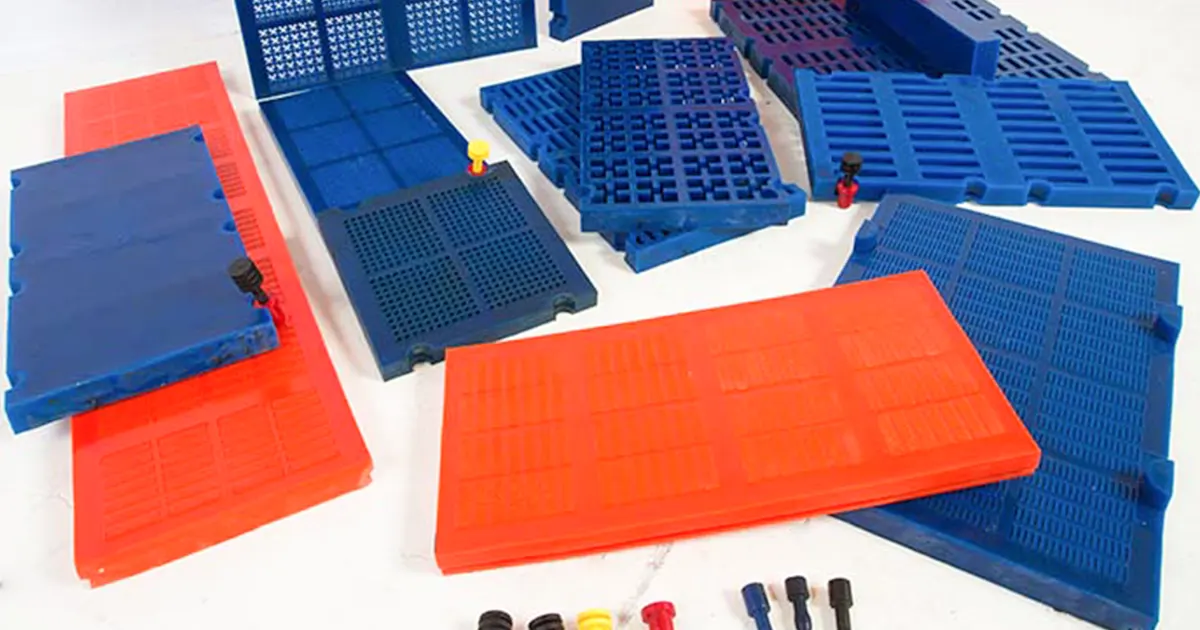
Choosing the right polyurethane grades for screening is important. The grade you choose can help screens last longer. It can also lower maintenance and save money. Polyurethane screens can last much longer than metal screens. Sometimes, they last 8 to 10 times longer. Here are some numbers:
| Application | Polyurethane Lifespan | Steel Lifespan | Replacement Frequency | Cost per Ton (5 years) |
|---|---|---|---|---|
| Gold ore processing | 14 months | 3.7 months | 3.8x longer | $0.03 |
You get smoother screening and less downtime. You also get more value when you use the right polyurethane for your job.
Key Takeaways
- Picking the right polyurethane grade helps your screens last much longer. They can last 8 to 10 times longer than metal screens.
- Polyether-based polyurethane works well with wet and sticky materials. It does not get damaged by water and stops clogging.
- Think about how hard the polyurethane is. Softer grades bend easily and are good for small particles. Harder grades are stronger and work better for heavy loads.
- Choose the polyurethane type for your job. Use polyester for high abrasion. Pick polycaprolactone for cold weather. Aliphatic is best for outdoor use.
- Polyurethane screens with high abrasion and impact resistance save money. They also cut down on repairs and time lost at work.
- Always pick the right polyurethane grade for your plant’s environment. This helps you avoid early damage and expensive replacements.
- Use the PU Grade Selection Matrix to find the best grade fast. It helps you choose for your screening job and conditions.
- Talk to suppliers about how polyurethane handles chemicals. Make sure the grade you pick can handle tough environments.
Understanding Polyurethane Grades
What Is a Polyurethane Grade?
When you look at screening media, you may wonder why some types are better. Polyurethane grades show the mix of chemicals, hardness, and how well the material works in tough jobs. Think of a grade like a recipe. Each recipe gives different results. Some grades last longer. Others handle heavy rocks or wet materials better.
Picking the right grade is important. If you choose the wrong one, screens can wear out fast or get clogged. You want a grade that fits your job. Here are the main things that make polyurethane grades different:
| Criteria | Description |
|---|---|
| Aperture Size | Decides what goes through; small holes for tiny particles, big holes for larger pieces. |
| Thickness & Hardness | Changes how strong the screen is; thicker panels hold more weight, hardness shows flexibility. |
| Panel Size & Fixing | Affects how you install and fix panels; modular panels are easy to replace. |
| Material & Throughput | Looks at the type of material and how much you process; different materials act differently on screens. |
Not all polyurethane types work the same way. The grade you pick changes how long your screen lasts, how often you replace it, and how much it costs to run your plant.
Formulation Families (TDI, MDI, PTMEG, Polycaprolactone)
Let’s talk about what makes different kinds of polyurethane. The main families are TDI, MDI, PTMEG, and Polycaprolactone. Each family has something special:
- Polycaprolactone polyols have a straight shape. They give strong mechanical properties.
- These polyols make screens with good hardness, high strength, and tear resistance. They stay flexible even in cold weather, down to -45°C.
- Polycaprolactone is great at resisting water damage. It lasts longer in wet or humid places.
- You can find polycaprolactone in many grades. This makes it easy to pick the right type for your needs.
- Polycaprolactone-based polyurethane is tough and flexible. It can replace PTMEG in some jobs.
You may also hear about flexible polyurethane foam and rigid polyurethane foam. Flexible foam bends and stretches. Rigid foam stays firm and keeps its shape. Both types have their uses, but for screening, you need a grade that fits your material and process.
Hardness and Resilience (Shore A/D)
Hardness tells you if your screen is soft or tough. You measure it with the Shore scale. Shore A is for softer materials. Shore D is for harder ones. If you need a screen that bends, pick a lower Shore A. If you want something stiff, choose a higher Shore D.
Resilience means how well the screen bounces back after being hit. High resilience helps your screen last longer, especially if rocks or heavy loads hit it often. When you match the right hardness and resilience to your job, you get better performance and fewer problems.
Now you know polyurethane grades are more than just a name. They are a mix of chemistry, hardness, and toughness. Picking the right one helps you get the most from your screening equipment.
Types of Polyurethane for Screening
Cast Polyurethane (CPU)
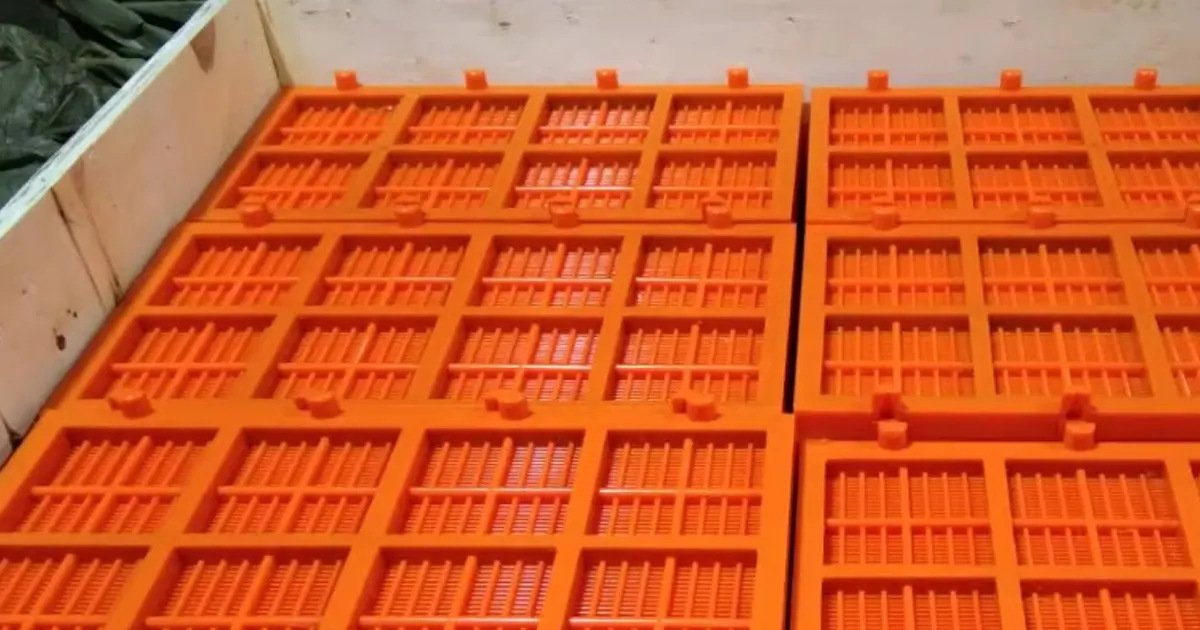
Cast polyurethane is a common material for screens. It is made by mixing liquids and pouring them into molds. The mixture hardens into the shape you want. This method lets you create screens in many shapes and sizes. You can choose how hard or soft the screen is. Some screens are flexible and soft. Others are stiff and strong. Cast polyurethane works well for many jobs. It can handle sharp rocks and heavy loads. It does not wear out quickly, so you do not need to replace it often.
Tip: Cast polyurethane is good if you want a special screen shape or size.
Thermoplastic Polyurethane (TPU)
Thermoplastic polyurethane, called TPU, is also used for screens. TPU comes as pellets or sheets. You heat it up to shape it. When it cools, it keeps the new shape. If you want to change it again, just heat it and reshape it. TPU is strong and bends easily. It is good for screens that need to stretch or snap into place. TPU resists oil and grease better than some other types. This makes it useful in plants with oily or sticky materials.
Polyether vs Polyester Polyurethane
When picking a polyurethane screen, you will see polyether and polyester bases. Each has its own benefits. Here is a simple table to compare them:
| Property | Polyether TPU | Polyester TPU |
|---|---|---|
| Chemical Resistance | Lower resistance to oils and solvents | Higher resistance to oils and solvents |
| Flexibility | Excellent flexibility | Moderate flexibility |
| Tear and Cut Resistance | Lower tensile strength | Higher tensile strength |
| Hydrolysis Resistance | Excellent hydrolytic stability | Moderate hydrolytic stability |
| Low Temperature Performance | Better performance in low temperatures | Less flexible in low temperatures |
| Heat Resistance | Moderate heat resistance | Better heat aging resistance |
Polyether-based polyurethane stays flexible in cold or wet places. It does not break down easily in water. Polyester-based polyurethane is stronger and resists oils and chemicals. It also lasts longer in heat.
Note: Always pick the type of polyurethane that fits your plant’s needs. The right choice helps your screens last longer and work better.
Aromatic vs Aliphatic Polyurethane
When you choose a polyurethane screen, you might see “aromatic” and “aliphatic.” These words tell you about the chemical base of the polyurethane. The type you pick can change how your screen works. This is important if your plant is outside or deals with tough stuff.
Aromatic polyurethane is used the most. It works for many screening jobs. It gives good strength and bends well. But aromatic polyurethane does not like sunlight. If you use it outside, it can turn yellow in a few weeks. The color change does not always mean the screen is weak. But it can show the material is starting to break down. Sunlight can make aromatic screens brittle and less strong over time.
Aliphatic polyurethane is not the same. It handles sunlight much better. Even after 500 to 1000 hours in the sun, aliphatic screens stay clear and do not turn yellow. This makes them a smart choice for outdoor screens or sunny places. Aliphatic polyurethane also fights off water and chemicals better. You can use it in tough places, like marine or chemical plants, without worrying about fast damage.
Here’s a simple table to help you compare:
| Property | Aliphatic TPU | Aromatic TPU |
|---|---|---|
| UV Resistance | Superior, remains clear after 500–1000 hours of UV exposure | Tends to yellow noticeably after a few weeks |
| Durability | Enhanced resistance to hydrolysis and abrasion | Lower resistance to hydrolysis and abrasion |
| Application Suitability | Suitable for harsh environments, such as marine applications | Less suitable for long-term exposure to UV and harsh conditions |
Tip: If your screens will be in sunlight or near harsh chemicals, pick aliphatic polyurethane. Your screens will last longer and look better.
Most screening plants use aromatic polyurethane because it costs less and works well inside or in shade. If you need more protection from sun or chemicals, aliphatic is worth the extra money. Think about where your screens will be used. Picking the right one can save you money and problems later.
Polyurethane Grades: Key Properties
Abrasion and Wear Resistance
When you choose screening panels, abrasion and wear resistance are very important. You want your screens to last a long time, even if rocks and sand rub against them all day. Polyurethane coatings help protect the surface so it does not wear out quickly. Some polyurethane grades can last more than five years, but others may only last two or three years. This makes a big difference for your budget and how often you stop work.
You can see why this property matters in the table below:
| Property | Importance in Screening Applications |
|---|---|
| Abrasion Resistance | Ensures durability against wear in high-friction environments |
| Impact Resistance | Protects against damage from heavy loads and impacts |
| Cut Resistance | Prevents tearing and extends the lifespan of the material |
| Resilience | Maintains performance under stress and deformation |
| Chemical Resistance | Ensures stability and performance in various chemical environments |
Lab tests, like the Taber abrasion test, show how well polyurethane products stand up to wear. In these tests, screens with better abrasion resistance last about 25% longer before you need to replace them. If you use the right additives, you can even double the wear resistance. This means you do not have to stop your plant as often, and you get more time to make your product.
Tip: If your plant handles sharp or rough materials, pick a grade with high abrasion resistance. Your screens will last longer.
Tear and Tensile Strength
Tear and tensile strength tell you how much force your screen can take before it rips or breaks. You want a screen that can handle heavy loads and sharp objects without failing. Polyurethane grades with higher tear and tensile strength last longer and keep your operation running smoothly.
Here’s a quick look at the numbers:
| Property | Value (psi) | Value (MPa) |
|---|---|---|
| Minimum Tensile Strength | 4000 | 27.58 |
| Minimum Tear Strength | 80 ± 5 | 0.55 ± 0.03 |
| Maximum Tear Strength | 90 ± 5 | 0.62 ± 0.03 |
Polyester-based polyurethane usually has higher tear strength. Some tests show tear strength can reach up to 1,000 pounds per linear inch. That is a lot of force! When you pick a grade with strong tear and tensile values, you get a screen that stands up to tough jobs.
Elongation and Flexibility
Elongation and flexibility show how much your screen can stretch before it breaks. Flexible screens help stop blinding, which happens when material clogs the holes. If your screen can bend and snap back, it keeps working even when things get sticky.
Check out this table for typical elongation values:
| Type of Polyurethane | Elongation at Break (%) |
|---|---|
| Polyester Type | ≥ 600 |
| Polyether Type | ≥ 580 |
| Other Grades | ≥ 500 to ≥ 300 |
Some polyurethane grades stay flexible even at -50°C. This means your screens will not crack in cold weather. Flexible polyurethane coatings also help absorb impacts, so your screens last longer.
Note: If you process wet or sticky materials, pick a grade with high elongation and flexibility. Your screens will stay clear and last longer.
Hydrolysis and Chemical Resistance
You want your screens to last in hard places. Water, chemicals, and high pH can break some materials fast. Polyurethane can handle these problems, but not every grade is the same. Let’s see how each type works:
- Polyether grades do well with hydrolysis and alkaline conditions. If your plant uses water or chemicals with high pH, polyether is a good pick.
- Polyester grades are strong and resist wearing down. But they do not work well with high-pH chemicals, so do not use them if your process has a lot of caustic solutions.
- Sodium hydroxide is used in many plants. Polyurethane coatings can handle up to about 40% of it. If you use more, you might see swelling or color changes.
If you work in wet or chemical-heavy places, pick a grade that can handle hydrolysis. Your screens will last longer and you will not need to replace them as much.
Temperature Range
Temperature can change how your screens work. Some grades stay bendy in freezing weather. Others do well in heat. You need to pick the right grade for your plant’s weather.
Here is a table that shows the best temperature ranges:
| Temperature Range | Description |
|---|---|
| -62°C to 93°C | Good for most screening jobs |
| Up to 150°C | Special grades for very hot places |
You should follow the best ways to install and use your screens. If you work in very cold or hot places, ask your supplier about special grades. Using the right grade helps your screens work better.
Do not let temperature surprise you. Pick the right grade for your weather and keep your screens working well.
How Properties Affect Screening
The physical properties of polyurethane grades change how your screens work every day. You want screens that last, work smoothly, and are easy to put in. Here is how each property helps:
| Property | Effect on Screening Performance |
|---|---|
| High wear resistance | Screens last longer and need fewer changes |
| Smooth surface | Less clogging, so you get better results |
| Flexibility | Easier to put in and fit different setups |
When you pick the right grade, you get more work time and less trouble. Flexible screens help stop clogging. Smooth screens keep material moving. High wear resistance means you spend less on new screens.
Take time to pick the right grade for your job. You will get better results and save money over time.
Choosing Polyurethane Grades by Application
Wet and Sticky Materials
Do you deal with wet or sticky materials in your plant? If so, you know how tough it can be to keep screens clear and working well. The right polyurethane makes a big difference here. You want screens that stay strong and do not break down in water. You also want to stop material from sticking and blocking the holes.
Here’s what you should look for:
- Choose polyurethane screens for wet jobs. They last longer than rubber panels.
- Pick polyether-type polyurethane for wet screening. It resists water damage and does not break down from hydrolysis.
- Use polyester-type polyurethane for dry screening. It handles wear better when things stay dry.
- Think about your goal. Are you grading or dehydrating? Each job may need a different raw material.
- Do not overload your screens. Too much material can lower efficiency and damage the panels.
- Polyurethane screens lower friction when wet. This helps particles move and keeps them from sticking.
Tip: Polyether-based polyurethane works best for wet and sticky materials. It keeps your screens clear and running longer.
High Abrasion and Impact
Some jobs are rough. You might screen sharp rocks, sand, or heavy loads. You need screens that can take a beating and keep going. Not all polyurethane grades are the same for these tough jobs.
Check out this table to see which type fits your needs:
| Polyurethane Type | Key Characteristics | Best Use Cases |
|---|---|---|
| Polyester Urethane | Handles sliding abrasion very well | Scraper blades, chute liners |
| Polyether Urethane | Great for impact and impingement, high rebound | Sandblast curtains, bumpers |
If you face lots of sliding wear, like rocks moving across the screen, polyester urethane is a smart pick. For heavy impacts or bouncing loads, polyether urethane stands up better.
Note: Always match the grade to your toughest challenge. This keeps your screens working and saves you money on replacements.
Fine Sizing vs Scalping
You might need to separate tiny particles or just remove big chunks. Each job needs a different approach.
- For fine sizing, pick a softer polyurethane with smaller holes. This helps catch fine particles and stops blinding.
- For scalping, use a harder, thicker panel. It handles big, heavy pieces without breaking.
- Softer screens flex more. This helps shake off sticky fines and keeps holes open.
- Harder screens last longer when you deal with large, sharp rocks.
Think about what you want your screen to do. Fine sizing and scalping need different polyurethane grades. The right choice gives you better results and less downtime.
If you are not sure, ask your supplier for help. They can match the grade to your job.
Corrosive and Chemical Environments
Sometimes, your screening plant has lots of chemicals around. You might work in a chemical factory or use materials that can harm your equipment. If you pick the wrong polyurethane grade, your screens can break quickly. You need something strong that can handle acids, bases, and other harsh stuff.
Polyurethane screens are helpful in these places. Some grades resist chemicals better than others. You need to know which ones to use. Here’s what works best:
- Urethane coatings protect against chemicals like hydrochloric acid and ammonia. Your screens stay strong, even when things get tough.
- PU meshes do not break down fast when they touch acids or bases. You can use them in chemical plants without worrying about quick damage.
- Polyether-based polyurethane handles hydrolysis well. It works well in places with water and high pH.
- Aliphatic polyurethane resists sunlight and chemicals. You can use it outside or in marine areas.
If you work with corrosive materials, pick a polyurethane grade that resists chemicals. Your screens will last longer and you will not need to replace them as often.
You should also think about cleaning. Some plants use strong cleaners or solvents. Polyurethane screens with high chemical resistance will not swell or crack. You get more work time and fewer problems.
Here’s a tip: Always ask your supplier about the chemical resistance of their polyurethane grades. They can help you find the right screen for your plant.
PU Grade Selection Matrix Table
It is important to choose the right polyurethane grade for your screening job. This matrix table helps you do that quickly. First, find your job type in the left column. Next, look across the row to see which polyurethane type and hardness are best. You can use this table when you talk to your supplier or plan your next screen order.
| Application Condition | Recommended PU Type | Suggested Hardness (Shore) | Key Properties to Look For | Best For |
|---|---|---|---|---|
| Wet & Sticky Materials | Polyether-based PU | 60–80A | High hydrolysis resistance, flexibility | Wet screening, dewatering |
| High Abrasion & Impact | Polyester-based PU | 85–95A | High abrasion, tear, and cut resistance | Scalping, heavy rock, sand |
| Fine Sizing (Small Particles) | Polycaprolactone PU | 60–75A | Flexibility, anti-blinding | Fine screening, sticky fines |
| Scalping (Large Rocks) | Cast PU (Aromatic) | 90–95A | Stiffness, impact resistance | Primary screens, large feed |
| Corrosive/Chemical Exposure | Polyether or Aliphatic PU | 70–85A | Chemical and UV resistance | Chemical plants, outdoor use |
| Low Temperature | Polycaprolactone PU | 65–80A | Cold flexibility, toughness | Arctic, winter operations |
| High Temperature | Special Heat-Resistant PU | 85–95A | Heat stability | Hot process plants |
Tip: If you are not sure which grade to use, start by thinking about your job and where you work. Then match the hardness and base chemistry from the table. If you still have questions, ask your supplier for a sample or a test panel.
You can print this table or save it for your team. It helps you make quick and smart choices. Picking the right grade means your screens last longer and you make more money.
Common Mistakes in Grade Selection
Overlooking Base Chemistry
Some people think picking a screen is just about hole size. Many workers make this mistake. But what the screen is made of is even more important. If you do not look at the base chemistry, your screen might clog or wear out fast. The kind of polyurethane you pick changes how your screen works with tough jobs, wet stuff, or strong chemicals. Some grades fight off water and chemicals better. Others stay strong in hot or cold weather. If you skip this step, your screens might break when you need them most.
Most people only think about hole size, but the material and type matter more for stopping clogs. Standard woven wire mesh has the most holes per square meter, so it can let through the most material. But it is stiff and can get blocked or clogged. For hard jobs, polyurethane or rubber screens work much better.
Always ask about the base chemistry before you buy. This helps you avoid mistakes and keeps your plant working well.
Focusing Only on Hardness
Hardness seems like an easy way to pick a screen. You might see the Shore number and think, “Higher is better.” But that is not always true. Hardness shows if your screen is stiff or bends, but it is not the only thing to check. If you only look at hardness, you miss other things like strength, holes, and how the screen takes hits.
- Studies show that looking only at hardness means you miss important things.
- Different hardness levels (75A to 75D) change how strong and porous the material is.
- The hardest polyurethane (75D) has the most holes and is very stiff, while the softest (75A) is the strongest.
- If you ignore these things, your screens might not work for your job and could break early.
You want a screen that fits your job, not just a hard one. Think about what your material needs. Sometimes a softer screen lasts longer and works better.
Ignoring Environmental Factors
Where your plant is makes a big difference. If you do not think about your site, your screens can wear out fast and cause more stops. Screens face heat, cold, water, chemicals, and heavy loads. Each thing can make your screens wear out faster if you do not plan.
- Not thinking about tough site conditions can make polyurethane panels wear out fast, which means more stops and higher costs.
- Taking care of your screens and thinking about your site helps them last longer and work better.
Look at where your screens will be used. Will they be in sun, rain, or near chemicals? Will they need to handle freezing or hot weather? If you plan ahead, your screens last longer and save you money.
Tip: Always match your screen’s grade to your plant’s environment. This is the best way to keep your plant running and avoid problems.
Incorrect Panel Design
You might pick the perfect polyurethane grade, but if your panel design is wrong, your screens will still fail. Panel design matters just as much as the material itself. Many people overlook this step and end up with screens that wear out too fast, clog up, or break under pressure.
So, what does “incorrect panel design” look like? Here are some common mistakes you might see:
- Wrong aperture size or shape: If the holes are too small, your screen blinds quickly. If they are too big, you lose product or let oversized material through.
- Improper panel thickness: Thin panels wear out fast. Thick panels can block material flow and reduce efficiency.
- Poor fastening or support: If you do not secure panels well, they can move, vibrate, or even pop out during operation.
- Ignoring load distribution: Heavy loads on weak spots cause panels to crack or tear. You need to spread the load evenly.
- Not matching panel design to application: Fine screening, scalping, and dewatering all need different panel features.
Tip: Always match your panel design to your screening job. Think about the size and type of material, the flow rate, and the wear points.
Let’s look at what can go wrong if you ignore panel design:
| Mistake | What Happens | Result for You |
|---|---|---|
| Small holes for large material | Fast blinding, low throughput | More cleaning, less output |
| Thin panels in high-wear zones | Quick wear, frequent replacements | Higher costs, more downtime |
| Weak fastening | Panels shift or break | Safety risks, lost material |
| No support under heavy loads | Cracks, tears, or panel failure | Emergency shutdowns |
You want your screens to last and work smoothly. Good panel design helps you get there. Here’s how you can avoid these mistakes:
- Talk to your supplier. Share details about your material, flow, and plant setup.
- Ask for samples or drawings. Test panels before you order a full set.
- Check the fit and fastening. Make sure panels lock in place and do not move.
- Review wear patterns. Look at old panels to spot weak spots or design flaws.
- Adjust as needed. Do not be afraid to tweak your design if you see problems.
Remember, even the best polyurethane grade cannot fix a bad panel design. Take time to plan your panels. You will save money, reduce downtime, and get better results from your screens.
PU vs Woven Wire Screens
Open Area and Throughput
When you look at screens, you might notice that not all of them let the same amount of material pass through. Open area means how much of the screen is actually open space. This matters because more open area usually means more material can move through the screen. Woven wire screens often have up to 50% more open area than other types. This helps you get better material sizing and faster throughput.
Here’s a quick table to show the differences:
| Feature | Polyurethane Screens | Woven Wire Screens |
|---|---|---|
| Open Area | Less open area, can lead to blinding | Up to 50% more open area, better material sizing |
| Throughput | Lower throughput, less movement | Higher throughput, better separation |
| Durability | Lasts longer, fewer changeouts | Breaks more easily, but screens better |
If you want to move a lot of material fast, woven wire screens give you more open space. But if you need something that lasts longer, you might pick polyurethane.
Wear Life and Maintenance
You probably want screens that last a long time and do not need much fixing. Polyurethane screens can run for about 2,000 to 5,000 hours before you need to replace them. Woven wire screens usually last only 300 to 600 hours. That means you will change wire screens more often.
- Polyurethane screens work well for wet jobs and for dry jobs with rough, abrasive materials.
- Woven wire screens have more open area, but you will spend more time changing them.
- The longer wear life of synthetic screens can make up for their higher price.
- You will spend less time on maintenance with polyurethane screens.
If you want less downtime and fewer repairs, polyurethane screens are a smart choice.
Sizing Accuracy and Blinding
You want your screens to sort material by size. Woven wire screens do this very well because they have more open space and the wires can vibrate. This helps keep the holes clear and gives you accurate sizing. But these screens can break faster.
Polyurethane screens are tougher and last longer. They do not vibrate as much, so sometimes material can get stuck in the holes. This is called blinding. If you work with sticky or wet materials, you might see more blinding with polyurethane screens. But if you need screens that last and do not want to change them often, they are a good pick.
Tip: If you need the best sizing accuracy and less blinding, woven wire screens are a good fit. If you want longer wear life and less maintenance, try polyurethane screens.
Cost and Downtime
You probably want to know which screen saves you more money in the long run. Polyurethane screens usually cost more at first. You might look at the price tag and wonder if they are worth it. But here’s the thing—polyurethane screens last much longer than woven wire. You do not need to change them as often. That means you spend less time and money on replacements.
When you use woven wire screens, you pay less up front. They are cheaper to buy. But they wear out faster, especially if you work with sharp rocks or wet materials. You will need to stop your plant more often to swap out broken or worn screens. Every time you stop, you lose production and pay for labor.
Let’s break it down:
- Polyurethane screens have a higher initial cost.
- They last 2 to 10 times longer than woven wire.
- You spend less on labor and lose less time because you do not change them as often.
- Woven wire screens cost less at first but need more frequent replacements.
If you want to cut downtime and keep your plant running, polyurethane screens can save you money over time—even if they cost more at the start.
When to Use Each
You might wonder which screen fits your job best. Here are some things to think about:
- Polyurethane screens work well with abrasive or wet materials. They handle heavy-duty jobs and reduce maintenance.
- Woven wire screens shine when you need precise sizing. They are great for fine screening and dry materials.
- If your plant stops often for repairs, polyurethane screens can help you cut downtime.
- If you need the lowest up-front cost and change screens often, woven wire might be your pick.
Ask yourself these questions:
- What kind of material do you process?
- Do you need high accuracy or long life?
- How much downtime can you afford?
Polyurethane screens are best for tough jobs and long runs. Woven wire screens are best for fine sizing and quick changes.
PU vs Woven Wire Comparison Table
Here’s a quick table to help you decide:
| Feature | Polyurethane Screens | Woven Wire Screens |
|---|---|---|
| Initial Cost | Higher | Lower |
| Wear Life | Long (2–10x wire) | Short |
| Maintenance | Low | High |
| Downtime | Less frequent | More frequent |
| Sizing Accuracy | Good | Excellent |
| Blinding (Clogging) | Possible with sticky fines | Less likely |
| Best For | Abrasive, wet, heavy-duty | Fine, dry, precise sizing |
Still not sure? Talk to your supplier about your plant’s needs. The right screen can save you time, money, and headaches.
Conclusion
You want your screens to work their best. Matching polyurethane grades to your screening job helps you get longer wear life and fewer headaches. When you understand the types and properties of polyurethane, you avoid common mistakes and save money.
- Need help picking the right grade?
- Want a custom solution for your plant?
Reach out to our team for expert advice and a quote. We know polyurethane and woven wire screening media inside and out.
FAQ
What is the best polyurethane grade for wet screening?
You should use polyether-based polyurethane. It does not get damaged by water or hydrolysis. This grade helps your screens stay clear and last longer when things are wet or sticky.
How do I know which hardness to choose?
Look at your material and what you need to do. Softer grades (Shore A) bend more and are good for small pieces. Harder grades (Shore D) last longer with heavy or sharp stuff.
Can polyurethane screens handle chemicals?
Yes, but not every grade can. Polyether and aliphatic polyurethanes work best with chemicals. Always ask your supplier if the grade will work with chemicals in your plant.
Do polyurethane screens work in cold weather?
Yes, they do. Polycaprolactone-based grades stay bendy even at -45°C. You can use them in cold places like winter or the arctic without them breaking.
How often should I replace polyurethane screens?
It depends on what you screen and the grade you use. Polyurethane screens last 2 to 10 times longer than wire screens. Check your screens for damage every few months.
Are polyurethane screens more expensive than wire screens?
They cost more at first. But you save money later because you do not need to replace them as much or fix them as often.
What should I do if my screens keep blinding?
Try a softer and more bendy polyurethane grade. You can also ask for panels made to stop blinding. These changes help keep the holes open.
Tip: Always tell your supplier about your screening job. This helps you get the best grade for your work.