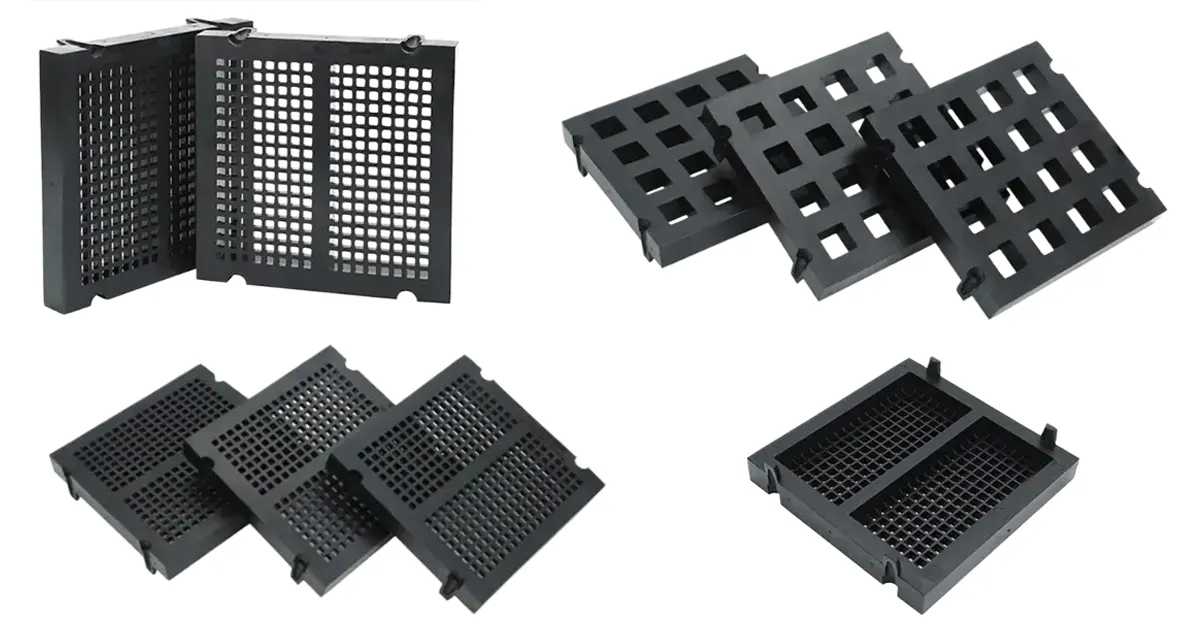
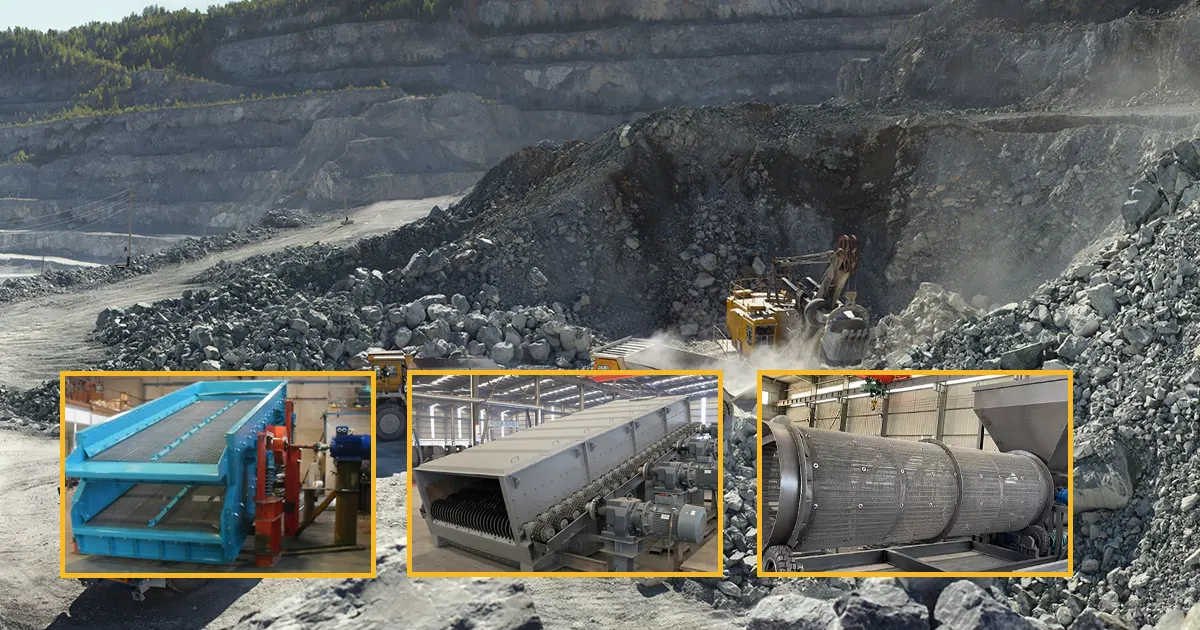
Quarry screening equipment lets you sort things by size, weight, or what they are made of. You use this equipment to separate rocks and gravel after they are crushed. This step helps you get the right materials for building or landscaping. If you pick good screens, you get many benefits:
- You always get sorted materials that are high quality.
- You save money because only the right sizes go to your projects.
- You work faster and better with good sorting.
The best screening media and equipment make your work easier and help your quarry work well.
Key Takeaways
- Quarry screening equipment separates materials by size and type. This helps you get the right aggregate for your work.
- Using the correct screening media makes materials better. It also cuts down on waste and saves money on projects.
- There are different screens like vibrating, trommel, and grizzly. Each one has a special job and helps sort materials faster.
- Wet screening works well for cleaning small materials. Dry screening is better for bigger aggregates. This gives you more choices in how you work.
- Keeping screening equipment in good shape stops breakdowns. It also makes your machines last longer and saves money over time.
- Picking the right mesh size is very important. It changes how sorting works and affects the final product’s quality.
- Talking to screening media makers can give you special solutions. These can make your quarry work better and faster.
- Knowing about your material helps you pick the best screening equipment. This makes your quarry run smoother.
What Is Quarry Screening Equipment?
Definition and Role
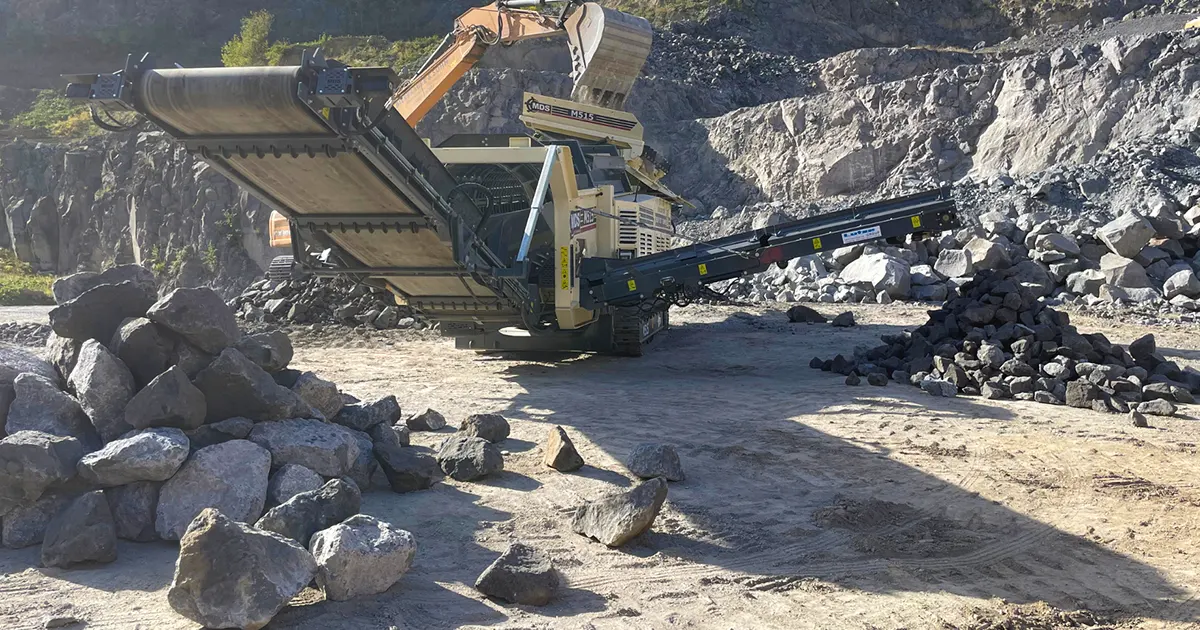
Quarry screening equipment sorts rocks, gravel, and other materials. It does this by size, shape, or type. You use it after crushing big rocks. The equipment acts like a huge sieve. Small pieces fall through, and big pieces stay on top. This makes it easy to get the right size for your project. Quarry screening equipment is used in many places. You can find it at mining sites and construction zones.
A trommel screen sorts by size. The drum spins and separates small pieces from big ones. This makes clean piles for the next steps.
You need quarry screening equipment to get rocks ready for paving. It helps prepare salt for winter roads. It also processes lime for factories. The equipment saves you time and effort. You do not have to sort everything by hand.
Screening in Aggregate Production
In aggregate production, you want every piece to be the right size. Aggregate screening equipment helps you do this. It separates materials by size and type. This step gives you a consistent product. There are different types of screening equipment. Some examples are vibrating screens, roller screens, and rotary screens. Each type does a special job:
| Type of Screening Equipment | Function in Aggregate Production |
|---|---|
| Vibrating Screens | Separate material by size for a consistent final product. |
| Roller Screens | Provide precise size separation using rotating rollers. |
| Rotary Screens | Effective for processing large quantities of coarse aggregates. |
Screening helps wash away dirt and other things. These things can lower the quality of your aggregate. Using the right equipment makes your work faster. It also reduces waste.
Why Screening Matters
You may wonder why screening is important. If you skip this step or use the wrong equipment, you can have problems:
- More waste
- Higher costs
- Bad product quality
- Wrong separation of materials, which can mix things up
- More screen changes and less work done
Screening equipment keeps your work running well. It helps you avoid extra work and keeps costs low. Using aggregate screens gives you better results. It makes customers happy. Good screening helps you get the most from your aggregate. It keeps your business strong.
Types of Aggregate Screening Equipment
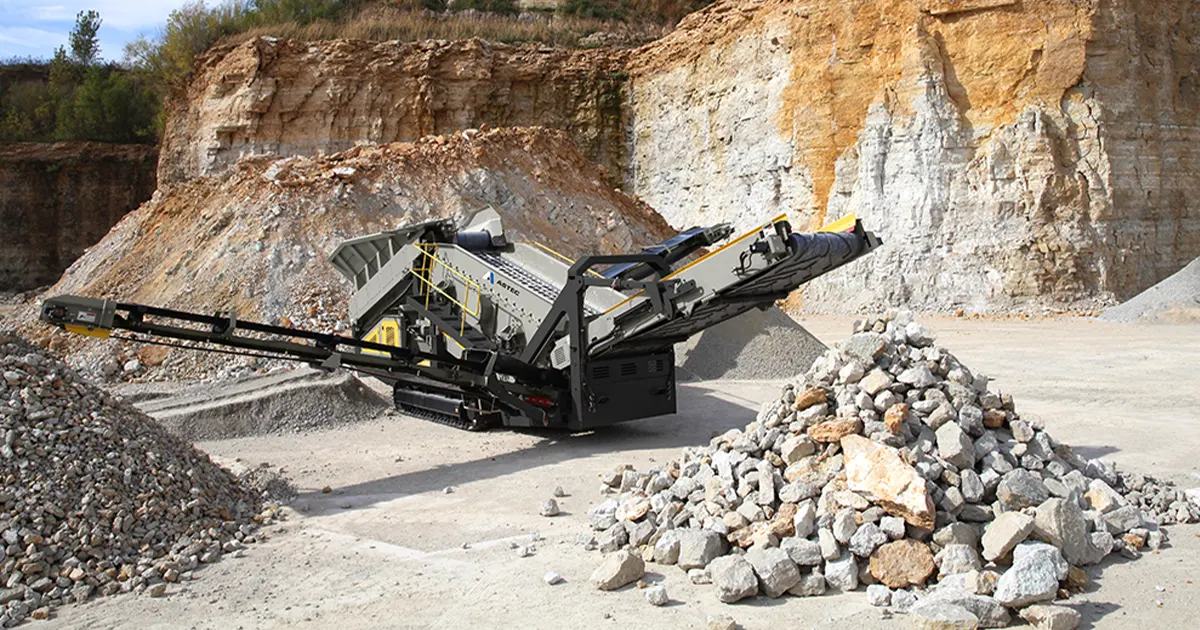
You have many choices when it comes to aggregate screening equipment. Each screener works in a unique way and helps you sort aggregate for different jobs. Let’s look at the most common types of aggregate screens you’ll find in quarries.
Tip: Picking the right gravel screener makes your work easier and keeps your site running smoothly.
Vibrating Screens
Vibrating screens are the most popular aggregate screens in quarries. You use them to separate materials by size. The screen shakes or vibrates, which helps smaller pieces fall through the mesh. Larger pieces stay on top. Mesh size matters a lot. If you use a gravel screener with big holes, bigger rocks pass through. Small holes keep only tiny pieces. This affects how fast you can sort aggregate and how clean your piles are.
You can use vibrating screens for both coarse and fine aggregate. They work well for sand, gravel, and crushed stone. If you want to sort lots of material quickly, this screener is a good choice.
Inclined Screens
Inclined screens sit at an angle. Gravity helps move the aggregate down the screen. You use this type of gravel screener when you want fast sorting. The angle lets material slide easily. Inclined screens work well for heavy loads and rough materials. They are strong and last a long time.
Horizontal Screens
Horizontal screens sit flat. The screen moves back and forth to shake the aggregate. You use this screener when you need precise sorting. Horizontal screens are good for smaller particles and fine aggregate. They help you get a clean product. You can stack several screens to sort different sizes at once.
| Type of Screen | Description |
|---|---|
| Vibrating Screens | Versatile screens that use motion to separate materials; ideal for coarse and fine aggregates. |
| Inclined Screens | Use gravity and vibration for fast sorting of heavy and rough materials. |
| Horizontal Screens | Provide precise sorting for smaller particles and fine aggregate. |
Trommel Screens
Trommel screens use a rotating drum to sort aggregate. You load material into the drum. As it spins, smaller pieces fall through holes in the drum. Larger rocks stay inside and move out the end. Trommel screens are great for wet materials and sticky gravel. You often use this screener for topsoil, compost, and sand.
| Advantage | Description |
|---|---|
| Efficiency in Separation | High efficiency means less work and saves time. |
| Costs and Energy Efficiency | You don’t need as much manual work. |
| Environmental Benefits | Less waste and easier recycling. |
If you want to save time and reduce waste, a trommel gravel screener is a smart choice. You get clean piles and less mess.
Grizzly Screens
Grizzly screens are tough. You use them at the start of aggregate processing. This screener removes oversized rocks before they reach the crusher. Grizzly screens protect your equipment and keep your operation safe. They use strong bars to let only the right size aggregate pass through.
Grizzly screens act as the first line of defense. They quickly remove big rocks, wet material, and sticky debris. This keeps your crushers safe and helps you work faster.
You can rely on grizzly screens to handle rough jobs. They make sure only the right size aggregate moves forward. This improves your throughput and keeps your site running well.
| Type of Screen | Description |
|---|---|
| Grizzly (Scalping) Screens | Used as the first stage in operations, removing oversized rocks to protect downstream equipment. |
If you want to keep your gravel screener and other machines safe, start with a grizzly screen. It helps you sort aggregate quickly and keeps your site efficient.
High-Frequency Screens
If you want the cleanest and smallest material, use high-frequency screens. This screener shakes very fast to separate small pieces from big ones. The screen moves up and down quickly. Because of this, it can sort even tiny bits of gravel or sand. High-frequency screens work best when every piece must be the right size.
You may ask how high-frequency screens are different from regular ones. The main difference is how fast they shake and move. High-frequency screens shake much faster than normal screens. This quick shaking spreads the material in thin layers. Small pieces fall through the mesh right away. Big pieces stay on top and move off the end. You get cleaner material and less waste.
Let’s see how high-frequency screens compare to traditional vibrating screens:
| Advantage | High-Frequency Screens | Traditional Vibrating Screens |
|---|---|---|
| Efficiency | Higher efficiency in separation and sizing | Limited efficiency in producing acceptable sizes |
| Precision | Achieves finer product sizing | Often produces larger, less precise sizes |
| Adaptability | Suitable for various materials, including recycled asphalt | Less adaptable to different material types |
| Energy Consumption | Reduces overall energy consumption in processing | Higher energy consumption due to less efficient sizing |
| Stratification | Enhanced stratification due to high RPM and vertical vibration | Less effective stratification, leading to slower separation |
A high-frequency screener gives you more control over your product. You use less energy and get better results. If you work with recycled asphalt, sand, or other fine stuff, this screener is a good pick.
Here are some reasons to choose a high-frequency screen for your quarry:
- You need to sort very fine materials.
- You want to cut waste and save energy.
- You want a screener for many types of material.
- You want to make your final product better.
Tip: For the cleanest piles and most exact sizes, use a high-frequency gravel screener. It helps you meet tough project rules and keeps customers happy.
When you pick a high-frequency screener, you get a tool that works fast and sorts with great care. The mesh size is still important, just like with other screeners. If you pick the right mesh, you get the best results for your job. High-frequency screens can really help your quarry, especially if you have hard jobs and tight deadlines.
How Screens Work
Operating Principles
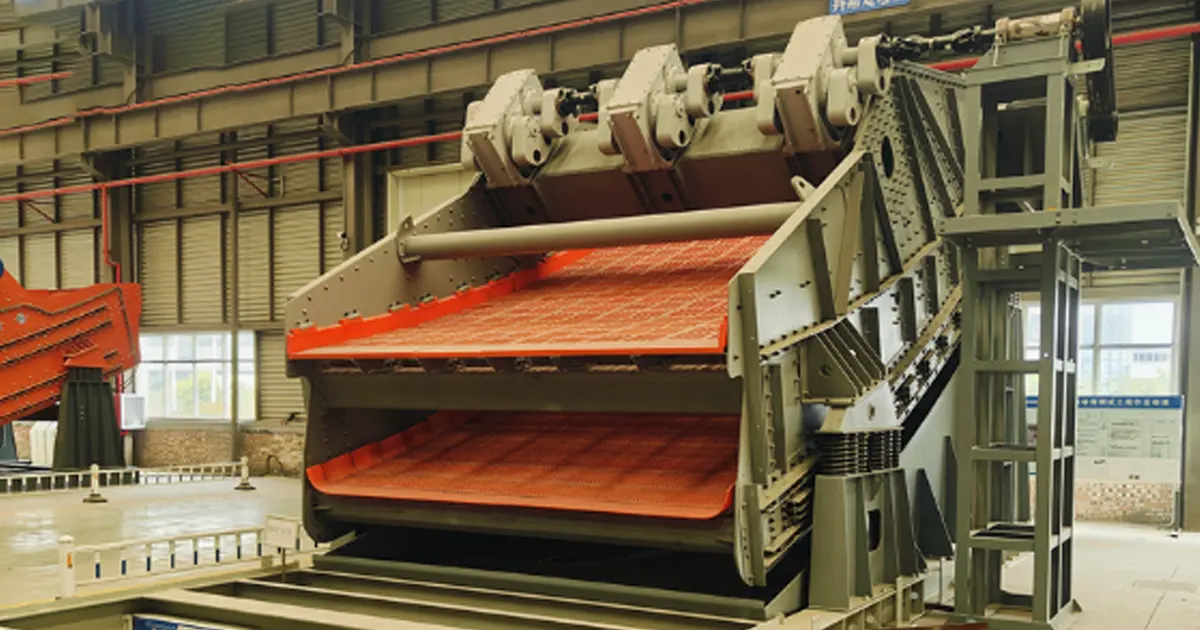
When you use separation machines in a quarry, you start by loading material onto a vibrating mesh. The machine uses an inbuilt drive to create vibration. This shaking action is the heart of the screening process. As the screen vibrates, it moves the material across the deck. Smaller pieces fall through the mesh openings, while larger pieces stay on top. The deck holds the screen media and the drive, making sure everything moves smoothly. You can think of it like a giant sieve, but with a lot more power and speed.
Different screens use different motions. Inclined screens use gravity to help move material down the deck. They need less force because gravity does some of the work. Horizontal screens, on the other hand, rely on stronger vibration to move material since gravity does not help as much. The speed and stroke of the vibration matter a lot. Faster vibration helps separate materials more quickly and accurately.
Tip: The right vibration keeps your material moving and helps you get the cleanest product possible.
Key Components
You need to know the key components of aggregate screens to understand how they work. Each part has a special job:
| Component | Material Type | Function |
|---|---|---|
| Screen Media | Stainless Steel | Resists wear and corrosion, great for fine screening. |
| Polyurethane | Tough and quiet, perfect for high-impact jobs. | |
| High-Tensile Rubber | Absorbs shock, works well with sticky or damp material. | |
| Wire Cloth (Carbon Steel) | Good for coarse jobs, but wears out faster. | |
| Screen Type | Linear Vibrating | Best for dry materials and dewatering. |
| Circular Vibrating | Handles big loads and breaks up clumps. | |
| Inclined Screens | Moves material fast, great for big jobs. | |
| Horizontal Screens | Gives more time for fine sorting. | |
| Maintenance Features | Alloy Steel | Lasts longer and cuts down on repairs. |
| Wear-resistant Media | Stands up to tough, abrasive material. | |
| Quick-tension Systems | Makes changing screens faster and easier. | |
| Self-cleaning Mechanisms | Keeps things running when material is sticky or fine. |
When you pick the right parts, your screens last longer and work better. This helps you save money and avoid downtime.
Material Flow and Separation
Let’s look at how material moves through the screen. You feed the material onto the top deck. Vibration starts to shake things up. Larger rocks rise to the top, while smaller pieces sink closer to the mesh. This is called stratification. As the material moves, fine particles begin to pass through the mesh together. Near the end, the smallest pieces get one last chance to fall through. Anything left on top moves off the deck and gets sorted as oversize.
If you use multi-deck screens, you get even more control. The top deck removes the biggest pieces. The middle deck catches mid-size material. The bottom deck lets the finest particles through. Each deck helps you get the exact size you need for your project.
- Stratification: Vibration helps smaller particles move down to the mesh.
- Crowded screening: Fine particles pass through together as they travel.
- Separated screening: Near-sized particles get a final chance to fall through.
- Discharge: Gravity and vibration move larger pieces off the deck.
The function of aggregate screens is to give you clean, sorted material every time. When you understand how screens work, you can choose the best setup for your quarry and get the most out of your separation machines.
Applications of Aggregate Screens
Sizing and Grading
Aggregate screens sort materials by size and grade. This helps you get the right aggregate for each job. Construction needs small pieces for roadwork. Recycling uses screens to separate concrete and asphalt. Mining sites use screens to sort mined materials before processing. Mobile crushing plants use screens at extraction points. This lowers handling costs.
Here’s how different industries use aggregate screens:
| Application | Description |
|---|---|
| Construction | Great for small projects needing portable equipment for roadwork. |
| Recycling | Used in mobile setups to separate materials like concrete and asphalt. |
| Mining | Screens mined materials before further processing. |
| Mobile Crushing Plants | Separates materials at extraction points, reducing handling costs. |
Aggregate screens help you get the right material for every task. They make your work faster and keep your projects on track.
Scalping and Removing Fines
Aggregate screens remove unwanted materials. Scalping screens take out oversized rocks before crushing. This keeps your equipment safe. When you run aggregate over the screen, vibration makes larger particles rise. Finer particles sink and pass through mesh openings. Near-sized particles get another chance to pass through. Remaining fines exit.
Here’s how aggregate screens help with scalping and removing fines:
- Scalping screens remove oversized rocks before crushing, protecting downstream equipment.
- They boost efficiency by separating useful aggregate from debris.
- The process lets you recover fine aggregate, so you waste less.
Aggregate screens give you clean piles and help you get the most from your material.
Wet vs. Dry Screening
Aggregate screens work for both wet and dry screening. Dry screening is best for coarse aggregate and first sorting. It is simple and does not need much infrastructure. You avoid water management problems. Wet screening is great for fine aggregate and washing jobs. Water stops blinding and washes away unwanted materials. You get cleaner aggregate and better results.
Here are some differences between wet and dry screening:
- Dry screening is best for coarse aggregate scalping and first sorting.
- It is easier to set up and avoids water issues.
- Wet screening is ideal for fine aggregate and washing away impurities.
- Water improves screening efficiency and keeps the mesh clear.
Tip: If you want cleaner aggregate, try wet screening. If you need quick sorting, dry screening is a good choice.
Aggregate screens let you pick the method that fits your job. You can get the best results for every project.
Screening Media Selection
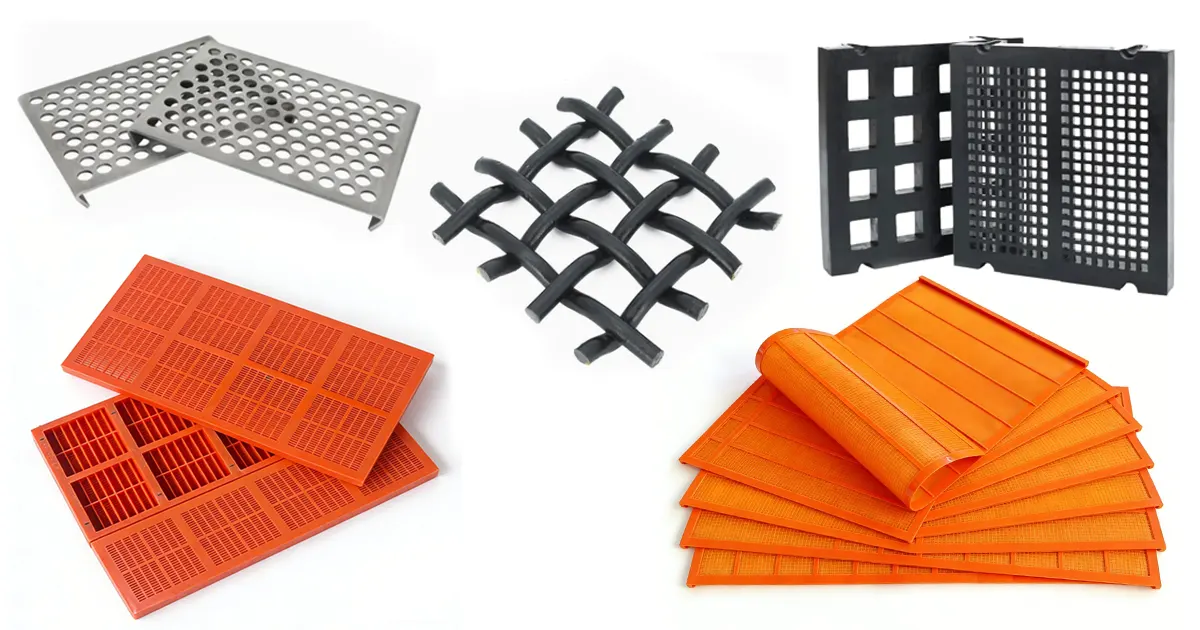
Choosing the right screening media makes a big difference in how your quarry runs. You want screens that last, sort well, and keep your work moving. Let’s look at the main types you’ll find and how each one helps you get the job done.
Types of Screening Media
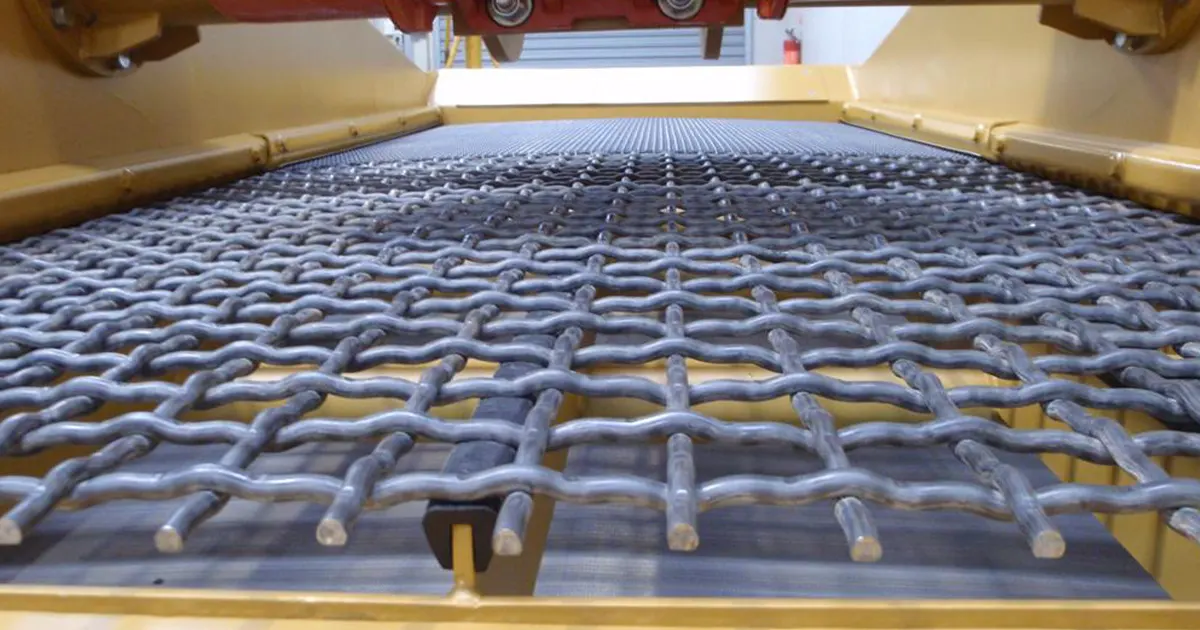
Woven Wire Mesh
Woven wire mesh is a classic choice. You use it for sorting both coarse and fine materials. Stainless steel wire mesh gives you great wear resistance and fights corrosion. It works well for medium to fine screening jobs. Carbon steel wire cloth costs less, but it wears out faster if you handle rough or abrasive material.
Polyurethane Panels
Polyurethane panels are tough and flexible. You pick them when you need screens that handle heavy impact and resist blinding. Polyurethane lasts longer and stays strong even with sticky or wet feeds. It’s a smart choice if you want less downtime and fewer screen changes.
Self-Cleaning Screens
Self-cleaning screens help you avoid problems like pegging and blinding. These screens use special designs that shake loose stuck material. You get steady sorting and less maintenance. If you deal with damp or sticky aggregate, self-cleaning screens keep your operation smooth.
Perforated Plate
Perforated plate screens use solid metal sheets with holes punched in them. You use these for tough jobs and heavy loads. They stand up to big impacts and abrasive material. Perforated plates work well for scalping and removing oversized rocks.
Tip: You can mix different media types on your screen decks to match your material and boost efficiency.
Here’s a quick look at common screening media:
| Media Type | Best For | Key Benefit |
|---|---|---|
| Stainless Steel Mesh | Medium to fine screening | Wear resistance, corrosion proof |
| Polyurethane Panels | High-impact, sticky material | Anti-blinding, long life |
| Self-Cleaning Screens | Damp or sticky feeds | Less downtime, steady sorting |
| Perforated Plate | Heavy loads, scalping | Toughness, impact resistance |
Impact on Performance
The screening media you choose affects how well your screens work. If you pick the right media, you get:
- Longer wear life and fewer repairs
- Lower maintenance costs
- Better material handling and cleaner piles
Polyurethane, rubber, and wire mesh each have unique strengths. Polyurethane resists blinding and lasts longer. Rubber absorbs shock and works well with sticky feeds. Wire mesh sorts fine material quickly. Engineered media can solve special problems, like premature wear or contamination. If you use the wrong media, you may face more downtime and higher costs because of pegging or blinding.
Choosing the Right Media
You need to think about your material and your process. Ask yourself these questions:
- Is your screening wet or dry?
- Will blinding or plugging be a problem?
- How abrasive is your material?
- Will your screens face heavy impact?
- What sizes do you need to sort?
- How much screening area do you have?
- Do you need to wash your material?
- Is noise a concern?
Material size, weight, and abrasiveness matter. You also want to consider how long your panels will last and how much open area you need. Sometimes, paying more upfront for better media saves you money in the long run. You process more tons and spend less on repairs.
If you need help picking the best screening media, you can talk to us. We offer woven wire mesh, polyurethane panels, self-cleaning screens, and perforated plate options. You get solutions that fit your quarry and keep your operation running strong.
Advantages and Limitations
Strengths of Each Type
You have many choices when picking a gravel screener for your quarry. Each screener has its own strengths. Horizontal screens work well with wet materials. You get high-quality products and precise sizing. These screens remove contaminants, which is important for construction projects that need clean aggregate. Inclined screens use gravity to move material. They help you scalp larger pieces and separate materials after crushing. You can use inclined screens for wet materials, too. Trommel screens are great for sticky or damp material. They keep your piles clean and reduce mess. Grizzly screens protect your equipment by removing oversized rocks before they reach the crusher. High-frequency screens give you the cleanest and smallest material. You get exact sizes and less waste.
Tip: If you want to boost your quarry’s efficiency, match the gravel screener to your material and job needs.
Common Challenges
You may face some challenges when using a screener in your quarry. Here are a few problems you might run into:
- Blinding and pegging can block the screen. This leads to incomplete screening and means you need to clean the screener often. You lose time and work slows down.
- Maintenance downtime happens when parts break. Cracks and bearing failures can stop your gravel screener from working.
- Tramp metal can hurt screening efficiency. It lowers the quality of your final product.
If you know these challenges, you can plan ahead and keep your screener running longer.
Maintenance and Cost
Keeping your gravel screener in good shape helps you save money. Different screens need different care. Wire cloth screens have high tensile strength and last a long time. You do not need to fix them often, but they can get damaged if you handle rough material. Rubber panels absorb impact and cut down on noise. You replace them less often, so you spend less on maintenance over time.
Here are some things to think about:
- Check how much maintenance your screener needs to keep running.
- Look at the operating cost, including energy use and repairs.
When you compare gravel screener options, always think about long-term costs. Maintenance and repairs can add up. If you pick the right screen, you get the best value and keep your quarry working smoothly.
Note: Choosing the right screener and screen media helps you avoid downtime and lowers your costs. You get more work done and keep your business strong.
Choosing the Right Aggregate Screening Equipment
Assessing Material Needs
When you look for aggregate screening equipment, you must know your material well. Every quarry has its own mix of rocks, sand, and gravel. You should check if your material is wet or dry. You also need to see how heavy it is and what shape the pieces are. These things change how your screen works. They also affect how clean your piles will be.
Here’s a table that shows what to check:
| Criteria | Description |
|---|---|
| Moisture | Surface moisture changes how well the screen works. |
| Particle Shape | The shape of the material changes how it moves on the screen. |
| Density | Heavy materials need stronger screening machines. |
| Feed Rate | A steady feed keeps the machine working right. |
| Bed Depth | The depth of material on the screen changes how well fines pass through. |
| Screen Openings | The size and shape of the holes affect sorting and product quality. |
If you know these facts, you can pick a screen that works faster. You also get better results for your quarry.
Site and Production Factors
Your quarry site and how much you want to make are important. You need to match your equipment to your land and your goals. If your site has hills, gravity can help move the material. Flat land needs screens that shake more. You also need to check if your equipment fits in the space you have.
As quarry needs change, your screening equipment should change too. Screens that can be changed or made bigger help you in the future.
Here’s a table to help you think about your site:
| Factor | Description |
|---|---|
| Site Topography | Choosing a site with a certain slope can reduce earthwork requirements. |
| Equipment Compatibility | The height and shape of the installation area must match the equipment specifications. |
| Production Capacity | The area needed is influenced by the equipment’s installation area and the site’s transportation needs. |
You want your screen’s size to match how much you need to sort. If you have lots of aggregate, pick a bigger screen or use more decks. How much you can sort depends on the screen size, deck setup, and the material you feed.
- Knowing your material helps you pick the best screening methods and media.
- Buying advanced screening equipment made for your needs helps you work better.
Balancing Efficiency and Cost
You want your quarry to work well and not cost too much. It is important to balance how well things work and how much they cost. Look at the price of the equipment and how much it costs to keep it running. Strong screens save you money over time. If you pick equipment that fits your site and material, you will have fewer repairs and less downtime.
Here’s a simple checklist:
- Think about your construction needs and what your material is like.
- Look at your budget and how well the equipment works.
- Check your supply and how to make things run better and cheaper.
If you plan well, you get the most from your screening equipment. You can sort more material, save money, and keep your quarry working well.
Tip: If you need help picking the right aggregate screening equipment, talk to a screening media manufacturer. You get expert advice and solutions that fit your quarry.
Consulting with Media Manufacturers
It can be hard to pick the right screening equipment for your quarry. There are many choices, and each material acts in its own way on a screen. If you want help, talking to screening media manufacturers is a smart idea.
Manufacturers know how materials move on screens. Big pieces stay on top, and small ones fall through. They can tell you which screen media fights wear and damage. This helps your equipment last longer and saves you money on repairs.
When you talk to a manufacturer, you get advice just for your quarry. You can ask which media works best for your material. Woven wire screens are good for most jobs unless your material is very rough. If you have dry, rough material, rubber panels might be better. Polyurethane screens help stop plugging and keep things running well.
Here are some things you get from talking to a screening media manufacturer:
- You get expert tips on matching screen media to your material.
- You learn which media lasts longer and handles tough jobs.
- You find out how to control material flow so fines do not pass through wrong.
- You discover ways to sort faster and keep your piles clean.
- You can save money by picking media that needs less fixing.
Tip: Ask manufacturers if you can use more than one media type on your screen decks. This can help you sort tricky materials and work better.
Let’s see how different media choices help your quarry:
| Media Type | Best Use | Benefit |
|---|---|---|
| Woven Wire Mesh | General screening | Good for most materials |
| Rubber Panels | Dry, coarse material | Absorbs impact, lasts longer |
| Polyurethane | Sticky or wet material | Prevents plugging, easy cleaning |
Manufacturers help you meet your project’s needs. They know how to pick media that sorts material well. This means you get the right sizes every time. You also save money because your screens last longer and need fewer repairs.
If you want your quarry to work better, talk to a screening media manufacturer. We offer woven wire mesh, rubber panels, polyurethane screens, and more. You get answers that fit your needs and keep your quarry strong.
Conclusion
If you know how quarry screening equipment works, you get better results. Choosing the right machine and media helps you sort materials quickly. It also helps you clean and size them faster. This is important for your quarry.
- The right equipment makes your work better and faster.
- Special screens help you follow industry rules.
- Picking the right screen keeps your machines safe and cuts waste.
We are a screening media manufacturer. We have many options for your needs:
| Type of Screen Media | Features | Applications |
|---|---|---|
| Wire Cloth | Lots of open space, many types | Easy to change, stops rust |
| Polymer Media | Lasts long, runs quietly | Handles tough jobs, needs less fixing |
| Hybrid Media | Mixes wire and polymer | Good for custom work |
| Perforated Plates | Works well, fits your needs | Used in mining and chemicals |
| Rubber Panels | Handles weather, wet or dry | Great for rough places |
We can help you pick the best screen for your quarry.
FAQ
What is quarry screening equipment?
Quarry screening equipment helps you sort rocks, gravel, and sand by size. You use it after crushing to get clean piles for building or landscaping.
How do vibrating screens work?
Vibrating screens shake the material across a mesh. Small pieces fall through the holes. Big pieces stay on top and move off the end.
Which screening media should I choose?
You pick screening media based on your material. Woven wire mesh works for most jobs. Polyurethane panels handle sticky or wet material. Self-cleaning screens help with damp feeds.
Can I use wet and dry screening in my quarry?
Yes! Wet screening uses water to wash and sort fine material. Dry screening sorts coarse material without water. You choose the method that fits your job.
How often should I replace screen panels?
You should check your panels often. Replace them when you see wear, holes, or blinding. Polyurethane and rubber panels last longer than wire mesh.
What is the best screen for removing oversized rocks?
Grizzly screens work best for removing big rocks before crushing. They protect your equipment and keep your site safe.
How does mesh size affect sorting?
Mesh size controls what passes through. Small mesh sorts fine material. Large mesh lets bigger pieces through. Pick the right mesh for your project.
Can I mix different screening media on one deck?
Yes, you can! Mixing media helps you handle tricky material and boosts efficiency. Ask your screening media manufacturer for advice.