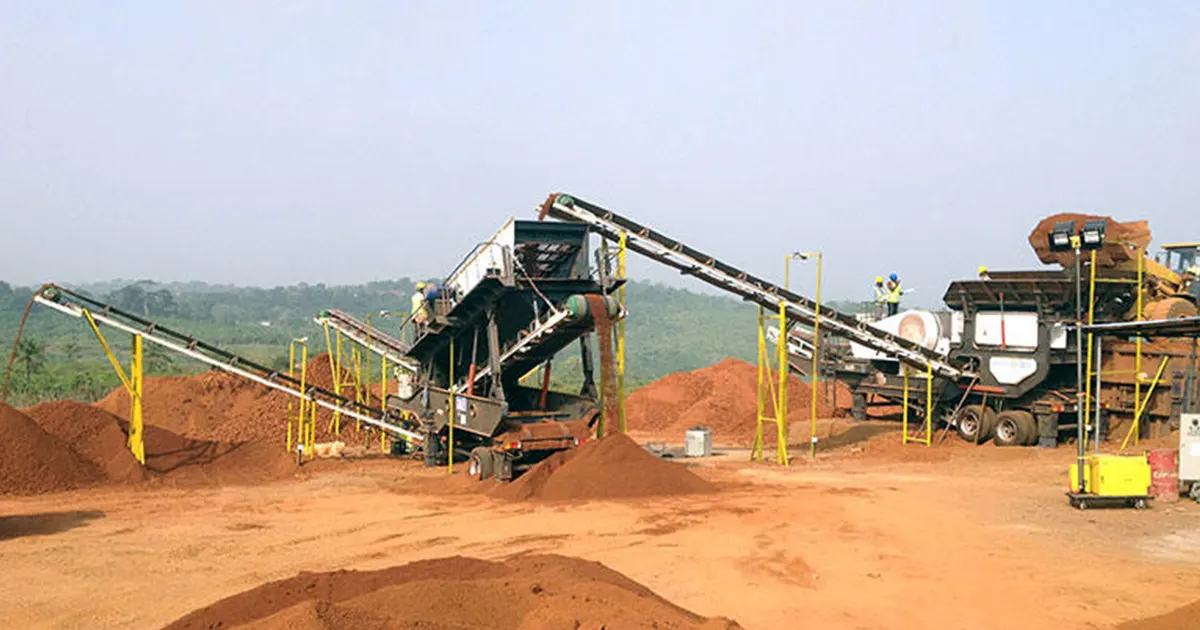
A river sand screening machine helps you sort sand by size. This gives you clean and even sand. You need good sand to make strong concrete. If your sand has clay or silt, your mix gets weak. This can cause problems later. Here is why even sand is important:
- Sand makes concrete strong and tough.
- Sorting and taking out things like clay or silt helps your project last longer.
- River sand can have pollution that makes concrete fail.
When you use the right screening machine, you get cleaner sand. This sand is better for building and for nature.
Key Takeaways
- River sand screening machines help sort sand by size. This makes sure the sand is clean and even. Clean sand helps make strong concrete. Using clean sand lowers the chance of weak concrete. Weak concrete can cause problems in buildings.
- Screening machines can take out up to 80% of dirt and trash. This makes the sand better for many uses. Pick the right machine for your sand and project. This helps you work better and get good results.
- Check and fix your screening machine often. This stops damage and helps the machine last longer.
- Mobile screening units are easy to move. You can use them at the work site. This saves time and money on moving sand.
- Manual sorters are good for small jobs. They let you check the sand closely and take out bad stuff.
- Using screened river sand in nature projects helps protect the environment. It also makes sure construction is good quality.
What Is a River Sand Screening Machine
Purpose and Function
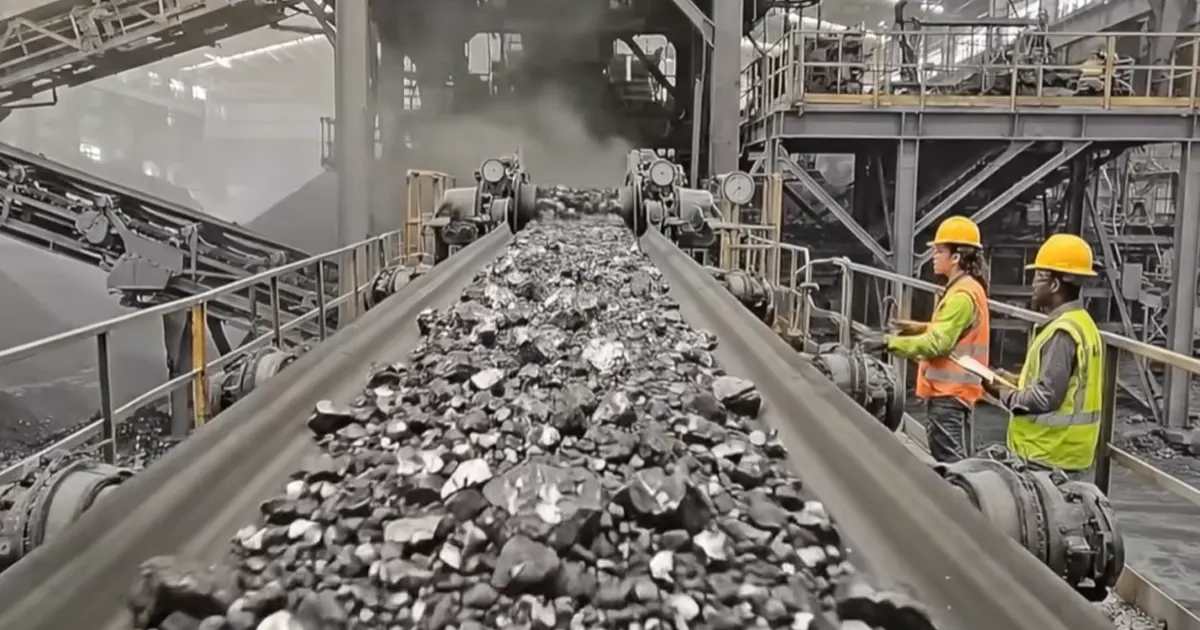
You might wonder what a river sand screening machine does. This machine helps you separate sand by size. You feed in raw sand, and the machine sorts out the big pieces from the fine grains. This process gives you clean sand that works well for building and other jobs.
Here’s a quick look at what this machine can do for you:
| Function | Description |
|---|---|
| Efficient Separation | Precise sorting of sand particles by size, ensuring a clean final product for construction uses. |
| Increased Productivity | Automation leads to higher throughput and reduced labor costs, speeding up project timelines. |
| Durable Construction | Built from high-tensile steel for reliability in harsh environments, minimizing maintenance needs. |
| Versatile Applications | Applicable in various industries beyond construction, adaptable for different materials and outputs. |
You get more than just sorted sand. You save time and money. You also get a machine that lasts a long time, even if you use it every day.
Key Components
A river sand screening machine has several important parts. Each part plays a role in making sure you get the best sand for your needs.
- Feeder: This part moves the sand into the machine.
- Screen or Mesh: This is where the magic happens. The screen separates the sand by size.
- Vibrating Motor: This motor shakes the screen, helping the sand move and sort faster.
- Frame: The frame holds everything together and keeps the machine steady.
- Discharge Chutes: These chutes guide the sorted sand into piles or containers.
Tip: If you want to handle wet sand or remove extra water, look for a machine with a built-in water sprayer or a sand classifier equipment. This helps you get even cleaner sand.
Importance for Sand Quality
You need good sand for strong buildings and safe roads. If your sand has too many big pieces or dirt, your project can fail. A river sand screening machine helps you get sand that is just the right size and free from unwanted stuff.
Clean sand means:
- Stronger concrete and bricks
- Fewer cracks and breaks in finished work
- Less waste and rework
You can use a classifier to make sure your sand meets the highest standards. When you use the right sand classifier equipment, you get the best results for your project every time.
How Screening Machines Work
Vibrating Mechanism
Have you ever wondered how a river sand screening machine sorts sand so fast? The secret is the vibrating mechanism. The machine uses a special motor to shake the screen quickly. This shaking helps sand move across the screen. It separates sand by size.
Here’s how the vibrating mechanism works:
| Mechanism Component | Description |
|---|---|
| Motor Technology | Double motor self-synchronous technology |
| Eccentric Block | Universal eccentric block with adjustable amplitude |
| Vibration Operation | Two unconnected vibrators work together. They move in opposite directions. This makes one strong force. The sieve box moves in a straight line. |
The vibration motor makes the screen shake very fast. Sometimes it shakes up to 3000 times each minute. Sand jumps forward on a tilted screen. The screen sits at an angle, usually between 15° and 25°. There are several layers on the screen. Each layer catches a different size of sand. The top layer grabs big pieces. The middle layer gets fine sand. The bottom layer separates mud and water.
- The vibration motor makes fast, straight movement.
- Sand moves over many screens with different mesh sizes.
- You get big sand on top, fine sand in the middle, and mud or water at the bottom.
Tip: For the best sand, check the screen angle and vibration speed. These settings help you get the right sand size.
Screening Process Steps
When you use a river sand screening machine, you follow easy steps. The machine takes raw sand and sorts it step by step. Here’s how it works:
- Feeding: You put sand into the feeder. The feeder spreads sand on the screen.
- Vibration: The motor shakes the screen. Sand moves forward and starts to separate.
- Stratification: Sand sorts itself by size. Big pieces stay on top. Small grains drop through the mesh.
- Collection: Each screen layer collects a different size of sand. You get piles of big, fine, and ultra-fine sand.
- Discharge: Sorted sand leaves the machine through chutes. You can collect sand in bins or piles.
This process gives you clean sand for building, mining, or nature projects. You save time and waste less. The machine does most of the work for you.
Note: Some machines also wash and classify sand. They use water sprays to clean sand and remove dirt or clay.
Handling Moist Sand
Wet sand can cause trouble. It sticks together and clogs the screen. This slows your project and makes batching less accurate. You need a way to fix this problem.
Modern machines use special systems to dry sand and keep it moving. For example, a rotary sand drying plant can lower moisture from 12% to just 0.5%. This plant uses a rotary drum dryer, a natural gas burner, and a dust collector. Automated feeding and discharge systems keep sand flowing well.
| Problem | Solution |
|---|---|
| High natural moisture content affects batching precision and slows project timelines. | A rotary sand drying plant was installed. It has a 30 TPH rotary drum dryer, natural gas burner, dust collector, and automated feeding and discharge system. Final moisture drops from 12% to 0.5%. |
You get dry sand that moves easily through the screen. This means faster sorting and better sand for your project.
Callout: If you work with wet sand, look for machines with drying systems or water removal features. These upgrades help you avoid delays and keep your sand clean.
Water and Contaminant Removal
You need clean sand for your project. River sand often has water, mud, and bad stuff like chemicals or bacteria. If you skip cleaning, sand can cause problems in concrete. It can block drains or hurt nature. River sand screening machines help fix these issues fast.
Let’s see how these machines remove water and contaminants:
| Method | What It Does | Best For | Environmental Impact |
|---|---|---|---|
| Sieving | Separates sand from debris | Construction-grade sand | Low – just mechanical action |
| Submersible Pump | Moves sand from riverbed | Deep or fast rivers | Moderate – uses energy |
| Fluidization System | Agitates water to remove silt and clay | Fine silt and clay removal | Low – water only, no chemicals |
| Hydraulic System | Powers heavy lifting and movement | Excavation and lifting | Moderate – needs maintenance |
| High-Pressure Water Jets | Blasts away chemical and organic residues | Polluted beaches, industrial sites | Medium – uses lots of water |
| Suction & Vacuum Devices | Sucks up sediment and debris | Dredging, flood recovery | Moderate – may disturb habitat |
| Bioremediation | Breaks down pollutants naturally | Chemical contamination | Very Low – helps ecosystem |
| Eco-Friendly Cleaners | Purifies sand without harm | Protected areas, community work | Minimal – zero harm |
Each method does a special job. Sieving is good for basic cleaning. Fluidization systems help remove sticky clay and silt. High-pressure jets and bioremediation help with chemical spills or waste.
Tip: If you work in a sensitive place, use eco-friendly cleaners or bioremediation. They clean sand without hurting plants or animals.
Here’s how you use these features in real life:
- First, sieve the sand to take out sticks, stones, and trash.
- If sand is muddy, turn on the fluidization system. Water swirls and lifts out clay and silt.
- For sand from dirty places, use high-pressure jets or eco-friendly cleaners. These blast away oil, chemicals, or bacteria.
- Sometimes, use a submersible pump to pull sand from deep rivers. This keeps your machine working in tough spots.
You get sand that is dry, clean, and ready to use. You protect workers and nature. You also follow strict building rules.
Callout: Always check local rules before cleaning river sand. Some places need special permits or eco-friendly methods.
Water and contaminant removal is not just about making sand look nice. It is about safety, quality, and protecting nature. Using the right screening machine makes your project stronger and greener.
River Sand Screening Machine Types
Vibrating Screens
Features
Vibrating screens are one of the most popular choices when you need to sort sand quickly. These machines use a circular motion to move sand across several layers of mesh. You can adjust the throw angle to match the size of the particles you want to separate. A steeper angle helps sand jump higher, which improves sorting. A shallower angle lets sand roll, which works well for grains that are almost the same size.
Here’s a quick look at what makes vibrating screens stand out:
| Feature | Description |
|---|---|
| Motion | Circular motion boosts screening efficiency. |
| Structure | Multi-layer design with a strong, stable frame. |
| Efficiency | High efficiency, low noise, and easy to maintain. |
| Exciting Force | Uses an eccentric block for powerful vibration. |
| Maintenance | Simple structure means you can fix it easily. |
| Operation | Tire clutch gives a flexible and stable connection. |
| Screening Capability | Small shakes, high speed, and steep angles for long life and great results. |
Tip: For the best results, try a dual-deck inclined screen. If you work with a sand washing plant, a horizontal screen helps you recover more fine grains.
Benefits
You get a lot of value from vibrating screens. They sort sand fast and keep your project moving. You can change the settings to match your needs. Maintenance is simple, so you spend less time fixing and more time working. These machines also last a long time, even in tough conditions.
- Fast sorting for big or small jobs
- Easy to adjust for different sand sizes
- Quiet operation keeps your site comfortable
- Simple repairs save you money
Rotary Drum Screens
Features
Rotary drum screens use a spinning drum to separate sand. The rotating motion helps manage moisture and stops the screen from clogging. This design works well in places with lots of rain or high humidity. The mesh cleans itself as the drum turns, so you do not have to stop and clean it by hand.
| Feature | Description |
|---|---|
| Rotating Motion | Handles wet sand and prevents clogging. |
| Produces Drier Sand | Makes sand easy to store and move. |
| Reduces Screen Blinding | Stops damp sand from blocking the mesh. |
| Self-Cleaning Action | Mesh cleans itself during operation. |
| Design Insight | Great for coastal or humid areas where moisture is a problem. |
Benefits
Rotary drum screens give you drier sand, which is perfect for storage and transport. You do not have to worry about the screen getting blocked by wet material. The self-cleaning feature means less downtime and more productivity. If you work in a wet climate, this machine keeps your sand flowing.
- Drier sand for easy handling
- Less clogging, so you work faster
- Self-cleaning saves you time
- Works well in humid or rainy places
Mobile Units
Features
Mobile units bring the river sand screening machine right to your job site. You do not need a fixed plant or extra infrastructure. These machines set up fast and move easily from place to place. You can use them in remote areas or on temporary projects.
- Flexible design for easy relocation
- Quick setup for fast starts
- Compact size fits tight spaces
- Built for on-site screening
Benefits
You save money and time with mobile units. You do not have to haul sand to a distant plant. Processing happens right where you need it. This cuts down on energy use and helps protect the environment. Mobile units also produce sand that meets construction standards, so you get quality results every time.
| Benefit | Description |
|---|---|
| Flexibility | Move the machine to any job site with ease. |
| Cost Savings | No need to transport sand long distances. |
| High Efficiency | Delivers uniform sand for building projects. |
| Energy Savings | Less travel means lower energy use. |
| Environmental Protection | Reduces impact by limiting transportation and new construction. |
Note: If you work in a remote area or need to move often, a mobile unit is your best choice. You get reliable sand screening without the hassle.
Manual Sorters
Features
Manual sorters let you control how you screen river sand. You use simple tools like sieves, shovels, and trays. Sometimes, you and your team sort sand by hand. You can pick out stones, trash, or small bits of clay. This way works well for small batches or when you want very clean sand.
You might see manual sorters at small building sites or in the countryside. They are also used where machines cannot go. These sorters do not need power or fuel. You can set them up almost anywhere you want. If you work far from cities or have few tools, manual sorters help you finish your job.
Here are some things you will notice:
- Tools are light and easy to carry
- You do not need power to use them
- You can use them for many sand types
- You control how the sand is sorted
- You can find and remove bad stuff by hand
Tip: If you want to screen sand for a special job, manual sorters help you check every handful. You can make sure the sand is just right for your needs.
Manual sorters let you change the mesh size fast. You can swap screens to match the sand you need. This helps when you use sand from different places.
Benefits
Manual sorters give you many good things. The best part is you can be very careful. You can see small problems or dirt that machines might miss. If you need sand for special jobs, like making biosand filters or working in clean places, manual sorting helps you feel safe.
Manual sorters cost less than machines. You do not pay for fuel, power, or hard repairs. You can teach workers fast and start right away. This makes manual sorters great for small jobs, group projects, or quick fixes.
Let’s look at how manual sorters and machines compare:
| Aspect | Manual Sorters | Automated Machines |
|---|---|---|
| Efficiency | Usually slower and less efficient | Makes more sand faster |
| Output Quality | Can change because people do the work | Always gives the same sand size |
| Specific Use Cases | Needed for careful, special jobs | Good for big jobs and lots of sand |
| Maintenance | You check and fix by hand | Needs less checking by people |
Manual sorters are best when you need to be careful. Machines are better when you need speed and even sand. If you have a small site or a special job, manual sorters give you control.
Note: Manual sorting takes more time and work. If you need to sort a lot of sand, you may want a machine. For small or special jobs, manual sorters are your best choice.
Manual sorters help you get the sand you need. You can work anywhere, change your tools, and focus on doing a good job. If you want to be careful and flexible, manual sorters are a smart pick.
Sand Applications
Construction
You see sand all over building sites. Sand is very important for construction work. Screened river sand gives better results for your projects. This sand meets strict rules, so your work lasts longer.
Here are some ways to use screened river sand in construction:
- Drainage projects: It works well for French drains and places where water must move away fast.
- Concrete production: It mixes easily and helps make strong concrete for floors, walls, and roads.
- Landscaping features: You can use it to make pretty water features or peaceful zen gardens.
- Backfill material: It fills spaces around pipes and underground utilities.
- Equestrian areas: Horse arenas and stables use this sand because it drains water quickly.
- Garden applications: Mix it with heavy clay soil to help water drain better.
- General construction: It works for many jobs, like laying bricks or making playgrounds.
Choosing the right sand keeps your project safe and strong. It also helps your work follow building codes.
Mining
You might not think of sand when you hear “mining,” but it is important. Mining companies use screened river sand to get pure materials. They need clean sand for making glass, casting metals, and drilling for oil and gas. Screened sand means less waste and better results.
Screened sand helps you follow environmental rules. It also keeps machines working longer because there is less dirt and clay. If you work in mining, you know using the right sand matters for every job.
Environmental Uses
Sand does more than help build things. It also protects nature and keeps our world clean. Screened river sand is used in many environmental projects. It helps fix beaches, clean dirty soil, and support healthy crops.
Here is a table that shows how different industries use sand and how it helps the environment:
| Industry | Ecological Benefits |
|---|---|
| Tourism | Keeps shorelines clean, lowers health risks, protects sea life, and helps eco-tourism. |
| Construction | Makes buildings strong, improves concrete, cuts waste, and helps follow building rules. |
| Mining & Aggregates | Makes sand cleaner, supports safe mining, and lowers harm to nature. |
| Agriculture | Stops soil pollution, helps crops grow, improves watering, and supports organic farming. |
Sand is not just for building. It keeps beaches clean, helps farmers, and protects animals and plants. Using screened sand is smart for your project and for the planet.
Tip: Always check local rules before starting an environmental project with sand. Some places have special rules to protect nature.
Biosand Filters
You might wonder how river sand helps people get clean water. Biosand filters use screened river sand to turn dirty water into safe drinking water. These filters work in homes, schools, and even in remote villages. You can build one with simple tools and materials.
A biosand filter looks like a tall box or barrel. You fill it with layers of gravel and clean, screened river sand. When you pour dirty water on top, the water moves down through the sand. The sand traps dirt, bugs, and germs. At the bottom, you get clear water that is safe to drink.
Here’s why you need screened river sand for biosand filters:
- Screened sand has even grains. Water flows smoothly and does not get stuck.
- Clean sand stops bacteria and dirt from passing through.
- The right sand size helps good bacteria grow. These bacteria eat harmful germs and make water safer.
Tip: Always use sand that passes through a 0.7 mm sieve for biosand filters. This size works best for trapping tiny particles and letting water flow at the right speed.
Let’s look at how biosand filters help you and your community:
| Benefit | How It Helps You |
|---|---|
| Removes Germs | Stops bacteria, viruses, and parasites |
| Improves Taste | Takes away bad smells and flavors |
| Easy to Use | Needs no power or chemicals |
| Low Cost | Uses local materials and lasts for many years |
| Eco-Friendly | No waste, no pollution, just clean water |
You can use biosand filters in many places:
- Homes without running water
- Schools in rural areas
- Disaster relief camps
- Farms and gardens
You do not need special skills to build or use a biosand filter. You just need clean, screened river sand and a little time. Many groups teach people how to make these filters. You can help your family and neighbors stay healthy.
Note: Change the sand in your filter every few years. This keeps the filter working well and your water safe.
Biosand filters show how simple tools and clean sand can change lives. You can make a big difference with just a bucket, some sand, and a little know-how. Next time you see a river, think about how its sand could help someone drink clean water.
Choosing the Right Machine
Material Conditions
You want your screening machine to match the material you work with. Not all sand is the same. Some sand comes from a river, while other types come from a quarry or gravel pit. Each source has its own challenges. Before you pick a machine, check the material’s qualities. This helps you avoid problems and get the best results.
Here’s a table to help you look at the most important material conditions:
| Material Characteristic | Description |
|---|---|
| Material name | What kind of sand or material you have |
| Material source | Where the sand comes from |
| Specific gravity | How heavy the sand is compared to water |
| Bulk density | How much sand fits in a certain space |
| Absorption | How much water the sand can soak up |
| Hardness | How tough the sand is |
| Friability | How easily the sand breaks into smaller pieces |
| Compressive strength | How much pressure the sand can handle |
| Chemical composition | What the sand is made of, like silica or iron oxide |
| Percent clay, dirt, etc. | How much unwanted stuff is mixed in |
| Tramp material | Any trash or big pieces in the sand |
| Moisture | How wet the sand is |
| Feed material top size | The biggest pieces in your sand |
| Feed material size distribution | The range of sand particle sizes |
If your sand has a lot of clay or moisture, you may need a machine with a built-in washer or a classifier. This helps you get cleaner sand and keeps your machine running smoothly.
Tip: Always test a small sample of your sand before you buy a machine. This helps you pick the right screen size and features.
Capacity Needs
Think about how much sand you need to process each hour. If you have a small project, a basic machine works fine. For big jobs, you need a machine that can handle more sand without slowing down. The right capacity keeps your work on track and saves you time.
Check out this table to see how capacity needs can change your choice:
| Capacity Range (tons/hour) | Influencing Factors |
|---|---|
| 10 to 100 | Moisture, sand size, feed rate, and screen mesh size |
If you need to process wet sand or sand with lots of different sizes, pick a machine with a higher capacity. This way, you won’t get stuck waiting for the sand to finish screening.
Note: Always plan for a little extra capacity. This helps you handle busy days or unexpected delays.
Mobility and Space
You might need to move your screening machine from one site to another. Some machines are heavy and stay in one place. Others are mobile and easy to move. If you work on short projects or in tight spaces, a mobile unit is a smart choice.
Here are some things to think about when it comes to mobility and space:
- Choose a mobile screener with a hitch and folding parts if you move often.
- Look for compact machines if your work area is small.
- Make sure you have enough room for sand piles and machine access.
A mobile machine saves you time and money. You can set up fast and start working right away. If you work in cities or remote areas, mobility makes your job much easier.
Callout: Always measure your work area before you buy a machine. This helps you avoid surprises and keeps your project running smoothly.
Budget and Maintenance
When you pick a river sand screening machine, you want to know how much it will cost now and later. The price tag is only the start. You also need to think about how much you will spend to keep the machine running. If you plan ahead, you can avoid big surprises and keep your project on track.
Let’s break down the main costs you should expect:
| Cost Factor | Description |
|---|---|
| Power Consumption | You pay for the electricity that runs the pump and the vibrating screen motor. |
| Water Usage | Washing and fluidizing sand uses water. If you reuse water, you can save money. |
| Wear Parts Replacement | Some parts wear out faster, like pump impellers and screen mesh. The cost depends on your sand and how much you use the machine. |
| Maintenance Frequency | You need to check and replace parts often. This keeps the machine working and stops breakdowns. |
You might wonder how these costs add up over time. Power and water bills come every month. If you use your machine a lot, you will need to buy new screens or pump parts more often. Machines that run in tough conditions, like with very gritty sand, may need even more care.
Here are some tips to help you manage your budget:
- Choose a machine with energy-saving motors. These use less power and lower your bills.
- Look for water recycling features. Some machines let you reuse water, which cuts down on waste and saves money.
- Pick a model with easy-to-change wear parts. Quick swaps mean less downtime and lower labor costs.
- Set a regular maintenance schedule. If you check your machine often, you can fix small problems before they get big.
Tip: Always ask the seller about the cost of spare parts and how often you should replace them. This helps you plan your budget for the whole life of the machine.
If you want to save money in the long run, don’t just look at the cheapest machine. Sometimes, a machine that costs a bit more at first will save you money because it lasts longer and needs fewer repairs. Think about how much you will use the machine and what kind of sand you will screen. This helps you pick the best value for your money.
A good budget plan keeps your project running smoothly. You spend less time fixing problems and more time getting clean, screened sand.
Screening Problems and Solutions
Clogging Issues
Clogging can slow down your screening machine and make your work harder. You might see sand building up on the mesh or notice that the machine is not sorting as well as before. Sometimes, the sand does not meet the right size for your project. You can fix these problems if you know what to look for.
Here’s a table that shows common clogging issues and what you can do about them:
| Clogging Issue | Recommended Solution |
|---|---|
| Inconsistent sand specification due to material deposit | Change the mesh screen aperture on the wash screen to improve sand gradation. |
| Insufficient retention of -150 micron fines | Make sure you use the right equipment to keep the fines you need for good sand. |
| Excess intermediate sand (+150 micron) | Add a classifier, like a V-box or up-current classifier, to manage sand sizes. |
| Need for settling ponds | Use Hydrocyclones or Dewatering Screens to recover ultra-fine material. |
| Managing tailings slurry | Try Filter Presses to separate slurry into reusable water and solids. |
| High volume of material for settling ponds | Use Thickeners to cut down slurry volume and recycle clear water. |
Tip: If you see too much fine or coarse material, check your mesh size and consider adding a classifier. This helps you get the right sand for your job.
Uneven Distribution
Sometimes, sand does not spread evenly across the screen. This can cause some areas to clog while others stay empty. You might notice that one side of the pile is bigger or that the machine works harder than it should. Uneven distribution can lead to poor sorting and wasted material.
To fix this, make sure you feed sand into the center of the screen. Adjust the feeder if you see sand piling up on one side. You can also check the vibration settings. If the screen shakes too much or too little, sand will not move the way you want. Try changing the angle or speed until you see even movement.
Note: Regular checks help you spot uneven distribution early. This keeps your machine running smoothly and your sand clean.
Wear and Tear
Every machine wears out over time, but you can make yours last longer with good care. Sand is rough and can damage screens, belts, and motors if you do not pay attention. You can follow a few simple steps to keep your machine in top shape.
Here’s a table with maintenance practices that help prevent wear and tear:
| Maintenance Practice | Description |
|---|---|
| Thorough Wash-Down | Wash the machine during breaks to stop buildup in hard-to-reach spots. |
| Frequent Inspections | Check for cracks, bends, or worn parts every week. |
| Regular Lubrication | Lubricate moving parts as the manual says to cut down on friction. |
| Check Belts and Screens | Look at belts and screens for wear and keep them tight. |
| Motor Maintenance | Clean the motor and air ducts to stop overheating. |
Callout: Set a schedule for cleaning and checking your machine. This helps you catch small problems before they turn into big repairs.
Taking care of your screening machine means you get more life out of it. You also save money and keep your sand quality high.
Troubleshooting
You might run into problems with your river sand screening machine. Don’t worry—most issues have simple fixes. If your machine stops working or makes strange noises, you can solve many problems yourself. Let’s walk through some common troubles and what you can do.
Here’s a handy table to help you spot problems and find quick solutions:
| Problem | Why It Happens | What You Can Do |
|---|---|---|
| The machine does not start | Low voltage, loose belt, broken motor, or reducer issues | Check the power, tighten the belt, repair the reducer, or swap the motor |
| The machine is noisy | Bad bearing, gearbox trouble, or friction in the barrel | Replace the bearing, fix the gearbox, or adjust the wheel body |
| Bearing gets too hot | Dirty grease, too much or too little grease, or worn bearing | Change the grease, use the right amount, or replace the bearing |
| Sanding and turning | Machine speed is too high or the axis is loose | Slow down the speed or secure the axis |
| Frame shakes | Loose bolts on the frame or bearing seat | Tighten all bolts and check connections |
| Transmission noise | Not enough grease or gears are too far apart | Add grease or adjust the gear spacing |
| Discharge port is blocked | Fine sand builds up at the outlet | Stop feeding, open outlets, and flush with clean water |
| Gears wear out fast | Shafts and reducer are not lined up | Refuel on time and realign the parts |
| Rotor core damage | Worn bearings, poor assembly, rust, or moisture | Deburr with tools, use insulating paint, and tighten bolts |
| Sand leaks or flushing drops | Damaged sand net or loose bolts | Repair or replace the net and fasten bolts |
Tip: Always turn off the machine before you check or fix anything. Safety comes first!
If your machine will not start, check the power supply first. Sometimes, a loose belt or a broken motor can stop everything. Tighten the belt or replace the motor if needed. When you hear loud noises, look at the bearings and gearbox. A quick swap or repair can make things quiet again.
Hot bearings can cause big problems. Grease keeps them cool. Use clean grease and the right amount. If you see sand building up at the discharge port, stop feeding sand and flush the washer with clean water. This clears out blockages fast.
Loose bolts can make the whole frame shake. Grab a wrench and tighten every bolt you see. If gears sound rough, add more grease or adjust the gear spacing. For leaks or weak sand flushing, check the sand net and bolts. Replace or tighten them to stop leaks.
Here’s a quick checklist for you:
- Check power and belts if the machine won’t start.
- Listen for strange noises and inspect bearings.
- Watch for hot spots and add grease if needed.
- Clear blockages with water and open outlets.
- Tighten bolts and check gear alignment.
Note: Regular checks and quick fixes keep your machine running strong. You save time and avoid big repairs.
If you follow these steps, you can solve most problems on your own. Your river sand screening machine will last longer and give you better sand every day.
Screen Mesh and Media
Woven Wire Mesh
You see woven wire mesh in many river sand screening machines. This mesh uses strong steel wires woven together to make a grid. The holes in the mesh let small sand grains fall through while bigger pieces stay on top. You can pick different mesh sizes to match the sand you want.
Woven wire mesh works well because it is efficient and does not cost much. You can use it for many types of sand. In one quarry in Southeast Asia, workers switched from regular steel mesh to woven vibrating screen mesh. They saw their work speed go up by 15%. The new mesh lasted longer and made it easier to separate sand from rocks. They spent less time fixing the machine and more time getting clean sand.
Here’s a quick look at the pros and cons:
| Advantages | Disadvantages |
|---|---|
| Efficiency | Blinding |
| Cost-effectiveness | Pegging |
| Versatility | Maintenance challenges |
You get good value with woven wire mesh. It sorts sand fast and fits many machines. Sometimes, though, wet sand can block the holes. You may need to clean the mesh more often if you use it with sticky or muddy sand.
Tip: If you want to save money and need a mesh that works for many jobs, woven wire mesh is a smart pick.
Polyurethane Screens
Polyurethane screens are another great choice for river sand screening. These screens use a tough plastic material instead of metal. You get a screen that lasts a long time and stands up to rough sand.
Here’s what makes polyurethane screens special:
| Feature | Polyurethane Screens |
|---|---|
| Maximum Wear Resistance | Yes |
| Replaceable Side Wall Protection | Yes |
| Efficient Grading of Sand Product | Yes |
| Longer Service Life | Yes |
You will notice some big benefits when you use polyurethane screens:
- They last longer than other screens.
- The holes do not get blocked, so sand moves through easily.
- You get better sorting and less downtime.
If you work with sharp or gritty sand, polyurethane screens help your machine run longer. You do not need to stop and fix the screen as often. This means you get more work done every day.
Note: Polyurethane screens cost more at first, but you save money over time because they last longer and need less care.
Other Media Types
You can also find other types of screen media for river sand machines. Some machines use perforated plate screens. These screens have holes punched in a metal sheet. They work well for heavy-duty jobs and large sand pieces.
Rubber screens are another option. They help reduce noise and absorb shocks. If you want a quiet work site, rubber screens can help. You can also find hybrid screens that mix wire and rubber or wire and polyurethane. These give you the best parts of each material.
Here are some reasons you might pick other media types:
- Perforated plates handle big rocks and last a long time.
- Rubber screens make less noise and are gentle on your machine.
- Hybrid screens give you both strength and flexibility.
Callout: Always match your screen media to your sand and your job. The right choice helps you get clean sand and keeps your machine running strong.
Selecting Screen Media
Choosing the right screen media for your river sand screening machine can feel tricky. You want the best results for your project, but there are so many options. Don’t worry! You can make a smart choice if you know what to look for.
Start by thinking about your sand. Is it rough and gritty? Does it stay wet most of the time? Maybe you need to screen fine particles or handle heavy loads. Each job calls for a different type of screen media. Here’s a table to help you compare your options:
| Criteria | Considerations |
|---|---|
| Material Characteristics | Abrasiveness: Durable screens for abrasive materials; Moisture Content: Polyurethane screens for wet materials. |
| Screening Purpose | Precision: Woven wire cloth for fine screening; Load Capacity: Perforated plate for heavy-duty applications. |
| Operational Environment | Noise Reduction: Rubber screens for low noise; Maintenance: Polyurethane for longer service life. |
| Cost Efficiency | Initial Investment vs. Longevity: Higher upfront cost of polyurethane may lead to long-term savings. |
Let’s break it down:
- Material Characteristics: If your sand is sharp or full of rocks, you need a tough screen. Polyurethane screens work well with wet sand because they don’t clog easily.
- Screening Purpose: Want super clean, fine sand? Woven wire mesh gives you great precision. For heavy-duty jobs, perforated plates can handle the load.
- Operational Environment: Working in a quiet area? Rubber screens help keep noise down. If you want less maintenance, polyurethane screens last longer and need fewer repairs.
- Cost Efficiency: Sometimes, a screen costs more at first but saves you money later. Polyurethane screens might seem pricey, but they last longer and reduce downtime.
Tip: Always match your screen media to your sand and your job. The right choice means less trouble and better results.
Here’s how you can decide:
- Check your sand. Is it wet, dry, or abrasive?
- Think about your goal. Do you need fine sand or just want to move a lot of material fast?
- Look at your work site. Is noise a problem? Do you want to spend less time on repairs?
- Plan your budget. Would you rather pay less now or save more over time?
You don’t have to guess. Use the table above as your checklist. If you’re still unsure, talk to a screening media expert. They can help you pick the perfect fit for your machine and your project.
Note: The right screen media keeps your machine running smoothly and your sand clean. Take your time and choose wisely. Your future self will thank you!
Conclusion
You want your project to last and look great. A river sand screening machine helps you get clean, even sand every time. Picking the right machine and screen media makes your work easier and your results better. Not sure what to choose? You can talk to a screening media expert for advice. Ready to get started? Reach out today and find the best solution for your needs!
FAQ
What size screen mesh should I use for river sand?
You should pick a mesh size based on your project. For concrete, 0.7 mm works well. For biosand filters, use the same size. If you need finer sand, try a smaller mesh.
Can I screen wet sand with these machines?
Yes, you can. Many machines handle wet sand. Look for models with water sprayers or drying systems. These features help prevent clogging and keep sand moving.
How often should I clean or replace the screen mesh?
Check your mesh every week. Clean it if you see buildup. Replace it when you notice holes, tears, or poor sorting. Regular checks keep your machine working well.
Do I need special training to use a river sand screening machine?
Most machines are easy to use. You can learn the basics in a few hours. Always read the manual and follow safety tips. Ask your supplier for a quick demo if you feel unsure.
What maintenance does a screening machine need?
You should wash the machine, check for loose bolts, and add grease to moving parts. Inspect screens and belts often. A simple checklist helps you avoid big repairs.
Can I use one machine for different sand types?
Yes, you can. Many machines let you swap out screens for different sand sizes. Just pick the right mesh and adjust the settings. This gives you more flexibility.
How do I know if my sand is clean enough for construction?
Test your sand for clay, silt, and organic matter. Clean sand looks even and feels gritty. If you see dirt or smell something odd, screen it again or use a washer.
Is a mobile screening unit better for small projects?
A mobile unit works great for small or short-term jobs. You can move it easily and set up fast. It saves you time and money when you need to screen sand in different places.