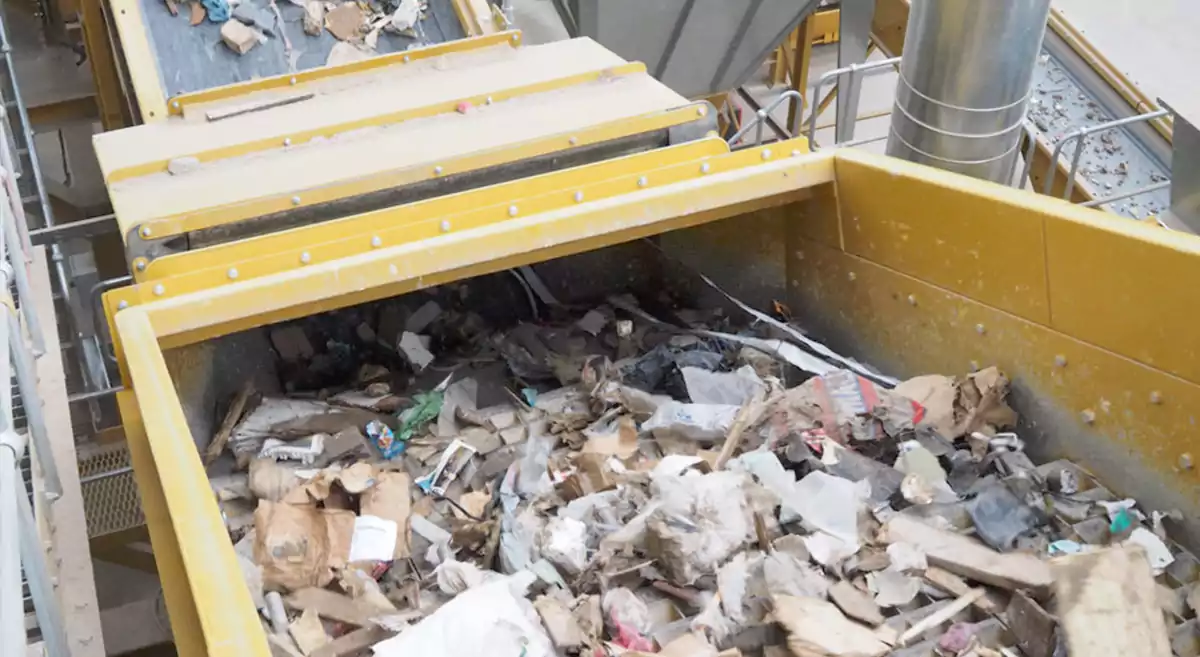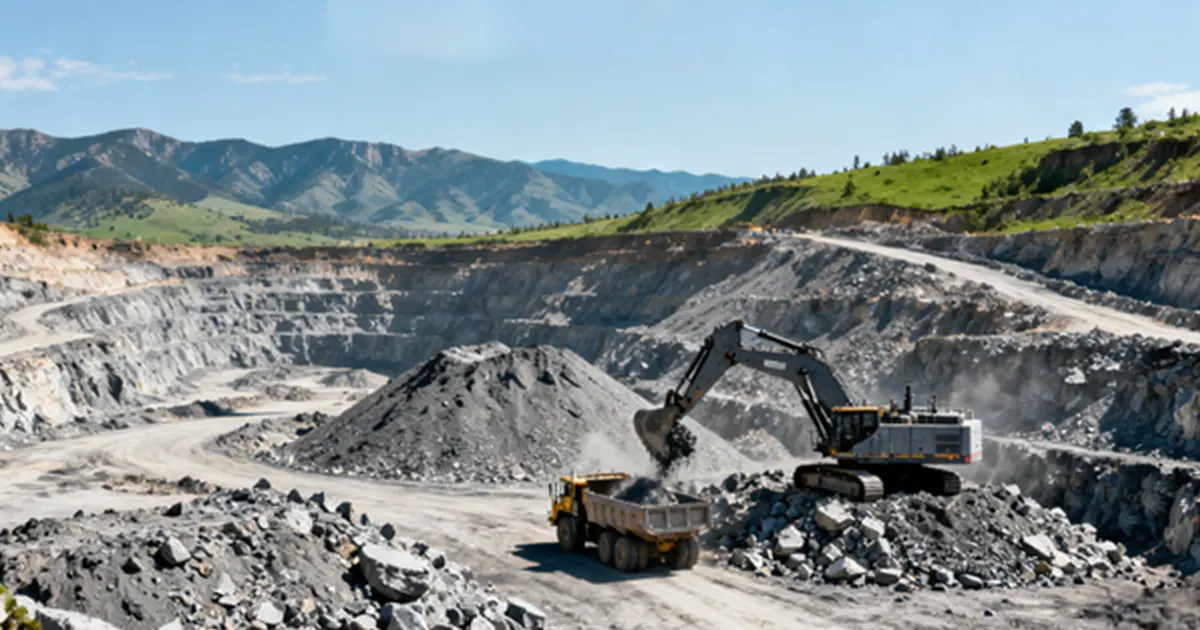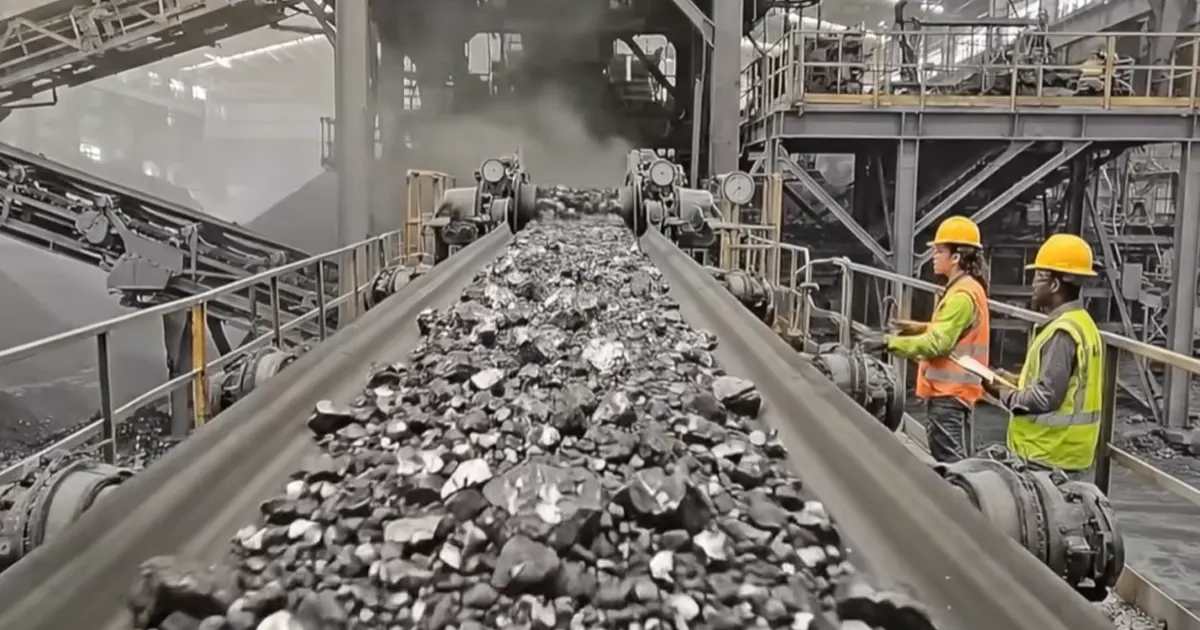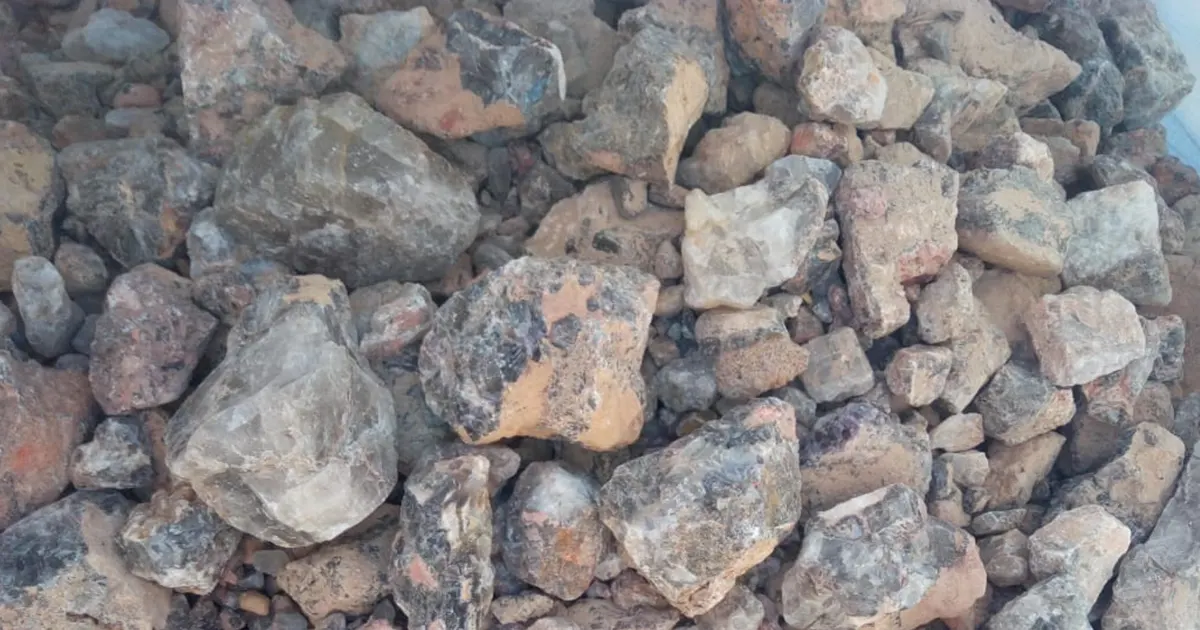
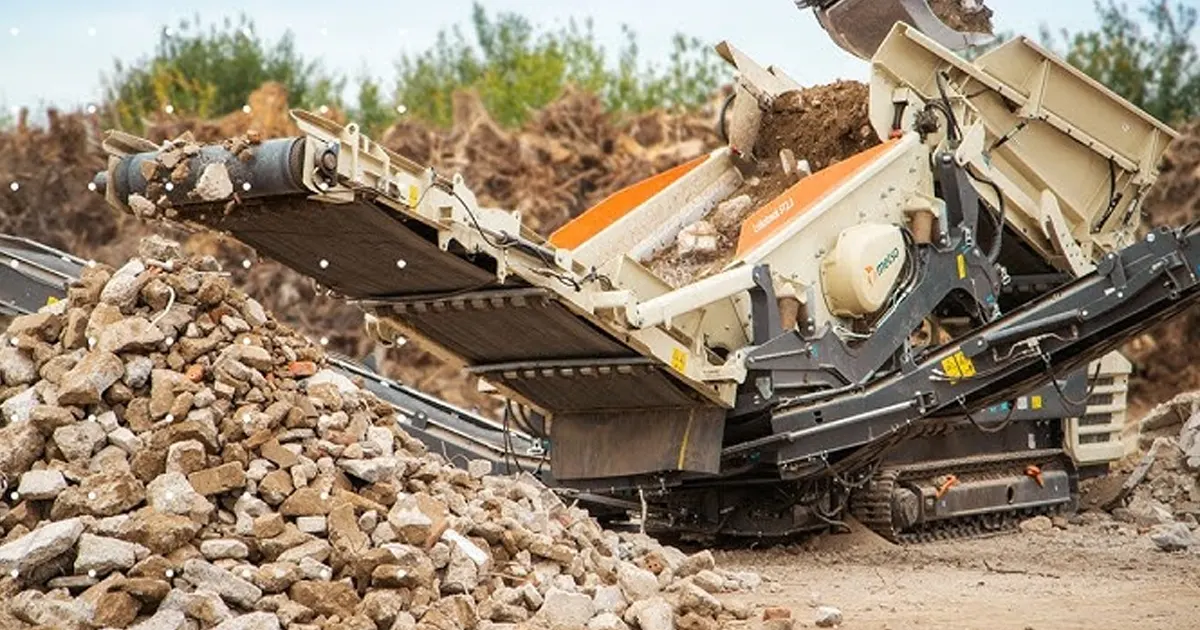
Rock Screening Equipment lets you sort rocks by size. This makes your work easier and faster. You may ask what types are available. You may also wonder how each type works. You need to know which one is best for you. Choosing the right equipment helps you work better. Here is a simple comparison:
| Equipment Type | Impact on Efficiency | Key Features |
|---|---|---|
| Inclined Screens | Processes lots of material quickly | Uses gravity, saves money, lighter engines |
| Horizontal Screens | Handles smaller material for final sorting | Strong build, needs more power |
Key Takeaways
- Rock Screening Equipment separates materials by size. This makes work faster and easier.
- Pick incline screens to sort big materials quickly. They use gravity to work better.
- Horizontal screens are best for sorting small materials. They give very accurate results.
- Trommel screens can do many jobs. They are good for sorting lots of mixed materials. They work well in recycling.
- Grizzly screens keep crushers safe by taking out big debris. This helps the machines work better.
- Use mobile screening plants for more flexibility at job sites. They help save time and lower transport costs.
- Regular maintenance is very important. It helps the equipment last longer and stops surprise breakdowns.
- Choose the right screen size and mesh type for your material. This makes sorting better and cuts down on waste.
What Is Rock Screening Equipment
Purpose and Function
Rock Screening Equipment sorts things by size. It separates rocks, sand, gravel, and other stuff. This makes your work faster and keeps things neat. Each machine does a special job. Some screens move big loads. Others sort smaller pieces. You can see how each type works in the table below:
| Equipment Type | Primary Function |
|---|---|
| Inclined Screens | Quickly sort lots of materials by size. |
| Trommel Screens | Screen materials with organic debris by size. |
| Grizzly Screens | Pre-screen limestone and granite to help crushers. |
| Dewatering Screens | Make fine aggregates dry and remove bad materials. |
| UFRs | Collect tiny particles for high-quality output. |
“Screening means sorting material by size. All screeners do this, but different jobs need different machines.”
You can pick the best equipment for your job. Some machines are good for big rocks. Others work well with sand or small gravel. You get better results when you match the machine to your material.
Key Industrial Uses
Rock Screening Equipment is used in many industries. You see it in mining, construction, and recycling. It works for coal, sand, gravel, and wood chips. Vibrating screens are common because they help manage waste and make aggregates.
Scalping
Scalping removes big rocks or debris before processing. This protects crushers and keeps things running well. Grizzly screens are good for this. They catch big pieces and let small ones go through.
Washing
Washing cleans your material. It removes dirt, clay, and unwanted stuff. Trommel screens and washing screens do this job. Clean material gives you better quality in the end.
Dewatering
Dewatering dries your material. Dewatering screens pull out water and leave dry aggregates. This is important for projects that need dry materials.
Dedusting
Dedusting takes away fine dust from your material. You get cleaner products and lower health risks. Some screens use air or vibration to shake off dust. Dedusting is used in recycling and construction to meet safety rules.
Rock Screening Equipment helps you do many jobs. You can sort, clean, dry, and improve your materials. You get more value and make your work safer and easier.
Types of Rock Screening Equipment
Incline Screens
Incline screens are used in many places. These machines sit at an angle. The angle is between 10 and 35 degrees. Gravity helps move rocks down the screen. Rocks slide down fast, so sorting is quick. Incline screens are simple and cheap to run. You can use them for many jobs. They sort gravel and separate sand.
Here’s how incline screens work:
- Material goes in at the top.
- Gravity pulls it down the screen.
- The screen shakes, so small pieces fall through.
- Big rocks move to the end.
Incline screens handle big loads easily. They give up to 25% more capacity than horizontal screens. You spend less energy because gravity helps. These screens don’t get plugged up often. You spend less time fixing them.
Tip: Use incline screens if you need to sort lots of material fast.
Horizontal Screens
Horizontal screens sit flat on the ground. They don’t use gravity to move rocks. Strong vibrations move the material instead. You get accurate sorting for small particles. These screens are good for small spaces. They help you get the right size.
Let’s compare incline and horizontal screens:
| Feature | Incline Screens | Horizontal Screens |
|---|---|---|
| Angle of Operation | 10-35 degrees | Flat |
| Material Movement | Gravity and vibration | Vibration only |
| Energy Efficiency | More efficient | Less efficient |
| Capacity | Up to 25% more | Lower capacity |
| Design Complexity | Simple | More complex |
| Applications | Tough materials | Accurate sizing |
Horizontal screens move material at 45 to 50 feet per minute. Incline screens move material at 70 to 75 feet per minute. Incline screens give more throughput. Horizontal screens give better control over size.
Note: Pick horizontal screens if you need precise sorting or have little space.
Trommel Screens
Trommel screens look like big spinning drums. You put material in one end. The drum spins and sorts rocks, soil, compost, or waste. Trommel screens handle lots of material. They work in many industries.
You see trommel screens in construction, mining, and recycling. They sort wood, concrete, and asphalt. This helps keep waste out of landfills. In mining, trommel screens separate minerals from waste rock. You get better results and save money.
Here’s why trommel screens are special:
- They are mobile and easy to move.
- They work well and need little fixing.
- They sort recyclables from waste in city facilities.
- They help farmers make compost by removing debris.
Trommel screens are important in Rock Screening Equipment. You get good sorting and cleaner materials for your projects.
Trommel screens are best for jobs that need flexibility and lots of sorting.
Star Screens
Star screens look a bit different from other machines. You see rows of shafts with star-shaped discs spinning fast. As you feed material onto the screen, the stars grab and move it forward. Smaller pieces drop through the gaps between the stars. Bigger chunks stay on top and move to the next step.
- Star screens use rotating shafts with star-shaped discs for separation.
- They work well with bulky or fibrous materials, like wood chips or compost.
- You can process high volumes quickly.
You might notice that star screens handle lots of material, but they don’t always give you perfect sizing. Long or odd-shaped pieces can slip through the gaps. If you need exact sizes, star screens may not be your best choice.
Star screens shine when you want fast sorting and don’t need super precise sizes. They’re great for recycling, landscaping, and composting.
Vibrating Screens
Vibrating screens are everywhere in material sorting. You see a flat or angled surface shaking back and forth. This motion makes rocks, sand, or gravel move across the screen. Smaller particles drop through holes or mesh. Larger pieces keep moving until they reach the end.
- Vibrating screens rely on vibrations to separate materials.
- You get accurate sizing for many types of material.
- These screens work well for dry, fine, or sticky materials.
You can adjust the vibration speed and screen size to match your job. Vibrating screens are flexible and fit many industries. If you need precise sorting, you’ll like how these machines work. They handle everything from sand to crushed stone.
Vibrating screens give you control. You can fine-tune them for different materials and get the results you want.
Grizzly Screens
Grizzly screens are tough. You use them at the start of your process, right after you dump raw material. These screens have thick bars spaced apart. As material flows over the bars, smaller pieces drop through. Big rocks stay on top and move forward.
Here’s why grizzly screens are popular in mining:
- You remove up to 80% of undersized material before crushing.
- You extend crusher liner life by 30-45%.
- You lower energy use in your processing circuit by up to 20%.
- You spend less time on maintenance because special bar shapes prevent buildup.
- You get higher throughput than traditional feeders.
- You can change bar spacing to handle different materials.
- You handle wet or sticky materials better than other screens.
Grizzly screens help you protect your equipment and boost efficiency. You save money and keep your operation running smoothly.
If you work with heavy-duty materials, grizzly screens are your best friend. They make your job safer and faster.
Rock Screening Equipment includes all these machines. You can pick the right one for your material and job needs.
Static Screens
Static screens are simple tools in your screening lineup. You don’t see moving parts here. The screen sits in place, and material flows over it. Gravity does most of the work. You use static screens to separate big rocks from smaller ones. These screens work well in places where you don’t need fast sorting or lots of movement.
You might use static screens at the start of your process. They catch oversized material before it reaches crushers or other machines. Static screens last a long time because they have fewer parts to break. You spend less time fixing them. If you want a low-maintenance option, static screens are a good choice.
Static screens are best for simple jobs. You get reliable sorting without much fuss.
Mobile Screening Plants
Mobile screening plants give you freedom on the job site. You can move these machines wherever you need them. They help you sort material right where you work. You don’t have to wait for someone else to screen your rocks. You save time and keep your project moving.
Here’s how mobile screening plants boost your productivity:
- You screen material on-site, so you don’t need to hire extra help or wait for outside services.
- These machines are compact and easy to transport. You can move them between sites quickly.
- You make your own materials, which saves money and cuts down on hauling costs.
- Mobile screening plants let you sort different materials into useful piles. You can reuse or sell what you don’t need.
- You control the quality of your material. You make sure everything meets your standards.
If you want to stay flexible and keep your project on schedule, mobile screening plants are a smart investment.
Mobile screening plants help you work faster, save money, and get the job done your way.
Self-Cleaning Screens
Self-cleaning screens are a game-changer for busy sites. You don’t have to stop and clean them all the time. These screens use special panels or built-in systems to shake off debris. You keep working without blockages slowing you down.
Let’s look at the benefits of self-cleaning screens:
| Benefit Description | Explanation |
|---|---|
| Reduced Maintenance Frequency | Self-cleaning features stop debris from piling up, so you clean less often. |
| Improved Operational Efficiency | You keep running without blockages, so your whole system works better. |
| Extended Equipment Lifespan | Fewer cleanings mean less wear and tear, so your screens last longer. |
You also get extra perks:
- Filtration systems keep your material clean and prevent contamination.
- Easy access makes maintenance quick and simple.
- Anti-clogging panels stop material from building up.
If you use preventive maintenance, like regular checks and training your team, you cut down on emergency repairs. Self-cleaning screens, paired with smart maintenance, keep your Rock Screening Equipment running smoothly and help you avoid downtime.
Self-cleaning screens let you focus on your work, not on fixing machines.
PU-Mesh Screens
PU-mesh screens are great for hard jobs. You see them where rocks and gravel wear out other screens fast. These screens are made from polyurethane. Polyurethane is strong and bends without breaking. PU-mesh screens work well for tough tasks.
- PU screens last a long time because they do not wear out fast. They can take hits and keep working. You can use them in mining and other heavy jobs.
- They are quieter than metal screens. Workers are safer and more comfortable. Loud machines can hurt your ears.
- PU screens work well when things are wet or sticky. Metal mesh can get blocked, but PU-mesh keeps sorting right.
If you need a screen for rough material, PU-mesh screens are a smart pick. You fix them less and finish your work faster.
Tip: Use PU-mesh screens if you want strong and quiet screens. They help you sort even when things get messy.
Vibrating Pan & Grizzly Feeders
Vibrating pan and grizzly feeders move material smoothly. You use these machines at the start of your work. They feed rocks, gravel, or sand into crushers or screens. You see them in mining, cement, and building sites.
- You can feed big rocks without jamming the machine.
- These feeders sort out small pieces so you get cleaner material.
- They work with wet and sticky stuff that can block other machines.
You find vibrating pan and grizzly feeders in power plants and steel factories. They keep things moving and stop blockages. If you need to handle hard rock or river deposits, these feeders make your job easier.
Note: Use vibrating pan and grizzly feeders for steady flow and less stopping. They help you with tough materials and keep your work going.
Heavy-Duty Mesh & Punch Plates
Heavy-duty mesh and punch plates are strong and flexible. You use them when you need to screen tough stuff. These screens can handle hard jobs and last longer.
| Feature | Description |
|---|---|
| Durability | Heavy-duty mesh and punch plates are made for hard jobs. They do not wear out fast. |
| Precision | Their design helps you separate materials the way you need. |
| Efficiency | They work well and help you finish jobs in tough places. |
- You get strong and useful screens for sorting.
- The special design lets air move and stops blockages.
- They are stiff, so they can hold heavy loads.
You can use heavy-duty mesh and punch plates in mining, recycling, and making gravel. They help you sort fast and keep your machines safe. If you want screens that last and work well, these are a good choice.
Heavy-duty mesh and punch plates help you with hard jobs. You get good sorting and less time fixing things.
Comparing Screening Equipment
Efficiency & Throughput
You want your screening equipment to sort fast. Efficiency and throughput depend on many things. The right machine saves time and helps you do more. Let’s see what affects how well your equipment works:
| Factor | Description |
|---|---|
| Type and Size of Raw Material | Sticky materials block screens. Brittle materials sort better. |
| Density of Raw Material | Heavy materials move through faster. Light materials slow things down. |
| Moisture Content | Wet materials stick and block screens. Dry materials move easily. |
| Length and Width of Screen Deck | Wider decks give more area. Longer decks help, but too long can lower efficiency. |
| Shape of Screen Mesh | Round holes let small pieces drop through better than square holes. |
| Structural Parameters | Bigger openings and more open area boost production. |
| Screen Angle | The angle changes how fast material moves and sorts. |
| Vibrating Direction Angle | Bigger angles help tough materials move faster. |
| Amplitude | The right shake keeps screens clear and sorts well. |
| Vibration Frequency | Faster shakes speed up sorting, but too much can wear out the screen. |
If you watch these factors, you get better results. You can change your equipment to fit your material and job. This helps you stop blockages and keeps your work moving.
Tip: Check your material and screen settings often. Small changes can make a big difference in speed and sorting.
Capacity & Scalability
You need to plan for how much material you want to process. Capacity and scalability help you meet demand and keep costs low. If you pick the right size machine, you avoid wasting money and resources.
| Evidence | Explanation |
|---|---|
| Capacity planning aligns resources with demand | You match your equipment to your needs, so you don’t overspend. |
| Capacity impacts fixed costs | If you guess wrong, you pay for machines you don’t use. |
| Effective capacity planning improves operational efficiency | You keep your business healthy and your work flowing. |
Here are some ways to manage capacity and scalability:
- Split your planning into short, medium, and long-term goals. This helps you handle risks.
- Use your resources wisely. Put your machines where they work best.
- Work together as a team. Everyone knows what to expect.
Modern tools help you plan better. Automated software connects your equipment to your supply chain. You see what’s happening right now and can change plans quickly if needed.
Note: If you plan ahead, you avoid surprises and keep your project on track.
Maintenance Needs
You want your equipment to last and work well. Maintenance keeps your machines running and stops unexpected breakdowns. If you follow good practices, you save money and avoid downtime.
Common maintenance tasks include:
- Replace screen panels often. Wire cloth, urethane, and rubber panels wear out at different rates.
- Change oil on time. This keeps your equipment smooth and extends its life.
- Clean your machines every day. Remove material buildup around moving parts to prevent failures.
If you stay on top of maintenance, your screening equipment stays reliable. You spend less time fixing things and more time getting work done.
Keep a checklist for maintenance. This helps you catch problems early and keeps your equipment in top shape.
Durability & Cost
When you pick rock screening equipment, you want something that lasts. Durability matters because you don’t want to fix or replace your machine all the time. If your equipment breaks down, your whole project slows down. You spend more money and waste time. So, you need to look at how tough the machine is and what it costs to keep it running.
Let’s break it down. You should check the materials used in the equipment. Strong metals and quality parts help your screeners work longer. If you use machines made from weak materials, you’ll see cracks, rust, or broken parts sooner. That means more repairs and higher costs.
Tip: Always ask about the materials used in the screen. Tougher materials mean fewer problems and more work done.
Cost is another big factor. You have to think about more than just the price tag. There are other costs that come up after you buy the machine. These include fuel, labor, and regular maintenance. If you choose a machine that needs lots of repairs, you’ll spend more money over time.
Here’s a simple table to help you compare:
| Factor | Why It Matters |
|---|---|
| Purchase Price | The upfront cost for the equipment |
| Maintenance Needs | How often you need to fix or service |
| Operating Costs | Fuel, labor, and daily expenses |
| Material Durability | How long the parts last |
| Reliability | How often the machine breaks down |
You want to keep your budget in check. If you spend too much on repairs or fuel, your profits drop. Machines with low maintenance needs help you save money. You can use your equipment longer and get more work done.
- Regular maintenance keeps your equipment running smoothly.
- Operating costs, like fuel and labor, must fit your budget.
- Budget and total cost affect if your project makes money.
- Maintenance and service needs change the total cost of ownership.
- Picking equipment with less maintenance lowers your expenses.
- Durable materials help your machine last longer.
- Reliable equipment gives you steady performance.
If you plan ahead, you can avoid surprises. Ask about service schedules and spare parts. Make sure you know how much it costs to run the machine every day. You want a screener that works hard and doesn’t break down often.
Note: Choosing durable and cost-effective equipment helps you finish your project on time and within budget. You get more value and less stress.
When you look at durability and cost, you make smarter choices. You get equipment that works well, lasts longer, and keeps your business strong.
Applications of Rock Screening Equipment
Construction
You see Rock Screening Equipment at almost every construction site. These machines help you sort raw materials like sand, gravel, and crushed stone. When you use the right equipment, you get the right size of material for your project. This makes your work easier and your results better.
- You can sort raw materials from different sources into finer grades. This helps you get the exact type of sand or gravel you need.
- You make sure your aggregates meet the standards for quality and strength. This means your buildings and roads last longer and stay safe.
- You help the environment by recycling old construction materials. Instead of throwing away debris, you can screen and reuse it.
- On demolition sites, you separate useful aggregates from waste. This lets you recover and reuse more material, saving money and resources.
When you use screening equipment, you keep your job site organized. You also cut down on waste and help your project run smoothly.
Tip: If you want strong and stable buildings, always check that your aggregates are screened and sorted.
Mining
Mining sites can get messy fast. You deal with rocks, dirt, and all kinds of debris. Screening equipment helps you sort out what you need from what you don’t. You can separate valuable minerals from waste rock. This makes your mining process faster and more efficient.
You use screens to remove big rocks before they reach the crusher. This protects your machines and keeps them running longer. You also use screens to sort minerals by size. This helps you get the best value from your mining operation.
In mining, you need tough equipment. Screens must handle heavy loads and rough materials. When you pick the right screen, you save time and money. You also get more usable material from every load.
Aggregate Production
If you work in aggregate production, you know how important clean and sorted materials are. You need different sizes of gravel, sand, or crushed stone for different jobs. Screening equipment helps you get the right size every time.
- You produce clean, separated, and properly sized materials for many uses.
- You can increase the value of your materials. Different sizes often sell for different prices.
- You get more flexibility in your projects. When you can make many sizes, you can bid on more jobs and meet changing needs.
Screening equipment lets you control your product quality. You can meet customer demands and keep your business growing. When you use the right screens, you waste less and earn more.
Note: Good screening means better products and more opportunities for your business.
Recycling
You see recycling everywhere now. People sort bottles, cans, and paper at home. Big companies sort concrete, asphalt, and metal at work sites. Rock screening equipment helps you do this job faster and better. You can turn waste into useful material. You save money and help the planet.
When you use screening machines, you separate materials by size. You can pull out clean gravel from old concrete. You can sort wood chips from dirt. This makes recycling easier. You get more value from every load.
Let’s look at how screening equipment boosts recycling:
| Evidence | Description |
|---|---|
| Recycling Rates | Only 25% of municipal solid waste gets recycled. Good screening can help raise this number. |
| Waste Reduction | Screening cuts down the amount of waste sent to landfills. You keep more material out of dumps. |
| Resource Conservation | Using recycled materials means you need fewer new resources. You protect nature and save energy. |
You want to improve recycling rates. Screening equipment lets you sort materials quickly. You can recover more usable stuff. You send less waste to the landfill. This helps your business and the environment.
Here’s how you use screening machines in recycling:
- You sort construction debris into gravel, sand, and metal.
- You clean up old asphalt and reuse it for new roads.
- You pull out wood chips from yard waste for mulch or compost.
- You separate glass from mixed waste for new bottles.
Screening equipment gives you control. You decide what to keep and what to toss. You can sell recycled materials or use them in new projects. This saves money and reduces your need for new supplies.
Tip: If you want to recycle more, use screening machines to sort your materials. You get cleaner products and help the planet.
You also make your job safer. Clean, sorted materials are easier to handle. You avoid sharp objects or hidden hazards in mixed waste. You keep your site tidy and organized.
Screening equipment works with many types of waste. You can use it for concrete, wood, glass, and metal. You can adjust the screen size to match your needs. This makes your recycling process flexible.
You see that recycling is not just about sorting trash. It’s about turning waste into something useful. Screening equipment helps you do this every day. You make a difference for your business and the world.
Rock Screening Equipment Selection
Assessing Material Type & Size
Before you choose a machine, you must know your material. The kind and size of your rocks change how well your equipment works. If you pick the wrong screen, you might get clogs. Sorting can slow down or your machine could break.
Let’s see how different features of your material matter:
| Characteristic | Effect on Screening |
|---|---|
| Oversize Proportion | Big stones can push limit size pieces through, which lowers efficiency. |
| Half Size Proportion | Fine material goes through easily, but limit size pieces slow things down. |
| Material Weight | How much you can screen depends on how much material you have. |
| Particle Shape | Round stones are easier to screen than sharp, crushed stones that can block the screen. |
| Material Humidity | Wet material can make small pieces stick to big ones, making screening harder. |
You should always check if your material is wet or dry. Sticky, wet material can block screens quickly. Round stones move through screens better than sharp rocks. If you have lots of big rocks, you need a strong screen that will not break. If your material is mostly small, you want a screen with small holes for better sorting.
Tip: Look closely at your material before picking your equipment. This helps you avoid problems and keeps your work going.
Matching Equipment to Application
Once you know your material, match your equipment to your job. Every project is different. Some jobs need fast sorting. Others need very clean and exact results. You want to pick the right tool for your work.
Here’s a table to help you choose:
| Criteria | Explanation |
|---|---|
| Define Screening Requirements | Think about your goals and what your material is like. Check the size, weight, shape, and how wet it is. |
| Evaluate Key Performance Indicators | Look at how accurate the screen is and how much it can handle. These things affect how fast and well you can work. |
| Consider On-Site Adaptability | Make sure your equipment fits your work area. It should be safe and easy to maintain. |
| Integrate Typical Application Scenarios | Some jobs need special machines. Pick equipment that matches your industry and the kind of work you do. |
If you work in mining, you may need a tough screen for big rocks and dust. For recycling, you might want a screen that sorts many materials and is easy to clean. In construction, you may need a mobile screen you can move around.
Note: Always match your equipment to your job. The right choice saves you time, money, and effort.
Screen Size & Mesh Choice
Picking the right screen size and mesh is important. The holes in your screen decide what size material you get. If the holes are too big, small pieces fall through. If they are too small, your screen might clog or slow down.
Here’s how screen features change your results:
| Parameter | Impact on Screening | Best Use Case |
|---|---|---|
| Wire Diameter | Strength, durability | Heavy loads, abrasive jobs |
| Aperture Size | Precision, throughput | Fine or coarse separation |
| Open Area | Efficiency, flow rate | High-volume screening |
You also have different mesh types to pick from:
| Mesh Configuration | Best Use Case | Material Options | Key Benefit |
|---|---|---|---|
| Square Mesh | Precise sizing, dry screening | Carbon, Stainless, Galvanized | Accurate cut size, easy cleaning |
| Pre-Crimped Mesh | Heavy loads, vibration | Carbon, Stainless | Holds shape, resists wear |
| Slotted/Rectangular | Wet/sticky material | Stainless, Galvanized | Reduces blinding, boosts throughput |
The size of the holes in your mesh controls what size rocks or sand you get. Bigger holes let more material pass, but you lose some accuracy. Smaller holes give you cleaner results, but things can slow down. More open space in your mesh means your material moves faster.
Screening efficiency and accuracy are important. If you pick the right mesh, you get better quality and less waste. This matters a lot if you need clean material for special jobs. When you focus on efficiency and accuracy, you get more done and keep your customers happy.
Tip: Always match your screen size and mesh type to your material and your job. This helps you get the best results every time.
Fixed vs Mobile Solutions
You face a big choice when picking Rock Screening Equipment. Should you go with a fixed setup or a mobile solution? Each option has its own strengths and weaknesses. Your decision will shape how you work and how much you spend.
Here’s a quick look at the main differences:
| Aspect | Mobile Screening Solutions | Fixed Screening Solutions |
|---|---|---|
| Cost | Lower initial investment | Higher upfront cost |
| Flexibility | Easy to move and set up fast | Stays in one place, needs installation |
| Accessibility | Can reach remote or changing sites | Always ready on-site |
| Operating Costs | Usually higher | Lower over time |
| Long-term Viability | Good for short-term or changing needs | Best for long-term, steady jobs |
| Comfort & Space | Smaller, sometimes cramped | More space, often more comfortable |
Mobile screening plants let you move from site to site. You can handle jobs in different places without buying new machines. These units work well if you have short projects or need to cover a lot of ground. You get flexibility, but you may pay more to keep them running.
Fixed screening setups stay in one spot. You get a strong, steady system that handles big jobs for years. These setups cost more at the start, but you save money on daily use. Fixed solutions work best if you have a steady flow of material and don’t need to move your equipment.
Tip: If your worksite changes often, go mobile. If you have a big, steady job, fixed screens may save you money in the long run.
Maintenance & Support
You want your equipment to last and work well every day. Good maintenance and support make a huge difference. If you take care of your machines, you avoid breakdowns and keep your project on track.
Let’s see how regular maintenance helps you:
| Benefit | Description |
|---|---|
| Reduced Breakdowns | You spot problems early and fix them before they get big. |
| Minimized Downtime | Your machines stay running, so you don’t lose time waiting. |
| Improved Efficiency | Well-kept equipment sorts faster and better. |
| Extended Lifespan | Your machines last longer, saving you money on replacements. |
You can also get help from expert support teams. They know how to fix problems fast. They help you control costs and boost your productivity. When you have a good service plan, you worry less about surprise repairs.
Here are some simple tips for better maintenance:
- Make a checklist for daily, weekly, and monthly tasks.
- Train your team to spot early signs of wear or damage.
- Keep spare parts on hand for quick fixes.
- Schedule regular checkups with your supplier or service team.
Note: A little care goes a long way. Regular checks and expert help keep your Rock Screening Equipment running strong.
Budget & ROI
You want to get the most value for your money. When you buy screening equipment, look at more than just the price tag. Think about all the costs and how much you’ll get back over time.
Here’s what you should consider:
| Factor | Description |
|---|---|
| Total Cost of Ownership (TCO) | Add up all costs, including buying, running, and fixing your equipment. |
| Initial Purchase vs. Operating Costs | Don’t just look at the first price. Check how much it costs to use and maintain the machine. |
| Financing & Tax Incentives | See if you can get loans or tax breaks to help pay for your equipment. |
| ROI & Payback Period | Figure out how long it takes to earn back your investment. |
| Common Mistakes | Don’t focus only on the cheapest option. Look at the big picture for long-term savings. |
You can use an ROI calculator to see how fast your equipment will pay for itself. Try to include all possible costs and savings. This helps you make a smart choice and avoid surprises later.
- Don’t forget to ask about financing options.
- Check if there are tax breaks for buying new equipment.
- Plan for both short-term and long-term needs.
Tip: The best investment is not always the cheapest. Look for equipment that saves you money over time and helps your business grow.
Screen Sizes & Machine Recommendations
Choosing Screen Size
You want to pick the right screen size for your material. Screen size means the size of the holes in your screen. If you choose the wrong size, you might get too much waste or miss out on good material. Think about what you need for your job. Are you sorting big rocks or fine gravel? The right screen size helps you get the best results.
Here’s a handy table to show common screen sizes for different materials:
| Material | Common Screen Sizes |
|---|---|
| Rock | 1″, 2″, 3″ |
| Gravel | ¾”, ½”, ⅜”, <¼” |
| Asphalt | 1″, ½”, ⅜” |
| Dirt | ½”, ¾”, 1″ |
If you work with rock, you usually use screens with holes from 1 inch to 3 inches. Gravel needs smaller holes, sometimes less than a quarter inch. Asphalt and dirt have their own sizes. You can use this table to guide your choice. When you match the screen size to your material, you sort faster and get cleaner piles.
Tip: Always check your material before you pick a screen size. If you see lots of small pieces, go with a smaller screen. If you have big chunks, use a larger screen.
Mesh Types for Materials
Mesh type matters as much as screen size. Mesh is the pattern of wires or holes in your screen. You have choices like square mesh, slotted mesh, and pre-crimped mesh. Each type works best with certain materials.
- Square mesh gives you accurate sizing. You use it for dry materials like sand or gravel.
- Slotted mesh helps with sticky or wet materials. It stops clogging and keeps your screen clear.
- Pre-crimped mesh is strong. You use it for heavy loads or rough rocks.
You can pick mesh made from carbon steel, stainless steel, or galvanized steel. Polyurethane mesh works well for tough jobs and lasts longer. If you want less noise, try PU-mesh screens. They help your team stay safe and comfortable.
Note: Mesh choice affects how fast you work and how clean your material gets. Try different types to see what fits your job best.
Recommended Machines
You need a machine that fits your material and your worksite. Some machines work better for certain jobs. If you want something mobile and easy to use, the Rebel Crusher and Screener stands out. It handles rock, gravel, asphalt, and dirt. You can move it around your site and sort different materials without much hassle.
Here are some reasons why you might like the Rebel Crusher and Screener:
- It’s mobile. You can take it to different sites.
- It’s versatile. You can screen many types of material.
- It’s efficient. You don’t need to watch it all the time.
Other machines you might consider include incline screens for fast sorting, vibrating screens for precise sizing, and trommel screens for jobs with lots of debris. If you work with heavy material, grizzly screens and heavy-duty mesh are good choices.
Pick a machine that matches your material and your project needs. If you want flexibility and speed, go with a mobile screener like the Rebel Crusher.
You can boost your productivity and get cleaner material when you choose the right screen size, mesh type, and machine. Take time to match your equipment to your job. You’ll see better results and save money in the long run.
Conclusion
You want your project to run smoothly. Choosing the right rock screening equipment helps you work faster and get more consistent results. Take time to review your material, target sizes, moisture, and site conditions—and get advice when needed.
As a woven wire screen manufacturer, we produce screen mesh to specification and offer custom options for different screening setups and rock types. If you share your screen type, deck size, aperture, wire diameter, and working conditions, we’ll recommend a suitable mesh and help you get the best fit for your job.
FAQ
What is the best screen for wet materials?
You want a slotted mesh or PU-mesh screen. These screens stop clogging and keep your material moving. Wet material slides through easier, so you get faster sorting.
How often should I clean my screening equipment?
You should clean your equipment daily. Remove dirt and debris to prevent blockages. Regular cleaning keeps your machine running smoothly and helps it last longer.
Can I use mobile screening plants for small jobs?
Yes, you can! Mobile screening plants work well for small projects. You move them easily and set them up fast. They save you time and money.
What size screen do I need for gravel?
Most gravel jobs use screens with holes from ⅜ inch to ¾ inch. Check your material size before you choose. The right screen gives you cleaner gravel.
How do I know if my screen mesh needs replacing?
Look for holes, tears, or worn spots. If you see damage, replace the mesh. Damaged mesh lowers sorting quality and can slow your work.
Are self-cleaning screens worth the investment?
Self-cleaning screens save you time and reduce maintenance. You spend less on repairs and keep your project moving. They are a smart choice for busy sites.
What is the difference between incline and horizontal screens?
Incline screens use gravity to move material. Horizontal screens rely on vibration. Incline screens sort faster, but horizontal screens give you more control over sizing.
Can I screen recycled materials with standard equipment?
Yes, you can screen recycled materials. Use tough screens like heavy-duty mesh or grizzly screens. These handle rough and mixed materials without breaking.