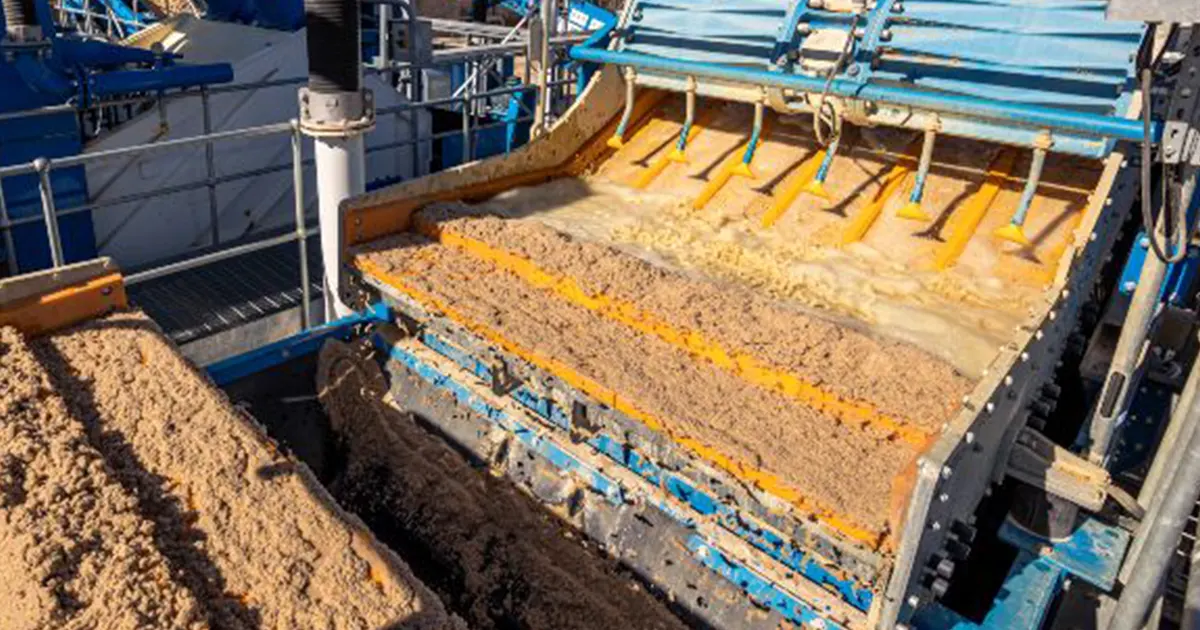
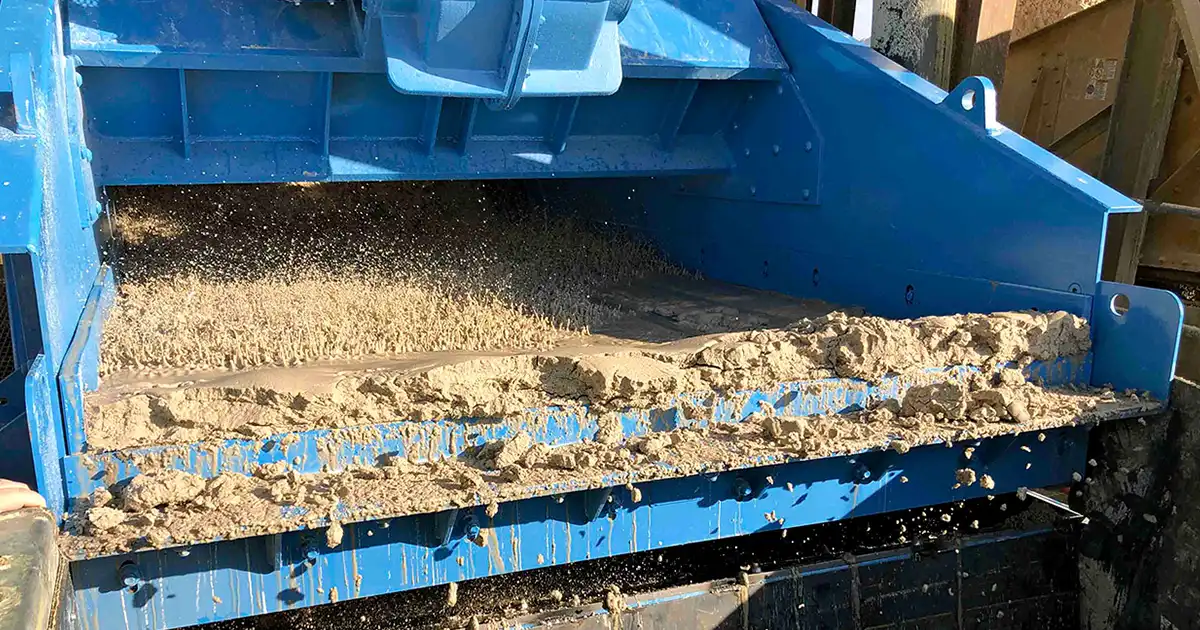
You can find sand dewatering screens in many big factories. These machines take water out of sand and small rocks. When you remove water, the materials are easier to move. It also makes them better to use.
Key Takeaways
- Sand dewatering screens take water out of sand. This makes the sand easier to use in building.
- Using these screens can help save money. They do this by using less water and making better sand.
- Dewatering screens work better than other drying ways like filter presses. They also cost less to use.
- It is important to keep dewatering screens in good shape. You should check and clean them often for best results.
- Picking the right dewatering screen depends on the kind of material. It also depends on how wet the sand is and what you need for your work.
- High-frequency screens dry sand faster. They can get back up to 95% of the water. This helps the environment and saves you money.
- Dewatering screens are very important in jobs like mining, making concrete, and recycling. They help make cleaner sand and other materials.
- You can get special dewatering screens to work better for your needs. These custom screens can help your work go smoother.
Purpose of Sand Dewatering Screens
Why Dewatering Matters
You may ask why taking water out of sand is needed. When sand has less water, it is easier to use and move. Wet sand can cause trouble in building and factory jobs. Here are some ways water in sand can change things:
- It changes the water-cement mix, which helps make strong concrete.
- It affects how well things stick and how fast they dry.
- It can block pipes and make sand flow uneven if you do not check water levels.
You want sand that is dry enough to use but not so dry that it turns dusty. Sand dewatering screens help you get the right amount of dryness.
Key Benefits
Using a dewatering screen gives your plant many good things. You get cleaner sand and work goes smoother. Look at these benefits:
- You help the earth by using less water and making less dirty water.
- You can pile sand higher and save more space.
- You get sand that does not drip, so your site stays clean.
- You fix conveyor belts less because sand does not stick as much.
- You make better sand by lowering water, so it works better.
- You move more sand faster, so you work better.
- You save money because these screens use less power than other machines.
Tip: If you want your plant to work well and save money, use a dewatering screen.
Dewatering vs. Other Methods
You have choices for drying sand. Dewatering screens are fast and save money. Here is how they compare to filter presses:
| Aspect | Dewatering Screens | Filter Presses |
|---|---|---|
| Moisture Reduction | Dries sand very well | Not as good at drying |
| Capital Cost | Costs less to buy | Costs much more |
| Operating Cost | Cheap to run | Can cost three times more |
| Integration | Easy to add to plants | May need big changes |
| Best For | Sand, gravel, stone, coal | Not always good for all |
Dewatering screens dry sand and rocks so well you can sell them right away. Other ways, like vacuum filters and pressure filters, do not dry sand as much. If you need sand with little water, dewatering screens are best. Most dewatering screens can lower water to about 7-10%, which is great for many jobs.
Key Components of Dewatering Screens
When you look at a wire mesh dewatering screen, you see more than just a simple machine. Each part works together to give you dry, clean sand. Let’s break down the main components so you know what makes these screens so effective.
Screen Media Types
The screen media is the heart of your wire mesh dewatering screen. This is where the sand and water meet the surface that does the actual separating. You have a few choices for screen media, and each one brings something special to the table.
Here’s a quick look at the most common types and their advantages:
| Type of Screen Media | Advantages |
|---|---|
| Wire cloth | Great for quick changes; stainless steel options fight rust. |
| Perforated and flame-cut plate | Handles tough jobs; resists impact and wear. |
| Polymers | Loves wet work; perfect for dewatering screens. |
| Rubber | Stands up to dry, hard hits; modular design makes swaps easy. |
| Hybrid screens | Gives you more open space and lasts longer; mixes urethane benefits with top performance. |
Woven Wire
You’ll find woven wire in many wire mesh dewatering screen setups. It’s strong and lets water pass through fast. If you need to switch out your screen media often, woven wire makes it easy. Stainless steel woven wire also helps stop rust, so your screen lasts longer. You can count on woven wire for sharp cuts and steady performance.
Polyurethane (PU)
Polyurethane, or PU, is another favorite for wire mesh dewatering screen users. PU screens handle wet sand well and stand up to lots of use. They don’t wear out quickly, so you spend less time on repairs. PU screens also keep their shape, which means you get the same results every time you run your machine.
Vibratory Motors
Vibratory motors are the muscles of your wire mesh dewatering screen. These motors shake the screen at high speeds. This shaking helps move sand across the screen and pushes water out fast. You get better water separation, which means drier sand and less waste. Most screens use twin electromechanical motors with about 2.5 horsepower. They spin at 1750 RPM and give the screen a strong shake—about 7.3 G’s of force. With this power, your screen works hard so you don’t have to.
Tip: If you want to get the most out of your dewatering screen, check the motors often. A strong motor means better results.
Inclined Deck
The deck is the surface where the sand travels. Most wire mesh dewatering screens use an inclined deck. This means the deck sits at an angle, usually between 5 and 45 degrees. Gravity helps move the sand down the deck while the screen vibrates. Finer sand falls through, and bigger pieces move along the top. This setup gives you drier sand at the end and makes sure nothing gets stuck. The angle and vibration work together to get the best results for your sand and fine aggregates.
Note: If you want cleaner sand, make sure your deck angle matches your material type.
Support Frame
When you see a wire mesh dewatering screen, you will notice a big, strong frame. This frame is very important. It keeps all the parts in place and helps the machine last longer. The support frame is like the backbone of the machine. It holds the screen media, motors, and deck steady, even when the machine shakes a lot. Most frames are made from Q345B steel. This steel is very strong and does not bend or break easily. You need a tough frame if you work with wet sand or rocks every day.
Let’s look at what makes a good support frame:
| Feature | Description |
|---|---|
| Material | High-grade alloy steel for durability and reduced wear. |
| Maintenance | Easy access inspection points and hydraulic system for simple maintenance. |
| Lubrication | Automated lubrication systems to improve maintenance intervals and efficiency. |
| Performance | Designed to handle high feed volumes and optimal moisture removal for high-quality end-products. |
A strong support frame gives you more than just strength. It has smart features that make your job easier. Many frames have inspection points. These let you check for problems without taking the machine apart. Some frames have hydraulic systems. These help you lift or move parts quickly. You save time and keep the machine working longer.
A good frame also helps with maintenance. Some frames have automated lubrication systems. These systems keep moving parts working well. You do not have to stop often to add grease. This means you can process more sand in less time.
Here is what you get with a good support frame on your wire mesh dewatering screen:
- You can process between 10 and 30 tons of sand each hour.
- The sand’s moisture drops by 30 to 50 percent.
- The machine works much better than old ways—sometimes over 20 times better.
The frame’s design is important for another reason. It helps your machine last longer. With a strong steel frame and tough materials like polyurethane and silicon carbide, your screen can run up to 8,000 hours before you need a new one. That is a lot of sand!
Tip: To keep your machine working well, check the support frame for cracks or rust during regular checks. A strong frame means your machine is reliable.
A sturdy support frame does more than just hold the parts. It helps the machine work better, makes fixing it easier, and helps you get dry, clean sand.
How Dewatering Screens Work
Material Feeding
You start by feeding wet sand onto the dewatering screen. This step sets the stage for everything that follows. If you want the best results, you need to pay attention to how you feed the material. Here’s what you should do:
- Watch the height where you drop the sand. If you pile it too high, you can overload the screen.
- Make sure your sand has a solids content of at least 50%. This helps the dewatering process work better.
- Adjust the speed, stroke, and angle of your screen. These changes help you get the driest sand possible.
- Aim for sand that comes off the screen without dripping. This means you’ve removed most of the water.
If you follow these steps, your dewatering screen will run smoothly and give you sand that’s ready for the next job.
Vibration and Water Separation
Once the sand lands on the vibrating screen machine, the real action begins. The screen uses high-frequency vibration to shake the sand and water. This movement helps separate the water from the sand. You can see how the process works in the table below:
| Step | Description |
|---|---|
| Basic dewatering | Wet sand enters the screen. The vibration spreads the material out in a thin, even layer. |
| Grading screening | Coarse pieces move forward. Fine sand falls through the screen openings. |
| Deep dewatering | The vibration churns the fine sand layer. Water gets forced down and out through the screen. |
| Dry material collection | The sand, now with low moisture content (sometimes as low as 8%), moves to the discharge end. |
The vibration does more than just move the sand. It helps water escape quickly, so you get drier sand in less time. You can adjust the vibration settings to match your material and get the best results.
Tip: If you want to get sand with the lowest moisture content, check your vibration settings often.
Discharge and Collection
After the dewatering screen does its job, you need to collect both the sand and the water. The process is simple but important. The sand, now much drier, drops onto a collection conveyor. You can expect the moisture content to be around 9–10% at this point. Sometimes, it can even be lower—below 14%—depending on your setup.
The water that leaves the sand flows into a central sump. This step helps you recover any fine particles that might still be in the water. You then pump this dirty water to a treatment stage, where you can clean and reuse it. This way, you save water and keep your operation clean.
You can manage the dewatered sand easily after it leaves the screen. It’s dry enough to move, stack, or sell right away. You don’t have to wait for it to dry out in the sun or use extra machines.
Note: Good collection and water management keep your plant running smoothly and help you get the most out of your dewatering screen.
Performance Factors
You want your sand dewatering screen to work at its best. Several factors decide how well your screen dries sand and separates water. If you pay attention to these, you get cleaner sand, save money, and keep your plant running smoothly.
Here’s a quick look at the main performance factors:
| Factor | What It Means for You |
|---|---|
| Vibration parameters | The way your screen shakes—frequency, strength, angle—changes how fast sand dries. |
| Structure of the sieve plate | The material and design of the screen plate affect how much sand passes through. |
| Noise index | Quieter screens make your work safer and more comfortable. |
| Maintenance difficulty | Simple screens are easier to fix and keep clean. |
| Weight index | Lighter screens cost less to move and install. |
Let’s break these down so you know what to watch for:
- Vibration parameters: If you set the right frequency and amplitude, your screen shakes just enough to push water out fast. You can change the direction and strength to match your sand type. If you get this right, you see drier sand and less waste.
- Structure of the sieve plate: You can choose plates made from polyurethane or stainless steel. Polyurethane plates have more open space, so water leaves faster. Stainless steel lasts longer and resists rust. Pick the plate that fits your job.
- Noise index: Loud machines can hurt your ears and make your site less safe. If you use a screen with a low noise index, you protect your team and make your plant a better place to work.
- Maintenance difficulty: If your screen has a simple design, you fix problems quickly. You spend less time cleaning and more time running your plant. Look for screens with easy access points and fewer moving parts.
- Weight index: Heavy screens cost more to move and set up. If you pick a lighter design, you save money and time. You also make maintenance easier.
Tip: If you want your dewatering screen to last longer and work better, check these factors often. Adjust vibration settings, clean the sieve plate, and listen for noise. You keep your plant safe and your sand dry.
You control how well your sand dewatering screen works. If you pay attention to these performance factors, you get the best results every time.
Types of Dewatering Screens
When you need a dewatering screen, you will find a few main types. Each type works in its own way to help you get dry sand and clean water. Let’s look at the three most common types so you can choose the right one for your work.
Linear Motion
A linear motion dewatering screen moves sand and water in a straight line. The vibrating motor pushes the sand up and forward. This helps water leave the sand fast. These screens usually have a small tilt, so they fit in many plants. You can use them for sorting, washing, and drying sand or other light things. They work well as single or double-deck screens.
Circular Motion
A circular motion dewatering screen uses two motors to make a spinning movement. This spinning gives the sand more speed as it moves. These screens sit at a steeper angle, usually between 15 and 20 degrees. The design helps you handle thick and heavy materials. Many plants use circular motion screens for mining, coal, or food jobs. The strong frame, often made from manganese steel, can take hard hits and tough work.
Here’s a table to show the main differences:
| Feature | Linear Motion Screens | Circular Motion Screens |
|---|---|---|
| Motion Type | Moves material up and forward in a straight line | Spins material in a circular path |
| Inclination Angle | Small tilt for easy setup | Steeper angle (15-20°) for faster movement |
| Design | Single or double-deck, fits enclosed spaces | Single or double-deck, great for high separation |
| Material Handling | Best for light, stable materials | Handles thick, heavy materials, very durable |
| Typical Applications | Sand, sizing, washing, dewatering, hot materials | Mining, coal, food, fertilizer, steel mills |
Tip: If you need to move heavy or sticky stuff, a circular motion screen could be the best pick.
High-Frequency
A high-frequency dewatering screen uses fast vibrations to shake sand and water. This screen works much quicker than older types. You will see water leave the sand fast, so you get drier sand at the end. Most solids from this screen have only 8 to 12 percent water left. You do not need extra drying machines, so you save money and energy.
- High-frequency screens run at about 7.3 G’s, which helps water leave faster.
- You can get back up to 95 percent of your water, which saves money and helps the planet.
- These screens remove water up to 40 percent faster than old models.
Modern dewatering screens use smart vibration settings. You can change the vibration to match your material and get the best results. This is very useful in places like coal or iron ore plants, where you need to move a lot of wet stuff quickly.
Note: If you want the driest sand and to save the most water, try a high-frequency dewatering screen.
Dewatering in Industry
Mining
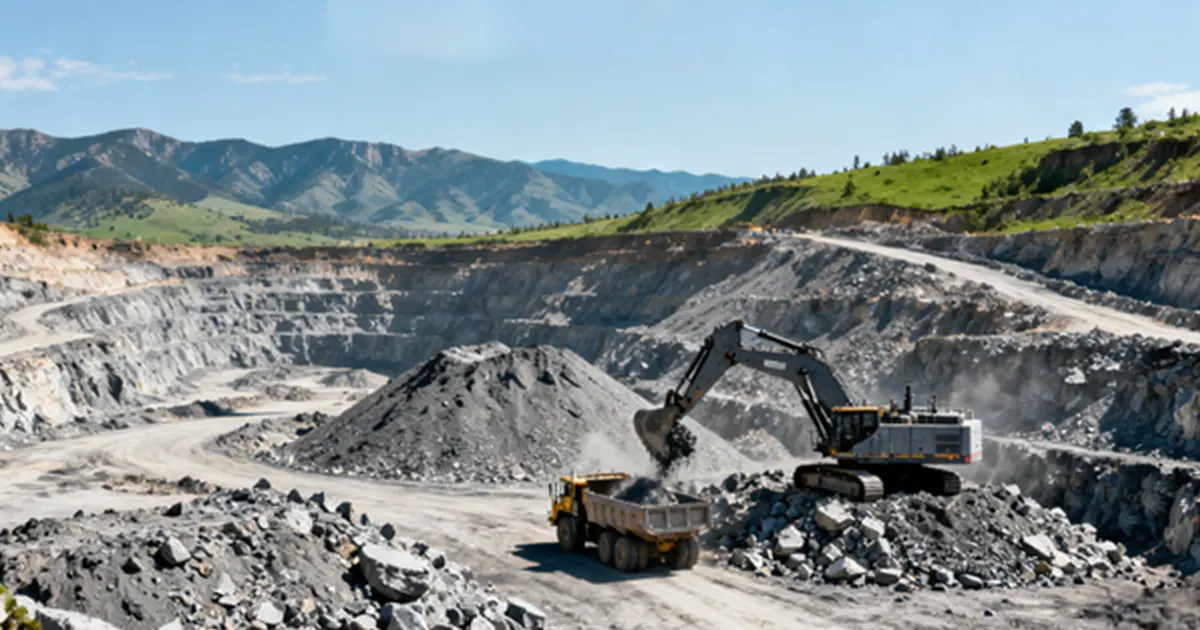
You see dewatering screens everywhere in mining. These machines help you get sand and minerals ready for the next step. When you mine, you often end up with wet sand and small rocks. If you leave too much water in your material, it becomes heavy and hard to move. Dewatering screens use fine screens and strong vibrating motors to shake out the water. They work like advanced strainers, letting water escape while keeping the good stuff on top.
Here’s why you need dewatering in mining:
- You get sand with less water, which is easier to handle.
- You save money because you move less weight.
- You keep your work area safer and cleaner.
- You can sell your sand faster because it dries quickly.
Dewatering screens also use gravity to help separate smaller particles. This step is important for making sure your sand meets the right quality for construction or other uses.
Aggregates
If you work with aggregates, you know how important it is to control water. Aggregates are the small stones and sand used in roads, buildings, and bridges. Too much water in your aggregates can cause big problems. Dewatering screens help you manage this water and improve your product.
Check out this table to see how these screens help with aggregate production:
| Feature | Description |
|---|---|
| Durability | Built tough to last through heavy use. |
| Design | Made to stop clogging and keep things moving. |
| Application | Perfect for mining, construction, and sorting materials. |
| Efficiency | Boosts how much you can make and lowers handling costs. |
| Functionality | Removes extra water from sand and aggregates fast. |
When you add dewatering equipment to your plant, you get better quality products. Pairing classifying tanks with dewatering screens gives you the best control over moisture. Removing extra water means your aggregates are easier to store, move, and use. You also save money because you do not have to fix machines as often.
Tip: If you want your aggregates to meet top standards, always check your dewatering setup.
Concrete
You need the right amount of water in your sand and aggregates to make strong concrete. Dewatering screens play a big role here. They pull out extra moisture, so your sand is clean and dry. This helps you meet industry rules and makes your concrete last longer.
When you use dewatering screens, you get sand that does not drip. You can move it easily and use it right away. This keeps your concrete mix just right. You also get better quality control because the screens let you recycle water and fine materials. This means less waste and more savings for you.
Dewatering screens also help you make recycled sand with low moisture. This is great for concrete jobs that need clean, dry sand. You end up with better concrete and a smoother process from start to finish.
Note: If you want strong, reliable concrete, pay attention to how you handle dewatering in your plant.
Recycling
You can find sand dewatering screens in recycling plants every day. These machines help turn old building waste into new materials. When you recycle, you deal with sand, gravel, trash, and water all mixed together. Dewatering screens make this job easier and cleaner for workers.
Let’s see how these screens work in recycling. First, you take out light trash and junk. A big linear dewatering screen shakes out water and separates the lighter stuff from the heavy rocks. Next, you wash the rocks to remove dirt and clay. The clean rocks go to another dewatering screen. This second screen dries the rocks even more.
You use a slurry pump to collect sand and silt. The pump sends these small bits to a holding tank. After that, you move the washed rocks to a sizing screen. This screen sorts the rocks into three groups. At the end, you send the finished materials to storage bays for concrete. Now, you have clean, dry materials ready for new jobs.
Here’s a table that shows each step in the recycling process:
| Process Step | Description |
|---|---|
| Removal of Light Materials | Light materials and trash are removed and dewatered using an 8ft x 4ft linear dewatering screen. |
| Scrubbing of Aggregate | The scrubbed aggregate moves on to a separate 8ft x 4ft linear dewatering screen. |
| Collection of Sand and Silt | Sand and silt are collected and pumped to a holding tank using a slurry pump. |
| Transfer to Sizing Screen | The washed aggregates are transferred to a sizing screen and split into three products. |
| Conveyance to Storage Bays | The final products are conveyed to concrete storage bays for further use. |
You might wonder why these screens are so important in recycling. Dewatering screens use fast shaking to get water out quickly. You get dry sand and rocks that are easy to move and store. You also save water because you can use it again. This helps your plant be better for the environment and work faster.
Here’s how dewatering screens help you in recycling:
- You finish cleaning materials after the logwasher.
- You remove water quickly from sand and rocks.
- You keep your storage bays clean and dry.
- You make recycled materials ready for concrete and other uses.
Tip: If you want your recycling plant to work well, put a dewatering screen after your logwasher. You will get cleaner products and less mess.
You can see that sand dewatering screens are very important in recycling. They help turn waste into useful things. You get cleaner sand, save water, and have materials ready for new building jobs. If you want your recycling plant to do better, add a dewatering screen to your process.
Maintenance and Best Practices
Keeping your dewatering equipment in top shape helps you get the driest sand and the best results. If you follow a few simple steps, you can avoid big problems and keep your plant running smoothly. Let’s look at how you can care for your dewatering screens, fix common issues, and make your equipment last longer.
Routine Care
You want your dewatering screen to work well every day. Regular inspection and cleaning are key. After long hours of use, parts can wear out or get loose. If you catch these problems early, you save time and money.
Here’s a table to help you remember the main tasks:
| Maintenance Task | Description |
|---|---|
| Regular Inspections | Look over your equipment often to spot trouble before it grows. |
| Lubrication | Grease all bearings with the right lubricant. |
| Drive Motor Check | Check the drive motor and gear reducers for leaks or venting. |
| Control Equipment | Inspect for corrosion and loose wires. |
| Voltage Testing | Test and record voltage and amp draws from each motor. |
| Level Sensing Systems | Make sure sensors are free from debris. |
| Cleaning | Remove debris from submerged parts when the channel is drained. |
You should also:
- Make sure spray wash systems are not clogged.
- Check rotating and fixed brushes for damage.
- Clean rake teeth to avoid extra wear.
- Inspect the lamella for signs of damage.
Try to do a quick walkthrough every day. Plan weekly and monthly checks to catch anything you missed. Always follow safety rules when you work on your vibrating screen machine.
Tip: A clean and well-checked dewatering screen gives you better control over moisture content and helps you avoid breakdowns.
Troubleshooting
Sometimes, things go wrong even if you take good care of your equipment. Here are some common problems you might see with dewatering screens and how you can fix them:
- Material builds up in the washer’s pool area. This can slow down your process. Try lowering the screw speed and adjust your settings for the type of sand you feed in.
- You lose fine sand because too much water carries it away. Check your water input and look for extra silt in the system.
- If you see sloppy discharge, your downstream handling can get messy. Make sure the drainboard channels are clear and flush them with clean water.
If you notice any strange noises or the screen shakes more than usual, stop and check for loose bolts or worn parts. Fixing small issues right away keeps your dewatering process running strong.
Maximizing Lifespan
You want your dewatering screen to last as long as possible. Here are some best practices to help you get the most out of your equipment:
- Use a variable frequency drive (VFD) to match the feeder speed with your plant’s needs.
- Install weight or flow sensors for better control and feedback.
- Add wear-resistant liners at spots where material hits the screen.
- Make sure you feed material evenly with a good hopper distributor.
- Upgrade to new screen plates or replace worn ones to keep your dewatering screen efficient.
Regular cleaning and inspection help prevent fouling and keep your screen working like new. If you follow these tips, your dewatering equipment will give you steady performance and help you save money over time.
Note: Taking care of your dewatering screen means less downtime and more dry sand for your projects.
Choosing a Dewatering Screen
When you want to pick the right dewatering screen for your plant, you need to look at a few important things. You can’t just grab any machine and hope it works. Let’s walk through what matters most so you get the best results.
Selection Factors
You should start by thinking about your material. Is it sand, gravel, or something else? Each material acts differently on a screen. You also need to check how wet your material is. If you have high moisture, you need a screen that can handle it. Look at your operational needs. Do you run your plant all day or just a few hours? Some screens work better for heavy use.
Here’s a list of things you should consider:
- Material types
- Moisture content
- Operational requirements
- Screening process (wet or dry)
- Potential for blinding or plugging
- Abrasiveness of the material
- Impact on the screening surface
- Feed size (top and bottom)
- Available screening area
- Need for washing the material
- Noise concerns
You want a dewatering screen that fits your job and keeps your plant running smoothly.
Tip: Always check the feed size and moisture level before you choose your screen. This helps you avoid problems later.
Custom Options
You can customize your dewatering screen to match your needs. Manufacturers offer many choices. You might need a special screen for fine sand or recycled aggregates. Some jobs need sand with very low moisture. You can pick the right screen media, like polyurethane panels, if your material is rough.
Here are some custom options you can ask for:
- Choose the right screen for your material type.
- Set the dryness level you want for your final product.
- Pick screen media that lasts longer and works better for your material.
- Make sure your screen handles water well and connects to your drainage or recycling system.
- Ask for easy maintenance features, like quick access for cleaning and part replacement.
You can get a dewatering screen that fits your plant and makes your work easier.
Note: Custom screens help you save time and money. You get better results and less downtime.
Manufacturer Considerations
You need to pick a manufacturer you can trust. Not all companies build screens the same way. You should look at a few key things before you buy.
| Criteria | Description |
|---|---|
| Performance metrics | Check how well the screen dries your material and how accurate the reporting is. Look for strong durability. |
| Cost-efficiency | Think about the total cost, including energy and maintenance. Sometimes a higher price means lower costs later. |
| Quality assurance | Ask about quality checks, materials, and warranty. Look at how the screen works in other plants. |
| Integration capabilities | Make sure the screen fits your plant’s size and power needs. |
| After-sales support | Find out if the company offers spare parts and technical help. Good support keeps your plant running. |
You want a dewatering screen that works well, lasts long, and comes from a company that helps you when you need it.
Tip: Ask for a warranty and check how easy it is to get spare parts. This keeps your plant safe and your work on track.
Conclusion
You know sand dewatering screens help you get cleaner materials fast. These machines stop spills and help you save water. They also make your job easier. Here are the main benefits:
| Benefit | What You Get |
|---|---|
| Improved Housekeeping | Less mess means less cleaning |
| Water Recovery | You can reuse more water, which helps nature |
| Smaller Stockpiles | Storing is easier and moving is quicker |
As a screening media manufacturer, we produce Woven Wire Screens, Self-Cleaning Screens, and PU-Mesh Screens for mining, aggregates, concrete, and recycling—backed by consistent quality and custom options when you need them.
FAQ
What is a sand dewatering screen?
You use a sand dewatering screen to remove water from sand and small rocks. This machine helps you get dry material that is easy to move and use.
How dry does the sand get after using a dewatering screen?
Most screens lower moisture to about 7–10%. You get sand that does not drip and is ready for storage or use.
Can you use dewatering screens for other materials?
Yes! You can use them for gravel, coal, and recycled materials. These screens work well in mining, concrete, and recycling plants.
How often should you clean a dewatering screen?
You should check and clean your screen every day. This keeps it working well and helps you spot problems early.
What are the signs your screen needs maintenance?
Look for loose bolts, strange noises, or sand sticking to the screen. If you see these signs, you should fix them right away.
Do dewatering screens help save water?
Yes, they do! You can recover and reuse up to 95% of the water. This helps your plant save money and protect the environment.
How do you choose the right dewatering screen?
You should look at your material type, moisture level, and how much you need to process. Ask your supplier for advice and custom options.
Are dewatering screens noisy?
Some screens make noise, but many new models are quieter. You can ask for screens with low noise levels to keep your site comfortable.