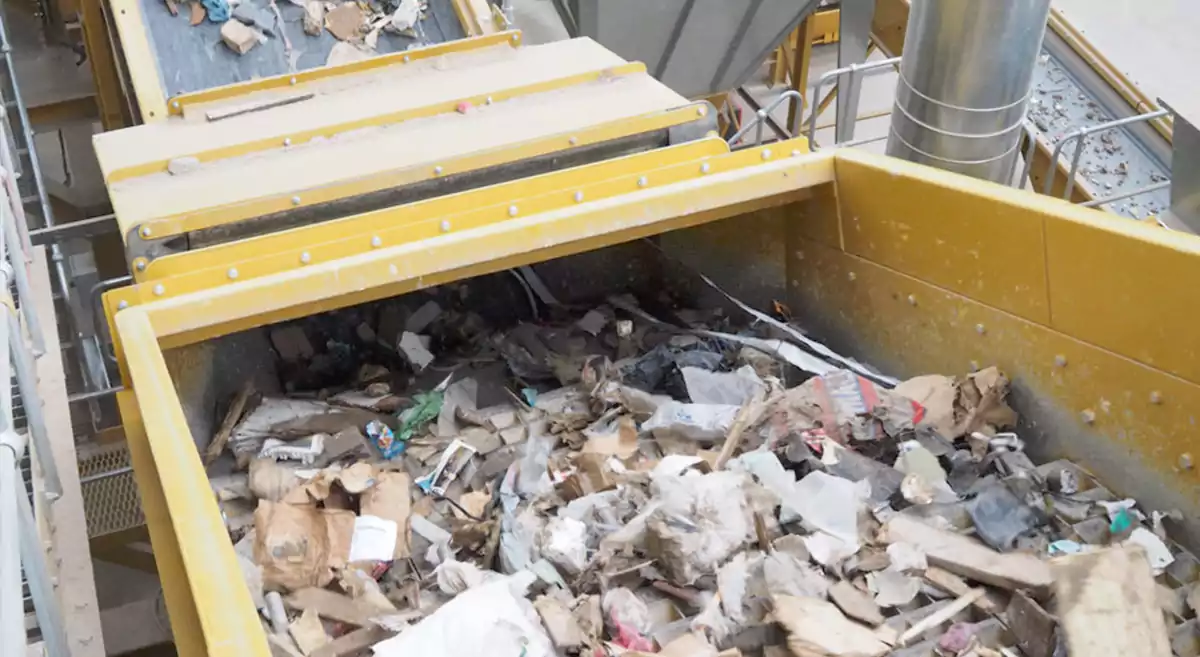
Processing Reclaimed Asphalt Pavement (RAP) is one of the most profitable operations in the modern aggregate and road construction industry. However, any asphalt plant manager will tell you that screening asphalt millings is a notorious operational nightmare.
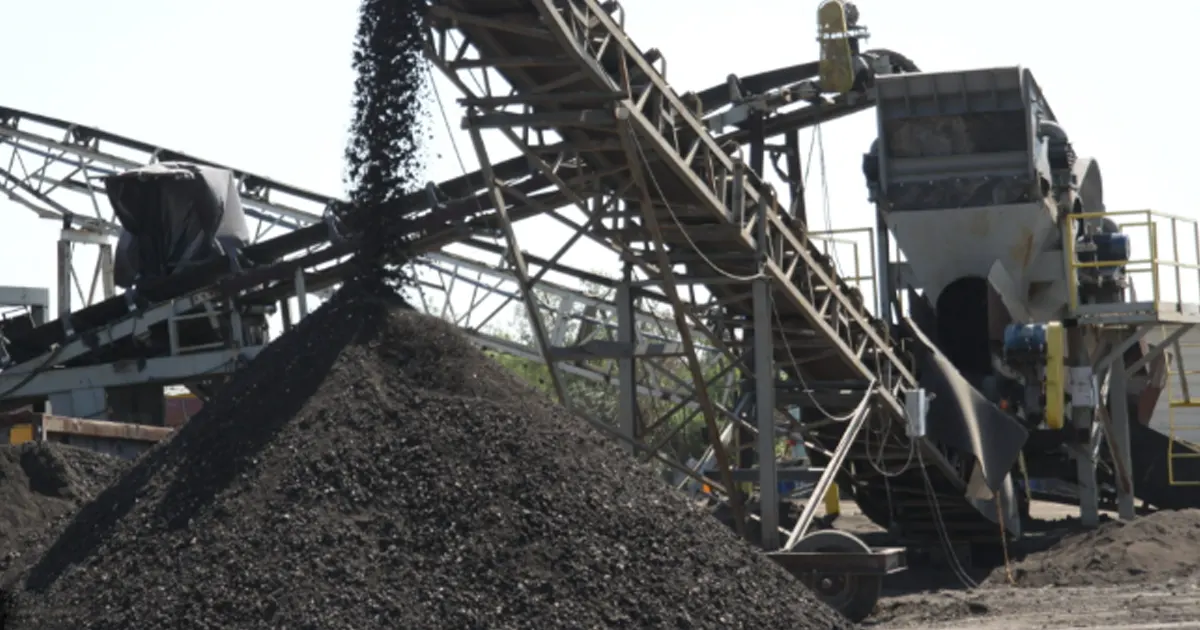
The core issue? The residual bitumen binder. When RAP heats up from mechanical friction or warm summer weather, it turns into a sticky paste. It instantly coats the screen deck, causing severe screen blinding, plummeting your Tons Per Hour (TPH) to zero, and forcing complete plant shutdowns.
Key Takeaways
- The Bitumen Problem: Standard aggregate screening rules do not apply to RAP. Ambient heat and vibrating friction cause the asphalt binder to become highly viscous and sticky.
- The High Cost of Standard Mesh: Rigid square woven wire mesh is guaranteed to blind when processing damp or warm millings, leading to destructive manual cleaning.
- The Engineered Solution: Upgrading to Anpeng Self-Cleaning Screens for the bottom deck and Polyurethane (PU) panels for the top deck permanently stops RAP blinding and pegging.
The RAP Challenge: Why Bitumen Causes Screen Blinding
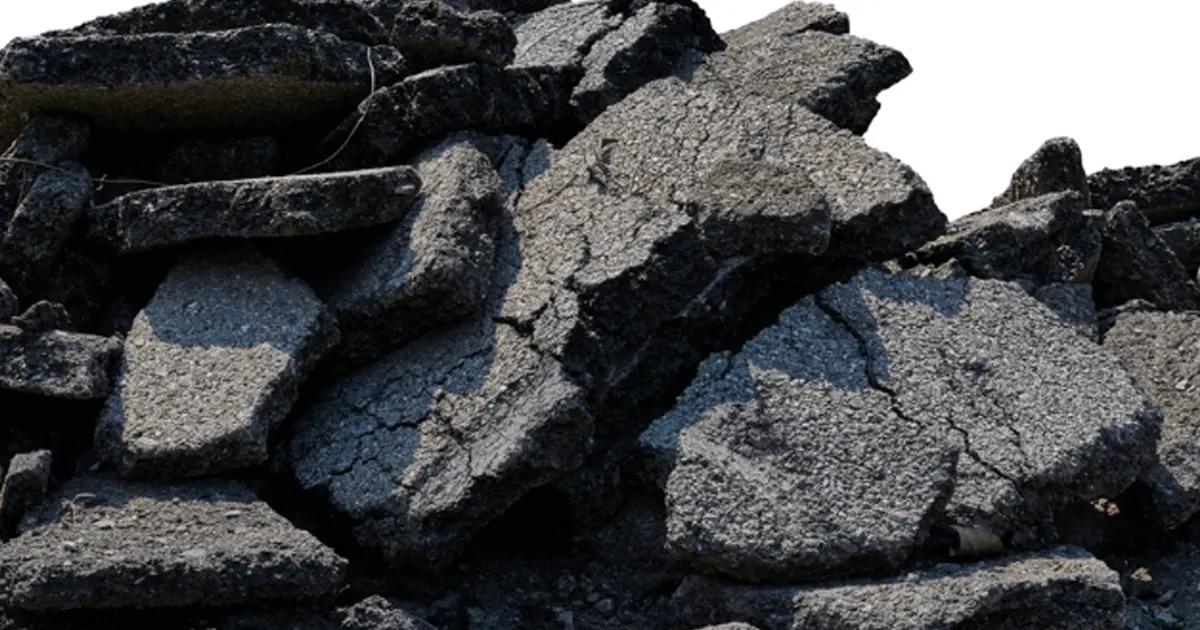
Unlike natural crushed stone or gravel, asphalt millings contain residual bitumen—the heavy hydrocarbon binder used to glue roads together. Under cold conditions, RAP behaves somewhat like standard rock. However, bitumen is highly temperature-sensitive.
During the screening process, the rapid vibration of the machine generates significant frictional heat. Combined with warm ambient summer temperatures, the bitumen softens. As it softens, fine dust and small particles agglomerate (clump together) and stick to the steel wires of the screen deck. Within minutes, the material bridges across the apertures. This is called blinding.
To understand why RAP is so difficult to process, look at how bitumen behaves at different temperatures during the screening phase:
Impact of Temperature on RAP Screening Behavior
| Temperature Condition | Bitumen State | Material Behavior on Screen Deck | Risk of Screen Blinding |
|---|---|---|---|
| Below 50°F / 10°C | Hard, Brittle | Free-flowing, behaves like standard aggregate. | Low |
| 50°F to 75°F / 10°C – 24°C | Tacky, Softening | Fines begin to stick to wires; slow buildup occurs. | Moderate to High |
| Above 75°F / 24°C + Friction | Highly Viscous, Sticky | Agglomerates instantly; bridges over apertures. | Severe (Guaranteed) |
Why Standard Square Woven Wire Fails
Many recycling facilities attempt to screen asphalt millings using standard, rigid square woven wire mesh. While this media is great for dry granite or limestone, it is an operational disaster for RAP.
Standard mesh relies on heavily crimped, tightly locked intersecting wires. It has zero flexibility. When sticky asphalt millings hit this rigid surface, they adhere to the intersections. Because the mesh cannot flex to “throw” the sticky material off, the holes quickly seal shut.
Once blinded, operators have no choice but to stop the plant. Maintenance crews are forced to climb into the machine with heavy mallets, wire brushes, or even heat torches to clear the deck. Beating the screen destroys the wire tension, drastically reduces the wear life of the media, and costs the plant thousands of dollars in lost production time.
The Ultimate Fix: Anpeng Self-Cleaning Screens
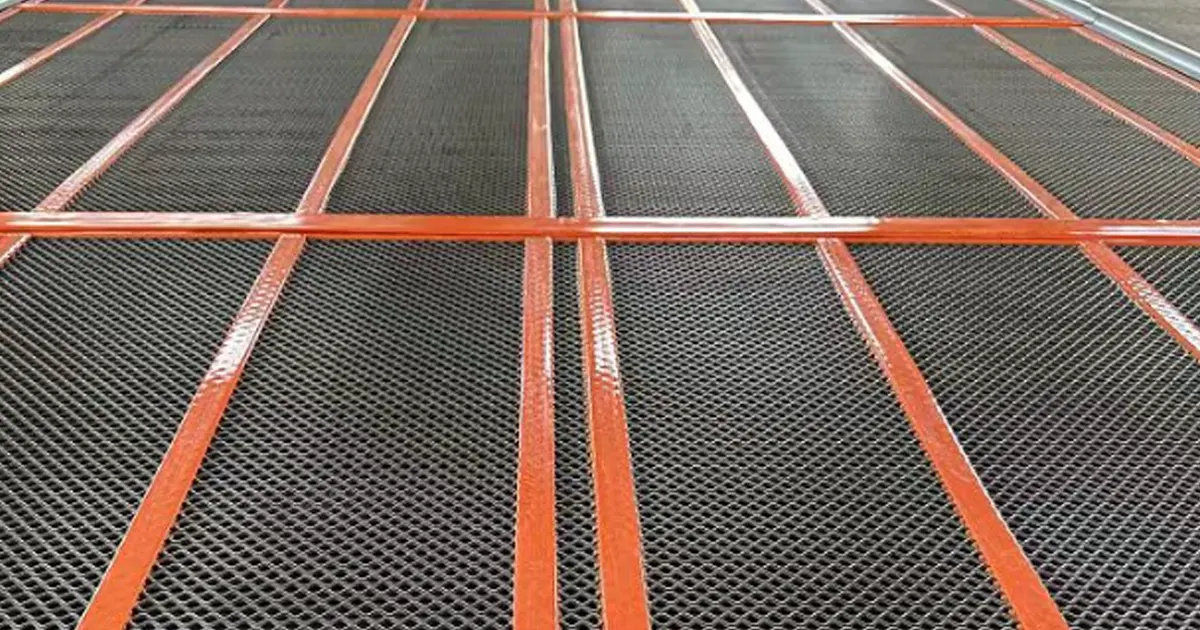
You do not have to accept screen blinding as a normal part of recycling asphalt. The definitive fix is to replace rigid square mesh with active, vibrating screen media.
Anpeng Self-Cleaning Screens are engineered specifically to process sticky, difficult materials like RAP. Instead of locking the wires together in a rigid grid, Anpeng manufactures these screens with straight or crimped longitudinal wires that are held together by flexible polyurethane cross-bindings.
This design allows the individual wires to vibrate independently at high frequencies. This secondary “trampoline” effect actively breaks the sticky bond of the bitumen, slicing through the asphalt millings and continuously dislodging fines before they can bridge the aperture.
Standard Square Mesh vs. Anpeng Self-Cleaning Screens for RAP
| Feature | Standard Square Woven Wire | Anpeng Self-Cleaning Screens |
|---|---|---|
| Wire Flexibility | Rigid (Locked intersections) | Highly Flexible (Independent wires) |
| Resistance to Bitumen | Very Poor (Sticky material adheres easily) | Excellent (Vibration actively rejects material) |
| Effective Open Area | Drops rapidly as blinding occurs | Remains consistently high |
| Maintenance Required | Frequent plant shutdowns for manual beating | Minimal to zero manual cleaning required |
| Impact on Plant TPH | Bottlenecks production, low average TPH | Maximizes continuous throughput |
Polyurethane (PU) Panels for High-Wear RAP Scalping
While self-cleaning wire is the ultimate solution for fine RAP separation (usually on the bottom deck), the top deck of your vibrating screen faces a different challenge. The top deck takes the massive physical impact of large, abrasive chunks of milled asphalt directly from the crusher or feeder.
For this high-wear scalping application, Anpeng Heavy-Duty Polyurethane (PU) Screen Panels are the ideal solution.
RAP is highly abrasive. Steel wire on a top deck can wear out quickly under the constant impact of heavy millings. Anpeng PU panels absorb the heavy shock of large asphalt chunks, offering exceptional wear life. Furthermore, Anpeng engineers these PU panels with tapered, relieved holes (wider at the bottom than at the top). This specific geometry prevents odd-shaped asphalt millings from pegging (getting permanently wedged) in the screen.
3 Operational Tips for Screening Asphalt Millings
Combining the right Anpeng screen media with smart operational tactics will guarantee maximum RAP production:
- Temperature Management: Whenever possible, schedule your heaviest RAP screening during the cooler morning hours or night shifts. By avoiding the peak heat of the afternoon, you keep the bitumen in a more brittle, screenable state.
- Adjusting Stroke and RPM: Sticky materials require a more aggressive screening action. Work with your equipment manufacturer to slightly increase the stroke (amplitude) and speed (RPM) of your vibrating screen to help propel the sticky millings forward and prevent material from riding the deck too slowly.
- Use a Mixed-Media Deck Strategy: The most profitable asphalt plants do not use one type of screen media for the whole machine. They optimize each deck for its specific job.
Recommended Screen Media Setup for a 2-Deck RAP Screen
| Deck Position | Primary Challenge | Recommended Anpeng Screen Media | Primary Benefit |
|---|---|---|---|
| Top Deck (Scalping) | High impact, heavy abrasion, large chunks pegging. | Heavy-Duty Polyurethane (PU) Panels | Absorbs impact, prevents pegging with tapered holes, maximum wear life. |
| Bottom Deck (Sizing) | Bitumen stickiness, severe blinding from warm fines. | Self-Cleaning Wire Screens | Independent wire vibration breaks surface tension, stops blinding, ensures accurate sizing. |
Conclusion
Screening asphalt millings is demanding, but it should not force your plant into a constant cycle of downtime and manual screen cleaning. The profitability of your RAP operation depends entirely on your ability to maintain continuous throughput—and that requires the right screen media.
Anpeng Wire Mesh is a direct manufacturer of premium industrial screening solutions. We understand the unique challenges of the asphalt and aggregate recycling industries. By upgrading your decks with our actively vibrating Self-Cleaning Screens and impact-resistant Polyurethane panels, you can permanently eliminate screen blinding and maximize your daily TPH.
Stop fighting your vibrating screens with mallets and heat torches. Contact the Anpeng engineering team today to evaluate your RAP screening challenges, optimize your deck configuration, and receive manufacturer-direct pricing on custom anti-blinding screen media.
FAQ
Why do vibrating screens blind so quickly when processing RAP?
The root cause is the residual bitumen (asphalt binder) in the millings. Unlike standard crushed stone, RAP is highly temperature-sensitive. The frictional heat generated by the vibrating screen, combined with warm ambient temperatures, causes the bitumen to soften into a sticky paste. This paste causes fines to agglomerate and rapidly bridge over rigid screen apertures.
What is the best screen media for screening asphalt millings?
The most profitable setup uses a mixed-media approach. For the top scalping deck, Anpeng Heavy-Duty Polyurethane (PU) panels with tapered openings are best to absorb impact and prevent large chunks from pegging. For the bottom sizing deck, Anpeng Self-Cleaning wire screens are essential. Their actively vibrating wires break the sticky bitumen bond to maintain continuous throughput.
Will self-cleaning screens last as long as heavy-duty square mesh in RAP applications?
Yes, and often much longer. While standard rigid square mesh might use thicker wire, it inevitably blinds when processing RAP. Operators are then forced to manually beat the mesh with mallets or use heat torches to clear it, which physically destroys the screen. Because Anpeng Self-Cleaning screens eliminate blinding, they completely remove the need for destructive manual cleaning, significantly extending their operational wear life.