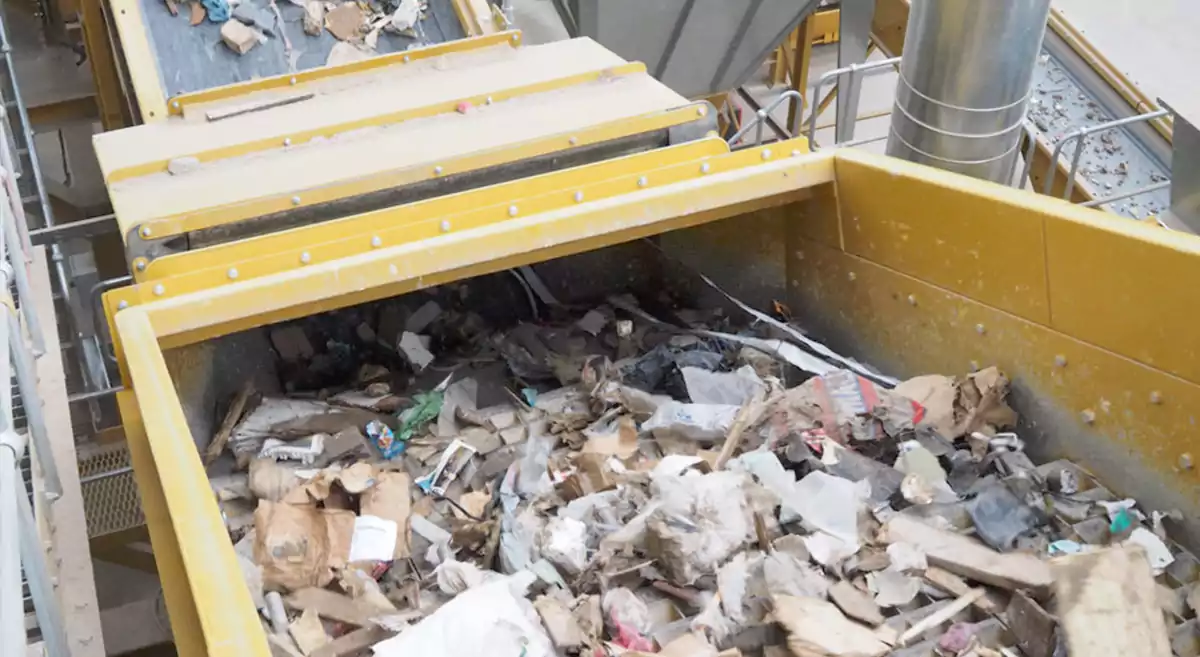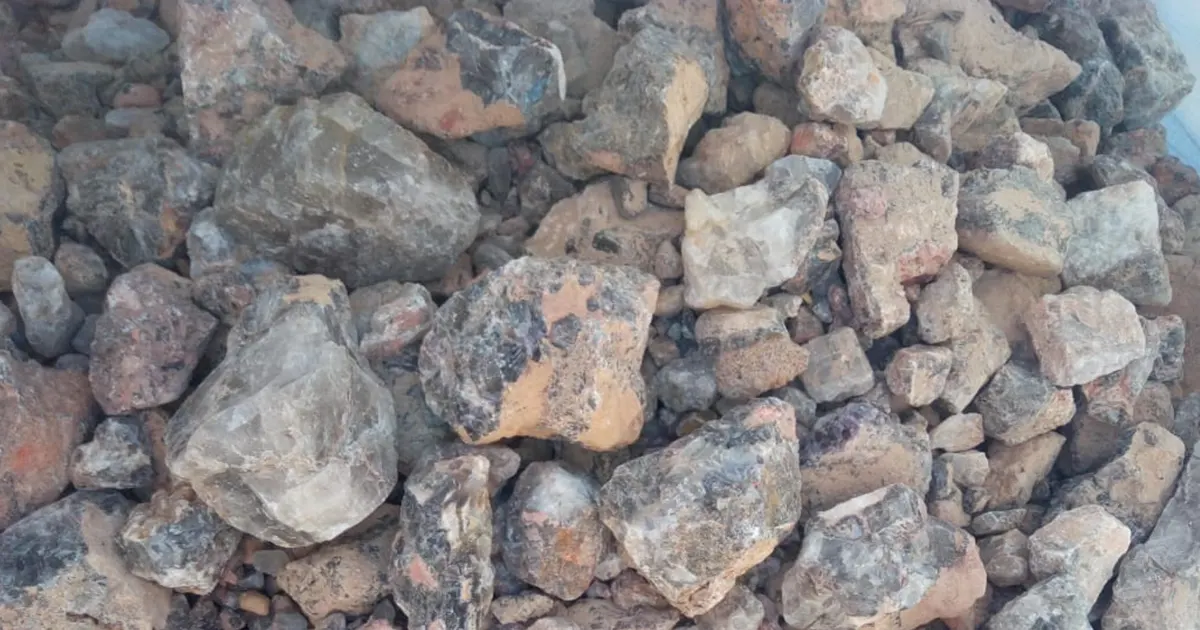
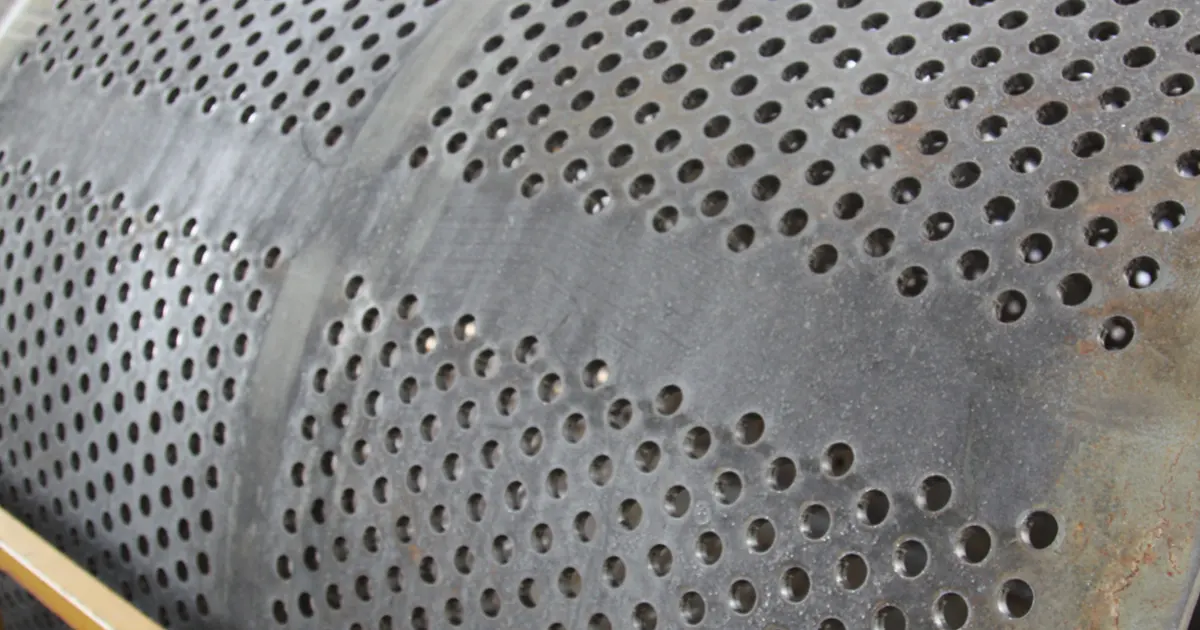
Choosing the right Trommel Screen Hole Size helps you work faster. It also makes your job easier. If you pick a hole size that fits your material’s shape, moisture, and density, you will work better. You will also stop clogs from happening. Look at this table to see how these things fit together:
| Factor | Description |
|---|---|
| Screen Hole Size | Decides the biggest piece that can go through. It also shapes your end product. |
| Material Properties | Shape, moisture, and density show how easy it is for material to move through. |
| Overloading Prevention | The right size stops jams. It keeps your trommel screen working well. |
When you choose the right size, your work goes smoother. You also have less time when the machine is not working.
Key Takeaways
- Pick the right trommel screen hole size to help it work better and stop clogs.
- Match the hole size to things like shape, wetness, and heaviness of the material for better results.
- Use bigger holes if you want things to move through faster and smaller holes if you want to separate things more cleanly.
- Think about which screening stage you are in; bigger holes are good at the start, and smaller holes are best for the final product.
- Take care of your trommel screen often; look for clogs and damage to make it last longer.
- Talk to experts or the people who make the screens for advice about hole size and screen type for your needs.
- Change your setup if the material is wet or sticky; you might need bigger holes or special parts.
- Decide what size you want your final product to be before you pick a hole size so you get the same good results every time.
Trommel Screen Hole Size Basics
Hole Size Range and Measurement
Standard sizes and shapes
You might wonder what sizes are common for trommel screens. Most screens use holes that range from 1/8 inch up to 3 inches. You can find round holes, square holes, and mesh holes. Each shape works best for certain materials. Round holes are popular because they handle most jobs. Square holes let more material pass through, so you get a higher flow rate. Mesh holes can be very small, starting at 1/20 inch and going up to 5 inches.
Here’s a quick look at typical hole types and their size ranges:
| Hole Type | Size Range |
|---|---|
| Round Holes | 3/8” to 3” |
| Square Holes | Larger area |
| Mesh Holes | 1/20” to 5” |
You can pick the shape and size based on what you want to screen. If you need to separate fine particles, mesh holes work well. For bigger chunks, round or square holes are better.
Measurement methods
You measure trommel screen hole size by checking the diameter or width of each opening. Most people use inches or centimeters. Smallest openings start at 1/8 inch (0.3 cm). Standard openings run from 3/8 inch to 1 1/4 inch (0.9 to 3.1 cm). The largest openings can reach 6 inches (15.2 cm).
| Hole Size Range | Measurement (inches) | Measurement (cm) |
|---|---|---|
| Smallest Openings | 1/8 | 0.3 |
| Standard Openings | 3/8 to 1 1/4 | 0.9 to 3.1 |
| Largest Openings | 6 | 15.2 |
You can use a ruler or caliper to check the size. Make sure you measure the widest part of the hole. This helps you know what size material will pass through.
Tip: Always check the hole size before you start screening. This prevents mistakes and keeps your process smooth.
Drum Dimensions
Length and width impact
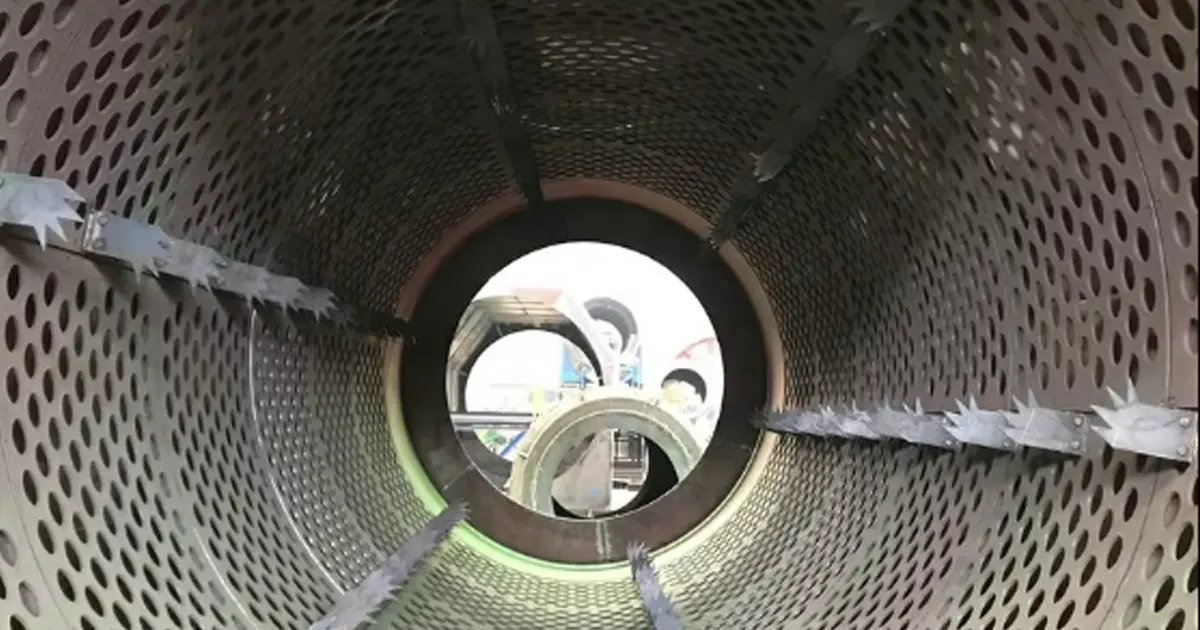
The drum’s length and width change how your trommel screen works. If you have a longer drum, material spends more time inside. This gives you better separation. A wider drum lets you process more material at once. The ratio of length to diameter matters too. Most drums work best with a ratio between 1.5:1 and 3:1. This helps you pick the right hole size for your job.
| Evidence | Description |
|---|---|
| Drum Length-to-Diameter Ratio | The optimal ratio is between 1.5:1 to 3:1. This affects hole size selection. |
| Trommel Drum Design | The drum’s design, length, and diameter impact screening efficiency. |
If your material is sticky or wet, you may need bigger holes. This stops clogs and keeps your trommel screen running well. Always match the drum size and hole size to your material and your goals.
Screening Performance and Hole Size
Efficiency and Throughput
Material separation
When you look at trommel screen hole size, you see how it changes the way your screening equipment works. Smaller holes let only tiny pieces pass through. Larger holes allow bigger chunks to move out faster. If you want to separate materials by size, you need to match the hole size to your feed. The trommel screen works by letting small materials drop through the holes while keeping larger pieces inside. This process boosts screening efficiency. You can also change the speed or angle of the drum to help materials move better. If you use round holes, you get good results with uniform materials. Square holes work well for odd-shaped pieces.
Tip: If you want more material to pass through quickly, choose larger holes. If you need cleaner separation, go with smaller holes.
You can see that the shape and size of the holes affect how fast you process material. Larger holes mean higher throughput, but you might get more oversized pieces in your final product. Smaller holes slow things down but give you better separation.
Product Quality
Final material size
The quality of your screened product depends on the hole size you pick. If you use fine holes, you get pure, clean material. Coarse holes give you bigger pieces, but the quality may drop. Here’s a simple table to show how hole size affects product quality:
| Hole Size (mm) | Impact on Product Quality |
|---|---|
| 5 | Fine screening, enhances purity |
| 150 | Coarse separation, may lower quality |
You want to match the hole size to your target product. If you need fine compost or soil, use smaller holes. For gravel or wood chips, larger holes work better. Trommel screens help you control the final size and quality of your material.
Maintenance Factors
Screen life and cleaning
Maintenance is a big part of using screening equipment. If you pick holes that are too small, you risk clogging. Clogs mean you have to stop and clean the screen more often. This can wear out your trommel screen faster. Larger holes reduce clogging, so you spend less time cleaning. You also get longer screen life.
Here are some quick tips for maintenance:
- Check your screen for wear and tear often.
- Clean out stuck material right away.
- Choose the right hole size for your material to avoid extra cleaning.
If you keep your trommel screen clean and pick the right hole size, you get better screening and longer equipment life. You also save time and money.
Note: The right hole size makes your screening process smoother and keeps your equipment running longer.
Key Factors for Trommel Screen Hole Size Selection
Material Type
When you choose a trommel screen hole size, you need to look at the material type first. Every material acts differently during screening. Trommel screens work best when you match the hole size to what you want to process. For example, if you handle soil, you want smaller holes. This helps you get fine material. If you work with mulch, larger holes let bigger pieces pass through. Most operations use screens with holes from 1/8 inch to 3 inches. You can see that picking the right size for your material makes your screening equipment more efficient.
Feed size and shape
Feed size and shape matter a lot. If you feed round stones into the trommel screen, they move easily and pass through the holes without trouble. Angular or rough stones can get stuck. Flaky or long stones wedge themselves in the holes and block the screen deck. You need to check the shape and size of your feed before you pick a hole size. If your material is tricky, you might need bigger holes or a different hole shape to keep your screening smooth.
Moisture and stickiness
Moisture and stickiness change how your screening equipment works. Wet or sticky materials clump together. They clog the screen and slow down your process. You need to know how much moisture your material holds. If you deal with sticky feed, you can look for trommel designs with cleaning brushes or self-cleaning screens. These features help you keep the screen clear and your screening efficient.
- High moisture content makes screening harder.
- Wet or sticky materials block the holes and reduce efficiency.
- You should always check moisture levels before you pick a trommel screen hole size.
- Some trommel screens have cleaning brushes or self-cleaning screens to fight clogging.
Target Product Size
You want your final product to match your goals. The target product size decides which hole size you need. You should look at the particle sizes in your material and pick a hole size that lets them pass through without damage. Most experts say you should choose a screen aperture that is 1.2 to 1.5 times bigger than your target separation size. For example, if you want to separate material at 5mm, you should use a screen aperture of 6 to 7.5mm. This keeps your screening fast and helps you avoid clogging. You also keep your product consistent and high quality.
Tip: Always set your target product size before you pick a trommel screen hole size. This makes your screening more accurate and saves you time.
Production Rate
Production rate tells you how much material you want to process in a set time. If you need to screen a lot of material quickly, you should use larger holes. This boosts throughput and keeps your screening equipment from slowing down. If you want a finer product, you can use smaller holes, but your production rate may drop. You need to balance your goals. Think about how much material you want to screen and how clean you want your final product. This helps you pick the right hole size for your trommel screen.
Remember: The right hole size keeps your screening fast and your product clean. Always match your production rate to your screening goals.
Screening Stage
You might wonder why the stage of screening matters when you pick a trommel screen hole size. The screening stage tells you where your material is in the process. Are you doing the first cut, or are you finishing the job? Each stage needs a different approach.
If you start with raw material, you usually deal with bigger chunks and more dirt. You want larger holes in your trommel screen. This helps you move material fast and keeps your screening equipment from clogging. When you reach the final stage, you want a cleaner product. You switch to smaller holes. This gives you finer material and better quality.
Here’s how you can think about the screening stage:
- Early stage: Use larger holes. You remove big pieces and let the rest move on.
- Middle stage: Try medium holes. You start to separate material by size.
- Final stage: Pick smaller holes. You get the cleanest product.
The moisture and clay content in your material also changes what you need. Wet or sticky material can block small holes. You should use larger openings to avoid clogs. If you work with wet basalt or clay-rich feed, you might need mesh openings or self-cleaning features. These keep your trommel screens running smoothly.
Tip: Always check your material before you pick a hole size. If you see moisture or sticky clay, go bigger. If your material is dry and fine, smaller holes work best.
You can make your screening equipment more efficient by matching the hole size to the stage. This keeps your process fast and your product clean.
Trommel Screen Hole Size for Different Materials
Compost & Topsoil
When you screen compost or topsoil, you want a clean, fine product. You need to pick the right hole size for your trommel screen to get the results you want. Many people who want very fine compost use a 1/4-inch minus screen plate. This size works well for finished compost, but you need to watch out for moisture. Wet compost can clog small holes fast.
The county has a 1/4-inch minus screen plate for the bottom deck for customers who want a very fine compost product. Screening to that size is when you have to be concerned about moisture with a deck screen.
If you work with topsoil, you usually want a slightly larger size. Most topsoil screens use holes around 1/2 inch or 10mm. This size lets you remove rocks and debris but keeps the soil loose and easy to handle.
For topsoil, we’re only interested in screens that can output a product in and around the 1/2 inch or 10mm size.
Here’s a quick tip: If your compost or soil is wet, try to screen when it’s drier. You’ll get better results and spend less time cleaning your screening equipment.
Sand & Gravel
Sand and gravel need a different approach. You want to separate these materials by size for construction or landscaping jobs. Trommel screens use a rotating drum with holes to sort out the small pieces from the big ones. This method works well for gravel and aggregates. You can meet the size specs for your project every time.
In construction and landscaping, you need to sort gravel and sand by size. This helps you get the right material for each job. Trommel screens make this process easy and fast. You can adjust the hole size to match your needs. For fine sand, use smaller holes. For larger gravel, pick bigger holes. This way, your screening stays efficient and your final product meets the right standards.
C&D Waste & Wood Chips
C&D waste and wood chips both need special attention. These materials come in many shapes and sizes. You want to pick a hole size that matches your feed. Here’s a table to help you choose the right size for your trommel screen:
| Material Type | Recommended Hole Size (mm) |
|---|---|
| C&D Waste | 50–150 |
| Wood Chips | 3–10 |
If you process C&D waste, use larger holes between 50 and 150 mm. This lets bulky pieces pass through and keeps your screening equipment from clogging. For wood chips, smaller holes between 3 and 10 mm work best. You get a cleaner, more uniform product.
Tip: Always check your material before you start. Adjust your hole size if you see clogs or slowdowns. This keeps your screening smooth and your equipment running longer.
Wet or Sticky Materials
Wet or sticky materials can make your screening job tough. You might see clumps that block the holes or slow down the process. If you want to keep your trommel screen running well, you need to adjust your setup for these tricky materials.
First, think about the angle of your trommel drum. A shallow angle helps a lot. When you tilt the drum less, the material stays inside longer. This gives it more time to separate and pass through the holes.
A shallower angle keeps the material inside longer, providing more time for separation when dealing with wet or sticky materials.
You should also look at the size of the holes. Many people think bigger holes are always better for sticky stuff, but that is not always true. Smaller holes can actually help. They break up clumps and let more fine material through. This means you get better separation and less mess.
For wet or sticky materials, it is advisable to use a smaller hole size to enhance separation and reduce the risk of clumping.
The angle of the drum matters too. If you set the inclination between 3° and 5°, you give the material more time to move and separate. This small change can make a big difference in how well your trommel screen works.
The ideal inclination angle for wet materials is between 3°-5°, which allows for extended residence time for better screening.
Here are some quick tips for handling wet or sticky materials:
- Use a shallow drum angle.
- Try smaller hole sizes.
- Check your screen often for clogs.
- Clean the drum after each use if you see buildup.
- If you can, let your material dry out before screening.
You can also add cleaning brushes or self-cleaning screens. These tools help keep the holes clear and your process smooth. If you follow these steps, you will see better results and less downtime.
Remember, every material acts a little different. Test your setup and make small changes until you find what works best. Your trommel screen can handle wet or sticky materials if you set it up the right way.
Common Mistakes in Hole Size Selection
Undersized Holes
You might think that using smaller holes will always give you a cleaner product. That sounds good, but it can cause problems. When you pick holes that are too small, your trommel screen can clog up fast. Wet or sticky material will block the holes, and you will spend more time cleaning than screening. Your production rate drops. The machine works harder, and parts wear out sooner. You also waste energy because the material does not move through the drum as it should. If you notice your screen backing up or your product flow slowing down, check if your holes are too small. Sometimes, going just a bit bigger makes your whole process smoother.
Tip: If you see frequent clogs or slowdowns, try a slightly larger hole size. This can save you time and keep your screening line moving.
Oversized Holes
Choosing holes that are too large can seem like a quick fix for slowdowns, but it brings its own set of issues. When you use oversized holes, bigger pieces slip through. This means you get more large chunks in your fines pile, which lowers the quality of your final product. You might also see poor separation between sizes. The screening process becomes less efficient, and you end up with a mix that does not meet your standards. If your customers want a certain size, they may not be happy with the results.
Note: Oversized holes let unwanted material pass through, which can hurt both your product quality and your screening efficiency.
Ignoring Material Properties
Every material acts differently inside a trommel screen. If you ignore what you are screening, you risk big problems. Wet, sticky, or odd-shaped materials need special attention. If you do not match the hole size to your material, you can face clogs, faster wear, or even machine breakdowns. Some materials, like rock or waste, can be rough on your equipment. Others, like organic matter, may need smaller holes for better separation. You also need to think about the type of metal in your screen. For example, carbon steel and stainless steel react differently in wet conditions. If you ignore corrosion risks, your screen may not last as long.
Here’s a quick look at what can go wrong if you skip this step:
| Material Type | Risks of Ignoring Material Properties |
|---|---|
| Rock, waste, organic matter | Reduced efficiency in material separation, increased wear and tear on components, potential operational failures |
| Carbon steel, stainless steel | Ignoring corrosion risks in wet environments |
Always check your material before you choose a hole size. This helps you avoid costly mistakes and keeps your screening process running smoothly.
Overlooking Production Needs
You might focus on the material and hole size, but forget about your production needs. This mistake can cause big problems for your operation. If you don’t plan for how much material you want to process, your trommel screen won’t work as well as it should. You need to think about both average and peak loads. Sometimes, you get a rush of material that pushes your equipment to the limit. If your screen can’t handle these peak loads, your product quality drops and your workflow slows down.
If you ignore production needs, you risk jams, slowdowns, and poor separation. Your screening process becomes less reliable, and you spend more time fixing issues instead of getting work done.
Let’s break down what happens when you overlook production needs:
- You might choose a hole size that works for small batches, but fails during busy times.
- Peak loads can overwhelm your screen, causing material to pile up and clog the drum.
- If your screen area is too small, you can’t keep up with demand. This leads to delays and unhappy customers.
- Larger holes help material exit faster, boosting throughput. If you need to process a lot of material, bigger holes can make your job easier.
- Smaller holes keep material inside longer. This slows down your process and increases the amount of fines in your product.
You need to balance your desired particle size with your production goals. If you want fine material, you may have to accept a slower process. If you need speed, you might have to use larger holes and settle for less precise separation.
Here’s a simple checklist to help you avoid this mistake:
- Define your capacity needs for both average and peak times.
- Make sure your trommel screen has enough area to handle maximum loads.
- Adjust hole size to match your production rate and product quality goals.
- Test your setup during busy periods to see if it keeps up.
Remember, planning for production needs keeps your screening efficient and your operation running smoothly. Don’t let a simple oversight slow you down.
If you take the time to match your trommel screen hole size to your production requirements, you’ll see better results and fewer headaches. Your equipment will work harder for you, and your final product will meet your standards every time.
Hole Shape, Screen Material, and Tension Screens
Hole Shape Options
You have a few choices when it comes to hole shapes in your trommel screen. The most common are round holes, square holes, and slotted openings. Each shape works best for different materials and jobs.
- Round holes are the most popular. They handle most materials well and give you a good balance between strength and flow.
- Square holes let more material pass through. If you want a higher flow rate or need to screen odd-shaped pieces, square holes can help.
- Slotted openings work well for long or flat materials. They help prevent clogging and let tricky shapes move through the screen.
When you pick a hole shape, think about your material. Round holes work for general use. Square holes are better for higher capacity. Slotted holes help with sticky or odd-shaped feed. The right choice makes your screening smoother and faster.
Tip: If you see clogs or slowdowns, try changing the hole shape before you change the screen size.
Plate Thickness
Plate thickness matters more than you might think. The plate is the metal sheet with holes punched or cut into it. Thicker plates last longer, especially if you screen heavy or rough materials. They resist bending and wear. Thinner plates are lighter and cost less, but they wear out faster.
Here’s a simple way to look at it:
| Plate Thickness | Best For | Pros | Cons |
|---|---|---|---|
| Thin (3-5 mm) | Light, fine materials | Lower cost, lighter | Wears out faster |
| Medium (6-10 mm) | Most jobs | Good balance | Heavier |
| Thick (12+ mm) | Heavy, rough materials | Very durable | More expensive |
If you screen sand, compost, or soil, a medium plate works well. For rocks or C&D waste, go thicker. You want your trommel screen to last, so match the plate to your job.
Screen Material Choices
You can pick from a few different materials for your screen. Each one has its own strengths.
- Perforated plate screens are tough and resist wear. They work best for heavy-duty jobs and rough materials.
- Mesh screens are flexible and light. They suit lighter materials and give you more options for small openings.
- Custom openings let you match the screen to your exact needs. You can choose the size and shape that fits your material and your target product.
The openings in your screen must be sized just right. If they are too big or too small, you will not get the separation you want. You can customize the openings to fit your application and your desired output.
Note: The right screen material and opening shape help you get the best results from your trommel screen.
If you want durability, go with a perforated plate. If you need flexibility, mesh screens are a good choice. Always match your screen material to your feed and your screening goals.
Tension Screens
You might wonder how you can make your screening process more flexible. Tension screens give you options that standard screens just can’t match. These screens stretch across the frame and stay tight, so you get a flat surface for material to move over. You can swap them out quickly, which saves you time when you need to change the setup.
Tension screens let you pick from many shapes and sizes for the holes. You can choose round, square, or slotted apertures. This means you can fine-tune your grading and get the exact product size you want. If you need to screen different materials, you can change the screen without much hassle.
You also get to use different materials for your tension screens. Some people use rubber or polyurethane. These materials last longer and handle tough jobs. They also give you more choices for aperture size. You can use small holes for fine material or bigger holes for rough feed. This flexibility helps you keep your trommel screen running smoothly.
Here are some ways tension screens make your job easier:
- You can pick from many aperture shapes and sizes. This helps you match the screen to your material.
- You can use rubber or polyurethane screens. These materials handle wear and tear and give you more options.
- You can set different apertures in different parts of the deck. This lets you fine-tune grading and get the best results.
If you need to screen wet or sticky material, tension screens help you fight clogs. Rubber and polyurethane screens flex and shake off buildup. You spend less time cleaning and more time working. You can also change the screen fast if you need a new size or shape.
Tension screens work well for jobs that need quick changes. If you run different materials through your trommel screen, you can switch screens in minutes. This keeps your operation moving and helps you meet your production goals.
You get more control over your screening process with tension screens. You can adjust the setup to fit your needs. If you want a clean product, you can use fine apertures. If you need speed, you can use larger holes. Tension screens give you the power to make your screening efficient and reliable.
Tip: Try tension screens if you want to boost flexibility and cut down on downtime. You can customize your setup and get the results you need.
Step-by-Step Trommel Screen Hole Size Selection Guide
Assess Material
You need to start by looking at what you want to screen. Every material acts differently inside a trommel screen. If you skip this step, you might end up with clogs or poor separation. Here’s what you should check:
- What type of material are you screening? Is it soil, compost, gravel, or waste?
- What size and shape does your input material have? Are the pieces round, flat, or jagged?
- Is your material wet, dry, or sticky? Moisture can change how well the screen works.
- What do you want your end product to look like? Do you need fine particles or larger chunks?
If you answer these questions, you will know what kind of screen holes you need. Wet or sticky material needs bigger holes or special cleaning features. Dry, fine material works best with smaller holes. Always match your screen setup to your material.
Tip: Take a sample of your feed and look at it closely. This helps you spot any issues before you start screening.
Define Product Size
Now, think about your target product size. What do you want your screened material to look like? If you need fine compost, you should pick smaller holes. For gravel or wood chips, larger holes work better. You can use a ruler or caliper to measure your desired particle size.
Set your goal before you choose a hole size. If you want to separate material at 10mm, pick a screen aperture that is a bit bigger—usually 1.2 to 1.5 times your target size. This keeps your process fast and avoids clogging. You get a consistent product that meets your needs.
Note: Write down your target product size. This makes it easier to pick the right screen and keeps your results steady.
Evaluate Production Rate
You also need to think about how much material you want to process. If you want to screen a lot of material quickly, you should use larger holes. If you need a finer product, smaller holes will slow things down. Look at your average and peak loads. Make sure your trommel screen can handle busy times without jamming.
Here’s a table to help you see what affects your production rate:
| Factor | Description |
|---|---|
| Feed Rate Variations | Changes in the amount of material fed into the trommel can affect production rates significantly. |
| Seasonal Changes in Waste | Variations in waste composition throughout the year can impact the efficiency of material separation. |
| Clogging of Apertures | Blockages in the screen holes can reduce the effectiveness of the trommel, affecting throughput. |
| Particle Size Distribution (PSD) | The size and distribution of particles in the feed material are crucial for accurate separation and recovery rates. |
If you notice your screen slowing down or backing up, check your feed rate and particle size. Adjust your hole size if needed. This keeps your screening fast and your product clean.
Tip: Test your setup during busy periods. If your screen keeps up, you picked the right hole size.
Consider Maintenance
You want your trommel screen to work well every day. Maintenance plays a big role in keeping your screening process smooth. If you pick the wrong hole size, you might spend more time cleaning than screening. Small holes can clog fast. Large holes can let unwanted material through and cause extra wear.
Let’s look at what you should check:
- Screen cleaning: If your material is sticky or wet, you need to clean the screen often. Brushes or self-cleaning features help a lot.
- Wear and tear: Heavy or rough materials can damage the screen. Thicker plates last longer. If you see cracks or holes, replace the screen right away.
- Inspection schedule: Check your screen every day. Look for clogs, broken holes, or worn spots. Fix problems before they get worse.
- Replacement parts: Keep spare screens and cleaning tools nearby. If something breaks, you can swap it out fast.
Here’s a simple table to help you plan your maintenance:
| Maintenance Task | How Often | Why It Matters |
|---|---|---|
| Screen Cleaning | Daily | Stops clogs and keeps flow |
| Wear Inspection | Weekly | Prevents breakdowns |
| Plate Replacement | As needed | Keeps screening efficient |
| Brush Check | Monthly | Helps with sticky materials |
Tip: If you notice your trommel screen slowing down or backing up, check for clogs first. Cleaning the screen can solve most problems.
Good maintenance keeps your equipment running longer. You save money and avoid downtime. Always match your maintenance plan to your material and production needs.
Consult Experts
Sometimes, you need help picking the right hole size. You can ask experts for advice. Manufacturers know a lot about trommel screens. They can help you choose the best setup for your material and goals.
Here’s how you can get expert help:
- Contact the manufacturer: Tell them about your material, production rate, and target product size. They can suggest the right hole size and screen type.
- Ask for a custom recommendation: If your material is tricky, you can request a custom screen. Experts can design a solution just for you.
- Share your challenges: If you have problems with clogs or slowdowns, describe them. Experts can offer tips or upgrades to fix these issues.
- Request a site visit: Some manufacturers will visit your site. They can look at your setup and give hands-on advice.
Note: Expert advice can save you time and money. You get a trommel screen that fits your needs and works better.
If you work with new materials or want to boost your production, consulting experts is a smart move. You get answers fast and avoid costly mistakes.
Conclusion
You can pick the right trommel screen hole size by following a few simple steps. Check your material, set your product size, and match your production needs. Always keep maintenance in mind. If you feel stuck, ask a manufacturer for help or request a custom screen.
Need a custom solution? We’re a screen manufacturer and offer personalized trommel screen media to fit your job. Reach out for expert advice!
FAQ
What hole size should I use for compost?
You should use holes around 1/4 inch for fine compost. If your compost is wet, try screening when it dries out. This helps you avoid clogs and keeps your process smooth.
Can I change the hole size after buying a trommel screen?
You can swap out screen panels or tension screens to adjust hole size. Ask your manufacturer about replacement options. Custom screens make it easy to match your needs.
How do I prevent my trommel screen from clogging?
Clean your screen often. Use larger holes for sticky material. Try self-cleaning features like brushes. If you see clogs, stop and clear them right away.
What’s the best hole shape for gravel?
Square holes work well for gravel. They let more material pass through and boost your flow rate. Round holes also handle most jobs if you want a balanced option.
Does plate thickness matter for screening?
Yes, plate thickness affects durability. Thicker plates last longer with rough materials. Thin plates suit light jobs but wear out faster. Match plate thickness to your feed.
How do I know if my hole size is too small?
If you see frequent clogs or slowdowns, your holes might be too small. Try a slightly larger size. This helps material move through and keeps your screening efficient.
Can I screen wet materials with small holes?
You can, but it’s tricky. Wet materials often clog small holes. Use a shallow drum angle and self-cleaning screens. If possible, let your material dry before screening.
Who can help me choose the right trommel screen hole size?
You can ask your screen manufacturer for advice. They know how to match hole size to your material and production goals. Custom recommendations make your job easier.