You begin Tungsten Ore Processing with crushing, screening, and separation. Each step helps you get more tungsten and keeps the ore clean.
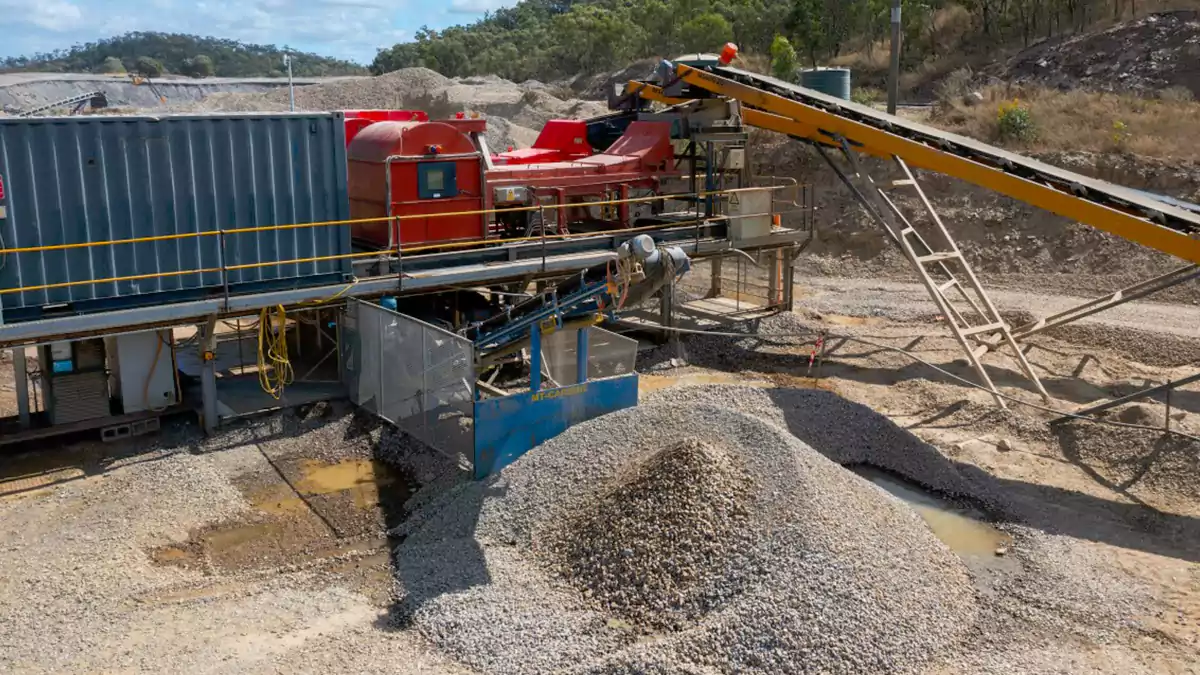
Good processing helps you get more tungsten and waste less. It also lowers pollution and keeps animals safe. You follow rules for the environment and make more money from mining.
Key Takeaways
- Tungsten ore processing begins with crushing, screening, and separation. This helps get more tungsten and makes less waste.
- Gravity separation works for heavy minerals like wolframite. Flotation is used for fine or hard ores like scheelite. This makes the process better.
- Keep equipment like jaw and hydraulic cone crushers in good shape. This helps them work well and last longer.
- Picking the right screen mesh is very important. It changes how well screening works and the final product’s quality.
- All steps—crushing, screening, and separation—should work together. This makes the plant run better and lowers costs.
- Watch slurry concentration all the time. This keeps the product good and lets you change things for the best results.
- Use waste management, like recycling water and handling tailings safely. This helps the environment and saves money.
- Follow environmental rules to build trust. This also helps keep a good name in mining.
Tungsten Ore Processing Overview
Have you ever wondered how tungsten ore becomes a useful metal? Tungsten Ore Processing starts right after miners dig up the ore. There are several steps to get pure tungsten. Each step leads to the next one. This helps you get more tungsten and waste less.
Main Processing Steps
Let’s look at how raw ore turns into separated minerals. First, you crush the ore into smaller pieces. Next, you screen the ore by size. Last, you separate the useful minerals from the waste. The table below shows what happens at each stage:
| Stage | Description |
|---|---|
| Crushing | You break ore into small pieces. This makes it easier to work with. |
| Screening | You sort the ore by size. This helps the next step work better. |
| Separation | You take out the good minerals from the waste. You use different ways depending on the ore. |
You use gravity separation for wolframite because it is heavy and easy to collect. For scheelite, you use flotation, especially if the ore is tricky or not very rich. Sometimes, you mix methods like centrifugal concentrators and shaking tables to get more tungsten.
Process Optimization
You want to get as much tungsten as you can and waste as little as possible. You can make Tungsten Ore Processing better by picking the best method for each ore. Gravity separation works well for big wolframite pieces. Flotation helps get tungsten from small or tricky scheelite ores. For wolframite slime, you might use spiral chutes, shaking tables, and centrifugal concentrators together.
Here’s a quick tip:
If you change your tools and methods to match the ore, you can get 60% or more tungsten back.
You also get the ore ready by washing, desliming, and classifying. This step makes the tungsten stronger before you start separating.
Common Challenges
There are some problems you might face during Tungsten Ore Processing. Sometimes, the ore has stuff in it that makes separating harder. Tiny tungsten pieces can get lost during screening or flotation. You need special collectors to get very small wolframite slime. Taking care of your machines and picking the right screen mesh is important too.
Here are some common problems:
- Losing tiny tungsten during separation
- Hard to separate tricky or poor ores
- Machines wearing out
- Needing the right screen mesh
You can fix these problems by using new methods and keeping your machines working well. If you pay attention to every step, you will get more tungsten and a better product.
Crushing Stages
When you start Tungsten Ore Processing, you need to break the ore into smaller pieces. Crushing makes everything easier for the next steps. Let’s walk through the main crushing stages.
Primary Crushing
You begin with primary crushing. This step handles big chunks of raw ore straight from the mine. You want to make these rocks smaller so you can move them and process them better.
Jaw Crushers
Jaw crushers do most of the heavy lifting in primary crushing. You feed large rocks into the top. The machine uses two strong plates—one stays still, and the other moves back and forth. The moving plate crushes the ore against the fixed plate. The pieces get smaller each time the jaw closes.
Why use jaw crushers?
- They handle very hard rocks.
- They work fast and don’t need much care.
- You can adjust the size of the output.
Tip: Check your jaw crusher often. If you keep it clean and oiled, it will last longer and work better.
Secondary Crushing
After primary crushing, you still have pieces that are too big for screening or separation. You need to crush them again. This is where secondary crushing comes in.
Hydraulic Cone Crushers
Hydraulic cone crushers take over in this stage. You feed the smaller rocks from the jaw crusher into the cone crusher. The cone spins inside a bowl. It squeezes the rocks until they break into even smaller pieces.
What makes hydraulic cone crushers special?
- They give you more control over the final size.
- They protect themselves from damage if a hard piece gets stuck.
- They work well with wet or sticky ore.
Here’s a quick look at how the two crushers compare:
| Crusher Type | Best For | Output Size Range | Special Feature |
|---|---|---|---|
| Jaw Crusher | Large, hard rocks | 100-200 mm | Simple and strong |
| Hydraulic Cone | Medium-sized rocks | 10-50 mm | Adjustable and safe |
Size Reduction Targets
You want to reach the right size for the next step in Tungsten Ore Processing. If the pieces are too big, you can’t separate the tungsten well. If they’re too small, you might lose some tungsten or waste energy.
How do you know the right size?
- For screening, aim for pieces under 50 mm.
- For gravity separation, smaller than 2 mm works best.
- For flotation, you want fine particles, often less than 0.5 mm.
Note: Always check your size targets. If you hit the right size, you get more tungsten and waste less.
Crushing may seem simple, but it sets you up for success. When you use the right crushers and watch your size targets, you make the rest of the process smoother and more efficient.
Screening Process
You move to screening after crushing the ore. Screening helps you sort the crushed pieces by size. This step makes the next part of Tungsten Ore Processing easier and more effective.
Vibrating Screens
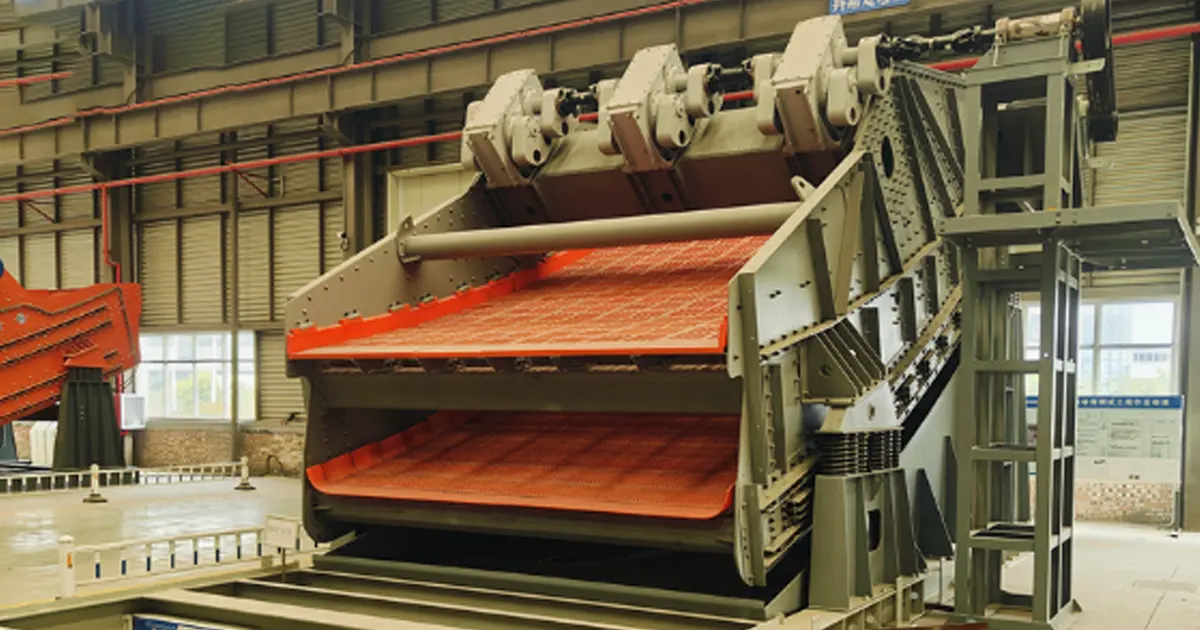
You use vibrating screens to separate the ore. These machines shake back and forth. The movement pushes smaller pieces through holes in the screen. Bigger chunks stay on top. You can set the speed and angle to match your needs. Vibrating screens work fast and handle lots of ore at once. You can clean them easily, too.
Why do miners like vibrating screens?
- They sort ore quickly.
- They keep the process moving.
- They help you get the right size for separation.
Tip: Check your vibrating screens often. If you keep them clean, you avoid blockages and get better results.
Screen Mesh Selection
Picking the right screen mesh matters a lot. You want a mesh that fits your ore and your goals. Mesh comes in different shapes, sizes, and materials. If you choose well, you get more tungsten and waste less.
Here’s a table that shows what you should look for when picking screen mesh:
| Criteria | Description |
|---|---|
| Wire Spacing | Distance between wires. It affects how much ore passes through and how well you filter. |
| Opening Size | Size of the holes. It decides which particles stay and which go through. |
| Weave Type | The way wires cross. It changes how strong and flexible the mesh is. |
| Material Purity | Pure materials last longer and work better in tough conditions. |
| Quality Certification | Certified mesh meets industry standards. It gives you reliable performance. |
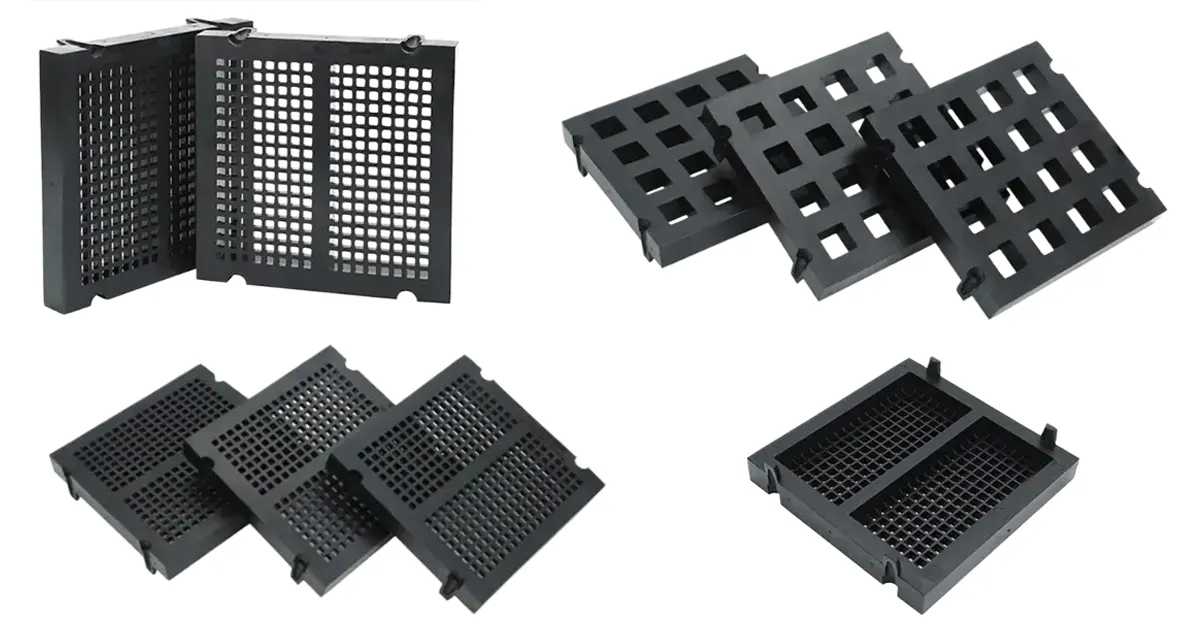
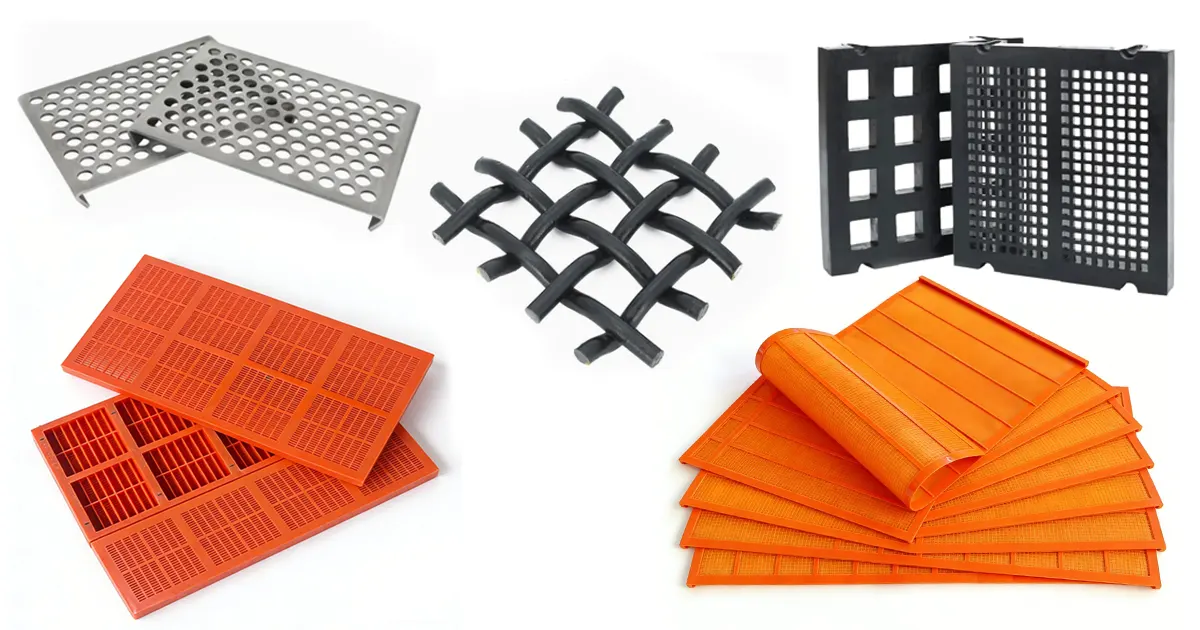
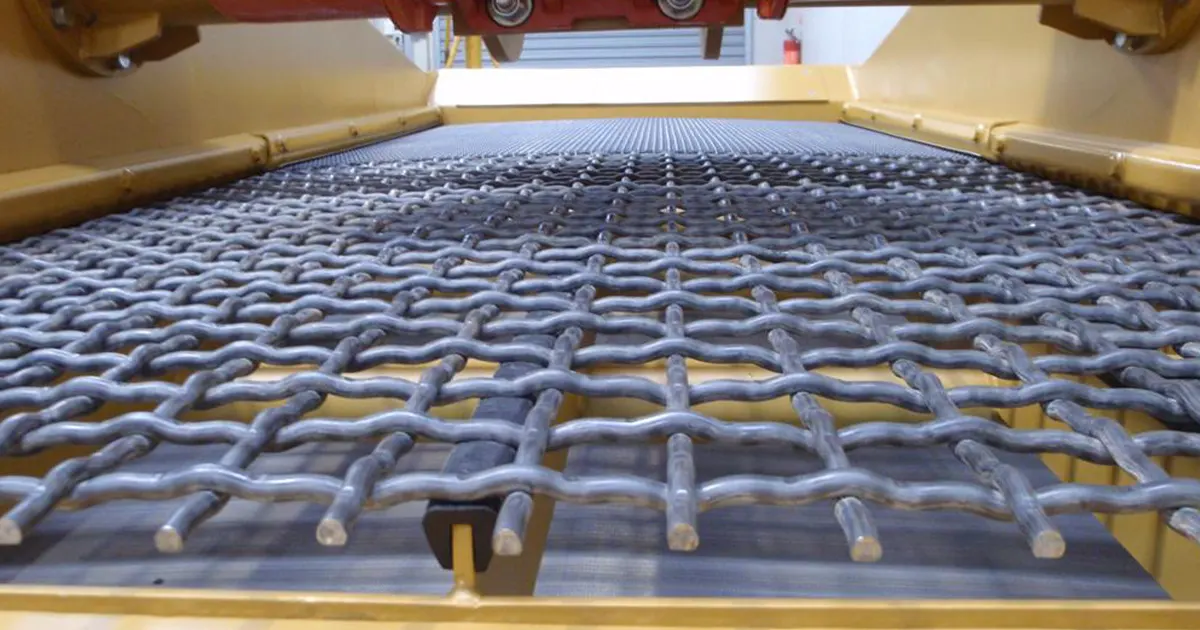
You can pick woven wire mesh, polyurethane screen panels, or self-cleaning screens. Each type works best for certain ores and conditions. If you use high-quality mesh, you get more tungsten and less downtime.
Screening for Quality
Screening does more than just sort by size. It helps you get a cleaner product. If you screen well, you remove dirt, clay, and unwanted bits. This makes separation easier and boosts your tungsten recovery.
You can check the quality by looking at the screened ore. If you see fewer impurities, you know your screening works. You can also test the mesh for wear and tear. If you replace worn mesh, you keep your process smooth.
Note: Good screening means better tungsten and less waste. If you pay attention to mesh and machine care, you get the best results.
Screening is a key step in Tungsten Ore Processing. If you use the right screens and mesh, you set yourself up for success in the next stage.
Separation Methods
You have already crushed and screened your ore. Now, you need to get the tungsten out from the rest. This step helps you get more tungsten and a cleaner product. Let’s see the main ways you can do this.
Gravity Separation
Gravity separation is an old way to process tungsten ore. You use it because tungsten minerals are much heavier than other things in the ore. This big weight difference lets you pull out the good parts and leave the rest. Gravity separation works for both wolframite and scheelite. It is helpful when you want to remove minerals that make flotation harder.
Shaking Tables
Shaking tables are a popular tool for miners. You pour crushed ore mixed with water onto a flat table. The table shakes back and forth. Heavy tungsten moves one way, and lighter waste moves another way. You collect the tungsten at the end of the table.
Here is a quick look at shaking tables:
| Equipment Type | Characteristics | Operational Considerations |
|---|---|---|
| Shaking Table | High enrichment ratio, lower processing capacity | Great for fine materials, can make final concentrate in one pass |
- Wilfley tables are used a lot in tungsten mills.
- You can use more than one table for different feed sizes.
- Shaking tables help you get fine tungsten and sort it into grades.
Tip: Shaking tables work best with the right size material. If you use them well, you can get a concentrate in just one try.
Spiral Concentrators
Spiral concentrators look like long, twisting slides. You pour your ore slurry at the top. It flows down in a spiral. Heavy tungsten moves to the center. Lighter waste moves to the outside.
| Equipment Type | Characteristics | Operational Considerations |
|---|---|---|
| Spiral Concentrator | Good for fine particle separation, high capacity | Needs the right feed size, often used with other methods |
- Spiral concentrators help you get fine tungsten.
- You can use them with shaking tables for better results.
- They are fast and can handle lots of ore.
Note: Gravity separation has been used for a long time. New machines, like centrifugal separators, help you catch even more fine tungsten today.
Flotation
Flotation is another important way, especially for fine or slimed tungsten minerals. You mix your ore with water and special chemicals. Air bubbles stick to tungsten and lift it to the top. You can collect the tungsten from the top.
Here is how flotation compares for different ores:
| Separation Method | Recovery Rate | Type of Ore | Location |
|---|---|---|---|
| Flotation | 80% | Wolframite | Dajishan (China) |
| Flotation | 64.26% | Wolframite | Potosi Mine (Bolivia) |
| Flotation | 61.91-62.08% | Scheelite | Tyrnyauz (Russia) |
Flotation is good for:
- Getting very fine tungsten that gravity methods might miss.
- Treating ores that are hard to separate in other ways.
- Making your process easier if you use it for all your ore.
But, flotation has some problems:
| Advantages of Flotation in Tungsten Ore Processing | Limitations of Flotation in Tungsten Ore Processing |
|---|---|
| Works well for fine and ultrafine wolframite. | Wolframite does not float easily, so it can be tricky. |
| Can enrich fine tungsten from slimes. | Chemicals can cause pollution, especially with arsenic. |
| New surfactants make flotation better. | Each ore needs its own special treatment. |
Callout: Flotation is well known for slimed tungsten minerals. If you want to get more, you can use all flotation treatment. Sometimes, you need chemical treatment at the end to make your concentrate even purer.
Magnetic & Electrostatic Separation
You can use magnetic and electrostatic separation to make your tungsten even cleaner. These methods work because tungsten minerals and waste minerals react differently to magnets and electricity.
| Technique | Description |
|---|---|
| High Intensity Magnetic | Pulls out ferromagnetic and paramagnetic minerals from the rest. |
| Low Intensity Magnetic | Removes only the strongest magnetic minerals, leaves others behind. |
| Electrostatic Separation | Uses electrical conductivity to split valuable minerals from impurities. |
- Magnetic separation helps you pull tungsten and tin out of the rock.
- Electrostatic separation works well when minerals have different electrical properties.
Tip: You can use these methods after gravity and flotation to get the cleanest tungsten possible.
Separation is the most important part of Tungsten Ore Processing. If you pick the right ways and use your machines well, you can get high recovery rates and a very pure product.
Process Integration
You want your Tungsten Ore Processing plant to work well. Process integration means linking crushing, screening, and separation. This helps every part work together. Let’s see how you can do this.
Flow Design
Flow design is like making a map for your ore. If you plan pipes and machines well, you stop blockages. This keeps the plant steady. You also fix less and avoid spills. This saves money and keeps your site neat.
Here’s a table showing how flow design helps your plant:
| Impact Type | Description |
|---|---|
| Flow reliability | Good pipelines stop blockages and keep delivery steady. This is important for plant stability. |
| Reduced maintenance | Smart engineering stops wear and breakdowns. This means fewer shutdowns. |
| Loss prevention | Controlled pipes stop spills. This saves material and lowers cleanup costs. |
| Operational flexibility | Smart design lets you change production fast. This helps you make better choices. |
You can control flow to keep slurry discharge steady. This helps other steps work better. If you keep slurry the same, you get even feed for filtration and separation. This means better results and less waste.
Tip: Check your flow design often. If you find problems early, you can fix them before they slow your plant.
Automation & Control
Automation makes your plant smarter. You use sensors and controls to watch each step. If something goes wrong, the system warns you or fixes it. You can change settings for crushers, screens, and separators without stopping.
Here’s what automation gives you:
- Steady production with fewer mistakes
- Fast response to equipment problems
- Easy tracking of ore quality and recovery
You can recycle water and medium in a closed loop. This keeps your plant green and saves resources. Automation helps you handle lots of ore and big particles without extra work.
Callout: Automation lets you focus on big choices, not small fixes. You spend less time worrying and more time improving your process.
Maximizing Recovery
You want to get the most tungsten from every ton of ore. Screening sorts particles by size and shape. This makes the process work better. It also removes unwanted stuff, so you get more valuable minerals.
Here’s a quick list of best practices:
- Crush and screen feed to the right size (usually 1–100 mm).
- Use dense media separation to split sinks and floats.
- Recover and recycle the medium to save money and help the environment.
- Send concentrate for more processing and handle tailings safely.
If you understand screening and separation, you can make your plant efficient and profitable. You also make your plant flexible, so you can handle different ores and production rates.
Note: When you connect every step, you get high separation efficiency and low cost. You also help the environment by recycling water and medium.
Process integration is the key to a good Tungsten Ore Processing plant. If you link your steps, automate controls, and focus on recovery, you get more tungsten and a cleaner product.
Quality & Environment
Product Quality Monitoring
You want your tungsten product to meet high standards. Good quality starts with careful monitoring at every step. You need to keep an eye on the slurry concentration during processing. If you control the slurry well, you can make flotation work better. This helps you use the right amount of chemicals and get more tungsten out.
- Real-time monitoring lets you react fast when the ore changes. You can adjust your machines and keep the concentrate grade high.
- Stable slurry makes it easier to move the concentrate through pipes. You avoid blockages and reduce wear on your equipment.
- Consistent slurry also keeps the flotation froth steady. This is important for getting the best results.
You should check your monitoring systems often. If you calibrate and adjust them, you can keep your product quality strong, even when the ore changes quickly.
Tip: When you watch your process closely, you catch problems early and keep your tungsten pure.
Waste Management
You need to handle waste the right way to protect the environment. Tungsten ore processing creates leftover materials, but you can manage them with smart practices.
- Use new technology to lower your impact on nature.
- Try to recycle water in your plant. This saves water and keeps streams clean.
- Set up dust control systems. These help you keep the air clear for workers and neighbors.
- Manage tailings (the leftover rock and sand) so they do not harm the land.
- Collect and sort tungsten scrap. You can reprocess it and recover more tungsten.
- Use advanced methods to get tungsten from old industrial waste. This gives you high-purity powder for new products and means you do not need to mine as much.
If you follow these steps, you help the planet and make your operation more efficient.
Note: Recycling and smart waste management can save you money and help you meet green goals.
Environmental Compliance
You must follow rules to keep your mine running and protect your reputation. Many countries have strict laws for tungsten mining.
- Follow the OECD’s rules for responsible supply chains.
- Report where your tungsten comes from, as the Dodd-Frank Act requires.
- Meet the EU’s rules for conflict minerals if you sell there.
- In China, stick to production quotas and environmental standards.
You can also:
- Use less energy and water by making your plant more efficient.
- Try new machines that use less power and recycle water.
- Use recycled tungsten when you can.
- Work with local people and support their communities.
- Make a plan to protect the environment and check your progress often.
If you stay on top of these rules and use smart practices, you keep your mine safe, legal, and respected.
Callout: Good compliance is not just about rules—it helps you build trust and keeps your business strong.
Innovations in Tungsten Ore Processing
Equipment Advances
New machines and tools are changing how you process tungsten ore. These new tools help you get more tungsten from the rock. They also make the process faster and cleaner. Here are some of the newest things you might see:
- Gravity separation uses the weight of minerals to pull tungsten away from lighter waste. This method works for both big and small pieces.
- Flotation uses bubbles and chemicals to lift tungsten minerals to the top. You can collect them easily after that.
- Magnetic separation helps you pull out minerals that react to magnets. This is good for cleaning up your final product.
- New crushing and grinding machines break ore into the right size. This means you lose less tungsten and save energy.
- Better control systems let you watch every step. You can fix problems quickly and keep your plant running well.
These new machines help you get more tungsten and make a better concentrate. You also save money and time because the machines work better and last longer.
Sustainable Solutions
You want to protect nature while you process tungsten ore. Many mines now use smart ways to lower their impact on the earth. Here are some solutions you might see:
- Make mining more efficient to use less energy and water. This also means you make less waste.
- Recycle tungsten from old products. This helps you use fewer new resources and keeps more tungsten in use.
- Work with local people. You build trust and give people jobs and training.
- Use plans to care for the environment. These plans help you follow the rules and keep land and water clean.
When you use these green solutions, you help the planet and make your business stronger. You also show others that you care about the future.
Industry Examples
Many companies are leading with new ideas in Tungsten Ore Processing. For example, some mines use closed-loop water systems. This means they clean and reuse water instead of wasting it. Other companies use better screens and separators to get more tungsten from each ton of ore. Some even collect and recycle tungsten scrap from old tools and machines.
You can learn from these examples. Try new machines, recycle more, and work with your community. When you do these things, you get better results and help set new standards for the industry.
Conclusion
Each step in tungsten ore processing plays an important role. Crushing reduces the ore to a workable size, screening separates material into the right fractions, and separation improves tungsten recovery and concentrate quality. When these steps work together, the whole process becomes more efficient and stable. As a screening media manufacturer, we supply a wide range of mining screens, including woven wire mesh, polyurethane screen panels, self-cleaning screens, and perforated plates. The right screen media can improve sizing accuracy, reduce blinding, and support smoother plant performance throughout the process.
FAQ
What is the main goal of tungsten ore processing?
You want to get as much pure tungsten as you can from the ore. Each step, like crushing, screening, and separation, helps you get more tungsten and better quality.
Why do you need to crush tungsten ore?
Crushing makes big rocks smaller. This helps you sort and separate the tungsten minerals. You get better results when the ore is the right size.
How do you choose the right screen mesh?
You check your ore size, the minerals you have, and what you want to do. Good mesh lasts longer and gives you cleaner ore. You can use woven wire, polyurethane, or self-cleaning screens.
Which separation method works best for tungsten?
Gravity separation is good for heavy minerals like wolframite. Flotation is better for fine or slimed scheelite. Sometimes, you use both methods to get the most tungsten.
How can you reduce waste in tungsten processing?
Recycle water, reuse tungsten scrap, and handle tailings safely. These steps help you protect nature and save money.
What are common problems in tungsten ore processing?
You might lose small tungsten pieces, have machines wear out, or deal with hard ores. Checking your machines and using the right tools helps you avoid these problems.
Is tungsten processing safe for the environment?
You can make it safe by following the rules, recycling water, and using dust control. Good waste handling and following laws keep your plant green and legal.