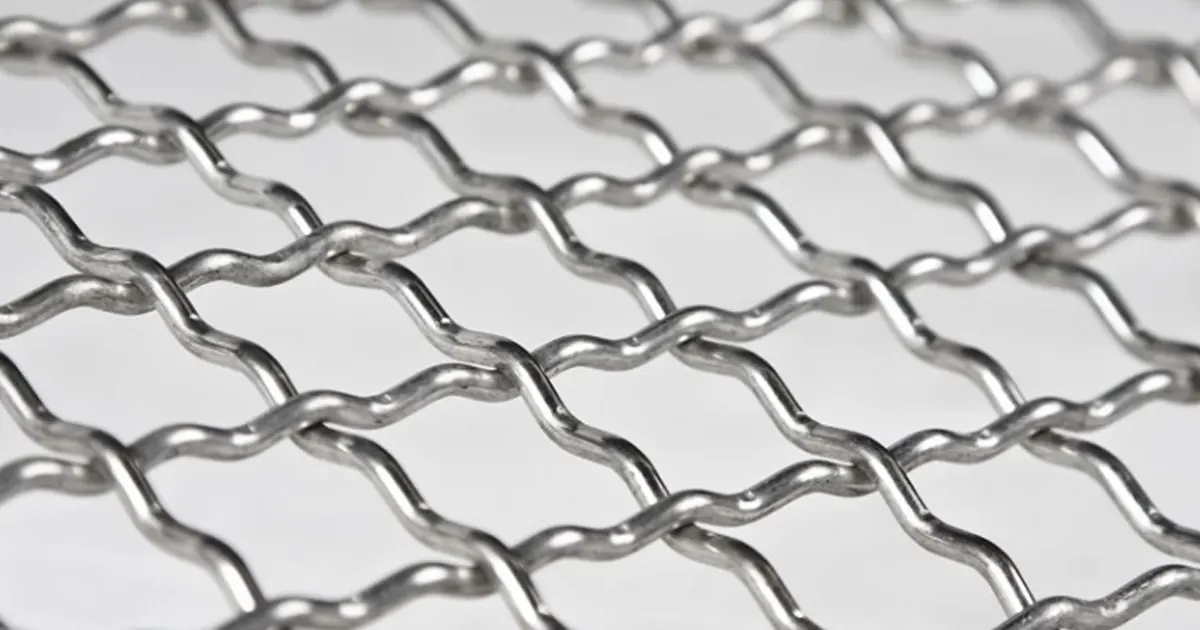
You can find stainless steel wire mesh in many places. It is used at construction sites and in medical labs. The main Types of Stainless Steel for wire mesh are 304, 316, 316L, 321, 430, and duplex. Each grade has its own level of corrosion resistance, strength, and price. If you use woven wire mesh, screen mesh, or industrial screening, your choice is important. Here is how wire mesh is used in different industries:
| Industry Sector | Applications |
|---|---|
| Construction and Engineering | Concrete reinforcement, building facades, water filter screens |
| Manufacturing and Industrial | Machine guards, sieving systems, chemical filters |
| Aerospace and Automotive | Air systems, exhaust systems, battery covers |
| Medical and Pharmaceutical | Surgical tools, making medicine, lab sieves, bone devices |
| Oil and Gas Industry | Filter parts, downhole screens, sensor covers in drilling tools |
Key Takeaways
- Stainless steel wire mesh is made in many grades. These include 304, 316, 316L, 321, 430, and duplex. Each grade has its own special features.
- Picking the right grade is very important. It changes how well the mesh fights rust, how strong it is, and how it works in different places.
- Type 304 is useful for many things and does not cost a lot. It works well for normal jobs but is not good for tough places like near the ocean.
- Type 316 and 316L are better at stopping rust. They are great for use in the ocean or with chemicals.
- Type 321 is best when things get very hot. It stays strong and does not break down in heat.
- Type 430 can stick to magnets and is cheaper. It is good when you need to save money and do not need a lot of rust protection.
- Duplex stainless steel mesh is both strong and fights rust well. It is good for hard jobs like in oil and gas work.
- You should always think about what you need and where you will use the mesh before picking a stainless steel grade.
Types of Stainless Steel Grades for Wire Mesh
Main Grades Overview
When you look at wire mesh, you will see a few main Types of Stainless Steel. The most common grades are 304, 316, 316L, 321, 430, and duplex. Each one has its own mix of elements and special features. Here’s a quick look at what makes them different:
| AISI Grade | C (%) | Si (%) | Mn (%) | P (%) | S (%) | Ni (%) | Cr (%) | Mo (%) |
|---|---|---|---|---|---|---|---|---|
| 304 | ≤0.08 | ≤1.00 | ≤2.00 | ≤0.045 | ≤0.030 | 8.00~10.50 | 18.00~20.00 | – |
| 316 | ≤0.045 | ≤1.00 | ≤2.00 | ≤0.045 | ≤0.030 | 10.00~14.00 | 10.00~18.00 | 2.00~3.00 |
| 316L | ≤0.030 | ≤1.00 | ≤2.00 | ≤0.045 | ≤0.030 | 12.00~15.00 | 16.00~18.00 | 2.00~3.00 |
| 321 | – | – | – | – | – | – | – | – |
| 430 | ≤0.12 | ≤0.75 | ≤1.00 | ≤0.040 | ≤0.030 | 0.60 | 16.00~18.00 | – |
You will find 304 in many everyday uses. 316 and 316L are popular for tough jobs, especially near the sea. 321 works well when you need heat resistance. 430 is a good choice if you want something magnetic and affordable. Duplex grades give you extra strength and corrosion resistance.
Key Properties for Wire Mesh
You want your wire mesh to last and perform well. The Types of Stainless Steel you pick will affect how strong your mesh is and how long it stays in good shape. Here are some key properties to consider:
- Corrosion Resistance: 304 works for mild conditions. If you need more protection, 316 and 316L are better, especially in salty or chemical-heavy places. 316 can resist chloride pitting about 30% better than 304. This matters a lot if you use mesh near the ocean.
- Strength: Some grades, like duplex, offer higher strength. This means your mesh can handle more pressure or weight.
- Heat Resistance: 321 and 430 can take higher temperatures. For example, 430 can work up to 1500°F.
- Magnetism: 430 is magnetic, while 304 and 316 are not. This can help you if you need to sort or move mesh with magnets.
Tip: Always match the grade to your environment. If you use the wrong type, your mesh may rust, break, or wear out too soon.
Importance of Grade Selection
Choosing the right grade is not just about the look or price. It affects how long your wire mesh lasts and how well it works. Here’s why grade selection matters:
- The grade you choose decides how your mesh stands up to chemicals, moisture, and salt. If you pick 304 for a marine job, you may see rust much sooner than if you use 316.
- Higher grades like 316 cost more, but they can save you money in the long run by lasting longer in tough spots.
- The price of wire mesh depends on the quality of the stainless steel, the thickness of the wires, and how the mesh is made. Thicker wires and complex designs can raise the price. Buying in bulk can help you save.
- If you pick the right grade, you get better performance and fewer repairs. This means less downtime and lower costs over time.
When you know the Types of Stainless Steel and their properties, you can make a smart choice for your project. Think about where you will use the mesh, what it needs to handle, and how much you want to spend.
Type 304 Stainless Steel Mesh
Composition and Structure
Type 304 stainless steel mesh is strong and reliable. It is made from metals mixed together. The mesh has about 18% chromium and around 8% nickel. Chromium stops rust and stains. Nickel helps the mesh fight corrosion in tough places. This mix makes the mesh strong and flexible. You can shape it into many forms. The surface is smooth and shiny. It looks good and lasts a long time. Type 304 mesh is easy to clean. You can keep it looking new with little work.
Corrosion Resistance
Wire mesh needs to last, even with water or chemicals. Type 304 stainless steel mesh protects against rust and mild chemicals. The high chromium and nickel help it stand up to moisture and cleaning agents. If you use the mesh in salty or harsh chemical places, you should pick another grade.
Here’s a quick comparison to help you choose:
| Grade | Corrosion Resistance | Best Applications |
|---|---|---|
| 304 | Good, but not ideal for marine/chemical | General filtration, insect screening, decorative applications |
| 316 | Superior, especially in saltwater and chemicals | Marine environments, food-grade filtration, extreme weather applications |
Type 304 mesh works well indoors and outdoors. If you need more protection in salty or chemical-heavy spots, type 316 is better.
Pros and Cons
Every material has good and bad points. Type 304 stainless steel mesh is no different. Here are the main things to know:
Advantages:
- Made from a strong chromium-nickel alloy
- Has great tensile strength
- Resists rust and chemical damage
- Easy to clean and sanitize
- Works with many cleaning agents
- Useful for many jobs
Disadvantages:
- Not good for places with lots of chloride (like near the ocean)
- Does not work well in extreme heat
Here’s a table to sum it up:
| Advantages | Disadvantages |
|---|---|
| Durability | Not suitable for high chloride exposure |
| Corrosion resistance | May not withstand extreme temperatures |
| Hygiene | |
| Versatility across applications |
Type 304 mesh is a smart choice if you want balance. It gives you good cost, strength, and resistance to most everyday problems. You can use it for screens and filters. When you compare the Types of Stainless Steel, type 304 gives you great value.
Common Applications
You can find Type 304 stainless steel mesh in many places. It is used in lots of industries because it is strong and does not cost too much. This mesh also fights rust well. If you need something that can handle daily use, this mesh is a good choice.
Here are some ways people use 304 mesh:
- Filtration: Water plants use this mesh to clean water. It catches dirt and small pieces. Chemical factories use it to filter liquids and gases. Food and drink companies use it to keep their products safe and clean.
- Architecture: Builders use 304 mesh for building fronts and cool panels. It looks modern and can handle rain and sun. You might see it in railings, sun blockers, and even art pieces.
- Machinery and Equipment: Machines need strong parts inside. 304 mesh helps make equipment stronger and last longer. It works well in conveyor belts and screens that sort things.
- Pharmaceutical and Medical Fields: Hospitals and labs use this mesh for tools and sieves. It is easy to wash, so it helps keep things clean and safe.
- Pest Control: You can use 304 mesh for window screens and barriers. It keeps bugs and mice out but still lets air and light in.
- High-Tech Industries: Electronics and energy companies use this mesh in their products. It helps protect and support important parts.
Tip: If you want something that does not rust and is easy to clean, 304 mesh is a smart pick for inside or outside jobs.
Here is a table that shows how 304 mesh is used in different ways:
| Application Area | Why 304 Mesh Works Well |
|---|---|
| Water Filtration | Does not rust, simple to clean |
| Food Processing | Safe to use, keeps out bad stuff |
| Building Facades | Looks nice, stands up to weather |
| Machine Reinforcement | Strong, bends without breaking, lasts long |
| Medical Equipment | Clean, easy to make germ-free |
| Pest Barriers | Tough, lets air and light go through |
| Electronics | Holds parts, protects important pieces |
Type 304 stainless steel mesh is very useful. It works in many jobs because it is tough and easy to take care of. If you want something that lasts and does not need much work, 304 mesh is a great choice for your project.
Type 316 and 316L Stainless Steel Mesh
Alloy Content and Structure
When you look for wire mesh that can handle tough jobs, you might want to check out type 316 and 316L stainless steel. These grades have a special mix of metals. The main difference from other Types of Stainless Steel is the addition of molybdenum. Both 316 and 316L contain about 2-3% molybdenum. This small change makes a big difference. You also get about 16-18% chromium and 10-14% nickel in the mix. The structure stays strong and flexible, so you can shape the mesh into many forms. You will notice that 316 and 316L mesh looks smooth and shiny, just like 304, but it stands up better in harsh places.
Tip: If you need wire mesh for a place with chemicals or salt, 316 or 316L is a smart pick.
Superior Corrosion Resistance
You want your mesh to last, especially if you use it near the ocean or in a chemical plant. Type 316 stainless steel mesh gives you better corrosion resistance than 304, especially in saltwater. The molybdenum in 316 and 316L helps protect against chloride-induced pitting. It also reduces crevice corrosion and stress corrosion cracking. This means your mesh will not rust or break down as fast, even in tough spots.
Here’s why 316 and 316L stand out:
- The molybdenum content (2-3%) gives extra protection in salty or chemical-rich places.
- You get better durability and a longer lifespan in marine environments.
- 316 mesh works well in places with acids and harsh cleaners.
- It is a top choice for marine and food processing jobs.
- The mesh can handle extreme conditions better than 304.
If you need mesh for a boat, dock, or food factory, 316 and 316L will not let you down.
316L Variant
You might wonder what makes 316L different from regular 316. The “L” stands for “low carbon.” This means 316L has less carbon in the mix. That small change helps the mesh resist corrosion even more, especially after welding. If you need to weld your mesh or use it in a place with lots of heat, 316L is a great choice.
Here’s a quick look at why 316L is popular in food and pharmaceutical jobs:
| Benefit | Description |
|---|---|
| Durability | Non-corrosive, lasts up to 100 years under normal use. |
| Improved Sanitary Condition | Resists rust, keeps products safe, and filters well. |
| Easy Inspection and Replacement | Simple to clean, helps prevent contamination. |
| Temperature and Pressure Tolerance | Handles high heat and pressure, perfect for many processes. |
| Customized Strainer Options | Easy to shape for custom filters and strainers. |
Note: If you need a mesh that is easy to clean and keeps things safe, 316L is a top pick for food, drink, and medicine.
You can trust 316 and 316L stainless steel mesh to handle the toughest jobs. They give you peace of mind when you need strength, safety, and long life.
Advantages and Limitations
When you choose 316 or 316L stainless steel mesh, you get some big benefits. These grades stand out because they handle tough jobs and harsh places. Here’s what makes them a favorite:
- Top-notch corrosion resistance: You can use this mesh near saltwater, in chemical plants, or anywhere you worry about rust. The molybdenum in the alloy gives extra protection.
- Long-lasting strength: 316 and 316L mesh keep their shape and strength, even when you use them every day.
- Easy to clean: You can wash and sanitize this mesh without trouble. That’s why you see it in food and medical settings.
- Safe for welding: 316L, with its low carbon, resists corrosion after welding. You don’t have to worry about weak spots.
- Versatile: You can use this mesh in many industries, from boats to labs.
But no material is perfect. You should know about the limits before you decide.
- Higher cost: 316 and 316L mesh cost more than 304. You pay for better protection and longer life.
- Not for every acid: While these grades resist many chemicals, they don’t handle every acid well. For example, they work best in sulfuric acid below 15% or above 85% at high temperatures.
- Temperature limits: If you need mesh for very hot places, be careful. Continuous use outside 800°F to 1575°F isn’t recommended. The mesh can lose its strength or protective layer.
If you use 316L stainless steel mesh in high-temperature water or steam, the protective oxide layer can break down. This means the mesh may corrode faster in those conditions, especially if the water isn’t fully saturated.
Here’s a quick list to help you remember:
- Great for salty, wet, or chemical-heavy places
- Lasts long and stays strong
- Easy to keep clean
- Costs more than basic grades
- Has limits with some acids and high heat
If you need mesh that fights rust and lasts, 316 and 316L are smart picks. Just make sure your job doesn’t push them past their limits.
Type 321 Stainless Steel Mesh
Titanium Stabilization
When you choose type 321 stainless steel mesh, you get something special. This mesh has titanium added to its mix. Why does that matter? Titanium acts like a shield for your mesh. It stops chromium carbide from forming when you heat the mesh. That’s important because chromium carbide can cause weak spots and rust.
Here’s what titanium stabilization does for you:
- Titanium keeps the alloy stable, even when you heat it up.
- It blocks chromium carbides from forming at the grain boundaries.
- Your mesh stays strong during welding or other high-heat jobs.
- You don’t have to worry about intergranular corrosion, which is a type of rust that sneaks in between the grains of the metal.
- The mesh keeps its corrosion resistance, even after you weld or heat it.
If you need wire mesh for high-temperature work, titanium stabilization in type 321 gives you peace of mind. You can weld, bend, or heat the mesh, and it will still last.
Heat Resistance
You might wonder how much heat type 321 stainless steel mesh can handle. This mesh stands out because it keeps its strength and shape at high temperatures. You can use it in places where other Types of Stainless Steel might fail.
Check out this table to see how type 321 performs in different heat conditions:
| Condition | Temperature Range |
|---|---|
| Excellent | Up to 1500°F (816°C) |
| Moderate | Above 800°F (427°C) |
| High | 650–900°C |
| Reduced | Above 1000°F (538°C) |
You can use type 321 mesh for jobs that reach up to 1500°F. It holds up well in both short bursts and long stretches of heat. If you need something for exhaust systems, heat shields, or ovens, this mesh won’t let you down.
Tip: If your project involves welding or high heat, type 321 mesh is a smart choice. It keeps its strength and resists rust, even when things get hot.
Benefits and Drawbacks
Type 321 stainless steel mesh brings you some great benefits, but you should also know its limits. Here’s a quick look:
Benefits:
- Handles high heat without losing strength
- Resists intergranular corrosion after welding
- Stays tough in harsh environments
- Easy to shape and weld
Drawbacks:
- Costs more than basic grades like 304
- Not as good in very low temperatures
- May not resist all chemicals as well as 316
If you need a mesh that stands up to heat and welding, type 321 is a solid pick. You get a mesh that lasts longer and needs less repair. Just remember, it’s not always the best for cold or highly corrosive chemical jobs.
Note: Always match your mesh to your job. Type 321 shines in high-heat and welded projects, but you might want another grade for other needs.
Typical Uses
You may wonder where type 321 stainless steel mesh is used. This mesh is great when you need heat and strength. Many industries use it for tough jobs. Here are some main ways people use this mesh.
- Chemical Processing Industry: This mesh stands up to strong chemicals and high heat. It works well for filtering and separating things. The mesh keeps its shape and strength, even at 900°C (1650°F). You can use it in reactors, acid tanks, and chemical filters.
- Aerospace and Automotive Engineering: Exhaust systems and heat exchangers need strong mesh. Type 321 mesh does not break down when it gets hot. You find it in airplane engines, car exhausts, and heat shields. It helps parts last longer and protects them from heat.
- Power Generation: Boilers and expansion joints need reliable mesh. Type 321 mesh does not stretch or change shape under heat and pressure. You see it in power plants and steam turbines. It works well where there is a lot of heat.
Here is a table that shows where you might use type 321 mesh and why it is a good choice:
| Industry | Typical Use Cases | Why Choose 321 Mesh? |
|---|---|---|
| Chemical Processing | Filters, separators, reactor parts | Handles high heat and chemicals |
| Aerospace & Automotive | Exhaust systems, heat exchangers | Stays strong under thermal stress |
| Power Generation | Boiler parts, expansion joints | Resists creep and deformation |
You do not have to worry about the mesh getting weak or rusty after welding. That is why people use it where repairs are hard and stopping work costs money. Type 321 mesh keeps working, even when things get tough.
If you need mesh for a project with extreme heat or chemicals, type 321 stainless steel mesh is a smart pick. It gives you strength, reliability, and peace of mind.
You can also use this mesh for other jobs. It works in ovens, furnace linings, and some food equipment. When you need mesh that will not fail under pressure, type 321 is ready to help.
Type 430 Stainless Steel Mesh
Ferritic Structure
Type 430 stainless steel mesh stands out because of its ferritic structure. You might wonder what that means. Ferritic stainless steels have a high amount of chromium, usually between 16% and 18%. They contain very little nickel. This mix gives the mesh a special crystal structure called body-centered cubic (BCC).
Here’s why this matters for you:
- The ferritic structure makes 430 mesh magnetic. If you need a mesh that sticks to magnets, this is a great choice.
- The high chromium content helps the mesh resist rust in many everyday situations.
- The low nickel content keeps the cost down and makes the mesh more affordable.
You can spot the difference between ferritic and austenitic stainless steels by testing with a magnet. Type 430 will attract a magnet, while grades like 304 and 316 will not.
Magnetic and Cost Features
You might need a wire mesh that is magnetic. Type 430 stainless steel mesh gives you that feature. The ferritic structure means you can use magnets to move, sort, or hold the mesh in place. This is helpful in factories and workshops where you want to separate metal pieces or use magnetic tools.
Let’s talk about cost. Type 430 stainless steel mesh is much more affordable than grades like 304 or 316. The main reason is the low nickel content. Nickel is expensive, so when you use less of it, you save money. Usually, you will pay only 55% to 75% of the price of 304 stainless steel for the same amount of 430 mesh. If you have a big project or need a lot of mesh, this can make a big difference in your budget.
Tip: If you want to save money and still get good performance, 430 mesh is a smart pick.
When to Use 430
You might ask, “When should I choose type 430 stainless steel mesh?” This mesh works best in certain situations. Here are some times when you should pick 430:
- You need a mesh that is magnetic for sorting or handling.
- You want to keep costs low without giving up too much quality.
- You plan to use the mesh outdoors, where it will see rain, sun, and changing temperatures.
- You need moderate corrosion resistance, but not the highest level.
- You work in places like industrial filtration, water treatment, food and beverage processing, or agricultural sieving.
- You want a mesh for architectural features that look good and last.
Type 430 mesh handles regular moisture and weather changes well. It does not rust as fast as plain steel. If you do not need the highest corrosion resistance, you can trust 430 mesh to do the job and save you money.
Note: If you need a mesh for salty or chemical-heavy places, you should look at higher grades like 316. For most other jobs, 430 gives you a good mix of strength, magnetism, and value.
Application Areas
You may ask where type 430 stainless steel mesh is used. This mesh is found in many places, from homes to big factories. It is strong, magnetic, and not expensive. That is why many people like to use it for different jobs. Here are some of the most common uses for 430 mesh.
Here’s a table that shows where 430 mesh works best:
| Application | Function | Key Features |
|---|---|---|
| Industrial Filtration | Strong filter in chemical and medicine factories. | Handles tough chemicals, stops clogging, keeps shape, can be used again, saves money. |
| Water Treatment Systems | Used as a first filter in water plants. | Catches big trash, protects pumps, stands up to cleaning, good for water with little salt. |
| Food and Beverage Industry | Filters liquids in food and drink making. | Clean, removes dirt, does not stain, cheap for foods without acid. |
| Architectural Applications | Used for design and safety in buildings. | Looks nice, keeps people safe, lets in light but keeps things private. |
| Sieving and Sifting in Agriculture | Helps sort grains and fertilizers on farms. | Sorts by size, keeps out bad stuff, easy to wash, lasts long even with lots of use. |
Let’s talk about these uses a bit more:
- Industrial Filtration: You can use 430 mesh in places that make chemicals or medicines. It stands up to strong chemicals and does not clog easily. You can use it again and again, which saves money. The mesh keeps its shape even when used a lot.
- Water Treatment Systems: Water plants use this mesh to catch big pieces before they reach pumps. The mesh can handle hard cleaning and backwashing. If the water does not have much salt, 430 mesh is a good choice.
- Food and Beverage Industry: This mesh is used to filter drinks and food. It keeps out dirt and meets health rules. The mesh does not stain and costs less than other types. If you work with foods that are not acidic, this mesh is a good pick.
- Architectural Applications: Builders use 430 mesh for looks and safety. You might see it on building fronts, sun screens, or privacy walls. The mesh lets in light but keeps things private. It also makes buildings look modern.
- Sieving and Sifting in Agriculture: Farmers use this mesh to sort grains and fertilizers. It separates things by size and keeps out unwanted stuff. The mesh is easy to clean and lasts a long time, even with heavy use.
Tip: If you want mesh that is strong, looks good, and does not cost much, type 430 stainless steel mesh is a smart choice for many jobs.
You can see that 430 mesh is useful in many ways. It works in factories, on farms, and in kitchens. Its magnetic feature makes it easy to move and sort. If you need a mesh that is reliable and affordable, think about type 430.
Duplex Stainless Steel Mesh
Duplex Structure
You may hear “duplex” and wonder what it means. Duplex stainless steel mesh has a special structure. It mixes two crystal types: ferrite and austenite. The metal is about half ferrite and half austenite. This mix makes the mesh strong and tough.
Here’s a table to show what makes duplex mesh different:
| Property | Description |
|---|---|
| Microstructure | About 50% ferrite and 50% austenite |
| Mechanical Strength | Stronger than regular stainless steel |
| Corrosion Resistance | Handles tough, corrosive places better than most other grades |
This structure lets the mesh handle stress and resist rust. You get a mesh that works well for many hard jobs.
Strength and Corrosion Resistance
You want your wire mesh to last in harsh places. Duplex stainless steel mesh gives you that. It is stronger and resists rust better than 304 or 316 mesh. You can use it where other meshes might break.
Let’s compare duplex mesh to other grades:
| Property | Duplex Stainless Steel | 316 Stainless Steel | 304 Stainless Steel |
|---|---|---|---|
| Corrosion Resistance | Superior | Good | Moderate |
| Pitting Corrosion Resistance | Heightened | Moderate | Low |
| Tensile Strength | Superior | Lower than duplex | Lower than duplex |
Duplex mesh has about 40–60% ferrite and austenite. This balance gives it double the yield strength of regular grades. It also resists pitting, so it won’t get tiny holes from salt or chemicals easily. Nitrogen in the metal helps it fight rust even more.
Tip: If you need mesh for heavy loads and harsh chemicals, duplex stainless steel mesh is a smart choice.
Specialized Uses
You may wonder where duplex stainless steel mesh is needed. Some industries need both strength and top corrosion resistance. Here are places where duplex mesh works best:
- Aerospace: Duplex mesh is used in space flight parts. It handles stress and resists rust in extreme conditions.
- Oil and Chemical Industries: These fields use duplex mesh because it stands up to harsh chemicals and tough environments. The mesh lasts longer and keeps working, even when things get rough.
You also see duplex mesh in marine engineering, water treatment, and pulp and paper plants. It works well in places with saltwater, acids, or high pressure.
Note: Duplex stainless steel mesh costs more than basic grades, but it lasts longer and needs fewer repairs. If you want peace of mind for your toughest jobs, duplex mesh is worth it.
Duplex stainless steel mesh gives you a strong mix of strength and corrosion resistance. You can trust it for your hardest projects.
Stainless Steel Grades Comparison
Corrosion Resistance
When you pick a stainless steel mesh, you want to know how well it fights rust and stains. Not all grades work the same way. Some handle salty air or chemicals better than others. Here’s a quick table to help you compare the main Types of Stainless Steel for wire mesh:
| Stainless Steel Grade | Corrosion Resistance Characteristics |
|---|---|
| 304 | General corrosion resistance, used in food and chemical industries |
| 316 | Superior resistance to chlorides, ideal for marine environments |
| 321 | Good for high-temperature applications |
| 430 | Moderate corrosion resistance, used in decorative applications |
| Duplex (2205, 2507) | High yield strength, good stress corrosion cracking resistance, suitable for aggressive environments |
If you need mesh for a salty or chemical-heavy place, 316 or duplex mesh will last longer. For regular indoor jobs, 304 works well. If you want something for decoration, 430 is a good pick. Duplex mesh is your best bet for the toughest spots.
Tip: Always match the grade to your environment. This helps your mesh last longer and saves you money.
Strength and Wear
You want your mesh to stay strong, even when you use it every day. Different grades have different strengths. The size of the mesh also changes how tough it is. Here’s a look at how tensile strength changes with mesh size:
| Mesh Size | Tensile Strength (MPa) |
|---|---|
| 120 Mesh | 539.19 |
| 40 Mesh | 409.10 |
| 20 Mesh | 373.15 |
| 10 Mesh | 333.49 |
Duplex mesh stands out for its high strength. It can handle heavy loads and rough use. 316 and 304 are also strong, but duplex gives you extra toughness. If you need a mesh that will not bend or break, duplex is a smart choice.
Heat Resistance
Some jobs get hot. You might need mesh for ovens, engines, or chemical plants. Not every grade can take the heat. Here’s how the main grades compare:
- 321 mesh works best for high temperatures. It keeps its strength up to 1500°F (816°C).
- 316 mesh handles heat well, but not as much as 321.
- 304 mesh is good for most jobs, but not for extreme heat.
- 430 mesh can take heat up to 1500°F, but it is not as strong as 321.
- Duplex mesh works in hot spots, but you should check the exact type for your needs.
Note: If you need mesh for welding or high-heat jobs, 321 is your best friend. For most other uses, 304 and 316 do the job.
Now you can see how each grade stands out. Think about where you will use your mesh and what it needs to handle. This will help you pick the right one for your project.
Cost
You probably want to know how much each type of stainless steel mesh will cost you. Price matters, especially if you need a lot of mesh for your project. Some grades cost more because they have special metals or offer better performance.
Here’s a simple table to help you compare:
| Stainless Steel Grade | Relative Cost ($ = lowest, $$$$ = highest) | Why the Price? |
|---|---|---|
| 430 | $ | Low nickel, basic performance |
| 304 | $$ | Good balance, common choice |
| 316 | $$$ | Molybdenum adds cost |
| 316L | $$$ | Low carbon, better for welding |
| 321 | $$$ | Titanium makes it pricier |
| Duplex | $$$$ | High strength, special uses |
- Type 430 is the most affordable. You get a good mesh for less money.
- Type 304 costs a bit more, but you get better corrosion resistance.
- Type 316 and 316L are more expensive. The molybdenum and low carbon add to the price.
- Type 321 is also on the higher side because of titanium.
- Duplex is the most expensive. You pay for extra strength and top corrosion resistance.
Tip: If you have a tight budget, start with 430 or 304. If you need your mesh to last in tough spots, spending more on 316, 321, or duplex can save you money on repairs and replacements.
Application Suitability
You want to pick the right mesh for your job. Each stainless steel grade works best in certain places. Let’s match the grades to their top uses.
- Type 304: Great for indoor and outdoor jobs. Use it for screens, filters, and building facades. It handles most weather and cleaning.
- Type 316/316L: Best for salty, wet, or chemical-heavy places. Choose this for marine projects, food factories, and labs. It fights rust and lasts longer.
- Type 321: Pick this for high-heat jobs. It works well in exhaust systems, ovens, and chemical plants. It stays strong after welding.
- Type 430: Good for basic jobs. Use it for decoration, water filters, and places where you need a magnetic mesh. It saves money but does not like salt or harsh chemicals.
- Duplex: Choose this for the toughest jobs. It shines in oil rigs, chemical plants, and marine engineering. It handles heavy loads and harsh chemicals.
Here’s a quick reference table:
| Grade | Best For | Not Ideal For |
|---|---|---|
| 304 | General use, food, architecture | Marine, heavy chemicals |
| 316/316L | Marine, food, pharma, labs | High-heat, low-budget jobs |
| 321 | High-heat, welded parts | Cold, highly corrosive spots |
| 430 | Budget, magnetic needs | Saltwater, strong chemicals |
| Duplex | Oil, marine, chemical, heavy use | Simple, low-cost projects |
Note: Always think about where you will use your mesh. The right grade keeps your project safe, strong, and looking good.
Now you can match your needs to the right stainless steel mesh. This helps you get the best value and performance for your project.
Choosing the Right Stainless Steel
Environmental Factors
You want your wire mesh to last. The place where you use it matters a lot. If you plan to use mesh outside or near the ocean, you need to think about the environment. Some things can make your mesh rust or break down faster.
Here’s a table to help you see what to watch out for:
| Environmental Factor | Description |
|---|---|
| Moisture and Humidity | Ideal for marine and outdoor use |
| Chemical Exposure | Includes acids, alkalis, and industrial chemicals |
| High-Salinity Environments | Relevant for coastal installations |
Moisture and humidity can cause rust if you pick the wrong grade. If you work near factories or use chemicals, your mesh might face acids or alkalis. Salt in the air near the sea can eat away at metal. You need to match the mesh to the place. For salty air, 316 stainless steel works better than 304. If you use mesh in a chemical plant, you might need duplex or 321. Always check what your mesh will face before you choose.
Tip: Walk around your site before you buy. Notice if there is salt, water, or chemicals. This helps you pick the right mesh for the job.
Material and Abrasion
You want your mesh to stay strong, even when things rub against it. Abrasion means wear and tear from things like sand, rocks, or even tools. If your mesh will touch rough stuff, you need a grade that can handle it.
Think about what will hit or scrape your mesh. Will it filter sand or gravel? Will machines or people touch it a lot? Thicker wires last longer when things rub against them. Finer wires can break faster if they face a lot of wear.
Here’s what you can do:
- Choose thicker wire mesh for heavy-duty jobs.
- Pick a grade with high strength, like duplex, for tough spots.
- Use finer mesh only when you need to filter tiny things and there is not much rubbing.
If you use the right mesh, you will not have to fix or replace it as often. This saves you time and money.
Note: Always ask yourself, “What will touch my mesh?” This simple question helps you avoid problems later.
Cost vs. Performance
You want the best value for your money. Sometimes, the cheapest mesh is not the best choice. You need to balance cost and performance. Think about what you need your mesh to do.
Here are some things to keep in mind:
- The wire gauge and mesh size change both the price and how well the mesh works.
- Thicker wires give you more strength, but they cost more.
- Finer wires help with better filtering, but they can also raise the price.
- If you want to save money, you can look at 202 grade stainless steel mesh. It gives you good strength and fights rust, but costs less than other grades. This is great for big projects where you need a lot of mesh.
You do not have to buy the most expensive mesh every time. Think about what you need. If you need mesh for a simple job, a basic grade like 430 or 202 might work. If you need top performance, you might spend more on 316 or duplex.
Tip: Make a list of what you need your mesh to do. Compare the price and the features. This helps you get the best deal.
When you look at all the Types of Stainless Steel, you see that each one has a special use. You can find the right balance for your project if you think about the environment, the wear and tear, and your budget.
Application Matching
You want your wire mesh to do its job well. Picking the right stainless steel grade for your application makes all the difference. Let’s break down how you can match your project to the best mesh.
1. Start with Your Main Goal
Ask yourself, “What do I need this mesh to do?” Maybe you want to filter water, keep out pests, or build a strong fence. Your goal will point you to the right grade.
2. Think About the Environment
Where will you use the mesh? Indoors or outdoors? Near the ocean or in a factory? Each place has its own challenges. For example, salty air near the sea can make some metals rust fast. If you work in a chemical plant, you need mesh that stands up to acids.
3. Match the Grade to the Job
Here’s a handy table to help you choose:
| Application Area | Best Stainless Steel Grade | Why This Grade Works Well |
|---|---|---|
| Food Processing | 316/316L | Resists rust, easy to clean, safe |
| Marine/Coastal Use | 316/316L or Duplex | Fights saltwater corrosion, lasts longer |
| High-Heat Equipment | 321 | Handles heat, keeps strength |
| Decorative Screens | 304 or 430 | Looks good, affordable |
| Chemical Plants | Duplex or 316L | Top corrosion resistance |
| Magnetic Sorting | 430 | Magnetic, budget-friendly |
| Heavy Loads/Stress | Duplex | Extra strong, resists bending |
| General Use | 304 | Good all-around performance |
Tip: If you’re not sure, start with 304. It works for most jobs. If you need more protection, move up to 316 or duplex.
4. Check for Special Needs
Some projects need special features. Maybe you need a mesh that is magnetic. Maybe you want something that bends without breaking. Here are a few things to look for:
- Magnetism: Choose 430 if you want the mesh to stick to magnets.
- Weldability: Pick 316L or 321 if you plan to weld the mesh.
- High Strength: Go with duplex for heavy-duty jobs.
- Heat Resistance: Use 321 for ovens or exhaust systems.
5. Think About Cleaning and Safety
If you use the mesh for food, medicine, or water, you want it to be easy to clean. Grades like 304, 316, and 316L are great for these jobs. They do not rust easily and you can sanitize them with common cleaners.
6. Balance Your Budget
You want the best mesh for your money. Sometimes, you do not need the most expensive grade. If your project is indoors and away from chemicals, 430 or 304 can save you money. For tough jobs, spending more on 316, 321, or duplex can save you repairs later.
7. Ask for Help
Still not sure? You can always ask an expert. Share your project details. Tell them about the environment, what you need the mesh to do, and your budget. They can help you pick the perfect grade.
Note: The right mesh grade keeps your project safe, strong, and looking good. Take a little time to match your needs to the right stainless steel. You’ll be glad you did!
Now you know how to match your application to the best stainless steel mesh. Use these steps and tables to make a smart choice for your next project.
Conclusion
You’ve seen how stainless steel grades like 304, 316, 316L, 321, 430, and duplex each offer unique benefits for wire mesh. Picking the right grade helps your mesh last longer and perform better in tough environments.
Choosing the right stainless steel mesh can make a big difference in performance and service life. As a screen media manufacturer, we provide a wide range of stainless steel screen mesh options for different applications. If you are unsure which type best fits your project, we can help you match the mesh to your actual working conditions.
FAQ
What is the best stainless steel grade for outdoor wire mesh?
You should pick 316 stainless steel for outdoor use. It fights rust from rain and salty air. If you want your mesh to last longer outside, 316 is a smart choice.
Can stainless steel mesh rust?
Stainless steel mesh can rust if you use the wrong grade in harsh places. 304 resists rust in mild spots. 316 and duplex work better in tough environments.
Is stainless steel mesh magnetic?
Type 430 stainless steel mesh is magnetic. You can use magnets with it. Grades like 304 and 316 are not magnetic.
How do I clean stainless steel wire mesh?
You can clean stainless steel mesh with warm water and mild soap. Use a soft brush. Avoid harsh chemicals. Rinse well and let it dry.
Which mesh grade is safe for food processing?
You should use 316 or 316L stainless steel mesh for food jobs. These grades resist rust and are easy to clean. They keep your food safe.
What is duplex stainless steel mesh used for?
Duplex mesh works best in places with heavy loads and strong chemicals. You see it in oil rigs, marine jobs, and chemical plants.
Can I weld stainless steel mesh?
You can weld stainless steel mesh. 316L and 321 are good choices for welding. They stay strong and resist rust after welding.
How do I choose the right mesh size?
Think about what you want to filter or block. Use fine mesh for small particles. Pick thicker mesh for strength. Ask an expert if you need help.