You might wonder, what are rubber screens? Rubber screens act as filtering panels that separate materials by size in many industries. You see them in mining, recycling, and even food production. They stand out for strength, flexibility, and ability to handle tough jobs.
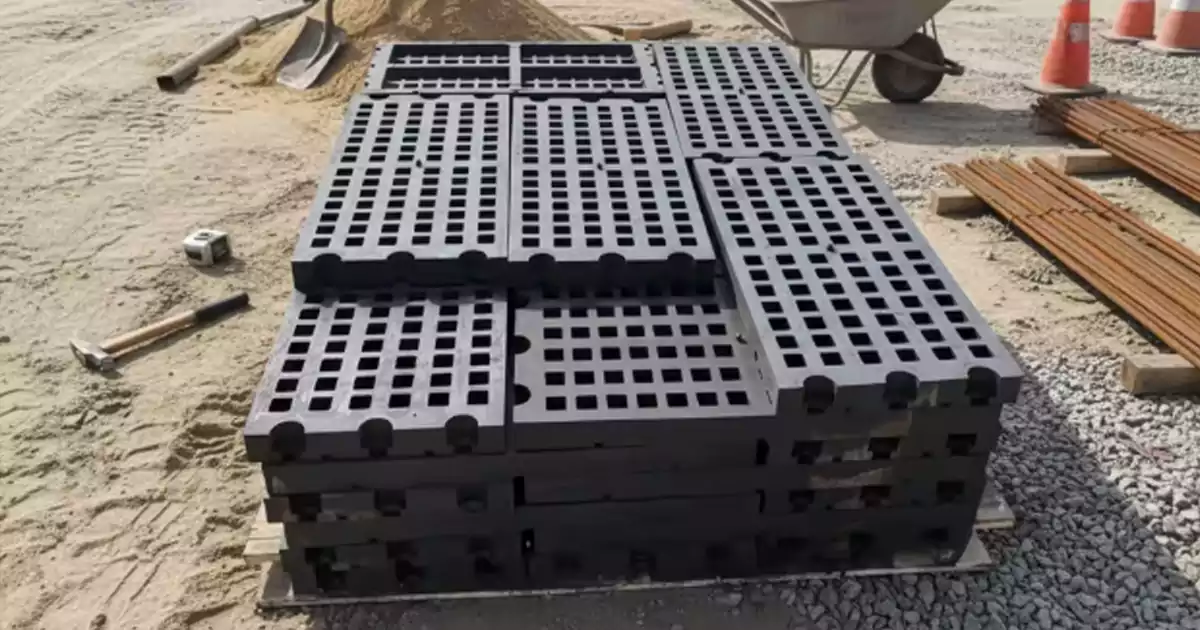
Understanding what makes these panels unique can help you choose the right solution for your needs.
Key Takeaways
- Rubber screens are bendy panels that filter things by size. They are used in mining, recycling, and food factories.
- These screens last a long time and can handle hard hits. This makes them good for tough work and you do not need to replace them often.
- Rubber screens help make better products. They let only the right size pieces go through.
- This cuts down on waste and keeps machines safe.
- Rubber screens also make work safer. They keep dust down and make less noise.
- This helps workers feel more comfortable.
- You can change rubber screens to fit your needs. You can pick the hole shape, how thick the panel is, and what it is made of.
- This means you get the right screen for your job.
- Rubber screens save money over time. They do not break easily and need less fixing than other screens.
- In food factories, rubber screens are clean and safe. They do not hurt soft foods and help keep food safe.
- Picking a good supplier is important.
- Find companies that make strong panels and let you choose what you need.
What Are Rubber Screens
Definition
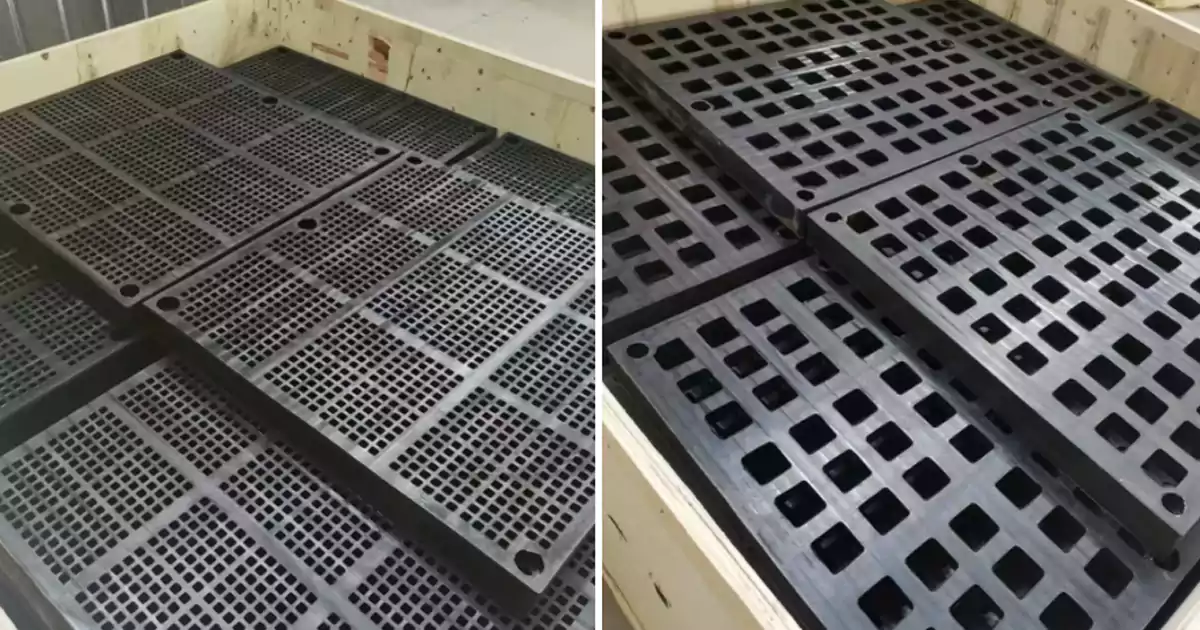
You might ask, what are rubber screens? These are panels made from strong rubber that help you separate materials by size. You see them in machines that sort rocks, sand, or even food. When you use a rubber screen, you get a tool that bends but does not break. It stands up to heavy use and tough jobs. The rubber material gives the screen flexibility and strength. You can count on it to last longer than many other types of screens.
How They Work
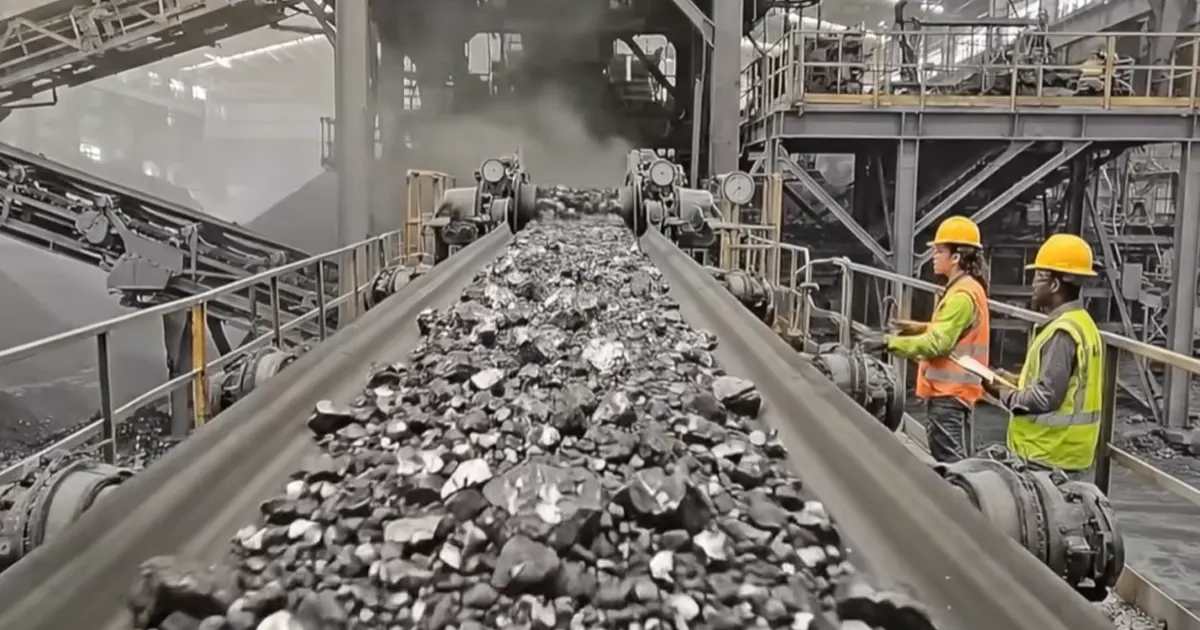
Let’s break down how a rubber screen does its job. You pour a mix of materials onto the screen. The screen has holes or slots that let only the right size pieces fall through. Larger pieces stay on top and move away. Here’s what happens when you use a rubber screen in your process:
- You make sure only the right size particles pass through. This keeps your product quality high.
- You cut down on waste. Oversized pieces get removed early, so you do not have to reprocess them.
- You protect your machines. The rubber absorbs shocks and reduces wear on your equipment.
- You keep your workspace safer. Many rubber screens help control dust, which means cleaner air for you and your team.
A rubber screen works like a gatekeeper. It checks every piece and only lets the right ones move forward.
Key Properties
You might wonder, what makes a rubber screen special? The answer lies in its unique properties. Take a look at this table to see what matters most:
| Property | Description |
|---|---|
| Compatibility | The rubber must match the materials you process. If not, the screen will not work well. |
| Particle Size | The screen controls the size of particles that pass through. Common sizes are 0.6 mm and 0.18–0.25 mm. |
| Temperature Effects | Rubber can handle changes in temperature. This helps the screen work in hot or cold places. |
| Chemical Interactions | Over time, rubber can bond with other materials. This can change how the screen performs. |
You get a screen that bends without breaking. It handles heat, cold, and even chemicals. The rubber keeps working, even when things get tough. When you ask, what are rubber screens, you now know they are flexible, strong, and built for tough jobs.
Rubber Screen Panels: Composition and Types
Materials Used
Rubber screen panels are more than just filters. The material inside each panel matters a lot. Most panels use special rubber compounds. Some work well in hot places. Others are best for normal temperatures. Look at this table to see the main types:
| Type of Rubber Compound |
|---|
| Standard rubber compound |
| Used in high temperatures rubber compound |
You can pick the rubber that fits your job. If you need a panel for heat, choose the high-temperature compound. If your process is cool, use the standard rubber. The rubber gives panels flexibility. It absorbs impacts. It stands up to chemicals better than many other materials.
Panel Designs
There are many choices for rubber screen panels. The design changes how the screen fits your machine. It also affects how well it sorts materials. Here are the main types you might see:
Modular Panels
Modular panels are small and easy to handle. You can change one piece without replacing the whole screen. This saves time and money. Modular panels fit many machines. You can mix and match them for different jobs.
Tensioned Panels
Tensioned panels stretch tight on the frame. You get a flat surface that handles heavy loads. These panels work well when you need a strong screen that stays put.
Perforated Panels
Perforated panels have holes or slots in many shapes. You can pick square, round, slotted, or zigzag openings. This helps you control what size particles pass through. Perforated panels give you lots of sorting options.
Here’s a quick look at some design variations you might find:
| Design Variation | Application | Size | Fixing Options | Material Options | Aperture Options |
|---|---|---|---|---|---|
| OptiNext© Rubber Modular Button | Wet & dry | 1ft x 1ft, 1ft x 2ft | Pin & Lug, Button, V-Type | Polyurethane, Rubber | Square, Slotted, Zigzag, Round, Teardrop |
| OptiNext© Rubber Rapido | Dry & wet | 1ft x 1ft, 1ft x 2ft | Pin & Lug, Button | Rubber, Polyurethane | Square, Slotted, Zigzag, Round, Teardrop |
Durability Features
You want your rubber screen panels to last long. The rubber absorbs shocks and resists wear. Some people think rubber screens do not last as long as others. That is not always true. The right panels can handle tough jobs for a long time. Rubber panels resist abrasion well. Polyurethane panels can last even longer sometimes.
Rubber panels also stand up to many chemicals. Chemical resistance depends on the rubber type. If you use oils or solvents, try polyurethane panels. They handle those better. Rubber panels can bend under heavy loads. This can cause blinding or less efficiency. You can avoid problems by picking the right design and material.
Tip: Always match your rubber screen panels to your process. The right choice gives you better performance and less downtime.
Applications of Rubber Screen Panels
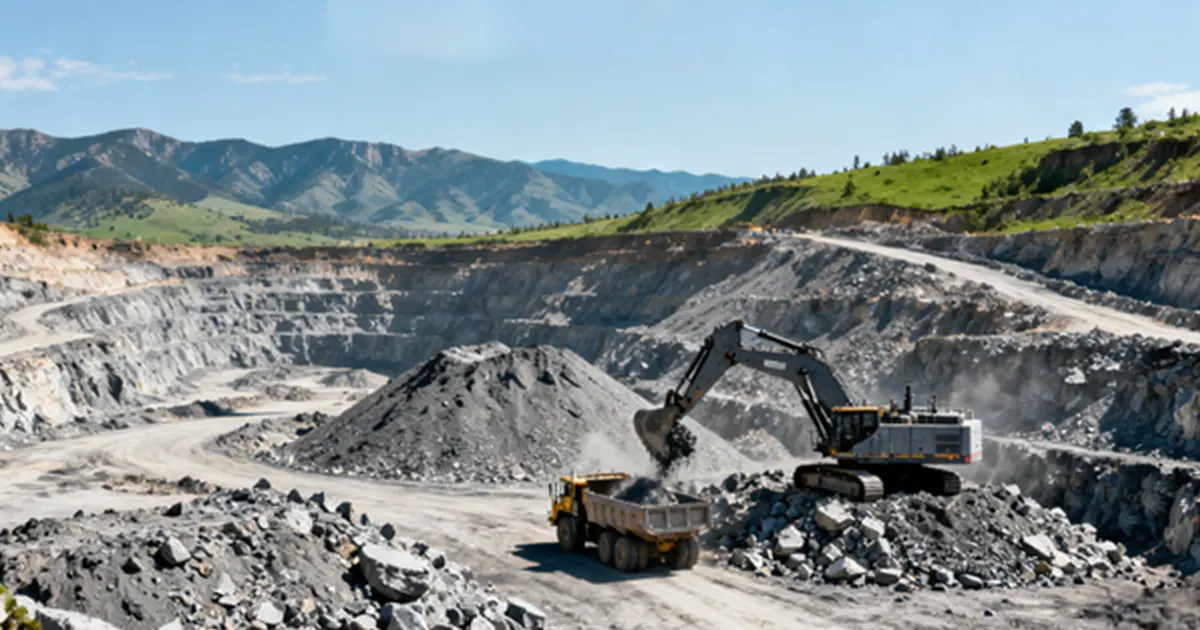
Mining and Aggregates
Rubber screen panels are used a lot in mining. They help sort rocks, gravel, and sand by size. These panels can take hard hits and sharp edges. The rubber bends instead of breaking. You do not need to change them often. This means your machines stop less for repairs. You get more work done each day. Rubber screen panels are strong and last a long time. They work well with tough or rough materials. They also make less noise. This keeps your worksite safer and more comfortable. If you want a screen that lasts, rubber is a good choice for mining.
Chemical Processing
Rubber screen panels are important in chemical plants. You need tools that can handle strong chemicals and heat. Rubber gives you this power. These panels do more than just filter. They make your plant safer and help it run better. Here are some ways rubber screen panels help in chemical processing:
- They make less noise and vibration, so your workspace is quieter.
- They help keep workers safe by lowering injury risks.
- They make your machines break down less.
- They help you get more work done in less time.
- They save money because you do not replace them often.
- They help you follow safety and performance rules.
Rubber screen panels help your plant run well. They can separate powders and filter liquids. If you want to work faster and keep your team safe, use rubber screen panels.
Food Production
Rubber screen panels are great for food production. You need clean and safe tools for your food. Rubber gives you both. Look at this table to see why rubber screen panels are good for food plants:
| Benefit | Description |
|---|---|
| Hygiene | Rubber screens are easy to clean and meet strict food safety standards. |
| Gentle Handling | They prevent damage to delicate food items, such as nuts and grains, during processing. |
| Noise Reduction | The use of rubber materials helps in reducing noise levels in food production environments. |
| Customization | Mesh sizes and configurations can be tailored for various food applications, enhancing versatility. |
| Improved Product Quality | Adoption of rubber screens has led to a reported 10% reduction in broken nuts in processing. |
Rubber screens protect your food and keep things quiet. You can pick the right mesh size for each product. This lets you process grains, snacks, and more without worry. If you want better quality and less waste, rubber screen panels are a smart choice for food production.
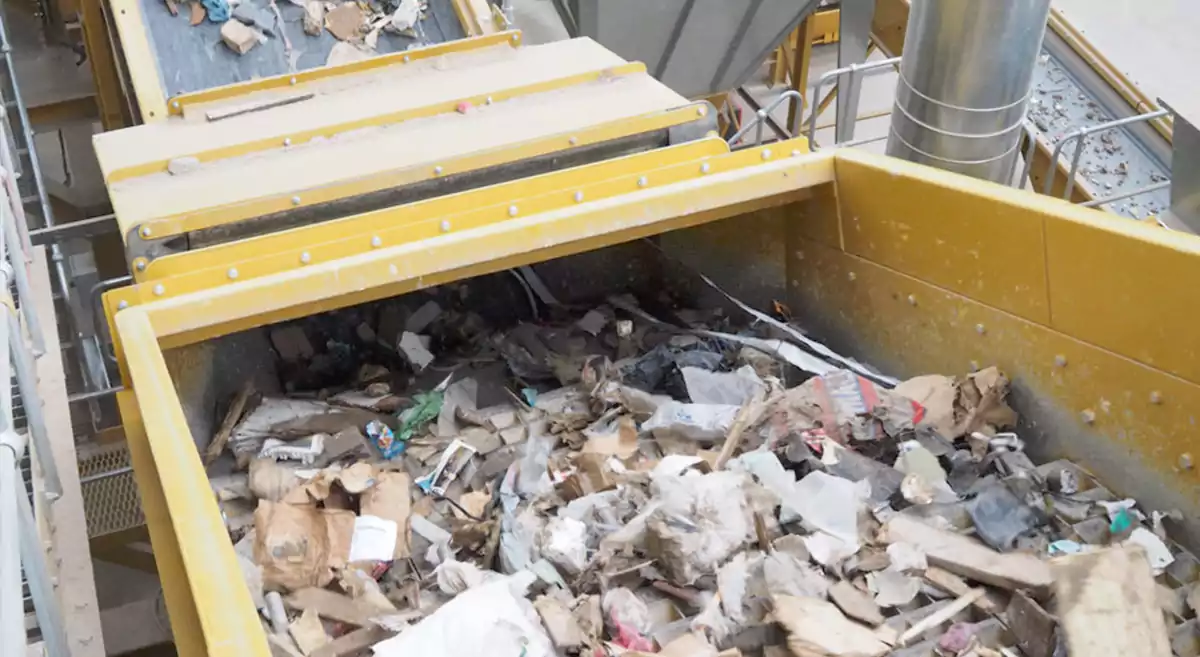
Recycling and Waste
You may not know how much rubber screen panels help with recycling. These panels are important for sorting and separating materials. When you use rubber screen panels, your recycling center works better. Here are some ways they help:
- You can sort things like concrete and asphalt easily. The panels handle heavy and rough stuff without breaking.
- Rubber screen panels are flexible. They let you process fragile items gently. This stops things from breaking and keeps materials clean. You avoid mixing up materials, which is important for recycling.
- You finish more work in less time. One recycling plant in Europe saw a 20% increase in work speed after using rubber screen panels. This means you can process more every day.
- You lose less material when sorting. The panels keep valuable resources in your system. This helps your business make more money.
- Vibrating screens with rubber panels give you cleaner materials. Cleaner output means you spend less money on extra steps.
Rubber screen panels also lower noise and vibration. Your team works in a safer and more comfortable place. These panels last longer and need fewer replacements. This saves you money and reduces downtime. If you want to make your recycling better, rubber screen panels are a smart choice.
Ergonomics and Roller Technologies
You may wonder how rubber screen panels work with roller technologies. These panels do more than sort materials. They make your job easier and safer. Here is what you get with rubber screen panels in roller systems:
- You get longer wear life. Rubber screen panels last longer than many other screens. You spend less time and money changing them.
- You have less plugging. The panels stay clear, so your machines run well. This helps your work go faster.
- You find it easier to install and replace panels. Rubber screen panels are flexible. You can move them without hurting yourself. This makes your workday better.
Rubber screen panels help with good ergonomics. You lift and move them with less effort. Your team stays safe and works well. In roller technologies, these panels help your system work its best. You can use rubber screen panels in many jobs, like recycling and mining. They fit your needs and give strong results every time.
If you want to see these benefits, try rubber screen panels. They are a smart choice for many industries, especially where safety and efficiency matter most.
Advantages of Rubber Screen Panels
Abrasive and Impact Resistance
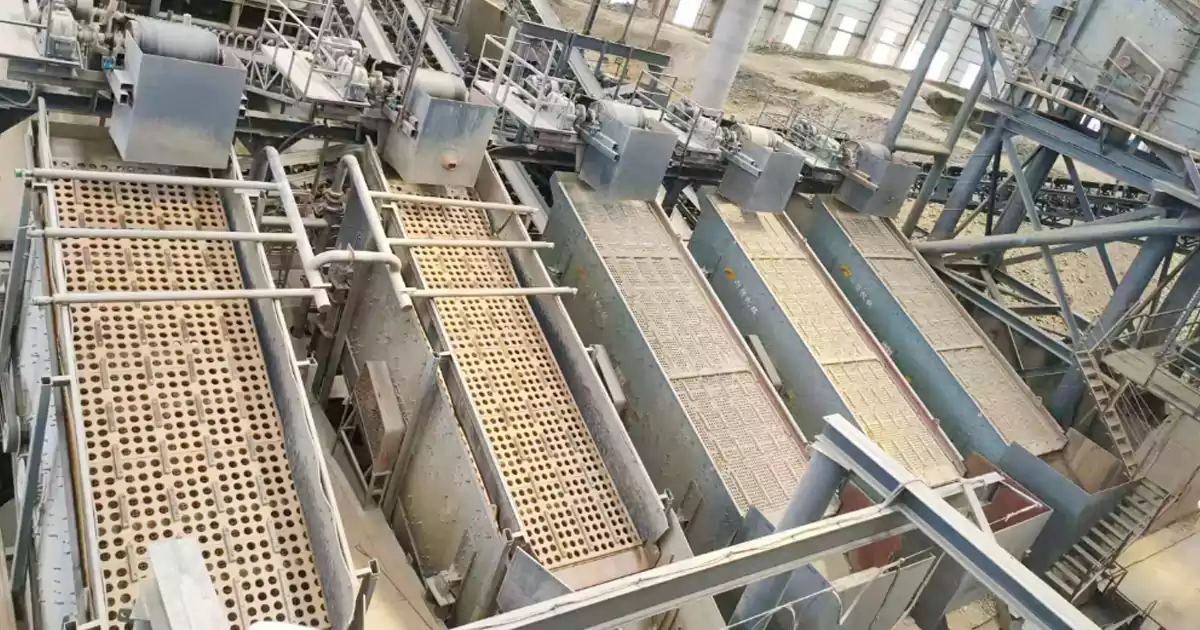
You want your screens to last, even when they face tough jobs. Rubber screen panels give you strong abrasive and impact resistance. This means they can handle sharp rocks, heavy loads, and rough materials without breaking down fast. You get more work done before you need to replace them.
Rubber panels go through many tests to prove their strength. Here’s a quick look at some common tests:
| Test Type | Description |
|---|---|
| Dry-sand, rubber-wheel | Checks how well the panel handles abrasion |
| Pin-on-drum | Measures resistance to high-stress abrasion |
| Jaw crusher | Tests for gouging and heavy wear |
| High-speed, impeller–tumbler | Looks at how the panel handles strong impacts |
These tests show that rubber panels can take a beating. You do not have to worry about chips or cracks as much as with other materials. The panels absorb shocks, so your machines stay safe too. If you work with hard or sharp materials, you will see the advantages of rubber screen panels right away.
Noise Reduction
Working in a loud place can be tough. Rubber screen panels help you cut down on noise. When you use rubber instead of metal, you make your workspace quieter. This helps protect your hearing and makes the job more comfortable.
Take a look at how much noise rubber panels can reduce:
| Material | Noise Reduction (decibels) |
|---|---|
| Rubber Screen Panel | 5-20 |
| Polyurethane Screen Plate | 10-15 |
You can see that rubber panels lower noise by up to 20 decibels. That is a big difference. You will notice the change right away. Your team will thank you for making the work area safer and easier on their ears.
Tip: If you want a quieter plant or site, switch to rubber screen panels. You will hear the difference from day one.
Flexibility and Vibration Absorption
Rubber screen panels stand out for their impact resistance and flexibility. You get a material that bends and moves with the load, not against it. This helps the panels last longer and keeps your machines running smoothly.
Here are some facts about how rubber panels absorb vibration:
- Rubber screen plates have a tensile strength of at least 15MPa. This makes them strong enough for tough jobs like coal sorting.
- They show high impact resistance, with a tear strength of at least 30kN/m. They can take instant impacts of over 500kg·m/s².
- In iron ore plants, rubber screens last four to eight times longer than metal screens. Some last more than 12 months without needing a change.
- Rubber-metal panels can absorb 60% of impact energy. This means less stress on your machines and less metal fatigue.
When you use rubber panels, you get less shaking and fewer breakdowns. The panels protect your equipment and help you work faster. You also get a smoother process, which means better results every time.
If you want screens that handle tough jobs, reduce noise, and absorb vibration, rubber screen panels are the smart choice. You get a material that works hard for you and keeps your operation running strong.
Chemical Resistance
You need your screen panels to handle more than rocks. Chemicals can damage many materials. Rubber screen panels can resist many harsh chemicals. They stand up to acids, alkalis, and some solvents. This lets you use them where other screens might not work.
Rubber’s chemical resistance helps you in different ways:
- You stop early damage from chemicals.
- Your screens last longer, even with strong cleaners.
- You lower the chance of contamination.
Here is an example. In chemical plants, rubber screens keep working with strong acids or bases. In food processing, you can clean rubber panels with sanitizers. You do not have to worry about damage. This keeps your work safe and efficient.
Not every rubber is the same. Some types work better with certain chemicals. You should check which kind fits your job. If you use oils or strong solvents, try polyurethane panels. They handle those chemicals better.
Tip: Always pick the right screen panel for your chemicals. This helps you avoid extra costs and keeps your work running well.
Comparison to Metal and Polyurethane
You may wonder how rubber screen panels compare to metal and polyurethane. Each material has good and bad points. Here is a simple breakdown to help you choose.
Wear Life and Maintenance
- Rubber screen panels last about half to two-thirds as long as polyurethane. You will change rubber panels more often.
- Polyurethane screens resist abrasion better. They last longer and need less fixing.
- If you use rubber screens in rough places, they may wear out faster. You might need more repairs.
Screening Efficiency and Open Area
- Some people think rubber screens do not screen as much. That is not always true. The right design gives you high open area and good results.
- Modular rubber systems are strong and have high open-area designs. You can process more material with less clogging.
- Self-cleaning rubber screens keep particles moving. You get better sizing and less downtime.
Suitability for Different Applications
| Material | Best For | Wear Life | Chemical Resistance | Noise/Vibration | Maintenance Needs |
|---|---|---|---|---|---|
| Rubber | Dry, high-impact, moderate abrasion | Medium | Good | Excellent | Moderate |
| Polyurethane | High-abrasion, wet or oily environments | Long | Excellent | Good | Low |
| Metal | Extreme heat, very large particles | Short to Medium | Poor to Fair | Poor | High |
You should look at your material and how much you need to process before picking a screen. The right choice helps you work better and save money. If you want less noise and better vibration control, rubber is a good choice. If you want the longest wear life and best chemical resistance, polyurethane may be better.
Note: Working with a skilled supplier helps you pick the best screen. This can make your equipment last longer and improve your results.
Selection and Maintenance
Environmental Considerations
You want your rubber screen panels to last long. The place you use them matters a lot. Think about heat, cold, and humidity. The type of material you process is important too. Hot or cold weather can change how rubber works. Dust, water, and chemicals can make panels wear out faster. If you work with strong chemicals, pick panels that resist them. For wet jobs, use the right rubber compound. For dry jobs, choose another type. Always check if your panels fit your materials. This helps you avoid problems and keeps things running well.
Cost and Lifespan
You may ask if rubber screen panels cost more. The answer is yes, they cost more at first. But you save money over time. Look at this table to compare rubber panels and other screens:
| Aspect | Rubber Screen Panels | Other Screening Solutions |
|---|---|---|
| Upfront Cost | Higher initial investment | Generally lower upfront costs |
| Longevity | Longer lifespan reduces replacements | Shorter lifespan may require more frequent replacements |
| Maintenance Costs | Reduced maintenance needs | Higher maintenance costs due to more frequent repairs |
| Overall Cost of Ownership | Lower over time due to durability | Higher over time due to replacements and repairs |
Rubber panels last longer and need fewer fixes. You spend less time and money on repairs. They help your machines work better. You get better results and save money in the end.
Here are some facts about how long they last:
- Rubber screen panels have the longest wear life.
- They work well in tough jobs.
- How long they last depends on your workplace.
Maintenance Tips
You want your panels to last longer. Good care helps a lot. Here are some tips for rubber screen panels:
- Replace screen media often. Follow what the maker says.
- Change machine oil when needed. Check your usage and follow advice.
- Clean around moving parts every day. This stops stuff from building up.
- Slow down the screening or use smaller feed if you can. This lowers stress on panels.
- Make a plan for maintenance. Inspect, clean, and replace worn parts often.
- Train your team. Make sure everyone knows how to care for the panels.
Tip: Small steps help a lot. Regular checks and cleaning make panels last longer and keep machines working well.
If you do these things, you will see good results with rubber screen panels. You get more work done, better results, and save money.
Customization Options
You want your rubber screen panels to fit your job perfectly. That’s where customization comes in. You can pick from many options to get the best results for your worksite. Let’s look at what you can change and why it matters.
First, think about the holes in your screen. These are called apertures. You can choose from round holes, slotted holes, or square holes. Each shape works better for different jobs. Round holes help when you need smooth material flow. Slotted holes let you sort long or flat pieces. Square holes give you sharp sizing and less clogging. You can even ask for custom shapes if your job needs something special.
Next, you can pick the thickness of your panels. Thicker panels last longer and handle bigger impacts. If you work with heavy rocks or sharp materials, you might want a thicker screen. Thinner panels work well for lighter jobs or when you want more material to pass through quickly. You get to decide what fits your process best.
You also have choices for the size of the holes. You can get apertures as small as 5.0 mm or as big as 150 mm. This means you can sort tiny grains or large stones. The right size helps you get the product you want and keeps your machines running smoothly.
Here’s a quick table to show you some ways you can customize your rubber screen panels:
| Customization Aspect | Details |
|---|---|
| Variety of Formulations | Custom aperture shapes can be made to meet the needs of nearly any application. Apertures between 5.0 mm and 150 mm. |
| Custom Design | In-house mold design guarantees optimum time management and lowers custom molding cost. |
| Panel Thickness | Available in various thicknesses affecting durability and performance. Thicker panels provide better impact resistance. |
You can also ask for special engineering. If you have a unique job, the manufacturer can design a panel just for you. They use in-house molds to make sure you get your panels fast and at a good price. This helps you save time and money.
Here’s what you can customize:
- Aperture shape and size for your material type.
- Panel thickness for more strength or faster flow.
- Special designs for unique machines or processes.
Tip: Talk to your supplier about your needs. The right custom panel can boost your productivity and lower your costs.
With all these options, you can make sure your rubber screen panels work exactly how you want. Customization gives you control and helps you get the best results for your business.
Choosing a Supplier
Manufacturer Criteria
You want the best results from your rubber screen panels. Picking the right manufacturer makes a big difference. Not all suppliers offer the same quality or features. You should look for a company that gives you strong, long-lasting panels and supports your needs.
Here’s a table to help you see what matters most when you choose a supplier:
| Criteria | Description |
|---|---|
| Aperture range | Choose panels with openings from 6 mm up to 150 mm or more for your job. |
| Panel thickness | Look for panels made for high-impact zones with extra reinforcement. |
| Wear life improvement | Good panels last 1.5 to 3 times longer than regular screens. |
| Maintenance intervals | Fewer stops for repairs mean more stable uptime for your machines. |
When you check these points, you make sure your panels fit your process. You also get more work done with less downtime.
Custom Service Benefits
You want more than just a product. You want a supplier who helps you get the most from your panels. Custom service can boost your results and save you money.
Here’s how custom service helps you:
- You get panels made for your industry, like mining, recycling, or agriculture. This means better durability and impact resistance.
- Your panels last longer. This improves how your plant runs and keeps your team safe.
- You pay more at first, but you save on repairs and labor. Over time, you spend less.
- High wear resistance means you change panels less often. This lowers your maintenance costs.
- Good rubber blends, like natural rubber mixed with synthetic polymers, make your panels stronger.
- Some panels have polyester or nylon fabric inside. This stops tearing and adds strength.
- You get less noise and smoother operation. Your worksite feels better and runs better.
When you work with a supplier who offers custom options, you get panels that fit your machines and your goals.
Our Commitment
You want a partner who cares about your success. We focus on quality and customer service from start to finish.
Here’s what you can expect from us:
- We use strict quality control in every step of making your panels.
- We only offer products that meet high standards.
- Your satisfaction matters to us. We listen to your needs and help you find the right solution.
- Our team supports you before and after your purchase.
- We use strong technical skills to give you panels that perform well and last long.
Tip: When you choose us, you get more than a screen panel. You get a team that stands behind you and helps your business grow.
Conclusion
You now know rubber screens help you sort, protect, and boost efficiency in many industries. They last long, cut noise, and handle tough jobs. Check out this table for quick takeaways:
| Industry | Key Advantages |
|---|---|
| Mining, Recycling, Food | Durability, hygiene, less noise |
When you pick panels, match thickness and design to your job. Don’t forget to check material, aperture, and installation. If you want the best fit, talk with experts. We’re here to build custom rubber screens that work for you.
FAQ
What makes rubber screens different from metal screens?
You get more flexibility and less noise with rubber screens. They absorb impacts better than metal screens. You also find them easier to handle and safer for your team.
Can I use rubber screens at construction and demolition sites?
Yes, you can use rubber screens at construction and demolition sites. They help sort materials quickly. They also last longer when you deal with rough debris.
Are rubber screens safe for food processing?
You can trust rubber screens for food processing. They meet hygiene standards and clean up easily. You keep your products safe and your workspace cleaner.
Where do you use ballistic rubber sheets?
You often see ballistic rubber sheets in gun ranges and live fire training simulations. They stop bullets and reduce ricochets. This helps improve safety for everyone nearby.
How do rubber screens help with safety?
Rubber screens lower noise and vibration. They also reduce dust and protect machines from damage. You create a safer work area for your team.
Do rubber screens work in wet or dry conditions?
You can use rubber screens in both wet and dry conditions. They resist water and chemicals. You get reliable performance no matter the environment.
Can I customize rubber screens for my needs?
Yes, you can customize rubber screens. You pick the size, thickness, and hole shape. This helps you get the best results for your job.
How long do rubber screens last?
Rubber screens last longer than many other types. You spend less time changing them. You also save money on repairs and replacements.