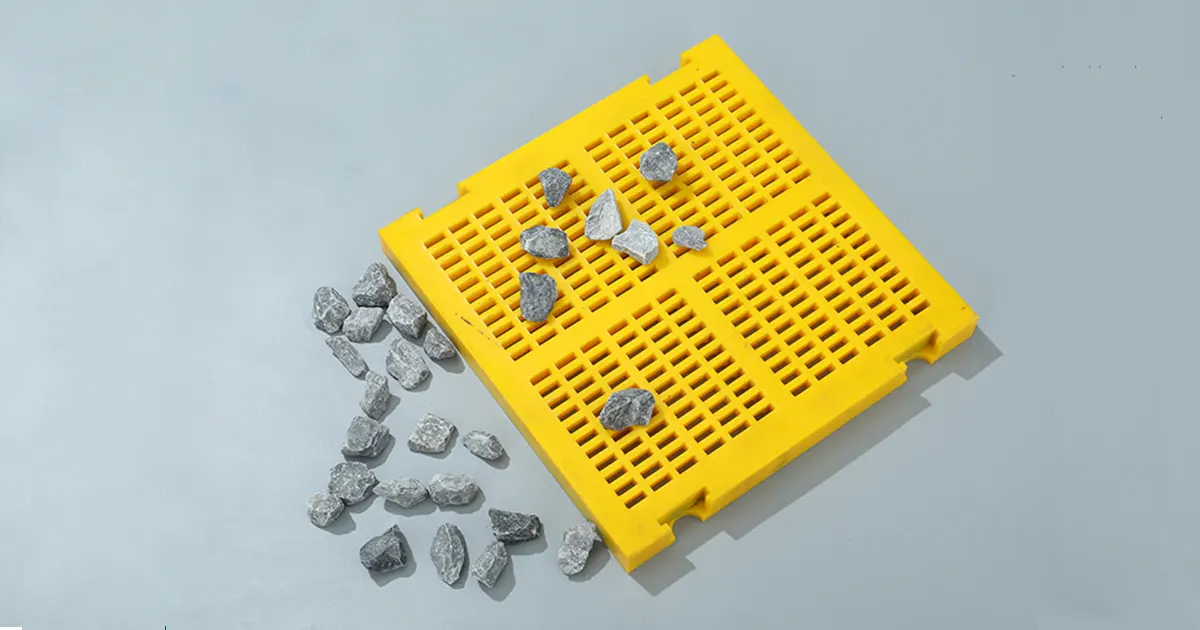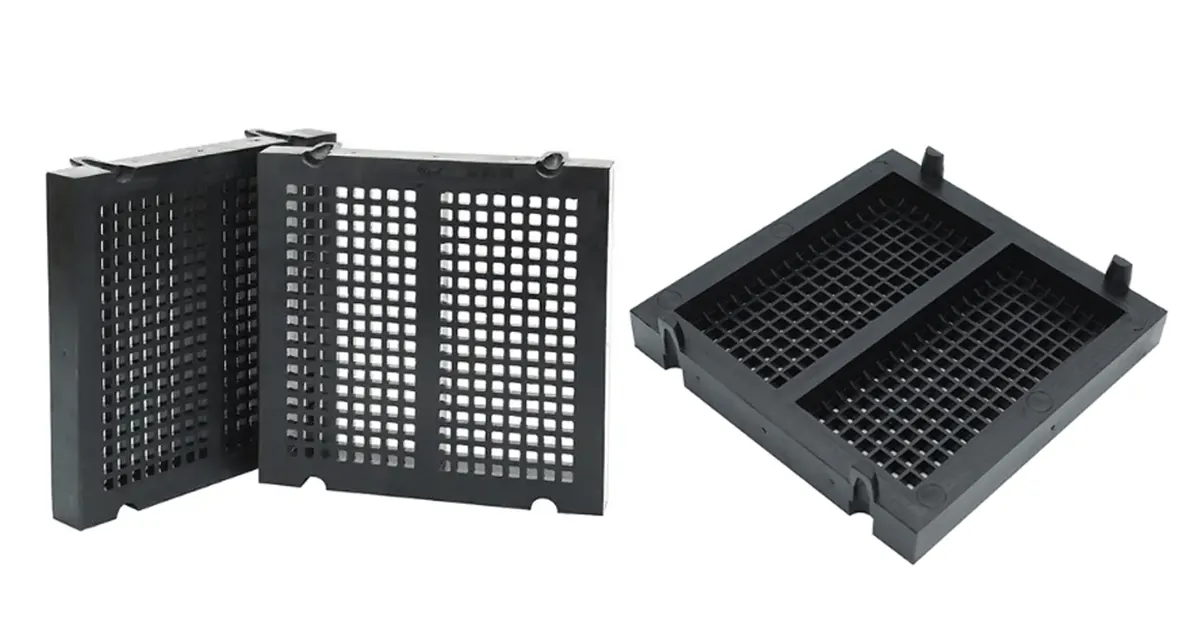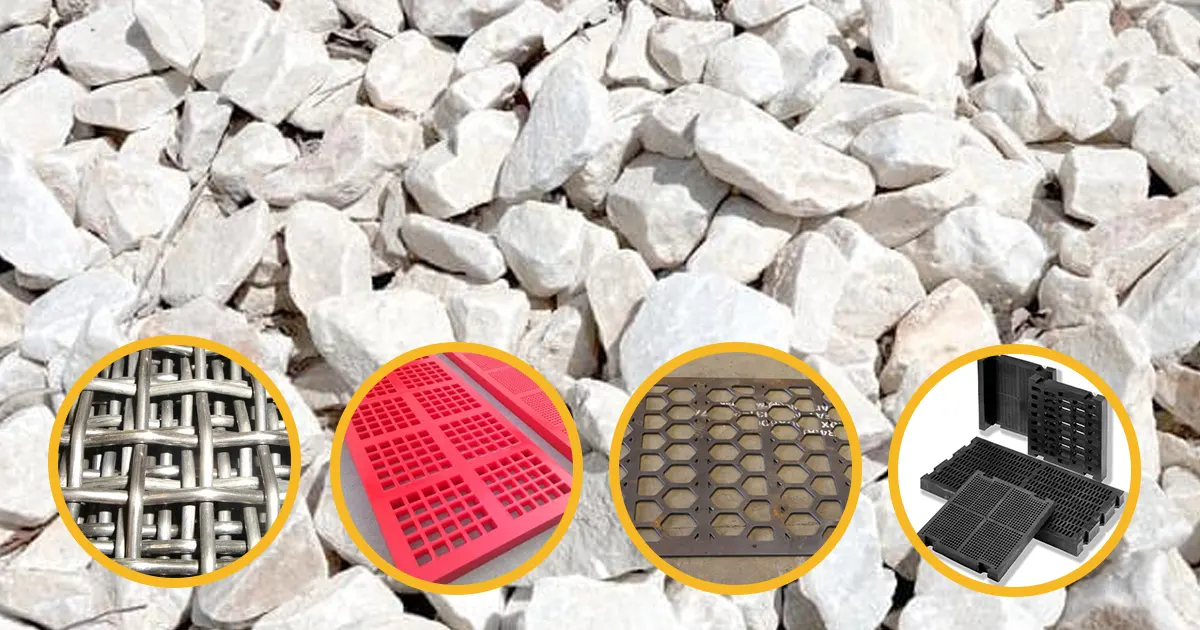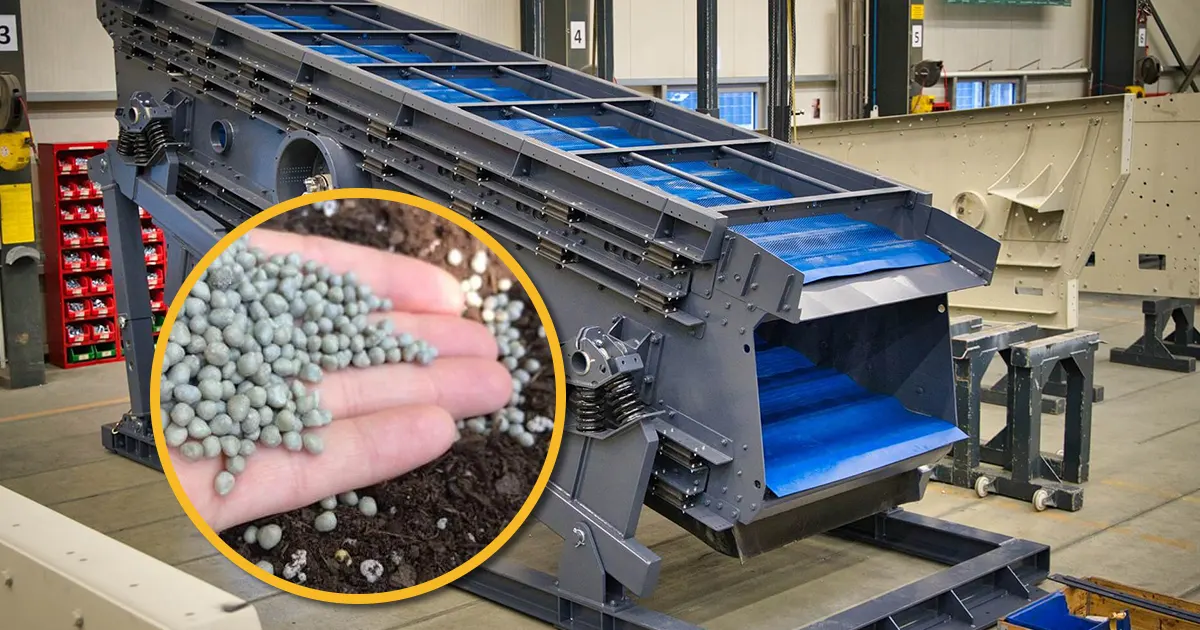
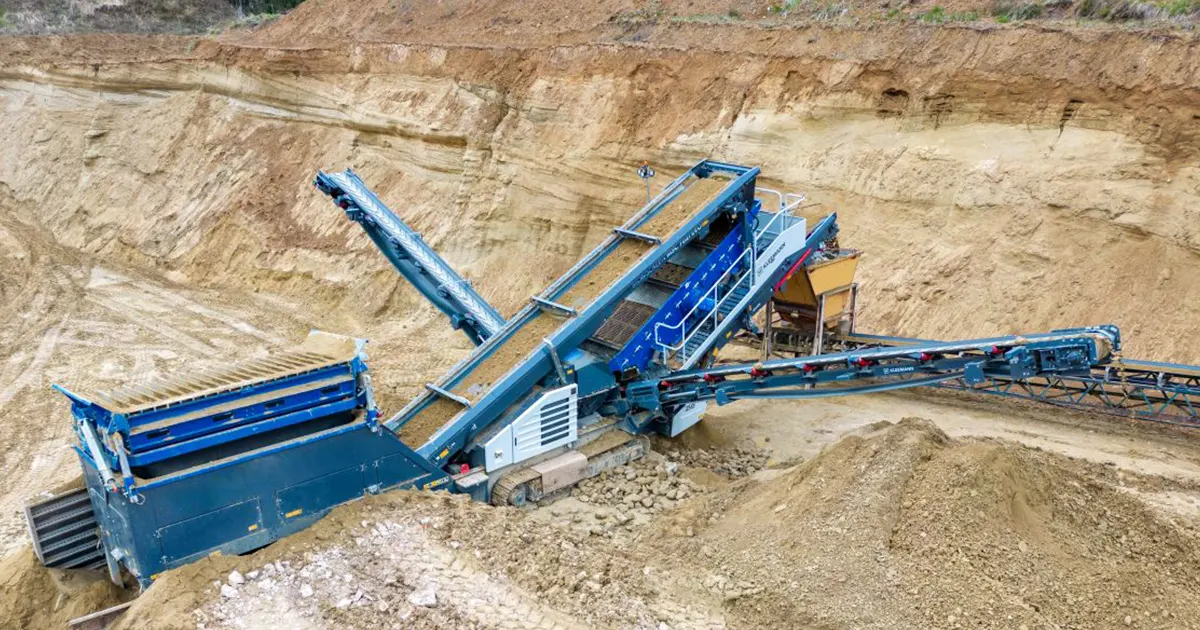
You may ask what materials vibrating screens can handle. These machines work with many materials. They can process metal, plastic, composite, and rubber. Metal is used the most. Plastic is growing quickly. Vibrating screens are used in mining, construction, recycling, and agriculture. Mining makes almost 45% of the money in material processing. Here is how different industries use vibrating screens:
| Industry | Common Applications |
|---|---|
| Mining | Sorting rocks and minerals by size |
| Pharmaceuticals | Making sure powders and ingredients are the right size |
| Recycling | Sorting plastics, metals, and other materials for reuse |
| Construction | Separating sand, gravel, and crushed stone for building |
Vibrating screens can handle any particle size. They work with big rocks and tiny powders. So, what materials can vibrating screens process? They can process almost anything you give them.
Key Takeaways
- Vibrating screens can work with many materials. These include metals, plastics, composites, and rubber.
- These machines are very important in many industries. Some examples are mining, construction, recycling, and agriculture. They help sort materials quickly and well.
- Vibrating screens can handle big rocks and small powders. This makes them useful for many jobs.
- Durability is important. Vibrating screens are made to last in hard places. They can handle wet and rough materials. This helps them work for a long time.
- In recycling, vibrating screens separate mixed materials. This helps the environment by letting us use resources again.
- For food and farm products, vibrating screens keep things clean and safe. They use materials that stop contamination.
- Picking the right screen media is very important. You can use wire mesh or polyurethane. This helps the screen work best for each material.
- Cleaning and taking care of vibrating screens is important. It makes them work better, break down less, and keeps the product good.
What Materials Can Vibrating Screens Process
Aggregates (Sand, Gravel, Crushed Stone, Limestone)
Aggregates are used a lot in building and mining. You may wonder what materials vibrating screens can process here. Sand, gravel, crushed stone, and limestone are the main ones. These materials have many shapes and sizes. Vibrating screens help you sort them for different jobs. You can use these screens to pick out big rocks for roads. They also sort tiny grains for concrete. Vibrating screens are very useful in aggregate processing. They help your building materials and machines work well.
Particle Size Range
Aggregates come in many sizes. Vibrating screens can separate large stones and fine sand. These machines shake to sort materials faster. This helps you get the right size for every job. You might need gravel for yards or sand for cement. Vibrating screens can handle all these sizes. That is why they are important for many uses.
Moisture and Abrasiveness
Aggregates can be wet or rough. Sometimes you see wet sand or sharp stones. Vibrating screens are strong and can handle these problems. They are made with tough materials and smart designs. They keep working even when things get hard. You can count on them to process aggregates fast, even if the material is wet or gritty.
Minerals and Ores (Coal, Iron Ore, Copper Ore)
You may know that mining uses materials like coal, iron ore, and copper ore. What materials can vibrating screens process in mining? The answer is a long list of minerals and ores:
- Coal
- Iron ore
- Copper ore
- Gold ore
- Manganese ore
- Limestone
- Granite
- Basalt
- Marble
Vibrating screens help you sort and grade minerals for more processing. You can see how important these machines are in mining.
Heavy-Duty Screening
Mineral processing requires strong and reliable screening equipment that can handle heavy loads and harsh working conditions. Vibrating screens are available in different sizes and configurations to match different plant capacities and material types. Depending on the application, they can support everything from lower-capacity operations to high-throughput processing, helping plants maintain steady material flow and efficient separation.
Handling Stickiness and Fines
Minerals and ores can be sticky or have lots of fines. You need screens that do not clog or slow down. Vibrating screens use special designs to keep things moving. They also help you separate small pieces from big ones. This makes sure you get the right size for each job. You can trust these machines to keep your mineral processing fast.
Tip: Heavy-duty vibrating screens use strong materials like hardened steel and manganese alloys. This helps them last longer in tough places and means less downtime.
Recyclables (Concrete, Asphalt, C&D Waste)
You may ask what materials vibrating screens can process in recycling. The answer includes concrete, asphalt, and construction and demolition waste. These uses are important for saving space in landfills and reusing good materials. Vibrating screens help you sort recyclables for new projects and keep your work green.
Mixed Material Challenges
Recycling often means you deal with mixed materials. You see concrete with rebar, wood, plastics, and metals together. Vibrating screens solve these problems with multi-stage screening. Scalping screens take out big pieces before sorting the rest. Portable units let you process materials right at the site. This saves you time and money. High-capacity models can handle over 300 tons per hour, which is great for big jobs.
- Vibrating screens separate concrete, brick, wood, and metals.
- Multi-stage screening helps you sort materials for reuse.
- Scalping screens remove large pieces before more sorting.
- Portable units make on-site screening easy.
- High-capacity models are good for large jobs.
Durability Needs
Recycling can be hard on machines. You want vibrating screens that last a long time. Machines made from strong steel and with vibration isolation last longer. This means you do not need to replace them often. You also spend less on repairs. You save money and keep your recycling work running well.
Note: The strength of vibrating screens in recycling means fewer breakdowns and lower costs. You get more value from your machines and less trouble.
You can see that what materials can vibrating screens process covers a lot. From aggregates to minerals and recyclables, these machines handle almost anything. Their uses make them important in many industries. They help you sort materials and keep your work moving.
Food and Agricultural Products
You may not know how many food and farm products vibrating screens can handle. These machines help sort grains, fruits, vegetables, and even animal feed. You can also use them for plant leftovers and compost. Vibrating screens are important in the food and drink industry. They help keep your products clean, safe, and ready for the next step.
Here is a quick look at how vibrating screens work with different food and farm materials:
| Application | Material Processed | Screen Type | Primary Benefit |
|---|---|---|---|
| Crop Sorting | Grains, fruits, vegetables | Multi-deck circular or linear | Higher market value |
| Livestock Feed | Feed grains, pellets | Airy separator with dust control | Healthier animals, safer feed |
| Waste Recycling | Plant residue, compost | Trommel or disc screen | Sustainable waste reuse |
Hygiene and Cleanability
You want your food to stay safe and clean. Vibrating screens for food and farm use have special features. Makers use stainless steel, like AISI 304 or 316, because it does not rust or react with food. Surfaces are polished until they are very smooth. This makes cleaning easy and stops germs from sticking. Sealed bearings and gaskets keep out dust and water. Welds are smooth and have no sharp edges, so bacteria cannot hide.
| Material/Feature | Description |
|---|---|
| Stainless Steel (AISI 304/316) | Corrosion resistant, non-reactive, and easy to clean. |
| Polished Surfaces | Ra ≤ 0.8 µm finish minimizes bacterial adhesion and simplifies CIP (Clean-in-Place) procedures. |
| Sealed Bearings & Gaskets | Prevent product contamination and ingress of moisture or cleaning agents. |
| Weld Quality | Full penetration welding with smooth, burr-free joints ensures no crevices for microbial growth. |
Tip: If you need to follow strict hygiene rules, pick screens with these features. They help you pass checks and keep your products safe.
Fine Powder Screening
You may need to sort fine powders like flour, sugar, or spices. Vibrating screens can do these jobs easily. They use special screen types, like circular or linear vibrating screens, to separate even tiny pieces. Some screens are good for general sorting. Others give you very exact sorting. You can choose the right screen for your job.
Here is a table to help you see which screen fits your needs:
| Screen Type | Best For | Throughput Rate | Precision |
|---|---|---|---|
| Circular Vibrating Screen | General grading, seed/soil separation | High | Medium-High |
| Linear Vibrating Screen | Precise sorting of grains, fertilizers | High | Very High |
| Grease Vibrating Screen | Wet processing, dewatering | Very High | Medium |
| Gyratory Vibrating Screen | Heavy-duty sorting, mixed sizes | Very High | High |
You can process big batches or small ones. These machines help you get the right size every time. You save time and make less waste. Your products look better and sell for more.
Note: When you use vibrating screens for food and farm products, you get cleaner, safer, and more valuable results.
Specialty and Industrial Materials
Chemical and Petrochemical Materials
You may not know that many chemicals need careful sorting. These include polymer beads, resins, catalyst carriers, and things for fertilizers and pesticides. Vibrating screens help sort these materials safely and quickly.
Contamination Prevention
When you work with chemicals, you want everything clean and safe. Vibrating screens have special features to stop contamination. Many machines are fully closed to keep dust inside. This keeps workers safe and your product pure. Some screens have dust collectors and covers that seal tight. Some models let you clean them without taking them apart. You also see guards and shields to protect people nearby.
- De-lumping and sieving make materials smooth and even.
- Screens take out bad particles so your product is safe.
- Closed designs keep dust from getting out.
- Guards and safety gear keep workers safe.
Fine and Hazardous Powders
You might use fine or dangerous powders in your plant. These powders can be risky if they get into the air. Vibrating screens help keep these powders inside the machine. This keeps people safe. Screens also stop big lumps from hurting pumps or valves. This helps your machines last longer and protects the environment.
Tip: Always use screens with sealed covers for dangerous powders. This keeps your team safe and follows safety rules.
Here is a table that shows how different industries use vibrating screens and what they need:
| Industry | Materials Processed | Unique Requirements |
|---|---|---|
| Food | Flour, sugar, salts, milk | Must use food grade materials and meet cleanliness standards |
| Pharmaceuticals | Various pharmaceutical powders | Strict accuracy and cleanliness regulations |
| Petrochemical | Catalysts, polymer materials, crude oil | Components must withstand harsh chemical environments |
| Construction | Sand, gravel, crushed stones, cement | Must meet ASTM standards for material classification |
| Mining | Metal powders, alloys, minerals | Designed to handle abrasive materials and improve recovery |
| Environmental | Sludge, industrial wastes, microplastics | Must comply with environmental discharge criteria |
Pharmaceutical Grade Materials
You know that pharmaceutical grade materials need extra care. Every batch must be pure and always the same. Vibrating screens help you reach this goal.
Precision and Consistency
You need very exact screens for active ingredients. These screens can sort powders as small as 20 microns. For bigger pieces, you use screens with larger holes. Multi-stage systems help keep every batch the same. This means less waste and fewer mistakes. You also meet strict rules like USP <786> for quality.
- Exact screens sort very tiny powders.
- Multi-stage systems keep batches the same.
- You save time and do less rework.
Regulatory Compliance
You must follow many rules when making medicine. Vibrating screens for drugs meet GMP and FDA rules. All parts that touch your product stay clean and safe. You keep records of cleaning and repairs. You also label equipment with batch details. This helps you pass checks and keep your products safe.
| Compliance Standard | Requirement |
|---|---|
| Good Manufacturing Practices (GMP) | All equipment must comply with GMP and cleanroom standards. |
| FDA Requirements | Equipment must meet FDA, cGMP, and ISO 22549 standards for material safety and design integrity. |
Note: When you pick the right filters, you protect your product and your good name.
Screening Challenges by Material Type
Moisture and Stickiness
Wet materials can make screening hard. When you put damp sand, clay, or soil on a vibrating screen, the water makes them stick together. Sticky stuff can block the holes in the screen. This slows down how fast things move and get sorted. Even a little mud can clog the screen and make it work worse. Dry materials move easier and faster. This helps you sort sizes better and get good results. To keep things running well, you must watch for wetness and stickiness. Clean your screens often. Use screens that can clean themselves to help stop these problems. In waste treatment, you often have wet and sticky stuff. Picking the right screen and keeping it clean is very important.
Tip: If your screen is slow, look for mud or sticky stuff. Cleaning it fast can save time and keep your product good.
Abrasiveness and Hardness
Some materials are very rough on your machines. If you work with hard rocks, minerals, or abrasive ores, your screens will wear out faster. Sorting things like granite or iron ore can damage normal screens quickly. You can make screens last longer by picking strong screen media, using liners, or adding stronger parts. Here are some things to think about:
- Choose screen media that matches how hard and rough your material is.
- Use liners to protect your screens from wearing out.
- Stronger parts help your screens do tough jobs.
If you use light aggregates, you may not need much protection. But if you use rough materials, you will need to change parts more often. In waste treatment, you see both soft and hard things, so check your screens often. If you see more breaks or repairs, it may be time to get better screen media.
Particle Size Distribution
The size and mix of particles can change how well your screen works. If you have both big and small pieces, the material separates better. More blocking particles can actually help your screen work better. For example, if you raise blocking particles from 10% to 80%, your efficiency can go from about 50% to almost 70%. But if you have too many hard-to-sort particles, your efficiency can drop from nearly 68% to 45%. This shows why it is important to control your particle sizes for the best sorting. In waste treatment, you get many different sizes, so you need to change your screen settings for the best results.
Note: If you want better sorting, watch the mix of particle sizes. A small change can make a big difference.
Throughput and Capacity
You want your vibrating screen to handle the right amount of material. Throughput and capacity tell you how much your machine can process in a set time. If you pick the wrong screen, you might slow down your work or waste energy. Let’s break down what you need to know.
Throughput means how much material passes through the screen each hour. Capacity is the maximum amount your screen can handle without problems. You need to match these numbers to your job. If you work with sand, gravel, or minerals, you want a screen that keeps up with your needs. If you process food or chemicals, you might need a screen that handles fine powders but still moves fast.
Different screens work best for different materials. You can see the differences in the table below:
| Type | Motion Type | Particle Size Range | Throughput Capacity | Typical Applications |
|---|---|---|---|---|
| Linear Vibrating Screens | Linear | Fine to Medium | High | Chemicals, Food, Building Materials |
| Circular Vibrating Screens | Circular/Elliptical | Coarse to Medium | Medium to High | Mining, Quarrying, Recycling |
| High-Frequency Screens | High-Frequency Oscillation | Fine to Ultra-Fine | Medium | Mineral Processing, Coal, Sand |
| Inclined Vibrating Screens | Circular (on incline) | Coarse to Medium | Very High | Aggregates, Primary Screening |
You can see that inclined vibrating screens handle very high throughput. These screens work well for big jobs like sorting aggregates or primary screening. Linear screens move material fast and work best with chemicals, food, and building materials. High-frequency screens help you sort fine powders and minerals. Circular screens fit mining and recycling jobs.
If you want to boost your productivity, you need to pick the right screen for your material and job size. You can also adjust your screen’s speed and angle to change how much it processes. Sometimes, you need more than one screen to keep up with demand.
Tip: If your screen slows down or clogs, check your throughput. You might need a bigger screen or a different type.
You can also use screens with multiple decks. These let you sort several sizes at once and increase your capacity. If you run a busy plant, you want screens that keep up without breaking down.
You can save money and time by matching your screen’s capacity to your needs. If you pick a screen that is too small, you waste time. If you pick one that is too big, you waste energy. You want a screen that fits your material and your goals.
Note: Always check your material type and job size before picking a vibrating screen. The right choice helps you work faster and smarter.
Vibrating Screen Media Selection
Choosing the right screen media makes a big difference in how well your vibrating screen works. The type of material you process—like rocks, sand, or even food—affects which screen media you should pick. Each type has its own strengths, so let’s look at the most common options.
Woven Wire Mesh
You’ll see wire mesh screens in many plants. They work well for sorting all kinds of materials, from sand to gravel. You can pick almost any screen mesh size, so you get the exact cut you want. Woven wire mesh bends into different shapes, which makes it flexible for many jobs. If you need to sort fine powders or small grains, this is a great choice.
Here’s a quick look at the pros and cons:
| Advantage | Description |
|---|---|
| Finer | Lets you use smaller screen mesh size for tiny particles. |
| Flexibility | Bends into many shapes without breaking. |
| Cost-Effectiveness | Usually cheaper to buy and install than other types. |
| Lower Strength | Not as tough as welded mesh, so not for heavy-duty jobs. |
| Unraveling Risk | Can come apart if cut or damaged, which may cause gaps in the mesh. |
If you work with dry and rough jobs, steel vibrating screens with woven wire mesh give you good durability and lots of options. Just remember, if you need something for really tough or sticky materials, you might want to look at other choices.
Tip: Always check your screen mesh size to match your material. The right size helps you get the best results and keeps your machine running smoothly.
Polyurethane Screens
Polyurethane vibrating screens are a top pick for tough jobs. If you deal with wet materials or need high wear resistance, these screens shine. Polyurethane screens last longer than rubber in fine screening. They also keep their shape, so you get accurate sorting every time.
Here’s why you might choose polyurethane:
- They handle abrasive materials like silica sand and crushed granite without wearing out fast.
- Polyurethane screens often last two to three times longer than rubber in fine jobs.
- They keep a steady screen mesh size, so your product stays clean and sorted right.
If you want less downtime and fewer replacements, polyurethane vibrating screens are a smart choice. They also resist rust, so you can use them in wet or salty places.
Rubber Panels
Rubber vibrating screens work best when you deal with sharp rocks or need to cut down on noise. Rubber panels flex and move, which helps stop clogging and keeps material flowing. They also make your plant quieter, which is great for safety.
Check out these benefits:
| Benefit | Description |
|---|---|
| Durability | Lasts 2–3 times longer than metal screens, so you save on replacements. |
| Noise Reduction | Cuts noise by up to 50%, making your workplace safer and more comfortable. |
| Flexibility | Bends to stop clogging, especially with wet or sticky materials. |
| Chemical Resistance | Handles acids and bases, so it’s good for mineral processing. |
| Enhanced Performance | Moves with the material for better sorting and accuracy. |
If you process sharp or abrasive materials, rubber panels help your screens last longer and work better. They’re also a good pick if you want to keep things quiet and safe.
Note: Picking the right screen media depends on your material and your goals. Use this table to help you decide:
| Material | Application | Key Properties |
|---|---|---|
| Steel | Dry and rough jobs | Durable, can be made into many shapes |
| Polyurethane | Wet jobs, high wear | Tough, rust-resistant, easy to replace |
| Rubber | Sharp rocks | Flexible, strong in rough conditions |
| Stainless Steel | Wet or salty environments | Corrosion-resistant, lasts a long time |
When you match your screen media to your material, you get better results and save money in the long run.
Perforated Plates
You might see perforated plates in places where strength matters most. These screens use thick steel with holes punched in them. You can count on them when you need to handle heavy rocks, sharp minerals, or tough jobs. Perforated metal screens work well for secondary screening, especially when you want to protect your equipment from big impacts.
Here’s what you get with perforated plates:
- High durability. These screens last a long time, even with rough or abrasive materials.
- Many choices. You can pick from different steel types and hardness levels.
- Great for impact and abrasion resistance. They stand up to hard hits and sharp edges.
But you should know a few things before you choose them:
- Perforated plates are heavier than other screen types. This can make them harder to move or install.
- They can be noisy during operation. You might hear more banging and rattling.
- These screens usually have less open area than wire mesh. This means you might see lower throughput, so less material passes through at once.
- Maintenance can be tricky. The extra weight and noise can make repairs or changes take longer.
Here’s a quick comparison:
| Feature | Perforated Plates | Woven Wire Mesh |
|---|---|---|
| Durability | Very High | Medium |
| Throughput | Medium to Low | High |
| Noise Level | High | Low |
| Maintenance | More Challenging | Easier |
| Impact Resistance | Excellent | Good |
Tip: If you need a screen that can take a beating, go with perforated plates. If you want faster sorting and easier upkeep, wire mesh might be better.
Self-Cleaning Screens
Do you work with sticky, wet, or fine materials? Self-cleaning screens can make your life much easier. These screens use special wires that move, bounce, or twist as the machine vibrates. This action helps break up clumps and stops material from blocking the holes.
Here’s why you might choose self-cleaning screens:
- They prevent sticky stuff from building up. You get steady operation without stopping to clean.
- Wet materials move through easily. You won’t see as much clogging or blinding.
- The wires bounce and twist. This shakes loose any pieces that try to stick.
- You spend less time on maintenance. Your team can focus on other jobs instead of cleaning screens.
- These screens keep material flowing. You get less downtime and more consistent results.
Self-cleaning screens work well for:
- Sticky foods like wet grains or fruit pulp
- Minerals with lots of fines or moisture
- Slurries and other wet mixtures
Note: If you often stop your machine to clear blockages, try self-cleaning screens. They help you keep working and save time.
Technical and Commercial Benefits of Vibrating Screens
Efficiency and Productivity
You want your plant to work well every day. Vibrating screens help you do this. These machines make your work faster and easier in many ways:
- Lower Operating Expenses: Vibrating screens use less power and cost less to run. You save money each day.
- Requires Much Lower Upkeep: Their strong build means you fix them less often.
- Enhanced Materials Processing: You can quickly sort big and small particles. This helps you get more product and waste less.
- Improved Screening Efficiency: Vibrating screens keep materials moving at a steady speed. You can stop backflow and keep your process going.
When you use vibrating screens, you sort things faster and waste less. Your plant works better, and you finish more jobs in less time. This helps your business earn more.
Reduced Downtime and Maintenance
Nobody wants machines to break without warning. Vibrating screens help you avoid this with smart care routines. If you follow a plan, your equipment lasts longer and stays safe. Here’s what you should do:
| Maintenance Task | Recommended Frequency | Potential Risks of Neglect |
|---|---|---|
| Visual Inspection | Daily or per shift | Parts may break, screening may be wrong |
| Lubrication | Weekly or as per manual | Bearings may stop, motors may fail |
| Screen Cleaning | After each use | Holes may block, less material gets through |
| Alignment & Balance Check | Monthly or quarterly | Parts wear out, frame may get damaged |
| Spring Inspection/Replacement | Quarterly or semi-annually | Machine may shake, may not work right |
| Vibration Analysis | Bi-annually or continuously | Machines may break, repairs cost more |
You can also:
- Clean screens often so nothing blocks them.
- Lubricate moving parts so they keep working.
- Check balance and alignment to stop shaking.
- Tighten bolts so parts stay in place.
- Watch for worn parts and change them before they break.
If you fix problems early, you spend less time fixing and more time making products. Your plant stays safe and your workers are happy.
Tip: Preventive maintenance is very helpful. It keeps your screens working and your business growing.
Improved Product Quality
You want your products to look good and work well. Vibrating screens help you reach higher quality. They sort materials so you get the right size and shape every time. Here’s what happens:
| Improvement Type | Percentage Improvement | Source |
|---|---|---|
| Granule Fragmentation Reduction | 62% | FDA audit data 2023 |
| Reduction in Clumping for APIs | 40% | FDA audit data 2023 |
| Particle Integrity Maintenance | 19.7% | Research on vitamin C granules |
With vibrating screens, you see fewer broken pieces and less clumping. Your products stay strong and look the same. Customers notice this and trust your brand more.
Note: Better screening gives you better products. You get more value and happier customers.
Cost Savings and ROI
You probably want to know how vibrating screens can help your bottom line. These machines do more than just sort materials—they save you money and boost your return on investment (ROI). Let’s break down how you get these benefits.
First, you notice cost savings right away. Vibrating screens work fast and use less energy. You spend less on electricity and labor. You also see fewer breakdowns, so you don’t waste money on repairs. When you choose a high-quality screen, you pay more upfront, but you get more value over time.
Here’s how vibrating screens help you save:
- You get better efficiency. The screens sort materials quickly, so you finish jobs faster and use less power.
- Maintenance costs drop. Strong screens need fewer repairs. You spend less on parts and labor.
- Longer lifespan means fewer replacements. Durable screens last years, not months. You avoid buying new equipment all the time.
- Higher resale value. When you upgrade, you can sell your old screen for a good price. Quality screens hold their value better than cheap ones.
- Manufacturers design screens to give you a good ROI. They want you to get the most for your money.
You can ask for performance data and customer references before you buy. This helps you see how much you’ll save over three to five years. Many companies find that the savings add up fast. You spend less on upkeep and get more work done.
Let’s look at a simple example. If you buy a durable screen, you might pay more at first. Over five years, you save money because you don’t need as many repairs. You also get more product out of each batch. Your screen keeps working, so you don’t lose time or money.
Tip: Don’t just look at the price tag. Think about how much you’ll save in the long run. A better screen pays for itself with less downtime and more output.
You can see that vibrating screens are a smart investment. They help you cut costs, boost productivity, and get a strong ROI. If you want your business to grow, picking the right screen makes a big difference.
Conclusion
As a screen media manufacturer, we know that vibrating screens can handle many kinds of materials, from rocks and aggregates to fine powders. They are used in many industries and can be matched to different screening needs. Choosing the right screen media for your material is important because it helps improve performance and reduce problems. If you are dealing with a difficult screening application, our team can help you find a more suitable solution.
FAQ
What materials can you screen with a vibrating screen?
You can sort sand, gravel, minerals, recyclables, chemicals, food, and pharmaceuticals. Vibrating screens work with big rocks and tiny powders.
How do you choose the right screen media?
Think about your material type, particle size, and moisture. Use wire mesh for dry jobs. Pick polyurethane for wet or rough materials. Choose rubber if you want less noise.
Can vibrating screens handle sticky or wet materials?
Yes, you can use self-cleaning screens or screens with special coatings. These screens stop clogging and help your process stay smooth.
Are vibrating screens safe for food and pharmaceuticals?
You can use stainless steel screens with smooth surfaces and sealed parts. These screens meet hygiene and safety rules for food and medicine.
How often should you clean or maintain your vibrating screen?
Clean screens after each use. Check for wear every week. Regular care keeps your screen working and stops breakdowns.
What is the lifespan of a vibrating screen?
Most screens last several years if you take care of them. Polyurethane and rubber screens usually last longer than wire mesh.
Can you use vibrating screens for recycling?
Yes, you can sort concrete, asphalt, wood, and metals. Vibrating screens help you separate mixed materials so you can reuse them.
How do you improve screening efficiency?
You can change screen angle, speed, and mesh size. Using the right screen media and keeping screens clean also helps efficiency.