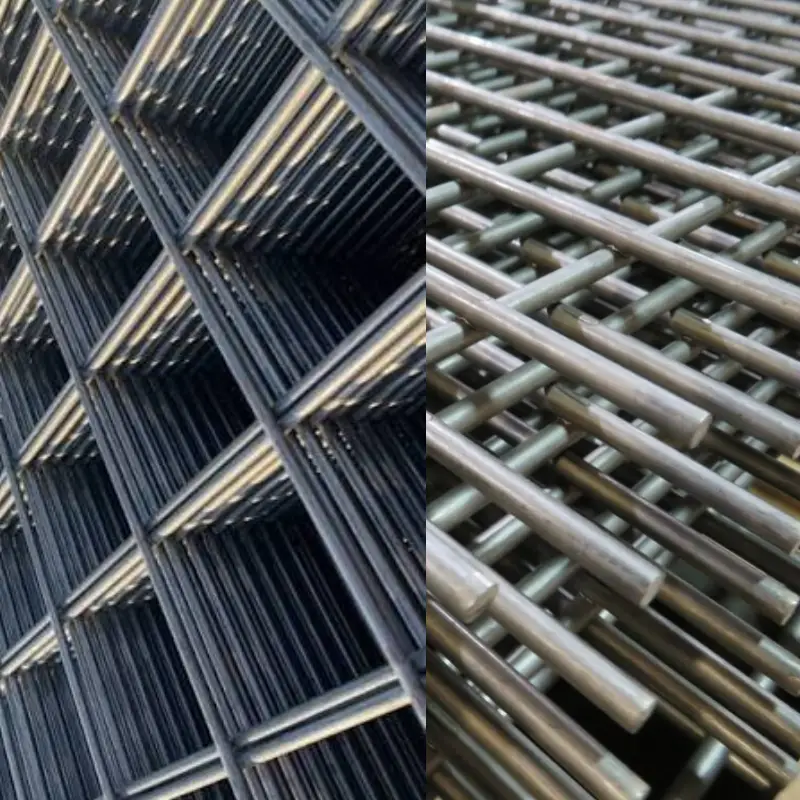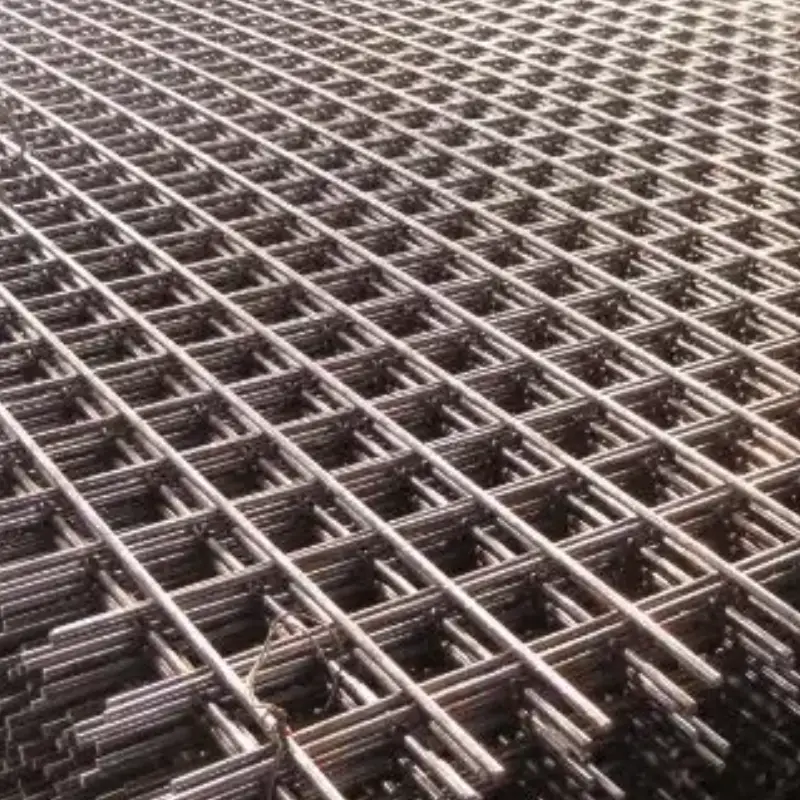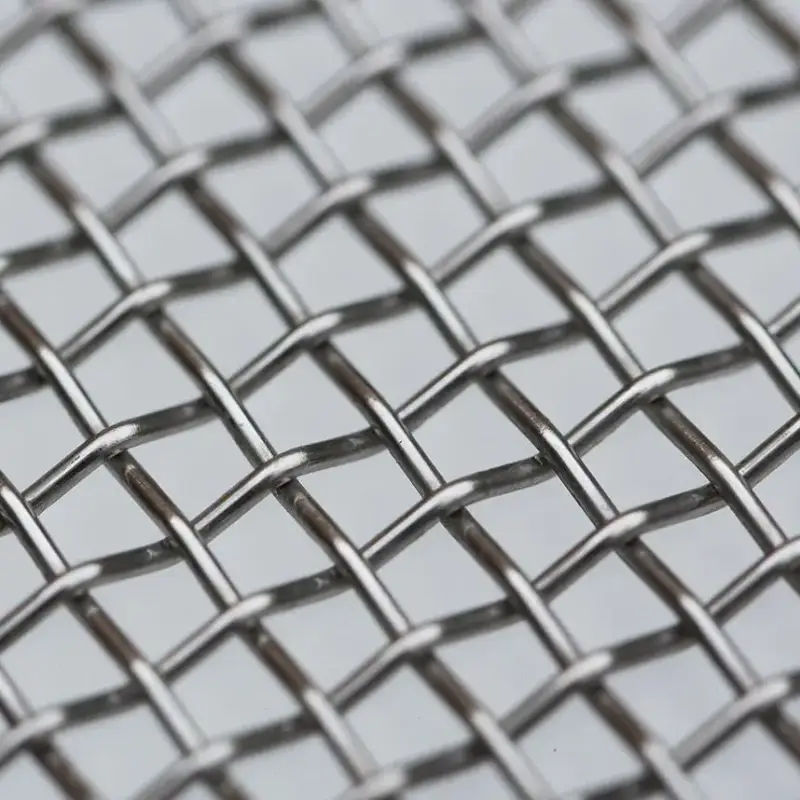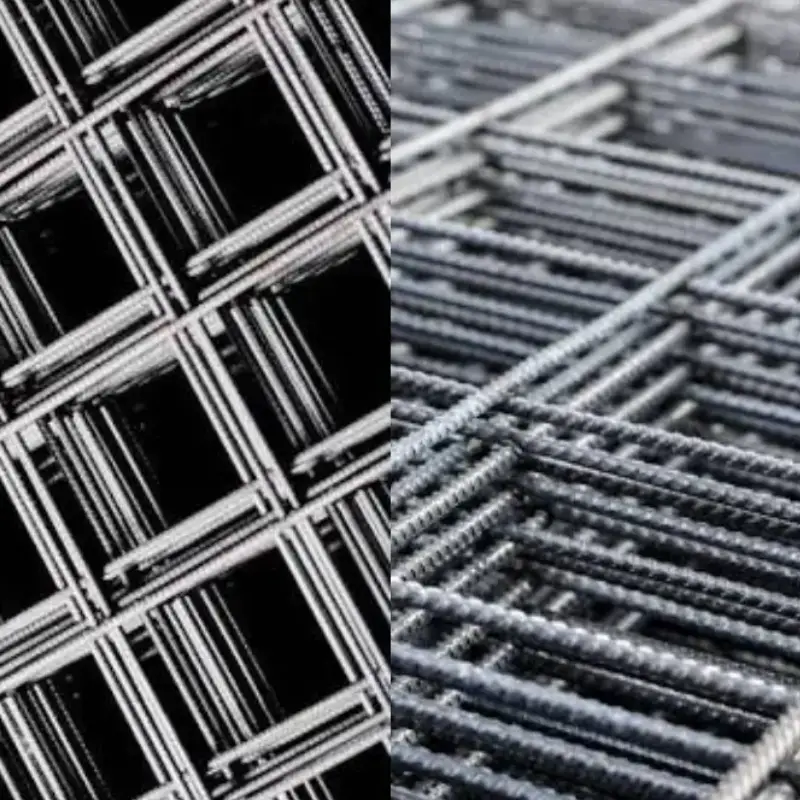
Wire mesh is a versatile material used across many industries for filtration, screening, protection, reinforcement, and decoration. Its strength, open structure, and flexible specifications make it suitable for different working environments. Depending on the application, you can choose from various materials, mesh sizes, wire diameters, patterns, and surface finishes.
From construction and agriculture to food processing, mining, architecture, and industrial manufacturing, wire mesh provides practical solutions for different requirements. Understanding its common applications can help you select a suitable mesh for your project. In this guide, we will explore where wire mesh is used and how it supports different industries.
What Is Wire Mesh?
Wire mesh is a metal material made by weaving, welding, or forming wires into a regular grid or patterned structure. It comes in different materials, opening sizes, wire diameters, and finishes. Common materials include stainless steel, aluminum, brass, copper, bronze, and galvanized steel, making wire mesh suitable for many industrial and commercial applications.
Features of Wire Mesh
- Strength and Durability: Strong wire construction provides reliable performance and long-term durability in demanding applications.
- Corrosion Resistance: Materials such as stainless steel and aluminum offer good resistance to moisture, rust, and corrosion.
- Different Mesh Sizes: Various opening sizes allow precise filtration, screening, separation, and airflow for different applications.
- Material Variety: Multiple metal options provide different levels of strength, conductivity, corrosion resistance, and visual appeal.
- Flexible Applications: Wire mesh works well for construction, agriculture, filtration, security, manufacturing, and architectural applications.
- Customizable Specifications: Wire diameter, opening size, pattern, material, and finish can be selected according to project requirements.
Wire Mesh Applications
Wire mesh is used across many industries because it can provide filtration, separation, reinforcement, protection, and support. Different materials, mesh openings, wire diameters, and manufacturing methods allow wire mesh to meet specific requirements. From scientific laboratories to construction sites, it offers practical performance in applications that require strength, durability, airflow, or controlled openings.
The right wire mesh depends on the working environment and application requirements. Stainless steel is often selected for corrosion resistance, while galvanized steel, aluminum, copper, brass, and other materials offer different advantages.
Below are ten common wire mesh applications, including uses in chemistry labs, concrete, construction, and laboratory environments.
Chart about the uses of wire mesh in the following
| Application | Main Purpose | Common Mesh Type |
|---|---|---|
| Chemistry labs | Heating and support | Wire gauze |
| Concrete | Reinforcement | Welded wire mesh |
| Construction | Fencing and protection | Welded mesh |
| Laboratories | Filtration and separation | Woven mesh |
| Filtration | Particle separation | Fine woven mesh |
| Fencing | Security and enclosure | Welded or woven mesh |
| Agriculture | Animal and crop protection | Galvanized mesh |
| Mining | Screening and sizing | Heavy-duty mesh |
| Food processing | Filtering and conveying | Stainless steel mesh |
| Architecture | Decoration and partitions | Decorative mesh |
Wire Mesh in Chemistry Labs
Wire mesh is commonly used in chemistry laboratories as a support material when heating containers over a flame. A wire gauze can sit on a tripod or support ring, helping distribute heat across the bottom of a beaker or flask.
Different wire mesh materials can provide different levels of heat resistance and chemical durability. Stainless steel and other suitable materials may be selected depending on the chemicals, temperatures, and laboratory procedures involved in the application.
Wire Mesh in Concrete
Wire mesh is used in concrete to provide reinforcement and help distribute loads throughout a concrete structure. It can be placed within concrete slabs, floors, driveways, walls, and other structures to help control cracking caused by shrinkage and temperature changes.
Welded wire mesh is commonly manufactured in regular patterns and can be supplied in different wire diameters and spacing. The appropriate specifications depend on the concrete design, structural requirements, loading conditions, and applicable construction standards.
Wire Mesh in Construction
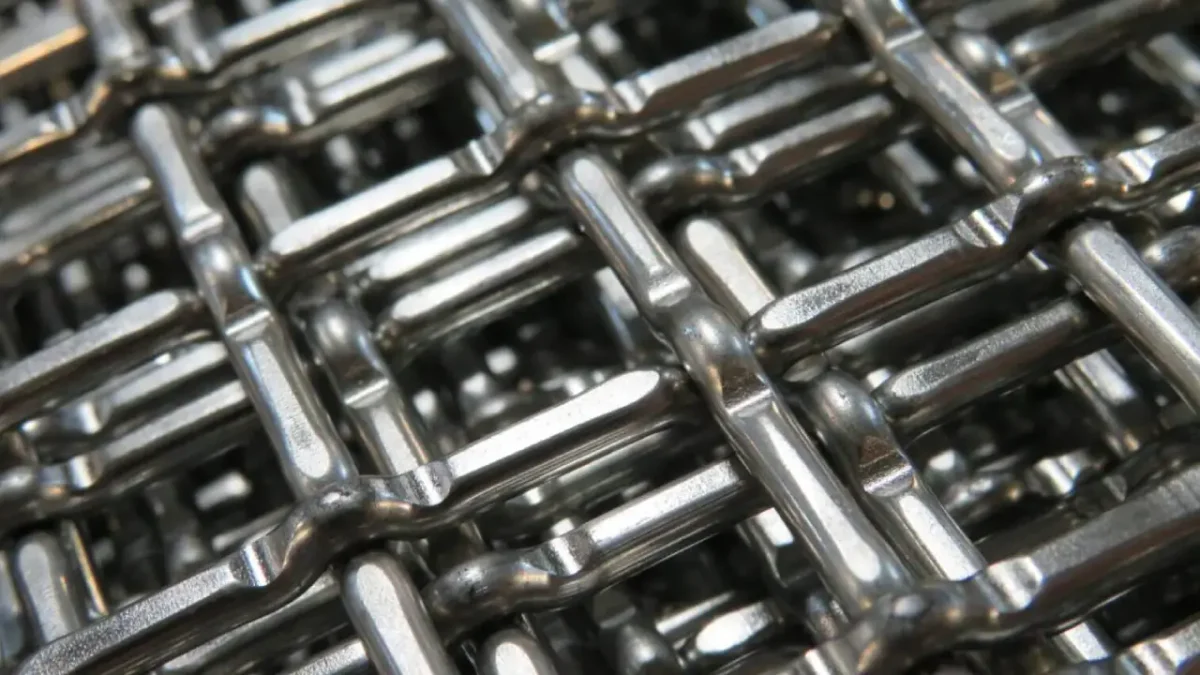
Wire mesh has many uses in construction, including fencing, reinforcement, safety barriers, partitions, and protective enclosures. Its rigid structure can provide physical support and separation while allowing visibility and airflow through the open areas.
Construction wire mesh is available in different materials, patterns, and dimensions. Galvanized steel is often used for applications requiring protection against corrosion, while stainless steel can be selected for environments where greater corrosion resistance is needed.
Wire Mesh in Laboratories
Wire mesh is used in laboratories for filtration, screening, equipment protection, and material separation. Fine mesh can help separate particles or solids according to specific sizes, while stronger mesh can provide support for laboratory equipment and experimental setups.
Material selection is important in laboratory environments because mesh may come into contact with chemicals, heat, moisture, or other substances. Stainless steel wire mesh is often suitable when durability, dimensional stability, and corrosion resistance are required.
Wire Mesh for Filtration
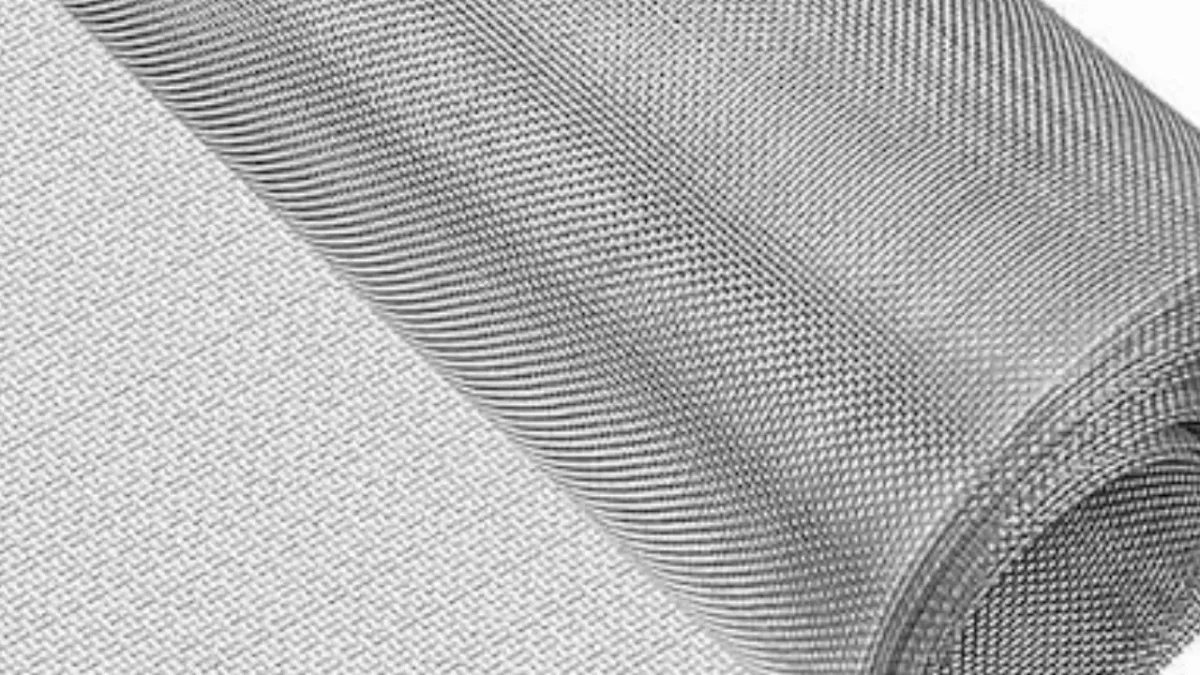
Wire mesh is widely used in filtration systems to separate solid particles from liquids or gases. The controlled openings allow manufacturers to select specific filtration levels based on the particle size and performance requirements of the application.
Woven wire mesh is commonly used for precision filtration because it can provide consistent openings and accurate dimensions. Stainless steel, brass, copper, and other materials can be selected according to temperature, chemical compatibility, conductivity, and corrosion requirements.
Wire Mesh for Fencing
Wire mesh is frequently used for fencing because it creates a physical barrier without completely blocking visibility or airflow. It can be used around gardens, farms, warehouses, factories, commercial properties, and other outdoor or indoor areas.
Different mesh openings and wire diameters provide different levels of strength and protection. Welded and woven mesh can both be used for fencing, with the final choice depending on installation requirements, environment, security needs, and budget.
Wire Mesh in Agriculture
Agricultural applications commonly use wire mesh for animal enclosures, poultry cages, crop protection, storage areas, and farm fencing. The open structure provides ventilation and visibility while creating a barrier around animals, plants, or equipment.
The material and opening size should match the intended agricultural application. Galvanized steel mesh is often used outdoors because its zinc coating provides additional protection against moisture, while different openings can accommodate various livestock and crop protection requirements.
Wire Mesh in Mining
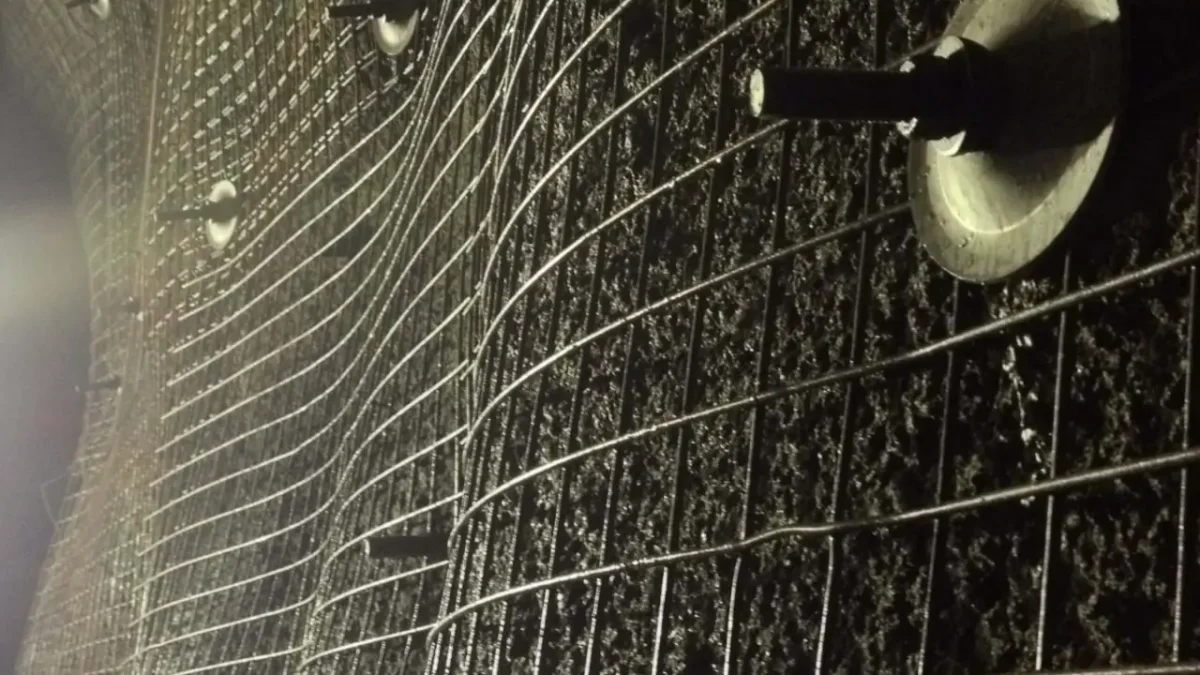
Wire mesh is used in mining for screening, sizing, separation, filtration, and material handling. Screening mesh can separate mined materials according to particle size, helping processing systems handle rocks, minerals, aggregates, and other materials more efficiently.
Mining applications can expose wire mesh to abrasion, impact, moisture, and heavy loads. Choosing suitable wire diameter, material, weave, and opening size can help the mesh withstand demanding operating conditions and maintain consistent screening performance.
Wire Mesh in Food Processing
Wire mesh is used in food processing for screening, filtering, drying, conveying, and separating food products. Stainless steel mesh is commonly selected for applications where cleanliness, corrosion resistance, and durability are important considerations.
Different mesh openings allow processors to control the movement and separation of food particles. Mesh belts and screens can also support drying and conveying processes, while the appropriate material and construction should meet the hygiene requirements of the specific application.
Wire Mesh in Architecture and Decoration
Decorative wire mesh is increasingly used in architectural applications such as wall panels, room dividers, ceilings, facades, railings, and decorative screens. Its patterned structure can add visual texture while maintaining airflow, light transmission, and partial visibility.
Architectural wire mesh is available in materials including stainless steel, brass, copper, bronze, and aluminum. Different weaves, patterns, and finishes allow designers to create functional surfaces with specific appearances while adapting the mesh to interior or exterior environments.
Conclusion
Wire mesh provides practical solutions for many industries because it combines strength, durability, flexibility, and controlled openings. Its applications range from filtration and screening to fencing, reinforcement, ventilation, and decoration. By understanding these common uses, you can better identify the right wire mesh type for your specific project and operating environment.
Selecting suitable wire mesh requires considering several factors, including material, opening size, wire diameter, manufacturing method, corrosion resistance, and required strength. Different industries may have different performance requirements, so choosing the correct specifications is important for achieving reliable results and long-term service. Careful selection can also help improve efficiency and reduce replacement costs.
At Apscreens, we offer wire mesh solutions for various industrial, commercial, agricultural, construction, and architectural applications. We can provide different materials, mesh sizes, wire diameters, patterns, and finishes based on your requirements. Contact our team to discuss your project needs and get wholesale wire mesh from our Apscreens with suitable specifications.