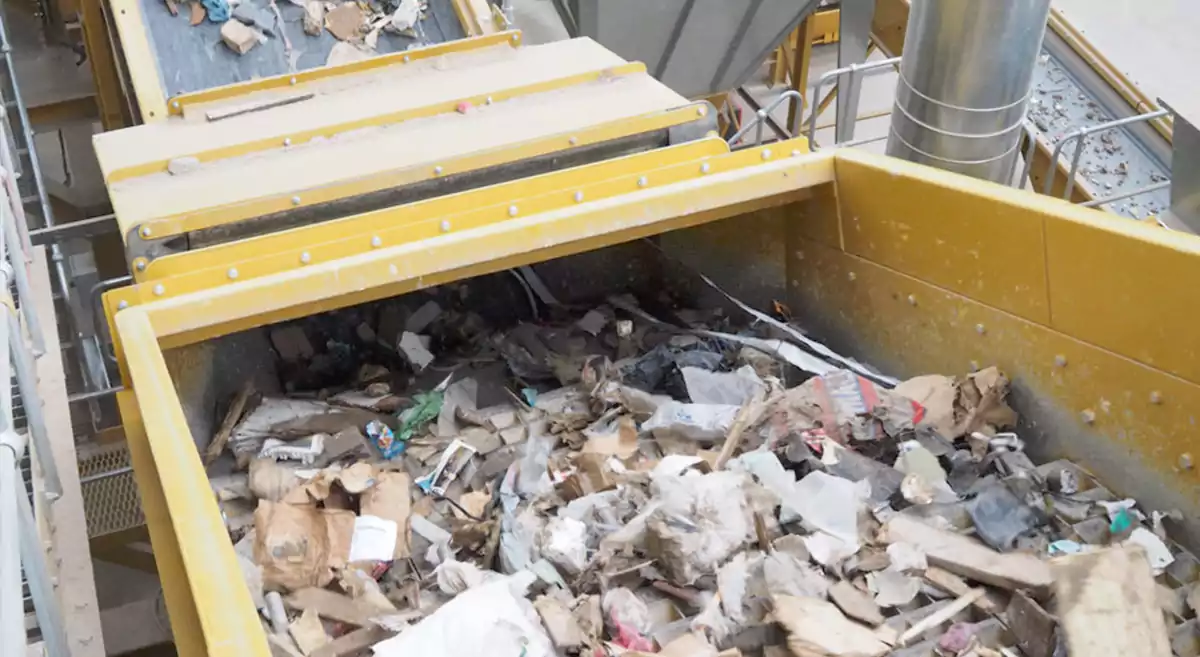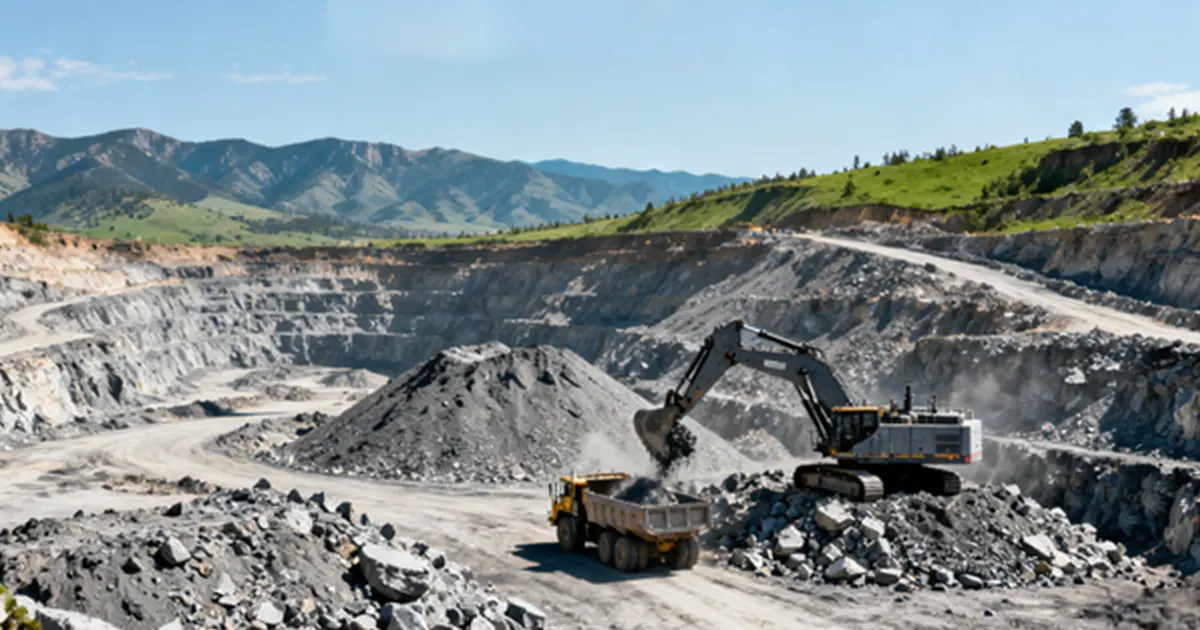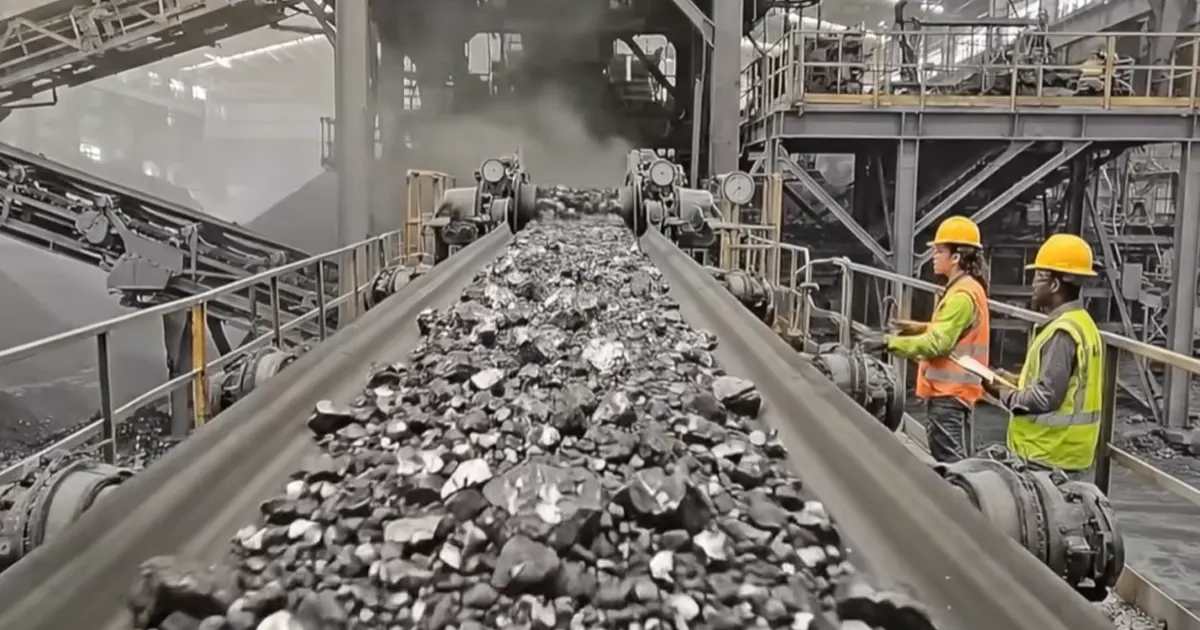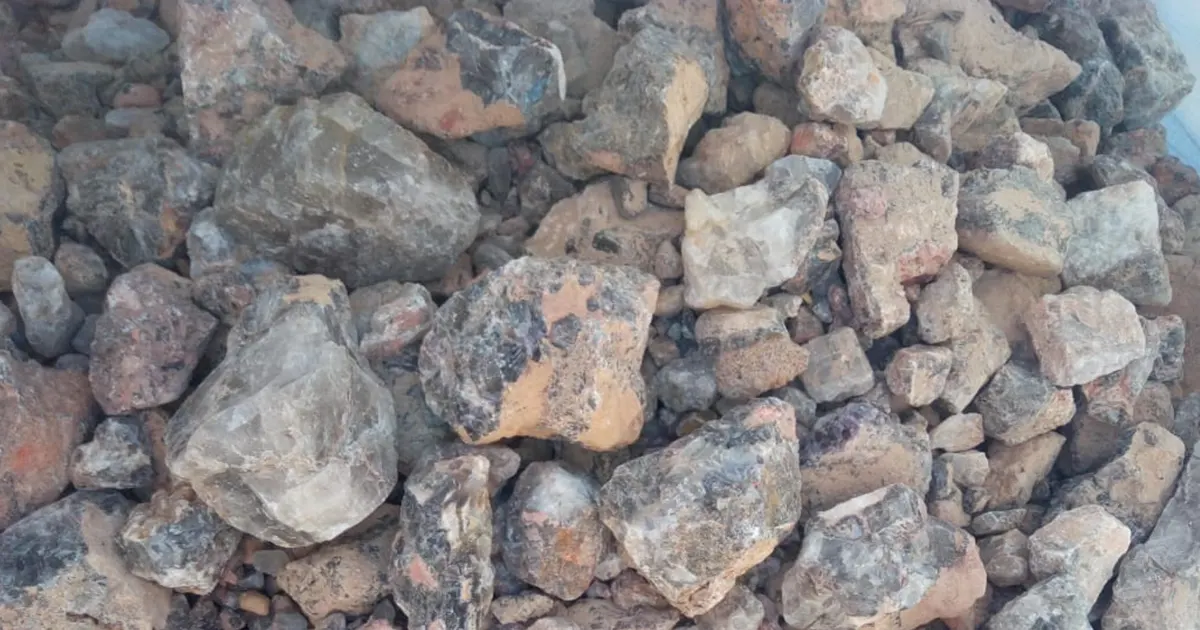
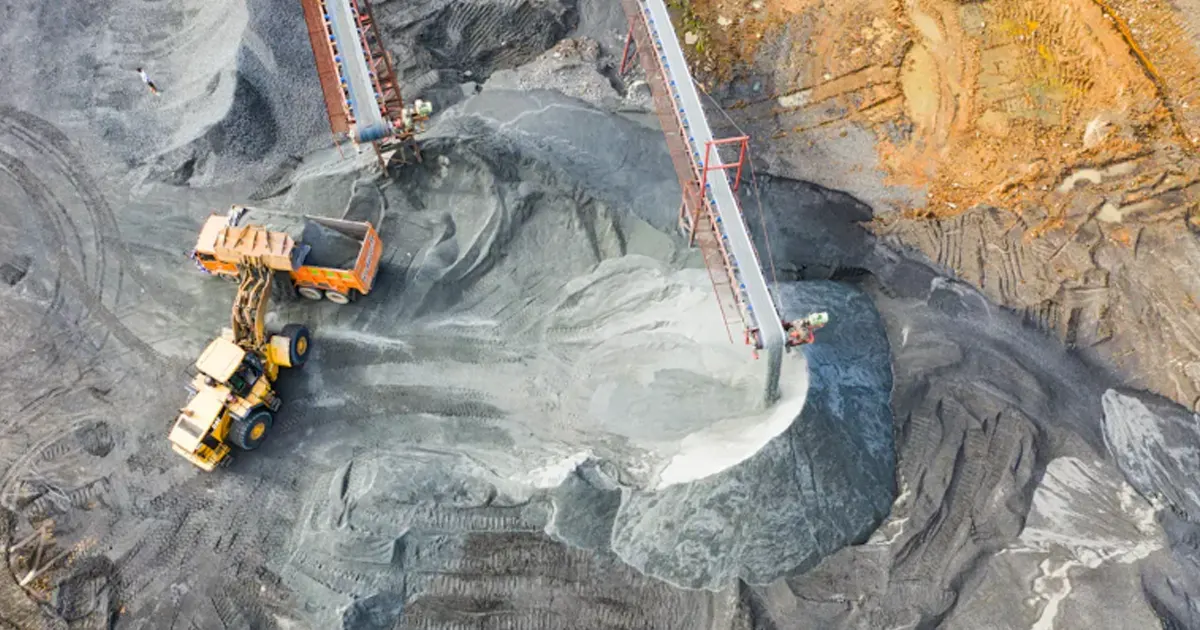
You get zinc from ore by following important steps. First, mining takes the ore from underground or open-pit places. Next, you crush the ore to make smaller pieces. Grinding makes the ore even finer for the flotation process. In flotation, you separate zinc from other minerals and make it stronger. Dewatering takes water out of the concentrate. Screening and special screen media help you improve each step and get good zinc. Zinc Mining uses these steps to work well.
Key Takeaways
- Zinc is taken from ore by several steps. These steps are mining, crushing, grinding, flotation, and dewatering.
- Zinc sulfide is also called sphalerite. It is the most important zinc ore. It can have up to 67% zinc. Most zinc is taken out by underground mining. This way gives 80% of the world’s zinc.
- Crushing and screening get zinc ore ready for more steps. This makes sure the pieces are the right size for grinding. Flotation is the main way to separate zinc from other minerals. It helps get more zinc out. Dewatering takes extra water out of concentrates. This makes zinc easier to move and store.
- Quality control is very important in zinc processing. It checks for zinc content, moisture, and things that should not be there.
- Zinc is used in many things. It is in batteries, alloys, and coatings. This makes zinc important for many industries.
Zinc Ore Types
Zinc Sulfide (Zinc Blende)
Zinc sulfide is also called zinc blende or sphalerite. It is the most important zinc ore in the world. This mineral has a lot of zinc, so it is valuable for mining and processing. Sphalerite can look many colors, like light brown or black. It also has a shiny, resin-like look. The table below lists the main properties of this ore:
| Property | Description |
|---|---|
| Chemical Formula | (Zn,Fe)S |
| Color | Light to dark brown, red-brown, yellow, red, green, light blue, black, colorless |
| Crystal Habit | Euhedral crystals, granular (anhedral to subhedral) |
| Cleavage | Perfect dodecahedral on [011] |
| Fracture | Uneven to conchoidal |
| Mohs Hardness | 3.5–4 |
| Luster | Adamantine, resinous, greasy |
| Streak | Brownish white, pale yellow |
| Diaphaneity | Transparent to translucent, opaque when iron-rich |
| Specific Gravity | 3.9–4.2 |
| Optical Properties | Isotropic |
| Refractive Index | nα = 2.369 |
| Other Characteristics | Non-radioactive, non-magnetic, fluorescent, triboluminescent |
Zinc blende is often found with other minerals in lead-zinc ore deposits. It has a high amount of zinc, sometimes up to 67%. This makes it the main source for making zinc.
Other Zinc Ores
There are other zinc ores, but they are not as common as sphalerite. Some examples are smithsonite, zincite, and calamine. Smithsonite has the formula ZnCO3. It forms in places where rocks have been changed by air and water. Smithsonite crystals can be green, white, or pink. Zincite, ZnO, is rare in nature but is used in some factories. Calamine is an old name for zinc ores and is still used in some mining areas.
Tip: You can spot smithsonite by its trigonal crystal shape and where it forms. It often makes crusts and lumps in holes in rocks.
Here is a summary of smithsonite’s features:
| Feature | Description |
|---|---|
| Composition | ZnCO3 |
| Crystal System | Trigonal |
| Abundance | Very common |
| Distribution | Found in first, second, and third oxidation zones |
| Paragenesis | Supergene |
| Occurrence | Cavities in country rock, contact with oxidizing sulphides |
| Color Variations | Green, colorless, white, grey, salmon-pink, violet-pink (due to trace metals) |
| Crystal Forms | Rhombohedral, scalenohedral, crusts, masses |
These ores help make zinc, especially where sphalerite is not found much.
Lead-Zinc Ore Characteristics
Lead-zinc ore has many different minerals mixed together. These ores usually have both lead and zinc minerals, like galena and sphalerite. Marmatite is a kind of sphalerite that has a lot of iron. Other common minerals are calcite, quartz, dolomite, mica, and feldspar. Pyrite and chalcopyrite are also found in these deposits.
- Lead-zinc ore often has thin bands of galena and sphalerite.
- Pyrite is found with these ores a lot.
- These ores are usually in limestone or dolomite.
Processing lead-zinc ore is hard. You need to use selective flotation to split galena from sphalerite. The process depends on things like particle size, pulp chemistry, how long it stays in the tank, air, mixing, froth, flowrate, pulp density, chemicals, and mineral types.
Note: You must control every step carefully to get good recovery and purity when you process lead-zinc ore.
Knowing about each ore type helps you pick the best ways to mine and process zinc.
Zinc Mining Methods
When you explore zinc mining, you find that most zinc comes from underground mines. Only a small part comes from open-pit mines or a combination of both. The table below shows how much zinc is extracted by each method worldwide:
| Mining Method | Percentage of Global Zinc Extracted |
|---|---|
| Underground Mining | 80% |
| Open Pit Mining | 8% |
| Combination | 12% |
Underground Mining
You use underground mining when the zinc ore lies deep below the surface. This method works best for deposits with rich ore bodies. You start by sinking vertical shafts on the foot-wall side. This helps you avoid problems from ground settlement. You space the levels up to 200 feet apart, which keeps costs low and equipment in good shape. Underground mining lets you reach the ore safely and efficiently. You can control the extraction process and keep workers safe. You also disturb less land compared to surface mining.
Underground mining gives you better control over the ore and helps you recover more zinc from each deposit.
Open-Pit Mining
You use open-pit mining when the zinc ore sits near the surface. This method works well for shallow deposits. You remove layers of soil and rock to reach the ore. Open-pit mining uses large machines to dig and haul ore to the processing plant. You can move a lot of ore quickly, but you change the landscape more than underground mining. Open-pit mines are easier to operate, but you usually find less zinc in these deposits.
Ore Handling
After you extract the ore, you must handle and transport it to the processing plant. You follow these steps:
- You crush the ore to break it into smaller pieces.
- You grind the ore to a fine powder so you can separate zinc from other minerals.
- You concentrate the zinc at the mine site. This step lowers transport costs to smelters.
- You dewater and dry the concentrated zinc. You prepare it for shipment to metallurgical plants.
- You dispose of waste materials, called tailings, in tailing ponds.
You must handle the ore carefully to keep the zinc content high and reduce losses. Good ore handling helps you get the most zinc from each ton of ore.
Careful ore handling and transport make your zinc mining operation more efficient and profitable.
Crushing and Screening
When you work with zinc ore, you start by crushing and screening it. This step gets the ore ready for the next parts of the process. It also helps you get more zinc out of the ore.
Primary Crushing
First, you put big pieces of zinc ore into a primary crusher. This machine breaks the ore into smaller pieces. The ore from the mine is too large for later steps. Crushing makes it small enough to move and use. Sometimes, you use another crusher to make the pieces even smaller before milling.
Here is a table that shows what each stage does and what you get:
| Stage | Objective | Outcome |
|---|---|---|
| Primary Crushing | To reduce the ore size for further processing | Ore is crushed to a manageable size |
| Secondary Crushing | To further reduce ore size for milling | Ore is prepared for ball mill feed |
| Screening | To separate desired particle sizes | Ensures optimal size for processing |
You often crush the ore twice to get the right size. For zinc ore, you usually make it smaller than ¾ inch.
Screening for Size Control
After crushing, you use screens to sort the ore by size. Screening separates small pieces from big ones. This step is important because only the right size goes to grinding. If you skip this, big pieces might go to the mill and slow things down.
- Screening checks the size of zinc ore, which is needed for the next steps.
- You help grinding and flotation work better by making sure the feed is even.
Woven Wire and Polyurethane Screens
You can pick different screens for zinc ore. Woven wire screens are strong and can hold heavy ore. Polyurethane screens last longer and do not wear out fast. You choose the screen based on the ore and the size you want.
Feed Preparation
Good feed preparation means you take out pieces that are too big or too small before grinding. You use screens to make sure only the right size goes into the mill. This helps you avoid problems later and keeps things running well.
“If workers do not notice big changes, less zinc may be recovered. Stopping these problems early can help you get more zinc. Over time, even a small increase in recovery can mean thousands of extra tonnes for a large mine. This can be worth a lot, depending on the metal.”
Grinding Process
After crushing and screening, you grind the zinc ore. You use ball mills or rod mills to make the ore into a fine powder. This step helps you find minerals like sphalerite and galena. Grinding uses special balls or rods and can make the ore very fine, even as small as a micron.
You may grind once or twice, depending on the size you need. If you want pieces bigger than 0.15 mm, one grinding stage is enough. For smaller pieces, you grind twice. Hydrocyclones help you sort the ground ore and control the size.
Grinding gets the zinc ore ready for flotation. By making the ore the right size, you can get more zinc from each ton.
Lead-Zinc Ore Beneficiation
When you process lead-zinc ore, you use a few steps to separate good minerals from waste. The main goal is to get more zinc and lead in the final product. You use gravity separation and flotation to get high recovery and good concentrate. Each step in beneficiation helps your work be better and make more money.
Flotation Process
Flotation is the most important way to treat lead-zinc ore. You use flotation to split up small minerals and get more zinc. This works well for ores with mixed minerals or low zinc. New changes in flotation have made recovery for lead and zinc go up by almost 3%. The concentrate stays high quality. Here are the main ways to treat lead-zinc ore:
- Gravity separation and flotation are the main ways to treat ore.
- Flotation works best for small minerals and helps get more zinc.
- Better flotation has made recovery rates higher.
Flotation Principles
You follow a few steps in flotation to get the best results. First, you crush and grind the ore. This breaks the minerals away from the rock. Next, you do rougher flotation. You add collectors and frothers. These chemicals help gather the minerals you want into a rougher concentrate. You throw away the waste, called gangue, at this point.
After rougher flotation, you send the concentrate to cleaner flotation. Here, you take out more gangue and make the metal content higher. Sometimes, you need to grind the concentrate again between steps. This extra grinding helps get more good minerals and makes the process better. At the end, you take water out of the concentrate with thickening and filtration. Then you send it to the next step or sell it.
The flotation process uses special chemicals. Collectors make the minerals stick to air bubbles. Frothers keep the bubbles stable so the minerals can float. You might also use activators, depressants, and pH modifiers to make the process work better.
Reagents and Conditioning
You need the right chemicals to make flotation work for lead-zinc ore. Each chemical does a special job in the process. The table below shows the main types of chemicals and what they do:
| Reagent Type | Role in Zinc Flotation |
|---|---|
| Collectors | Surfactants that make mineral particles hydrophobic for attachment to air bubbles. |
| Frothers | Stabilize air bubbles in the flotation pulp, aiding in the transport of hydrophobic particles. |
| Activators | Enhance the hydrophobicity of certain minerals, improving their floatability. |
| Depressants | Inhibit flotation of unwanted gangue minerals, enhancing separation of lead and zinc. |
| pH Modifiers | Adjust pulp acidity/alkalinity, impacting mineral surface charges and reagent adsorption. |
You must mix the ore with these chemicals before and during flotation. The right mix of chemicals helps you split zinc from lead and other minerals. By changing the type and amount of each chemical, you can get better results and recover more minerals.
Gravity Separation
Gravity separation is another way to treat lead-zinc ore. This works best for big pieces of ore. You use gravity to pull heavy minerals like zinc and lead away from lighter waste. Gravity separation takes out waste early and makes the good minerals stronger. When you use gravity separation with flotation, you get better recovery and better concentrate. Gravity separation does not work as well for small pieces, so you use it before flotation.
Screening in Beneficiation
Screening is very important in lead-zinc ore treatment. You use screens to sort crushed ore by size. This makes sure only the right size goes to grinding and flotation. Good screening helps the process work better and lets you get more zinc and lead from each ton of ore.
Self-Cleaning and Rubber Screens
You can pick different screens for lead-zinc ore. Self-cleaning screens stop clogging and keep things running well. Rubber screens last longer and do not wear out fast when the ore is rough. By picking the right screen, you make the process better and stop delays. Good screening helps every step, from crushing to flotation.
Tip: Using good screens helps you keep the feed size the same, which means you get more zinc and better concentrate.
Concentrate Dewatering and Tailings
Thickening and Filtration
You need to take water out of zinc concentrate before the next step. Thickening and filtration help you do this. After grinding, you use a thickener to settle the solid parts and get water back. The thickener makes a thick slurry, which helps with filtration. Next, you use a disc vacuum filter to pull water out of the concentrate. This filter uses a fine mesh to keep the dry zinc concentrate. You can also use a Wilfley Table to take out lead oxide from the ore. These steps make the concentrate better and lower shipping costs.
- Thickening makes a thick paste, so there is less water.
- Using a disc filter saves energy and works well for zinc.
- Wilfley Tables help clean the concentrate after grinding.
| Method | Description | Efficiency and Applications |
|---|---|---|
| Dewatering Screens | Use fast shaking to take water from coarse materials. | Good for big pieces, easy to use, makes products easy to move. |
| Rotary Dryers | Use hot air to dry out materials. | Not as good, used when you need very dry materials. |
| Disc Vacuum Filter | Use vacuum to filter small particles from slurries. | Filters fast, saves energy, great for zinc and tailings. |
| Thickeners | Let solids sink while taking out liquid. | Good for big batches, easy to care for, helps save water. |
Dewatering Screens
You use dewatering screens to get water out of zinc concentrate after grinding. These screens shake fast to separate water from ore pieces. Dewatering screens work best for sticky zinc concentrates with lots of water. You get a product that is easier to move and store. The screens also help lower drying costs and make the product easier to sell.
Perforated Plates
Perforated plates are important in dewatering screens. They let water go through but keep ore pieces back. You pick the plate design based on how fine the grind is and what the concentrate is like. Perforated plates last a long time in tough places and can handle heavy zinc ore. Sometimes you need special screen media, but it is worth it for better results.
| Advantages | Limitations |
|---|---|
| Best for sticky, wet zinc concentrates | Only works for some minerals |
| Makes the product easier to sell | May need special screen media |
| Lowers shipping and drying costs | Costs more at first for custom screens |
| Strong for tough jobs | N/A |
Tip: Dewatering screens with perforated plates help you get less water in the concentrate and make it easier to move.
Tailings Handling
You must take care of tailings to keep the environment safe. Thickened tailings make a thick paste, which has less water and is more stable. This way, you use less land for waste, sometimes half as much. Dry stacking makes a dry product, so you use less water and lower the danger from tailings dams. Reprocessing tailings lets you get more metals and lowers pollution. Recycling water helps you use less and keeps the impact small.
- Dry stacking uses less water and is safer.
- Reprocessing tailings gets back zinc and other metals.
- Thickened tailings are more stable and use less land.
- Recycling water helps the environment.
- Handle mine waste right so water does not get dirty.
- Store tailings safely to stop disasters.
- Use strong engineering and check often to lower risks.
Note: Putting tailings back into old mine spaces helps you use waste and saves space, which is good for mines with little room for tailings ponds.
Zinc Process: Roasting to Electrolysis
After you concentrate zinc ore, you start four main steps. These steps help you make pure zinc from minerals like sphalerite. The steps are roasting, leaching and purification, electrolysis, and casting. Each step is important for getting a lot of zinc and good quality.
Roasting Stage
First, you roast the zinc concentrate in a furnace. Most zinc comes from sulfide ores such as sphalerite. Roasting changes the sulfide into zinc oxide. You add air to the furnace to help this happen. The heat and air make a chemical reaction. Sulfide minerals let out sulfur dioxide gas. You collect this gas and use it to make sulfuric acid. Roasting takes away sulfur and gets the ore ready for the next step.
- Roasting turns sphalerite into zinc oxide.
- It lowers impurities and helps you get more zinc.
- You use the sulfur dioxide for making other things.
Tip: Roasting is important because it changes zinc into a form you can use.
Leaching and Purification
Next, you do leaching and purification. You mix the roasted ore with sulfuric acid. The acid dissolves the zinc oxide. This makes a solution with zinc and other metals. You need to take out impurities to get pure zinc. You use tanks and add chemicals for this. These chemicals remove iron, copper, and other metals you do not want. You filter the solution to clean it.
| Step | Purpose | Outcome |
|---|---|---|
| Leaching | Dissolve zinc oxide in acid | Zinc-rich solution |
| Purification | Remove impurities from solution | Clean solution for electrolysis |
Leaching and purification are needed to get a lot of zinc and make sure it is ready for electrolysis. If you skip these steps, you cannot get pure zinc.
Note: Good purification stops problems in the next step and keeps things running well.
Electrolysis and Casting
The last steps are electrolysis and casting. You use electrolysis to pull zinc out of the solution. You send electric current through the clean solution. Zinc sticks to the cathode plates. You scrape off the zinc and melt it. Then you pour the melted zinc into molds to make ingots.
- Electrolysis gives you very pure zinc.
- You control the process to get the best quality.
- Casting shapes the zinc so you can use or sell it.
Electrolysis works best when the solution is clean from leaching and purification. You get zinc that is over 99.99% pure. This zinc can be used for batteries, coatings, and alloys.
Tip: Electrolysis is the main step that lets you get pure zinc from sphalerite and other minerals.
You must follow all four steps to make finished zinc from sulfide lead-zinc ores. Each step—roasting, leaching and purification, electrolysis, and casting—helps you get more zinc and better quality. You start by crushing and grinding the ore. You use flotation to get a good concentrate. Then you use roasting, leaching and purification, electrolysis, and casting to make pure zinc. Every step is needed to get the best results.
Zinc Concentrate Handling and Uses
Storage and Transport
You need to keep zinc concentrate dry and safe. Wet concentrate can get ruined and lose quality. You use sealed containers or covered warehouses to protect it from rain and dust. You also keep the ore away from chemicals that could make it dirty. When you move zinc concentrate, you use trucks, trains, or ships. You pick the best way depending on how far and how much you need to move. You load the ore carefully so it does not spill or get lost. You track each shipment to make sure it gets to the smelter or processing plant on time.
Tip: For small shipments, you can use bulk bags or metal bins. For big loads, you use conveyor belts or bulk carriers.
Here is a table showing common storage and transport methods:
| Method | Description | Best Use Case |
|---|---|---|
| Sealed Containers | Keeps out water and dust | Good for long storage |
| Covered Warehouses | Protects from bad weather | Good for short storage |
| Bulk Carriers | Moves lots by ship or train | Best for export or far places |
| Conveyor Belts | Moves ore around the site | Good for on-site moving |
End Uses
Zinc concentrate is used in many industries. Most of it goes to smelters to make pure zinc. Zinc is used to make batteries, alloys, and coatings for steel. Zinc stops metal from rusting and makes it last longer. You also use zinc in medicine, farming, and electronics. The ore is the base for these products. You see zinc in things like car parts, roofs, and home appliances.
- Batteries use zinc to store energy.
- Alloys mix zinc with copper to make brass.
- Galvanized steel uses zinc to stop rust.
Note: Supplying good zinc concentrate helps many industries.
Quality Control
You must check zinc concentrate before selling or using it. You test for zinc content, moisture, and impurities. You use lab tests to measure these things. You set strict rules for each batch of ore. If the concentrate does not pass, you clean or mix it to make it better. You keep records of each test to spot problems early and track how things go.
You follow these steps for quality control:
- Take samples from each shipment.
- Test for zinc, lead, and other metals.
- Check moisture and particle size.
- Compare results to industry rules.
- Fix problems if the concentrate fails any test.
Quality control helps you give reliable zinc concentrate and keeps customers happy.
Conclusion
From mining to flotation and dewatering, every stage of zinc processing affects recovery, quality, and plant performance. Good size control is an important part of that process, especially before grinding and separation. As a screen media manufacturer, we supply different types of screening media for zinc processing applications and working conditions. Choosing the right screen media can help improve efficiency, reduce maintenance, and support more stable operation across the plant.
FAQ
What is zinc concentrate?
Zinc concentrate comes from processed zinc ore. It has a lot of zinc and less unwanted stuff. Smelters use it to make pure zinc.
How do you separate zinc from other minerals?
Flotation helps you split zinc from other minerals. Chemicals and air bubbles grab zinc particles. You take out things you do not want and make zinc cleaner.
Why is screening important in zinc processing?
Screening sorts ore by size. It helps grinding and flotation work better. Good screening means you get more zinc and waste less.
What equipment do you use for dewatering zinc concentrate?
You use dewatering screens, thickeners, and disc vacuum filters. These machines take water out of zinc concentrate. The product is easier to move and store.
How do you handle zinc tailings safely?
Thickened tailings, dry stacking, and water recycling help. These ways lower risks to the environment. You keep the site safe and follow rules.
What are the main uses for zinc?
Zinc is used in batteries, alloys, and coatings. It stops steel from rusting. Zinc is also found in medicine, electronics, and farming.
How do you ensure zinc concentrate quality?
You test each batch for zinc, moisture, and impurities. You follow strict rules. You keep records and fix problems before shipping.