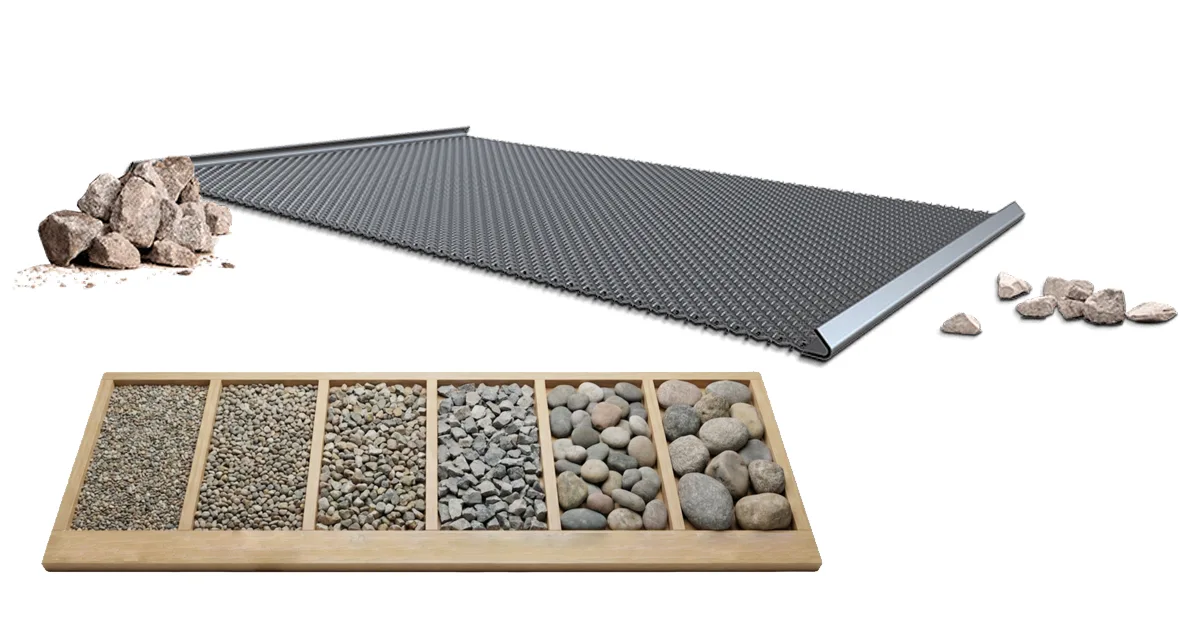
When you choose gravel for your project, you will see some gravel screen sizes show up a lot. These are the most common sizes and how people use them:
- #1 Stone (2–4″): Used for strong base layers
- #57 Stone (about 1″): Used in concrete mixes and for drainage
- #67 Stone (3/4″–fine): Used for paths and concrete
- #8 Stone (3/8″): Used in asphalt and for decoration
- #10 Screenings (dust–3/8″): Used under pavers
- #4 Gravel (1–2.5″): Used for drainage and big base layers
Picking the right screen size makes your work easier and gives better results. The gravel size numbering system helps you find the best material for each job.
Key Takeaways
- Picking the right gravel screen size is very important. It helps your project work well and stops waste.
- Some common gravel sizes are #1 Stone for base layers, #57 Stone for concrete mixes, and #8 Stone for decoration.
- Gravel screening separates materials by size. This helps you get the exact type you need for your project.
- Using the right screen size can make concrete up to 15% stronger. This makes your structures last longer.
- Always look at the gravel size chart before you order. This helps you pick the right material for your needs.
- Think about what your project needs, the type of material, and moisture levels when you choose a screen size. This helps you avoid problems.
- Keep your screening equipment in good shape with regular maintenance. This makes it work better and last longer.
- ANPENG gives expert help to pick the best screen for your project needs.
Gravel Screening Basics
What Is Gravel Screening

Gravel screening helps you sort rocks by size. Special machines do this job. These machines include vibrating screens, trommel screens, disc screens, and flip-flow screens. They separate gravel, sand, and crushed stone into even sizes. At ANPENG, we make screeners that work hard and last long.
- Gravel screeners use different ways to move and sort rocks.
- They help you remove pieces you don’t want and keep the right size.
- You can use these machines for building, landscaping, and making aggregates.
- This process gives you the same quality every time.
Screening puts particles on a surface and sorts them. The screen keeps or lets go of pieces based on their size. This helps you get the exact material you need for your project.
Why Screen Size Matters
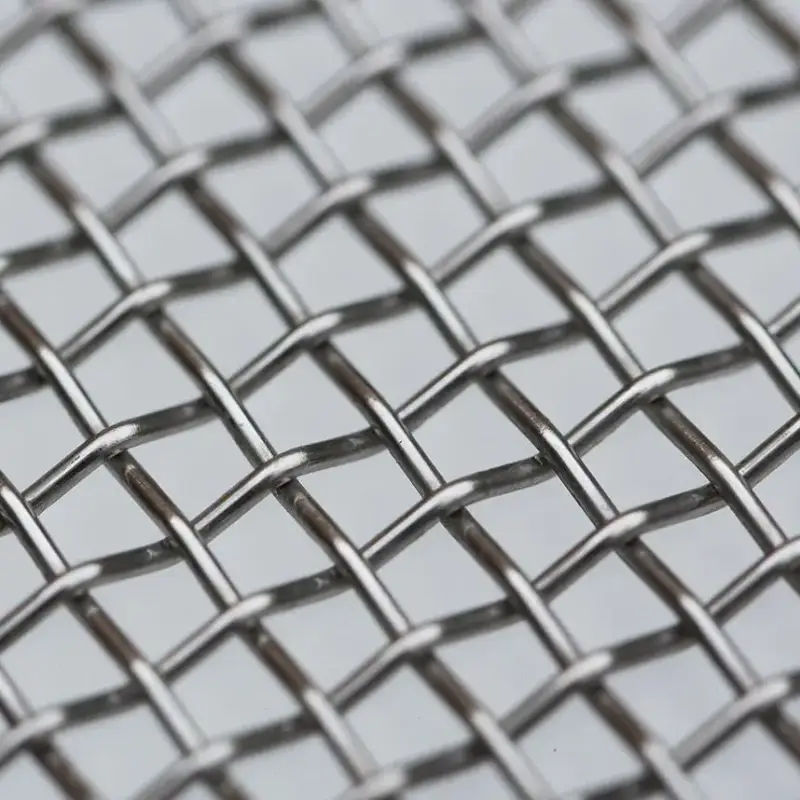
Picking the right screen size is very important. The mesh holes in your screen decide what goes through and what stays out. Big holes let large pieces pass. Small holes catch tiny pieces.
Tip: Always pick a screen size that fits your project. Using the wrong size wastes material and gives bad results.
The right gravel screen size makes your final product better and more even. For example, screened aggregates can make concrete up to 15% stronger than unscreened ones. That’s a big change for any building job.
Screening Efficiency
You want screening to be quick and correct. Good screening gives you more useful material and less waste.
- Gravel screeners sort rocks by size, so you meet job needs.
- The process removes pieces that are too big or too small.
- Controlling size gives you steady quality and better results.
Screening plants are made to handle lots of material and need little fixing.
Common Gravel Screen Sizes
Stone Dust and Screenings (<2mm)
Stone dust and screenings are the smallest gravel sizes. These materials are less than 2mm wide. People call them stone dust or screenings. At ANPENG, customers use these tiny particles for many jobs. They work well under pavers and concrete blocks. Stone dust helps hold bigger crushed stones together. It fills spaces in patios, walkways, and wall bases. Sometimes, it mixes with bigger rocks and is called “crusher run.”
Here’s a simple chart about what they are and how people use them:
| Characteristic/Use | Description |
|---|---|
| Size | Less than 2mm |
| Common Name | Screenings or Stone Dust |
| Uses | Used for pavers and concrete blocks, makes things stronger, holds bigger rocks together, fills gaps in patios, walkways, and wall bases. Sometimes called ‘crusher run’ when mixed with bigger rocks. |
- You should not use stone dust or waste screenings for every job. Too much fine material can go through the No. 200 (0.075 mm) screen. This can cause problems with water draining or keeping things stable.
#8, #57, #67 Stone Sizes
These gravel sizes are seen in many places. They are very popular for lots of projects. At ANPENG, we help you choose the right stone. Each size is good for different things.
| Stone Size | Typical Applications | Properties |
|---|---|---|
| #8 Stone | Mixed into concrete and asphalt, used for decoration | Small size (3/8 inch), makes smooth surfaces |
| #57 Stone | Base for asphalt/concrete, under pavers | Medium size (about ¾ inch), helps with water flow and strength |
| #67 Stone | Finer finish, thin concrete layers | Like #57, packs well for solid coverage |
- #8 stone is good for mixing into concrete and asphalt. It also works for decoration. Its small size makes smooth surfaces.
- #57 stone is great for base material in asphalt and concrete. It works well under pavers. This medium size helps with water flow and keeps things strong.
- #67 stone gives a finer finish. It is good for thin concrete layers. It packs well for solid coverage.
Sieve Sizes: 1/8″, 3/8″, 1/2″, 3/4″, 1″
You might wonder how gravel sizes match screen mesh sizes. Gravel is sorted by passing it through screens with different mesh sizes. The most common mesh sizes are 1/8″, 3/8″, 1/2″, 3/4″, and 1″. Each size is used for a special job in building or landscaping.
For example, gravel that goes through a 1-inch screen but stays on a 3/4-inch screen is called 3/4-inch to 1-inch gravel. This helps you know what you are getting for your project. Good screening makes sure you get the right stone for your job, whether you need water to drain, a strong base, or a smooth top.
At ANPENG, we make screens that sort stone fast and correctly. You get the right gravel sizes every time. Your work goes faster and looks better.
Aggregate Size Ranges
When you look at gravel screen sizes, you’ll see that each type of stone fits into a certain size range. These ranges help you pick the right material for your job. At ANPENG, we use advanced screen mesh sizes to sort stone and crushed stone quickly and accurately.
Here’s a simple table showing the most common aggregate size ranges:
| Material Type | Size Range |
|---|---|
| Sand | 0.0625mm to 2mm |
| Gravel | 2mm to 75mm |
You might wonder how these ranges are set. The answer is in the way we test and sort stone. We use a screen with different mesh sizes to separate crushed stone and gravel sizes. The aggregate sieve analysis test is key. You pour the material onto a stack of screens, each with smaller holes than the last. As you shake the stack, smaller pieces fall through, and bigger pieces stay on top. This test shows you the gradation, or mix of sizes, in your stone.
Tip: If you want a strong base, choose dense graded aggregate. This type has a mix of stone sizes, so it packs tight and stays solid. If you need good drainage, pick open graded aggregate. It uses bigger crushed stone with fewer fines, letting water flow through.
Aggregate gradation matters for every project. You can choose:
- Dense graded aggregate (DGA): Many stone sizes mixed together. Great for road base and foundations.
- Uniformly graded aggregate: Stone pieces are almost the same size. Good for decoration or special concrete.
- Open graded aggregate: Mostly large crushed stone, not much fine material. Perfect for drainage jobs.
When you pick gravel screen sizes, think about what you need. Do you want a tight-packed base, smooth finish, or fast drainage? The right screen mesh sizes help you get the best stone for your project. At ANPENG, we design screens that sort crushed stone and gravel sizes with speed and precision. You get the right material every time, whether you need sand, gravel, or larger stone.
Gravel Size Chart and Applications
Gravel Size Chart Overview
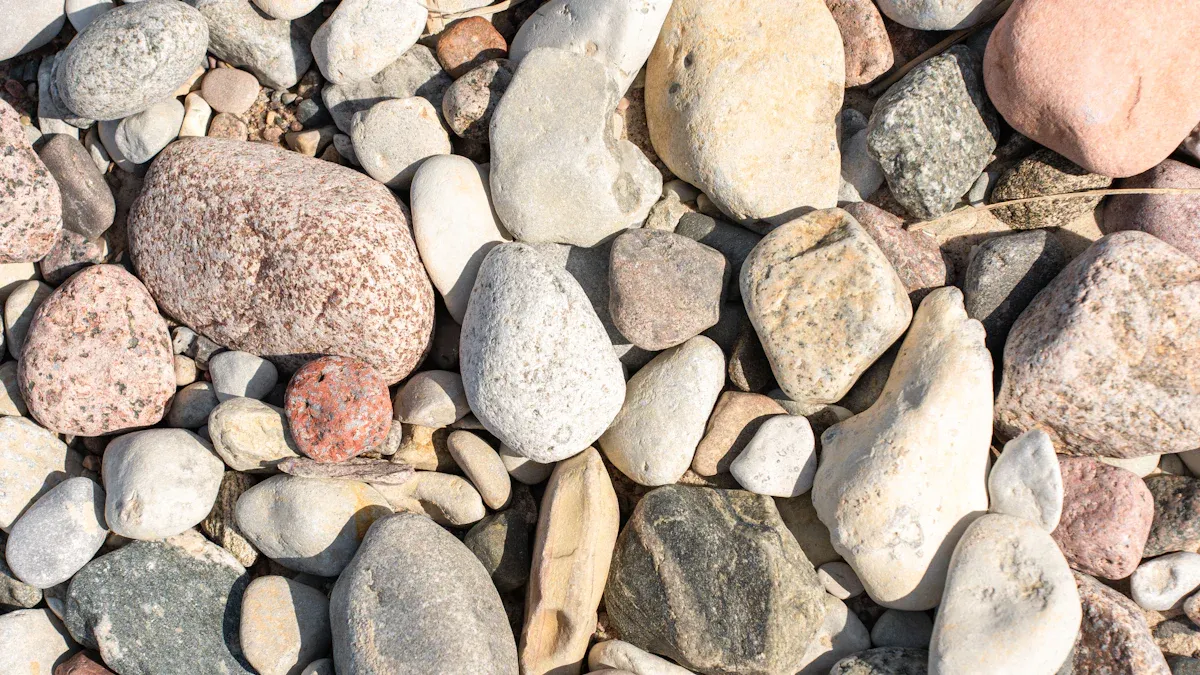
When you look at gravel for your project, you want a clear way to compare sizes and uses. That’s where a gravel size chart helps. At ANPENG, we use the gravel size chart every day to help you pick the right material. You can see the most common grades, their size ranges, and what each one does best.
Here’s a quick chart to guide you:
| Grade | Size Range | Description | Common Applications |
|---|---|---|---|
| #3 | ½″–2″ (12–50 mm) | Coarse, heavy, angular stones | Road bases, railroad ballast, stabilization, drainage |
| #8 | ⅜″–½″ (9.5–12.5 mm) | Small, pea-sized stones | Landscaping, walkways, drainage, concrete mixes |
| #10 (screenings) | <¼” (<4.75 mm) | Fine stone dust | Base layer for pavers or bricks, pathways, asphalt, compacted fill |
| #57 | ~¾″ (19 mm) | Clean, angular gravel; most commonly used | Driveways, concrete mixes, French drains, general construction |
| #411 | ~¾″ (19 mm) down to fines | Blend of #57 and dust | Driveway, paths, parking areas |
| #21 (A or B) | ~¾″ (19 mm) down to fines | Dense-grade aggregate (DGA); similar to #411 | Road and driveway bases, foundation, compactable fill |
You can also see how the maximum sizes compare in this chart:
If you ever feel unsure about which size to choose, just look at the gravel size chart. It makes your decision easier and faster.
Tip: Always check the gravel size chart before you order. The right size means better results and less waste.
Typical Uses by Size
You might wonder how each gravel size fits into your project. At ANPENG, we help you match the right grade to your specific applications. Here’s how the gravel size chart connects to real jobs:
Landscaping
You want your garden or yard to look great and last long. Smaller stones like #8 and pea gravel work best for landscaping. These sizes make smooth paths, fill garden beds, and add color around trees or patios. You can use screenings for a base under bricks or pavers. The gravel size chart shows you which grades give you the look and feel you want.
- #8: Paths, flower beds, around foundations
- Pea gravel: Garden paths, decorative borders
- #10 (screenings): Under pavers, patios
Drainage
Good drainage keeps your property safe and dry. Larger stones like #3 and #57 help water flow away from buildings and roads. You can use these sizes in French drains, under driveways, or behind retaining walls. The gravel size chart makes it easy to pick the right grade for drainage applications.
- #3: Drainage ditches, stabilization
- #57: French drains, under concrete, driveways
- #8: Light drainage, walkways
Note: If you use the wrong size, water can pool or run off too fast. Always check the gravel size chart for drainage jobs.
Road Base
Strong roads and driveways need a solid base. Coarse gravel like #3, #21A, and #411 packs tight and stays put. These sizes support heavy loads and resist shifting. At ANPENG, we recommend checking the gravel size chart before you build a road base. You want the right mix for strength and stability.
- #3: First layer for road base
- #21A/#411: Compactable fill, driveway base
- #57: Top layer for driveways
Decorative Gravel
If you want to add style to your yard or business, decorative gravel is the way to go. Pea gravel and #8 stone look smooth and colorful. You can use them in garden beds, walkways, or around water features. The gravel size chart helps you pick the best size for your design.
- Pea gravel: Garden paths, accent areas
- #8: Decorative borders, flower beds
- #10 (screenings): Fine finish for patios
Tip: Decorative gravel comes in many colors and shapes. Use the gravel size chart to match your style and needs.
Gravel Size Chart Quick Reference
Here’s another chart to help you match gravel sizes to their best applications:
| Grade | Size Range | Best Applications |
|---|---|---|
| #3 | 1–2 inches | Driveway base, drainage, stabilization |
| #57 | ½–¾ inch | Driveway surface, walkways, French drains |
| #8 | ⅜–½ inch | Paths, landscaping, around foundations |
| #10 | ⅛–⅜ inch | Concrete mix, fine drainage, paver base |
| Pea gravel | ¼–⅜ inch | Garden paths, decorative uses |
You can see how each grade fits into the gravel size chart and matches your project needs. At ANPENG, we use advanced screen technology to make sure you get the exact size you order. You get consistent results every time.
If you want help choosing the right gravel size, just ask ANPENG. We know the gravel size chart inside and out. We can help you match your applications to the perfect grade.
Choosing Gravel Screen Sizes
Project Requirements
When you start a new project, you need to think about what you want your gravel to do. Are you building a driveway, a garden path, or a drainage system? Each job needs a different screen size. At ANPENG, we help you match the right screen to your project. You want to pick a screen that gives you the best results and saves you time.
Here are some practical tips for choosing the right screen:
- Look at the size of the gravel you need. Bigger projects, like road bases, use larger screens. Smaller jobs, like landscaping, need finer screens.
- Check the types of gravel your project requires. Some jobs need a mix of sizes for strength, while others need uniform pieces for looks.
- Think about the uses for each type. For example, drainage needs open spaces between stones, so you want a screen that lets bigger pieces through.
Tip: Always match your screen size to your project’s needs. This helps you avoid waste and keeps your work on track.
Material Type and Moisture
The type of material you use can change how you pick your screen. Some types of gravel have more clay or sand mixed in. Wet material can stick together and block the screen. At ANPENG, we know that moisture makes screening harder, especially with fine gravel.
Here’s a table to help you see how material and moisture affect your choice:
| Material Issue | What to Watch For |
|---|---|
| Wet or sticky gravel | Can clog screens, slows down work |
| Fine gravel | Needs smaller mesh, but can cake when wet |
| Clay content | May blind screens, needs rugged panels |
If your gravel is wet, you need a screen that prevents caking. You may want to use panels or grates that resist clogging. For high moisture, choose screens with larger holes or special coatings. This keeps your screening efficiency high and helps you get clean, sorted gravel.
Note: Always check your material before you start. If it’s wet or sticky, adjust your screen type to avoid problems.
Throughput Considerations
You want your screen to handle the right amount of material. If you pick a screen that’s too small, you slow down your work. If it’s too big, you might miss fine pieces you need. At ANPENG, we design screens to match your workload.
Think about these factors:
- Screen size and mesh options: Larger screens process more gravel per pass. If you need versatility, look for models with multiple mesh sizes.
- Material capacity: Match your screen’s capacity to your expected workload. This helps you avoid bottlenecks.
- Quick screen changes: Some screens let you switch mesh sizes fast. This is great if your project needs different types of gravel.
Tip: Always check your screen’s capacity before you start. This keeps your project moving and helps you get the right types of gravel every time.
Choosing the right screen size means thinking about your project, your material, and how much you need to process.
Mistakes to Avoid with Gravel Sizes
Choosing the right gravel size can make or break your project. At ANPENG, we see a few mistakes pop up again and again. If you want your screen to work well and your results to last, watch out for these common issues.
Wrong Mesh Size
Picking the wrong mesh size for your screen can cause big problems. If you use a mesh that is too large, small stones will slip through. This can leave you with uneven layers or weak spots. If your mesh is too small, the screen will clog fast. You will spend more time cleaning than working.
Here are some things to keep in mind:
- Always match your screen mesh to the size of gravel you need.
- Check the common uses for crushed stone before you start. This helps you pick the right mesh for your job.
- Test your screen with a small batch first. This way, you can spot problems early.
Tip: If you notice your screen is not sorting gravel as expected, stop and check your mesh size. A quick fix now saves hours later.
Ignoring Environmental Factors
You might think all gravel works the same, but the environment changes everything. If you ignore these factors, your project can fail.
Consider these points:
- The size of gravel particles affects how stable and strong your base will be.
- Good particle distribution gives you a compacted base that lasts longer.
- The composition of your gravel changes how well water drains and how much erosion you get.
If you skip these checks, you risk:
- Weak spots and poor structural integrity.
- More repairs because of erosion or shifting gravel.
Note: Always look at your site’s needs before picking a screen size. Wet areas, slopes, or heavy traffic need special attention.
Maintenance Oversights
Even the best screen will fail if you skip maintenance. At ANPENG, we recommend a few simple steps to keep your screen running smoothly.
- Inspect your screen often. Look for worn parts or damage.
- Clean and lubricate all moving parts. This keeps everything working well.
- Fix or replace broken pieces right away.
- Adjust your screen angle if you see material building up.
- Use a ball tray to stop fine gravel from blinding the screen.
- Try a heated screen deck if you work with wet or sticky material.
Regular care keeps your screen efficient and your gravel sorted right. You save time and avoid costly breakdowns.
If you avoid these mistakes, your screen will last longer and your projects will turn out better. At ANPENG, we help you pick the right screen and show you how to care for it, so you get the best results every time.
Optimizing Gravel Screening
Maintenance Tips
You want your gravel screening operation to run smoothly every day. At ANPENG, we see that regular care makes a big difference. Here are some tips you can use to keep your screen working at its best:
- Inspect your equipment often. Look for worn parts and replace them before they cause trouble.
- Choose the right screen type and media for your job. This helps you get the results you want.
- Control how you feed material onto the screen. Spread it out evenly to boost efficiency.
- Adjust stroke length, speed, and angle to match your needs. Small changes can improve performance.
- Use prescreening and multi-deck screens when you need to separate different sizes.
- Watch moisture levels. Too much water can slow down your process.
- Monitor your operation in real time. Check particle size often to keep quality high.
- Train your team. Good training means better handling and less downtime.
Regular maintenance keeps your screen running longer and helps you avoid costly repairs.
Adjusting for Material Type
Different materials need different approaches. You can’t use the same screen for every job. At ANPENG, we help you match your screen to the material you’re working with. Take a look at this table for common choices:
| Material | Common Screen Sizes |
|---|---|
| Rock | 1″, 2″, 3″ |
| Gravel | ¾”, ½”, ⅜”, <¼” |
| Asphalt | 1″, ½”, ⅜” |
| Dirt | ½”, ¾”, 1″ |
You should always pick a screen size that fits your material. Think about moisture, gradation, and how sticky or abrasive the material is. If you work with wet gravel, you might need a screen with larger holes or special coatings. For dusty or dirty material, choose a screen that handles fine particles well.
The right screen system makes your job easier and helps you get the best results. Always consider the type of material and your production goals before you start.
Expert Support
Sometimes you need advice to get the most out of your screening operation. At ANPENG, we offer expert support to help you choose the best screen for your needs. You can select dry screening for free-flowing materials. This saves water and keeps things simple. Wet screening works better for sticky or moist materials. It helps remove fine particles and improves quality.
You should also think about your production goals. Incline screens move material efficiently and use less power. Horizontal screens fit tight spaces and give you more control. Always check for worn parts and replace damaged screens right away.
If you have questions, reach out to ANPENG. We know how to match your screen to your project and keep your operation running smoothly.
ANPENG Screening Solutions
Custom Recommendations
You want your gravel screening project to run smoothly and deliver the best results. At ANPENG, we know every job is different. That’s why we offer custom recommendations for your screen needs. You might need a special mesh size, a unique panel design, or a solution for tough materials. We listen to your goals and help you choose the right screen for your site.
You can tell us about your project, and we’ll guide you through the options. Our team helps you pick the best screen for your material type, moisture level, and throughput. If you work with wet gravel or sticky aggregates, we suggest screens that resist clogging. For high-volume jobs, we recommend screens that handle more material without slowing down.
Need help with vibratory inclined screens or want advice on mesh sizes? Just ask. We’re here to make your screening process easier.
You get more than just a product. You get support from experts who care about your results. We help you avoid common mistakes and keep your screen working longer.
Industry Expertise
You want a partner who understands gravel screening inside and out. ANPENG brings over 20 years of experience to every project. We serve mining, aggregate, and construction industries with reliable screen solutions. Our manufacturing facility covers 345,000 square feet, so we control every step of production. This means you get screens that meet strict quality standards and last longer.
Here’s a quick look at what sets us apart:
| Evidence Type | Details |
|---|---|
| Experience | Over 20 years serving mining and aggregate processing |
| Manufacturing Capabilities | 345,000 sq. ft. facility with full production control |
| Product Range | Complete range of standard and custom screening media solutions |
| Quality Control | Strict quality checks for stable performance and long service life |
| Global Reach | Products delivered to customers in over 20 countries |
You can trust our screens to perform in tough conditions. We offer everything from standard mesh panels to custom solutions for special jobs. Our team knows how to match the right screen to your needs, whether you need fine stone dust or large gravel.
If you want advice or a custom solution, reach out to ANPENG. We’re ready to help you find the perfect screen for your next project.
You get more than just a screen. You get a partner who cares about your success and helps you get the job done right.
Conclusion
You’ve seen how common screen sizes make a big difference in your results. Here’s a quick look at gravel screen sizes and their uses:
| Specification | Range/Details |
|---|---|
| Gravel Size | 0.10 mm to 4.5 mm |
| Slot Size | 0.05 mm to 3 mm |
Matching the right screen to your project boosts efficiency. Multi-layer screens can raise screening efficiency up to 90%. Want better results? Try these tips:
- Check wear on your screen often.
- Adjust feed rates for your material.
- Keep up with scheduled maintenance.
If you need help picking common sizes, reach out to ANPENG for expert advice.
FAQ
What is the most popular gravel screen size?
You will see #57 stone used most often. It works well for driveways, concrete, and drainage. At ANPENG, we recommend it for many projects because it gives strong results and easy handling.
How do I choose the right screen size for my project?
Start by thinking about your job’s needs. If you want drainage, pick larger sizes. For smooth paths, use smaller grades. ANPENG can help you match your project to the best screen size.
Can I use the same screen for wet and dry gravel?
Wet gravel can clog screens. You need special panels or larger mesh for sticky material. ANPENG offers screens designed for both wet and dry conditions, so you get clean results every time.
What happens if I pick the wrong gravel size?
You might see weak spots, poor drainage, or uneven surfaces. The right size gives you strength and stability. ANPENG helps you avoid mistakes by guiding you to the best screen for your job.
How often should I check my screen for wear?
Check your screen before each big job. Look for damage or worn parts. Regular checks keep your screen working longer. ANPENG screens are built tough, but routine care always helps.
Do I need a custom screen for special materials?
Some jobs need custom screens, especially with sticky or abrasive gravel. ANPENG can design screens for your unique needs. Just tell us about your material, and we’ll recommend the best solution.
What is the difference between pea gravel and #8 stone?
Pea gravel is round and smooth, usually ¼–⅜ inch. #8 stone is angular and about ⅜ inch. Pea gravel works well for decoration. #8 stone packs tighter for paths and mixes.
Can ANPENG help me pick the right screen?
Absolutely! You can contact ANPENG for expert advice. We listen to your needs and suggest the best screen size and type for your project. You get support from professionals who know screening inside and out.