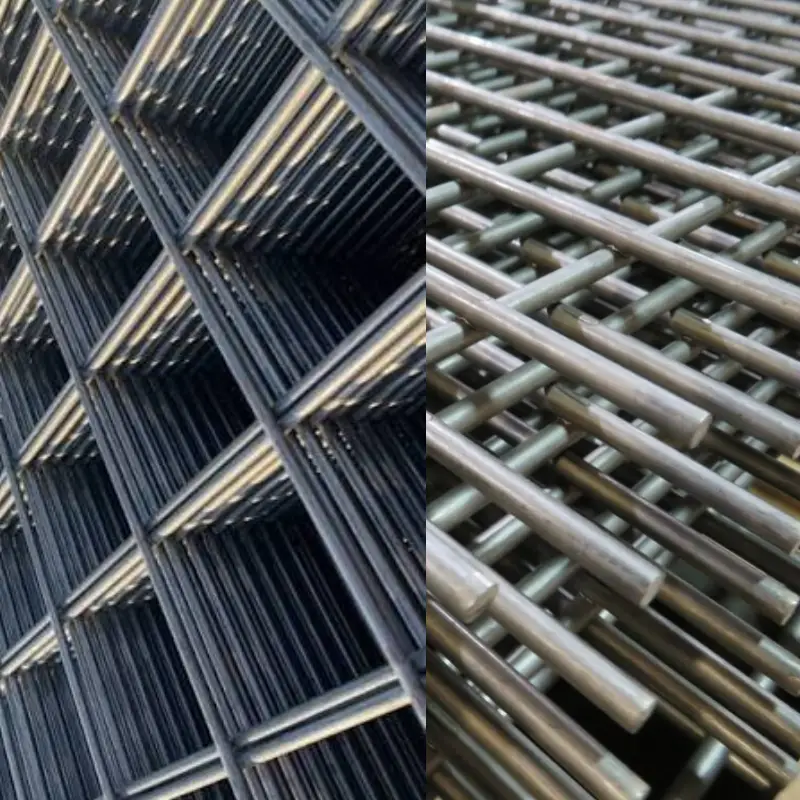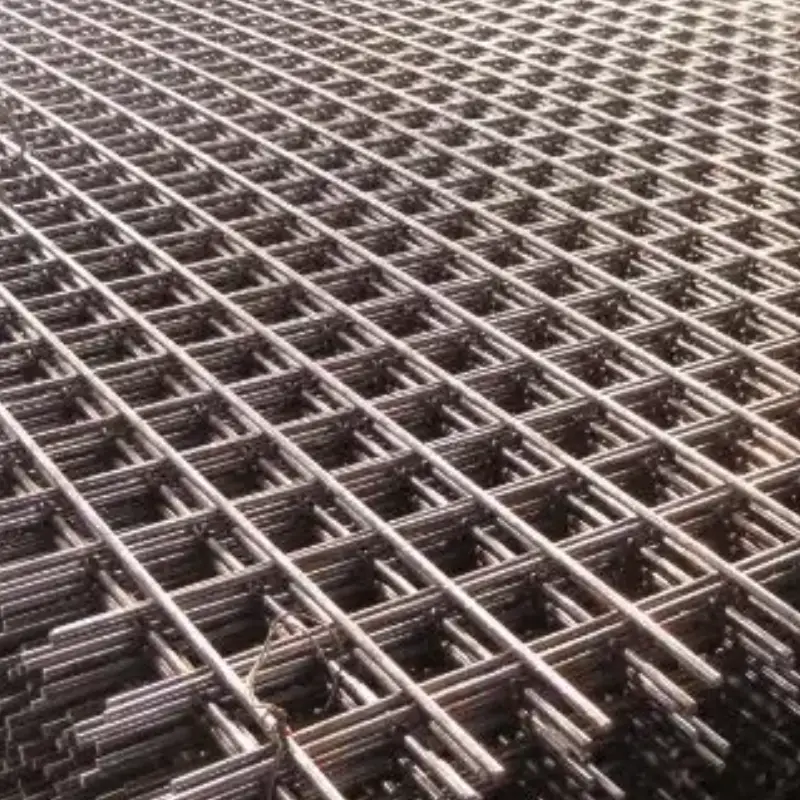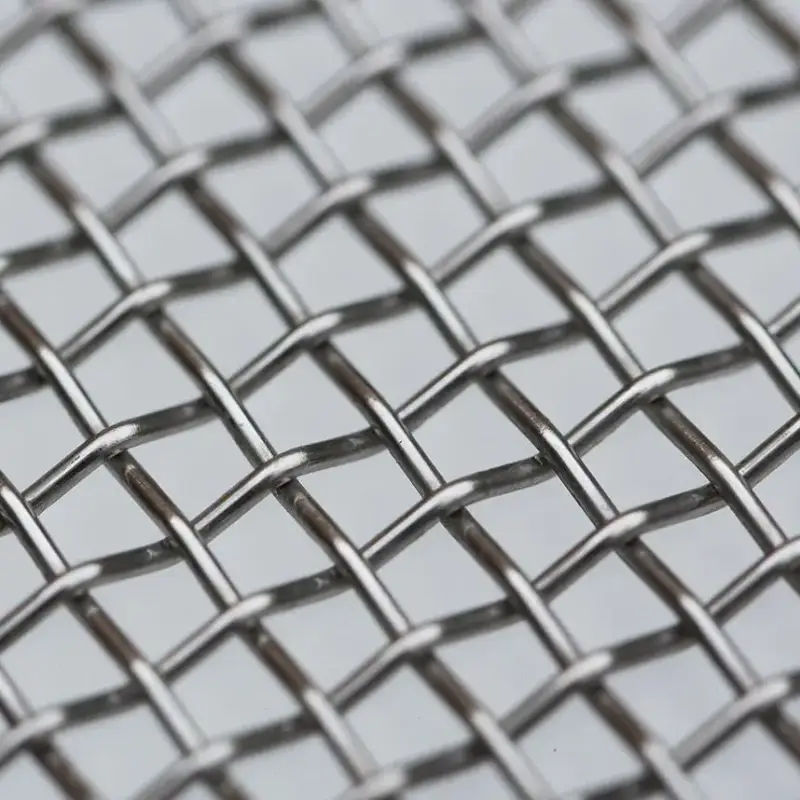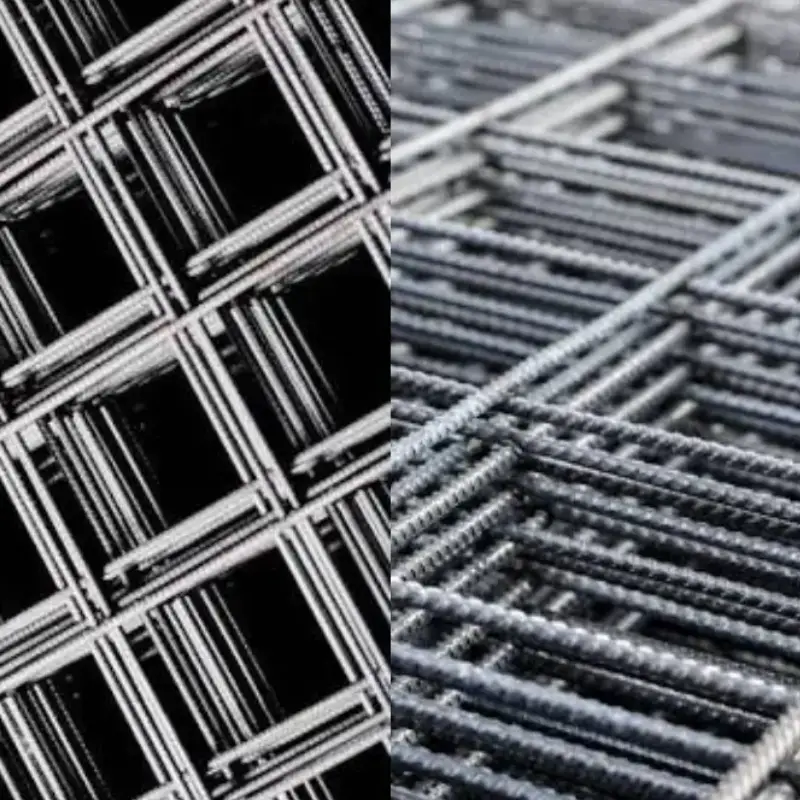
Imagine you need a strong screen for a busy mining site. Or maybe you need a fine filter for a recycling plant. Picking the right custom woven wire mesh can seem hard. The material, mesh size, and weave type all matter. These things change how strong and long-lasting your mesh is. For example, stainless steel does not rust in wet places. This helps your mesh last longer. Look at the table below to see how wire gauge changes use:
| Wire Gauge | Thickness (inches) | Common Applications |
|---|---|---|
| 8-gauge | 0.155 | Security uses, holding things in |
| 10-gauge | 0.128 | Filtration uses, sifting |
You also need to think about weave types:
- Plain weave works for higher mesh counts, but is not very stiff.
- Lock crimp gives you more strength and safety.
- Intercrimp helps with grip and keeps things steady.
ANPENG is a woven wire mesh supplier. They help you find choices that are strong and fight rust. You get custom options for every project.
Key Takeaways
- Know why picking the right material matters. Pick stainless steel if you need it to last long and not rust in tough places.
- Look at mesh size and wire thickness. Small holes block more things, but big holes let more stuff pass through.
- Check out different weave styles. Plain weave works for most jobs. Twill and Dutch weaves are stronger and filter better.
- Think about the environment. Match your mesh to things like wetness, chemicals, and heat for best results.
- Use custom choices. Custom woven wire mesh lets you pick the exact size, shape, and material you need for your project.
- Talk to a smart supplier. Experts can help you avoid problems and pick the right mesh for your job.
- Think about coatings and finishes. Coatings like galvanized or epoxy make the mesh last longer and stop rust and damage from chemicals.
- Look at what your project needs. Think about weight, pressure, and looks to choose the best wire mesh for your job.
What Is Custom Woven Wire Mesh
Definition and Features
You might wonder what makes custom woven wire mesh different from other screens or filters. Woven wire mesh is a grid made by weaving metal wires together. You can choose the size of the openings, the thickness of the wires, and even the type of metal. This means you get a product that fits your project perfectly.
Custom woven wire mesh stands out because you can shape it, cut it, or bend it to fit tight or odd spaces. You also get to pick the exact size of the holes, which helps when you need to filter or separate things. Want a mesh that is strong and tough? You can pick a thicker wire. Need something light and easy to move? Choose a thinner wire or a lighter metal.
Here’s a quick look at some common materials and their uses:
| Material Type | Properties | Applications |
|---|---|---|
| Stainless Steel | Resists heat and corrosion, very durable | High-impact, food, chemical uses |
| Low Carbon Steel | Strong, needs coating to avoid rust | Industrial screens, general use |
| High Carbon Steel | Handles abrasion and impact well | Mining, farming, sorting |
| Oil Tempered Steel | Strong and tough, less impact resistance | Heavy-duty jobs |
| Aluminum | Light, resists rust | Lightweight projects |
| Copper and Brass | Good looks, conducts heat and electricity | Decoration, electronics |
| 300-series Stainless | Handles heat, keeps shape at high temps | General-purpose |
| 400-series Stainless | Tougher, works in harsh places | Marine, chemical |
Standard vs. Custom Mesh
Standard mesh comes in set sizes and materials. You get what is on the shelf. Custom woven wire mesh lets you decide what you need. You can pick the wire thickness, the size of the openings, and the metal type. This gives you more control over how your mesh works.
Tip: If you have a special job or a tricky space, custom woven wire mesh is the way to go. You can make sure it fits and works just right.
Custom mesh also means you can match your mesh to your project’s needs. You do not have to settle for something close. You get exactly what you want.
Common Uses
You will find woven wire mesh in many places. It is not just for one job. Here are some ways people use it:
- Protective shields around machines
- Filtration and separation systems
- Support in railings and platforms
- Wastewater treatment plants
- Petrochemical and chemical factories
- Food processing and juice lines
- Farming for fencing and crop protection
- Car grilles and filters
- Building and construction for concrete support
- Mining for vibration screens
- Powder processing in medicine
Woven wire mesh helps in so many industries because you can change it to fit almost any job. You get strength, flexibility, and the right look all in one product.
Material Selection for Wire Mesh
Choosing the right woven wire mesh material can make a big difference in your project. You want your wire mesh to last, stay strong, and handle tough jobs. Let’s look at three popular options and see how each one works for different needs.
Stainless Steel
Stainless steel stands out when you need wire mesh that fights rust and stays tough. You see it in places with lots of moisture or chemicals. Stainless steel wire mesh works well in food factories, chemical plants, and outdoor jobs. It handles heat and keeps its shape even when things get hot.
Here’s a quick look at the pros and cons:
| Advantages | Disadvantages |
|---|---|
| Corrosion resistance | Higher cost |
| High strength | Heavier weight |
| Good flexibility | May not fit every application |
You get high durability, resistance to many environments, and the ability to handle high temperatures. Stainless steel wire mesh costs more and weighs more than other types. Sometimes, you need something lighter or cheaper. If your job needs top durability and load, stainless steel is a smart choice.
Galvanized Steel
Galvanized steel wire mesh gives you a good mix of strength and savings. You see it in fences, screens, and outdoor projects. The zinc coating helps fight rust, so your wire mesh lasts longer outside. Galvanized steel works well in places with rain or humidity, but it does not handle chemicals or high heat as well as stainless steel.
Let’s compare galvanized steel and stainless steel:
| Factor | Galvanized Steel | Stainless Steel |
|---|---|---|
| Initial Material Cost | Lower | Higher |
| Maintenance and Lifespan | Needs replacement or re-galvanization | Less maintenance, longer life |
| Corrosion Resistance | Good for outdoor use | Best for harsh environments |
| Temperature Resistance | Can break down at high heat | Stays strong in high temperatures |
If you want wire mesh that saves money and works well outside, galvanized steel is a solid pick. You may need to replace it or add new coating after a while. For tough chemical or high-heat jobs, stainless steel works better.
High-Carbon Steel
High-carbon steel wire mesh gives you extra strength and toughness. You see it in mining, construction, and places where things hit or rub the mesh a lot. High-carbon steel stands up to wear and tear. It handles heavy loads and keeps its shape under stress.
Here’s what makes high-carbon steel special:
- High hardness from heat treatment. This means your wire mesh resists scratches and dents.
- High strength. The mesh holds up under heavy weight and pressure.
- Wear resistance. It lasts longer in places with lots of movement or impact.
You can use high-carbon steel wire mesh in many ways. It works in building, farming, and even for decoration. If you need wire mesh that stays strong and does not wear out fast, high-carbon steel is a great choice.
Tip: Think about where you will use your wire mesh. Humidity, temperature, and chemicals can change how long your mesh lasts. Epoxy coated wire mesh can help in tough places, but coatings may wear off over time. Always match your woven wire mesh material to your environment for the best results.
You have many choices for wire mesh. Each woven wire mesh material gives you different benefits. Pick the one that fits your job, your budget, and your environment.
Durability and Corrosion Resistance
When you pick wire mesh for your project, you want it to last. Durability means your wire mesh can handle stress, weight, and wear over time. Corrosion resistance means your wire mesh will not rust or break down when it faces water, chemicals, or tough weather. If you ignore these things, you might end up with wire mesh that fails too soon.
Let’s look at why durability and corrosion resistance matter:
- You want wire mesh that stays strong in harsh places.
- You need wire mesh that does not rust in wet or humid areas.
- You want wire mesh that keeps its shape even when things push or pull on it.
Different woven wire mesh material types offer different levels of durability and corrosion resistance. Stainless steel wire mesh stands up to water and chemicals. Galvanized steel wire mesh works well outside but may need new coating after a while. High-carbon steel wire mesh is tough but can rust if you do not protect it.
Here’s a quick table to help you compare:
| Wire Mesh Type | Durability | Corrosion Resistance | Best Use Case |
|---|---|---|---|
| Stainless Steel | Very High | Excellent | Wet, chemical, outdoor jobs |
| Galvanized Steel | Good | Good | Fences, screens, outdoor |
| High-Carbon Steel | Very High | Low | Mining, heavy-duty work |
Tip: If your wire mesh will face rain, chemicals, or saltwater, pick a woven wire mesh material with high corrosion resistance. If you need wire mesh for heavy loads or lots of movement, choose a type with high durability.
You also need to think about coatings and finishes. Some wire mesh comes with epoxy or plastic coatings. These help fight rust and make your wire mesh last longer. But coatings can wear off over time, so you may need to check and replace them.
Your environment changes everything. If you use wire mesh in a dry place, you can pick almost any type. If you use wire mesh in a wet or salty place, you need a woven wire mesh material that resists rust. If you use wire mesh in a place with lots of heat or chemicals, stainless steel is your best bet.
Here are some questions to ask yourself:
- Will my wire mesh get wet or face chemicals?
- Does my wire mesh need to hold heavy things?
- Will my wire mesh be outside or inside?
- Do I need my wire mesh to last for years?
If you answer yes to any of these, you need to focus on durability and corrosion resistance. Picking the right wire mesh saves you money and trouble later.
You can always talk to a supplier like ANPENG if you need help. They know which woven wire mesh material works best for your job. You get advice that matches your needs and your budget.
Mesh Size, Wire Gauge, and Weave Types
Mesh Size and Aperture
When you look at wire mesh, the first thing you notice is the size of the openings. Mesh size tells you how many openings there are in one inch. Aperture means the actual width of each opening. If you need to filter tiny particles, you want a small mesh size. If you need to let bigger pieces through, you pick a larger mesh size.
Mesh size selection is important for every project. If you choose a mesh with small openings, you get better filtration. Water or air passes through, but dirt and debris stay out. If you pick a mesh with big openings, you get more flow but less filtering. You need to balance how much you want to filter with how much you want to let through.
The wire diameter also matters. Thicker wires make the mesh stronger, but they reduce the open area. This means less stuff can pass through. Thinner wires give you more open space, so filtration works better and pressure drops less. You need to think about both mesh size and wire thickness when you choose wire mesh for your job.
Tip: Always match your mesh size selection to your filtration needs. If you want high flow, go for bigger openings and thinner wires. If you need to catch tiny particles, choose smaller openings and thicker wires for strength.
Wire Gauge and Strength
Wire gauge tells you how thick the wire is in your wire mesh. Lower gauge numbers mean thicker wires. Higher gauge numbers mean thinner wires. The thickness of the wire changes how strong and flexible your mesh is.
If you need wire mesh for heavy-duty jobs, like concrete reinforcement or fencing, you want thicker wires. These wires have high tensile strength and do not bend easily. They can hold up under pressure and last longer. If you need wire mesh for lighter jobs, like screens or filters, you want thinner wires. These wires are more flexible and easier to shape.
Here’s a quick table to help you see the difference:
| Wire Gauge | Tensile Strength | Flexibility |
|---|---|---|
| Lower Gauge (Thicker) | Higher | Lower |
| Higher Gauge (Thinner) | Lower | Higher |
You need to think about what your wire mesh will do. If you want it to stay strong and not sag, pick a lower gauge. If you want it to bend and fit into tight spaces, pick a higher gauge. Mesh size selection and wire gauge work together to give you the right balance of strength and flexibility.
- Thicker wire (lower gauge number) is best for heavy-duty jobs.
- Thinner wire (higher gauge number) is best for jobs where you need flexibility.
Weave Types
The way wires cross each other in wire mesh is called the weave type. The weave type changes how strong, flexible, and useful your mesh is. You have three main choices: plain weave, twill weave, and Dutch weave.
Plain Weave
Plain weave is the most common weave type. Each wire goes over and under the next wire, making a simple crisscross pattern. This weave type gives you balanced strength and is easy to make. You see plain weave in screens, filters, and guards.
Plain weave works well for most jobs. It gives you a flat surface and good strength. If you need wire mesh for moderate loads or basic filtering, plain weave is a smart choice.
Twill Weave
Twill weave is a little different. Each wire goes over two wires and under two wires. This makes a diagonal pattern. Twill weave gives you more strength and better filtration than plain weave. You see twill weave in jobs where you need to catch tiny particles or handle more pressure.
Twill weave is great for fine filtration. It can hold up under stress and does not break easily. If you need wire mesh for tough jobs or fine filtering, twill weave is a good pick.
Dutch Weave
Dutch weave is special. The wires are packed close together, and the warp wires are thicker than the weft wires. This weave type gives you very small openings and high strength. Dutch weave is perfect for liquid-solid separation and advanced filtration.
Dutch weave works best when you need to filter out tiny bits from liquids. It is strong and does not clog easily. If you need wire mesh for chemical plants or water treatment, Dutch weave is the way to go.
Note: The weave type you choose changes how your wire mesh works. Plain weave is good for general use. Twill weave is better for fine filtering. Dutch weave is best for advanced filtration.
Coatings and Finishes
Wire mesh can last longer if you add coatings or finishes. These protect your mesh from rust, chemicals, and weather. You can choose from galvanized, PVC, or epoxy coatings. Galvanized coating fights rust and works well outside. PVC coating adds color and makes the mesh safer to touch. Epoxy coating gives you strong protection against chemicals.
- Galvanized coating is best for outdoor and wet places.
- PVC coating is good for safety and looks.
- Epoxy coating is great for chemical resistance.
If you want your wire mesh to last, pick the right coating for your job. Coatings help your mesh stay strong and look good, even in tough places.
Tip: Always think about where you will use your wire mesh. The right coating can make your mesh last longer and work better.
Wire mesh gives you many choices. You can change mesh size, wire gauge, weave type, and coatings to fit your needs. If you need help, talk to a woven wire mesh supplier. They can help you pick the best woven wire mesh material and design for your project.
Coatings and Finishes
When you think about the installation of a wire mesh system, you might focus on the mesh size or the type of metal. But coatings and finishes play a huge role in how your mesh performs and how long it lasts. The right coating can protect your mesh from rust, chemicals, and even harsh weather. You want your wire mesh to look good and stay strong, especially after the installation of a wire mesh system in tough environments.
Let’s break down the most common coatings and finishes you can choose for your project:
1. Galvanized Coating
Galvanized wire mesh has a layer of zinc on the surface. This zinc acts like a shield. It keeps water and air away from the metal underneath. If you plan the installation of a wire mesh system outdoors or in a damp place, galvanized mesh is a smart pick. It fights rust and lasts longer than plain steel.
Tip: Galvanized mesh works well for fences, screens, and animal enclosures. It’s also easy to cut and shape during the installation of a wire mesh system.
2. PVC Coating
PVC stands for polyvinyl chloride. This plastic coating covers the wire mesh and gives it extra protection. You can get PVC-coated mesh in many colors. The coating feels smooth and safe to touch. If you want your installation of a wire mesh system to look good and stay safe, PVC is a great choice.
- PVC coating stops rust and makes cleaning easy.
- It adds color, which helps with safety or design.
- The coating also makes the mesh less sharp, so it’s safer for kids and pets.
3. Epoxy Coating
Epoxy is a tough, chemical-resistant coating. You often see it in places where chemicals or saltwater might damage the mesh. If you need the installation of a wire mesh system in a factory, lab, or near the ocean, epoxy-coated mesh stands up to the challenge.
| Coating Type | Best For | Key Benefits |
|---|---|---|
| Galvanized | Outdoor, wet areas | Rust protection, low cost |
| PVC | Playgrounds, gardens, fencing | Color, safety, easy cleaning |
| Epoxy | Labs, factories, marine areas | Chemical resistance, strength |
4. Painted or Powder-Coated Finishes
Some wire mesh comes with a painted or powder-coated finish. This finish adds color and another layer of protection. Powder coating sticks to the mesh better than paint and lasts longer. If you want your installation of a wire mesh system to match a certain color or style, powder coating is a good option.
Note: Always check if your coating is safe for your project. Some coatings work better for food or water use. Others are best for outdoor or industrial jobs.
Why Coatings Matter
You might wonder why you need a coating at all. Here’s why:
- Coatings keep your mesh from rusting or breaking down.
- They make cleaning and maintenance easier after the installation of a wire mesh system.
- Some coatings add color or make the mesh safer to touch.
- The right finish can help your mesh last for years, even in tough spots.
When you plan the installation of a wire mesh system, think about where you will use it. Will it face rain, sun, or chemicals? Do you need it to look a certain way? The answers help you pick the best coating or finish.
Remember: The right coating can save you money and time. It protects your investment and makes the installation of a wire mesh system a success.
If you feel unsure about which coating to choose, talk to your supplier. They can help you match the right finish to your needs. This way, your installation of a wire mesh system will stand up to whatever comes its way.
Project Needs Assessment
Load and Stress
You want your wire mesh to stand up to whatever your project throws at it. Load and stress are big parts of your project requirements. If you use wire mesh for heavy-duty jobs, like construction or security applications, you need to think about how much weight and pressure it will face. Thicker wires give you more strength. Coarse mesh patterns help the mesh hold up under heavy loads.
Here’s a table to help you see what matters most:
| Factor | Description | Applications and Examples |
|---|---|---|
| Wire Diameter | Thickness of the wires, affecting strength and flexibility. | Thicker wires for conveyor belts, 6-gauge for construction reinforcements. |
| Mesh Pattern | Arrangement of wires and size of openings, influencing airflow and filtering. | Fine mesh for filtration, coarse mesh for security applications. |
| Combination | How wire diameter and mesh pattern work together for performance. | Heavy-duty jobs need low-gauge wire with coarse patterns for max strength. |
If you need wire mesh for industrial wire mesh projects, always check the wire diameter and mesh pattern. You want the right balance between strength and flexibility. For security applications, pick a mesh that resists bending and breaking.
Tip: Ask yourself, “Will my wire mesh face heavy loads or strong impacts?” If yes, choose a thicker wire and a sturdy mesh pattern.
Filtration and Separation
Filtration and separation are key project requirements in many industries. You need to match your mesh selection to what you want to filter or separate. Mesh size and weave type change how well your wire mesh works. If you want to catch tiny particles, pick a fine mesh with a tight weave. If you need more airflow, go for a larger mesh opening.
Mesh density affects how well your wire mesh filters and how much air or liquid can pass through. High-density mesh improves filtration but may slow down airflow. This matters in industrial wire mesh jobs like HVAC or chemical processing.
Here are some questions to guide your mesh selection:
- What pressure will your wire mesh face?
- What flow rate do you need?
- How will you mount and support the mesh?
Note: Always match your wire mesh to your filtration and separation needs. The right choice keeps your system running smoothly and saves you time on maintenance.
Environmental Factors
Your project requirements change based on where you use your wire mesh. Environmental factors like chemicals, moisture, and temperature can damage your mesh if you don’t plan ahead. If your mesh faces chemicals or extreme heat, pick materials like stainless steel or special alloys. Galvanized steel works for dry places but not for wet or corrosive spots.
Think about these things:
- Exposure to chemicals and high temperatures
- Ultraviolet rays and temperature changes
- Moisture levels in the area
If you need wire mesh for high-temperature jobs (up to 800°F or more), stainless steel or Inconel mesh works best. For outdoor use, make sure your mesh resists rust and weather. Always match your mesh selection to your environment so your wire mesh lasts longer.
Aesthetic Considerations
You might think wire mesh only matters for strength or safety. But looks can matter just as much. Sometimes, you want your project to stand out or blend in. You can use wire mesh to add style, color, or a modern touch to your space.
Let’s talk about where you see wire mesh used for looks. You might spot it in stair railings, building facades, or even art displays. Architects and designers love using wire mesh because it gives a clean, sleek look. It also lets light and air pass through, which can make a space feel open and bright.
Here are some things to think about when you want your wire mesh to look good:
- Finish and Color: You can pick from shiny, matte, or colored finishes. Powder coating lets you match your wire mesh to your brand or building colors.
- Pattern and Weave: The way the wires cross each other changes the look. Some patterns look bold and strong. Others look soft and simple.
- Open Area: More open space means your wire mesh looks lighter and lets in more light. Less open space gives a solid, private feel.
Tip: If you want your wire mesh to catch the eye, try a unique weave or a bright color. If you want it to blend in, choose a simple pattern and a neutral finish.
Check out this table for ideas on how wire mesh can change the look of your project:
| Application | Aesthetic Goal | Mesh Choice Example |
|---|---|---|
| Stair Railings | Modern, open feel | Stainless steel, plain weave |
| Building Facades | Bold, eye-catching | Colored, large aperture |
| Art Installations | Creative, unique | Custom pattern, copper |
| Interior Design | Sleek, subtle | Fine mesh, matte finish |
You can also use wire mesh to hide things you don’t want people to see, like pipes or vents. At the same time, it keeps the space from feeling closed off. You get both style and function.
When you plan your project, ask yourself these questions:
- Do I want my wire mesh to stand out or blend in?
- What colors or finishes match my space?
- How much light or air do I want to pass through?
Remember, wire mesh is not just for tough jobs. You can use it to make your project look great, too. If you need help picking the right style, talk to your supplier. They can show you samples and help you find the perfect match for your vision.
Custom Woven Wire Mesh Applications

Mining
If you work in mining, wire mesh can help a lot. This mesh is strong and bends easily. It works well in rough mining places. You use it to sort rocks and minerals. It helps keep machines safe. It can also make buildings look nice at your site.
- You can use mesh to separate rocks by size. This helps your work go faster and smoother.
- Some mines use wire mesh in building designs. It gives buildings a modern look. It also keeps workers safe from falling rocks.
- Water treatment at mines uses wire mesh. The mesh removes bits from water. This keeps the area clean and safe.
Custom mesh lets you pick the size and strength you need. You get mesh that can handle heavy loads and tough jobs. If you need a special shape or hole size, you can order what fits your work.
Quarrying
Quarrying needs wire mesh that is strong and lasts long. You use mesh screens to sort stone, gravel, and sand. The right mesh keeps machines working well. It also keeps your products good.
Here’s a table that shows how custom mesh helps in quarrying:
| Performance Metric | Description |
|---|---|
| Maintenance Cost Reduction | Good mesh can cut maintenance costs by 40%. It does this because it resists wearing out. |
| Screening Efficiency | Better mesh can reach up to 95% screening efficiency. This means you separate materials well. |
| Energy Savings | Using better mesh saves energy. Your machines work better and use less power. |
| Unplanned Downtime Reduction | Strong mesh means fewer repairs. This lowers unplanned downtime. |
When you pick custom mesh, you get the best fit for your machines. You can choose mesh for big rocks or fine sand. This means less time fixing things and lower costs for your quarry.
Tip: If you want your quarry to work well, get custom mesh that matches your machines and materials.
Construction
Wire mesh is used a lot in construction. It holds concrete together and makes buildings strong. It also helps with water control. Custom wire mesh gives you more choices for your project.
- In 2022, a city used wire mesh in stormwater systems. They saw 40% less sediment runoff than before.
- Businesses using wire mesh for insulation save about 15% on energy bills. Those using regular materials save only about 5%.
You can use mesh for fences, walls, and decorations. Custom mesh lets you pick the right size and strength for each job. You get better results and save money over time.
Note: Custom wire mesh helps you fix special problems in construction. You get a product that fits your project and lasts longer.
Recycling
You might not realize it, but custom woven wire mesh plays a huge role in recycling. Every time you toss a can or bottle into a recycling bin, wire mesh helps sort and process those materials. Recycling plants use mesh screens to separate, filter, and clean all kinds of waste. The right mesh makes the whole process faster and more efficient.
Let’s look at some ways you see wire mesh in recycling:
- Sorting Materials: Mesh screens help sort glass, plastic, and metal by size. Large pieces stay on top, while small bits fall through. This keeps the recycling line moving smoothly.
- Shredding and Crushing: When machines break down big items, wire mesh keeps the pieces from flying out. It also helps control the size of the shredded material.
- Washing and Draining: After sorting, recyclables need cleaning. Mesh baskets and trays let water wash away dirt but keep the materials in place.
- Air and Water Filtration: Mesh filters catch dust and debris in the air or water used during recycling. This keeps the plant cleaner and safer.
Custom woven wire mesh gives you more control over your recycling process. You can pick the exact opening size, wire thickness, and metal type. This means you get a mesh that fits your machines and your materials. For example, if you recycle glass, you might need a strong, abrasion-resistant mesh. If you handle plastics, you might want a mesh that resists chemicals.
Tip: Always match your mesh to your recycling needs. The right mesh saves you time and money by reducing clogs and machine wear.
Here’s a quick table to show how custom mesh solves common recycling problems:
| Challenge | Custom Mesh Solution |
|---|---|
| Clogging from sticky waste | Larger openings, smoother finishes |
| Fast wear from glass | High-carbon or stainless steel mesh |
| Sorting mixed materials | Adjustable mesh sizes |
| Chemical exposure | Corrosion-resistant coatings |
You can also use mesh in conveyor belts, bins, and safety guards. Custom options let you shape the mesh to fit odd spaces or special machines. This flexibility means you can upgrade your recycling line without big changes.
If you want your recycling plant to run better, talk to a mesh supplier. They can help you pick the best mesh for your job. You get a solution that fits your needs and keeps your operation running smoothly.
Choosing a Woven Wire Mesh Supplier
Expert Consultation
You want your wire mesh project to go well. The best way to begin is to talk to a woven wire mesh supplier who knows a lot. When you ask for expert help, you get advice that fits your job. You can talk about your design, the right material, and any rules you must follow. This step helps you avoid mistakes and makes your project better.
Here are things to check when you buy woven wire mesh:
- Pick a supplier who can do extra jobs like calendaring or shaping. This means they can handle special needs.
- Choose someone who wants to work with you, not just sell you mesh.
- Ask where they get their materials. You want the right material for your job.
- Check if they have good quality control and follow industry rules.
- Look at their experience with custom woven wire mesh. More experience means better results for your project.
Tip: Do not be afraid to ask hard questions. A good supplier will answer and help you make smart choices.
Custom Manufacturing Options
You need choices that fit your project. Top suppliers offer custom woven wire mesh for many uses. You can pick mesh that is strong and lasts long for tough jobs. Some mesh bends and can be crimped for soft spots. Others have big openings for air or water to pass, which is good for filtration.
Here are some good things about custom manufacturing:
- Strong mesh for tough places.
- Flexible mesh for many shapes and uses.
- Elastic mesh for soft spots.
- Open mesh for air and water flow.
- Mesh that fights rust, like stainless steel or aluminum.
- Mesh that fits your budget.
You can also pick mesh that is strong but not heavy. This helps with support and safety. Suppliers let you choose the opening size, so you control what goes through. You get mesh in many widths, lengths, and finishes, like galvanized or powder-coated. Whether you need a small amount or a lot, you get what fits your job.
| Feature | Benefit |
|---|---|
| Custom sizes | Fits your exact needs |
| Different patterns | Matches your design and performance |
| Special finishes | Improves durability and looks |
| Batch flexibility | Works for small or large orders |
Personalized Solutions
Every project is different. You want answers that fit your needs, not just a basic product. Suppliers like ANPENG give custom woven wire mesh that works better and looks good. You can change the material, size, and pattern to fit your design.
Personalized solutions help you get the best results. You can pick wire thickness and mesh spacing for your job. This means your mesh works well for construction, decoration, or other uses. Custom stainless steel wire mesh can make your project stronger and look better.
- Custom mesh fits your project just right.
- You get better results in filtering, separating, or making things stronger.
- Custom work lets you shape mesh into cylinders, cones, or other shapes.
Note: If you work with a supplier who listens and understands, you get a product that solves your problems and lasts longer.
Picking the right woven wire mesh supplier matters a lot. You get expert help, custom choices, and answers that make your project better. If you want your wire mesh project to go well, work with a supplier who cares about your success.
Conclusion
Choosing the right custom woven wire mesh can feel tricky, but you can make it simple. Start by picking the best material and mesh size for your job. Think about what your project needs most—strength, safety, or durability. Here are some key steps to help you:
- Check if the supplier has enough mesh for your needs.
- Look at their customization services.
- Make sure they know the industry well.
- Confirm they meet quality standards.
The right material, like stainless steel or dutch weave, keeps your equipment running longer and saves you money on repairs. If you want the best results, talk to a trusted supplier. They offer expert advice, custom options, and quality you can count on.
| What You Get from a Supplier | Why It Matters |
|---|---|
| Expert Consultation | You get the best mesh for your project. |
| Customization Options | Your mesh fits your exact needs. |
| Quality Assurance | Your mesh meets top standards. |
ANPENG is ready to help you find the perfect woven wire mesh for any project.
FAQ
What is the difference between woven and welded wire mesh?
Woven wire mesh uses wires that cross over and under each other. Welded wire mesh joins wires at each crossing with welds. Woven mesh gives you more flexibility and custom options.
How do I choose the right mesh size for my project?
Think about what you want to filter or separate. Small mesh sizes catch tiny particles. Large mesh sizes let bigger pieces through. Ask your supplier for samples if you feel unsure.
Can I use wire mesh outdoors?
Yes, you can use wire mesh outside. Pick stainless steel or galvanized mesh for the best rust protection. Add coatings for extra durability in wet or salty places.
What coatings work best for wire mesh?
Galvanized coatings fight rust. PVC coatings add color and safety. Epoxy coatings protect against chemicals. Choose the coating that matches your environment and needs.
How do I know which material to pick?
Check where you will use the mesh. Stainless steel works well in wet or chemical areas. Galvanized steel fits outdoor jobs. High-carbon steel handles heavy loads. Ask your supplier for advice.
Can I order custom shapes or sizes?
You can order custom shapes and sizes. Suppliers like ANPENG offer mesh cut to fit your space. You get mesh that matches your project, from small screens to large panels.
How do I clean and maintain wire mesh?
Use a soft brush or cloth to remove dirt. For tough stains, try mild soap and water. Avoid harsh chemicals unless your mesh has a special coating.
What industries use custom woven wire mesh?
| Industry | Common Uses |
|---|---|
| Mining | Sorting, screening |
| Construction | Reinforcement, safety |
| Recycling | Filtration, sorting |
| Food | Processing, filtering |