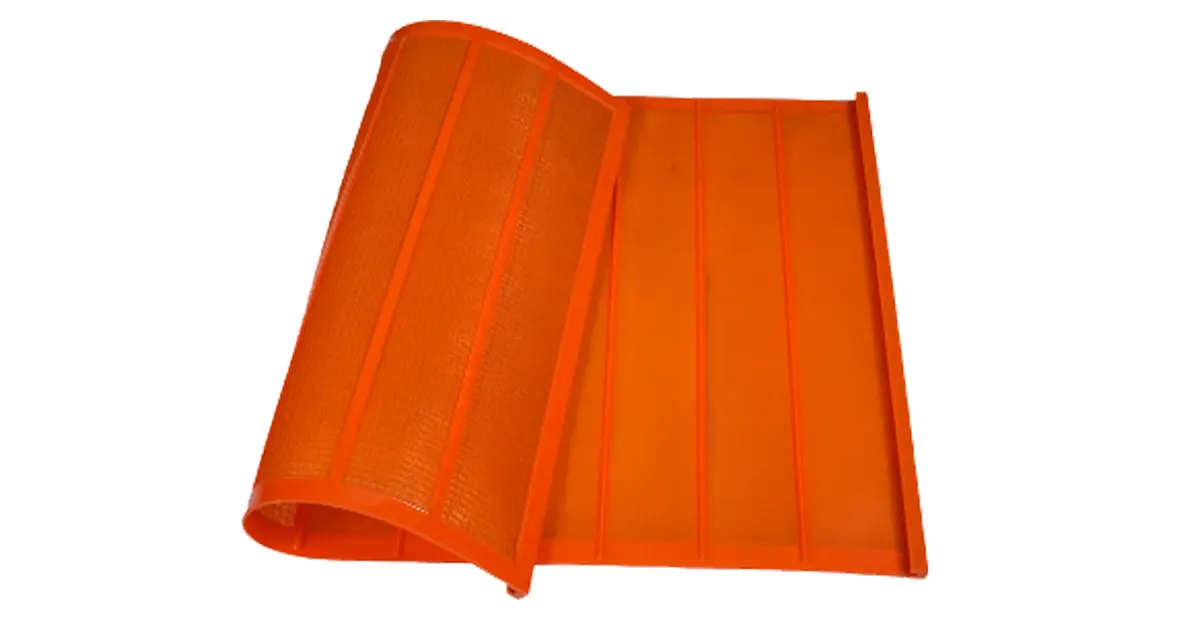
A polyurethane high frequency screen lets you separate things fast and easily. The screen is strong because it is made from special polyurethane and has metal inside. This makes it last longer and hold heavy things. You can use it to sort gold, iron ore, coal, sand, or gravel.
- You do not have to change screens often because these do not wear out or break easily.
- You save money because you do not need many repairs or stop working a lot.
- You work in a quieter place because polyurethane soaks up shaking and noise.
What is a Polyurethane High Frequency Screen? It is a better choice for people who want stronger, cleaner, and more dependable ways to process materials.
Key Takeaways
- Polyurethane high frequency screens are strong and last longer than metal screens. This means you do not have to replace them often.
- These screens help you save money because you need fewer repairs. They also cut down on downtime, so work goes faster.
- The high frequency vibration stops clogging. This makes it easier to sort wet or sticky materials without stopping.
- A modular design lets you change panels quickly. This saves time and money when you need to do maintenance.
- Picking the right screen size and type helps separate materials better. This makes sure you get the best results for your materials.
- Cleaning and taking care of the screen often can make it work better and last up to 30% longer.
- Polyurethane screens are better for the environment. They make less waste and use fewer resources than metal screens.
- Choosing custom options made for your needs can help the screen work better. This also makes sure it fits your job perfectly.
What is a Polyurethane High Frequency Screen
Definition and Core Concept
When you ask, “What is a Polyurethane High Frequency Screen,” you want to know what makes it special. This screen helps you separate materials quickly and cleanly. You use it when you need to sort things like sand, gravel, or minerals by size. The screen works with high frequency vibration, which means it shakes fast. This fast movement helps you get better results and keeps the screen from getting blocked.
You get a strong and flexible screen because it uses polyurethane. Polyurethane is a tough material that can handle heavy loads and lots of shaking. You also find metal inside the screen, which gives it extra strength. When you use a polyurethane high frequency screen, you get a tool that lasts longer and works better than regular screens.
Key Components
You might wonder what parts make up a polyurethane high frequency screen. Each part has a job that helps the screen work well for you.
| Component | Function |
|---|---|
| Screen Mesh | Separates materials by size; made from high tensile steel or polyurethane for extra durability. |
| Side Plates | Give support and stability; built from strong steel to handle vibrations. |
| Cross Members | Hold up the screen mesh and spread the load evenly; made from tough steel alloys. |
| Feed Box | Spreads material evenly across the screen; made from wear-resistant materials. |
| Rubber Buffers | Cut down on vibration and noise; protect the screen and help it last longer. |
| Vibrator | Creates the shaking needed for separation; needs regular care to keep working well. |
Polyurethane Elastomer
You see polyurethane elastomer as the main material in the screen mesh. This material is flexible and strong. It bends without breaking and stands up to wear and tear. When you use a screen with polyurethane elastomer, you get less noise and fewer problems with damage.
Steel or Metal Reinforcement
Steel or metal reinforcement sits inside the screen. You get extra support from these parts. They help the screen hold heavy loads and keep its shape. You do not have to worry about the screen bending or breaking when you use it for tough jobs.
How It Works
You might ask, “How does a polyurethane high frequency screen work for you?” The answer is simple. The screen uses high frequency vibration to shake materials. This fast shaking helps you separate things by size. You get better results because the vibration keeps sticky or wet materials from blocking the screen.
- The high frequency mechanism uses quick vibration to fight clogging, especially when you deal with wet or sticky materials.
- The elastic recovery of polyurethane creates tiny bounce effects. These help push out sticky stuff and make separation easier.
- You see about 30% fewer problems with blinding compared to regular screens. This means you keep your work moving and do not lose time.
Tip: If you want to keep your screen working well, check the vibrator often and clean the mesh. This helps you avoid downtime and keeps your results sharp.
Scientists have tested polyurethane high frequency screens. They found that these screens can keep working at high speeds and still give you clear results. Even after long use or exposure to water, the screens stay stable and reliable. You can trust them to work in tough conditions and keep your process running smoothly.
When you choose a polyurethane high frequency screen, you get a tool that helps you sort materials faster, with less trouble and more savings. You see why so many people ask, “What is a Polyurethane High Frequency Screen?” It is the smart choice for anyone who wants better performance and longer life from their equipment.
Construction and Design
Screen Mesh Structure
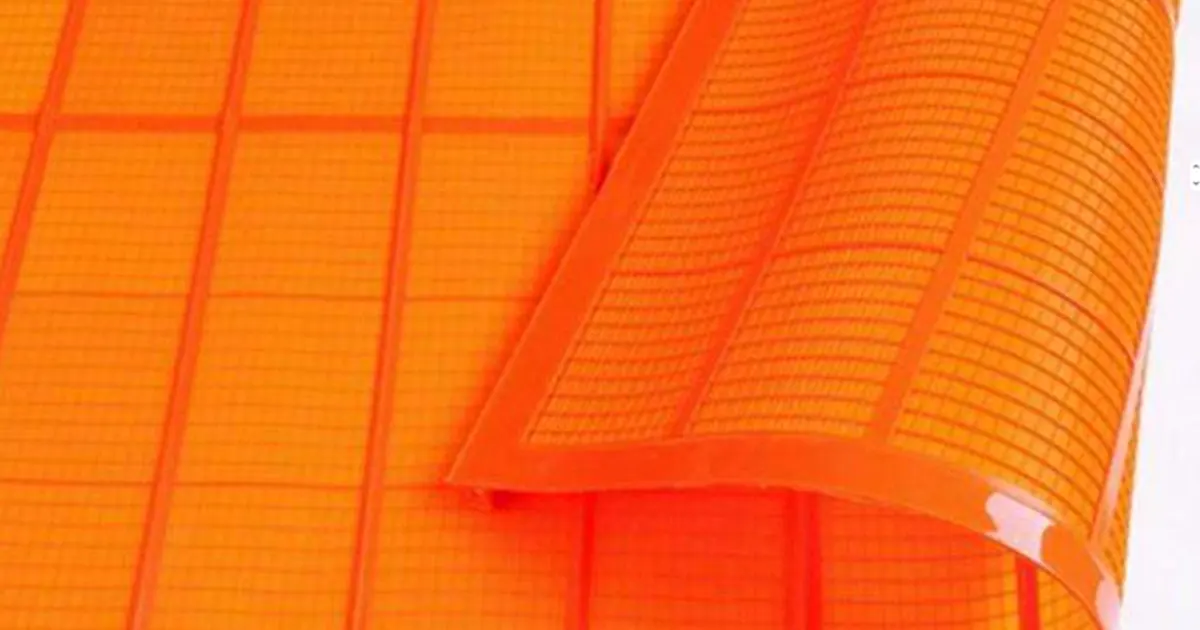
The screen mesh is designed to make work easier. It has long slots that let lots of material pass fast. This helps you sort things better and stops particles from getting stuck. The mesh has ribs that make it strong. These ribs help the screen hold heavy stuff and last longer. You can use it every day without worry.
The mesh uses a modular design. You can change panels quickly when needed. This saves you time and money. You do not have to buy a whole new screen. The buckle structure is new and simple. You do not need special tools or extra help. You just snap panels in and keep working.
| Design Feature | Benefit |
|---|---|
| Long slotted openings | Help you sort faster and better. |
| Reinforcing ribs | Make the screen stronger and last longer. |
| Modular design | Let you change panels easily and save money. |
| Novel buckle structure | Make putting in panels quick and easy. |
Tip: To help your screen last, check the mesh often. Change panels before they break.
High Opening Rate
A high opening rate means lots of open space in the screen. This lets more material go through quickly. You can sort things faster and get better results. The mesh has a big open area, so you can handle more stuff in less time. It works for many sizes, like fine sand or bigger gravel. You do not have to worry about slow work or missing pieces.
- Long slots help give the screen a high opening rate.
- You can pick shapes that fit your job.
- The screen resists wear, even with tough materials.
The mesh absorbs shocks and stays strong. You can do more work with less effort.
Prevention of Blockage
Blockage can slow you down and cost money. You want a screen that keeps working, even with sticky or wet stuff. The mesh design helps stop clogging. The mesh is elastic, so it bounces back and shakes off stuck bits. You can add cleaning tools like bouncing balls or ultrasonic cleaners. These tools knock off debris and keep the mesh clear.
Here are some smart ways to fix problems:
| Problem Description | Solution |
|---|---|
| Wet material causes blockages. | Dry the material before screening. |
| Wrong mesh for heavy stuff causes clogging. | Crush big pieces and pick the right mesh size. |
| Static makes light material stick to the screen. | Use a ground wire and add more humidity. |
| No cleaning tools means debris builds up. | Add cleaning tools like bouncing balls or ultrasonic cleaners. |
You can also use brushes that spin or air blasts. These keep your screen working without stopping. When you ask, “What is a Polyurethane High Frequency Screen,” you see smart design helps you avoid problems and keeps work smooth.
Note: Clean your screen often and pick the right mesh size. This helps stop most blockage problems.
Features and Benefits
Durability and Wear Resistance
You want a screen that stands up to tough jobs. Polyurethane high frequency screens give you that strength. The material bends without breaking and resists sharp impacts. You can use these screens for months, even years, without seeing much damage.
Check out how these screens perform in real tests:
| Test Parameter | Standard Value | Performance Benchmark |
|---|---|---|
| Dynamic Load Resistance | 106 cycles at 2 G | Less than 5% permanent deformation |
| Wet Abrasion Resistance | 500 hrs @ 50 PSI | Less than 0.8 mm material loss |
| Retention of Throughput Capacity | After 18 months | 90% retention in iron ore processing plants |
You see the difference in the field. A 12-month study found that polyether-polyol blends with controlled PDI had less than 3% aperture deformation. Standard polyester systems showed 8-12% deformation. That means you spend less time fixing screens and more time working. You can cut unscheduled downtime by up to 1,200 hours each year.
The science backs this up. When the polydispersity index (PDI) stays at 1.3 or lower, the screen holds its strength. You get a 42% boost in tear resistance, which helps when you handle sharp rocks or heavy loads.
If you compare lifespans, polyurethane screens last much longer than other types:
| Screen Type | Lifespan Comparison |
|---|---|
| Polyurethane Screens | 8-10 times longer than metal screens |
| Stainless Steel Screens | 3 times longer than stainless steel |
| Natural Rubber Screens | 3.9 times longer than natural rubber |
You do not have to ask, “What is a Polyurethane High Frequency Screen?” once you see how long it lasts. You get a screen that keeps working, even when the job gets rough.
Screening Efficiency
You want to sort materials quickly and cleanly. Polyurethane high frequency screens help you do that. The mesh design lets more material pass through, so you get faster results. The high frequency vibration shakes off sticky bits and keeps the screen clear.
Here are some ways these screens boost your efficiency:
- The mesh has a high opening rate. You can process more material in less time.
- The elastic surface bounces back, so you see fewer blockages.
- You get sharp separation, even with fine sand or wet minerals.
Tip: If you want the best results, pick the right mesh size for your job. Clean the screen often to keep throughput high.
You notice the difference in your daily work. The screen keeps moving material, so you do not lose time. You get more finished product with less effort.
Maintenance and Cost Savings
You want to save money and avoid headaches. Polyurethane high frequency screens help you do both. The panels resist wear and stay elastic, so you do not need to replace them often.
Here are some ways you save on maintenance:
- Polyurethane panels cut down on downtime. You spend less time fixing screens.
- Regular cleaning and surface treatment can boost durability and filtration efficiency by up to 30%.
- Keeping good records of maintenance helps you spot problems early and keep your process running.
Note: If you clean your screen and treat the surface, you get more life from each panel. You also avoid surprise breakdowns.
You see lower costs over time. You do not have to buy new screens as often. You spend less on repairs. Your team works more and stops less. That means more profit and less stress.
If you want a screen that lasts, works fast, and saves you money, polyurethane high frequency screens are the smart choice.
Screen Comparison
Polyurethane vs. Metal Screens
When you need to sort materials, you have choices. Polyurethane screens and metal screens are very different. Polyurethane screens are tough and last a long time. They do not wear out fast. Metal screens can rust and break from sharp rocks or strong chemicals. This means metal screens do not last as long. If you want to fix your screen less, pick polyurethane. You will save money and keep working without stopping.
Here’s a table that shows the differences:
| Feature | Polyurethane Screens | Metal Screens |
|---|---|---|
| Wear Resistance | Superior, longer service life | Prone to abrasive wear and corrosion |
| Throughput | Increases by up to 20% | Often suffers from clogging issues |
| Maintenance | Less replacement and downtime required | Frequent failures and maintenance needed |
Polyurethane screens do not clog as much. You can finish your work faster. Metal screens can get blocked, which slows you down. If you want a screen that works well for a long time, choose polyurethane.
- Polyurethane screens last longer than metal screens.
- They help you sort more material because they do not block up.
- Metal screens clog more, so they are less efficient.
Tip: If you want to spend more time working and less time fixing, use polyurethane screens.
High Frequency vs. Standard Screens
You might wonder how a Polyurethane High Frequency Screen is different from a standard screen. The main difference is speed and how well they sort. High frequency screens shake much faster. This helps them separate small pieces and keeps the screen clean.
High frequency screens are best for sorting tiny things quickly. They shake from 1500 to 9000 RPM. This breaks up sticky clumps and lets small bits fall through. Standard screens move slower. They can miss small pieces or get blocked.
Look at this table to see how they compare:
| Feature | High-Frequency Screens | Standard Screens |
|---|---|---|
| Frequency Range | 1500 to 9000 RPM | Lower than high-frequency screens |
| Separation Efficiency | Higher due to breaking surface tension | Lower efficiency |
| Material Handling | Better for fine materials | Less effective for fine materials |
| Stratification Effect | Enhanced due to vertical vibration and ‘popcorn effect’ | Limited stratification |
| Operational Angle | 0° to 45° | Typically fixed angle |
| G-force Impact | Increases exponentially with frequency | Less impact on screening capacity |
High frequency screens give you better results with fine sand or minerals. The “popcorn effect” makes materials bounce and separate faster. Standard screens are good for bigger pieces but have trouble with sticky or wet stuff.
Note: If you want to sort faster and get cleaner results, high frequency screens are the best choice.
Applications
Mining and Minerals
You work in mining or minerals? You need a screen that can handle tough jobs. Polyurethane high frequency screens fit right in. You use them to separate coal, iron ore, gold, and other minerals. The screens stand up to harsh conditions and keep working when others fail. You see them in vibrating screens and trommel screens. They help you sort different-sized particles fast. You also use them for dewatering, which means removing water from wet materials.
- Polyurethane mesh works well for screening and dewatering.
- You use it to separate coal, ore, and aggregates.
- The screens resist wear, so you do not replace them often.
- You find them in vibrating and trommel screens.
- They help you classify minerals and industrial byproducts.
Tip: If you want less downtime and more production, choose polyurethane screens for your mining site.
Aggregates and Sand
You process sand or gravel? You want a screen that sorts fast and lasts long. Polyurethane high frequency screens give you both. You use them to separate fine sand, crushed stone, or gravel. The screens handle heavy loads and keep their shape. You get sharp separation, even with wet or sticky material.
Check out how these screens perform in real tests:
| Inspection Item | Polyester Type | Polyether Type |
|---|---|---|
| Hardness/Shore A | 80±2, 85±2, 90±2, 95±2 | 90±2, 95±2 |
| Tensile Strength/MPa | ≥ 40, ≥ 43, ≥ 46, ≥ 48 | ≥ 30, ≥ 40 |
| Elongation at Break/% | ≥ 600, ≥ 580, ≥ 550, ≥ 500 | ≥ 400, ≥ 300 |
| Tear Strength/(kN/m) | ≥ 70, ≥ 75, ≥ 85, ≥ 100 | ≥ 75, ≥ 90 |
| Resilience/% | ≥ 25 | ≥ 35 |
| Relative Volume Abrasion Loss/mm³ | ≤ 60 | ≤ 40 |
You see high tensile strength and low abrasion loss. That means your screen lasts longer and sorts more material. You spend less time fixing and more time working.
Note: Pick the right type for your job. Both polyester and polyether screens offer strong performance.
Recycling and Waste
You want to make recycling easier and faster? Polyurethane high frequency screens help you do that. You use them to sort glass, plastics, metals, and other waste. The screens move material quickly and do not blind or clog. You get higher production rates and cleaner separation.
- You see high-capacity screening that boosts your output.
- The screens reduce blinding, so you sort more material with less trouble.
- You spend less on maintenance because the panels last longer.
- Compact designs save space in your recycling plant.
- Each deck separates particles well, making your process more efficient.
- Durable surfaces keep dust down, so your team stays safer.
Tip: If you want to lower costs and keep your plant running smoothly, polyurethane screens are a smart choice for recycling and waste management.
Why It Matters
Productivity Impact
You want your work to move fast and stay smooth. Polyurethane high frequency screens help you do just that. These screens use advanced technology to boost how much you can get done in a day. You see the difference right away. The screens sort materials quickly, so you spend less time waiting and more time working.
You get screens that last longer and need fewer repairs. That means you do not have to stop your machines often. You keep your team busy and your process running. Polyurethane screens handle tough jobs like dewatering, scalping, sizing, and desliming. You use them in mining, construction, food processing, and even pharmaceuticals. Their strong build lets you work in harsh places without worrying about damage.
The new way these screens are made gives you better results. You see higher performance and more finished product. The screens resist wear and keep working, even when things get rough. You save money because you do not need to buy new screens all the time. You also cut down on maintenance costs. When you use polyurethane high frequency screens, you get more work done with less trouble.
Tip: If you want to keep your process moving, check your screens often and clean them. This helps you get the most out of your equipment.
Environmental and Economic Value
You care about the planet and your bottom line. Polyurethane high frequency screens help with both. These screens last much longer than steel screens. You throw away fewer old screens, so you make less waste. You also use fewer resources because you do not need to replace screens as often.
Here’s a quick look at how polyurethane screens help the environment:
| Advantage | Description |
|---|---|
| Durability | Polyurethane screens have a 3–5x longer service life than steel screens. You reduce waste and save resources. |
| Reduced Maintenance | You replace screens less often, so you use less labor and create less material waste. |
| Energy Efficiency | Lighter screens mean your machines use less energy. You save money and help the environment. |
| Noise Reduction | Polyurethane panels lower noise by 5–10 decibels. Your workplace stays safer and quieter. |
You also see big savings in your budget. Polyurethane screens last up to 10 times longer than woven wire screens. You spend less on replacements and repairs. The flexible design keeps the screens from clogging, so you do not lose time fixing blockages. Lighter screens use less energy, which means your machines last longer and your bills go down.
| Benefit | Description |
|---|---|
| Lifespan | Polyurethane screens last up to 10 times longer. You cut costs and keep working. |
| Clogging Reduction | Flexible mesh stops clogging and blinding. You keep your process smooth. |
| Energy Efficiency | Lighter screens use less power and help your machines last longer. |
You get a cleaner, quieter, and more cost-effective operation. Polyurethane high frequency screens help you work smarter and greener. You see the results in your production numbers and your savings.
Choosing and Customizing Screens
Selection Factors
You want the best screen for your job, right? Picking the right polyurethane high frequency screen makes your work easier and faster. You need to think about a few key things before you choose.
- Material Properties: Make sure the screen matches the stuff you want to sort. If you work with sticky or wet materials, pick a screen that resists blinding.
- Screen Opening Size: The size of the holes matters. Big holes let more material through, but small holes catch finer pieces. Choose the right size to avoid clumping and get clean separation.
- Screen Media Type: Polyurethane works well for most jobs, but sometimes rubber fits better. The media type affects how long your screen lasts and how well it works.
- Operational Conditions: Think about where you use the screen. If your work area is wet or dusty, pick a screen that handles those conditions.
Tip: Always check the specs for your material and job site. The right screen saves you time and trouble.
Custom Solutions
You might need something special for your process. Custom screens help you get the best results. You can change the shape, size, and design to fit your needs.
| Customization Feature | Details |
|---|---|
| Aperture Sizes and Shapes | Pick round, square, rectangular, or trapezoidal holes. Get the shape that works best for your job. |
| Panel Thickness and Dimensions | Choose thickness from 5 mm to 50 mm. Special sizes fit different machines. |
| Modular or Tensioned Designs | Go modular for easy swaps or tensioned for tight fits. |
| Material Hardness | Adjust hardness for tough or gentle jobs. |
You can also order panels with custom shapes. Sizes range from 5.0 mm to 50 mm. If you need a special fit, you can get panels made for your equipment. Common sizes include 305305 mm and 305610 mm, but you can ask for others.
Note: Custom screens help you solve problems that standard screens cannot. You get better performance and longer life.
Working with Manufacturers
You do not have to figure this out alone. When you work with a manufacturer, you get expert help. Manufacturers know the details and can guide you to the right screen. You can share your needs, and they will suggest the best options.
- You get advice on material, size, and design.
- You can ask for samples or test panels.
- You get support for installation and maintenance.
- You can order custom screens for special jobs.
Working with a manufacturer saves you time and money. You get a screen that fits your process and lasts longer. If you want to boost your results, team up with experts who know screens inside and out.
Tip: Talk to your manufacturer about your job. The more details you share, the better your screen will fit your needs.
Conclusion
You need a screen that works hard and lasts long. Polyurethane high frequency screens do this job well. You can pick custom options for your work. These screens resist wear, so your process keeps going. The flexible design fits many types of machines. Long life means you stop less and save money. Eco-friendly screens are good for the planet.
| Industry | Common Uses |
|---|---|
| Mining & Metallurgy | Ore, coal, metal powder |
| Construction Materials | Sand, gravel, cement |
| Food Processing | Grain, starch, sugar |
| Recycling & Waste | Solid waste, resource recovery |
| Chemical Industry | Fertilizer, plastic pellets |
We are a leading manufacturer of Polyurethane High Frequency Screens and offer customized solutions tailored to your specific needs. If you’re looking for a price or have any questions, feel free to reach out. Our team is here to help you choose the ideal screen to optimize your operations!
FAQ
What makes polyurethane screens better than metal screens?
You get longer life and less noise with polyurethane screens. They resist wear and do not rust. You spend less time fixing them. Metal screens break faster and can clog more often.
Can I use polyurethane high frequency screens for wet materials?
Yes, you can. Polyurethane screens work well with wet or sticky stuff. The fast vibration helps keep the screen clear. You do not have to worry about clogging.
How do I choose the right screen size for my job?
Pick a screen with holes that match the size of what you want to sort. If you need to catch small pieces, choose smaller openings. For bigger stuff, go with larger holes.
How often should I clean my polyurethane screen?
You should check and clean your screen every day. Cleaning keeps the mesh clear and helps your screen last longer. Use brushes or air blasts for best results.
Are polyurethane screens safe for food processing?
Yes, you can use them for food. Polyurethane screens do not react with most foods. They help you sort grains, sugar, or starch safely. Always check with your supplier for food-grade options.
Can I get custom shapes or sizes for my screen?
You can order custom screens. Tell the manufacturer what size and shape you need. They will make panels that fit your machine and your job.