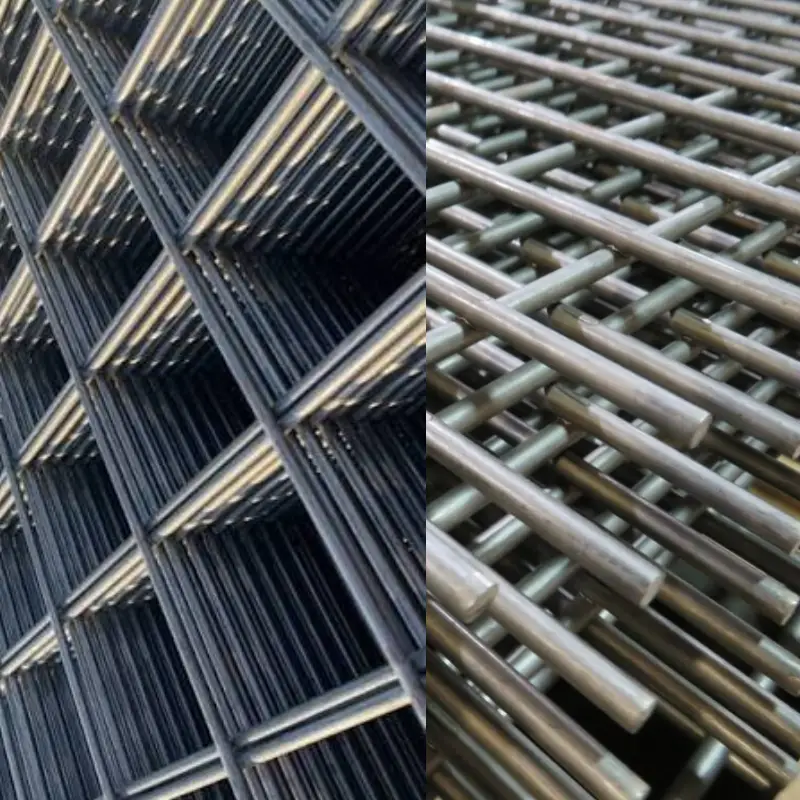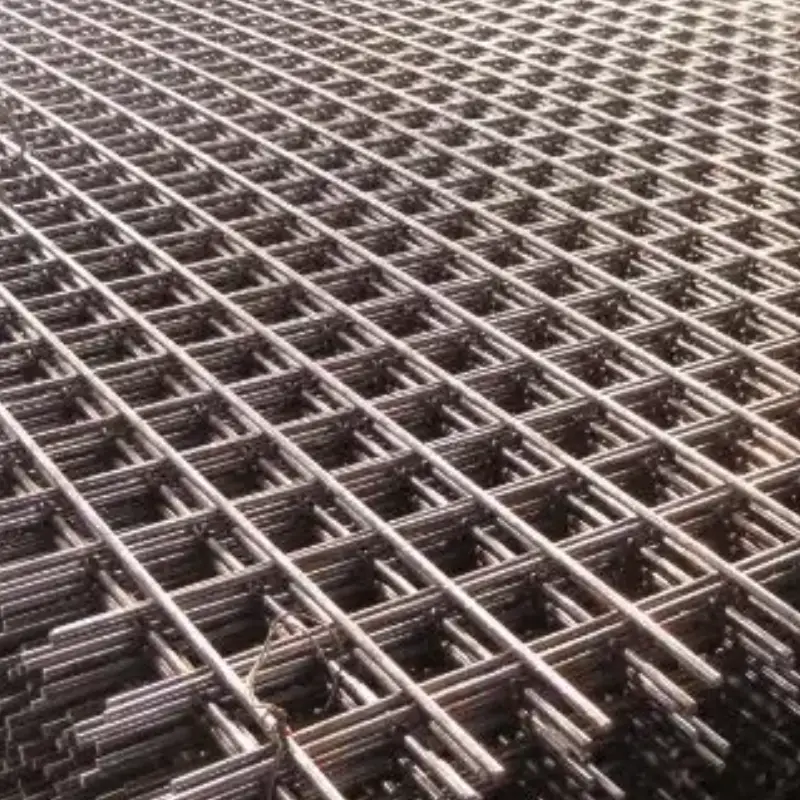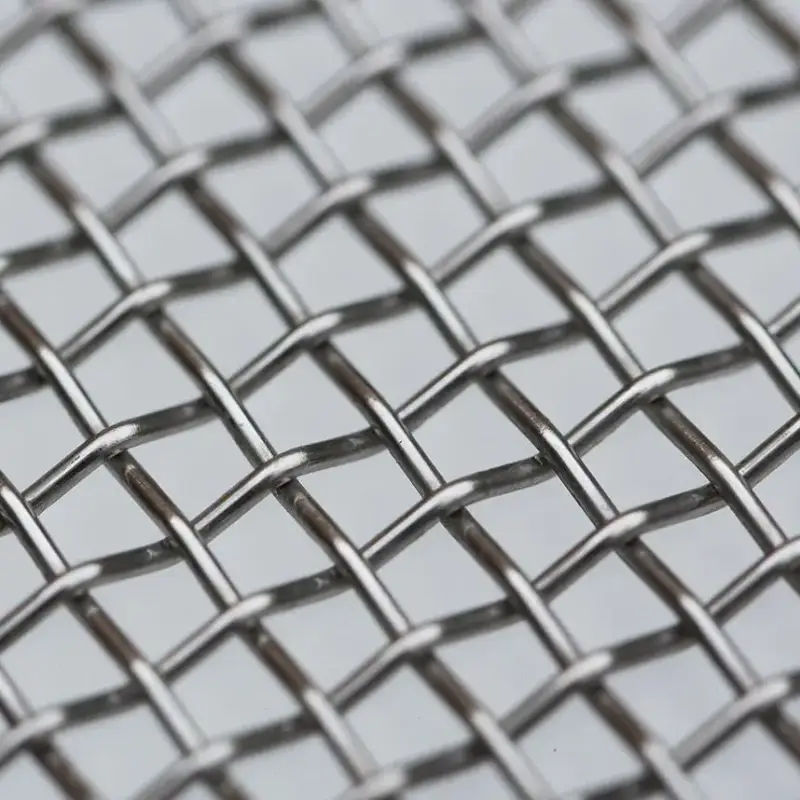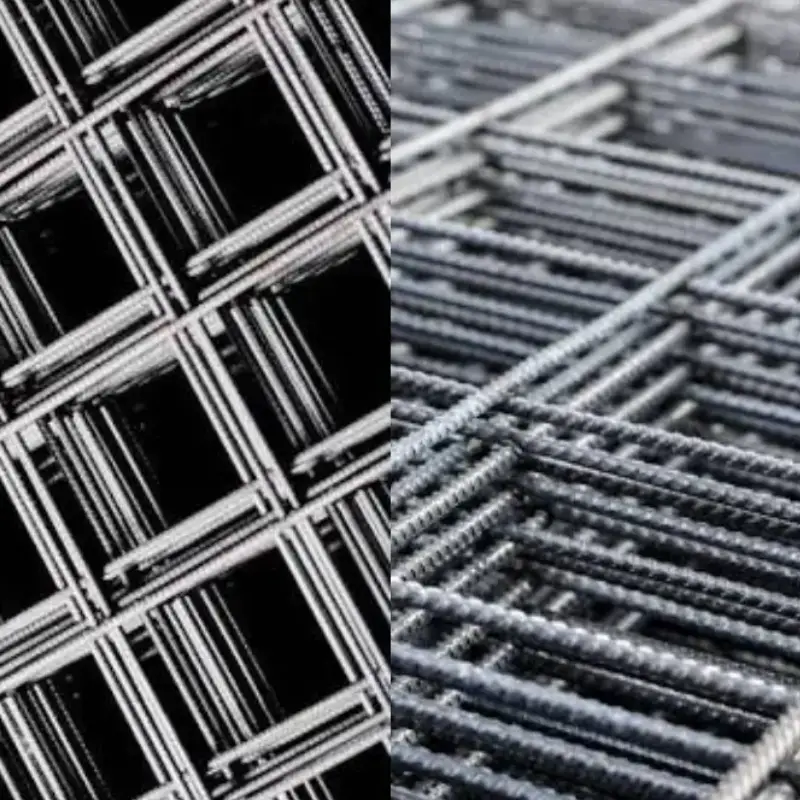
You can find woven mesh in many places at factories, particularly in various industrial applications of woven mesh. People use it for filtration, screening, safety barriers, and equipment. It is also utilized for panels and special jobs. The most common uses include water treatment, food processing, building, and cars.
Woven mesh is strong but not heavy. It is easy to shape and does not rust. It lasts a long time and is simple to clean. These qualities make it a great pick for many factory jobs, especially in the industrial applications of woven mesh.
Key Takeaways
- Woven mesh is used in many industries. These include construction, food processing, and automotive. It is strong and flexible.
- It helps with filtration and separation. It cleans water and other liquids by catching dirt and particles.
- Woven wire mesh makes mining and recycling faster and better. It sorts materials quickly and correctly.
- In material handling, woven mesh helps conveyor systems work well. It lets air flow and dries products faster.
- Safety is very important. Woven mesh is used for machine guards and fences. It keeps workers safe and protects property.
- Architects use woven mesh for building fronts and inside designs. It makes buildings safe and look nice.
- Custom woven mesh can be made for special needs. This makes sure it fits each job just right.
- Picking woven mesh means it lasts a long time. It does not need much care and saves money in many uses.
Industrial Applications of Woven Mesh
Woven wire mesh is used in many industries. You see it in cars, planes, chemical plants, food factories, and medical labs. People choose woven wire mesh because it is strong and flexible. It can be used for jobs like filtration, support, and safety barriers. Woven mesh works well for both light and heavy screening tasks.
Filtration and Separation
Woven wire mesh helps with filtration and separation. You find it in water plants, food factories, and labs. It keeps water clean by catching dirt and other things. Wire mesh filters water, fuel, and air in machines. Stainless steel woven wire mesh is good for food and medicine because it does not rust. It lasts a long time. Woven mesh laminates help separate solids and liquids faster. This saves resources. Betamesh-PLUS fabrics let water flow fast and catch more dirt. They use less energy than old mesh types. These fabrics can filter tiny particles and still let water move quickly.
Water Treatment
Woven wire mesh is used in water plants. It catches sand and other bits. This keeps water clean for drinking and washing. Wire mesh screens are easy to clean and last long.
Food and Beverage
In food factories, woven wire mesh filters liquids and separates solids. It strains juice and filters oil. It keeps unwanted bits out of drinks. Stainless steel woven wire mesh is safe for food and does not change taste.
Chemical and Pharmaceutical
Chemical plants and drug makers use woven wire mesh to filter powders, liquids, and gases. It helps keep products pure and safe. You can pick the right mesh size for each job.
Screening and Sizing
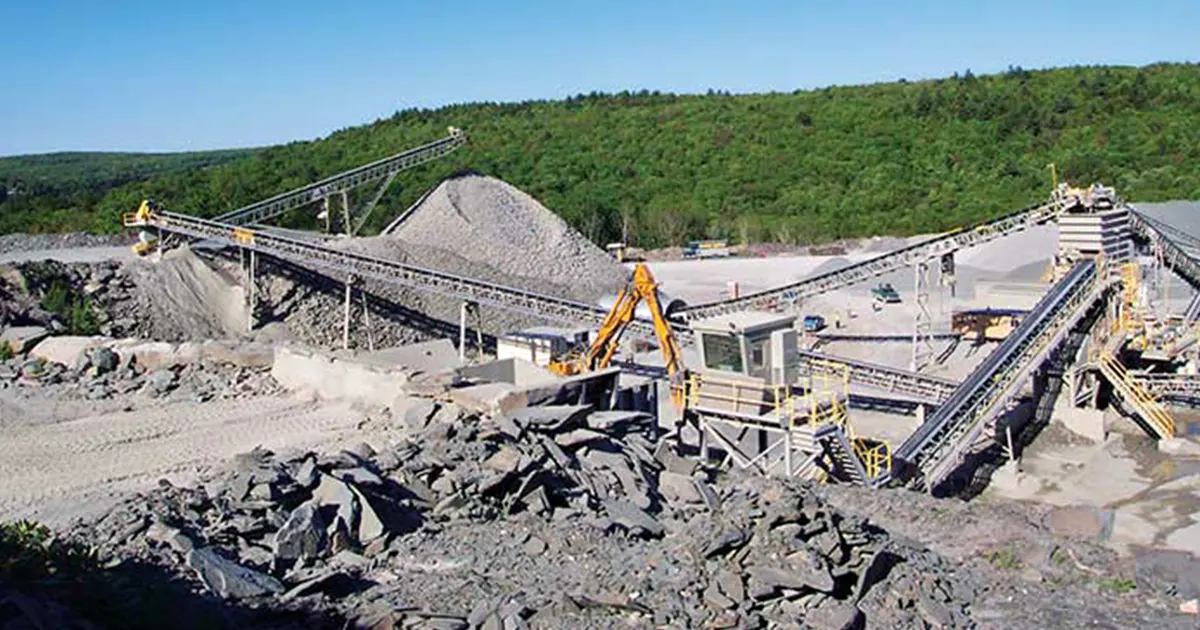
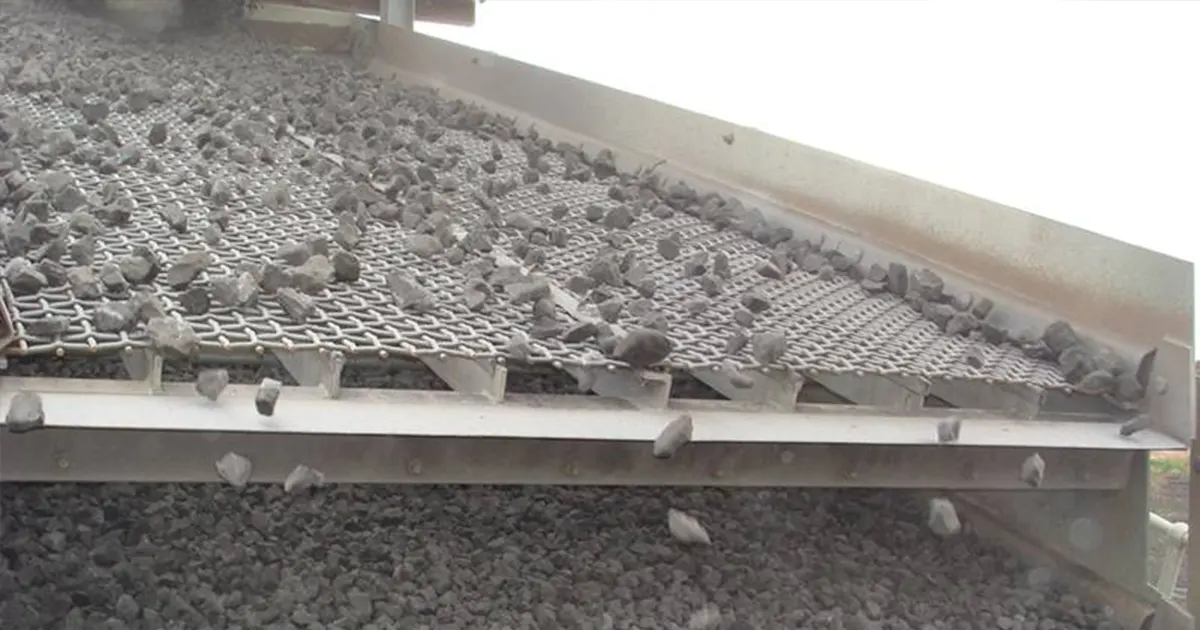
Woven wire mesh is great for screening and sizing. You see it in mining, quarry, recycling, and farming. It sorts things by size for even results. The mesh design lets things move fast and helps speed up work. Woven wire mesh lasts long, even with rough materials. You can cut and shape it for different jobs.
| Function/Benefit | Description |
|---|---|
| Screening Accuracy | Woven wire mesh sorts things by size with even openings. This gives steady sorting results. |
| Throughput and Efficiency | The mesh design lets things move quickly and boosts work speed. |
| Wear Life | Strong mesh lasts longer with tough materials. |
| Easy Installation | You can cut and shape mesh easily for different jobs. |
| Versatility | Woven wire mesh works in mining, quarry, recycling, and building. |
Mining and Quarrying
Woven wire mesh and welded wire mesh are used in mining and quarry jobs. They help sort rocks, minerals, and sand. Vibrating screens make sorting faster and more accurate. Heavy-duty screening is needed because materials are tough.
Recycling
In recycling plants, woven wire mesh and welded wire mesh sort plastics, metals, and glass. Vibrating screens separate items by size. This makes recycling faster and less wasteful.
Agriculture
Farmers use woven wire mesh and welded wire mesh to sort seeds, grains, and soil. Vibrating screens help clean and grade crops. This saves time and gives better results.
You can check woven wire mesh by mesh count, wire thickness, and weave style. Open area shows how much space is in the mesh. This affects how fast things flow through. Pore size and rating help you pick the right mesh for each job. Woven wire cloth and woven wire mesh are used in screening, quarry, and vibrating screens. Welded wire mesh and vibrating screens are also important for tough screening jobs.
Woven Wire Mesh in Material Handling
Material handling gets easier when you use woven wire mesh. You see it everywhere in factories, especially when you need to move, wash, or dry products. Woven wire mesh works well because it is strong, easy to clean, and lets air or water pass through. You can use it for belts, baskets, and trays. Let’s look at how you can use woven wire mesh in these systems.
Conveyors and Dryers
Woven wire mesh makes conveyor belts tough and reliable. You can move food, glass, metals, or ceramics without worrying about damage. The open structure of woven wire mesh lets air flow and helps with drying, cooling, or baking. You get faster results and cleaner products. Stainless steel woven wire mesh is perfect for food processing. It keeps things sanitary and does not rust. You can use woven wire mesh in washers, dryers, and cooling conveyors. This helps you keep your products safe and fresh.
Tip: Woven wire mesh in conveyors and dryers means less downtime and easier cleaning. You spend less time fixing problems and more time getting work done.
Here’s how woven wire mesh fits into material handling systems:
- You use woven wire mesh in conveyor belts to move products smoothly.
- Woven wire mesh gives you a surface that dries, cools, or bakes items quickly.
- You see woven wire mesh in drying screens and transport systems for better efficiency.
- Stainless steel woven wire mesh keeps food safe and resists corrosion.
Food Processing Belts
You need woven wire mesh for food processing belts. It helps you move bread, cookies, or vegetables through ovens and coolers. The mesh lets heat and air reach every part of the food. You get even cooking and faster cooling. Woven wire mesh does not hold onto food bits, so cleaning is easy.
Industrial Washing Systems
Woven wire mesh works great in industrial washing systems. You can wash parts, tools, or food items. The mesh lets water and soap flow through, cleaning everything well. Stainless steel woven wire mesh does not rust, so you can use it over and over.
Baskets and Trays
Woven wire mesh baskets and woven wire mesh trays help you handle products safely. You use woven wire mesh baskets to carry, wash, or dry items. The mesh lets air and water move freely, so things dry faster and stay clean. Woven wire mesh baskets protect delicate parts from scratches or dents. You can use woven wire mesh baskets in hot ovens or cold freezers. They do not bend or break easily.
Here’s a table showing why woven wire mesh baskets are a smart choice:
| Advantage | Description |
|---|---|
| Superior Airflow and Drainage | Woven wire mesh baskets allow air and water to move freely, making washing and drying easy. |
| Reduced Risk of Part Damage | Woven wire mesh baskets have smooth contact points, so parts do not get scratched or dented. |
| Resistance to Heat and Thermal Cycling | Woven wire mesh baskets work well in hot or cold places, keeping their shape. |
| Corrosion Resistance | Woven wire mesh baskets made from stainless steel do not rust or break down. |
| Customization for Specific Processes | You can change the size or shape of woven wire mesh baskets to fit your needs. |
Fry Baskets
You use woven wire mesh baskets for frying food. The mesh lets oil flow around the food, cooking it evenly. Woven wire mesh baskets are easy to clean and do not rust, so you can use them many times.
Drying Trays
Woven wire mesh trays help you dry parts, food, or chemicals. The mesh lets air move around, drying everything quickly. Woven wire mesh trays do not hold moisture, so you get better results.
Woven wire mesh and woven wire mesh baskets make your job easier. You get strong, clean, and safe tools for moving, washing, and drying products. You can trust woven wire mesh baskets to protect your items and last a long time.
Safety and Protection Uses
Woven wire mesh keeps you safe in many places. You see it around machines, on fences, and even in animal cages. It works well because it is strong, easy to see through, and hard to break. Let’s look at how you can use woven wire mesh for safety and protection.
Machine Guards and Barriers
You want to keep people safe around machines. Woven wire mesh makes great guards and barriers. It stops hands or tools from getting into dangerous spots. You can see the machine through the mesh, so you know what is happening inside. Woven wire mesh is easy to clean and does not block airflow.
Equipment Enclosures
You use woven wire mesh to build equipment enclosures. These enclosures keep workers safe from moving parts. They also stop dust and debris from flying out. Woven wire mesh lets you check on the equipment without opening the enclosure. You can trust it to last a long time, even in tough places.
Conveyor Guards
Conveyor belts move fast and can be risky. Woven wire mesh guards cover the moving parts. They keep hands and clothes away from danger. You can spot problems quickly because you can see through the mesh. Woven wire mesh guards are simple to install and fit many conveyor shapes.
Note: When you use woven wire mesh for machine guards, you need to follow safety rules. Here are some important standards:
- OSHA standards guide how you use woven wire mesh for machine guards.
- ANSI/RIA R15.06-2012 makes sure your guarding system gives enough protection.
Fencing and Security
Woven wire mesh fencing helps you protect your property. It works well for both security and safety. You can use it around buildings, storage yards, or animal areas. Woven wire mesh fencing is hard to climb or cut. It stands up to bad weather and does not rust easily.
Perimeter Fencing
You want to keep your site safe. Woven wire mesh fencing is perfect for perimeter security. It has small openings that stop people from climbing or cutting through. You can add barbed wire or razor wire for extra protection. Woven wire mesh fencing fits many places, from factories to schools.
- Wire mesh security fences have small openings that prevent climbing and cutting.
- Anti-climb features can be added to woven wire mesh fencing to stop people from getting over.
Woven wire mesh fencing is very effective in industrial and commercial settings. It lasts a long time and keeps your property safe.
Animal Cages
You can use woven wire mesh to build animal cages. The mesh keeps animals in and keeps pests out. It is strong enough for large animals and gentle enough for small ones. Woven wire mesh cages are easy to clean and let air flow through. You can see your animals and check on them anytime.
| Use Case | Why Woven Wire Mesh Works Well |
|---|---|
| Machine Guards | Stops accidents, lets you see inside |
| Fencing | Hard to climb, lasts long, resists weather |
| Animal Cages | Safe for animals, easy to clean, strong |
Woven wire mesh gives you peace of mind. You know your machines, property, and animals stay safe. You can count on woven wire mesh for many safety and protection jobs.
Architectural and Structural Applications
You see woven wire mesh everywhere in modern buildings. It’s not just for factories or fences. You can use it to make buildings safer, stronger, and more beautiful. Woven wire mesh works well as a part of your building materials because it’s tough, flexible, and looks great in many designs. Let’s check out how you can use woven wire mesh in different parts of a building.
Infill Panels and Facades
Woven wire mesh makes a big difference in infill panels and facades. You get both safety and style. The mesh comes in many patterns, colors, and finishes. You can pick a subtle look or go bold with a graphic design. Woven wire mesh infill panels keep people safe by stopping falls or blocking off dangerous spots. At the same time, they let light and air move through, so spaces feel open and bright.
Building Exteriors
You can use woven wire mesh on the outside of buildings. It protects the structure and gives it a modern look. The mesh lets fresh air in and helps with natural ventilation. You also get better lighting inside because sunlight can pass through. Woven wire mesh stands up to weather and needs little care, so it’s perfect for busy city buildings or schools.
Interior Design Elements
Inside, woven wire mesh adds texture and depth. You can use it for room dividers, wall panels, or even art pieces. The mesh creates cool shadows and patterns when light hits it. You can see it in offices, hotels, and shopping malls. It’s easy to shape and customize, so you can match any style you want.
Tip: Woven wire mesh infill panels give you safety without blocking your view. They’re great for staircases, balconies, or open spaces.
Handrails and Safety Guards
Woven wire mesh works well in handrails and safety guards. You see it on staircases, balconies, and walkways. The mesh keeps people safe by stopping falls and blocking off risky areas. It’s strong and lasts a long time, even in busy places like sports parks or zoos.
Staircase Railings
You can use woven wire mesh in staircase railings. It gives you a sturdy barrier that still looks light and open. The mesh fits well with wood, glass, or metal. You get a modern look and peace of mind, knowing the railing will hold up over time.
Balcony Guards
Balcony guards made from woven wire mesh keep you safe without making the space feel closed in. The mesh lets you enjoy the view and fresh air. It also helps stop kids or pets from slipping through. You can pick the size and pattern that fits your building best.
| Benefit | Description |
|---|---|
| Safety Feature | Woven wire mesh acts as a guardrail system for protection in public spaces. |
| Long Life Cycle | The mesh lasts for years and needs little care. |
| Sun Protection | It filters sunlight and keeps balconies cooler. |
| Quick Installation | You can set it up fast if the base is ready. |
Grills and Grates
Woven wire mesh is a smart choice for grills and grates in buildings. You see it in drain covers and ventilation grills. The mesh keeps out debris but lets water or air flow through.
Drain Covers
You can use woven wire mesh for drain covers in basements, parking lots, or sidewalks. The mesh has small openings that stop trash but let water drain away. This helps prevent clogs and keeps areas dry.
Ventilation Grills
Woven wire mesh works well in ventilation grills. It lets air move freely while blocking dust and bugs. You get better airflow in HVAC systems and less risk of blockages. The mesh is easy to clean and lasts a long time.
- Woven wire mesh grills and grates balance strength and style.
- You can use them indoors or outdoors, and they meet tough safety standards.
Woven wire mesh gives you so many options in architectural and structural applications. You get safety, style, and long-lasting performance in one package. It’s no wonder architects and builders choose woven wire mesh for so many projects.
Specialized and Commercial Uses
Woven wire mesh is used in many special jobs. It is strong, flexible, and reliable. Many industries need it for important tasks. Let’s see how woven wire mesh helps in medical, laboratory, commercial, and mining jobs.
Medical and Laboratory
Woven wire mesh is important in medical and lab work. It helps keep things safe and clean.
Centrifuge Screens
Centrifuge screens use woven wire mesh to separate liquids and solids. The mesh can handle fast spinning. It keeps samples clean and pure. It works well with strong chemicals.
Precision Filtration
Woven wire mesh filters tiny particles in labs and hospitals. It helps get clean results. Woven mesh PEEK is used in surgical meshes for medicine. It also filters chemicals and protects electronics. You use it in composite materials as support layers.
- Stainless steel welded wire mesh baskets hold medical tools.
- You use these baskets to clean glassware in labs.
- They do not rust, so everything stays clean.
Commercial Products
Woven wire mesh makes products safer and better. You see it in screens and fences for homes and animals.
Insect Screens
Woven wire mesh is great for insect screens. It bends but does not break. The mesh fits many shapes. It keeps bugs out and lasts a long time.
Animal Fences
Animal fences use woven wire mesh to keep animals safe. The mesh bends but stays strong. You can shape it for any pen or cage.
- Woven wire mesh is flexible for screens and fences.
- It takes hits and keeps its shape, so it works well in busy places.
Mining and Metals
Mining and metals jobs need woven wire mesh for safety and work speed. You see it in mines and places where minerals are taken out.
Underground Roofing
Woven wire mesh helps make mine roofs stronger. It stops rocks from falling and hurting people. The CDC says many injuries happen from weak roofs. Woven wire mesh makes mines safer.
Mineral Extraction
Woven wire mesh is tough for mineral extraction. Galvanized hardware cloth helps get minerals like diamonds. It works even in places with strong chemicals.
| Role of Woven Mesh | Description |
|---|---|
| Safety in Underground Roofing | Woven mesh makes mine roofs stronger and safer. It stops rocks from falling and hurting workers. The CDC says weak roofs cause many injuries each year. |
| Mineral Extraction | Galvanized hardware cloth helps get minerals like diamonds. It works well in tough places with strong chemicals. |
Woven wire mesh is a precise product for special and commercial jobs. It works well in labs, fences, and mining places. You can trust it to do the job right.
Custom Woven Mesh Solutions
When you need woven wire mesh for a special job, you don’t have to settle for standard options. You can get custom woven wire mesh solutions that fit your exact needs. These solutions let you pick the right material, weave, and design for your project. You get better results and save time because everything works just the way you want.
Tailored Specifications
You can choose woven wire mesh with specifications that match your industry’s demands. You might need a certain mesh count, wire diameter, or weave pattern. You can also pick materials like stainless steel, copper, or nickel. Each choice affects how your woven wire mesh performs. For example, stainless steel stands up to rust and high temperatures, while copper works well for electrical jobs.
Material and Weave Options
You have many options for woven wire mesh materials and weaves. You can select from plain weave, twill weave, or Dutch weave. Each weave changes how strong the mesh is and how well it filters. You can also pick the wire thickness and mesh opening size. This helps you control things like airflow, filtration, and strength.
Tip: If you work in a place with chemicals or high heat, pick woven wire mesh made from stainless steel or nickel. These materials last longer and keep your equipment safe.
Industry Standards Compliance
You want your woven wire mesh to meet industry standards. This means your mesh will work safely and reliably. You can ask for woven wire mesh that follows rules for food safety, chemical resistance, or filtration efficiency. Meeting these standards helps you avoid problems and keeps your business running smoothly.
Application-Specific Design
Custom woven wire mesh solutions let you design products for your exact application. You can get mesh shaped, cut, or welded to fit your equipment. You can also add frames or reinforcement for extra strength. Here are some ways you can customize woven wire mesh:
| Customization Process | Description |
|---|---|
| Slitting | Cut mesh into strips for special uses. |
| Laser Cutting | Make detailed shapes or patterns in the mesh. |
| Punching | Punch holes or shapes for unique needs. |
| Binding/Frame | Add a frame to make the mesh stronger and keep its shape. |
| Shaping | Bend or weld mesh into custom forms. |
| Spot Welding | Weld layers together for extra strength. |
| Sintering | Bond wires to boost corrosion and wear resistance. |
| Pleating | Fold mesh to increase surface area for better filtration. |
| Injection Molding | Combine mesh with molded edges for protection. |
| Custom Design | Create a mesh that matches your exact requirements. |
Prototyping
You can test your ideas with woven wire mesh prototypes. This helps you see how the mesh works before you order a large batch. You can check things like fit, strength, and filtration. If you need changes, you can adjust the design quickly.
Small Batch Production
If you only need a few pieces, you can order small batches of custom woven wire mesh. This is great for special projects or new products. You get the exact mesh you need without wasting money on extras.
Note: When you design woven wire mesh for your application, think about things like material, size, temperature, and pressure. You want your mesh to work well and last a long time.
Custom woven wire mesh solutions give you control over every detail. You get mesh that fits your job, meets standards, and works the way you want. You save time, avoid problems, and get better results.
Why Choose Woven Mesh
When you look for a material that works in tough jobs, woven wire mesh stands out. You see it everywhere, from factories to farms, and even in buildings. Let’s break down why you should pick woven wire mesh for your next project.
Key Properties
Strength and Durability
You want something that lasts. Woven wire mesh gives you that. It handles heavy loads and tough conditions without breaking or rusting. You can use it in places with high pressure or strong chemicals. The mesh keeps its shape and does not wear out quickly. If you need fencing, screens, or safety guards, woven wire mesh will not let you down. It absorbs impact and stays strong, even when other materials might bend or crack.
- Woven wire mesh resists corrosion and mechanical stress.
- It works well in harsh environments, saving you money over time.
- You get a product that keeps its strength, even after years of use.
Precision and Consistency
You need accuracy in many jobs. Woven wire mesh offers precision that helps you get the results you want. The mesh openings stay even, so you can filter, separate, or protect with confidence. You do not have to worry about gaps or weak spots. This consistency means you get steady performance every time.
Woven wire mesh gives you reliable results in filtration, screening, and safety. You can trust it for jobs where exact specifications matter.
Versatility and Value
Adaptability
Woven wire mesh fits many uses. You can shape it, cut it, or weld it to match your needs. It works in mining, agriculture, architecture, and more. You might use woven wire mesh for animal cages, crop protection, or decorative panels. The mesh adapts to both functional and stylish jobs. You can pick the size, weave, and material that works best for you.
- Woven wire mesh is customizable for different industries.
- It fits jobs in filtration, particle analysis, and building design.
- You can use it for heavy-duty screening or light decorative work.
Cost-Effectiveness
You want value for your money. Woven wire mesh gives you that. The market for woven wire mesh keeps growing, showing that more people trust it for their projects. You save money because the mesh lasts longer and needs less care. You can use woven wire mesh for fencing, safety enclosures, and reinforcement in concrete. It helps you finish jobs faster and with fewer repairs.
| Benefit | How Woven Wire Mesh Helps You Save |
|---|---|
| Long Life | Needs fewer replacements |
| Low Maintenance | Easy to clean and care for |
| Wide Use | Fits many jobs, so you buy less |
| Growing Demand | Trusted by more industries |
Woven wire mesh gives you strength, precision, and flexibility. You get a material that works in many places and saves you money. If you want something reliable and easy to use, woven wire mesh is the smart choice.
Conclusion
You can find woven wire mesh in many places. It is used on building walls, for crop protection, and in art. People choose woven wire mesh because it is strong and bends without breaking. It always works well and does not let you down. Woven wire mesh helps with filtering, keeping things safe, and making things look nice. Experts like woven wire mesh because its open weave lets light and air pass through. ANPENG is a company with more than 20 years of experience. They have ISO-certified quality and make custom woven wire mesh for mining, construction, and other jobs. You can count on woven wire mesh for hard work and creative projects.
FAQ
What is woven mesh made of?
You usually find woven mesh made from stainless steel, galvanized steel, copper, or nickel. Each material gives you different benefits like rust resistance, strength, or flexibility.
Can you use woven mesh outdoors?
Yes, you can use woven mesh outdoors. Stainless steel and galvanized mesh resist rust and weather. You get long-lasting fences, guards, and screens for outdoor spaces.
How do you clean woven mesh?
You can clean woven mesh with water, mild soap, or a brush. For tough dirt, use a pressure washer. Stainless steel mesh does not rust, so you can wash it often.
What sizes does woven mesh come in?
Woven mesh comes in many sizes. You can pick mesh with tiny openings for filtration or larger gaps for fencing. Manufacturers offer custom sizes to fit your project.
Is woven mesh safe for food contact?
Yes, stainless steel woven mesh is safe for food contact. You see it in food processing belts, fry baskets, and strainers. It does not change taste or react with food.
Can you cut or shape woven mesh yourself?
You can cut woven mesh with wire cutters or shears. For special shapes, use laser cutting or ask the manufacturer. Always wear gloves to protect your hands.
Where do you buy custom woven mesh?
You can order custom woven mesh from professional suppliers like ANPENG. They help you choose the right material, size, and weave for your needs.
Tip: Always check the mesh specifications before you buy. You want the right strength and opening size for your job.