You might not realize how much perforated plate design can change the way your screening and filtration systems work. If you pick the right plate, you boost efficiency and keep maintenance costs lower. Take a look at these points:
- Perforated plate design helps balance strength and filtration.
- The right hole size and open area keep your system running smoothly.
- Too many holes can make panels weak, but too few can slow things down.
- Custom perforated plate design fits your exact needs.
- Smart choices in perforated plate design protect your equipment and save you money.
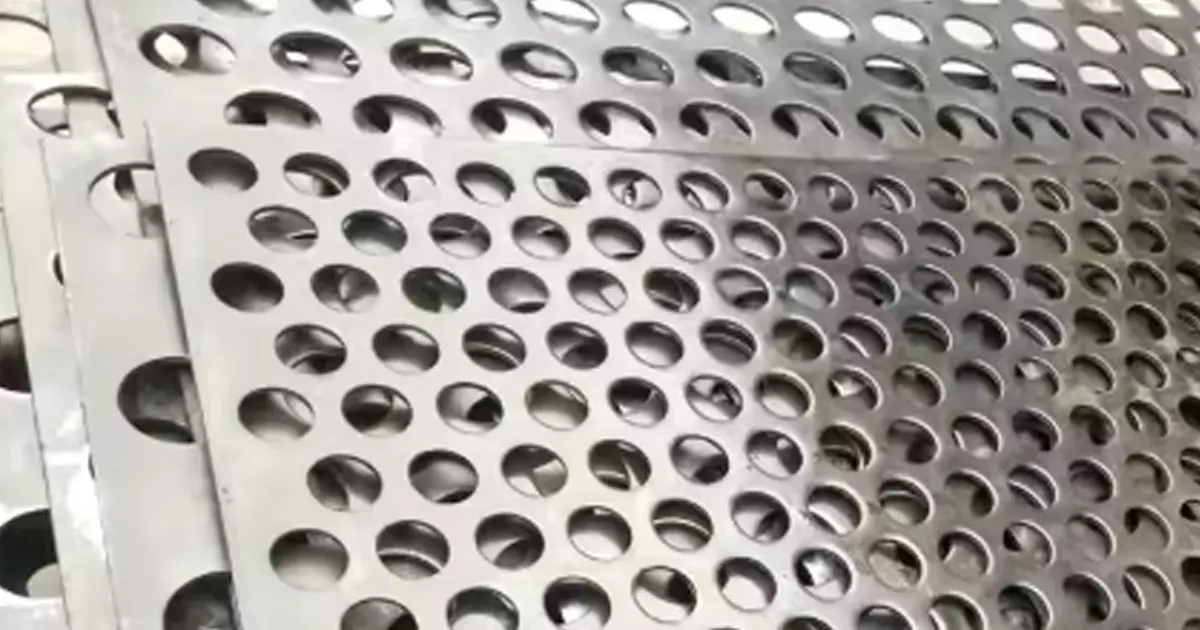
Think about these factors when you want your system to perform at its best.
Key Takeaways
- Pick the right hole size and open area. This helps filtration work better and stops clogging.
- Use strong materials like stainless steel. These last longer and do not rust in tough places.
- Think about custom perforated plate designs. These can fit your needs and make your system work better.
- Check and fix your equipment often. This stops breakdowns and keeps everyone safe.
- Make the perforated pattern fit your job. This helps things flow better and saves energy.
- Combine wire mesh with perforated plates. This makes filtration better and the plates last longer.
- Look at how thick the plate is. You need to balance strength and weight for your job.
- Make sure your perforated plate design fits your industry’s needs. This helps everything work as well as possible.
Perforated Plate Design Fundamentals
Key Elements of Plate Design
Hole Size and Open Area
When you see a perforated plate, you notice the holes. The size and space between holes decide what gets through. Small holes filter better but slow things down. Large holes let more stuff pass but may let in debris. Open area means how much space is holes. More open area can make panels weak. Less open area can clog and slow the system.
Tip: Pick hole size and open area that match your material. This helps your system work well and avoids problems.
Plate Thickness and Strength
Plate thickness is important for strength. Thick plates last longer and are stronger. Thin plates cost less but bend and wear out faster. You want panels that can handle pressure and use. A strong frame helps keep the metal stable and safe.
Here are some things to think about for good plate design:
- Use tough materials like stainless steel or high-density polyethylene.
- Make sure the frame and support are strong.
- Add cleaning tools like brushes, rakes, or water jets.
Material Choices
Steel, Stainless, and Alloys
You have many choices for perforated sheet metal. Steel is good for simple jobs. Stainless steel is strong and does not rust easily. If you work in tough places, 304 stainless steel works well. Nickel alloys are even stronger and last longer. They are good for chemicals and hard jobs. Advanced nickel alloys can handle acids and salty water.
- 304 stainless steel does not rust in hard places.
- Nickel alloys are strong and last longer in tough spots.
- Advanced nickel alloys fight acids and salty water.
Corrosion and Application Fit
Pick the right material for where you use it. Some metals work better outside. Others are best for factories or chemical plants. Here is a table to show how materials compare:
| Material | Corrosion Resistance | Suitability for Applications |
|---|---|---|
| Aluminum | High | Good for outside, handles rain and chemicals |
| Galvanized Steel | High | Works in tough places, strong and cheap |
| Stainless Steel | Very High | Used almost everywhere, strong and looks nice |
Decorative perforated metal adds style and works well. You can use it for buildings, walls, or furniture. It looks good and still filters and screens.
If you want panels to last, pick materials that fit your needs. Decorative perforated metal is good for looks and works well too.
Screening Efficiency and Plate Design
Impact of Hole Size and Shape
Throughput and Clogging
When you see a perforated plate, you may think the holes just let things through. But the size and shape of each hole are very important. Small holes catch tiny bits but slow down the flow. Big holes let more stuff move but can let in things you do not want.
The shape of the holes matters too. Some shapes help materials move better. Round holes work for most jobs. Slotted holes can help stop clogging. If you work with construction waste, the size and shape of the pieces matter a lot. Here are some things to remember:
- Small, easy-to-sieve particles move fast through the plate. This helps your screening work better.
- Large or weird-shaped particles can slow things down. They might block the holes and cause clogs.
- Spherical, cubic, or polygonal particles pass through easier than flat or rectangle ones.
- Linear things, like wires, can get stuck. You need to pick a pattern that handles these shapes to stop blockages.
To keep your system working well, match the hole size and shape to the material you use. This simple step helps things move faster and stops clogging.
Perforated Pattern Optimization
Round, Slotted, and Custom Patterns
Picking the right perforated pattern is not just about looks. The pattern you choose decides how well your system works and how much it can handle. Each pattern has its own good points. You need to match it to your job.
Here are the main types of perforated patterns:
| Perforation Type | Advantages | Applications |
|---|---|---|
| Round | Basic shape, good for many uses | General screening, basic filtration |
| Slotted | More open area, less clogging, flexible | Industrial guards, machine covers, drainage, air flow |
| Custom | Special design for your needs | Jobs needing special shapes or sizes |
Round patterns are the most common. They work for general screening and simple filtration. If you want to handle more material and stop clogging, slotted patterns are a good choice. Slotted patterns have more open space. This means more material can go through at once. They also help stop blockages, especially with sticky or stringy stuff.
Sometimes you need more than a regular pattern. Custom patterns let you make a design that fits your needs. You might need a special shape or size. Custom patterns help you solve problems that regular ones cannot.
Tip: Always match your pattern to your job. The right pattern makes your system work better, keeps it clean, and saves you time and money.
When you pick a perforated plate, think about the pattern as much as the material. The pattern controls how fast things move, how often you clean the plate, and how well your system works. If you pick the right pattern, you get better results and fewer problems.
Every choice, from hole size to pattern, changes how well your screening works. Take time to look at your material and what you need. Then pick the pattern that gives you the best mix of speed, accuracy, and dependability.
Filtration Quality and Accuracy
Precision in Particle Separation
Tolerances and Consistency
You want your system to separate particles very well. The design of your perforated plate is very important for this. How you set up the plate and the amount of open area can change how particles get separated. Even the electric field can affect this process. If you choose the right open area, particles go where you want them. This makes your collection process work better, especially in advanced systems like hybrid electrostatic filter precipitators.
Now let’s talk about tolerances and consistency. Your perforated plate must meet strict rules. If the holes are not the right size, unwanted particles can get through. Good quality keeps your filtration safe and reliable. Here are some things to watch for:
- Manufacturing tolerances can change mesh size. This might let dangerous particles pass.
- Good quality in your perforated plate keeps your filtration strong. This protects food safety and product quality.
- You should check your equipment often. Over time, wear and small changes can make your plate not work right.
Note: To meet industry rules, always check your perforated plate for accuracy and consistency. This helps you avoid mistakes and keeps your system safe.
Wire Mesh and Perforated Plate Combination
Enhanced Filtration Efficiency
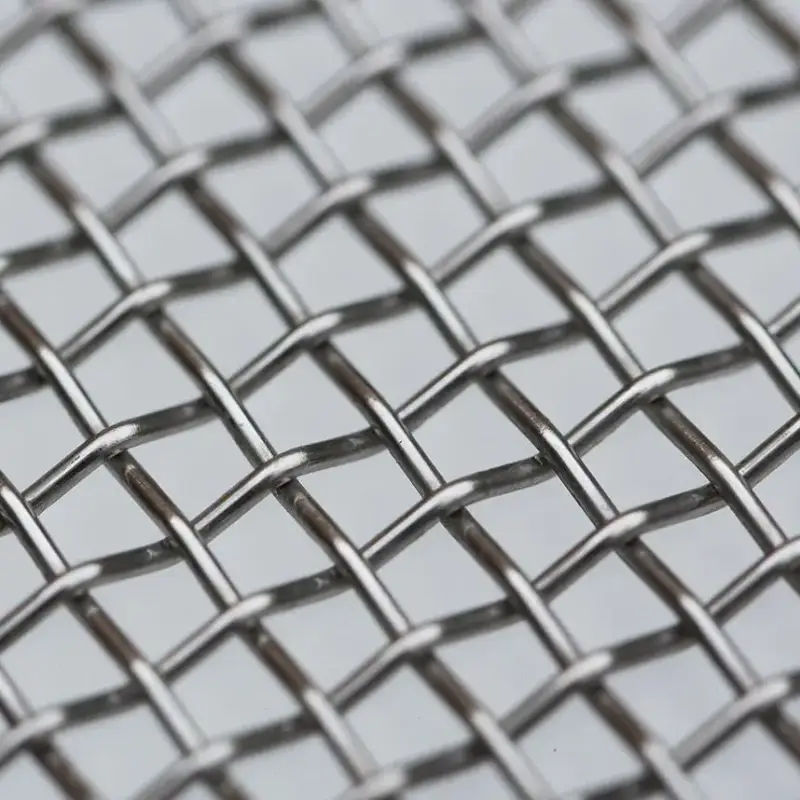
You might wonder how to make your filtration system better. Try using wire mesh with a perforated plate. This pairing gives you much better performance. The wire mesh catches smaller particles. The perforated plate holds up the mesh and stops it from bending or breaking.
Here are the benefits:
| Benefit | Description |
|---|---|
| Enhanced Filtration Efficiency | Using both lets you separate things better and get cleaner minerals. |
| Increased Durability | The perforated plate supports the mesh, so it lasts longer. |
| Lower Operational Costs | You do not have to replace or fix parts as often, so you save money. |
You get better results and spend less time fixing things. The perforated plate gives the wire mesh a strong base. You do not have to worry about it wearing out too fast. This saves you money and keeps your system working longer.
Tip: For the best filtration, use a perforated plate with wire mesh. You get cleaner results, stronger equipment, and lower costs.
When you focus on the details in your perforated plate design, your filtration system becomes safer, more accurate, and more efficient. You also meet industry rules and keep your operation running well.
Filtration and Protection in Industrial Applications
Equipment Protection
Preventing Debris and Damage
You want your machines to last a long time. Perforated plates help protect them. These plates act like shields for your equipment. They block debris and keep machines safe. When you use perforated sheets, splashes and flying bits cannot reach important parts. This keeps your workspace safer for everyone.
Here’s how perforated plates help protect:
- They block hazards from splashes and moving parts.
- You can see your equipment through the holes, so you know if something is wrong.
- Perforated plates in filtration systems keep pumps and motors safe from debris.
- In water management, perforated metal filters out dirt and trash, so your equipment stays clean.
- The precise holes catch contaminants before they cause damage.
You get more than just protection. Perforated plates help machines last longer. They act as barriers and keep airflow steady. Good airflow stops equipment from overheating. Perforated plates resist wear, rust, and chemicals. This means machines work better in tough places like factories or outdoors.
Tip: If you want your equipment to run well and avoid expensive repairs, use perforated plates for filtration and protection.
Versatility Across Industries
Wastewater, HVAC, and More
Perforated metal is used in many industries. You see these plates in wastewater treatment, HVAC systems, mining, food processing, and more. Each industry has its own needs, but perforated plates fit them all.
Check out this table to see how different industries use perforated plates:
| Industry | Unique Requirements |
|---|---|
| Mining and Quarrying | Plates must resist abrasion from rocks and sand. |
| Food and Beverage Processing | Plates need to meet hygiene standards for safe filtering. |
| Agriculture | Plates must resist corrosion from fertilizers. |
| Construction and Architecture | Plates should look good and allow airflow for building facades. |
| Chemical and Pharmaceutical | Plates need precise holes for pure filtration. |
| Automotive | Plates must be strong but light for car parts. |
| Aerospace | Plates must be safe and light for planes. |
| Energy and Power Generation | Plates need to last in harsh oil and gas environments. |
| HVAC and Ventilation | Plates balance airflow and noise control. |
| Manufacturing and Industrial Processing | Plates keep machines safe and separate materials. |
| Water Treatment | Plates must resist rust in wet places. |
| Electronics | Plates protect parts and help with airflow. |
| Pulp and Paper | Plates must handle wet, fibrous materials. |
| Recycling | Plates need to sort lots of materials and resist wear. |
| Acoustics and Entertainment | Plates reduce noise and look good in sound panels. |
You find perforated plates everywhere because they solve many problems. In wastewater plants, they filter out trash and keep pumps safe. In HVAC systems, they let air move while keeping dust out. Perforated metal also helps in recycling by sorting materials quickly.
You can trust perforated plates for both filtration and protection. They work in tough jobs and help equipment last longer. If you want a solution that fits your industry, perforated plates are a smart choice.
Durability and Maintenance Factors
Wear Resistance and Lifespan
Solid Plate vs. Mesh Sieves
When you pick a screening solution, you want it to last. Perforated plates are strong and work well for tough jobs. You see them in places like mines and factories. Heavy materials move fast and hit hard there. These plates are made from steel or other strong metals. They do not bend easily and can handle lots of wear.
Here are some reasons why people choose perforated plates for wear resistance and lifespan:
- Perforated plates are good for hard jobs and last a long time.
- You can use them when you need exact sizes for materials.
- They hold heavy loads and keep their shape.
- You can pick different hole patterns and plate thickness for your needs.
- Perforated plates are heavier and louder than other screens, but they last longer.
- Rubber or synthetic screens are quieter and bend more, but they may not last as long or let as much material through.
If you compare solid perforated plates to mesh sieves, you see some differences in cleaning and repairs. Look at this table:
| Type of Screen | Maintenance Frequency | Operational Downtime |
|---|---|---|
| Perforated Plates | Frequent shutdowns, manual cleaning | Higher downtime due to clogging |
| Wedge Wire Screens | Longer cleaning cycles | Reduced downtime |
Perforated plates are very tough, but you might need to clean them more often. Mesh sieves or wedge wire screens can go longer without cleaning, but they are not always as strong.
Ease of Cleaning and Replacement
Maintenance-Friendly Features
To keep your system working, you need to clean and change parts quickly. Perforated plates can help if you pick the right design. Some plates have modular designs or racks that pop in and out. You can take these plates out from the front in less than 30 minutes. This saves you time and effort.
Here are some features that make cleaning and replacement easier:
| Design Feature | Benefit |
|---|---|
| Dismountable filter element | You can take it out fast for quick maintenance. |
| Pop-out / pop-in modular filter racks | You get easy access and can change parts from the front. |
| Modular design of perforated plates | You need fewer spare parts, which makes things easier. |
| Adjustable cleaning brush and bi-directional spray ramp | You clean the plate better and faster. |
You want to spend less time fixing things and more time working. Perforated plates with these features help you do that. You can keep your system clean, have less downtime, and avoid big repair bills.
Tip: Pick perforated plates with easy-to-clean and replace features. You will save time, spend less money, and keep your system running well.
When you think about durability and maintenance, perforated plates give you strength and long life. If you choose the right features, you also get easy cleaning and quick replacement. This means less stress for you and better results for your business.
Cost and Operational Benefits
Energy and Process Optimization
Reducing Pressure Drop
You want your system to work well and use less energy. The way your perforated plates are made is very important. Plates with good hole shapes and patterns help air move easily. When air flows better, fans and pumps do not work as hard. This saves you money on energy bills. It also helps your equipment last longer.
A smart plate design can lower pressure loss by more than half. If you use convergent-divergent holes, you get even better results. Your system pushes air and liquids with less effort. This means cooling works better and airflow stays strong. Your filtration process also gets faster and cleaner.
Here is how perforated plate design helps your system:
| Aspect | Description |
|---|---|
| Structural Support | Makes plates strong for high pressure and fast air. |
| Flow Dynamics | Lets air and liquids move with fewer blocks. |
| Maintenance Needs | Keeps mesh layers strong, so you clean less. |
| Filtration Efficiency | Stops mesh from bending, so results stay steady. |
| Backwashing Aid | Makes cleaning easier and keeps performance high. |
You can save even more energy with special perforated electrodes. These designs stop cathode passivation and cut energy use by up to 70%. You save money and help the environment.
Lowering Downtime and Costs
Long-Term ROI
If you want your system to last and cost less, you need to lower downtime. Perforated plates help keep things running. High-quality materials like perforated aluminum resist rust and damage. They stay strong and keep airflow steady. This helps cooling work better and means fewer repairs.
New technology can make things even better. Real-time monitoring and predictive maintenance help you find problems early. Automation and robotics move materials faster and safer. Big data helps you plan and buy what you need, so you do not waste money.
Here is a table that shows how these improvements help you:
| Evidence Type | Description |
|---|---|
| IoT Integration | You watch your system live and fix problems early. |
| Automation Technologies | Robots and AI help you work faster and need fewer workers. |
| Data-Driven Decision Making | You use data to buy and plan better, so you save money. |
| Supply Chain Digitization | Digital tools keep your materials moving, even when things get tough. |
When you buy good perforated plates, you get a strong return. You spend less on repairs and replacements. Perforated aluminum can be recycled, so you help the planet. Your system works better, lasts longer, and saves you money every year.
Tip: Pick perforated plates that match your needs. You will get better airflow, higher cooling efficiency, and lower costs over time. Your equipment will last longer!
Common Design Mistakes to Avoid
Overlooking Application Needs
You might think one perforated plate works for every job. That’s not true. If you ignore your system’s needs, you can run into big problems. Every application has its own demands. You need to match the plate design to your job.
Here are some issues you can face when you don’t consider your application:
- You may see higher pressure loss. This means your pumps and fans work harder and use more energy.
- Your system might not run reliably. If the plate does not fit the job, you could get clogs or slow flow.
- Heat exchangers can lose effectiveness. If you ignore the way the plate and spacer work together, you risk poor thermal performance.
- You might miss important flow characteristics. This can lead to uneven filtering and lower efficiency.
Let’s look at a quick table to show what happens when you don’t match your perforated plate to your needs:
| Mistake | What Can Go Wrong |
|---|---|
| Wrong hole size | Clogging or letting debris through |
| Incorrect open area | Weak plates or slow flow |
| Ignoring flow characteristics | Higher energy use |
| Poor material choice | Rust or damage |
If you want your system to work well, always think about what you need. Ask yourself: What am I filtering? How much pressure does my system use? What kind of environment will the plate face? These questions help you pick the right perforated plate and keep your system safe.
Ignoring Maintenance and Quality
You might focus only on the first installation. That’s a mistake. Maintenance and quality matter just as much as the initial design. If you skip regular checks or pick low-quality plates, you risk breakdowns and safety problems.
Here’s what can happen if you ignore maintenance and quality:
- Plates can wear out fast. You’ll need to replace them more often.
- Dirt and debris can build up. This can block flow and lower filtration quality.
- Poor quality plates might bend or crack. This can cause leaks or let unwanted particles through.
- Your team’s safety can suffer. Damaged plates can break and create hazards.
Tip: Set up a regular cleaning schedule. Use plates that are easy to remove and replace. Choose high-quality perforated plates for better durability and safety.
If you want to keep your system running and protect your team, don’t ignore maintenance. Quality plates and good upkeep help you avoid costly repairs and keep everyone safe.
You have learned that a good perforated plate design helps your system work better. It makes your system more accurate and last longer. Here are some important things to remember:
| Feature | Why It Matters |
|---|---|
| Precision in hole size | Makes results correct and steady |
| Strength and durability | Handles hard work without breaking |
| Clogging prevention | Keeps your system working without stopping |
When you choose a plate, think about your job. You should also think about how strong it needs to be and what pattern is best. If you are not sure, ask an expert for help. Anpeng Wire Mesh Filter Equipment Co., Ltd. has strong screening products. They make Woven Wire Screens, Self-Cleaning Screens, and PU-Mesh Screens. These are used in mining, concrete, and recycling.
FAQ
What is a perforated plate?
A perforated plate is a sheet of metal with holes punched through it. You use it for screening, filtering, or protecting equipment. The holes can be round, slotted, or custom shapes.
How do I choose the right hole size?
You should match the hole size to the material you want to filter or screen. Small holes catch fine particles. Large holes let more material pass. Always check your system’s needs before you decide.
Which material works best for outdoor use?
Stainless steel and galvanized steel resist rust and weather. You can use aluminum for lightweight jobs. Pick a material that fits your environment and lasts longer.
Can perforated plates help prevent clogging?
Yes! You can choose slotted or custom patterns to reduce clogging. Regular cleaning and the right hole shape keep your system running smoothly.
How often should I clean my perforated plate?
You should check and clean your plate regularly. If you see buildup or slow flow, clean it right away. Some designs make cleaning easier and faster.
Are perforated plates expensive to maintain?
Not really. If you pick durable materials and easy-to-clean designs, you save money over time. You spend less on repairs and replacements.
Can I use perforated plates in food processing?
Yes, you can. Stainless steel plates meet hygiene standards and work well for food and beverage filtration. Always choose plates approved for food use.