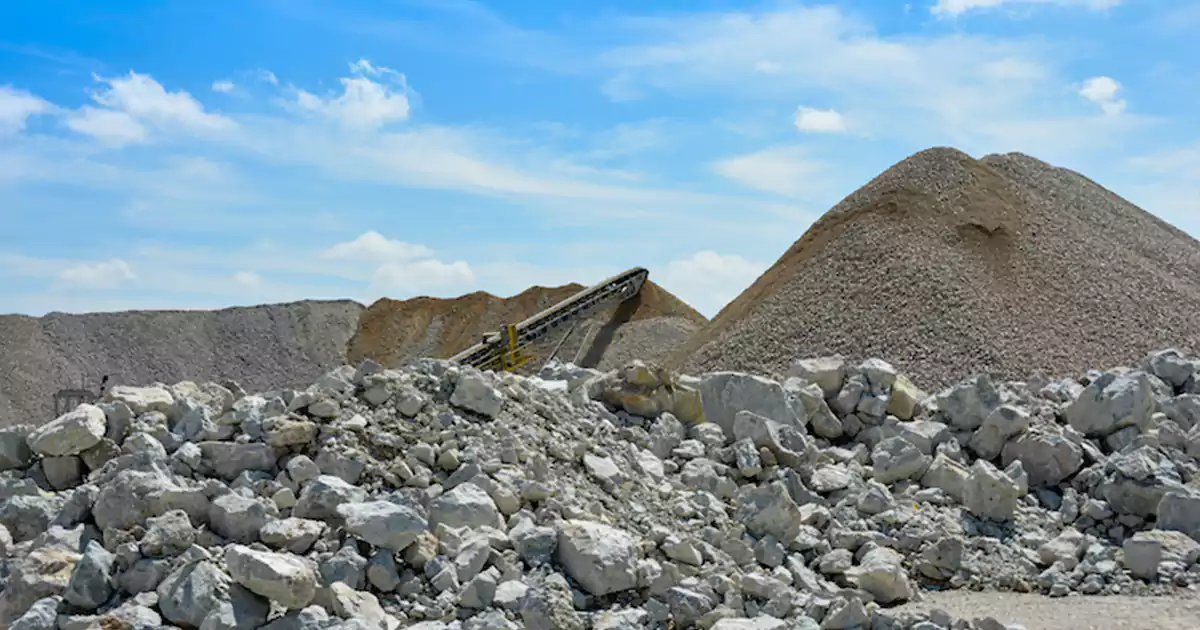
No, aggregate and screening are not the same thing. Aggregate is a mix of things like sand, gravel, or crushed stone. Screening can be a process or a fine material taken from bigger pieces. Many people wonder, “Is Aggregate the Same as Screening?” because the words sound alike. People often get mixed up on building jobs.
Knowing the difference helps you pick the right material and not make expensive mistakes.
Key Takeaways
- Aggregate is a mix of things like sand, gravel, and crushed stone.
- People use it to build strong things.
- Screening is a way to sort materials by size.
- It leaves behind small pieces called screenings.
- Picking the right aggregate is very important for your project.
- It helps make your project strong and last long.
- Screenings help make smooth surfaces under pavers.
- They are also good for landscaping.
- Always check your materials to make sure they are safe.
- This also helps you follow the rules for building.
- Aggregate can be many sizes and textures.
- Screenings are always fine and feel like powder.
- Using the wrong material can cause big problems.
- It can make your project weak and cost more money.
- Buy good screening equipment for better sorting.
- This helps you get high-quality materials.
What Is Aggregate?
Aggregate Definition
Aggregate is used in almost every building job. Aggregate means a group of things like sand, gravel, or crushed stone. These things are put together to make a strong base or structure. The American Society for Testing and Materials (ASTM) has a special meaning for aggregate. You can look at the table below to see the main ideas:
| Specification Aspect | Description |
|---|---|
| Definition | Rules for grading and quality of fine and coarse aggregates used in concrete. |
| Fine Aggregate | Made of natural sand, manufactured sand, or both, and must not have harmful organic stuff. |
| Coarse Aggregate | Made of gravel, crushed gravel, crushed stone, air-cooled blast furnace slag, or crushed hydraulic-cement concrete. |
| Testing Methods | Includes grading and fineness modulus test, organic impurities test, soundness test, and more. |
Aggregate can be found in nature or made by people. Natural aggregates come from riverbeds, quarries, or pits. Manufactured aggregates are made in factories. You can sort different kinds of aggregate by size, where they come from, shape, and how heavy they are.
Types of Aggregate
There are different types of aggregate for different jobs. The main groups are:
Coarse Aggregate
Coarse aggregate has big pieces. You use these for strong concrete and road bases. Gravel and crushed stone are good examples.
Fine Aggregate
Fine aggregate has small pieces. Sand is the most common fine aggregate. You use fine aggregate to fill spaces between big pieces and make a smooth finish.
Crushed Stone
Crushed stone is made by breaking big rocks into smaller pieces. You use it for building roads, making concrete, and drainage. Crushed stone makes things strong and steady.
Gravel
Gravel is loose and round. You find it in riverbeds or quarries. Gravel is good for driveways, paths, and as a base for roads.
Sand
Sand is tiny and grainy. You use sand in concrete, mortar, and plaster. Sand helps hold other things together.
Tip: Always pick the right kind of aggregate for your project. Picking the wrong one can make things weak or cost a lot to fix.
Aggregate Uses
Aggregate is used in many building and engineering jobs. Here are the most common ways to use it:
- Building structures: Aggregate is the main part of concrete and masonry.
- Roads: You use different kinds of aggregate for road bases and surfaces.
- Engineering projects: Bridges, tunnels, and dams need strong aggregate to stay safe.
- Railways: Track ballast uses gravel and crushed stone to keep rails in place.
- Decorative landscaping: Aggregate adds texture and color to gardens and driveways.
Aggregate is about 60%-80% of all concrete. You cannot build strong and long-lasting things without the right aggregate. Good aggregate keeps buildings safe and strong.
In the UK, aggregates are split into primary and secondary types. Primary aggregates are natural, like sand and gravel. Secondary aggregates come from recycled stuff and by-products. Using secondary aggregates helps the environment.
Different types of aggregate are important in every part of building. You must pick the right size and type for your job.
What Is Screening?
Screening Process Explained
Screening is used to sort materials by size and type. In mining and building, this step is very important. It helps you get the right material for your job. Special machines do the sorting work. Vibrating screens and trommel screens are two examples. These machines shake or spin the material. Only pieces of a certain size can pass through.
- Screening helps you take out pieces you do not want.
- You keep only the materials you need for your project.
- This makes sure your materials are safe and good quality.
- Using the right size materials keeps buildings strong and lasting.
Note: You should check and test your materials often. This helps you follow rules and avoid problems later.
What Are Screenings?
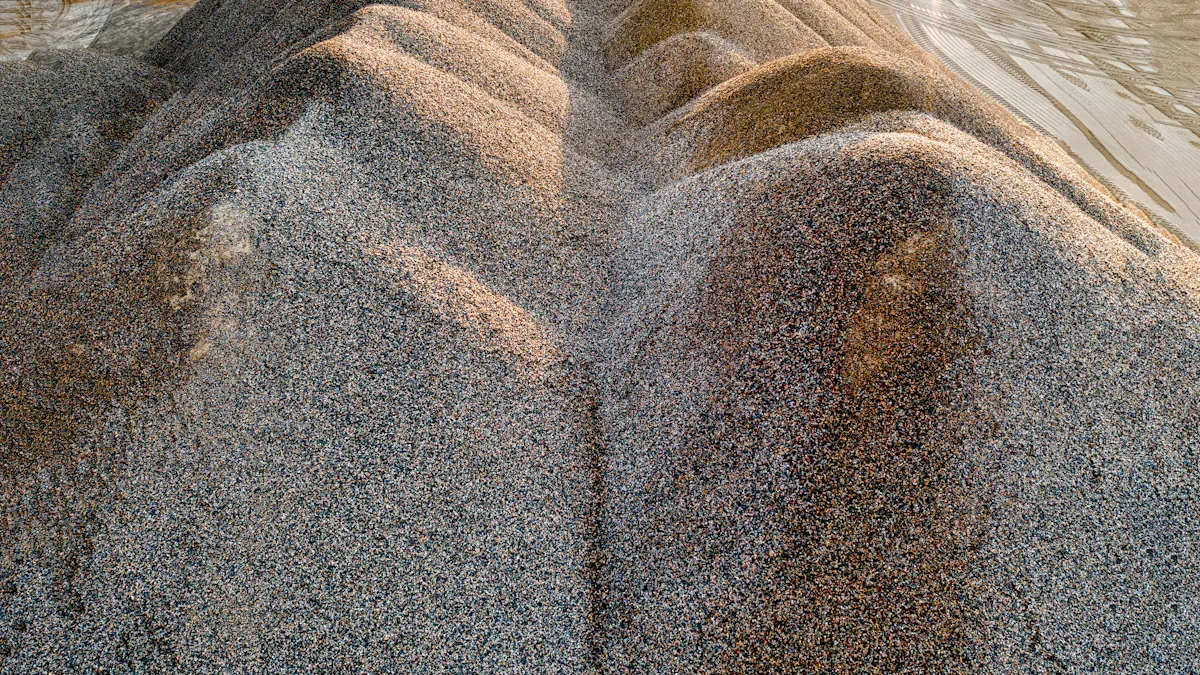
Screenings are a fine, sand-like material left after sorting bigger pieces of aggregate. You collect screenings during the screening process. You put them in separate piles. Screenings are easy to move and pick up with normal tools. They are not the same as pond fines or baghouse fines. The table below shows how screenings are different from other materials:
| Type | Description | Moisture Content |
|---|---|---|
| Screenings | Damp, silty, sand-sized material, kept in its own pile, easy to pick up with regular equipment. | 5 to 10 percent |
| Pond Fines | Taken from settling ponds, needs lots of drying, too wet to use unless treated. | 70 to 80 percent (at first) |
| Baghouse Fines | Fine, dry powder, easier to handle than screenings or pond fines. | Usually low moisture |
Screenings are useful because you can use them right away. You do not need to do much extra work.
Screening Uses
Screenings have many uses in building and landscaping. They make a strong base for roads and sidewalks. You can mix screenings with cement for mortar or concrete. In landscaping, screenings help build patios, paths, and walls. They also make nice paths that last a long time.
- Screenings are good for the base and top layer under pavers.
- They help make a tight surface that keeps water out and stops weeds.
- You can use screenings to help soil and drainage in gardens.
Tip: Using screenings gives you a smooth, stable surface. It can hold heavy things and keeps your project strong.
Is Aggregate the Same as Screening?
You might wonder if aggregate and screening are the same. Many people mix them up because their names sound alike. Both are used in building, but they are different. It is important to know how they are not the same. This helps you pick the right material for your job.
Main Differences
Material Composition
Aggregate is made from things like sand, gravel, and crushed stone. You use aggregate to build roads, concrete, and other strong things. Screening is the fine stuff left after sorting bigger pieces of aggregate. Screenings are much smaller and look like coarse sand or silt.
Aggregate has many sizes, from big stones to tiny sand. Screenings only have the smallest bits that go through screens. Because of this, each one works best for different jobs.
Size and Texture
Aggregate comes in big and small pieces. Some pieces are rough and jagged. Others are smooth and round. Screenings are always fine and powdery. They feel soft and pack together tightly.
Here is a table to show the differences:
| Feature | Aggregate | Screenings |
|---|---|---|
| Particle Size | Large to small (mixed) | Very fine (like sand or silt) |
| Texture | Rough, smooth, or jagged | Powdery, soft, and compact |
| Main Use | Concrete, road base, structures | Base layer, fill, landscaping |
Tip: Use aggregate for strong bases in concrete or roads. Use screenings for smooth layers under pavers or paths.
Applications Compared
Aggregate and screenings are used in different ways. Aggregate is for building concrete, asphalt, and roads. It makes your project strong and steady. Screenings are best for base layers under pavers, walkways, or as filler in gardens.
In engineering, aggregate screening is very important. It sorts crushed stone, sand, and gravel by size. This makes sure your materials are safe and meet the rules. You need this step to build roads, bridges, and buildings that last.
- Aggregate screenings help take out things you do not want.
- They make sure every batch has the same size pieces.
- This gives you better results and longer-lasting projects.
- Screenings are used to make concrete, asphalt, and road bases.
“Aggregate screenings are important in building. They help make concrete and asphalt and make sure these materials are good enough for the job.”
Industry Usage
Both aggregate and screenings are used in many jobs, but not the same way. Builders use aggregate for concrete, road bases, and big projects. Screenings are used more in gardens, patios, and to fill small spaces.
Industry rules tell you what size and shape your aggregate and screenings should be. Groups like ASTM and local governments make these rules. They help you build things that are safe and strong.
Rules also protect aggregate resources and help you get materials close to your work site. This saves money and helps nature. Following these rules keeps your project safe and stops mistakes.
So, aggregate and screening are not the same. Aggregate is for strength and building. Screenings are for smooth surfaces and filling spaces. Knowing the difference helps you choose the right material every time.
Aggregate Screening Equipment
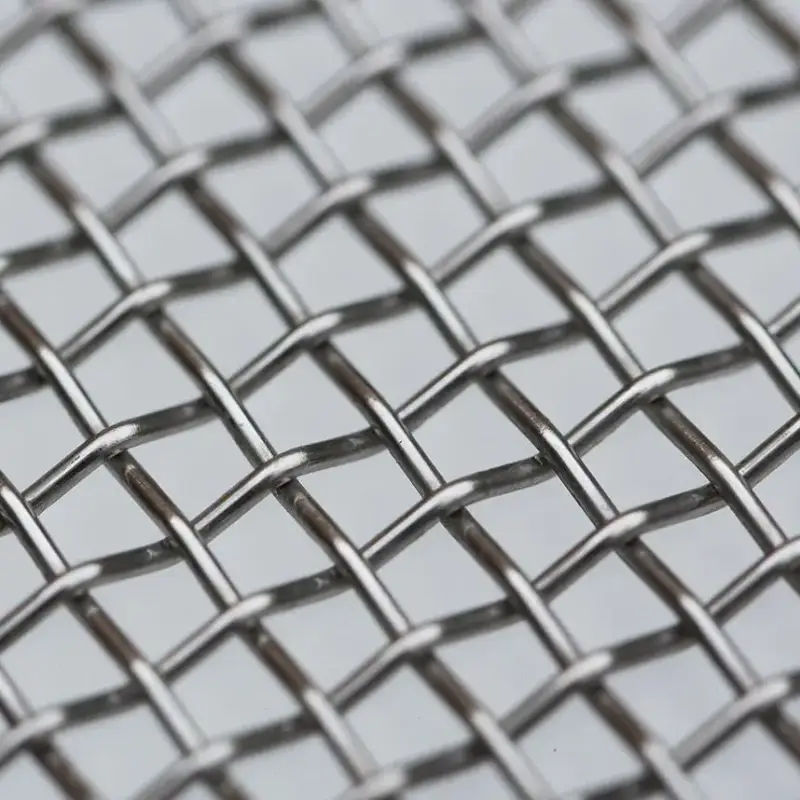
You need good aggregate screening equipment for building and mining. These machines sort aggregate by size after it is crushed. Mesh screens catch big pieces and let small ones go through. This helps you make different products for many uses. You can also use it for recycled aggregates.
Types of Aggregate Screens
Aggregate screens come in different types. Each type works best for certain jobs and materials. You should learn about the main types before you pick equipment.
Inclined Screens
Inclined screens are tilted at an angle. Gravity helps move aggregate down the screen. You use inclined screens for large, dry aggregate. They work well in quarries and sand plants. These screens handle lots of material and separate it well.
Horizontal Screens
Horizontal screens are flat. Strong vibrations move aggregate across the screen. You use horizontal screens for wet or sticky materials. These screens are good for washing or drying aggregate. They help with recycled aggregates and fine materials.
Other screens include vibrating screens, trommel screens, and grizzly screens. Each one sorts materials by size. This makes sure you get even aggregate for your project.
| Type | Motion | Best for | Typical Use |
|---|---|---|---|
| Circular | Orbital | Coarse, dry aggregates | Quarries, sand |
| Linear | Straight | Wet/sticky, finer particles | Mining, coal |
| High-Frequency | Rapid | Ultra-fine particles, dewatering | Minerals, tailings |
| Elliptical | Mixed | Variable particle sizes | Specialty processing |
How Aggregate Screens Work
Aggregate screens use shaking and movement to sort materials. The screen deck has holes of different sizes. Big pieces stay on top. Small pieces fall through the holes. Some screens have more than one deck. This lets you make several sizes at the same time.
Dewatering screens use two motors that spin in opposite ways. This makes the screen shake. Solid pieces move forward, and water drains away. You get clean, dry aggregate ready to use. The right speed and angle stop clogging and help sort materials better.
Aggregate screening equipment helps you separate different sizes. You can sort materials for more processing. This step is important for making good recycled aggregates.
Tip: Check the feed rate and bed depth on your screens. These things change how well your equipment works.
Choosing the Right Equipment
You must choose the right aggregate screening equipment for your job. Think about the type of aggregate and the size you need. Check if the material is wet or dry. Hardness and shape of the aggregate also matter. Recycled aggregates may need special machines for best results.
Here are some things to think about:
- Material hardness and what it is made of
- If you need wet or dry processing
- Feed rate and bed depth
- Size and design of screen openings
| Factor | Description |
|---|---|
| Feed rate | Steady feed helps process right and stops problems with big or tiny pieces. |
| Bed depth | How deep the material is on the screen changes how well you sort by size. |
| Screen Openings | The size and shape of openings affect how well it works and the quality of the product. |
Aggregate screening equipment lets you split a feed stream into different lines. You can make products with the exact size you want. This helps you get materials ready for the next steps.
You need good separation machines for sorting materials. The right equipment gives you high-quality aggregate and recycled aggregates every time.
How to Identify Aggregate vs. Screening
Visual and Practical Tips
You can tell aggregate and screenings apart by looking at them. Aggregate has both big and small pieces mixed together. The stones can be sharp, almost round, or very round. Some pieces look odd or thin. Others are flat or long, depending on their size. When you touch aggregate, it feels rough and hard. The pieces do not fit together tightly.
Screenings are not the same. They look fine and powdery. Screenings feel soft and smooth when you touch them. They stick together and make a tight layer. You can try a simple test. Grab a handful of each material. Aggregate falls from your hand in chunks. Screenings slip through your fingers like sand.
Tip: Always read the pile labels and ask your supplier if you are not sure. Picking the wrong material can cause trouble for your project.
Common Mistakes
It can be hard to tell aggregate and screenings apart. Many people make the same mistakes at work. Here are some common errors:
- Picking the wrong screen media. This mistake mixes up materials and makes sorting bad.
- Putting in screen media the wrong way. If you do this, the material spreads unevenly.
- Feeding too much on one side. This can break machines and slow down the job.
- Using the wrong speed or angle. This makes material bounce off or pile up.
- Not checking equipment often. Skipping checks makes things less safe and slows work.
You can stop these mistakes by following good steps. Always check your machines and teach your team. Use the right tools for each job.
Real-World Examples
At a building site, workers use aggregate for a concrete base. They pour big, rough stones into the forms. These stones make the base strong and steady. In another spot, workers use screenings under pavers. They spread the fine material to make a flat, smooth layer.
If you mix up aggregate and screenings, you can slow down your project and spend more money. For example, using screenings instead of coarse aggregate in concrete can make it weak. Picking the wrong material can also mess up blasting plans. This mistake breaks rocks the wrong way and means you need more crushing. More crushing takes extra time and costs more.
Note: Always use the right material for the job. Careful choices keep your project safe, strong, and on budget.
You now know that aggregate and screening are different things. Aggregate has gravel, sand, and crushed stone in it. Screening means sorting aggregate and the fine bits left after. You can tell aggregate by its rough feel and mixed sizes. Screening feels soft and packs tight, so it works well for base layers.
If you want good screen choices, Anpeng Wire Mesh Filter Equipment Co., Ltd. has many. You can pick woven wire screens, self-cleaning screens, or polyurethane screens. Their screens help with mining, concrete, and recycling jobs. You get custom screen designs and help at your work site to make things work better.
| Service Type | Description |
|---|---|
| End-to-end screening solutions | Full help for mining, aggregates, quarrying, and recycling to make work better. |
| Custom screen design | Special screens made for what each client needs in the aggregate field. |
| On-site support | Help at your job site to work better and save money. |
Anpeng has made screen media for over 20 years. Their factory helps customers in more than 20 countries. You can trust their screen skills for your next job. Contact Anpeng for expert screen help and keep your project going well.
FAQ
What is the main difference between aggregate and screenings?
Aggregate is used to make strong bases for roads and concrete. Screenings are tiny pieces left after sorting aggregate. Screenings are best for smooth layers under pavers or as filler in gardens.
Can you use screenings instead of aggregate in concrete?
You should not swap screenings for aggregate in concrete. Aggregate makes concrete strong and keeps its shape. Screenings do not give enough support and can make your project weak.
How do you choose the right aggregate for your project?
Look at the size, shape, and what you need it for. Coarse aggregate is good for strong bases. Fine aggregate fills spaces and makes surfaces smooth. Always pick the type that fits your project.
Are screenings safe for use in gardens and landscaping?
Yes, you can use screenings in gardens and landscaping. They help water drain and make paths stable. Screenings also block weeds and make walking easy.
What equipment do you need to separate aggregate and screenings?
You need machines like vibrating or inclined screens. These machines sort aggregate by size and collect screenings. The right equipment helps you get the material you need.
Can you recycle aggregate and screenings?
Yes, you can recycle both aggregate and screenings. Recycled aggregate is used in new concrete or road bases. Screenings from recycled sources help with gardens and fill jobs.
How do you store aggregate and screenings on a job site?
Keep aggregate in piles sorted by size. Store screenings in a dry, covered spot to keep out water and dirt. Good storage keeps your materials clean and ready to use.