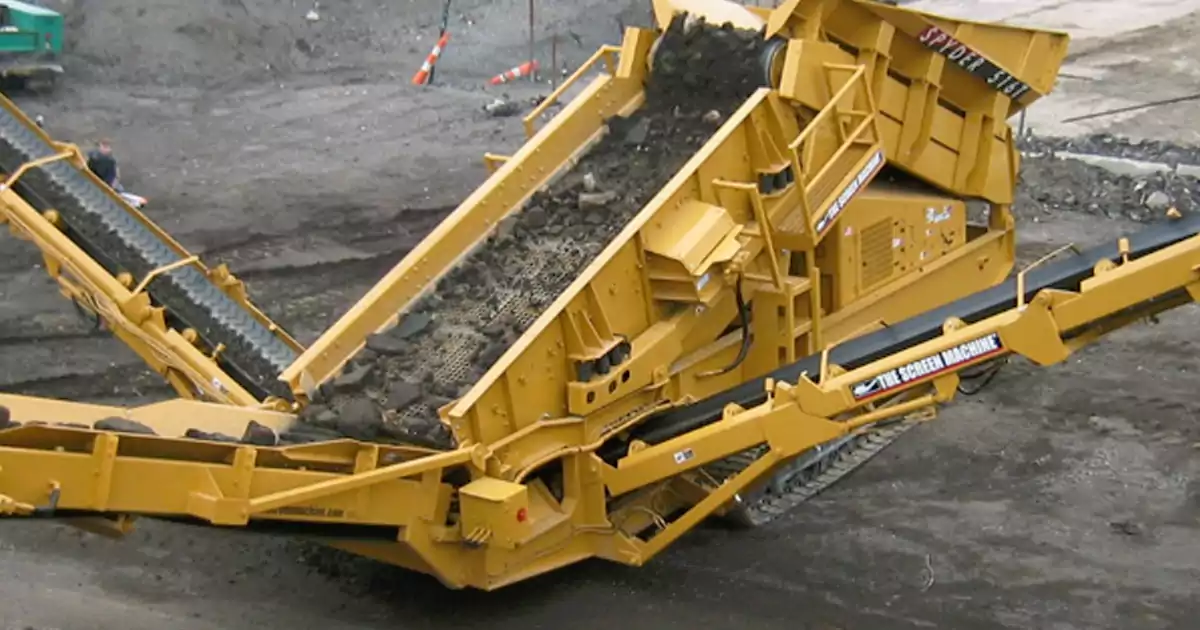
When you see a building or road, you see what aggregate mining makes. This process gives you strong, clean, and right-sized materials for building. First, you start with extraction. Then you use crushing, screening, and washing to shape the raw rock. Each step in the aggregate mining process helps keep the rock clean and safe. The quarry’s location and how you extract the rock can change the moisture and quality of the aggregates. You also use the aggregate mining process to make sure the size and mix fit your project.
The aggregate mining process affects quality by:
- Choosing the right place and way to extract
- Checking for water from nearby sources
- Keeping rock safe during extraction
- Changing size and mix for your project
Key Takeaways
- Learn about the aggregate mining process. It has steps like extraction, crushing, screening, washing, and stockpiling. These steps help make good materials for building things.
- Pick the best extraction method. Use open-pit mining for hard rocks. Use dredging for sand and gravel. This helps get good aggregates.
- Crushing is very important. It breaks big rocks into small pieces. This gets them ready for screening and washing. It makes sure the rocks are the right size for your job.
- Screening helps sort materials. Different screens separate aggregates by size. This keeps the materials even and good for building.
- Washing makes aggregates better. Cleaning removes dirt and clay. Clean aggregates are stronger and work better in concrete and asphalt.
- Watch moisture levels. Keep aggregates dry before storing them. This stops problems when mixing and helps the final product stay good.
- Check equipment often. Look at machines and steps a lot. This helps find problems early and keeps production working well.
- Automation makes things faster. Smart machines and sensors watch how things work. They find problems fast and help keep workers safe.
Aggregate Mining Process Overview
Step-by-Step Process Flow
You might wonder how a pile of rocks turns into the smooth gravel under your feet. The answer lies in a clear step-by-step process that every aggregate mining operation follows. Here’s how it usually goes:
- Quarrying and Extraction
- Transport to the Processing Plant
- Primary Crushing
- Screening and Sorting
- Secondary and Tertiary Crushing
- Final Screening and Washing
- Stockpiling and Storage
Each step builds on the last, making sure you get the right size and quality for your project.
Key Stages and Their Roles
Let’s break down what happens at each stage. This table shows you the main steps and what they do:
| Step | Description |
|---|---|
| Extraction | You dig or blast rock from the earth using open-pit mining or dredging. |
| Crushing | Big rocks get broken down into smaller pieces in several crushing machines. |
| Screening | You sort the crushed rock by size using vibrating or rotary screens. |
| Washing | Water washes away dirt and clay, making the aggregate clean. |
| Dewatering | You remove extra water so the material is ready for use or transport. |
| Stockpiling | The finished product gets stored in piles, ready for delivery. |
Tip: Each stage connects to the next. If you skip a step, you might end up with poor-quality material.
Importance for Quality Aggregates
Every stage in the aggregate mining process matters for the final product. Here’s why:
- Extraction sets the base. If you start with good rock, you get better results.
- Crushing shapes the rock and controls the size. You want less dust and more strong pieces.
- Screening sorts the material. This makes sure you get the right size for your job.
- Washing removes unwanted dirt. Clean aggregates stick better in concrete and asphalt.
- Dewatering keeps the material dry and easy to handle.
- Stockpiling protects the finished product until you need it.
When you follow each step carefully, you get strong, clean, and reliable aggregates. That’s why the step-by-step process is so important for building safe roads, bridges, and buildings.
Extraction and Transport
Extraction Methods
Quarrying
You start with quarrying and extraction when you need strong rocks for construction. In an open-pit mine, you break up large sections of earth to reach the stone underneath. You might use drills or controlled blasts to loosen the rock. This extraction process gives you big chunks of material that you can crush later. Quarrying works best for hard rocks like granite or limestone. You see these rocks in roads, bridges, and buildings.
Sand & Gravel Mining
If you need smaller materials, you focus on the extraction of sand and gravel. You find these in riverbeds, lakes, or old glacial deposits. You use machines to scoop or dredge the sand and gravel from the ground. This method is different from quarrying because the materials are already loose. Gravel extraction and processing is faster since you do not need to blast or break up solid rock. You get clean, rounded stones that work well for concrete and drainage.
Transport to Processing Plant
Heavy Machinery Used
Once you finish extraction, you need to move the materials to the next stage. You use heavy machinery to make this job easier and safer. Here are some machines you might see:
- Excavators help you dig out the raw material and remove extra dirt.
- Front-end loaders pick up the material and load it onto trucks or conveyors.
- Bulldozers push large piles of earth or level the ground before mining starts.
- Dump trucks carry the material from the site to the processing plant.
These machines work together to keep the operation moving. You save time and reduce manual labor.
Material Handling Steps
You want to keep your materials safe and clean during transport to the processing plant. You follow a few important steps:
- You load the material carefully to avoid spills or damage.
- You secure everything before moving to prevent loss.
- You watch out for traffic and rough roads, which can slow you down or cause accidents.
- You plan for bad weather, since rain or snow can make roads slippery.
- You check your equipment often to avoid breakdowns.
- You train your team so everyone knows how to stay safe.
- You inspect your machines regularly to catch problems early.
Tip: Good planning and regular checks help you deliver materials on time and keep everyone safe.
You see how each step in extraction and transport sets you up for success in the next stages. When you pay attention to details, you get better results and safer working conditions.
Crushing Stage
Crushing Purpose
You have to break big rocks into smaller pieces. This happens in the crushing stage. Here, large stones become small, usable pieces. Crushing is important because it separates good minerals from waste rock. When you crush the rocks, the next steps get easier. Smaller pieces move through screening and washing faster. You also get pieces that are all about the same size. This helps you meet what your project needs.
Crushing makes sure your aggregates are ready for the next steps.
Crushing Machines
There are different machines for crushing. Each machine works best for certain jobs and materials. Let’s see the most common types.
Jaw Crushers
Jaw crushers are used first in the process. They handle the biggest rocks. These machines use two plates to squeeze and break the stone. You can pick small, medium, or large jaw crushers.
- Small jaw crushers handle 50 to 200 tons each hour. They are good for small jobs.
- Medium jaw crushers process 200 to 500 tons each hour. They work well for quarrying and recycling.
- Large jaw crushers crush more than 500 tons each hour. You use them for big jobs.
Jaw crushers give you a steady flow of material for the next steps.
Cone & Impact Crushers
After jaw crushers, you use cone or impact crushers. These machines help you get the right size and shape.
- Cone crushers have a spinning cone inside a wall. They squeeze rocks to crush them. You get even, high-quality aggregates. Cone crushers are best for hard rocks like granite.
- Impact crushers use fast bars to smash rocks. They make finer, cube-shaped pieces and more powder. You use impact crushers for softer rocks like limestone or asphalt. They can be used in different crushing stages.
Here’s a quick comparison:
| Feature | Cone Crusher | Impact Crusher |
|---|---|---|
| Crushing Method | Compression (squeezing) | Impact (high-speed collisions) |
| Ideal Material Hardness | Hard, abrasive (granite, basalt) | Soft to medium-hard (limestone, asphalt) |
| Primary or Secondary? | Usually secondary or tertiary | Can handle primary and secondary crushing |
| Product Shape | Uniform, high-quality aggregates | Finer, cubical shape, more powder produced |
| Wear Part Lifespan | Longer-lasting wear parts | Shorter lifespan; wear parts replaced more often |
| Cost (Initial Investment) | Higher upfront cost | Lower upfront cost |
| Maintenance Requirements | Complex maintenance, costlier wear parts | Easier maintenance, frequent replacements |
| Machine Weight | Heavier 15-50 tons | Lighter 10-30 tons |
| Machine Price | $200,000 – $600,000 | $150,000 – $450,000 |
| Product Size | Avg. Discharge ¾” | Avg. Discharge 1.25” |
| DUST Creation | Avg. Low Dust | Avg. High Dust |
| DUTY Factor | Continuous Severe Duty | Continuous Med-Heavy Duty |
You choose the crusher that fits your material and goals.
VSI Crushers
VSI crushers help shape the final product. You use them when you want very fine or cube-shaped aggregates. VSI crushers use fast rotors to throw rocks at hard surfaces. This breaks the rocks into smaller pieces. You use VSI crushers for making sand or special shapes.
| Type of Crusher | Typical Throughput Capacity (tph) | Description |
|---|---|---|
| Mega-Slam™ HSI | N/A | Used as a primary crusher for large feed sizes. |
| Grand-Slam™ HSI | N/A | Functions as a secondary crusher for a variety of materials. |
| V-Slam Impactor VSI | N/A | Used for final particle shaping and can handle coarse to fine crushing. |
Key Settings
You need to check some settings to get the best results. These settings change how much you crush and the size of your product.
Feed Size
Feed size is the size of rocks you put in the crusher. If the rocks are too big, you can hurt the machine or slow things down. Match the feed size to your crusher’s design. For example, a 20 x 30-inch opening handles more tons per hour than a 10 x 16-inch opening. Bigger openings mean faster work.
| Crusher Opening Size | Tons per Hour (TPH) | Efficiency Impact |
|---|---|---|
| 20 X 30 | High | Optimized for higher throughput |
| 10 X 16 | Lower | Reduced material handling capacity |
| 10 X 19 | Moderate | Intermediate throughput efficiency |
Closed Side Setting
The closed side setting (CSS) is the gap between the plates or jaws when closed. You change this gap to control the size of the crushed rock. A small gap gives you finer pieces. A big gap lets you crush bigger pieces. Check the CSS often to keep things running well.
- Check the closed-side setting often to get the best results.
- Change the gap between jaw plates to control size.
Fines Content
Fines are tiny bits made during crushing. Too many fines can slow things down and clog screens. You want the right amount of fines for your project. If you see too much dust, change your crusher settings or use another machine. Feeding the crusher the right way helps you make more and control fines.
- Feed the crusher the right way to get more done.
- Do not crush rocks that are too big for the machine.
Tip: Watch your feed size, CSS, and fines to keep things running smoothly.
Common Crushing Issues
Crushing rocks sounds simple, but you can run into problems if you are not careful. These issues can slow down your work or even damage your machines. Let’s look at the most common crushing problems and how you can fix them.
| Common Issue | How You Can Fix It |
|---|---|
| Oversized feed | Improve your drilling and blasting to keep big rocks out of the crusher cavity. |
| Lack of regular inspections | Check your crusher and its parts often to catch problems before they get worse. |
| Wear part degradation | Replace worn parts on a schedule to keep your crusher working at its best. |
Oversized Feed
Sometimes, rocks that are too big end up in the crusher. This can block the machine and stop everything. You can fix this by making sure your drilling and blasting break the rock into smaller pieces. If you see big chunks, stop and clear them out before they cause trouble.
Tip: Always check the size of your feed before you start the crusher. It saves you time and money.
Lack of Regular Inspections
If you skip inspections, you might miss signs of trouble. Small cracks or loose bolts can turn into big problems fast. You should check your crusher and all its parts often. Look for anything that seems off—strange noises, shaking, or leaks. Regular checks help you spot issues early.
Wear Part Degradation
Crushers have parts that wear out, like jaw plates or liners. If you wait too long to replace them, your machine will not work well. You might see more dust, uneven rocks, or even damage to the crusher. Set a schedule for checking and changing these parts. This keeps your operation smooth and safe.
Note: Keeping spare parts on hand means you can fix things fast and avoid long delays.
Other Issues to Watch For
- Too much dust: Adjust your settings or use water sprays to keep dust down.
- Blocked discharge: Make sure nothing is blocking the exit so rocks can flow out easily.
- Vibration or noise: These can mean something is loose or broken. Stop and check right away.
You can avoid most crushing problems with good habits. Watch your feed size, check your machines, and replace worn parts on time. When you do this, you keep your crushing stage running strong and steady.
Screening Stage
Screening Purpose
You want your aggregates to meet strict standards. The screening stage helps you do that. Screening sorts crushed stone, sand, and gravel into exact sizes. This step makes sure every batch matches what engineers and builders need.
- Screening gives you consistent quality.
- You get clean materials, free from unwanted dust or clay.
- The process makes your aggregates safe for roads, bridges, and buildings.
- You can sell your products with confidence because they meet industry rules.
Screening also saves you time. Machines do the sorting much faster and better than people ever could. You get reliable results every time.
Tip: Good screening means fewer problems later. You avoid delays and costly rework on your construction site.
Screen Types
You have many choices when it comes to screening equipment. Each type works best for certain jobs and materials. Let’s look at the most common options.
| Type of Screen | Advantages |
|---|---|
| Vibrating Screening Machines | High efficiency, works with many materials, separates by size and weight. |
| Stationary Screening Machines | Handles large, heavy materials, great for removing big rocks (scalping). |
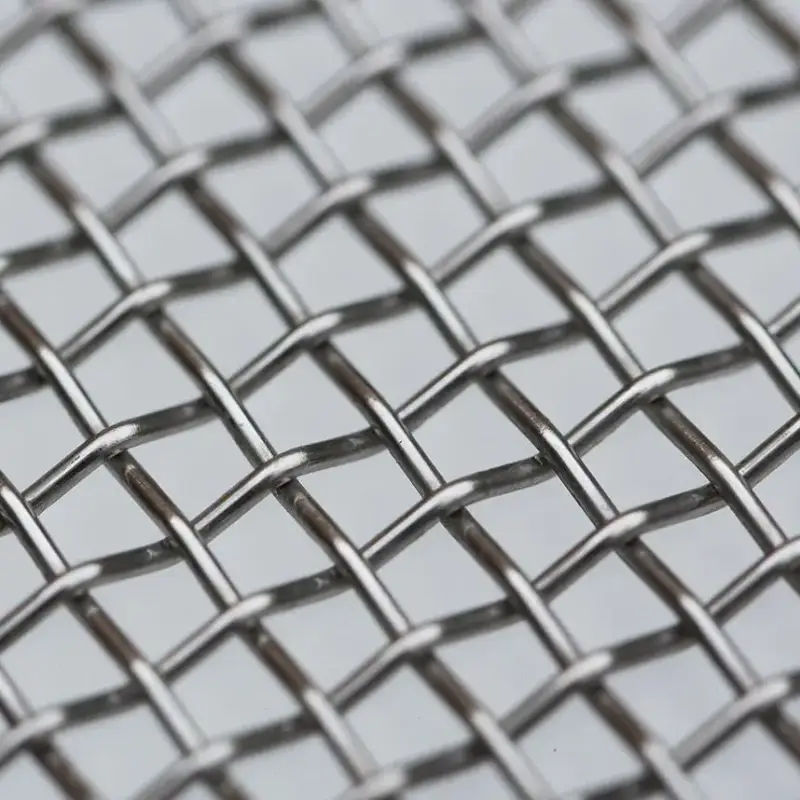
| Woven Wire Screen Cloth | Most popular, affordable, easy to swap out, but wears out faster. |
| Rubber Screen Panels | Tough for heavy, rough materials, lasts longer, costs more. |
| Polyurethane Screen Media | Best for wet or sticky materials, flexible, resists plugging, long-lasting. |
You can mix and match these screens to fit your needs. Some screens work better for wet jobs, while others handle sharp, heavy rocks. You pick what works for your plant and your material.
Vibrating Screens
Vibrating screens are the workhorses of the screening world. You see them in almost every aggregate plant. These machines shake back and forth, moving material across a mesh or panel. The shaking helps small pieces fall through the holes while bigger pieces move along the top.
- Vibrating screens sort material by size and weight.
- They handle wet or dry aggregates.
- You can adjust the speed and angle to get the best results.
You get high efficiency and fast sorting with vibrating screens. They keep your operation moving and help you hit your production targets.
Scalping & High-Frequency Screens
Sometimes, you need to remove big chunks before the main screening. That’s where scalping screens come in. These screens sit at the start of the process. They catch oversized rocks and keep them out of your main equipment.
- Scalping screens protect your machines from damage.
- They make sure only the right-sized material moves forward.
High-frequency screens work a little differently. They vibrate much faster and use smaller openings. You use them when you need to separate fine sand or tiny particles.
- High-frequency screens give you very clean, precise products.
- They work best for special jobs, like making asphalt sand or concrete fines.
Note: Using the right screen type boosts your efficiency and cuts down on extra work later.
Screening Variables
You can fine-tune your screening process by adjusting a few key variables. These settings help you get the most out of your equipment and keep your aggregates on spec.
- The size, shape, and moisture of your material matter a lot.
- The right screen and setup can boost your efficiency by up to 2%. That means more product and less waste.
- Even small changes in your settings can make a big difference in how much you produce each week.
Aperture & Deck Angle
Aperture means the size of the holes in your screen. You pick the right size based on what you want to keep and what you want to let through.
- Small apertures catch fine material.
- Large apertures let bigger pieces pass.
Deck angle is the tilt of your screen. A steeper angle moves material faster but gives less time for sorting. A flatter angle slows things down and helps with tricky materials.
- Adjust the deck angle to match your material and your goals.
- Check your results often and tweak as needed.
Stroke & Speed
Stroke is how far the screen moves with each shake. Speed is how fast it vibrates. Both settings change how well your screen works.
- A longer stroke helps move heavy or wet material.
- A shorter stroke works better for dry, light material.
- Faster speed can help with fine particles but may cause blinding if you go too fast.
You want to balance stroke and speed for your material. Watch your output and make small changes until you see the best results.
Tip: Test different settings on your screen. Small tweaks can lead to big gains in efficiency and product quality.
By understanding and adjusting these variables, you keep your screening stage running smoothly. You get clean, consistent aggregates ready for the next step.
Screening Problems & Solutions
You might think screening is simple, but you can run into a lot of problems in a gravel pit. If you want your aggregates to meet the right size and quality, you need to spot these issues early. Here are some common problems you might see in a gravel pit and how you can fix them:
- Sometimes, you use the wrong screen or equipment for the job. This can lead to poor sizing. Always match your screen media to the size you want in your gravel pit.
- Overloading the feedbox happens a lot. When you put too much material in at once, the screen can’t do its job. Check the feedbox often in your gravel pit and make sure you use the right mesh size.
- If particles move too slowly or get stuck, you might need to adjust the vibration. Change the frequency or direction to help material move better in your gravel pit.
- The angle of your screen matters. If it’s too flat or too steep, you lose efficiency. Set the right inclination for your gravel pit to get the best results.
- Plugging and blinding can stop your screen from working. Pick the right screen media to reduce wear and keep material flowing in your gravel pit.
- Dirt and buildup can block your screens. Clean your equipment often in your gravel pit to avoid blockages and keep things running.
- Machines can break down if you don’t check them. Audit your machinery in your gravel pit on a regular schedule to catch problems before they get big.
Tip: If you keep up with these checks and fixes, you’ll see better results and less downtime in your gravel pit.
Quick Checklist
You want to keep your screening operation in top shape, especially in a busy gravel pit. Use this quick checklist to spot trouble before it slows you down:
| Key Indicator | Description |
|---|---|
| Vibration | Watch for changes in vibration frequency. |
| Temperature | Check for hot spots in machine parts. |
| Rotation | Make sure all parts spin at the right speed. |
| Oil Level | Look for enough oil to keep things moving smoothly. |
| Electrical Conditions | Test the electrical systems for steady performance. |
If you check these things every day in your gravel pit, you’ll catch most problems early. You’ll keep your screening stage running strong and your aggregates ready for the next step.
Washing and Classification
When Washing Is Needed
You might ask why aggregates need washing. Washing does more than make rocks look clean. It helps your materials work better in concrete and asphalt. Here are some reasons to wash aggregates:
- Washing takes away things like silt and clay. These can make concrete and asphalt weaker.
- If you do not wash, bad stuff can stop the materials from sticking together.
- Clean aggregates meet tough rules for building projects.
- Washed aggregates help stop problems like cracks and bad curing.
- You get stronger and longer-lasting materials, which makes your building better.
Aggregate washing plants clean and sort your materials. They get rid of things you do not want and make sure your aggregates match what you need.
Washing Equipment
You can pick from different washing machines. Each one works best for certain jobs and materials. Here are the most common types.
Spray Bars & Log Washers
Spray bars use water jets to wash dirt and clay off aggregates. You see them above screens or conveyors. They give a quick rinse and help keep dust down.
Log washers clean deeper. They use spinning paddles to scrub gravel and crushed stone. Log washers are good for tough jobs with sticky clay or heavy soil. They can clean stones up to three inches wide. They scrub lightly to remove clay and dust. You can put rocks two to three inches across in them.
Here is a chart showing how much each washer can clean:
| Equipment Type | Capacity |
|---|---|
| Large Aggregate Washer | Up to 15lb (7kg) |
| Small Aggregate Washer | Up to 8lb (3.6kg) |
These washers use steel drums for steady cleaning. Big pieces go over a sieve so you do not lose good aggregates. These machines are easy to move and work well.
Sand Screws & Hydrocyclones
Sand screws help separate sand from water. They spin slowly and push clean sand up a slope. Water and tiny bits flow away. Sand screws make sure your sand is clean and ready.
Hydrocyclones use swirling water to split fine and coarse particles. They work quickly and can clean a lot at once. You use hydrocyclones to take out very fine silt or clay.
Both sand screws and hydrocyclones have many choices for washing aggregates. They scrub and clean well, making your job easier.
Washing and Screening Connection
Washing and screening work together. Washing takes out things that can block screens or lower quality. Clean aggregates move through screens faster and better. Machines like log washers and blade mills make screening about 15% more efficient. You get more good material and less waste.
Washing and screening together make sure your aggregates are the right size and clean. You get a product that is great for building and lasts longer.
Common Washing Issues
You might think washing aggregates is easy, but you can run into a lot of problems. If you want clean, strong materials for your project, you need to watch out for these common washing issues.
Here are some problems you might face:
- Sometimes, you get dirty deposits that just won’t come clean with one wash. You may need to wash the material two or three times before it meets your standards.
- If your feed material has a lot of fines—tiny particles like silt or clay—washing gets harder. When fines go over 12%, you need extra steps to clean everything properly.
- Mud and clay can stick to your aggregates. This makes it tough for water to wash them away. You need special equipment, like sand screws or hydrocyclones, to scrub out these stubborn bits.
- Stone powder can build up in your final product. Too much powder makes your aggregates weak. You have to adjust your screens and washing machines to control how much powder stays in the mix.
Tip: If you see dirty or muddy aggregates after washing, don’t ignore it. Run the material through your washers again or use extra cleaning tools.
How do you fix these washing issues?
You can take a few smart steps to keep your aggregates clean and ready for use.
- Check your raw material before you start. Make sure the mining layer is free from big chunks of mud or other junk. This helps you avoid problems later.
- Control mud content at the source. Use special cleaning machines and keep an eye on your feed. If you spot too much mud, slow down and clean it out before washing.
- Watch the stone powder levels. Adjust your screens and washing settings so you don’t end up with too much powder in your final product.
Here’s a quick table to help you spot and solve washing problems:
| Problem | What You See | How to Fix It |
|---|---|---|
| Dirty deposits | Muddy, sticky aggregates | Double or triple washing, use log washers |
| High fines content | Cloudy wash water | Add sand screws or hydrocyclones |
| Too much stone powder | Dusty final product | Adjust screens, slow down washing |
| Mud sticking to rocks | Clumps after washing | Use specialized cleaning equipment |
You can avoid most washing issues if you pay attention to your equipment and your material. Check your aggregates after each wash. If they still look dirty, run them through again. Don’t rush the process. Clean aggregates help you build strong roads, bridges, and buildings.
Note: Good washing means fewer problems later. You save time, money, and headaches by catching issues early.
Dewatering and Stockpiling
Dewatering Screens
You want your aggregates dry before storage. Dewatering screens help with this job. These machines shake and drain water from sand and fine materials. After using a dewatering screen, moisture drops to about 9-10%. Sometimes, it can go as low as 7% for some materials. If you process fine sand or coal, moisture might be 12-15%. Lower moisture makes it easier to move and store aggregates. Less water also means better quality for building and mixing.
Tip: Dewatering screens help you avoid wet, messy piles and make aggregates easier to use.
Stockpile Management
You need good stockpile management to keep aggregates clean. If you skip these steps, you can get dirty or mixed-up materials. Here are some ways to manage your stockpiles:
- Keep fine and coarse aggregates apart to stop mixing.
- Store materials on paved or hard ground to keep out dirt.
- Cover piles when possible to control moisture and block rain.
- Use different machines for each material to stop mixing.
- Build piles on clean, strong bases to avoid soil mixing in.
- Limit people and machines near piles to lower contamination risk.
- Drop material from low heights to stop it from separating.
- Use blending tools, like paddlewheels, to mix and keep materials even.
- Load from piles in a careful way for more even batches.
Note: Good stockpile management saves time and helps you avoid fixing mistakes later.
Moisture Considerations
Moisture in aggregates can change quickly. Rain, sun, and wind all change how wet your materials are. If you do not check moisture, your concrete might crack or not set right. You should check moisture often and change your process if needed.
- Knowing moisture helps you use water, chemicals, and additives the right way.
- You stop adding too much or too little water, which can ruin your mix.
- You help your final product last longer and work better.
- You lower the chance of having to fix or throw away bad mixes.
- You make sure your concrete meets the rules for building.
Storing aggregates the right way helps keep moisture steady. When you store them with the right moisture, they stay good and ready for building.
Tip: Always check moisture before mixing. Even small changes can really affect your final product.
Quality Control in Aggregate Production
Gradation Checks
You want your construction aggregate to meet strict size requirements. Gradation checks help you make sure every batch fits the job. You follow a step-by-step process to test your material:
- Take a sample from your stockpile, conveyor, or truck.
- Mix the sample well and split it into a smaller amount for testing.
- Dry the sample until it stops losing weight.
- If you need to wash it, cover the sample with water and stir. This separates fine dust from larger pieces.
- Keep washing until the water runs clear.
- Dry the washed sample again.
- Use a set of sieves to sort the material by size.
You compare your results to the project’s standards. If your construction aggregate does not match, you adjust your process. Gradation checks help you avoid weak concrete or uneven asphalt. You get peace of mind knowing your material will hold up under heavy loads.
Tip: Test your construction aggregate often. Regular checks catch problems before they reach the job site.
Cleanliness Standards
Clean construction aggregate is key for strong roads and buildings. You need to keep out things like clay, dust, and plant bits. These can make your concrete or asphalt crack and fail. Here’s what you look for:
- No clay lumps or soft, breakable pieces.
- No extra dust or fine dirt.
- No roots, leaves, or other plant material.
You wash and dry your samples to spot clay and weak pieces. If you find too much, you know your construction aggregate needs more cleaning. Most rules say you can have no more than 1% clay or soft particles by weight. You also use the sand-equivalent test to check for harmful dust or clay.
Note: Clean construction aggregate means fewer repairs and longer-lasting projects.
Process Adjustments
You do not stop at testing. You use your results to make smart changes. If your gradation is off, you adjust your screens or crushers. If you see too much dust, you add more washing or slow down the process. You might change how you store or move your construction aggregate to keep it clean.
Here’s a quick table to help you decide what to do:
| Problem Found | What You Can Change |
|---|---|
| Too many fines | Adjust washing, slow feed |
| Oversized pieces | Change crusher settings |
| Dirty material | Add more washing steps |
| Mixed sizes | Check and fix screen setup |
You keep your eye on every step. When you spot a problem, you fix it fast. This keeps your construction aggregate on spec and your customers happy.
Tip: Small changes in your process can make a big difference in quality.
Automation Role
You might wonder how you can keep your aggregate mining process running smoothly every day. Automation gives you the tools to do just that. With smart machines and sensors, you can watch over your whole operation without standing next to every piece of equipment. This means you catch problems early and fix them before they get big.
Let’s look at how automation helps you keep quality high and your site safe:
| Evidence Type | Description |
|---|---|
| Pump and Valve Automation | Automating pumps and valves makes your work faster and safer. You do not need to turn knobs by hand. This helps you handle tough slurries and sharp rocks without risking injury. |
| Water Quality Monitoring | Sensors check water quality all the time. You know right away if water gets dirty or unsafe. This helps you follow the rules and reuse water, which protects the land and helps with rehabilitation later. |
| Data Logging and Remote Monitoring | Computers collect data from your machines. You can see how everything works in real time, even from far away. This helps you spot slowdowns, plan repairs, and keep your team safe. |
You can use automation to track every step, from crushing to washing. If a screen gets blocked or a pump slows down, you get an alert. You do not have to guess what is wrong. You can fix it fast and keep your aggregates on spec.
Automation also helps you with site rehabilitation. When you finish mining, you need to return the land to a safe and healthy state. Automated water checks make sure you do not leave behind dirty ponds or streams. Data logs show you where you need to clean up or plant new trees. This makes site rehabilitation easier and helps you follow the law.
You also save money and time. Machines do the hard work, so you can focus on planning and safety. You do not need as many people on the ground, which lowers the risk of accidents. Automation helps you keep your promises to the community and the environment.
Tip: Start small with automation. Add sensors to your pumps or screens. Watch how much easier your job gets. Over time, you can add more smart tools to help with both daily work and future rehabilitation.
You can see that automation is not just about machines. It is about making your site safer, cleaner, and ready for the next chapter after mining ends.
Conclusion
You play a key role in the aggregate mining process. Each step matters for quality. Check out this table:
| Step | Why It Matters |
|---|---|
| Extraction | You get the best raw materials with good techniques. |
| Processing | You crush, screen, and wash to meet project specs. |
| Distribution | You deliver clean, strong aggregates on time. |
| Utilization | You use the right materials for safe, lasting construction. |
- Well-planned training helps your team work better.
- The right equipment saves money and boosts results.
- Learning more keeps your product top-notch.
Want better aggregates? Review your process or talk with an expert today!
FAQ
What is aggregate mining?
You dig up rocks, sand, or gravel from the ground. You crush, screen, and wash them. You use these materials to build roads, bridges, and buildings.
Why do you wash aggregates?
You wash aggregates to remove dirt, clay, and dust. Clean materials stick better in concrete and asphalt. You get stronger, longer-lasting roads and buildings.
How do you know if your aggregates are the right size?
You use screens with different hole sizes. You check the material after screening. If the pieces fit your project’s needs, you’re good to go.
What machines do you use for crushing?
You use jaw crushers, cone crushers, impact crushers, and VSI crushers. Each machine breaks rocks in a different way. You pick the right one for your job.
Can you reuse water in the washing process?
Yes! You can clean and reuse water with special equipment. This saves money and helps protect the environment.
What problems can happen during screening?
You might see blocked screens, too much dust, or uneven sizes. You fix these by cleaning screens, adjusting settings, or changing the screen type.
How do you keep aggregates dry before storage?
You use dewatering screens to shake out water. You store aggregates on clean ground and cover them when possible. Dry materials are easier to use.