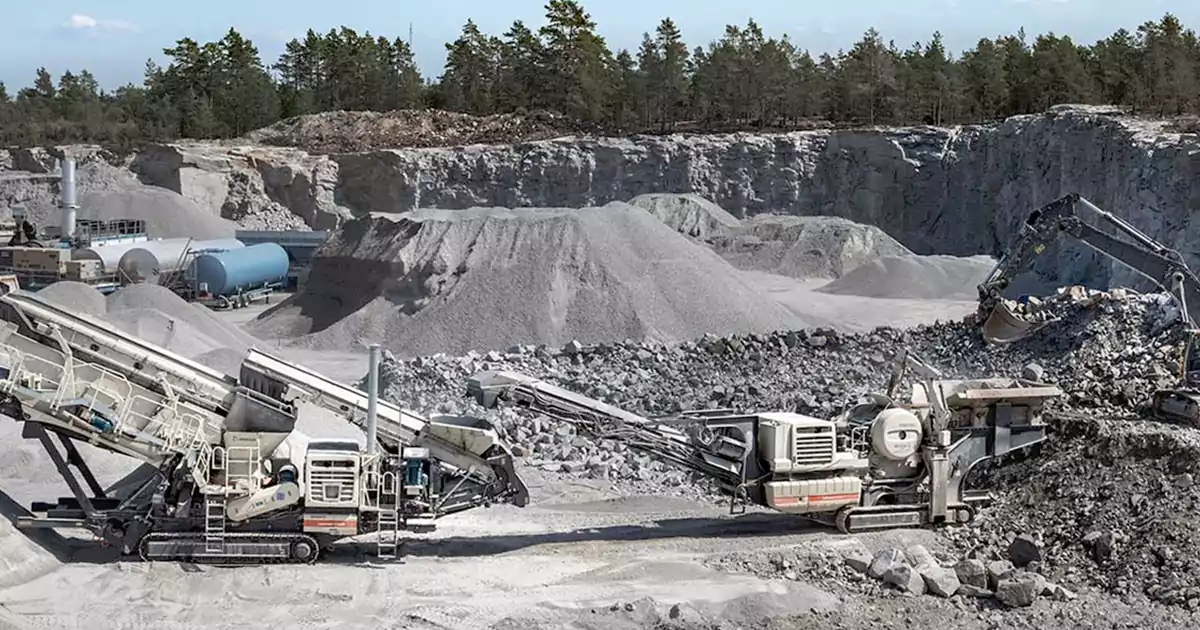
You use aggregate equipment every day on construction sites. It helps you process, move, sort, and carry things like sand, gravel, and stone. So, what is aggregate equipment? It is big machines and tools that help you work with these materials fast and safely. You need this equipment to make concrete. Concrete is important for building strong things. Aggregates are important in every project. The right machines help you work faster. They keep your team safe. They also help you save money on workers.
Key Takeaways
- Aggregate equipment helps process sand, gravel, and stone.
- It makes building projects quicker and safer.
- The right machines make better aggregates.
- This leads to stronger concrete and tougher buildings.
- Daily checks and oiling keep equipment working well.
- This stops expensive problems.
- There are many types of aggregate equipment.
- Feeders, crushers, and screens all do special jobs.
- They help workers get more done.
- Dust and water systems keep the work area safe.
- They also help follow rules.
- Picking the right equipment is important.
- You need to think about the material and the site.
- This can save time and money.
- Workers must learn how to use equipment safely.
- This stops accidents and helps work go well.
- Talking to equipment experts is helpful.
- They can help you choose the best machines.
- This makes the whole plant work better.
What Is Aggregate Equipment?
You may ask, what is aggregate equipment and why is it on every construction site? Aggregate equipment means all the big machines and tools used to handle things like sand, gravel, and stone. These machines help you get the right size and type of materials for your job. Using the right machines makes your work faster, safer, and saves money.
Key Functions
Aggregate equipment does more than just move rocks. It does many important jobs to keep your site working well.
Processing Raw Materials
You start with raw materials like basalt, limestone, granite, quartzite, sandstone, blast furnace slag, and recycled concrete aggregate. These materials are hard and come in many shapes and sizes. Aggregate equipment breaks them down and cleans them so you can use them.
Here’s how the process usually goes:
- Crushing: Crushers break big rocks into smaller pieces. Jaw or hammer crushers do the first step, making large stones into coarse aggregates.
- Secondary Crushing: Then, fine crushers make the pieces even smaller.
- Screening: After crushing, screens sort the materials by size. Only the right sizes move on.
- Washing: Sometimes, you need to wash the materials. Washing takes away dirt and other things you don’t want, making your aggregates cleaner and better.
Tip: Clean and well-sized aggregates make your concrete stronger and last longer.
You can see that the quality of your aggregates changes your final product. Look at this table:
| Aggregate Quality | Impact on Concrete Performance |
|---|---|
| High-Quality | Increases strength and durability |
| Low-Quality | Decreases performance and longevity |
When you use crushers and screeners, you make your aggregate materials better. Better quality means your concrete will be stronger and your buildings will last longer.
Transporting Aggregates
After you process your materials, you need to move them around. Aggregate equipment makes this easy. Conveyors, loaders, and trucks help you move aggregates from place to place fast.
- You can move a lot of material quickly.
- You keep your team safe by not lifting heavy things.
- You save money because machines do the hard work.
Aggregate equipment makes sure you always have the right materials where you need them. This keeps your projects on time and helps you avoid delays.
Note: When you use the right equipment, you work faster and keep your team safe.
So, what is aggregate equipment? It is the main part of your material processing. It helps you turn raw rocks into the best materials for concrete and other building needs. With the right machines, you get better results, save time, and build stronger things.
Aggregate Equipment Types
You see many types of aggregate equipment on a job site. Each machine has a special job. When you know how these machines work, you can pick the right aggregate production equipment for your needs. Let’s break down the main types.
Feeders
Feeders help you control the flow of raw materials. They make sure your crushers and screens get a steady supply. You avoid jams and keep your plant running smoothly.
Apron Feeders
Apron feeders handle heavy, rough, or sticky materials. You use them when you need to feed uniform loads into crushers. These feeders work well with large rocks and tough jobs. They need little maintenance and last a long time.
- Great for big, abrasive, or sticky ores.
- Keep your crushers from getting overloaded.
- Work best in tough conditions.
Grizzly Feeders
Grizzly feeders are strong. They carry heavy shock loads. You often see them in quarries, mining, and recycling. They have bars that let smaller pieces fall through, so only big rocks go to the crusher.
- Handle rough materials and heavy loads.
- Remove fines before crushing.
- Help protect your crushers from damage.
Vibrating Feeders
Vibrating feeders move materials using vibration. They work best with standard, non-sticky materials. You get a steady, even flow. This helps your aggregate production equipment run at the right speed.
- Good for most types of raw materials.
- Keep your plant running without stops.
- Easy to adjust for different jobs.
Tip: Choosing the right feeder keeps your whole operation smooth and safe.
Crushers
Crushers break down big rocks into smaller pieces. You need them to get the right size for concrete or road base. Different crushers do different jobs. Picking the right one makes your work easier and your product better.
- Crushers are some of the most widely used aggregate equipment in construction.
- The main types are jaw, cone, impact, and VSI crushers.
Jaw Crushers
Jaw crushers use compression to break large rocks. You feed in big pieces, and the machine crushes them between two plates. The result is smaller, flat, and angular pieces. Jaw crushers work best for primary crushing.
- Great for the first step in breaking down raw materials.
- Not focused on making perfect shapes.
- Simple and strong design.
Cone Crushers
Cone crushers take over after jaw crushers. They use a spinning cone to crush rocks into smaller, finer pieces. You use them for secondary or even tertiary crushing. Cone crushers make more uniform products and can handle a lot of material.
- Good for making smaller, well-shaped stones.
- Efficient for high-volume jobs.
- Often used after jaw crushers.
Impact Crushers
Impact crushers use high-speed impact to break rocks. They create more uniform, cubical shapes. You use them when you want finished materials for concrete or asphalt. They work best with non-abrasive materials.
- Make cubical products, great for concrete mixes.
- Fast and efficient.
- Not ideal for very hard or abrasive rocks.
VSI Crushers
VSI (Vertical Shaft Impact) crushers shape aggregates into premium sand. They are the last step in the crushing process. You use them to turn flaky or odd-shaped pieces into high-quality sand.
- Perfect for making manufactured sand.
- Improve the shape of your final product.
- Used in the final stage of crushing.
Note: The performance of crushers depends on feed rate, crusher settings, and feed size. You get the best results by keeping a steady flow and watching your settings.
Screens
Screens separate materials by size. You need them to make sure your aggregates are the right size for your project. Screens help you get uniform products and remove unwanted pieces.
- Screens are another key type of aggregate equipment.
- You find vibrating, scalping, and sizing screens in most plants.
Scalping Screens
Scalping screens remove large, unwanted materials early in the process. You use them before crushing to take out big rocks or debris. This protects your crushers and keeps your plant running smoothly.
- Keep oversized material out of your crushers.
- Help prevent equipment damage.
- Improve efficiency.
Sizing Screens
Sizing screens sort materials into different sizes. You use them after crushing to get the right size for each job. These screens help you meet project specs and keep your customers happy.
- Separate materials into multiple size groups.
- Make sure you get uniform, high-quality products.
- Easy to adjust for different needs.
High-Frequency Screens
High-frequency screens work fast. They use rapid vibrations to separate fine materials. You use them for final screening, especially when you need very clean and precise products.
- Great for fine, clean aggregates.
- Work well in the last step of screening.
- Improve product quality.
Here’s a quick look at the pros and cons of different screens:
| Screen Type | Advantages | Disadvantages |
|---|---|---|
| Vibrating Screen | Many types, flexible for different jobs | Some types have low capacity, can cause noise |
| Scalping Screen | Removes large debris, protects crushers | Not for fine screening |
| High-Frequency | High efficiency, good for fine materials | May not handle large volumes |
| Banana Screen | Even loading, high speed, good for big plants | Large size, may not separate many fractions |
Remember: The right screen helps you get the best quality and keeps your plant running at top speed.
When you use the right aggregate equipment, you make your work easier, safer, and more productive. You now know what is aggregate equipment and how each type fits into your operation. Picking the right aggregate production equipment means better results and less downtime.
Washing & Classification
You want your aggregates clean before you use them. Washing and classification help with this job. This equipment takes away dirt, clay, and other things you do not want. Clean aggregates make concrete stronger. They also last longer. You can sell more products from the same pile of rocks.
Aggregate washing equipment uses many machines to clean and sort. You need to wash both coarse and fine aggregates. Coarse washing takes out big pieces of debris. Fine washing removes small things like silt and clay. The right washing plant helps you meet tough rules. It also stops problems in your final product.
Sprays
Sprays use strong water jets to wash off dust and dirt. You see sprays on screens and conveyors. They keep aggregates clean as they move. Sprays work fast and use less water than other ways.
- Cleans moving materials quickly
- Good for taking off surface dirt
- Easy to add to your equipment
Log Washers
Log washers look like big drums with paddles inside. You use them for hard jobs, like cleaning sticky clay or heavy mud. The paddles scrub the rocks as they move through.
- Great for tough cleaning jobs
- Removes hard clay and mud
- Handles big, rough aggregates
Scrubbers
Scrubbers are like log washers but tumble the rocks. They mix water and aggregates in a spinning drum. This breaks up clay and washes away dirt. Scrubbers help you get cleaner materials.
- Good for sticky or dirty aggregates
- Makes your final product better
- Works with both coarse and fine materials
Cyclones
Cyclones spin to separate fine particles from water. You put slurry into the cyclone. Heavy particles drop out. Clean water goes back into the system. Cyclones help you save fine sand and keep your plant working well.
- Separates fine sand from dirty water
- Saves water and cuts waste
- Helps you get more good products
Sand Screws
Sand screws, or spiral classifiers, move sand and water up a sloped trough. The screw pushes sand up while water drains away. You use sand screws to wash and sort fine aggregates.
- Simple design and easy to fix
- Good for washing and drying sand
- Helps you get the right size sand
Tip: Clean aggregates make better concrete and fewer problems. Washing and classification equipment help you meet high standards and avoid mistakes.
Dewatering
After washing, aggregates are still wet. You need to take out extra water before using or moving them. Dewatering is an important step. It helps you get the right moisture and makes handling easier.
Dewatering Screens
Dewatering screens shake and drain water from aggregates. You use them after washing to get dry materials. These screens make your product better and safer to store or move.
- Takes out extra water fast
- Makes aggregates easier to handle
- Improves how you use the final product
Thickeners
Thickeners collect water and fine particles from washing. They use gravity to settle solids at the bottom. You get cleaner water to use again and less waste. Thickeners help your plant work better.
- Cuts down on water waste
- Makes it easy to recycle water
- Lowers disposal costs
Note: Dewatering equipment helps you get the right moisture. Dry aggregates are easier to move and use. You also save money by reusing water and making less waste.
Conveyors & Stockpiling
You need to move aggregates from place to place. Conveyors and stockpiling equipment make this easy. These machines are a big part of aggregate equipment. They help your plant run well and store materials safely.
Belt Conveyors
Belt conveyors use a moving belt to carry aggregates. You can move lots of material fast. Belt conveyors connect parts of your plant and help you avoid delays.
- Moves material quickly and easily
- Simple to set up and change
- Reduces hard manual work
Radial Stackers
Radial stackers build big piles of aggregates. They turn and stretch out to spread material. You use radial stackers to store more in less space and keep your site neat.
- Makes big piles fast
- Saves space and time
- Keeps your site safe and tidy
Tip: Using conveyors and stackers helps you move and store aggregates with less work. You finish jobs faster and keep your team safe.
Aggregate equipment like washing plants, dewatering screens, and conveyors all work together. You get cleaner, drier, and better-sorted materials. This means stronger concrete and smoother building projects.
Dust & Water Management
You deal with dust and water every day on an aggregate site. Dust can make breathing hard and water can carry away fine particles. You need smart systems to keep your site safe and clean. Dust and water management equipment helps you meet rules and protect your team.
Dust Suppression
Dust flies everywhere when you crush, screen, or move aggregates. You want to keep dust down so your team can breathe easy and your site stays safe. Dust suppression systems use water sprays, mists, and barriers to trap dust before it spreads.
- Water sprays knock dust out of the air.
- Misting systems cover large areas with fine droplets.
- Barriers and covers keep dust from escaping.
You must watch dust levels and use controls like water sprays. This helps you meet air quality standards set by the Clean Air Act. You also need to train your team on how to handle hazardous dust. These steps protect everyone and keep your site legal.
Tip: Dust suppression keeps your site cleaner and helps you avoid fines.
Here’s a quick look at how dust and water management systems help you follow the rules and keep your team safe:
| Evidence Type | Description |
|---|---|
| Regulatory Compliance | Dust and water management systems help meet environmental regulations set by agencies like MSHA and EPA, ensuring safe operations and protecting air and water quality. |
| Worker Safety | Effective dust control measures protect workers from hazardous dust exposure, fulfilling obligations under the Clean Air Act and OSHA standards. |
| Real-time Monitoring | Modern operations utilize instrumentation to track emissions and water quality, essential for compliance and safety reporting. |
You see more sites using real-time monitors to track dust and water. This helps you report to agencies and fix problems fast.
Settling Ponds
Water runs through your plant when you wash aggregates. It picks up fine particles and dirt. You need a way to clean this water before you let it go. Settling ponds do this job well.
Settling ponds are large basins where water slows down. Fine particles settle to the bottom. Clean water flows out the top. You use settling ponds to recycle water and keep your site in line with environmental rules.
- Settling ponds remove silt, clay, and other fines.
- You can reuse water and cut down on waste.
- Clean water protects rivers and streams near your site.
Note: Keeping water clean helps you avoid trouble with local agencies and keeps your neighbors happy.
You must check water quality and pond levels often. Modern plants use sensors to watch water and report problems. This helps you stay safe and meet all rules.
Why does dust and water management matter?
- You protect your team from breathing problems.
- You keep your site legal and avoid fines.
- You help the environment by keeping air and water clean.
Key steps for compliance and safety:
- Monitor dust levels and use water sprays.
- Train workers on dust hazards.
- Check water quality and pond levels.
- Use real-time monitors for fast reporting.
Keeping dust and water under control makes your site safer, cleaner, and more efficient.
At Anpeng Wire Mesh Filter Equipment Co., Ltd., we design and build tough screening solutions for heavy-duty industries. You can find our Woven Wire Screens, Self-Cleaning Screens, and PU-Mesh Screens in aggregate, mining, concrete, and recycling operations. Our screens help you keep dust down and water clean, making your site safer and more productive.
Aggregate Equipment in Plant Flow
When you look at an aggregate plant, you see lots of machines. Each machine does a special job. You should know how these machines work together. This helps you get good results and stop problems.
Typical Flow Chart
Think of your plant as steps in a line. Raw materials come in at one end. Finished aggregates come out the other end. The machines in the middle do the hard work. Here is how the flow usually goes:
- Feeder brings in raw material.
- Primary Crusher breaks big rocks.
- Secondary Crusher makes pieces smaller.
- Screen sorts by size.
- Washing Equipment cleans the aggregates.
- Dewatering Equipment removes extra water.
- Conveyor moves material to stockpiles.
Plants can have different layouts. Some plants are simple. Others have more steps for bigger jobs. Look at this table to compare crushing circuits:
| Crushing Circuit | Description |
|---|---|
| Circuit A | Simple layout for up to 100 tons per day, using a stationary or vibrating grizzly ahead of the crusher. |
| Circuit B | Incorporates a secondary crusher, typically a cone type, for larger tonnages. |
| Circuit D | Practical arrangement for large-tonnage plants, allowing both primary and secondary crushers to share the same conveyor system. |
Tip: Start with a simple flow for small jobs. Add more machines if your job gets bigger.
Each circuit has good points. You pick the one that fits your project and material. If you want to process more tons, add more crushers and screens.
Open vs Closed Circuit
You also need to pick open-circuit or closed-circuit setups. These words sound hard, but they are easy to learn.
- Open Circuit: Material goes through crushers and screens one time. You get a product, but sizes can be different.
- Closed Circuit: Material goes through crushers and screens. If it is not the right size, it goes back again. You keep doing this until everything is the right size.
Here is a table to show the differences:
| Aspect | Open Circuit | Closed Circuit |
|---|---|---|
| Process Flow | Material is processed once without recirculation. | Material is recirculated until size specifications are met. |
| Product Uniformity | Produces a less uniform product size. | Produces a more consistent and uniform product size. |
| Operational Complexity | Simpler setup with fewer components. | More complex due to screening and recirculation systems. |
| Capital Costs | Generally lower initial costs. | Higher initial costs due to additional equipment. |
If you want a simple plant, choose open circuit. You save money and keep things easy. If you need perfect sizes, closed circuit is better. You get more control, but you need more machines.
Note: Closed circuit setups help you meet strict project specs. Open circuits are good for basic jobs.
When you know about plant flow and circuit types, you can build a plant that fits your needs. You get better products, save time, and avoid mistakes.
Choosing Aggregate Equipment
When you choose aggregate equipment, you want machines that help your job. You should pick equipment that makes your work easier. There are important things to think about before you decide. Let’s look at what matters most.
Selection Factors
Material & Hardness
First, check the material you need to process. Is it hard or soft? Hard rocks like granite need strong crushers. Softer materials work better with impact crushers. The size of the rocks is important too. Big rocks need bigger machines. Small pieces can use lighter equipment.
Here’s a simple table to match material and equipment:
| Material Hardness | Feed Size | Equipment Type | Reason for Choice |
|---|---|---|---|
| Hard | Large | Compression Crusher | Handles tough jobs, high reduction |
| Medium to Hard | Medium | Jaw Crusher | Good for abrasive materials |
| Soft to Medium | Variable | Impact Crusher | Makes fine aggregates efficiently |
You need to balance feed size and how much you process. If you get this wrong, your plant slows down. Costs can go up.
Feed Size & Gradation
Look at the size and shape of your raw material. If you have large chunks, you need strong crushers. If your material is mixed, screens help sort it. Gradation means the mix of sizes in your pile. Good gradation gives you better concrete and smoother roads.
Moisture & Clay
Wet material and clay can clog your machines. Washing equipment helps clean sticky aggregates. If you skip washing, you get poor-quality products. You also get more downtime.
Capacity & Site Constraints
Think about how much material you need to process each day. Small jobs need simple setups. Big projects need more machines. Look at your site space. Tight spaces need compact equipment. Wide-open sites can use bigger stockpiles and conveyors.
Maintenance & Wear
Pick machines that last and are easy to fix. Regular maintenance keeps your plant running. If you ignore wear and tear, you risk breakdowns. Safety problems can happen too. Always check maintenance needs before you buy.
Here’s a helpful list to guide your choice:
- Equipment types for each task: screening, conveying, washing
- Material characteristics: hardness, composition
- Maintenance requirements
- Environmental rules and sustainability
- Site layout and space
Tip: Ask aggregate equipment dealers for advice. They can help you match machines to your job.
Common Mistakes
You can avoid costly errors if you know what to watch out for. Here are the most common mistakes people make:
- Picking the wrong type of screen media. Always check your material first.
- Installing screen media the wrong way. Make sure everything fits and lines up.
- Feeding material unevenly. Spread material across the screen to stop clogs.
- Using the wrong speed and angle. Adjust settings for your material.
- Skipping equipment maintenance. Keep up with regular checks to avoid breakdowns.
Note: If you avoid these mistakes, your plant runs smoother. Your products stay top quality.
Choosing the right aggregate equipment helps you save time, money, and effort. You get better results and fewer problems. If you need tough screening solutions, Anpeng Wire Mesh Filter Equipment Co., Ltd. makes strong screens for heavy-duty industries. Our Woven Wire Screens, Self-Cleaning Screens, and PU-Mesh Screens work in aggregate, mining, concrete, and recycling operations.
Aggregate Equipment Maintenance
Daily Checks
You want your aggregate equipment to run smoothly every day. Start with a quick walk-around. Look for cracks, leaks, or loose bolts. Spotting small problems early keeps your machines safe and saves you money. Check all fluid levels. Low oil or coolant can damage engines fast. Make sure you top up if anything looks low. Grease all the bearings and moving parts. If you skip this step, you risk extra wear and breakdowns. Clean off any dirt or debris from belts, conveyors, and guards. A clean machine works better and is safer for your team.
Here’s a handy table to guide your daily routine:
| Maintenance Task | Description |
|---|---|
| Visual Inspections | Look for cracks, leaks, loose bolts, and unusual wear. Fix small issues before they grow. |
| Fluid Levels | Check engine oil, coolant, and hydraulic fluids. Low or dirty fluids cause damage. |
| Lubrication Points | Grease bearings, joints, and moving parts as the manual says. |
| Cleanliness | Remove debris from belts, conveyors, and guards. Prevent fires and keep things efficient. |
Tip: A few minutes each morning can prevent hours of downtime later.
Weekly Checks
Weekly maintenance goes a bit deeper. You still do your daily checks, but now you look closer at the parts that wear out faster. Check jaw dies for wear and adjust them to keep your output size right. For cone crushers, inspect wear parts and check the hydraulic system. If you use impact crushers, look at blow bars and liners. Test oil quality in your lubrication systems. Replace it if it looks dirty. Don’t forget to check wiring and control panels for damage.
Here’s a quick comparison of daily and weekly tasks:
| Frequency | Tasks |
|---|---|
| Daily Checks | Inspect belts, guards, safety devices. Grease bearings. Look for loose bolts or cracks. Clear dust and debris. Listen for odd noises. |
| Weekly Tasks | Check jaw dies and adjust settings. Inspect wear parts and hydraulics. Examine blow bars and liners. Test oil quality. Inspect wiring and controls. |
Note: Set a reminder for your weekly checks. Regular routines keep your plant running strong.
Wear Parts
Wear parts take the most punishment in your plant. These include crusher liners, jaw plates, blow bars, mantles, concaves, liners, and screen media. They handle constant impact and abrasion. Over time, they wear down and need replacing. If you ignore them, you risk sudden breakdowns and lost production.
You should check these parts often. Replace them before they fail. This keeps your equipment safe and your output steady. Most wear parts have a set lifespan, but it depends on your material and how hard your plant works.
- Crusher liners
- Jaw plates
- Blow bars
- Mantles
- Concaves
- Liners
- Screen media
Pro tip: Ask aggregate equipment dealers about the best wear parts for your machines. They can help you pick the right ones for your job.
Staying on top of maintenance means fewer surprises and more uptime. You get better performance and safer working conditions. Anpeng Wire Mesh Filter Equipment Co., Ltd. designs and manufactures durable screening solutions for heavy-duty industries. We produce Woven Wire Screens, Self-Cleaning Screens, and PU-Mesh Screens, widely used in Aggregate, Mining, Concrete, and Recycling operations.
Lubrication
You want your aggregate equipment to last as long as possible. Lubrication is one of the most important steps you can take. When you keep your machines well-lubricated, you prevent breakdowns and reduce wear and tear. Grease and oil help moving parts run smoothly and cut down on friction. This means your equipment works better and needs fewer repairs.
Here’s what good lubrication does for your plant:
- Prevents breakdowns and keeps your machines running.
- Reduces wear on parts, so you replace them less often.
- Protects against rust and corrosion, which can ruin equipment.
- Makes everything run smoother and quieter.
“It improves downtime, compared to other equipment [on which] we have had to change several bearings — on this machine we have not had to change a bearing yet in the last year and a half.”
Many plants use auto lube systems. These systems put the right amount of grease where it’s needed. You don’t have to worry about over-greasing or missing a spot. Auto lube systems also help you plan preventive maintenance. This means you spend less time fixing things and more time working.
If you’re not sure which lubricant to use, ask aggregate equipment dealers for advice. They know what works best for your machines and your site.
Screen Fasteners
Screen fasteners hold your screen media in place. If these fasteners get loose or break, your screens can shift or even fall out. This can cause damage and stop your plant. You should check screen fasteners every week. Tighten any that feel loose. Replace any that look worn or damaged.
Here’s a quick checklist for screen fasteners:
- Inspect all fasteners for tightness.
- Look for cracks or signs of wear.
- Replace missing or broken fasteners right away.
- Use the right tools to avoid stripping threads.
Tip: Keeping screen fasteners tight helps your screens last longer and keeps your plant safe.
Belt Tracking
Belt tracking means keeping your conveyor belts running straight. If a belt moves off-center, it can spill material, wear out faster, or even tear. You can spot tracking problems by looking for uneven wear, spillage, or belts that wander side to side.
Common causes of belt tracking issues include:
- Conveyor on uneven ground.
- Crooked or bent structure.
- Poor belt splice.
- Uneven loading of material onto the belt.
- Idlers and pulleys not square to the structure.
- Material build-up on the return rollers.
- Incorrect crown on pulleys.
To fix tracking problems, start with a visual inspection. Check for worn parts or anything out of line. Adjust idlers and pulleys as needed. Make sure you load material evenly. Clean off any build-up on rollers. Regular checks and quick fixes keep your belts running straight and your plant moving.
Note: Good belt tracking saves you money on repairs and keeps your operation running smoothly.
Spray Nozzles
Spray nozzles play a big role in keeping your aggregate washing equipment running right. If you ignore them, you might see poor cleaning, wasted water, or even clogged pipes. You want your spray nozzles to work at their best every day.
Here’s how you can keep your spray nozzles in top shape:
- Clean out spray bar nozzle heads often. Dirt, silt, and sand can block the holes. If you see weak sprays or uneven water, check for clogs.
- Make sure smaller pipework stays free of debris. Even a little bit of grit can slow down water flow.
- Check that your spray bars get enough water pressure. Low pressure means your aggregates won’t get clean.
- Watch the spray pattern. The water should fan out at the correct angle. If the spray looks off, adjust or replace the nozzle.
Tip: A quick look at your spray nozzles during daily checks can save you from bigger problems later.
If you keep your spray nozzles clean and working right, you get cleaner aggregates and better results. You also use less water and avoid downtime.
Bearings
Bearings help your machines move smoothly. If a bearing fails, your whole plant can stop. You want to keep bearings in good shape to avoid costly repairs and lost time.
Here are some smart steps for bearing care:
- Use triple-layered sealed bearings. These seals keep grease in and dirt out, so your bearings last longer.
- Clean bearings with compressed air during maintenance. This blows out dust and debris that can cause wear.
- Set up a regular lubrication schedule. Grease your bearings based on how hard they work and the conditions they face.
- Try automated lubrication systems. These systems deliver the right amount of grease at the right time, so you don’t miss a spot.
- Pick the right grease. Think about speed, temperature, and the environment when you choose.
- Use laser alignment tools when you install bearings. Good alignment stops uneven loads and helps bearings last.
- Install sensors to monitor load. These sensors warn you if a bearing is working too hard or getting overloaded.
Note: Well-maintained bearings keep your equipment running longer and safer.
If you follow these steps, you can prevent most bearing problems. Your machines will run smoother, and you’ll spend less time fixing breakdowns.
Conclusion
You now understand what aggregate equipment is and why it is important for building projects. These machines help you handle materials like sand, gravel, and stone to make strong concrete. Knowing about each type of equipment helps you work faster and keeps everyone safe.
- Aggregate equipment breaks down and moves sand, gravel, and stone.
- It helps you follow project rules and saves money on workers.
- Doing regular checks and training helps your plant work well.
If you want your plant to do better, talk to experts or check your setup. You can try new technology or plan regular maintenance. Need strong screening solutions? Anpeng Wire Mesh Filter Equipment Co., Ltd. makes Woven Wire Screens, Self-Cleaning Screens, and PU-Mesh Screens for Aggregate, Mining, Concrete, and Recycling jobs.
FAQ
What is aggregate equipment used for?
Aggregate equipment helps crush, screen, wash, and move materials. You use it for sand, gravel, and stone. This equipment helps make concrete. It is also used to build roads, bridges, and buildings.
How do I choose the right aggregate equipment?
First, check what kind of material you have. Look at the size and how much you need to process. Think about how much space you have at your site. Make sure the machines are easy to take care of. If you are not sure, ask an expert for help.
How often should I maintain aggregate equipment?
Check your equipment every day. Clean and grease moving parts. Inspect everything for problems. Do a deeper check each week. Change worn parts before they break. Good care helps your machines last longer.
What are the main types of aggregate equipment?
You will find feeders, crushers, screens, washers, and conveyors. Dust control systems are also important. Each type does a special job. These machines help you work safely and quickly.
Why is dust control important in aggregate plants?
Dust can make it hard to breathe. It can cause health problems for workers. Dust can also damage machines and make your site unsafe. Use water sprays and covers to keep dust down. This helps protect your team.
Can I recycle materials with aggregate equipment?
Yes, you can recycle old concrete and asphalt. Crushers and screens help you do this. Recycling saves money and helps the environment. You use less new material by reusing old stuff.
Where can I find reliable aggregate equipment manufacturers?
You can look online or ask other people in construction. Trade shows are good places to find companies. Pick companies with good reviews and strong support. Good manufacturers help you choose the right machines and give service when needed.
Do I need special training to use aggregate equipment?
Yes, you need training before using these machines. Training keeps you safe and helps you use the equipment correctly. Many companies have classes or guides for new users.