When you start learning about material processing, you will see different vibrating screens. Each type helps in a special way:
- Linear vibrating screens are used in mining and construction. They move large amounts of material and have a simple design.
- Circular vibrating screens are common in recycling and chemical work. They are flexible and separate materials well.
- Elliptical vibrating screens are found in food and drink factories. They sort soft materials very carefully.
Picking the right screen helps you work faster and fix things less often. It also saves money. If you know about the types of vibrating screens, you can make more and waste less.
Key Takeaways
- Vibrating screens help sort materials by size. They are used in mining, construction, and recycling.
- Linear vibrating screens move lots of material in a straight line. They work well in mining and chemical industries.
- Circular vibrating screens move in a circle to separate materials. They are good for recycling and tough jobs.
- Elliptical vibrating screens mix straight and circular motions. They can handle sticky or wet materials easily.
- Picking the right vibrating screen can make work faster. It also cuts down on breaks and saves money.
- Taking care of vibrating screens is important. Checking for damage and cleaning them helps them last longer and work better.
- High-frequency vibrating screens separate small materials fast. They are useful in mining and farming.
- Grizzly screens are strong and used for rough sorting. They are best for sorting big materials first.
Vibrating Screens Overview
What Is a Vibrating Screen
You can find vibrating screens in many factories. These machines help sort things by size. They are important in mining, building, and recycling. Vibratory screening equipment lets you move lots of material fast.
Here’s a quick look at what vibrating screens do:
| Function | Description |
|---|---|
| Material Handling | Sorts and separates materials by size, which is important in many jobs. |
| Separation Efficiency | Keeps the sizes even, so your work goes smoothly. |
| Maintenance | Easy to fix and has parts you can change fast, so you spend less time fixing. |
| Energy Efficiency | Uses less power, which saves money and helps the planet. |
You might hear about static screens too. Static screens do not move. Vibrating screens shake to work better.
How Vibrating Screens Work
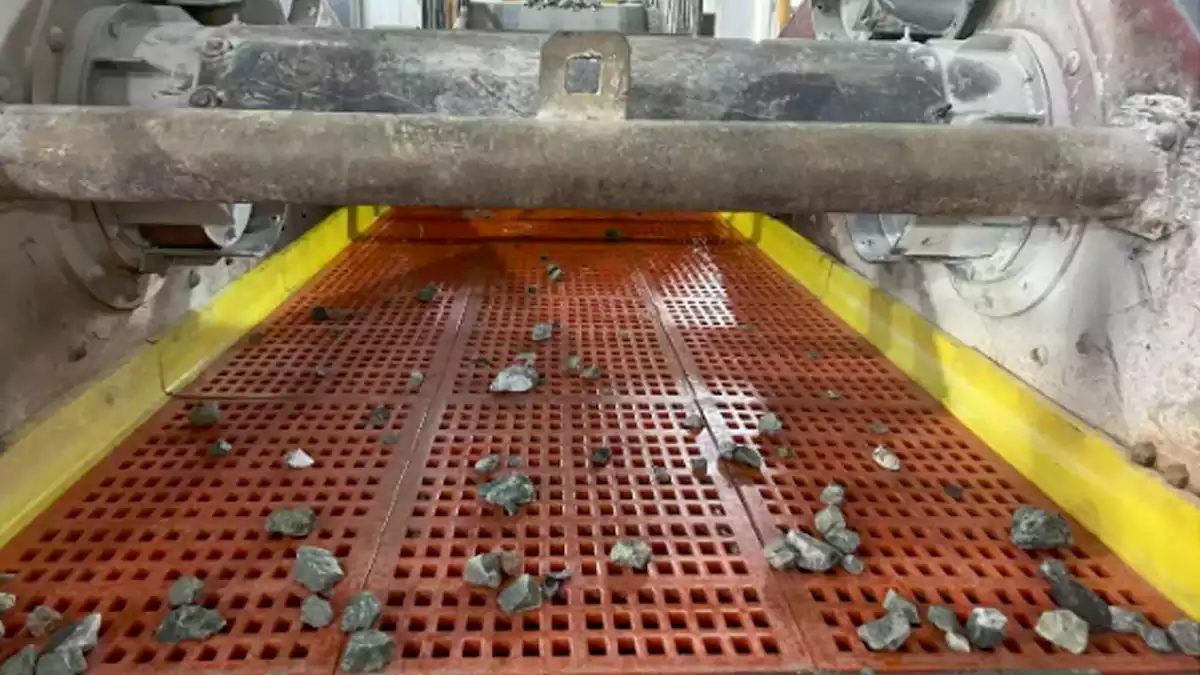
Let’s see how vibratory screening works. The screen sits on springs. A motor with a flywheel makes it shake. This shaking helps sort the materials.
- Materials roll, jump, and move forward on the screen surface.
- Fine particles fall through the holes and collect below.
- Larger pieces stay on top and move to the outlet.
- The vibration sorts materials by size and shape.
Vibration keeps everything moving. This is not like static screens, which only use gravity. Vibratory screening can handle sticky or wet stuff that would block static screens. If you watch, you can see how materials move and separate on the mesh.
Benefits of Vibratory Screening
There are many good things about vibratory screening equipment. Here are some reasons why:
- Better processing and material quality
- Lower costs to run
- Less fixing and less downtime
- Higher screening efficiency
- Better for the environment
Vibratory screening gives you more control. You can meet tough quality rules and make more product. The machines use less energy, so you save money and help the earth. You also spend less time fixing things, so work does not stop. If you want to make screening better, use these machines.
You will see vibratory screening in many places. It works for mining, recycling, and food processing. When you compare it to static screens, you see why people pick it.
Tip: If you want good results and less downtime, choose vibratory screening equipment for your next project.
Types of Vibrating Screens
When you look at vibrating screens, you will see each one does a special job. You can choose from linear, circular, or inclined screens. Each type helps you with different materials and jobs. Let’s see how these vibrating screen panels work for you.
Linear Vibrating Screens
Motion and Design
Linear vibratory screens move things in a straight line. These screens are shaped like rectangles. They use a special vibration drive. The motor shakes the screen back and forth. This makes materials jump and move forward. The rectangle shape gives you a wide area for screening.
Here are some things that make linear vibratory screens special:
- They move in a way that is not like circular screens.
- The vibration drive helps stop the screen from getting blocked.
- You can change the angle to fit your needs.
- The frame is strong and made from different materials than other screens.
- These screens work well for both dry and wet materials.
Linear vibratory screens are easy to set up and change. The rectangle shape lets you process more material at one time.
Common Uses
You can use linear vibratory screens in many places. They help with sorting, washing, and drying. Here is a table to show where you might use these screens and what they handle:
| Industry | Typical Materials Processed |
|---|---|
| Chemical Industry | Powder, granular materials, fertilizers, pesticides, pigments |
| Food Industry | Grain, flour, starch, sugar powder, food additives |
| Pharmaceutical Industry | Raw materials, herbal medicine ingredients, patent medicines |
| Metallurgical Industry | Ore, coke, sinter |
| Mining Industry | Ore, soil, stones, impurities |
| Environmental Protection | Urban garbage, industrial waste, sewage, sludge |
| Other Industries | Ceramics, glass, plastics, rubber |
You will see linear vibratory screens where you need to sort, wash, or dry things. These screens are good for powders, grains, and even waste. If you want a screen that is strong and flexible, linear screens are a smart pick.
Circular Vibrating Screens
Motion and Design
Circular vibrating screens use one motor with an eccentric weight. This makes the screen move in a circle or oval shape. The screen is usually round and has several layers on top of each other. The circular motion spreads materials out and keeps them moving.
Here are some things that make circular screens different:
- The motion comes from one exciter with an eccentric weight.
- The screen sits at an angle, usually between 15 and 30 degrees.
- The round frame is strong and made from thick materials like manganese steel.
- Circular screens can handle heavy loads and fast shaking.
- The design keeps materials on the screen longer, so you get better sorting.
Circular vibratory screens are easy to take care of. The design helps you process a lot of material without much trouble.
Common Uses
You can use circular vibrating screens in many jobs. They are great for sorting big, rough materials. Here is a table to show some common uses:
| Industry | Application Description |
|---|---|
| Foundry | Production of ferrous and non-ferrous castings |
| Glass and ceramics production | Production of glasses from raw materials |
| Mining | Sorting ores and minerals |
| Wood industry | Making wood chips, pellets, fiber board |
| Coal | Coal mining and coke production |
| Recycling industry | Processing waste and building site remains |
| Scrap industry | Sorting scrap metals |
| Steel and metallurgical plants | Production of metals |
| Sand and Gravel | Screening gravel, sand, and minerals |
You will see circular screens in mining, recycling, and building. These screens help you sort big pieces quickly. Circular vibratory screens are also used in chemical and cement plants for sorting materials.
Inclined Vibrating Screens
Motion and Design
Inclined vibrating screens tilt at an angle. This lets gravity help move materials down the screen. The screen shakes, and materials slide down. These rectangle screens have a simple design with fewer moving parts.
Here are some good things about inclined vibrating screens:
| Advantages of Inclined Screens | Description |
|---|---|
| Production capacity | Gravity helps move materials, so you can process more at once. |
| Cost | Simple design means lower cost to start. |
| Versatility | Handles large and small particles. |
| Energy efficiency | Uses less power because gravity does some of the work. |
| Maintenance | Fewer parts mean less fixing and less downtime. |
| Sorting accuracy | Not as good for fine materials because things move fast. |
| Operational space | Needs more space because of the angle. |
| Wet materials | Wet stuff can block the screen, so you may need to clean it more. |
Inclined vibrating screens are best when you need to move a lot of material fast. The rectangle shape helps you handle both big and small pieces.
Common Uses
You will find inclined vibrating screens in many jobs. They work well for bigger things, like rocks and gravel. If you need to sort smaller pieces, you can use a higher tilt. These screens are not the best for sticky or wet materials, as they can block the holes.
You will see inclined screens in mining, quarrying, and building. They help you sort and separate things quickly. If you want a screen that is simple and strong, inclined vibrating screens are a good choice.
Tip: When you pick a vibrating screen, think about your material and space. Linear, circular, and inclined screens each have their own strengths. Pick the one that fits your job best.
Banana Screens
Motion and Design
Banana screens look different from other vibrating screens. The surface has many slopes. It starts steep where the material goes in. It gets flatter near the end. This shape looks like a banana, so people call them banana screens.
- The steep start helps materials spread out fast.
- As materials move down, the slope gets less steep. This gives more time for screening.
- The screen has several decks. Each deck has its own angle. The angle can start at 25°-35°. It ends almost flat.
- This design keeps the bed thickness the same. You get better separation and higher capacity.
Banana screens use smart screening ideas. The changing angles help you process more material. You do not lose efficiency.
Common Uses
Banana screens are used when you need to handle lots of material quickly. They work for dry and wet screening. Here is a table that shows where banana screens are used:
| Industry | Specific Processes |
|---|---|
| Mining | Separating iron ore, coal, and aggregates |
| Aggregates | Handling many sizes of materials |
| Recycling | Screening to meet work standards |
| Food Manufacturing | Screening a lot for good product quality |
| Refuse-derived fuel (RDF) processing | Screening for work standards |
Banana screens help you keep up with high production. You get better screening and less downtime. This means more product and less waste.
Elliptical Vibrating Screens
Motion and Design
Elliptical vibrating screens move materials in an oval path. This is not like linear or circular screens. The screen mixes the best parts of both motions.
- The oval movement stops material from sticking or blocking the mesh.
- You get smooth flow, even with sticky or wet stuff.
- The design lets you control the screening process better.
Here is a quick comparison to help you see the difference:
| Screen Type | Motion Type | Application Characteristics |
|---|---|---|
| Linear Vibrating Screen | Straight line | Material moves forward in a straight line. Good for even screening. |
| Circular Vibrating Screen | Circular | Material moves in a circle. Good for spreading out materials. |
| Elliptical Vibrating Screen | Elliptical/Oval | Material moves in an oval path. Handles sticky or wet materials better. |
Elliptical screens are flexible. You can use them for many jobs. They are good when you need gentle handling.
Common Uses
You will find elliptical vibrating screens in places that need careful screening. These screens work well for soft, fragile, or sticky materials. They are used in food, chemical, and recycling plants. You can sort grains, powders, or wet materials with them. If you want a screen that does tough jobs without clogging, elliptical screens are a good choice.
High-Frequency Vibrating Screens
Motion and Design
High-frequency vibrating screens use fast shaking to separate fine materials. The screen moves very quickly, between 1500 and 9000 RPM. An electromagnetic vibrator controls the speed. The screen does not move far each time.
- The screen sits at an angle, from 0° to 45°.
- High frequency stops small particles from blocking the holes.
- The design helps you get the best separation for fine materials.
Here is a table to show the main features:
| Feature | Description |
|---|---|
| Operational Frequency | 1500 to 9000 RPM, controlled by an electromagnetic vibrator |
| Amplitude | Low stroke, good for fine material screening |
| Screen Movement | Inclined angle (0°-45°) for better flow and separation |
| Separation Efficiency | Shows how much material you remove compared to what you should remove |
High-frequency screens work best when you need to separate tiny particles. The right speed and movement make a big difference.
Common Uses
You will see high-frequency vibrating screens in places that need to separate fine materials. These screens are used in mining, construction, recycling, and farming. Here is how you might use them:
| Industry | Application Description |
|---|---|
| Mining | Separating and sorting minerals, making work faster |
| Construction | Separating sand and gravel, making sure materials are good |
| Recycling | Sorting recyclable materials from waste, reducing landfill waste |
| Agriculture | Separating grains and seeds, making them better and cleaner |
High-frequency screens help you get the cleanest product. You can trust these screens for hard jobs where fine separation is important.
Grizzly Screens
Motion and Design
Grizzly screens look different from other vibrating screens. They are very strong and easy to spot. These screens use thick bars instead of a mesh. The bars are lined up next to each other. The spaces between the bars get bigger as you go down. This lets small pieces fall through the gaps. Big, heavy pieces stay on top and move forward.
Grizzly screens are usually the first machines in a material line. They can work with vibration or without it. If you add vibration, the bars shake and help move things along. Grizzly screens stop big rocks or trash from going further. This keeps crushers and other machines safe from harm.
Here is a table that shows how grizzly screens are different from other vibrating screens:
| Feature | Grizzly Screens | Vibrating Screens |
|---|---|---|
| Primary Function | Coarse separation of oversized material | Precise classification by size |
| Design | Rigid parallel bars with tapered gaps | Multi-layered mesh screen on a vibrating frame |
| Applications | Common in primary crushing stages | Versatile across secondary/tertiary processing |
| Mechanical Action | Static bar separation with optional vibration | Dynamic oscillation for enhanced material flow |
Grizzly screens do not sort small pieces. They handle big, rough stuff first. You can trust them to protect your machines and keep things running well.
Common Uses
Grizzly screens are used for tough jobs. They are best for removing big rocks, logs, or trash before finer screening. Here are some ways people use them:
- Mining and quarrying: Grizzly screens take out big rocks from ore and gravel. They stop huge stones before the crushers.
- Mineral processing: These screens sort out large pieces first. This helps the next machines work better.
- Construction and demolition: Grizzly screens sort out rubble and waste before recycling or storing.
- Industrial and foundry operations: They are good for rough or heavy materials like sand, gypsum, and minerals.
- Bulk material handling: Grizzly screens help move and size materials in warehouses and ports.
- Soil and compost screening: They remove rocks and roots from soil and compost for farms and gardens.
You will also see grizzly screens in coal plants. They take out big rocks from coal before it is processed. In quarries, grizzly screens sort limestone, granite, and basalt before crushing. For recycling, these screens separate concrete and debris for reuse.
Grizzly screens can handle coal, rock, sand, gravel, and wood chips. If you need a strong screen for the first step, grizzly screens are a good pick.
Tip: Use grizzly screens to keep your machines safe and your work fast. They are great for hard jobs and rough materials.
Types of Vibratory Screens in Industry
When you walk into a factory, you see many vibratory screens. Each screen does a special job. You need to pick the right one for your work. Let’s learn about the main types you will find in factories.
Scalping and Sizing Screens
Scalping screens take out big pieces from your material. These screens work fast in places like rock plants and recycling centers. They also help clear land by removing sticks and roots from dirt. This makes land clearing much faster. In recycling, scalping screens sort good items from trash. You get more useful material and less waste.
Sizing screens do something different. They sort things by size. This is the easiest way to do it. You can use these screens before crushing to remove small pieces. This helps protect your machines from damage. After crushing, you use screens with many layers to sort materials for the next step. The shaking or rolling lets small bits fall through. Bigger pieces stay on top. You can choose different screen parts, like wire, plastic, or rubber, to fit your needs. This helps you work better and faster.
Tip: If you want to work faster and get the right size every time, use the best scalping or sizing screen.
Dewatering Screens
Dewatering screens help you separate solids from water. You see these screens in mines, sand plants, and other wet places. They have small holes that let water go through but keep the solid stuff on top. The screen shakes and tilts to move water away quickly. You get drier material and less mess.
Here’s a quick look at how dewatering screens are different from regular vibrating screens:
| Features | Vibrating Screen | Dewatering Screen |
|---|---|---|
| Main Functions | Screening, Grading, Impurity Removal | Dewatering, Desliming, Tailings Dry Discharge |
| Processed Materials | Dry or low-moisture materials | Slurry, wet material, mineral slurry |
| Discharge State | Dry/moist solid particles | Dry solids + separated water |
You use dewatering screens when you need to handle wet material. These screens make sure your product is dry enough for the next step. They also help you save water and keep your work area clean.
Classifying Screens
Classifying screens help you sort things into different groups. You see these screens in mines, food factories, and chemical plants. They have many layers to separate things by size. Each layer catches a different size. This gives you a clean product for each use.
You use classifying screens when you need to follow strict rules. These screens make sure each batch is the right size. You get better results and less waste. Classifying screens are important for many jobs.
Note: Picking the right vibratory screen for your job means better sorting, less stopping, and more money.
Vibratory screening is needed in many places. You can use these screens for scalping, sizing, dewatering, or classifying. Each type has its own strengths. When you pick the right screen for your job, you get the best results.
Screen Comparison
Performance Overview
When you compare different types of industrial screeners, you want to know how well they work. You can look at a few key things. These help you see which screens fit your job best. Here’s a table that shows the main performance metrics:
| Metric | Description |
|---|---|
| Screen Efficiency | Shows how well the screen separates materials by size. |
| Throughput | Tells you how much material the screen can handle in a set time. |
| Energy Consumption | Measures how much energy the screen uses. Lower energy means lower costs. |
| Vibration Analysis | Checks the shaking of the screen. This helps you spot problems early and keep things running well. |
You want high efficiency and throughput for most vibratory screening jobs. Lower energy use saves money. Good vibration analysis means less downtime.
Choosing the Right Screen
Picking the right screen can feel tricky. You need to think about your material and your work goals. Here are some things to keep in mind:
- Material Properties: Wet, sticky, or odd-shaped materials need special screens. Moisture and shape change how things move and separate.
- Screen Motion: Linear, circular, and elliptical screens each work best for certain materials. The way the screen moves changes how fast and well it sorts.
- Feed Conditions: You need to feed material evenly. If you feed too much or too little, you lose efficiency.
Tip: If you want to boost your vibratory screening results, match your screen type to your material and feed rate.
You also want to look at how easy it is to fix and clean your screens. Some designs, like segmented panels, make maintenance faster. This means less stopping and more working.
Factors for Selection
You want your screening process to run smoothly. Here’s a simple list to help you choose the best screen for your industrial applications:
- Define your needs. What material do you have? How big are the pieces? How much do you need to process?
- Pick the right screen type. Linear, circular, banana, or high-frequency screens all have their own strengths.
- Check efficiency and capacity. Make sure the screen can handle your load and separate materials well.
- Look at the deck setup. Do you need one layer or many? Multi-deck screens sort more sizes at once.
- Think about motion. The way the screen moves changes how well it works for your material.
- Plan for maintenance. Choose screens that are easy to clean and fix.
- Ask for expert help. Sometimes, talking to a pro saves you time and money.
Material characteristics matter a lot. If you know your material’s physical and chemical traits, you can pick a screen that works safely and lasts longer. Some materials need sealed or explosion-proof screens. This keeps your work safe and your screening accurate.
Note: The right vibratory screening setup helps you get better separation, less waste, and more product. Take time to compare your options before you choose.
Industry Uses
Mining and Quarrying
Vibratory screening is used a lot in mining and quarrying. These screens help sort rocks, ores, and minerals by size. You can pick different screens for each job. Some screens are good for big rocks. Others work well for sand or wet material. The right screen makes your work fast and safe.
Here’s a table that shows how screens are used in mining and quarrying:
| Application Type | Description |
|---|---|
| Particle Size Distribution | You choose the mesh size and number of decks based on what you need to sort. |
| Capacity | The screen’s size and design match how much material you want to process. |
| Separation Efficiency | You get the right mix of materials with good separation. |
| Space Constraints | You pick a screen that fits your work area. |
| Inclined Screens | Great for sizing and sorting, with high throughput. |
| Horizontal Screens | Best for dewatering and fine sizing in tight spaces. |
| High-Frequency Screens | Perfect for fine separations and dewatering jobs. |
| Woven Wire | Cheap and flexible, but wears out fast with rough rocks. |
| Polyurethane | Lasts longer and cuts noise, good for sticky stuff. |
| Rubber | Tough and absorbs hits, great for big rocks. |
| Punch Plate | Super strong, handles heavy-duty jobs. |
Vibratory screening helps you get the right size and type of material. This keeps your mining or quarry running smoothly.
Construction and Concrete
Vibratory screening is used every day in construction. These screens sort sand, gravel, and crushed stone. This makes concrete mixes stronger and more even. Screens also sift cement and additives. This gives you a better final product.
On job sites, vibratory screening helps manage waste. You can separate reusable concrete and bricks from trash. This means you recycle more and throw away less. The American Society for Testing and Materials says screens help keep materials safe and consistent.
Here’s how vibratory screening is used in construction:
- You sort and clean sand, gravel, and stones for concrete.
- You sift cement and additives for better mixes.
- You separate reusable materials from debris for recycling.
- You cut down on landfill waste and save resources.
You get better quality and less waste when you use the right screens.
Recycling Applications
Vibratory screening is used in recycling plants all the time. These screens handle many types of waste, like C&D waste, scrap metal, glass, plastics, auto shredder fluff, shredded tires, and roofing shingles. Vibratory screening gives you clean, sorted materials you can use again.
In recycling, screens do more than just sort. They help get pure materials by separating fine powders from bigger pieces. This makes recycled products better. Modern recycling plants use vibratory screening because it works fast and can handle lots of material. You can trust these screens to keep up with changing waste streams.
Vibratory screening is important in many industrial jobs. You can process both solid and fine materials from all kinds of waste. This means you get more value from what you recycle and help the planet at the same time.
Tip: If you want better recycling results, use vibratory screening to get cleaner, higher-quality materials.
Maintenance Tips
Keeping your vibratory screening equipment in top shape helps you get the best results every day. If you take care of your screens, you will see fewer problems and longer machine life. Let’s look at some easy ways to keep your screening process running smoothly.
Routine Care
You want your screens to work well for all your applications. Regular checks make a big difference. Here are some simple steps you can follow:
- Look at all screen panels for tears or blocked holes.
- Check the tension of the screen mesh. Loose mesh can cause poor screening.
- Clean the shaker bed and remove any stuck material.
- Listen for odd noises from the motors or bearings.
- Lubricate moving parts as the manufacturer suggests.
- Inspect springs and mounts for signs of wear.
- Check clamp bars for cracks or rust.
- Make sure the rail is straight so you get even tension.
- Replace any worn or rusty nuts and bolts.
If you follow these steps, you will catch small issues before they turn into big problems. Good routine care keeps your vibratory screening equipment ready for any job.
Troubleshooting
Sometimes, you might notice something is not right with your screens. Maybe you hear a strange sound or see a drop in screening quality. Here’s a quick table to help you spot and fix common issues:
| Issue | Possible Causes | Recommended Actions |
|---|---|---|
| Bearing Overheating | Not enough grease, cooling system failure, damaged bearing | Check and add grease, inspect cooling, replace bearings |
| Structural Cracks | Weak design, wrong materials, bad welding | Use strong materials, check welds, improve design |
| Damping Springs Failure | Broken springs causing shaking | Inspect and replace springs |
| Aging Sealing Components | Old seals causing leaks | Replace seals before leaks get worse |
| Electrical Problems | Motor or control circuit issues | Inspect wiring and controls, fix or replace as needed |
If you spot these problems early, you can fix them fast. This keeps your vibratory screening process on track and helps you avoid downtime.
Extending Screen Life
You want your screens to last as long as possible. Here are some tips to help you get more life out of your equipment:
- Use the right screen type for your material and applications.
- Do not overload your screens. Too much material can cause damage.
- Keep the screen surface clean to avoid blockages.
- Replace worn parts quickly to prevent bigger failures.
- Train your team on proper screening and maintenance steps.
If you follow these tips, you will see better separation and less waste. Your vibratory screening equipment will handle tough jobs and keep working for years. Good care means fewer repairs and more time spent on what matters—getting the job done.
Tip: A little time spent on maintenance saves you a lot of time and money later. Make routine care part of your daily work.
Conclusion
Vibratory screening is used in lots of jobs. Each screen type helps you separate things better. This makes your work easier. If you learn about the different screens, you can choose the best one for your needs. Anpeng is a screens manufacturer making strong screens for hard jobs. Our screens are good for mining, aggregate, concrete, and recycling. If you need help with vibratory screening, you can ask us for advice.
FAQ
What is the main job of a vibrating screen?
You use a vibrating screen to sort materials by size. The machine shakes and moves items across the mesh. Small pieces fall through, and big ones move forward.
How do I choose the right vibrating screen for my project?
You look at your material type, size, and how much you need to process. Think about your space and how often you want to clean or fix the screen.
Can vibrating screens handle wet or sticky materials?
Yes, you can use special screens for wet or sticky stuff. High-frequency and elliptical screens work best. They keep materials moving and help prevent blockages.
Why does screen motion matter?
Screen motion changes how materials move. Linear screens push items straight. Circular screens spread them out. Elliptical screens mix both motions. You get better separation with the right motion.
How often should I check my vibrating screen?
You should check your screen every day. Look for tears, loose mesh, or odd noises. Clean the surface and make sure all parts work well.
What industries use vibrating screens the most?
You see vibrating screens in mining, construction, recycling, and food processing. Each industry uses different screens for sorting, cleaning, or drying materials.
Tip: If you want better results, match your screen type to your material and job needs.