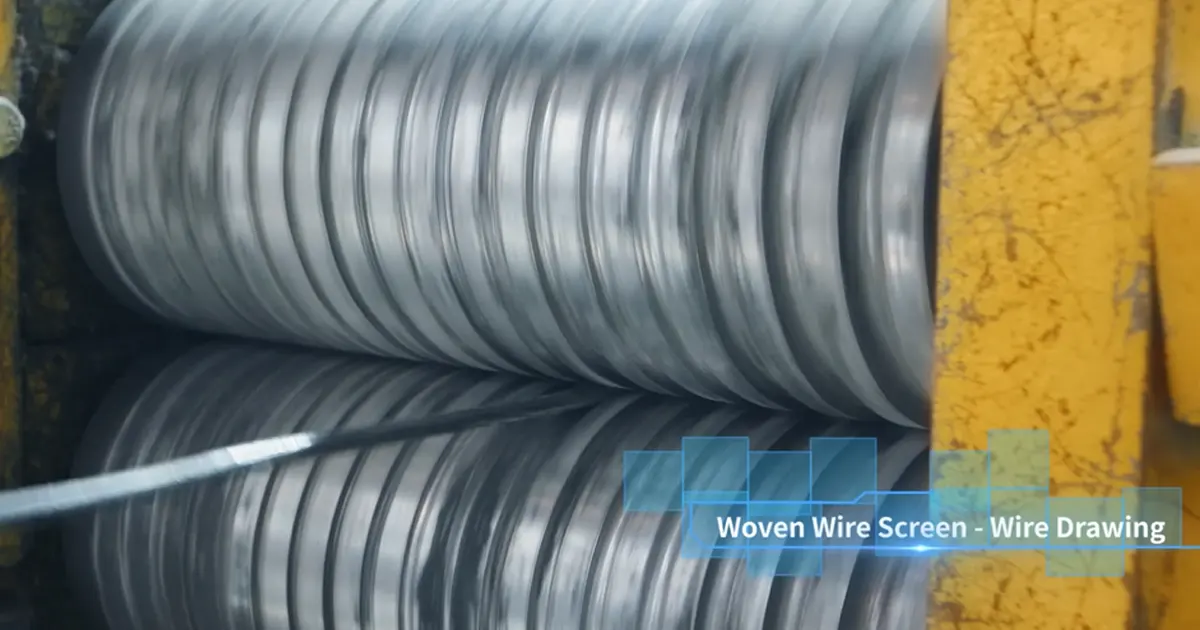
The wire drawing process is used to transform metal into thin wire. This cold metalworking method elongates and reduces the diameter of the wire. By pulling thick rods through dies, the wire becomes stronger due to strain hardening. As a result, you obtain wire suitable for various applications, such as construction and manufacturing. The wire drawing process ensures that you have strong wire capable of handling demanding tasks.
Key Takeaways
- Wire drawing changes thick metal rods into thin, strong wire by using a cold metalworking process.
- The process starts with cleaning and adding lubricant to the wire.
- Then, the wire is pulled through dies to get the right thickness and strength.
- Cold drawing makes the wire stronger and harder. It also gives the wire a smoother surface.
- Lubrication is very important to lower friction and stop the wire from getting too hot.
- Wire drawing can use single or continuous methods. Each method works best for different production needs.
- After drawing, treatments like annealing make the wire softer. This helps make the wire easier to bend and use.
- Regular checks and tests make sure the wire is good quality. These checks also help find problems early.
- Many industries use wire drawing. It is common in construction, automotive, and electronics because the wire is strong and useful.
Wire Drawing Process Overview
What Is Wire Drawing?
The wire drawing process changes thick metal rods into thin wire. You pull the metal through dies that squeeze and stretch it. This happens at room temperature, so you do not heat the metal. The wire becomes stronger and has a smooth surface.
Wire drawing is a cold metalworking process. It makes the material thinner and longer. Draw dies and lubricants help make the wire stronger and smoother.
You follow these steps to start wire drawing:
- Clean the steel wire or rod to remove scale. You can use chemicals or machines.
- Put on a lubrication coating to help the wire move.
- Point the end of the wire or rod so it fits in the die.
- Feed the wire or rod into the drawing machine to begin cold drawing.
Cold Metalworking Principles
Wire drawing happens at room temperature. This uses cold metalworking rules. Cold drawing is below the metal’s recrystallization point. The process makes the wire harder and stronger. You pull the wire through a die to make it thinner. The wire changes shape, and its crystal structure lines up.
- Cold drawing makes the wire more accurate in size.
- The process increases tensile strength and hardness.
- Ductility and impact values go down as cold work increases.
You use pay-off reels, drawing dies, capstans, and take-up reels in wire drawing. Strain hardening happens because the wire gets stretched. This makes the wire stronger and harder.
Purpose and Benefits
Wire drawing has three main goals:
- Make the wire thinner.
- Make the wire longer.
- Make the wire stronger and better.
Wire drawing gives you many advantages:
- Improved Mechanical Properties: The wire gets stronger and resists fatigue. The grain structure lines up. For example, copper wire’s tensile strength can go from 302 MPa to 635 MPa.
- Enhanced Surface Finish: The wire has fewer flaws and a steady diameter.
- Increased Flexibility and Ductility: The wire bends easily, which is good for springs and cables.
- Customization and Versatility: You can make wire in different sizes and shapes for special uses.
- Cost Efficiency: You waste less and save money by making better wire with fewer problems.
| Benefit | Description |
|---|---|
| Precise Control | You control the wire’s size and strength. |
| Material Savings | You make the wire thinner without changing what it is made of. |
| Versatility | You use wire drawing for many materials and jobs. |
| Good Surface Finishing | You make the wire smooth. |
| Adaptability to Mass Production | You can make lots of wire at once. |
| Close Dimensional Control | You make sure the wire is the right size. |
| Economic Benefits | You save money when making wire. |
Wire drawing is a trusted metalworking process. You get strong, flexible, and accurate wire for many uses.
Wire Drawing Process Steps
You need to follow each step in order. Each part helps you make strong wire for many things. First, you get the wire ready. Then you draw the wire. Last, you treat the wire after drawing.
Preparation
You must get the wire ready before drawing. Good prep makes the job easier and the wire better.
Cleaning Wire
You clean the wire to take off dirt and oil. This stops problems and helps the wire move through the dies. You can use chemicals or machines for cleaning. Cleaning also makes the dies last longer.
- Cleaning takes away dirt and oil.
- Heating can make the wire easier to shape.
- Clean wire moves better through the dies.
Straightening and Inspection
You straighten the wire so it fits in the machine. You check for cracks or bends. If you find problems, you fix them first. Straight wire goes through the dies without breaking.
You also make the end of the wire pointy. This helps you start the wire drawing process.
Drawing Operation
Drawing is the main part of making wire. You pull the wire through dies to make it thinner and longer. You must put the drawplate in the right place.
Die Selection
You pick the right die for your wire. The die shape changes how good the wire is. You look for the right size and smoothness. The die also affects how strong the wire is. How fast you draw and how long the die lasts matter too. The price of the die and how much energy you use are important. You check if the die works with your machines.
- Die shape changes wire quality and speed.
- Size and smoothness are important.
- The die affects how strong the wire is.
- Speed and die life change how well it works.
- Die price and energy use affect cost.
- The die must fit your machine.
You use different dies for copper, steel, and other metals. Each die must match the wire and size you want.
Lubrication
You put lubricants on the wire and dies. Lubrication makes things slippery and saves energy. It puts a layer between the wire and die. Good lubrication stops heat from sticking the wire to the die. Lubricants must work under high pressure and heat.
- Lubrication makes things slippery and saves energy.
- It keeps the wire good by making a film.
- It stops heat from sticking the wire to the die.
- Lubricants must handle high pressure and heat.
Lubrication is very important for copper wire. It keeps the wire smooth and protects the dies.
Pulling Through Dies
You pull the wire through dies with a machine. Each die makes the wire thinner and longer. You do this step many times with different dies. The wire gets stronger as you pull it. You control speed and tightness so the wire does not break.
You follow steps to put in the drawplate and guide the wire. Drawing and heating help you get the right strength and bendiness.
Post-Drawing
After drawing, you treat the wire to make it better. These treatments make the wire softer and ready to use.
Annealing
Annealing is heating the wire to make it soft. You heat the wire and then cool it down. Annealing makes the wire bend more and easier to draw. It also brings back what the wire lost when it was cold.
| Process | Tensile Strength (MPa) | Elongation (%) |
|---|---|---|
| After Drawing | 615.5 | N/A |
| After Annealing | 224.7 | 19.87 |
| Annealing Temp 550°C | 214.4 | 12.18 |
- Annealing makes the wire soft and removes stress.
- It helps the wire bend and not break.
- Drawing and annealing help you work faster.
- You get back the wire’s strength and electricity flow.
Copper wire often uses drawing and annealing for electric wires. You get wire that bends and lasts a long time.
Surface Finishing
You finish the wire to make it smooth and safe. Coatings like soap, oil, or phosphate keep the wire from sticking. You put these on after drawing and annealing.
| Treatment Type | Description |
|---|---|
| Heat Treatment | Heating steel with carbon and manganese to get the right strength. |
| Surface Coating | Putting on soaps, oils, or phosphate to stop sticking and protect the die. |
- Coatings make the wire better and less sticky.
- Drawing, annealing, and finishing give you good wire.
You use finishing for copper wire in electronics and cables.
Tip: Drawing, annealing, and good finishing help you make wire that meets high standards.
You finish the wire drawing process by following these steps. You get the wire ready, pick the right dies, use lubrication, pull the wire through dies, and finish with drawing and annealing. Each step makes the wire stronger, bendier, and smoother.
Wire Drawing Tools and Materials
You need special tools and materials for wire drawing. Each tool helps you shape, make stronger, and finish the wire. You must pick the right ones to get good wire.
Types of Dies
A wire drawing die shapes the wire and controls its size. You use different dies for different metals and thicknesses. The die must be strong and smooth so the wire does not break.
Here is a table showing common types of dies:
| Type of Die | Description |
|---|---|
| Natural Diamond Dies (ND) | Very hard and tough, used for thin wires and jobs needing accuracy. |
| Polycrystalline Diamond Dies (PCD) | Made from fake diamond bits, good for tough metals like stainless steel. |
| Tungsten Carbide Dies (TC) | Used for many metals like steel and copper, cheaper and good for most jobs. |
| Synthetic Single Crystal Dies (SSCD) | High quality, lasts long, does not crack. |
| Nanoscaled Diamond Coated Dies (NANO) | Makes dies last longer and wear less. |
Tungsten Carbide
Tungsten carbide dies are used for steel and copper wire. Tungsten carbide is very tough and does not wear out fast. You can use these dies for many shapes and sizes. Tungsten carbide dies cost less than diamond dies and last longer than steel dies.
| Material | Durability | Performance Characteristics |
|---|---|---|
| Tungsten Carbide | Hardness much higher than steel | Very tough, wears little, works for many designs |
Tungsten carbide dies help you draw wire fast and save money.
Diamond
Diamond dies are the toughest. You use natural diamond dies for thin wires and jobs needing accuracy. Diamond dies are very hard, up to 1,000,000 MPa. You get smooth wire and dies last long, but diamond dies cost more and need careful work.
| Material | Durability | Performance Characteristics |
|---|---|---|
| Natural Diamond | Hardness up to 1,000,000 MPa | Super tough, best for thin wires, expensive to make |
Diamond dies keep your wire strong and accurate for special jobs.
Lubricants
Lubricants help the wire slide through the die. You must use the right lubricant to protect the wire and die. Lubricants lower friction, keep the wire cool, and stop damage.
Here is a table of common lubricants and their uses:
| Lubricant Type | Advantages | Applications |
|---|---|---|
| Dry Powder Lubricants | Makes a strong layer, easy to use, works well for steel wire. | |
| Neat Oils and Greases | Makes a thick layer, good for hard metals like stainless steel and titanium. | |
| Emulsions and Soluble Oils | Good for cooling and cleaning, works for aluminum and copper wire. |
You use dry powder lubricants for steel wire. Neat oils and greases are best for hard metals. Emulsions and soluble oils help with aluminum and copper wire.
Tip: Using good lubrication keeps your wire smooth and your dies working longer.
Wire Stock Materials
You must pick the right metal for wire drawing. The metal must be strong, bendy, and easy to shape. Here is a table of common wire stock materials:
| Metal Type | Description |
|---|---|
| Steel | Used a lot because it is strong and tough |
| Copper Alloys | Good for carrying electricity and easy to work |
| Aluminum Alloys | Light and does not rust |
Steel makes strong wire for building things. Copper alloys are good for electric wires. Aluminum alloys make light wire that does not rust.
You can pick the best wire material by looking at strength, flexibility, and what you need.
Types of Wire Drawing
Single vs. Continuous Drawing
You can pick single or continuous wire drawing. Single wire drawing pulls one wire through a die each time. You get more control over each wire. You can stop and check the wire after every pass. This method is good for special sizes or shapes. Single drawing is used for short jobs or custom wires.
Continuous wire drawing pulls many wires without stopping. Machines move the wire through several dies in a row. This method makes high-quality wires fast. You can make long wires for cables. Continuous drawing is best for big jobs. You save time and waste less wire. The wires stay the same size and strength.
Tip: Use single drawing for custom wires. Pick continuous drawing for making lots of wire and cables.
Wet vs. Dry Drawing
Wet and dry drawing both make high-quality wires. Each way changes the wire’s surface and strength. Wet drawing uses liquid lubricant. The wire and die stay cool. You can draw wire faster and get a smoother finish. Wet drawing works well for copper and stainless steel wire. It is often used for making cables.
Dry drawing uses powder or solid lubricant. This way is simple and easy to set up. Dry drawing gives a smooth surface but can make the wire hot. Too much heat can change the wire’s strength. You may need to slow down to keep the wire strong.
Here is a table to compare wet and dry drawing:
| Method | Advantages | Disadvantages |
|---|---|---|
| Dry Wire Drawing | Simple design. Makes a smooth surface. | Makes too much heat, changes wire strength. Limits speed and how much you can make. |
| Wet Wire Drawing | Keeps wire cool, lets you draw faster. Better lubrication, less friction and wear. | More complex, needs care. Can get dirty and needs cleaning after. |
Note: Wet drawing helps you make wires with a better surface. Dry drawing is easier but may slow you down.
Stainless Steel Wire Drawing
Stainless steel wire drawing makes strong wires that do not rust. You use this process for many industries. Drawing stainless steel is harder than other metals. You must watch the process closely to avoid problems.
There are challenges in stainless steel wire drawing. Quality control is very important. You need to pick good materials and check the process. Surface defects like scratches or pits can happen if you do not use enough lubricant or pull too hard. Wire breakage can happen if dies are not lined up or the wire gets too hot. You must check your machines often.
Here is a table showing main challenges in stainless steel wire drawing:
| Challenge Type | Description |
|---|---|
| Quality Control | Makes sure the wire meets standards; pick good materials and control the process. |
| Surface Defects | Scratches or pits can happen from bad lubrication or too much tension. |
| Wire Breakage | Happens if dies are not lined up or wire gets too hot; check machines often. |
You can fix these problems by using good lubricants, checking machines, and picking the right dies. Stainless steel wire drawing helps you make wires for cables, construction, and electronics. You also use it for springs, medical tools, and food equipment. Stainless steel wire drawing gives you wires that last long and do not rust.
Stainless steel wire drawing is important for making wires that meet strict rules. You get wires that work well in tough jobs.
Quality and Safety in Wire Drawing
Common Defects
Problems can happen if you do not follow the right steps. These problems can make the wire weak or not work. You need to know what causes them so you can fix them. Here is a table showing the most common defects and their causes:
| Defect | Causes |
|---|---|
| Wire Breakage | Not enough lubrication, dies not lined up, bad material |
| Uneven Wire Diameter | Dies not lined up, worn dies, wire fed at different speeds |
| Surface Imperfections | Dies worn out, dirt on wire, tension not steady |
Wire breakage happens if you do not use enough lubricant or the dies are not lined up. Uneven wire diameter can happen if dies are worn or the wire moves at different speeds. Surface imperfections show up if dies wear out or dirt gets on the wire. You must check your tools and materials often to stop these problems.
Tip: If you find defects early, you can fix them before the wire breaks.
Safety Measures
You must think about safety when drawing wire. Machines move fast and wires can snap. You protect yourself and others by following these steps:
- Pre-operation Safety Checks: Look at the machine for damage. Check electrical parts. Make sure you have enough lubrication.
- Personal Protective Equipment (PPE): Wear safety glasses, helmets, gloves, and ear protection.
- Operational Safety: Do not touch moving parts. Keep your work area clean. Watch the machine as it runs. Do not overload the machine.
- Maintenance and Training: Follow a regular maintenance schedule. Make sure you and others know how to use the machine.
You lower the risk of accidents by checking your equipment and wearing the right gear. Training helps you know what to do if something goes wrong. Clean workspaces and proper machine use keep everyone safe.
Always stay alert and follow safety rules. You protect yourself and your team.
Inspection and Testing
You must check and test the wire after drawing. This makes sure the wire meets quality standards. Different methods help you find defects and measure wire properties. Here is a table showing common inspection and testing methods:
| Inspection Method | Description |
|---|---|
| Visual Inspection | Look for cracks and scratches on the wire rods. |
| Dimensional Inspection | Use tools like micrometers to measure diameter and length. |
| Tensile Testing | Pull a sample until it breaks to measure strength and ductility. |
| Hardness Testing | Use Brinell or Rockwell methods to check resistance to indentation. |
| Chemical Composition Analysis | Check elements in the wire rod to make sure properties are correct. |
| Surface Finish Inspection | Check smoothness to lower friction and make the wire look better. |
| Eddy Current Testing | Use eddy currents to find surface and near-surface defects. |
| Ultrasonic Testing | Use sound waves to find defects inside the wire. |
You use visual inspection to spot easy-to-see flaws. Dimensional inspection helps you check if the wire fits your needs. Tensile and hardness tests show how strong the wire is. Chemical analysis makes sure the wire has the right elements. Surface finish inspection checks if the wire is smooth. Eddy current and ultrasonic testing help you find hidden defects without hurting the wire.
Note: Regular inspection and testing help you make high-quality wire every time.
Wire Drawing Applications and Advantages
Industry Uses
Drawn wire is used in many industries. You see it in buildings and machines. The biggest users of drawn wire are:
- Automotive
- Construction
- Electronics
Construction
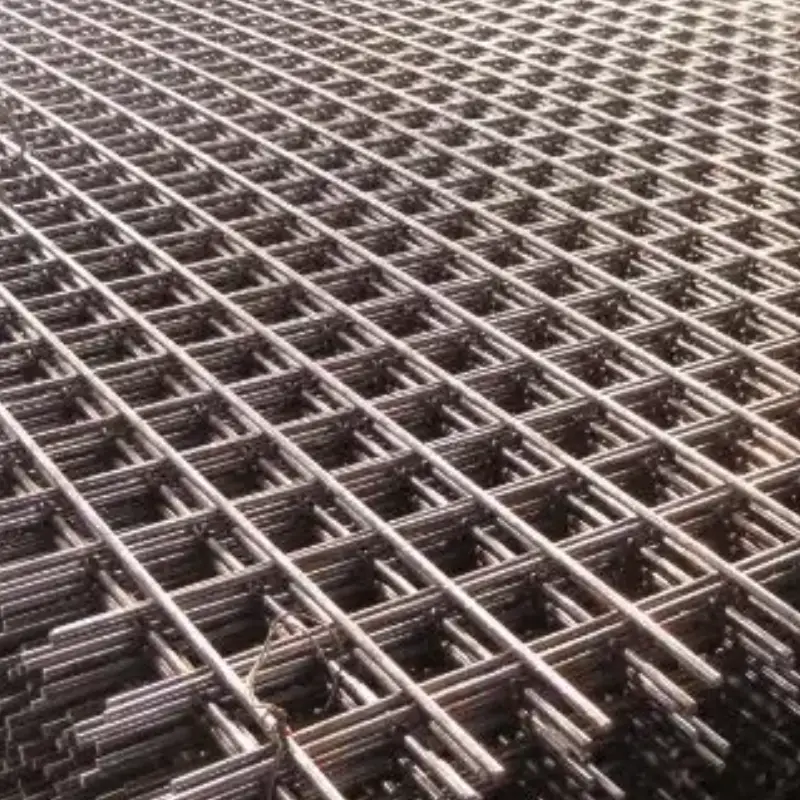
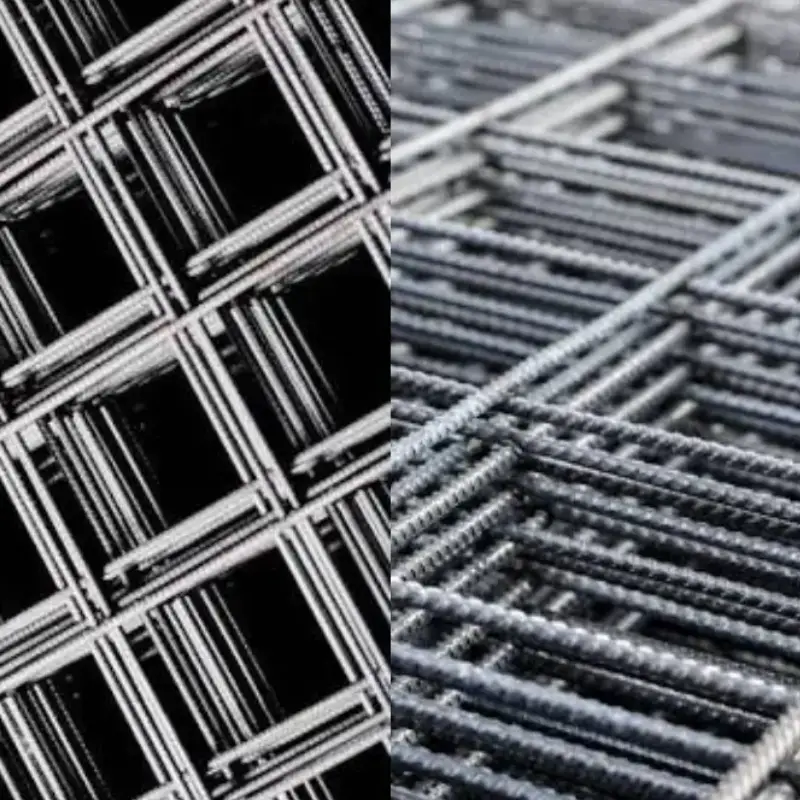
Drawn wire is important in construction. Hard-drawn wire makes wire mesh. Wire mesh helps concrete stay strong and safe. Drawn wire is also used in electrical wiring and making things.
- Welded wire mesh makes concrete stronger.
- Wire mesh is used for slabs, walls, and bridges.
Tie wire holds rebar together. This keeps bars straight when pouring concrete. Keeping bars straight makes buildings strong.
Drawn wire gives you safe materials for building strong structures.
Mining
Drawn wire is needed in mining. Wire ropes lift heavy things and move stuff. Mesh made from drawn wire keeps workers safe and supports tunnels. Wire is used for screens to sort rocks and minerals.
- Wire ropes carry heavy loads and do not break easily.
- Mesh supports tunnel walls and stops cave-ins.
- Screens sort rocks and minerals fast and safely.
Recycling
Drawn wire helps recycling work better. Wire mesh filters and separates things. Wire ties hold bundles together. Screens made from drawn wire sort plastics, metals, and paper.
- Wire mesh filters and separates waste.
- Wire ties keep recycled items together.
- Screens help sort things quickly and accurately.
Drawn wire makes recycling faster and more efficient.
Key Benefits
Drawn wire has many good points for industry. You get wire that is strong, accurate, and can be used in many ways.
| Benefit | Description |
|---|---|
| Improved Tensile Strength | Wire handles tension and stress without changing what it is made of. |
| Precise Diameter Control | You get very accurate wire size, which is important for special jobs. |
| Smooth Surface Finishes | Wire lowers friction and wear, making moving parts work better. |
| Material Versatility | You can use wire drawing with copper, steel, and aluminum for many jobs. |
You also get:
- Stronger wire that does not bend easily.
- Better surface, so you do not need extra work.
- Faster cutting and shaping.
Wire drawing saves money and makes products last longer. You get wire that is always the right size, so you do not need to fix mistakes. Drawing wire faster means you make more wire without losing quality. Using less lubricant lowers maintenance costs. Smoother wire needs less finishing, saving time and money. Tools last longer, so you change dies less often. This means less downtime. Using less energy saves money over time. Less waste makes work more efficient. You can offer better prices and earn more profit.
Wire drawing gives you strong wire for many uses. You save money, get better performance, and your products last longer.
Conclusion
You use the wire drawing process to make thick rods thinner and stronger. This method pulls metal through dies. The metal gets longer and tougher. You can find wire drawing in things like electrical wires, building cables, and springs.
- Work hardening helps you get strong wire.
- Lubrication and how fast you draw the wire matter for good quality.
- You can pick single or multi-draft drawing for different jobs.
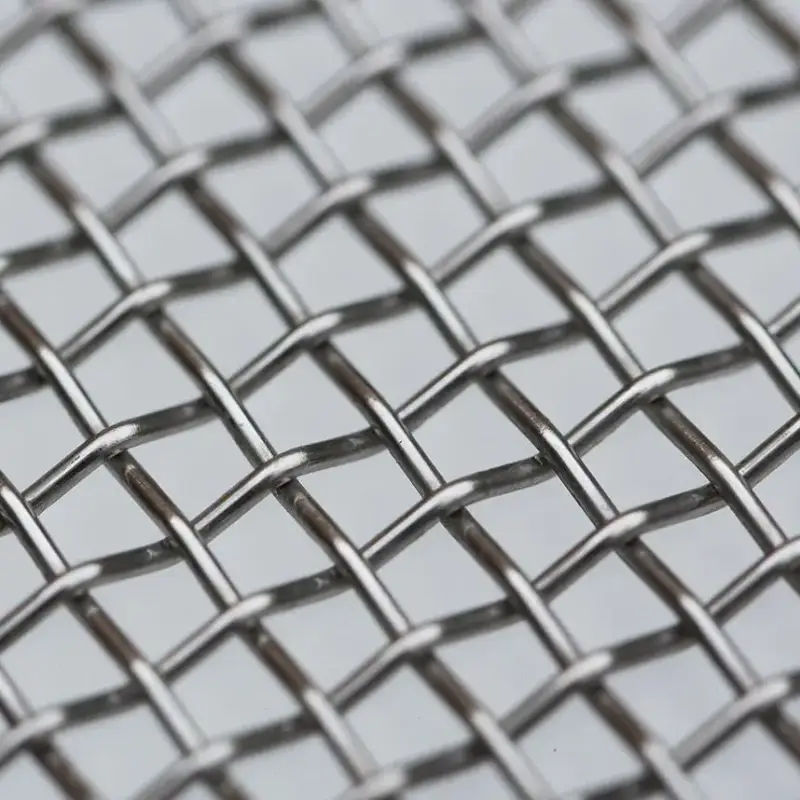
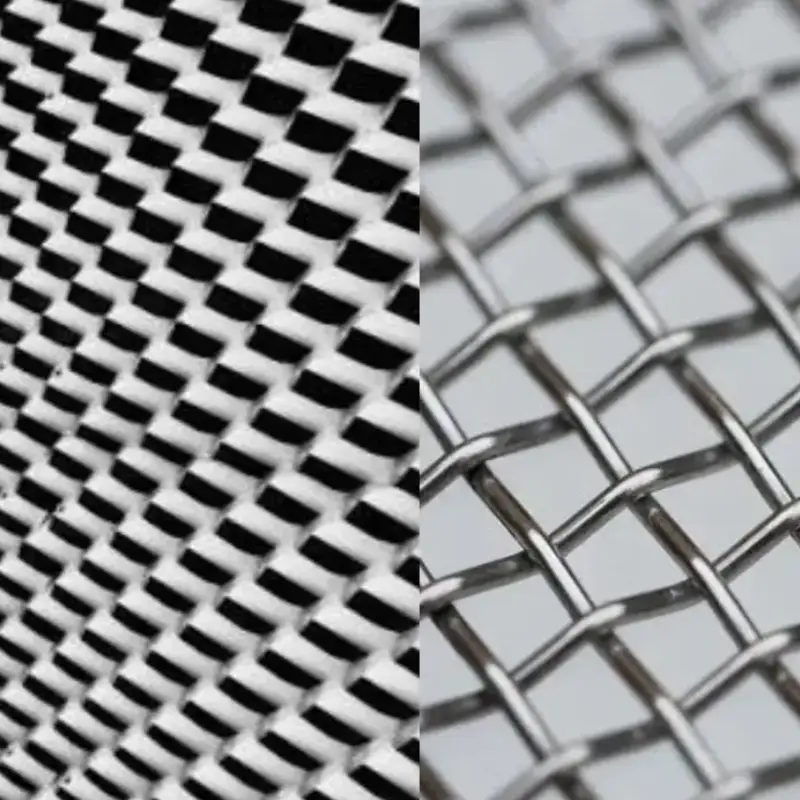
At Anpeng, we make woven wire screens and other strong screening products. We use advanced wire drawing to make our products. We focus on making things precise and tough. Our woven wire mesh works well for mining, building, and recycling. We have over 20 years of experience. We make sure our products meet high standards for performance and lasting a long time. We can help you choose the best wire mesh for your needs!
FAQ
What metals can you use for wire drawing?
You can use steel, copper, aluminum, and stainless steel. These metals work well because they are strong and flexible. Each metal gives you different wire properties for special jobs.
Why does wire drawing make wire stronger?
Wire drawing stretches the metal. This process lines up the grain structure and increases strength. You get wire that handles more tension and lasts longer.
How do you prevent wire breakage during drawing?
You must clean the wire, use proper lubrication, and check die alignment. These steps help you avoid wire snapping and keep your process safe.
What is the purpose of annealing after wire drawing?
Annealing softens the wire. You heat the wire and cool it down. This makes the wire easier to bend and stops it from breaking.
Can you use wire drawing for making electrical wires?
Yes, you can use wire drawing for electrical wires. The process gives you smooth, thin, and strong wire. This wire works well for carrying electricity.
How do you check wire quality after drawing?
You use visual inspection, measure diameter, and test strength. These checks help you find defects and make sure your wire meets standards.
What is the difference between wet and dry wire drawing?
Wet drawing uses liquid lubricants. Dry drawing uses powder or solid lubricants. Wet drawing keeps the wire cooler and gives a smoother finish.
Is wire drawing safe for workers?
Wire drawing is safe if you follow safety rules. You wear protective gear, check machines, and keep your workspace clean. These steps protect you from accidents.