The coal screening process helps you separate coal into different sizes so you can get the right product for your needs. You start the coal screening process by figuring out which coal areas have the best potential. You then define what size you want your final coal to be. The coal screening process lets you pick the best machine and screen media for your job. You also need to set the right parameters and check your results. Many professionals find the coal screening process tricky because coal quality changes from place to place. You have to analyze coal quality carefully and choose the right preparation method every time. If you know these steps, you can make the coal screening process work well for your mine, prep plant, or power plant. You will see technical words explained in simple ways as you read.
Key Takeaways
- Find the best coal areas before you start screening. This helps save time and money.
- Decide what product sizes and cut points you need. This makes sure customers get the right product.
- Check things like moisture and particle size in the feed. Good checks help the screening work better and stop delays.
- Use primary screening, called scalping, to take out big rocks and trash. This keeps your machines safe and helps things run well.
- Do secondary screening to sort coal into the right sizes. This makes the product better and cuts down on waste.
- Pick the best screening equipment for your coal type and moisture. The right equipment works better and needs less fixing.
- Check how things are working by taking samples and changing settings. This helps you find problems early and keep quality high.
- Take care of your equipment every day and week to stop breakdowns. Regular checks help your screening process work well.
What Is Coal Screening?
Purpose of Screening
You may ask why screening is important in coal processing. Screening helps split coal into different sizes. This step makes sure you get the right coal for your customers or plant. Screening removes things you do not want before coal moves forward. This makes your coal better and keeps your machines safe from harm.
Screening does more than just sort coal. It helps you save money and energy. You do not want to spend time on rocks or dirt. Screening lets you work with coal that matters most. It also keeps workers safer because machines do the job. This means fewer chances for people to get hurt.
Let’s see the main goals of screening in mining:
| Objective | Description |
|---|---|
| Improved Efficiency | Makes sure coal is sorted right, so you waste less and use more. |
| Environmental Protection | Takes out bad stuff, so there is less pollution and smoke. |
| Safety | Keeps workers away from danger by using machines. |
| Cost Savings | Saves money by moving and working with only good coal. |
Screening also helps you follow environmental laws. Taking out bad stuff means less pollution. You also save money because you only move and use good coal. Screening is a smart way to use your resources well.
Screening Stages in Coal Processing
Screening happens at different steps in mining. Each step has its own job. First, you screen out big rocks and trash. This is called scalping. You do not want big pieces to break your machines.
Next, you sort coal by size. This is the sizing step. You want each batch to fit what your customer or plant needs. Sometimes, you need to screen coal again for even smaller pieces. This is called ultra-fine screening.
You use different machines for each screening step. Here are some common types:
| Screening Equipment Type | Function Description |
|---|---|
| Inclined Stationary Bar Screen | Coal slides down bars, and different sizes are separated. |
| Trommel Screen | A turning drum splits coal by size as it moves through. |
| Shaker Screen | Moves coal sideways while sorting, which saves space and works well. |
| Vibrating Screen | Good for small coal and drying, with high speed and low cost. |
You pick your screening machine based on coal size, wetness, and how much you need to process. Screening is not just one thing. It is many steps that help you get clean, sorted coal ready to use or sell.
Screening protects your other machines. It also helps your whole mine work better. When you use the right screening steps, you get better coal, save money, and keep your team safe.
Step-by-Step Coal Screening Process
Identify Coal Potential Areas
You always start the screening process by finding the best places to get your coal. Not every spot in a mine gives you the same quality. Some areas have more rocks, dirt, or even clay mixed in. You want to focus on the zones with the highest coal content and the least waste. This step saves you time and money later.
Walk through your site and look for signs of good coal. You can use maps, drilling results, or even past records. If you skip this step, you might end up screening a lot of useless material. That means more work for your machines and higher costs for you.
Define Product Sizes & Cut Points
Once you know where your coal comes from, you need to decide what size you want your final product to be. This is where you set your cut points. A cut point is the size where you separate one group of coal from another. For example, you might want coal pieces smaller than 50 mm for one customer and pieces between 10 mm and 50 mm for another.
Think about what your customers need. Power plants, steel mills, and other users all want different sizes. If you set your cut points wrong, you could send the wrong product and lose business. You also risk damaging your screening equipment if you try to process pieces that are too big or too small.
Here’s a simple way to look at the steps from raw coal to the final product:
- Crushing and breaking: You crush raw coal so it fits your screening machines.
- Sizing: You use screening to sort coal into different sizes.
- Storage and stockpiling: You store coal before and after screening to keep things organized.
- Density separation: You separate lighter coal from heavier waste.
- Froth flotation: You clean fine coal using special chemicals.
- Coal drying: You remove water from coal to make it easier to handle.
- Refuse and tailings management: You deal with leftover waste.
Each step depends on the right size and cut point. If you get this part right, the rest of your screening process will go much smoother.
Check Feed Conditions
Before you start screening, you need to check your feed conditions. Feed means the coal and other material going into your screening machines. The two biggest things to watch are moisture and particle size.
- If your coal is too wet, it sticks together. Wet coal clogs up your screens and lowers your screening efficiency. For example, if your coal has 4% moisture, you might get almost 86% efficiency. If moisture jumps to 8%, efficiency can drop below 70%. That’s a big loss.
- If your coal has lots of different sizes mixed together, you need to adjust your screening setup. Too many big pieces can block the screens. Too many small pieces can slip through and mix with your final product.
You should always test your feed before you start. Take a sample and check how wet it is. Look at the size of the pieces. If you see problems, fix them before you run your screening machines. This step helps you avoid downtime and keeps your screening process running smoothly.
Tip: Always keep an eye on your feed conditions. Small changes in moisture or size can make a big difference in your screening results.
Primary Screening (Scalping)
You start the screening process with primary screening, also called scalping. This step helps you remove big pieces and unwanted materials from your raw coal feed. You use coarse screens, sometimes called grizzlies or scalpers, to sort out oversized chunks. These screens catch rocks, debris, and anything that could damage your machines later.
When you run coal through scalping screens, you make sure only the right size moves forward. Oversize material stays behind. This keeps your screening equipment safe and helps you avoid costly repairs. You also protect the next steps in your screening process. If you skip scalping, you risk clogging your machines and slowing down your operation.
Here’s how you do primary screening:
- Feed raw coal onto the scalping screen.
- Let the screen separate big pieces from the rest.
- Remove oversize material and send it to waste or re-crushing.
- Move the screened coal to the next stage.
You want to check your scalping screens often. Look for holes, tears, or blockages. If you see problems, fix them right away. Many operators forget this step and end up with downtime. You can avoid this by staying alert.
Tip: Always use the right mesh size for your scalping screen. If the holes are too big, you let unwanted material through. If they are too small, you slow down your screening process.
Secondary Screening (Sizing)
After scalping, you move to secondary screening. This step helps you sort coal into the sizes your customers want. You use sizing screens to separate coal by particle size. These screens make sure you hit your target product specifications.
Secondary screening is important for quality. You want to deliver coal that meets strict size requirements. If you get this right, you improve the value of your coal and keep your customers happy. You also reduce the amount of waste and lower your environmental impact.
Advances in screening technology, like cyclone systems and froth flotation, let you process finer coal particles. You can remove impurities and get cleaner coal. This makes your screening process more efficient and helps you meet tough regulations.
Here’s a simple table showing how sizing screens work:
| Screen Type | Particle Size Range | Purpose |
|---|---|---|
| Vibrating Screen | 10–50 mm | Sorts medium coal sizes |
| Banana Screen | 2–10 mm | Handles high throughput |
| Sieve Bend | <2 mm | Separates fine particles |
You need to check your sizing screens for wear and tear. If you see blinding (when holes get blocked) or pegging (when particles get stuck), clean your screens. This keeps your screening process running smoothly.
Tertiary Screening (Ultra-Fine)
Sometimes, you need to screen coal even further. Tertiary screening focuses on ultra-fine particles. You use special screens, like flip-flow or sieve bends, to catch the smallest pieces. This step is key for high-value coal products and strict quality standards.
Ultra-fine screening helps you remove dust, clay, and other impurities. You get cleaner coal and better performance in your plant. You also reduce the risk of sending unwanted material to your customers.
You want to set your screen aperture just right. If the holes are too big, you lose valuable coal. If they are too small, you slow down your screening process and risk clogging. Always check your feed distribution. Make sure coal spreads evenly across the screen. Uneven feed causes poor screening and lowers your efficiency.
Note: Ultra-fine screening needs careful maintenance. Clean your screens often and watch for signs of wear. If you see problems, fix them before they get worse.
You can use tertiary screening to boost your product quality and meet tough specs. This step helps you get the most out of your coal and keeps your screening process efficient.
Select Screening Equipment
You need to pick the right machine for your screening job. The equipment you choose will decide how well your coal screening process works. Start by thinking about the type of coal you have. Some coal is soft and breaks apart easily. Other coal is hard and has lots of rocks mixed in. You also need to look at the size of the coal pieces and how wet they are. Wet coal can clog up some machines. Dry coal moves faster and screens better.
Ask yourself these questions before you choose your screening equipment:
- What type of coal are you screening?
- What is the particle size range?
- How much moisture does your coal have?
- What is your processing capacity?
You should also think about how long you want your screening equipment to last. If you need to finish your project quickly, you might pick a machine that is easy to set up. If you want to run your screening for years, you should choose a machine that is strong and reliable.
Here is a table to help you compare some common screening machines:
| Equipment Type | Advantages |
|---|---|
| Linear Vibrating Screens | High-capacity coarse screening, great for fine particle dewatering |
| Gyratory Vibrating Sieves | Very precise screening, stops clogging, longer screen life, less dust |
You can also use roller screens, banana screens, or trommel screens. Each one works best for certain jobs. Roller screens handle sticky coal and large lumps. Banana screens work well when you need to move a lot of coal fast. Trommel screens are good for rough sorting and can handle wet coal.
Tip: Always look at all the facts before you pick your screening equipment. Think about the coal, the size, the moisture, and how much you need to process. This will help you avoid mistakes and keep your screening running smoothly.
Choose Screen Media & Aperture
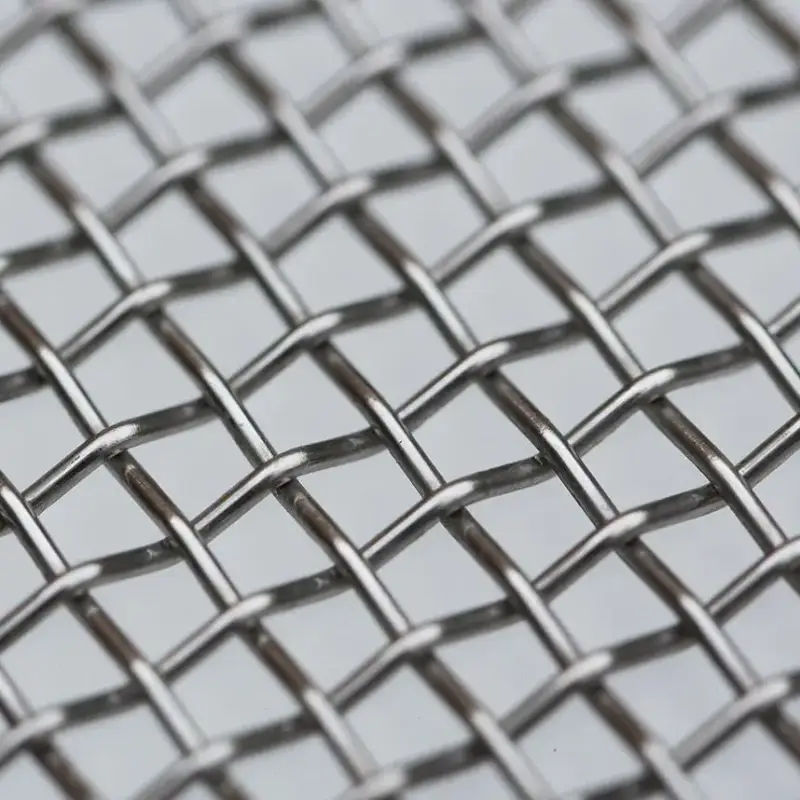
Now you need to pick the right screen media and aperture size. Screen media is the part of the screening machine that actually separates the coal. You can choose from woven wire screens, polyurethane panels, or self-cleaning screens. Each one has its own strengths.
- Woven wire screens are strong and let you see what is happening. They work well for most coal screening jobs.
- Polyurethane panels last longer and resist wear. They are good for wet or sticky coal.
- Self-cleaning screens help stop blinding and pegging. They keep your screening process moving even when coal is damp.
The aperture is the size of the holes in your screen media. You need to match the aperture to your target cut size. If you want to separate coal at 10 mm, your aperture should be just a bit bigger than 10 mm. If the holes are too big, you lose good coal. If they are too small, your screening slows down and you get blockages.
Think about where you put each screen in your screening setup. The top deck might need bigger holes to handle large coal. The lower decks need smaller holes for fine screening. You also need to balance how much coal you want to process, how long you want your screens to last, and how accurate you want your cut size to be.
Here are some things to remember when you choose your screen media and aperture:
- Match the media to your coal type.
- Pick the right aperture for your cut size.
- Think about where each screen sits in your screening machine.
- Decide what matters most: speed, wear life, or accuracy.
Note: The right screen media and aperture can make your screening process faster, cleaner, and more efficient.
Set Operating Parameters
You are almost ready to start your screening process. Now you need to set your operating parameters. These are the settings that control how your screening machine works. The main parameters are amplitude, vibration speed, feed rate, and screen length.
- Amplitude is how much the screen moves up and down. A bigger amplitude at the feed end helps loosen and spread out the coal. This makes screening more effective.
- Rotational speed is how fast the screen vibrates. A speed of about 575 revolutions per minute (r∙min−1) gives you high screening efficiency—over 85%.
- Feed rate is how much coal you put on the screen each second. If you feed too much, your screening efficiency drops. Try to keep the feed rate at or below 3 kg per second for best results.
- Screen length also matters. A longer screen gives coal more time to separate. A length of 1200 mm works well for many screening jobs.
Here is a table to help you set your parameters:
| Parameter | Value | Effect on Screening Efficiency |
|---|---|---|
| Amplitude | Larger at feed end | Loosens and spreads coal for better screening |
| Rotational Speed | 575 r∙min−1 | Efficiency above 85% |
| Feed Rate | ≤ 3 kg∙s−1 | Keeps screening efficient |
| Amplitude | 4.3 mm | Efficiency above 86% at this setting |
| Excitation Motor Speed | 1000 r/min | Boosts screening efficiency |
| Screen Length | 1200 mm | Increases screening efficiency |
| Feed Rate | 1.5 kg/s | Best for high screening efficiency |
You should also watch the vibration intensity. If it is above 20, your coal will loosen up and screen better. If you increase amplitude or feed rate too much, your screening efficiency might go down after a certain point.
Tip: Start with the recommended settings. Watch your screening results. Adjust one parameter at a time if you need to improve performance.
If you set your parameters right, your screening process will run smoothly. You will get clean, sorted coal and avoid problems like blinding, pegging, or low throughput.
Verify Performance
You want to know if your coal screening process works as planned. Checking performance helps you spot problems early and keeps your operation running smoothly. You can use several methods to test how well your screens sort coal.
Start by taking samples from different spots in your screening line. Grab coal from the feed, the product, and the waste. You can use multistage sampling and multilayer screening. This lets you see how particle sizes change at each step. If you notice too many big pieces in your final product, your screens might need adjustment.
Look at your screen surface. The angle matters a lot. If you tilt the screen too much, you lose efficiency. If you keep it flat, you might not separate coal well. Try changing the inclination and watch how your results shift. You will see efficiency rise, then drop if you go too far.
Check other settings like feed rate, vibration force, and screen length. These affect how well your screens work, but not as much as the angle. If you use a longer screen, you give coal more time to separate. This boosts efficiency until it levels off.
Here’s a table showing what impacts your screening performance:
| Methodology | What You Learn |
|---|---|
| Multistage sampling and multilayer screening | Shows how particle size changes and efficiency shifts |
| Screen surface inclination | Big effect on partition size and efficiency |
| Unbalanced exciting force, feed rate | Smaller effect on efficiency |
| Screen surface length | Longer screens improve efficiency up to a point |
You should always compare your results to your target cut points. If your screens miss the mark, adjust your settings. Watch for signs like blinding, pegging, or low throughput. These tell you something is wrong.
Tip: Keep a log of your screening tests. Write down the settings and results. This helps you spot trends and fix issues faster.
If you check your performance often, you catch problems before they grow. You get cleaner coal, happier customers, and a safer plant. You also save money by avoiding wasted energy and downtime.
Screening Equipment Options
Vibrating Screens
You see vibrating screens in almost every coal plant. This screening equipment uses vibration to move coal across the screen surface. You can sort medium and fine particles quickly. Vibrating screens work well when you want high production and efficiency. You get a simple setup, and you can check the screen often to stop problems before they grow.
Here’s a table to help you compare different vibrating screens:
| Type of Screen | Advantages | Disadvantages |
|---|---|---|
| Inertial vibrating screen | Handles medium/fine particles; high capacity and efficiency | Motor can be unstable; not for coarse particles |
| Self-centering vibrating screen | Simple; strong vibration; high efficiency | Amplitude changes with feed; efficiency varies |
| Heavy-duty vibrating screens | Solid; good for large, dense coal | Only for big loads; not for fine materials |
You get high screening efficiency, which means better product quality and less downtime. You need to check the screen often, though. Sometimes the screen gets blocked, and parts can wear out if you don’t line them up right. If you keep an even feed, you sort coal better and avoid breakdowns.
Tip: Watch the screen layer and check for blockages. This keeps your screening equipment running smoothly.
Banana Screens
Banana screens look different from other screening equipment. You notice the curved deck with several slopes. This unique design helps coal move faster and spread out. You get better screening efficiency and can process more coal per hour. Banana screens work best when you need high capacity and want to handle wet or sticky coal.
Here’s what makes banana screens stand out:
- Unique multi-slope deck moves coal quickly and sorts it well.
- High capacity lets you process lots of coal in less time.
- Handles wet and sticky material, so you avoid clogging.
- Uses less energy, which saves money and helps the environment.
- Built tough, so you spend less time on maintenance.
Banana screens fit well in large prep plants or power stations. You can place them before a roller screen or after primary screening. You get cost savings and a long lifespan. If you want to boost throughput, banana screens are a smart choice.
Note: Banana screens help you keep your screening equipment efficient, especially when you deal with tough feed conditions.
Flip-Flow Screens
Flip-flow screens give you a new way to handle sticky or wet coal. This screening equipment uses flexible polyurethane mesh. The mesh stretches and relaxes, so coal doesn’t stick or block the screen. You see a trampoline effect, which shakes off wet material and keeps the screen clean.
Here’s why flip-flow screens work so well:
- High acceleration (up to 50G) breaks up sticky coal.
- Trampoline effect stops material from blocking the screen.
- Automatic cleaning keeps screening equipment reliable.
Flip-flow screens shine when you need to screen moist fine coal. You get large deformations in the mesh, which means coal moves through easily. You can place flip-flow screens after a roller screen or in the final stage of screening. You avoid downtime and get cleaner coal.
Callout: Flip-flow screens help you screen wet coal without clogging. You save time and keep your screening equipment working longer.
If you want to screen sticky coal, flip-flow screens are your best bet. You get high efficiency and less maintenance. You can use them with other screening equipment, like a roller screen, to build a strong screening line.
Trommel Screens
You might see trommel screens in coal plants that handle tough jobs. This screening equipment uses a large, rotating drum with holes. Coal enters one end and tumbles as the drum turns. The holes let smaller pieces fall through while bigger chunks move to the end. Trommel screens work well when you need to separate lump coal from fines.
You should pick trommel screens when you deal with large materials or sticky, wet coal. These screens do not clog easily. They keep working even when other screening equipment might get stuck. You can also adjust the drum’s angle, usually around 5°, to match your coal’s moisture or size. This helps you keep a steady flow and good grading accuracy.
Here’s a quick look at when trommel screens shine:
| Scenario | Description |
|---|---|
| Large materials | Trommel screens handle big lumps without clogging. |
| Wet conditions | They keep working in high moisture, so coal does not stick. |
| High viscosity | The design stops sticky coal from blocking the screen. |
| Lump and fines separation | Great for sorting different sizes and improving grading. |
You get more than just smooth operation. Trommel screens keep your maintenance costs low because they do not clog as much as other screening equipment. You also get high screening speed and stable results, even with tricky coal. If you want less downtime and easy cleaning, this screening equipment is a smart choice.
Tip: Trommel screens work best when you need to process wet, sticky, or large coal. You can count on them for steady performance.
- Trommel screens operate well at a 5° incline.
- You can adjust the angle for different coal types.
- They keep screening speed high and grading accurate.
- You spend less time on maintenance.
Roller Screens
Roller screens give you another strong option for coal screening. This screening equipment uses rows of rotating rollers with gaps between them. Coal rides over the rollers, and smaller pieces drop through the gaps. Larger lumps move forward for further processing.
You should use roller screens when you deal with wet or sticky coal. These screens resist clogging, so you do not have to stop and clean them as often. Roller screens also run quietly and keep dust down, making your plant safer and more comfortable.
Let’s compare the main benefits and drawbacks:
| Benefit/Drawback | Description |
|---|---|
| Reduced Clogging | Handles wet, sticky coal with less blockage. |
| Processing Capacity | Keeps up with high coal flow and maintains screening effect. |
| Low Noise | Runs quietly, which is good for workers. |
| Dust-proofing | Keeps dust inside, improving air quality. |
| Maintenance Needs | Simple design means less upkeep. |
| Failure Points | Each shaft may need its own drive, adding maintenance spots. |
You should know about the drive system. Some roller screens use a single-axis, single-motor drive. Each shaft needs its own drive device, which means more places to check and fix. Others use a multi-axis chain drive. This setup needs less maintenance, but if one shaft fails, the whole section can stop.
- Roller screens keep your screening equipment running with less downtime.
- You get steady processing and less noise.
- You need to check the drive system for possible failures.
Note: If you want screening equipment that handles sticky coal and keeps maintenance simple, roller screens are a solid pick.
Screen Media Selection
Woven Wire Screens
You find woven wire screens in many coal plants. These screens work for most jobs because you can change them easily. They fit lots of screening equipment. Woven wire screens have a high open area, between 50% and 70%. This means you can sort coal fast and well. You can see problems like blinding or pegging. Blinding happens when coal blocks the holes. Pegging is when coal gets stuck in the holes. If you see these problems, you can clean the screens quickly. This keeps your screening equipment working.
Woven wire screens are good if you need to switch media often. You can also see what is happening on the screen. These screens help you compare with other types. They do not last as long as polyurethane panels. But you can replace them without much trouble.
Tip: If you want to change screens fast, pick woven wire screens.
Polyurethane Panels
Polyurethane panels are strong for coal screening. You use these panels for wet or rough coal. Polyurethane panels have less open area than woven wire screens. They have about 30% to 40% less open space. This means you may get lower screening efficiency. But these panels last much longer. Polyurethane panels can last from 6 to 12 months. You spend less time fixing them and avoid stopping your machines.
Pick polyurethane panels for sticky or wet coal. These panels do not wear out fast. They keep working even with rough coal. You get fewer problems with blinding and pegging. Your screening equipment stays efficient. Polyurethane panels save you money because you do not change them often.
| Type of Media | Suitability | Characteristics |
|---|---|---|
| Woven Wire | Frequent media changeouts | 50-70% open area, good efficiency |
| Polyurethane | Wet/abrasive materials, wash screens | 30-40% less open area, long wear life |
| Rubber | Heavy, coarse materials | Less openings, longer lifespan |
| Hybrid | Dry screening, high moisture/fines | More open area, reduces blinding |
Self-Cleaning Screens
Self-cleaning screens fix common screening problems. You use these screens for damp coal or small pieces. Self-cleaning screens stop blinding and pegging by shaking or bending. This happens as coal moves across the screen. Your screening equipment keeps working without stopping.
You get more coal and less downtime with self-cleaning screens. These screens are great for high moisture or sticky coal. You can make up to 40% more coal than with regular screens. If you want your screening equipment to work well and avoid cleaning breaks, choose self-cleaning screens.
Note: Self-cleaning screens are best for tough feed. You get steady work and less fixing.
Aperture Size & Open Area
When you pick screen media for coal screening, you can’t ignore aperture size and open area. These two things decide how well your screen separates coal and how fast you can work. Let’s break down what they mean and how you can make the best choice.
Aperture size is just the size of the holes in your screen. You want these holes to match the size of coal you need to separate. If you want to catch coal bigger than 10 mm, you pick an aperture just a bit bigger than 10 mm. If you go too big, you lose good coal. If you go too small, your screen clogs up and slows down.
Open area is the total space on your screen that lets coal pass through. More open area means more coal can move through at once. Less open area means your screen might last longer, but you won’t get as much coal sorted in the same time.
Here’s a quick table to help you see the difference:
| Feature | What It Means | Why It Matters |
|---|---|---|
| Aperture Size | Size of each hole in the screen | Controls cut size and accuracy |
| Open Area | % of screen that is open | Affects capacity and speed |
How to Choose the Right Aperture Size
You want to match your aperture size to your target cut point. Here’s a simple way to decide:
- Know your product size: What size coal do you need?
- Pick an aperture just above that size: For a 10 mm cut, try an 11–12 mm aperture.
- Check your feed: If your coal is sticky or wet, you might need a slightly bigger hole to stop clogging.
Tip: Always test a small batch first. If you see too much good coal slipping through, try a smaller aperture.
How to Balance Open Area
You might think more open area is always better. That’s not true for every job. More open area means higher capacity, but it can also mean your screen wears out faster. Less open area gives you longer screen life, but you might need to slow down your feed.
Here’s a quick checklist to help you balance things:
- Need high capacity? Go for more open area.
- Want longer screen life? Pick a screen with less open area.
- Dealing with wet or sticky coal? Use self-cleaning screens with moderate open area.
Note: The right balance depends on your coal, your machine, and your goals. Don’t be afraid to try different setups until you find what works best.
Choosing the right aperture size and open area makes your coal screening process smoother, faster, and more reliable. You get better results and spend less time fixing problems.
Common Screening Problems & Solutions
Blinding
Blinding happens when coal or other material blocks the holes in your screen. You see this problem most often with wet or sticky coal. When blinding occurs, your screening operations slow down. You get less coal through, and your product quality drops. You might notice that the screen mesh looks dirty or clogged.
You can fix blinding in several ways. Try using self-cleaning screen mesh. These screens have wires that move on their own, shaking off stuck particles. You can also install mechanical anti-clogging systems. Devices like bouncing balls or ultrasonic cleaners help keep the mesh clear during work. If your coal is very sticky, switch to flexible screen panels made from polyurethane. These panels bend and move, letting coal fall through instead of getting stuck.
Tip: Always check your feed. If you see high moisture or mud, use pre-treatment screening equipment to remove the worst material before it hits your main screen.
Pegging
Pegging is another common issue. It happens when coal pieces wedge themselves into the screen holes. You see pegging when you screen coal with lots of sharp or irregular shapes. Pegged particles block the holes, making your screen less effective.
To solve pegging, you need to pick the right screen media. Flexible materials like polyurethane help release stuck coal. You can also use self-cleaning screens. These screens vibrate and flex, pushing out pegged particles. Mechanical anti-clogging systems work well here, too. Devices that shake or bounce the screen keep holes clear.
Here’s a quick checklist for stopping pegging:
- Use flexible screen panels.
- Install self-cleaning mesh.
- Add mechanical anti-clogging devices.
- Check your feed for sharp or odd-shaped coal.
Note: If you see pegging, clean your screens right away. Waiting makes the problem worse and slows your screening operations.
Low Throughput
Low throughput means your screen isn’t sorting coal fast enough. You notice this problem when you get less product than expected. Several things can cause low throughput. You might have blinding or pegging. Sometimes, the feed rate is too high or too low. Excessive vibration or worn mesh can also slow things down.
You can boost throughput by optimizing your operational parameters. Start by checking the feed rate. Make sure you don’t overload the screen. Adjust the vibration speed and amplitude. If your screen mesh is worn, replace it. Regular maintenance keeps your screening equipment running at full speed.
Here’s a table showing common causes and fixes for low throughput:
| Cause | Solution |
|---|---|
| Blinding | Use self-cleaning mesh |
| Pegging | Switch to flexible panels |
| Overloading | Control feed rate |
| Worn mesh | Replace screen media |
| Excessive vibration | Adjust settings |
Callout: Keep a log of your screen performance. If you see low throughput, check for blinding, pegging, or worn mesh first.
You can solve most throughput problems with simple checks and quick fixes. Stay alert, and your screening operations will stay efficient.
Poor Separation
You might notice poor separation when your coal screening process doesn’t sort coal into the right sizes. This problem shows up as mixed batches. You see fine coal mixed with big lumps. Your customers complain about quality. You lose money because your product doesn’t meet specs.
Poor separation happens for several reasons. Sometimes, your screen media doesn’t match the coal you’re working with. Other times, your operating parameters are off. You might feed coal unevenly. You could have worn screens or clogged holes.
Let’s break down the main causes and fixes:
| Cause | What You See | How to Fix It |
|---|---|---|
| Wrong screen media | Mixed sizes, low accuracy | Choose media for your coal type |
| Incorrect aperture | Too much fine or coarse coal | Match aperture to cut point |
| Bad feed distribution | Piles on one side | Spread feed evenly |
| Low vibration/amplitude | Coal sticks, poor sorting | Increase vibration or amplitude |
| Worn or clogged screens | Slow sorting, mixed output | Clean or replace screens |
You can fix poor separation by checking your screen media first. If you use woven wire screens for sticky coal, you get clogs. Switch to polyurethane panels or self-cleaning screens. These handle wet or sticky coal better.
Next, look at your aperture size. If your holes are too big, fine coal slips through. If they’re too small, you block the flow. Match your aperture to your target cut point. Test a small batch and adjust as needed.
Feed distribution matters a lot. If you dump coal on one side, you get uneven separation. Use feed spreaders or adjust your chute. Make sure coal covers the whole screen.
Vibration and amplitude help coal move and separate. If your screen barely shakes, coal sticks and mixes. Increase vibration or amplitude. Watch your results and tweak settings until you see clean separation.
Tip: Keep a log of your screen settings and results. If you spot poor separation, check your feed, media, and parameters. Small changes can make a big difference.
You should also clean and inspect your screens often. Worn or clogged screens cause poor separation. Replace damaged media right away. You keep your screening process efficient and your product quality high.
If you follow these steps, you fix poor separation fast. You deliver better coal, keep your customers happy, and boost your profits.
Maintenance & Safety Checklist
Daily/Weekly Checks
You want your coal screening equipment to run smoothly every day. Regular checks help you catch problems early and keep your machines safe. Here’s a simple table to guide your daily and weekly maintenance:
| Maintenance Type | Task Description |
|---|---|
| Daily | Cleaning: Use a high-pressure air gun or brush. Remove dust from the crushing chamber, the surface of the toothed roller, and the equipment shell. |
| Lubrication: Add grease to moving parts like bearings and gears. Always use the type listed in your manual. Never mix different greases. | |
| Weekly | Toothed roller wear: Measure tooth height with a caliper. If wear is more than 30% of the original height, write it down and plan to replace it. Check for broken teeth or cracks. |
| Liner plates and frame: Look for loose or worn liner plates. Check if the frame is bent or if paint is peeling. Paint any bare spots to stop rust. | |
| Hydraulic system: Look for oil leaks in the pipes. Make sure the hydraulic rods at the discharge outlet move easily. |
Tip: Keep a maintenance log. Write down what you check and when you fix something. This helps you spot patterns and plan repairs before things break.
Safety Tips
You want everyone to stay safe around coal screening equipment. Simple habits can prevent accidents and injuries. Here are some key safety tips you should follow every time you work:
- Always turn off and lock out power before you clean, inspect, or repair any part of the machine.
- Wear the right personal protective equipment (PPE): gloves, safety glasses, hard hats, and steel-toed boots.
- Never reach into moving parts. Wait until everything stops.
- Keep walkways and work areas clear of coal, tools, and debris.
- Check guards and covers. Make sure they are in place before you start the machine.
- Use proper lifting techniques. Get help with heavy parts.
- Report any leaks, strange noises, or broken parts right away.
- Stay alert. If you feel tired or distracted, take a break.
Alert: Safety comes first. If you are not sure about a task, ask a supervisor or a more experienced coworker for help.
Regular maintenance and safe habits keep your screening process running and your team protected. When you follow these steps, you avoid costly breakdowns and create a safer workplace for everyone.
Conclusion
You’ve seen how the coal screening process works step by step. Start by setting your cut points, then pick the right equipment and screen media for your coal type and moisture. Adjust your settings and check your results often. Regular maintenance keeps your operation smooth. In the coal industry, you need reliable solutions. Anpeng can help you choose woven wire screens, polyurethane panels, or self-cleaning screens for your needs.
FAQ
What is the main goal of coal screening?
You want to separate coal by size. This helps you get the right product for your customers. Screening also protects your machines from damage and keeps your plant running smoothly.
How do I choose the right screen media?
Look at your coal type and moisture. Woven wire works for most jobs. Polyurethane lasts longer with wet coal. Self-cleaning screens help with sticky material. Test a small batch first.
Why does my screen keep clogging?
Wet or sticky coal often causes clogging. Try self-cleaning screens or flexible polyurethane panels. You can also lower the feed rate or adjust vibration settings to help clear the screen.
How often should I check my screening equipment?
Check your screens every day for wear, tears, or blockages. Clean and lubricate moving parts. Write down what you find in a log. Weekly, inspect rollers, liners, and hydraulic systems.
What should I do if my coal is not the right size after screening?
First, check your screen aperture size. Make sure it matches your target cut point. Adjust your feed rate or vibration settings. Clean or replace worn screens if needed.
Can I use the same screen for all types of coal?
No, you should match your screen media to your coal type. Hard, dry coal works with woven wire. Wet or sticky coal needs polyurethane or self-cleaning screens. The right choice gives you better results.
What is the best way to prevent blinding and pegging?
Use self-cleaning screens or flexible panels. Keep your feed dry if possible. Adjust vibration and feed rate to help clear the holes.
How do I know if my screening process is efficient?
Take samples from your feed and product. Compare the sizes to your target cut points. If you see too many fines or oversize pieces, adjust your settings. Keep a log to track changes and results.