When you want to know which is the most efficient screening equipment, you should look at a few important factors. You need machines that handle large volumes of material, sort the right sizes, and do not break down frequently. Here are some ways people evaluate how well equipment performs:
| Metric | Description |
|---|---|
| Processing capacity | Tons of material handled each hour |
| Separation efficiency | Percent of wanted material that gets picked out |
| Screening accuracy | How the sizes of particles are distributed |
| Downtime frequency | How often machines stop and the associated repair costs |
| Energy consumption | Energy used for each ton of material |
Different materials and situations can affect how well a screen works:
- Wet materials like biomass can slow down operations and create uneven sizes.
- If moisture is between 10% and 20%, results tend to improve.
- Dry materials move faster and consume less energy.
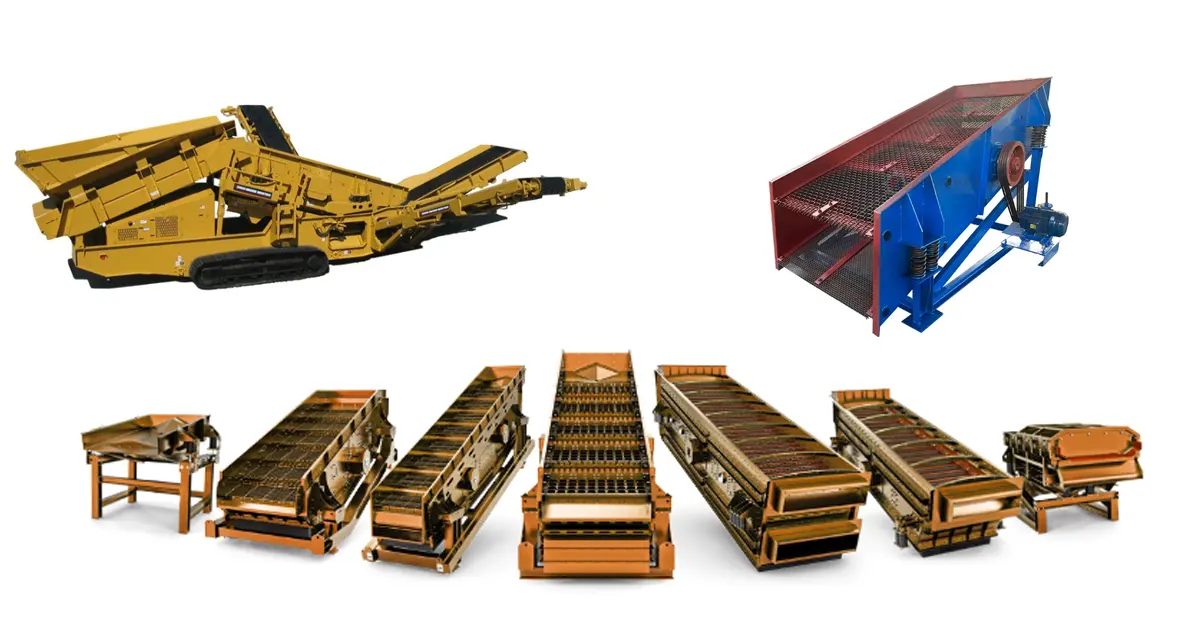
There are many types of screening equipment—incline, horizontal, trommel, vibrating, and disc screens. Each type is better suited for specific tasks. You may wonder which is the most efficient screening equipment for your needs. The answer depends on your material, the volume you want to process, and the results you aim to achieve.
Key Takeaways
- Pick screening equipment by looking at material type, amount, and what results you want for best efficiency.
- Make sure your screen can handle the right amount of material each hour because high throughput is important.
- Sorting needs to be accurate, so choose screens that fit your size needs to cut down on waste.
- Keep equipment working by doing regular maintenance and checking how it works to find problems early.
- Think about all costs, like buying, running, and fixing the equipment, not just the first price.
- Use the correct screen media for your material; polyurethane panels are good for wet materials, and woven wire is better for dry ones.
- Change feed control and bed depth to help the screen work better and stop clogging.
- Test and check your process often to make sure your equipment works its best.
Efficiency Metrics
Throughput
Throughput tells you how much material your screen can handle in a set time. If you want to move a lot of material fast, you need high throughput. You measure this in tons per hour. Some screens can handle hundreds of tons every hour. Others work better with smaller loads.
You should think about your material type. Heavy rocks move differently than light wood chips. Wet material can slow things down. If you run a recycling plant, you might need to process mixed materials. In that case, you want a screen that keeps up with your conveyor belt.
Here are a few things that affect throughput:
- The size of the screen deck
- The speed of vibration or rotation
- The angle of the screen
- The type of material you feed
If you want to boost throughput, try to keep your feed steady. Avoid dumping too much at once. Spread the material evenly across the screen. This helps you get the most out of your equipment.
Accuracy
Accuracy means your screen sorts material into the right sizes. You want the right pieces in the right pile. If your screen is not accurate, you get too many fines or oversize pieces. That can cause problems later in your process.
Different screens have different accuracy levels. Some do a great job with fine material, while others work better with larger pieces. To compare accuracy, focus on real screening results like cut-point consistency, carryover (oversize in the undersize product), and contamination (fines mixed into the oversize stream). Choosing the right screen type and screen media for your material helps keep product size on target and reduces rework, waste, and downstream issues.
Downtime
Downtime happens when your screen stops working. This can be for cleaning, repairs, or changing parts. Every minute your screen is down, you lose production. You also spend money on labor and repairs.
You want equipment that runs smoothly with little downtime. Some screens need more maintenance than others. For example, vibrating screens might need more frequent checks. Trommel screens can clog if you run wet material. Disc screens may jam if you feed them large, odd-shaped pieces.
To cut downtime, check your screens often. Clean them before they clog. Replace worn parts before they break. If you keep up with small fixes, you avoid big problems later.
Tip: Track your downtime in a logbook. This helps you spot patterns and fix issues before they get worse.
Cost
When you look for the most efficient screening equipment, you cannot ignore cost. Cost does not just mean the price tag on the machine. You need to think about several things that add up over time.
Here are the main types of costs you should watch:
- Purchase Price: This is what you pay to buy the equipment. Some screens cost more up front, but they may last longer.
- Operating Cost: This includes energy, labor, and supplies. If your screen uses a lot of electricity, your bills go up.
- Maintenance Cost: All machines need care. Some screens need new parts often. Others run longer without repairs.
- Downtime Cost: When your screen stops, you lose money. You may need to pay workers to wait or fix problems.
- Replacement Cost: If your screen wears out fast, you will need to buy a new one sooner.
Tip: Always ask for the total cost of ownership, not just the sticker price. A cheap screen can cost more in the long run if it breaks down often.
You can use a simple table to compare costs:
| Cost Type | Incline Screen | Trommel Screen | Vibrating Screen |
|---|---|---|---|
| Purchase Price | $$ | $$$ | $$ |
| Operating Cost | $ | $$ | $$ |
| Maintenance Cost | $ | $$$ | $$ |
| Downtime Cost | $ | $$ | $$ |
($ = low, $$ = medium, $$$ = high)
If you want to save money, look for screens that use less energy and need fewer repairs. You can also save by picking the right screen for your material. For example, a trommel screen may cost more to run with wet material because it clogs. An incline screen may use less energy with dry gravel.
Yield
Yield tells you how much good material you get out of your process. High yield means you waste less and make more money. Low yield means you lose valuable product.
You can measure yield like this:
Yield (%) = (Amount of good product / Total material input) x 100
If you feed 100 tons of rock into your screen and get 90 tons of clean product, your yield is 90%.
Here are ways to boost your yield:
- Use the right screen size for your material.
- Keep your feed steady and even.
- Clean your screens often to prevent blockages.
- Check for worn parts that let good material escape.
Note: High yield does not always mean high accuracy. Sometimes, you get more product but also more unwanted pieces. Try to balance yield and accuracy for the best results.
If you want to get the most out of your screening equipment, watch your yield numbers. Small changes can make a big difference in your profits.
Which Is The Most Efficient Screening Equipment
Incline Screens
Best For
Incline screens work well for big jobs with dry materials. They move crushed stone, sand, or gravel quickly. Many quarries and mines use them for main or extra screening.
Pros
- Gravity helps move material, so you use less power.
- The design is simple, so you fix it less often.
- Incline screens process material fast and handle big loads.
- They work outside or in places with tall ceilings.
If you want to make more and spend less on energy, incline screens are a good pick.
Cons
- Incline screens have trouble with wet or sticky material. You may get more blockages.
- They do not sort small particles as well as other screens.
- You need more height to install them.
Key Parameters
- The usual angle is between 10° and 35°.
- Circular vibration helps increase capacity.
- Gravity moves material and lowers power use.
| Feature | Inclined Screens | Horizontal Screens |
|---|---|---|
| Energy Efficiency | Need less power because gravity helps | Need more power to move materials |
| Maintenance | Simple design, fewer parts to fix | More parts, more fixing needed |
| Sorting Accuracy | Not as good for fine materials | Better for small and fine materials |
| Operational Space | Need tall ceilings or outdoor space | Small design, good for tight spaces |
| Handling Wet Materials | Harder with wet materials | Good for wet, sticky, or rough materials |
| Processing Speed | Faster because gravity helps | Slower without gravity |
Best Screen Media
Woven wire or punch plate media work best. These handle heavy materials well. For sticky material, use self-cleaning media to stop clogging.
Horizontal Screens
Best For
Horizontal screens are great for sorting fine or wet material. They fit well in portable plants or small spaces. Many people use them for final sorting.
Pros
- You get better sorting for small or fine particles.
- The flat shape fits in tight or portable places.
- Horizontal screens handle wet or sticky material better than incline screens.
- Material stays longer on the screen, so sorting improves.
Need a small screen for tough jobs? Horizontal screens can help you finish the work.
Cons
- These screens use more power because gravity does not help.
- The design is more complex, so you fix it more often.
- They work slower than incline screens.
Key Parameters
- Material stays longer, so sorting is more accurate.
- Often used for final sorting or finishing.
- Low shape makes them good for mobile or small plants.
| Application Type | Screen Type | Efficiency Benefit |
|---|---|---|
| SAG Mill Discharge | Horizontal | Cuts recirculating load and lowers energy use at the mill. |
| Wet and Dry Classification | Horizontal | Gives exact particle-size sorting for later steps. |
| Desliming Applications | Inclined | Controls cut points and saves more water. |
Best Screen Media
Polyurethane panels or self-cleaning media are best. These stop clogging, especially with wet or sticky material.
Vibrating Screens
Best For
Vibrating screens are good for many materials. They work for both big and small sorting jobs. Many industries use them for rocks, coal, recycling, and food.
Pros
- Vibrating screens use less power, so you save money.
- They help you meet energy rules and lower costs.
- These screens remove unwanted pieces early and protect other machines.
- You get better product quality and higher recovery.
- Vibrating screens need less fixing because they resist clogging.
Want better products and less downtime? Vibrating screens are a strong choice.
Cons
- Efficiency drops if you put too much on the screen.
- You must check the screen type and keep it clean.
- Some models are loud, so you may need noise control.
Key Parameters
- Screen capacity depends on the media type and cleanliness.
- Efficiency goes up with more material but drops if overloaded.
- Good screening lowers wear on other equipment.
Best Screen Media
Woven wire and polyurethane panels are popular. For sticky or wet material, self-cleaning media helps stop blockages.
If you ask which screening equipment is most efficient, match your choice to your material, space, and sorting needs. Incline screens give speed and low power use. Horizontal screens give accuracy and handle tough materials. Vibrating screens save energy, improve quality, and need less fixing. Each type works best for certain jobs, so pick what fits your needs.
Trommel Screens
Best For
Pick trommel screens for wet or sticky materials. They work well with compost, topsoil, waste, and recycling. If you handle damp soil or mulch, trommel screens help your process.
Pros
- Trommel screens keep working with wet or sticky materials. The drum spins and stops blockages.
- You clean less often. The design keeps holes clear.
- Trommels handle many materials, from fine compost to bulky waste.
- You can process lots of material easily.
Trommel screens are often best for wet or sticky jobs.
Here’s how trommel screens compare to vibrating screens:
| Screen Type | Wet Material Handling | Sticky Material Handling | Cleaning Frequency |
|---|---|---|---|
| Trommel Screen | Excellent | Excellent | Low |
| Vibrating Screen | Poor to Fair | Poor | High |
Cons
- Trommel screens need more space than flat screens.
- They use more energy than incline screens for dry material.
- The drum and panels wear out faster with sharp materials.
- Trommels may not sort fine particles as well as other screens.
Key Parameters
- Drum size controls how much material you process.
- Rotation speed affects how well sizes are separated.
- Hole size and shape decide what passes through.
- Trommels work best with even feeding and no overloading.
- Trommel screens keep moving so sticky materials do not block holes.
- You save time and effort with trommels for damp materials.
Best Screen Media
Punch plate and mesh panels work for most jobs. For compost or wet waste, self-cleaning panels keep the screen open. You can change panels to match your material.
Disc Screens
Best For
Disc screens are best for sorting lots of mixed or bulky materials. You see them in recycling centers, biomass plants, and waste processing. They separate cardboard, paper, wood, or debris.
Pros
- Disc screens handle large amounts quickly. You boost your plant’s capacity.
- The design lets you adjust for different sizes.
- These screens run slow, so there is less noise and wear.
- Self-cleaning keeps discs turning and stops jams.
- You can use disc screens for recycling, composting, and waste sorting.
Here’s what makes disc screens special:
| Feature/Application | Description |
|---|---|
| High-Volume Screening | Sorts lots of material and increases capacity. |
| Versatile Applications | Used in biomass, pulp, and for removing large pieces. |
| Low-Speed Operation | Less maintenance and noise, more reliability. |
| Multi-Stage Screening | Many separation points for better sorting. |
| Adaptability | Modular discs target different sizes. |
| Durability | Built for tough materials, lasts long. |
| Low Maintenance | Self-cleaning stops jams. |
| Waste Management | Separates fines from waste, helps sorting. |
| Recycling | Separates containers from paper and cardboard. |
| Composting | Screens out things that cannot compost. |
| C&D Waste | Separates small debris from big materials. |
| High Throughput | Handles lots of material efficiently. |
| Energy Efficiency | Compact design saves space and energy. |
| Continuous Operation | Runs all day, boosts productivity. |
| Accurate Separation | Keeps openings for precise sorting. |
| Flexibility | Can be set up for many materials. |
Disc screens are a top choice for high-volume recycling or waste jobs.
Cons
- Disc screens cost more at first than some types.
- You must check discs for wear, especially with sharp materials.
- They may not work well for very wet or sticky materials.
- Fine particles can slip through if discs are spaced too far.
Key Parameters
- Disc size and spacing control what passes through.
- Disc speed affects how well materials are separated.
- You can adjust angle and speed to match your material flow.
- The design lets you swap discs for different jobs.
Best Screen Media
Steel or tough discs last longest. For lighter materials, use polymer discs. The self-cleaning design keeps the screen open.
To find the most efficient screening equipment for your plant, look at your material, volume, and how clean you want your product. Trommel screens and disc screens each have strengths for tough jobs.
Scenario-Based Efficiency
Dry Aggregate
If you work with dry aggregate, you need a fast screen. Dry rocks, sand, and gravel move easily. Many screens can handle these materials. Freely vibrating, circular motion, and linear motion screens are common. Each screen works best for certain jobs.
Here is how these screens compare for dry aggregate:
| Screen Type | Efficiency Characteristics | Notes |
|---|---|---|
| Freely Vibrating | Vibration changes with load and angle. | Used for many jobs. |
| Circular Motion | Handles more material but less efficient due to angle (12°–20°). | Cheaper and common. |
| Linear Motion | High efficiency; sits flat or nearly flat (0°–5°). | Great for fine sorting; fits in short spaces. |
Circular motion screens are good for high capacity. Linear motion screens sort small pieces better. Freely vibrating screens work for most jobs. Think about your space and how fine you want your product.
Tip: Start with a circular motion screen for most dry jobs. Switch to linear motion if you want cleaner, finer material.
Wet/Clay Material
Wet or clay-rich material makes screening hard. Sticky particles block holes and slow things down. You need a screen that stops blockages and keeps working.
Polyurethane screen mesh is best here. It has a hydrophobic surface, so water and clay do not stick. The mesh bounces back quickly and shakes off sticky bits. You spend less time cleaning and more time running your plant.
- Polyurethane mesh cuts downtime by 30% compared to rubber.
- It keeps working even with a steady flow of slurry.
- The self-cleaning action boosts throughput, sometimes over 200 tons per hour.
Polyurethane moves in a special way. When the screen vibrates (800–1200 RPM), it makes tiny jumps. These jumps knock off sticky clay and keep holes open. You get steady sorting, even with tough, wet material.
| Property | Polyurethane | Stainless Steel | Rubber |
|---|---|---|---|
| Moisture Rejection | Hydrophobic | Prone to sticking | Some absorption |
| Elastic Recovery | Very high | None | Slow |
| Clogging | 40% less | Clogs often | Clogs over time |
If you handle wet or clay-rich loads, pick polyurethane mesh. You will see less downtime and better results.
High Throughput
Sometimes, you need to move lots of material fast. High-throughput screening is about speed and accuracy. In labs, special machines help sort or test thousands of samples quickly.
Here are some high-throughput options:
| Equipment Type | Description | Where You Use It |
|---|---|---|
| Acoustic Dispenser | Uses sound to move tiny drops without touching liquid. | Drug testing, bacteria screening |
| Biomek 2000 | Large robot for handling liquids in labs. | Disease research |
| Matrix WellMate | Small, safe dispenser for tough lab work. | Infectious disease labs |
| Microfluidic Device | Makes quick, accurate mixes for drug tests. | Cancer drug screening |
Big plants need screens that handle heavy loads without slowing down. Look for machines with strong motors and self-cleaning features. Microfluidic devices use smooth flows to mix and test drugs faster than old methods. This saves time and boosts accuracy.
Need to process a mountain of material? Choose equipment built for speed and steady operation.
Fine Screening
Fine screening means you want to separate out the smallest pieces from your material. You might work with minerals, sand, or even food powders. Getting the right size matters a lot. If you use the wrong screen, you end up with too many fines or oversized pieces. That can mess up your whole process.
You have a few good options for fine screening. Let’s look at what works best:
- Incline screens stand out for fine screening in mineral processing. These screens use gravity to help move material. This means you get more done with less energy. You also see better capacity at the same speed compared to horizontal screens.
- Vibrating screens with advanced suspension and high-force vibration technology give you a big boost. They shake the material hard, so even tiny particles find their way through the mesh. This leads to higher throughput and better separation.
- Specialty equipment like VibraScreener machines focus on high-performance sifting. These screens handle abrasive materials and keep your particle sizes just right. You also spend less time fixing them, which means more uptime for you.
Here’s a quick table to help you compare your options:
| Screen Type | Best For | Power Use | Throughput | Maintenance | Accuracy |
|---|---|---|---|---|---|
| Incline Screen | Minerals, sand, fines | Low | High | Low | High |
| Vibrating Screen | Powders, minerals | Medium | High | Medium | High |
| Trommel Screen | Compost, wet fines | High | Medium | Medium | Medium |
| Disc Screen | Bulky, mixed material | Medium | High | Low | Low |
Tip: If you want the best results for fine screening, start with an incline screen. You get more material sorted with less energy.
You should also think about your screen media. Woven wire works well for most fine jobs. If you deal with sticky or wet material, try self-cleaning panels. These keep holes open and stop blockages.
Let’s break down what you need for top fine screening:
- Pick a screen with strong vibration and a tight mesh.
- Keep your feed steady and even.
- Clean your screens often to keep them working right.
- Watch for worn parts and swap them out fast.
Fine screening can make or break your process. When you choose the right equipment, you get cleaner product, less waste, and more profit. If you want to save energy and boost accuracy, incline screens and high-force vibrating screens are your best bet.
Need help picking the right screen? Think about your material, how fine you want it, and how much you need to process each hour. The right choice will keep your plant running smooth.
Screen Media Impact
Woven Wire
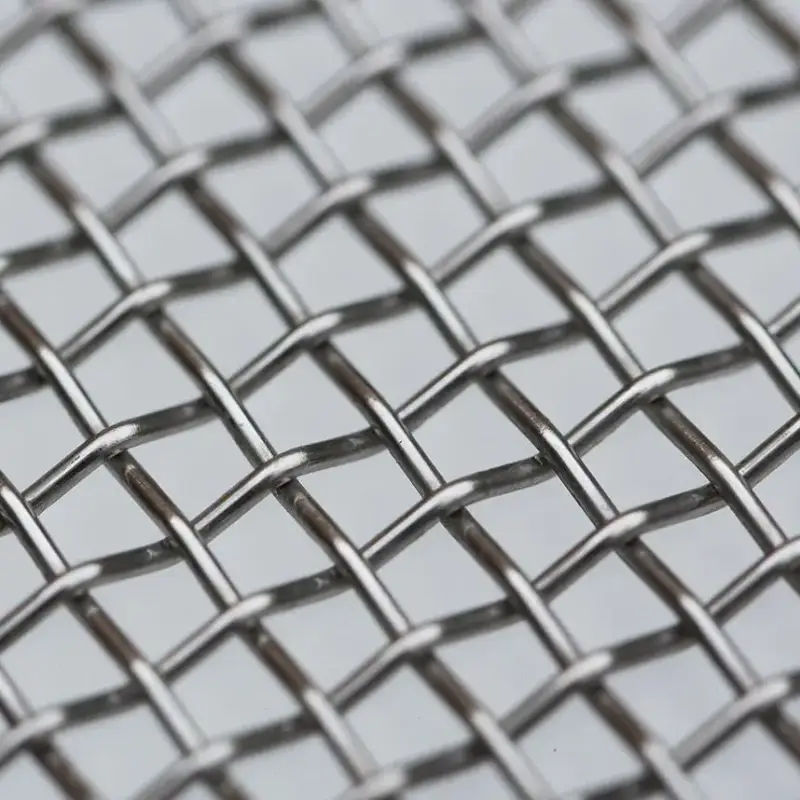
Woven wire is a classic choice for screen media. You see it in many mining and recycling plants. It works best when you deal with dry, clean materials. If you want to boost efficiency in these settings, woven wire can help.
Here’s what you get with woven wire screens:
- Great performance with dry and clean materials.
- Good results in mining and recycling.
- Simple design that is easy to install and replace.
But you should know the limits. Woven wire can slow down your process if you handle wet or sticky material. The holes can get blocked, which means less material passes through. This is called blinding or pegging. When this happens, your throughput drops. You spend more time cleaning and less time running your plant. For wet or sticky jobs, flip flow screens work better. They shake off the sticky bits and keep things moving.
Tip: Use woven wire for dry jobs. Switch to flip flow or self-cleaning screens for wet or sticky loads.
Polyurethane Panels
Polyurethane panels are a modern upgrade for many screening plants. You get a lot of benefits when you choose these panels over old-style screens.
- Polyurethane panels last much longer than regular screen plates. You might see them last 8 to 10 times longer.
- They resist wear and tear, so you do not need to replace them often.
- These panels stop material from blocking the holes. This means you keep your process running and avoid downtime.
- Polyurethane works well with wet materials. It does not let sticky stuff build up.
- You get better accuracy and less maintenance.
When you use high-performance polyurethane panels, you also see better separation of materials. The panels can handle high vibration—up to 10,000 cycles per minute. This shakes the material and speeds up the sorting. You get more material processed in less time. The end product looks cleaner and meets your quality goals.
Note: Polyurethane panels help you save money on repairs and keep your plant running longer.
Self-Cleaning Media
Self-cleaning media make your life easier. These screens break up clumps and shed sticky particles. You do not have to stop as often to clean the screen. This means you get more done each day.
- Self-cleaning screens keep material flowing. They stop buildup before it starts.
- You see less downtime because you do not need to pause for cleaning.
- Throughput goes up since the screen stays open and clear.
If you handle tough, sticky, or wet materials, self-cleaning media can be a game changer. You spend less time fixing problems and more time making product.
Want to boost your screening efficiency? Try self-cleaning media for steady, reliable results.
Media Parameters
If you want your screening equipment to work well, you must pay attention to media parameters. These are important settings and features. They decide how your screen sorts material. If you set them right, you get more good product and less waste.
Let’s look at the most important media parameters:
- Type of material: What you put on the screen matters a lot. Rocks, sand, compost, and wet clay act differently.
- Choice of equipment: Each screen type works best with certain materials. Incline, vibrating, and trommel screens are examples.
- Screen deck inclination: The angle of your screen changes sorting speed. It also affects how well material is sorted.
- Vibration frequency: How fast your screen shakes can help sorting. If it shakes too fast or slow, sorting gets worse.
- Amplitude: This is how far the screen moves up or sideways.
- Properties of the screening media: Open area means space for material to pass through. Wear life means how long the media lasts.
You might ask, “Which should I focus on?” Here is a simple list to help:
- Screen panel life expectancy—How long will your screen last before you need to replace it?
- Open area—How much space does your screen have for material to fall through?
- The tradeoff—Do you want more open area for speed, or do you want your screen to last longer? Sometimes you cannot have both.
Studies show each parameter affects screening efficiency in its own way. You get the best results by using different parameter combinations.
Here is a quick table showing how these parameters affect your results:
| Parameter | What It Does | Why It Matters |
|---|---|---|
| Open Area | Lets material pass through | More open area = higher speed |
| Wear Life | How long the screen lasts | Longer life = less downtime |
| Inclination | Moves material faster or slower | Changes sorting accuracy |
| Vibration Frequency | Shakes material to help sorting | Too fast or slow hurts results |
| Amplitude | Moves material across the screen | Helps prevent blockages |
Screening efficiency is measured by how much material passes through the screen compared to the undersize material in the feed. This number shows how well your screen works. If you want better results, change one parameter at a time and see what happens.
Tip: There is no single answer for everyone. Match your media parameters to your material and your goals. Small changes can make a big difference!
Practical Efficiency Tips
Feed Control
You want your screening equipment to run smoothly and efficiently. Feed control plays a big role in this. If you dump material unevenly, you get blockages and poor sorting. When you spread material evenly across the screen, every part of the deck works. You can use chutes, feeders, or vibratory conveyors to keep the feed steady. These tools help you maintain a constant rate and uniform distribution. Imagine pouring sand onto a table. If you pour it all in one spot, it piles up and spreads slowly. If you sprinkle it evenly, it covers the surface and moves faster. That’s what you want for your screen—steady, even feed for the best results.
Tip: Always check your feed system. If you see piles or gaps, adjust your feeder or chute. A uniform feed boosts your throughput and accuracy.
Bed Depth
Bed depth means how thick the layer of material is on your screen. If the bed is too deep, particles get stuck and clog the screen. If it’s too shallow, you waste space and lose efficiency. You need to find the sweet spot. Studies show that keeping the right bed depth helps particles move and separate better. You also see less clogging and smoother operation.
Here’s a quick look at what happens when you adjust bed depth:
| Finding | Description |
|---|---|
| Optimal Bed Depth | Helps particles move and separate, making screening more efficient. |
| Reduced Screen Clogging | Less clogging means better flow and less downtime. |
| Efficiency Comparison | Iron ore separates better than coal at the right bed depth. |
You can test different depths to see what works best for your material. If you handle iron ore, you might get better results than with coal. Keep an eye on the layer and adjust as needed.
Note: Don’t let the bed get too thick or too thin. The right depth keeps your screen working at its best.
Angle & Frequency
The angle and frequency of your screen matter a lot. If you set the angle too steep, material moves fast but doesn’t spend enough time on the screen. You might miss some particles. If the angle is too flat, material moves slowly and can pile up. You need to match the angle to your material and your goals. For vibrating screens, the amplitude and speed of vibration help move material and separate it. Higher frequencies work well for fine particles. Lower frequencies suit bigger chunks.
You can tweak the angle and vibration settings to get the best results. If you handle sand or fine minerals, try a higher frequency. For gravel or larger pieces, use a lower frequency and a steeper angle. The right combination keeps material moving and improves sorting.
Try different angles and vibration speeds. Watch how your material flows and adjust until you see smooth movement and good separation.
Anti-Clogging Media
You know how frustrating it feels when your screen clogs up. Everything stops. You lose time and money. Anti-clogging media can change that story for you. These special screens keep material moving and stop blockages before they start.
When you use anti-clogging media, you see big improvements in your operation:
- You cut out daily stoppages from clogged screens. One mine saw downtime drop by 90 hours each year.
- With less downtime, you can process more material. That same mine handled an extra 108,000 tonnes of ore in a year.
- You save money. The right anti-clogging media helped the mine save at least $315,000 every year.
- Throughput goes up. Your screens stay open, so more material passes through.
- Your team spends less time fixing problems and more time running the plant.
Anti-clogging media use flexible wires or panels that move with the vibration of your screen. This movement shakes off sticky or wet material. You do not have to stop as often to clean the screen. You get a steady flow and better yield.
Tip: If you handle wet, sticky, or clay-rich material, try anti-clogging media. You will see fewer blockages and more product at the end of the day.
Sampling & Validation
You want to know if your screening equipment works well. Sampling and validation help you check your process and keep your results accurate. Good sampling means you test material from different spots on your screen. You do not just grab from one place. You cover the whole surface.
Here are some best practices for sampling and validation:
- Take samples from all over the equipment, not just one area. This helps you see if cleaning works everywhere.
- Use a statistical formula to pick the right number of samples. This makes sure your results are solid and match your quality goals.
- Check both direct and indirect contact surfaces. If a surface can touch your material, include it in your plan.
- Try both rinse and swab methods for sampling. Each method finds different types of residue. Make sure you test each one to see how well it works.
When you follow these steps, you catch problems early. You keep your screening process clean and efficient. You also meet safety and quality standards.
Note: Sampling and validation are not just for big plants. Even small operations can use these steps to boost efficiency and avoid costly mistakes.
If you want your screening equipment to run at its best, use anti-clogging media and check your process with smart sampling. You will see better results and fewer headaches.
Equipment Selection Guide
Material & Moisture
You want your screening equipment to match your material. Not all materials act the same way. Some are dry and flow easily. Others are wet or sticky and can cause big problems.
- There are two types of moisture in your material. Surface moisture sits on the outside of each particle. Inherent moisture is inside the material.
- Surface moisture causes the most trouble. It makes particles stick together and block your screen. This is called “blinding.” When blinding happens, your screen stops working well.
- If your material has a lot of clay or is very wet, you need special equipment. Trommel screens or screens with water spray systems work best for sticky loads. They help keep the screen clear.
- Dry, free-flowing material is much easier. You can use standard vibrating screens and get good results.
If you work with fine, wet particles, they will stick to each other and to bigger rocks. This makes screening tough. You need to pick equipment that matches the physical properties of your material. If you get this right, you avoid blockages and keep your plant running.
Tip: Always check your material’s moisture and clay content before you choose your screen. This one step can save you a lot of headaches.
Throughput Goals
Throughput means how much material you want to process every hour. You measure this in tons per hour (TPH). Your throughput goal helps you pick the right screen for your job.
Here’s a quick table to help you think about your needs:
| Factor | Description |
|---|---|
| Separator purpose | What do you want the screen to do? (scalping, grading, dewatering) |
| Desired throughput (TPH) | How much material do you need to process each hour? |
| Required cut size | What size do you want to separate out? |
You need to know your throughput goal before you buy equipment. If you want to move a lot of material fast, look for high-capacity screens like incline or vibrating screens. If you only need to process small batches, a smaller screen will do the job.
Screening is key for your final product’s quality. It also affects your production rate and costs. If your screen can’t keep up, your whole operation slows down.
Want to boost your plant’s performance? Set a clear throughput goal and pick a screen that matches.
Accuracy Needs
Accuracy tells you how well your screen sorts material into the right sizes. If you need very clean, exact sizes, you need a screen with high accuracy.
- Fine screening jobs, like separating sand or minerals, need screens with tight mesh and strong vibration.
- If you only need rough sorting, you can use a screen with bigger openings.
- The more accurate your screen, the less waste you get and the better your product looks.
Think about what your customers want. If they need perfect sizes, invest in a high-accuracy screen. If you just need to remove big rocks, you can use a basic screen.
Remember: The right accuracy level saves you time and money. It also keeps your customers happy.
Maintenance & Cost
When you pick screening equipment, you want something that works well and does not break down often. Maintenance and cost play a big role in your decision. If you choose the wrong screen, you might spend more time fixing it than using it. That means lost money and headaches.
Let’s break down what you should think about:
What Makes Maintenance Easy?
- Simple Design: Screens with fewer moving parts are easier to fix. You can spot problems fast and get back to work.
- Access Points: Look for equipment with doors or panels you can open. This helps you clean and replace parts without taking the whole machine apart.
- Self-Cleaning Features: Some screens shake off sticky material by themselves. You spend less time cleaning and more time running your plant.
- Durable Materials: Strong frames and tough screen media last longer. You do not have to swap out parts as often.
Tip: Ask the dealer how often you need to service the equipment. If they say “not much,” that’s a good sign!
Comparing Maintenance Needs
Here’s a quick table to help you see how different screens stack up:
| Screen Type | Maintenance Level | Common Issues | Service Time |
|---|---|---|---|
| Incline Screen | Low | Worn panels | Short |
| Horizontal Screen | Medium | Motor checks | Medium |
| Vibrating Screen | Medium | Loose bolts | Medium |
| Trommel Screen | High | Drum wear, clogging | Long |
| Disc Screen | Medium | Disc wear, jams | Medium |
You can see that incline screens usually need the least attention. Trommel screens need the most, especially with wet or sticky loads.
What About Cost?
Cost is more than just the price tag. You need to think about:
- Upfront Cost: How much you pay to buy the equipment.
- Operating Cost: What you spend on power, labor, and supplies.
- Repair Cost: Money for new parts and fixing breakdowns.
- Downtime Cost: Lost money when your plant stops.
If you want to save money, pick a screen that matches your material. For example, don’t use a trommel for dry gravel. It will wear out fast and cost more to fix.
Note: Sometimes, paying more upfront gets you a machine that lasts longer and costs less to run.
How to Lower Your Costs
- Keep your screens clean and check them often.
- Use the right screen media for your material.
- Train your team to spot problems early.
- Replace worn parts before they break.
When you pay attention to maintenance and cost, you keep your plant running and your wallet happy. Choose wisely, and you’ll see the benefits every day.
Conclusion
You won’t find one “most efficient” screen for every job. Your best choice depends on your material, how much you need to process, and your goals. For dry aggregate, incline or vibrating screens shine. Wet or sticky loads? Trommel or polyurethane screens work best. Here’s a quick guide:
| Application Type | Best Media Choice | Key Benefits |
|---|---|---|
| Wet | Polyurethane | Lasts longer, easy to clean |
| Dry | Rubber | Handles impact, less noise |
- List your must-have features.
- Think about downtime and labor costs.
- Use the tips above to get the best results.
Pick what fits your needs, and you’ll see better performance every day!
FAQ
What is the most important factor for screening efficiency?
You should focus on matching your screen to your material and throughput needs. If you get this right, you boost both speed and accuracy. Other factors like screen media and maintenance also matter.
How often should I clean my screening equipment?
You should check and clean your screens daily if you handle wet or sticky material. For dry loads, inspect them every few days. Regular cleaning keeps your process smooth and reduces downtime.
Can I use one screen for all materials?
No, you can’t. Each material acts differently. Rocks, sand, compost, and waste need different screens. If you use the wrong screen, you get blockages or poor sorting.
What screen media lasts the longest?
Polyurethane panels usually last the longest. They resist wear and blockages. You can use them for both wet and dry jobs. They also need less maintenance.
How do I know if my screen is overloaded?
Watch for slow movement, blockages, or uneven sorting. If you see these signs, reduce your feed rate. Overloading lowers efficiency and can damage your equipment.
Which screen is best for wet, sticky material?
Trommel screens and polyurethane mesh work best for wet or sticky loads. They keep holes clear and reduce cleaning time. You get better results with less effort.
Do self-cleaning screens really work?
Yes! Self-cleaning screens shake off sticky bits and keep material moving. You spend less time cleaning and more time running your plant. They help you avoid costly downtime.
How can I lower my screening costs?
Pick the right screen for your material, use durable media, and keep up with maintenance. These steps help you save money and boost your plant’s performance.