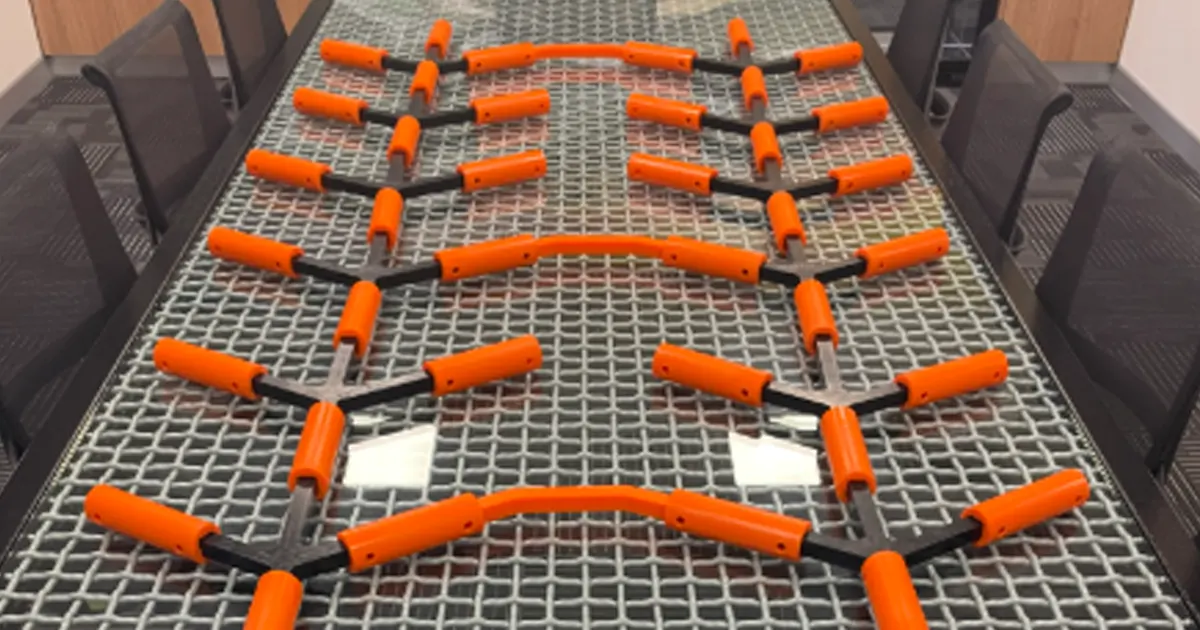
You want the best pu declogging rods for your job, but where do you begin? First, look at the rod size and hardness. If you match these to your screening job, you get better cleaning and less downtime. Use this table for a quick guide:
| Specification | Details |
|---|---|
| Hardness Range | 80A to 95A Shore |
| Abrasion Resistance | Over 10,000 cycles (ASTM D4060) |
| Compression Set | Less than 15% after 24 hours at 70°C |
| Load-Bearing Capacity | Confirm with manufacturer data sheet |
Think about your vibrating screen, the material you use, and your site’s conditions before you buy.
Key Takeaways
- Pick the correct size and hardness of PU rods for better cleaning and less time fixing things.
- Softer rods (80-85 Shore A) are best for sticky or wet stuff, but harder rods (90-95 Shore A) are good for heavy things.
- Measure your screen’s mesh size and wire thickness carefully so the rods fit well. Use a micrometer to measure exactly so you don’t buy the wrong rod size.
- Check and clean your PU rods often to help them last longer and keep your screen working well. Look for signs of damage or clogging to see if you need to change rod size or hardness.
- You can get custom PU rods for special screens; always tell suppliers about your screen.
- Picking the right PU rods can make your screening work much better and cut down on repairs.
What Are Polyurethane Rods?
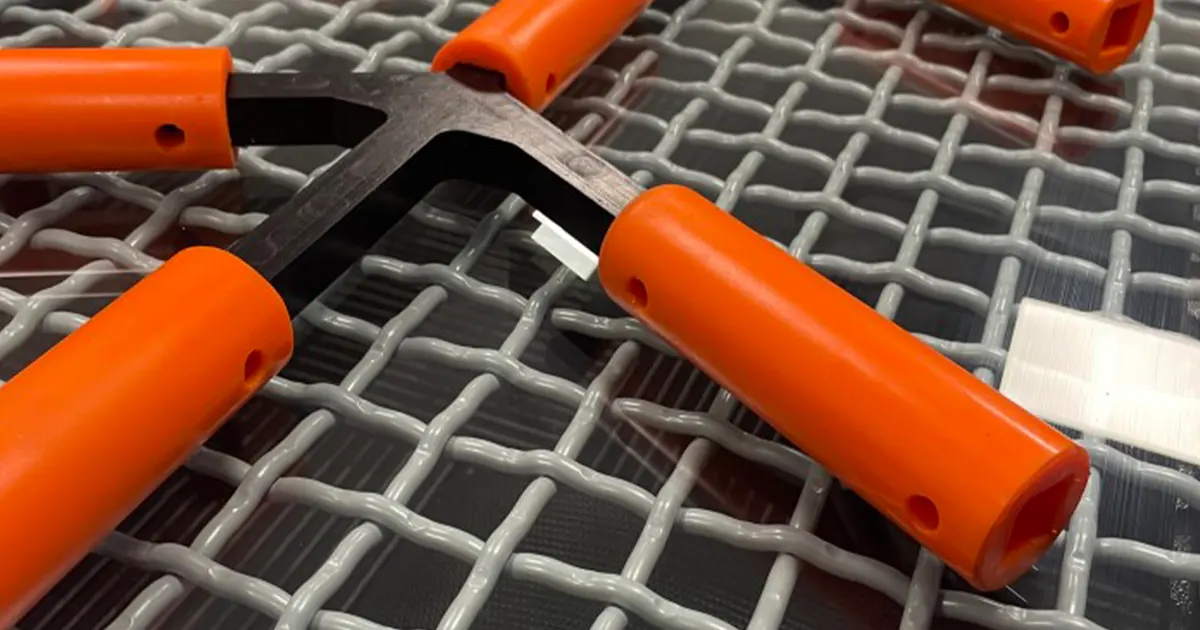
PU Rods in Vibrating Screens
Have you ever wondered why polyurethane rods are used so much in screening machines? These rods are made from a strong and bendy material called polyurethane. People use them in vibrating screens to help keep the mesh clean and make the machine work better.
Polyurethane rods go between the wires on your screen panels. When the screen shakes, the rods move too. This movement helps shake off sticky stuff and keeps the mesh open. You do not have to stop as often to clean, so you can screen more material.
Tip: If you want your screen to work better, try using polyurethane rods that have the right thickness and hardness for your mesh. Picking the right rod can really help your screen do a better job.
Polyurethane rods come in many sizes. Some rods are thin and bend easily, while others are thick and stiff. You should pick a size that fits your screen and the stuff you are working with. If you deal with wet or sticky material, softer rods might be best. If your material is dry and rough, harder rods could work better.
Anti-Blinding and Screening Efficiency
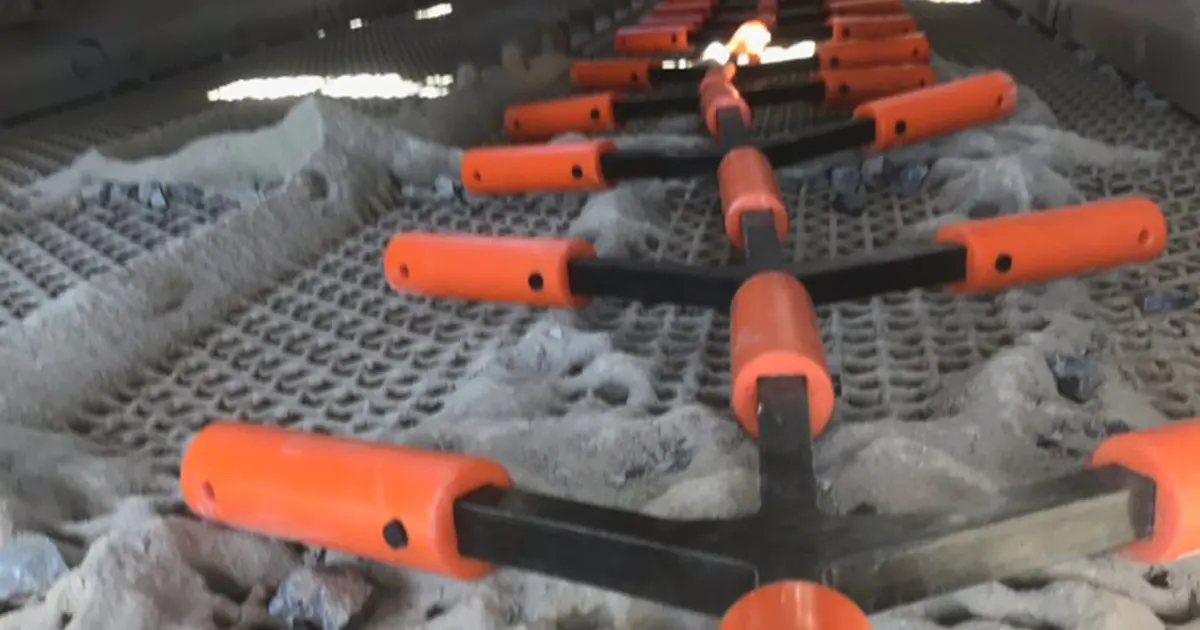
Polyurethane rods help stop blinding. Blinding happens when material sticks to the mesh and blocks the holes. It is annoying when your screen gets blocked and stops working. These rods fix that by letting the wires move and shake. This shaking knocks off small pieces and keeps the mesh clear.
- Polyurethane rods make anti-blinding better by letting the wires move and shake, which helps get material off the mesh.
- This bending helps the screen clean itself and lowers the chance of clogging and blinding.
- Declogging rods that bounce on polyurethane strips give extra shaking to remove tough material, so your screen works better.
Polyurethane rods are special because they are tough and flexible. They last longer and keep your screen cleaner. The rods work well with anti-clogging panels, so you can trust them for hard jobs. When you use polyurethane rods, you get fewer clogs and your screen works the same every time.
If you look at polyurethane rods and compare them to old ways like rubber balls or sliders, you will see the difference fast. The rods make your screen move more and shake off stuck material. You do not have to fix clogs as much, so you can finish your work faster.
Best PU Declogging Rods: Size Selection
Common Diameters and Lengths
When you look for the best pu declogging rods, you need to know the right size. Most pu rods come in a range of diameters. You can find rods from 10 mm up to 50 mm. Some jobs need custom sizes, so you can ask for special diameters if your screen is unique. The length of the rods depends on your screen deck. You should measure the width of your deck and the installation zone. This helps you get rods that fit perfectly.
Here’s a quick table to show the most common sizes:
| Rod Diameter | 10–50 mm (custom available) |
|---|---|
| Rod Length | Custom per deck width and installation zone |
If you want the best pu declogging rods for your screen, start by checking the mesh size and wire diameter. These details help you pick rods that fit snugly and work well. You can use a calibrated micrometer to measure the rod diameter. This tool gives you an accurate reading, so you don’t end up with rods that are too loose or too tight.
Tip: Always measure twice before you order. A rod that fits right will last longer and clean better.
Rod Size and Screen Fit
You need to match the rod size to your screen. If the rod is too thick, it won’t move enough. If it’s too thin, it might not clean well. The best pu declogging rods fit between the wires and bounce when the screen shakes. This movement helps knock off stuck material.
Think about the mesh size and wire diameter. If your screen has small holes, you need thinner rods. For bigger holes, thicker rods work better. You should also check the space between the wires. The rod must fit snugly but still move. If you use pu rods that are too stiff or too loose, your screen won’t clean as well.
Here’s what you should do:
- Measure the mesh opening and wire diameter.
- Use a micrometer for rod diameter.
- Pick rods that fit snugly but allow movement.
- Ask for custom rods if your screen is not standard.
You want the best pu declogging rods to fit your screen perfectly. This helps your screen stay clean and keeps your work moving.
Sizing for Sticky Wet Material
Sticky or wet material can clog your screen fast. You need to pick the right size and shape for your pu rods. The best pu declogging rods for sticky material are usually softer and thinner. These rods bend and bounce more, which helps them clean the mesh.
Self-cleaning screens work well with pu rods. If you deal with damp or sticky material, you should watch how the rods move. They should bounce and flex. If you see that the rods don’t move, you might have blockages or damage.
Here’s a table with sizing tips for sticky and wet material:
| Recommendation | Description |
|---|---|
| Match rod size and shape | Ensures optimal performance of the anti-clogging system for specific materials. |
| Self-cleaning screens | Effective for preventing clogging when dealing with damp, sticky materials. |
| Observe rod movement | Rods should bounce and flex to aid in cleaning; lack of movement may indicate blockages or damage. |
If you want the best pu declogging rods for sticky jobs, pick rods that move easily. Watch your screen during operation. If the rods bounce and flex, your screen will stay clean longer. If you need help, you can ask for custom rods made for your material.
Note: The right rod size and shape can make a big difference. You will spend less time cleaning and more time screening.
You can trust pu rods to handle tough jobs. When you choose the best pu declogging rods, you get better cleaning, less downtime, and more material screened.
Table: Screening Conditions vs Rod Size & Hardness
Choosing the right rod size and hardness can feel tricky. You want your screen to run smoothly, but every job is different. Let’s break it down so you can match your screening conditions with the best options. This table will help you pick the right pu rods for your setup.
| Screening Condition | Material Type | Recommended Rod Diameter | Shore A Hardness | Why This Works |
|---|---|---|---|---|
| Wet & Sticky | Clay, Sludge, Wet Sand | 10–20 mm | 80–85 | Thin, soft rods flex more and shake off sticky stuff. |
| Dry & Fine | Dry Sand, Limestone | 15–25 mm | 85–90 | Medium rods balance cleaning and durability. |
| Heavy & Abrasive | Gravel, Crushed Rock | 25–40 mm | 90–95 | Thick, hard rods last longer and resist wear. |
| Mixed Loads | Changing Materials | 20–30 mm | 85–92 | Medium rods handle most jobs and adapt well. |
| High Capacity | Large Volume | 30–50 mm | 90–95 | Big rods stand up to heavy loads and keep cleaning. |
Tip: If you see your screen clogging often, try softer pu rods. If your rods wear out fast, go for a harder option.
You can use this table as a quick reference. Just find your material type and match it to the rod size and hardness. If you run a quarry with lots of gravel, you need thick, tough pu rods. If you screen wet clay, softer and thinner rods will help keep your mesh clear.
Here’s how you can use this info:
- Check your material type and moisture level.
- Look at your screen’s mesh size.
- Pick the rod diameter and hardness from the table.
- Watch your screen in action and adjust if needed.
Don’t forget, pu rods come in many sizes and hardness levels. You can always ask for custom rods if your job is unique. The right choice will save you time and keep your screen working its best.
PU Rods Hardness and Performance
Shore A Hardness Explained
You might wonder what Shore A hardness means when you look at pu rods for your screening job. The Shore A hardness scale is a standard way to measure how hard or soft a material is. It tells you how much a material resists being pressed or indented. If you see a lower number, the pu rods are softer and bend more. Higher numbers mean the rods are harder and stiffer.
When you choose pu rods, you use the Shore A scale to find the right balance. Softer rods work well for cushioning and cleaning sticky material. Harder rods are better for heavy loads and tough jobs. You can check the hardness rating before you buy. This helps you pick premium pu rods that match your screen and material.
Tip: Always check the Shore A hardness rating before you order. It helps you avoid rods that are too soft or too hard for your job.
Hardness for Sticky Material
Sticky material can make your screen clog fast. You need pu rods that flex and bounce to keep the mesh clear. Softer pu rods, with Shore A hardness between 80 and 85, move more and shake off sticky stuff. These rods help your screen clean itself and reduce downtime.
If you use premium pu rods with the right softness, you see fewer blockages. Softer rods bend and vibrate, which knocks off clay, sludge, or wet sand. You get better cleaning and more material screened. You can watch your screen during operation. If the rods move and flex, you know you picked the right hardness.
Here’s a quick list to help you choose pu rods for sticky jobs:
- Pick rods with Shore A hardness 80–85 for sticky or wet material.
- Softer rods flex more and clean better.
- Premium pu rods with the right hardness last longer and keep your screen running.
Hardness for Different Screens
Every screen needs a different hardness level. You don’t want to use the same pu rods for every job. If you screen dry sand or limestone, you need rods with medium hardness. For gravel or crushed rock, harder pu rods work best. Premium pu rods offer outstanding wear resistance and high screening efficiency, which helps you process tough materials.
You can use this table to match hardness to your screen type:
| Hardness (Shore A) | Best For |
|---|---|
| 80±2 | Wet, sticky material |
| 85±2 | Dry, fine material |
| 90±2 | Heavy, abrasive loads |
| 95±2 | High-capacity screens |
You see that hardness levels range from 80 to 95 Shore A. Some screens need softer rods, while others need harder ones. You can ask for custom premium pu rods if your screen has special needs. Different vibrating screens require specific hardness levels based on the material and how you use them.
Note: If your rods wear out fast, try harder pu rods. If your screen clogs often, softer rods might help.
You get the best results when you match the hardness of pu rods to your screen and material. Premium pu rods give you more options and better performance. You can trust them to handle tough jobs and keep your screen working smoothly.
Key Selection Factors for Polyurethane Rods
Material Stability and Quality
When you pick pu rods for your screen, you want them to last. Good material stability and quality are very important. If you choose pu rods that resist stress and abrasion, they last longer. You will not need to replace them as often. These rods can handle tough jobs and keep your screen working.
You also want pu rods that can handle heat, sunlight, and water. Stable pu rods stay strong in hot or cold weather. They do not break down when they get wet or are in the sun. If pu rods are elastic, they bounce back after bending. This helps them keep their shape and keep cleaning your screen.
Here are some ways to check if pu rods are good quality:
- Ask for reports from the company that makes them.
- Request test certificates to make sure they are stable.
- If you can, visit the factory to see how they are made.
If you pay attention to these things, you get pu rods that last longer and clean better. Quality is important for every job.
Resistance to Oil, Abrasion, Weather
You need pu rods that can handle oil, rough use, and weather. These rods face hard work every day. If you use pu rods that resist these things, you get more work time and less fixing.
Check this table to see how pu rods do:
| Property | Resistance to |
|---|---|
| Oil, water, and weather | Yes |
| Ozone and oxidation | Yes |
| Chemicals | Yes |
| Radiation, fungus, bacteria | Some types |
| Tensile and tear strength | High compared to other elastomers |
| Abrasion resistance | Outstanding compared to metals, plastics, and other elastomers |
| Load-bearing capacity | Higher than other elastomers |
| Impact resistance | Higher than plastics |
| Temperature retention | Excellent at low and high temperatures (up to 220°F / 104°C) |
If you work where there is oil or strong chemicals, pu rods protect your screen. They do not crack or wear out quickly. Pu rods also resist ozone and oxidation, so they last longer outside. You can trust pu rods to work in rain, sun, or cold. They keep working even when the weather changes.
Customization and Advanced Engineering
Every screening job is different. You might need pu rods with special shapes, sizes, or hardness. Custom pu rods fit your screen and material just right. New engineering makes pu rods even stronger and more flexible.
Companies use new technology to make pu rods better. They follow rules to make sure pu rods are safe and non-toxic. Some pu rods have low friction, so material moves better and does not get stuck. If pu rods resist moisture, you can clean your screen without hurting the rods.
Here is a table that shows how advanced pu rods help:
| Evidence Type | Description |
|---|---|
| Compliance with Standards | Pu meets FDA standards, so it is safe for food and non-toxic. |
| Durability | Pu resists wear and harsh chemicals, making your machinery last longer. |
| Flexibility | Pu gaskets fit odd shapes, improving sealing and reducing wear. |
| Low Friction | Pu improves product flow and stops blockages. |
| Moisture Resistance | Pu stands up to cleaning agents and moisture, keeping your screen sanitary. |
If you need pu rods for a special job, ask for custom ones. You can get rods with the right size, hardness, and shape. New engineering gives you pu rods that clean better and last longer. You get more value and less downtime.
Tip: Always talk to your supplier about what you need. Custom pu rods can fix problems and help your screen work better.
Equipment Compatibility
You want your PU declogging rods to work perfectly with your screening equipment. If you pick rods that do not fit your machine, you will face problems like poor cleaning, fast wear, or even damage to your screen. Let’s talk about how you can make sure your rods and equipment match up.
First, check your screen type. Do you use a vibrating screen, flip-flow screen, or a trommel? Each one needs rods with different sizes and hardness. For example, flip-flow screens often need softer, more flexible rods. Vibrating screens might need rods that are a bit stiffer. You should always know your screen’s model and design before you order.
Next, look at the mesh panel. Measure the mesh opening, wire diameter, and the space where the rods will sit. If you use rods that are too thick, they will not move well. If they are too thin, they might slip out or not clean the mesh. Use a micrometer for the best results.
Tip: Take a photo of your screen panel and send it to your supplier. This helps them suggest the best rod size and shape for your equipment.
You also need to think about how the rods will be installed. Some screens use rods that snap in. Others need rods that slide into place or lock with special clips. Make sure you know how your rods will attach. If you are not sure, ask your supplier for installation guides or videos.
Here’s a quick checklist to help you match rods to your equipment:
- Know your screen type and model.
- Measure mesh size and wire diameter.
- Check the rod installation method.
- Ask for custom rods if your screen is not standard.
- Share photos or drawings with your supplier.
You can use this table to see what to check for different equipment:
| Equipment Type | Rod Fit Needed | Common Issues if Wrong Fit |
|---|---|---|
| Vibrating Screen | Snug, flexible | Poor cleaning, rod slip |
| Flip-Flow Screen | Soft, high flex | Mesh damage, fast wear |
| Trommel | Firm, secure | Rod loss, uneven cleaning |
If you match your PU rods to your equipment, you get better cleaning and longer rod life. You also avoid downtime and costly repairs. Always talk to your supplier if you have a special screen or need help with measurements.
Note: The right rod for your equipment makes your whole screening system work better. Don’t guess—measure, check, and ask for advice if you need it.
PU Declogging Rods vs Other Solutions
Table: PU Rods vs Rubber Balls, Sliders, Brushes, Mesh, PU Panels
You have many ways to keep your screen clean. Polyurethane rods, rubber balls, sliders, brushes, mesh, and PU panels all work differently. Let’s see how they compare. This table shows the main features:
| Feature | Polyurethane Rods | Rubber Balls | Sliders | Brushes | Mesh | PU Panels |
|---|---|---|---|---|---|---|
| Flexibility | High | Medium | Medium | Low | Low | Medium |
| Shock Absorption | Excellent | Good | Good | Poor | Poor | Good |
| Weight | Light | Medium | Medium | Light | Heavy | Medium |
| Risk of Damage | Low | Medium | Medium | High | High | Low |
| Lifespan | Long | Medium | Medium | Short | Medium | Long |
| Cleaning Action | Active | Random | Random | Manual | Passive | Active |
| Maintenance | Low | Medium | Medium | High | High | Low |
Polyurethane rods bend easily and absorb shocks well. They last longer and are lighter than most other choices. You get active cleaning and less chance of screen damage.
Pros and Cons
Each declogging tool has good and bad points. Let’s make it simple so you can choose what fits your needs.
Polyurethane Rods
- 👍 Flexible and bounce a lot
- 👍 Last a long time
- 👍 Need little care
- 👎 Sometimes need special sizes
Rubber Balls
- 👍 Easy to put in
- 👍 Clean in a random way
- 👎 Wear out fast
- 👎 Can get stuck
Sliders
- 👍 Simple shape
- 👍 Clean okay
- 👎 Can jam up
- 👎 Don’t last as long
Brushes
- 👍 Good for cleaning by hand
- 👎 Need lots of care
- 👎 Might hurt the mesh
Mesh
- 👍 Strong and sturdy
- 👎 Heavy to move
- 👎 Hard to keep clean
PU Panels
- 👍 Tough and strong
- 👍 Clean actively
- 👎 Can cost more money
Tip: If you want your screen to work better and stop often, polyurethane rods are a smart pick.
Best Use Cases
You should use the right tool for your job. Here’s where each works best:
- Polyurethane rods are great for sticky, wet, or mixed stuff. They keep screens clear and last long.
- Rubber balls are good for light screens and dry material.
- Sliders fit screens with some clogging.
- Brushes help with cleaning by hand but need more care.
- Mesh is best for heavy jobs but hard to clean.
- PU panels work well for big screens and rough material.
If your job is tough or you want your screen to work better, polyurethane rods give you strong cleaning and last longer. You spend less time fixing clogs and more time working.
Note: Always check your material and screen before picking a declogging tool. The right choice keeps your work running smoothly.
How to Specify and Order PU Rods
So, you want to order the right PU declogging rods for your screen? Let’s make it simple. You need to know what to ask for, what to check, and what to avoid. This section will help you get it right the first time.
Buying Checklist
You don’t want to guess when you order PU rods. Use this checklist to make sure you get exactly what you need:
- Know Your Screen Type
- Write down your screen model and size.
- Take a photo if you can.
- Measure Everything
- Use a micrometer to measure mesh opening and wire diameter.
- Measure the space where the rod will sit.
- Pick the Right Rod Size
- Choose the diameter and length that fits your screen.
- Ask for custom sizes if your screen is not standard.
- Select Hardness
- Decide if you need soft, medium, or hard rods.
- Check the Shore A hardness rating.
- Check Resistance Needs
- Think about oil, chemicals, or weather at your site.
- Ask for rods with extra resistance if needed.
- Decide on Quantity
- Count how many rods you need for your deck.
- Ask About Installation
- Find out if rods snap in, slide in, or need clips.
- Request Certificates
- Ask for quality and test reports from the supplier.
Here’s a quick table to help you remember:
| Step | What to Do |
|---|---|
| Screen Info | Model, size, photo |
| Measurements | Mesh, wire, rod space |
| Rod Size | Diameter, length, custom |
| Hardness | Shore A rating |
| Resistance | Oil, chemical, weather needs |
| Quantity | Number of rods |
| Installation | Snap, slide, or clip |
| Certificates | Quality and test reports |
Tip: Share your screen details and material type with your supplier. This helps them suggest the best PU rods for you.
Common Pitfalls
Many people make mistakes when they order PU rods. You can avoid these problems if you know what to watch out for.
- Guessing Measurements
Don’t guess rod size or mesh opening. Wrong size means poor cleaning or rods that fall out. - Ignoring Hardness
If you pick rods that are too hard or too soft, your screen won’t clean well. Always check the Shore A rating. - Forgetting Resistance
Some sites have oil, chemicals, or harsh weather. If you skip this step, your rods may wear out fast. - Ordering the Wrong Quantity
Too few rods means you can’t finish the job. Too many means wasted money. - Not Checking Installation Method
If you don’t know how rods fit, you might get rods that don’t work with your screen. - Skipping Quality Checks
Cheap rods can break or wear out quickly. Always ask for test reports.
Note: Take your time with each step. Double-check your measurements and details before you order. This saves you time, money, and headaches later.
Now you’re ready to order PU rods like a pro!
Troubleshooting and Maintenance
Signs of Wrong Size or Hardness
Sometimes, even when you try your best, things just don’t work right. If your PU declogging rods are the wrong size or hardness, your screen will tell you. You just have to know what to look for.
Here are some signs that your rods might not fit or flex the way they should:
- Frequent Clogging: If you see your screen clogging up more than usual, your rods might be too hard or too thick. Hard rods don’t bounce enough to shake off sticky stuff.
- Rods Falling Out: When rods slip out or move around, they are probably too thin or too soft for your mesh.
- Poor Cleaning: If you notice leftover material stuck to the mesh after each run, your rods may not be making enough contact. This can happen if the rods are too short or too stiff.
- Excessive Wear: If your rods wear down fast or break, they might be too soft for heavy or abrasive material.
- Noise or Vibration: Loud rattling or odd vibrations can mean the rods are not snug in the screen. This often happens with the wrong diameter.
Tip: Watch your screen during operation. If you see rods barely moving or bouncing too much, you probably need to adjust the size or hardness.
You can also use this quick table to spot trouble:
| Problem | Possible Cause | What to Check |
|---|---|---|
| Frequent clogging | Rods too hard/thick | Try softer or thinner rods |
| Rods falling out | Rods too thin/soft | Measure diameter and hardness |
| Poor cleaning | Rods too short/stiff | Check length and flexibility |
| Fast wear or breakage | Rods too soft | Use harder rods |
| Odd noise/vibration | Wrong fit | Confirm rod size |
Maximizing Rod Life
You want your PU rods to last as long as possible. Good news—you can do a lot to help them stick around.
Here’s how you can get the most out of your rods:
- Clean Regularly: Wipe down your rods and screen panels after each shift. Dirt and grit can wear down the rods faster.
- Inspect Often: Look for cracks, bends, or flat spots. Replace damaged rods right away to keep your screen working well.
- Rotate Rods: If you see one area wearing out faster, swap rods from high-wear spots to low-wear spots. This spreads out the use.
- Check Fit: Make sure rods stay snug in the mesh. Loose rods wear out quickly and don’t clean as well.
- Store Properly: Keep spare rods in a cool, dry place. Sunlight and heat can make PU rods brittle over time.
Note: If you use the right size and hardness, and follow these steps, you’ll save money and avoid downtime. Your screen will run smoother, and you’ll spend less time fixing problems.
You don’t need fancy tools to keep your rods in top shape. Just pay attention, clean up, and swap out worn rods before they cause bigger issues. Your screening job will go faster, and your equipment will thank you!
Conclusion
You get great results from PU declogging rods if you do these things:
- Check the rod size, hardness, and resistance.
- Look at the technical specs and certifications.
- Make sure the rods fit your screen and material.
- Find suppliers who help after you buy.
Anpeng gives custom solutions and expert advice. Tell them your screen model, aperture size, material type, moisture, and capacity. They will give you recommendations that fit your needs.
| Info to Share | Why It Matters |
|---|---|
| Screen model | Makes sure the rods fit your screen |
| Aperture size | Helps pick the right rod size |
| Material type | Helps choose the best hardness |
| Moisture | Stops your screen from clogging |
| Capacity | Makes sure rods handle your workload |
Use this checklist before you buy. This way, you get all the benefits.
FAQ
How do I measure the right PU rod size for my screen?
You grab a micrometer and measure the mesh opening and wire diameter. Write down the numbers. Share them with your supplier. This helps you get rods that fit snugly and clean well.
What Shore A hardness should I pick for sticky material?
You want softer rods, usually between 80 and 85 Shore A. These rods flex more and shake off sticky stuff. If your material is dry, try harder rods.
Can PU rods handle oil and chemicals?
Yes, PU rods resist oil, chemicals, and weather. You can use them in tough environments. They last longer and keep your screen working.
How often should I replace PU declogging rods?
You check your rods every month. If you see cracks, bends, or wear, swap them out. Well-fitted rods last longer. Regular checks help you avoid downtime.
Are custom PU rods available for unique screens?
Yes! You can ask for custom sizes, shapes, and hardness. Share your screen details and material type. Suppliers like Anpeng help you get the perfect fit.
What’s the best way to install PU rods?
You follow your screen’s installation method. Some rods snap in, others slide or use clips. Ask your supplier for guides or videos. Make sure rods sit snugly.
Do PU rods work better than rubber balls?
PU rods flex and bounce more. They clean actively and last longer. Rubber balls clean randomly and wear out faster. For sticky jobs, PU rods give you better results.
What info should I share with my supplier?
You send your screen model, mesh size, material type, moisture, and capacity. This helps your supplier recommend the best PU rods for your job.