You want to get the right fit for your project, and choosing the correct perforated plate sizes makes all the difference. Precise measurements keep your work safe and efficient. If you get it wrong, high stress can build up in the plate, leading to cracks and even higher costs down the line. Take the guesswork out of the process—let’s make sure you feel confident every step of the way.
Key Takeaways
- Decide what your project needs before picking a perforated plate. Know why you need it so you do not make expensive mistakes.
- Think about things like heat and moisture in your area. Pick hole sizes that fit your project’s needs.
- Measure carefully for hole size and how holes are spaced. Good measurements help the plate fit well and stop delays.
- Figure out the open area percentage. This shows how much air or water can go through the plate.
- Choose the best material for strength and rust resistance. Steel, aluminum, and stainless steel each have their own good points.
- Pick a hole pattern that works well and looks nice. Different patterns change airflow, strength, and how the plate looks.
- Make safety and following rules your main concern. Make sure your plate follows the rules for public places.
- Find a supplier you can trust. A good supplier gives quality products, choices for custom plates, and fast delivery.
Define Your Application Needs
Before you choose a perforated plate, think about your project. This helps you avoid mistakes and get the right plate. Every job is different. Take time to decide what you need the plate to do.
Purpose of the Perforated Plate
Ask yourself, “Why do I need this plate?” Perforated plates are used in many ways. Here are some examples:
- Chemical and energy: Plates are used for purifiers, filters, or drying racks.
- Material development: Plates work in machines like printers or blast furnace screens.
- Automotive: They help with air flow and filtering.
- Construction: You see them in signboards, ventilation grilles, and stair treads.
- Architectural: Plates can be sunshades, cladding, or fencing screens.
- Food and beverages: Plates are in baking trays and sorting machines.
Each industry needs something special. Match the plate’s use to your project.
Environmental and Functional Factors
Think about where you will use the plate. Will it be hot or wet? The place changes how the plate works. Plates with big holes let more water out. A plate with big holes lowers humidity by 4.4%. Small holes lower it by 2.9%. Plates with no holes only change humidity by 1.5%. If you need to control moisture, hole size is important. This matters in clothing or food jobs. Always think about how heat and water will change your plate.
Tip: If your project deals with water or heat, pick your plate size and pattern with care.
Key Performance Criteria
You want your perforated plate to work well. Here are some things to check:
| Key Performance Criteria | Description |
|---|---|
| Particle Removal | How well the plate keeps out solids and particles. |
| Throughput Capacity | How much stuff or liquid can go through in a set time. |
| Impact on Downstream Processes | How the plate’s work changes later steps, like cleaning or disinfecting. |
| Compliance with Standards | If the plate follows local or national rules for safety and quality. |
When you know your project, focus on these needs. Think about what you want the plate to do, where you will use it, and how it should work. This helps you pick the right size and style for your project.
Perforated Plate Sizes & Measurement
Picking the right perforated plate size starts with good measuring. If you measure well, your plate will fit and work right. Let’s look at the steps so you can feel sure about your choices.
Measuring Hole Size and Stagger
First, check the holes. The diameter is how wide the hole is across the middle. You can use a ruler or caliper to do this. Always measure straight from one side to the other. This way, you get the best measurement.
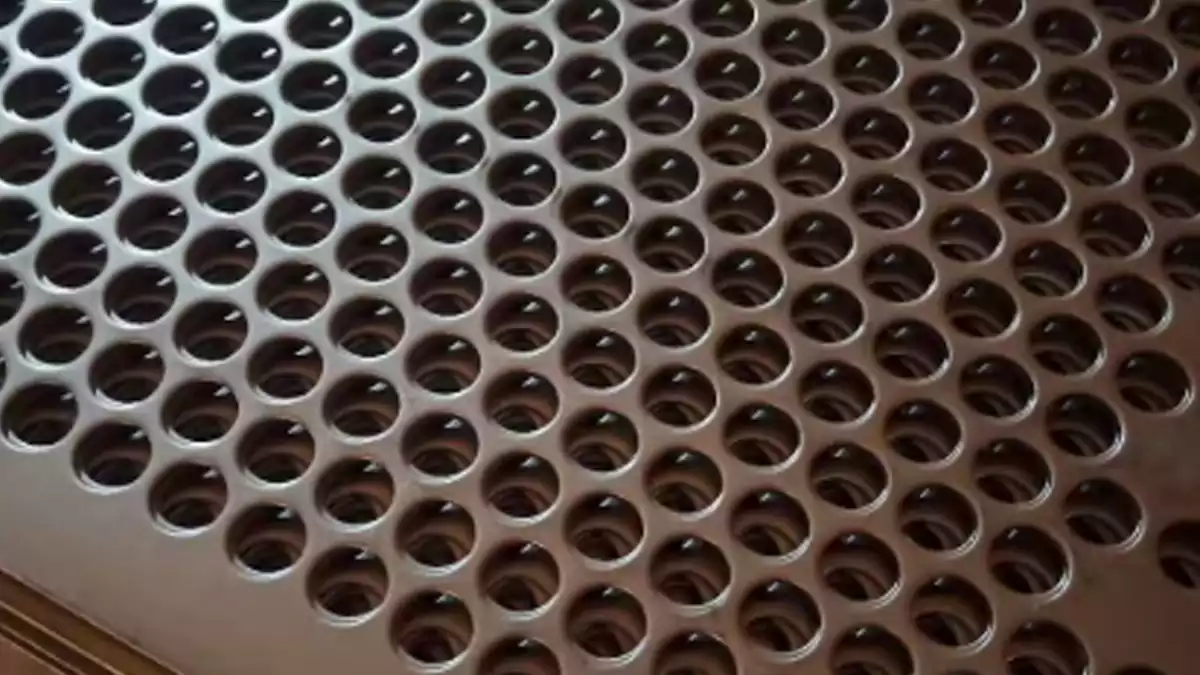
Next, look at the stagger. Stagger means how the holes are lined up. Some holes are in straight lines. Others are not lined up and are offset. The most common patterns are straight, 45° staggered, and 60° staggered. Here’s a table to show the different types:
| Hole Type | Description |
|---|---|
| Round | Standard round holes |
| 45° Staggered Centers | Holes staggered at 45 degrees |
| 60° Staggered Centers | Holes staggered at 60 degrees |
| Round Straight Centers | Straight arrangement of round holes |
| Rounded Slot | Rounded slot holes |
| Rounded Slot Staggered | Staggered rounded slot holes |
| Rounded Slot Straight | Straight arrangement of rounded slots |
| Square | Standard square holes |
| Square Slot Straight | Straight arrangement of square slots |
| Square Centers Staggered | Staggered square holes |
| Special | Custom hole patterns |
| Hex | Hexagonal holes |
When you measure from the center of one hole to the next, you find the stagger. This helps you know how the holes will change airflow, strength, and how the plate looks.
Tip: Good measurements help your perforated plate fit with posts or frames. If you skip this, you might have delays or need to fix your work.
Calculating Open Area Percentage
Now, let’s talk about open area. Open area percentage tells you how much of the plate is holes. This number is important. If you want more air or water to go through, pick a higher open area percentage. If you want to block more, pick a lower percentage.
To find the open area percentage, use this formula:
Open Area (%) = (Total Area of Holes / Total Plate Area) x 100For example, a plate with many small holes has a lower open area percentage than one with big holes. The open area changes how much air, water, or light can move through. Studies show that open area changes how gas or liquid flows. Plates with bigger open areas let more air or water pass. This helps with cooling or draining. Smaller open areas slow things down and help with filtering.
| Evidence Description | Key Findings |
|---|---|
| Influence of open area on gas-liquid-solid flow | The opening area of gas orifices significantly affects the flow regime and gas layer height, impacting overall flow efficiency. |
| Effects of perforated plate configurations | Different configurations and open areas influence hydrodynamics and mass-transfer properties, highlighting the importance of design for process efficiency. |
| Liquid back-mixing and dispersion | A decrease in pore diameter and open area percentage reduces liquid back-mixing, which is crucial for maintaining selectivity and conversion in reactions. |
Note: If you want your plate to filter solids but let water pass, watch the open area percentage.
Standard Plate Dimensions
You can find perforated plate sizes in many shapes and uses. Some plates are small for cookware or machine parts. Others are big for building or farming. Here are some common places you see these plates:
- Packaging
- Automobile body panels
- Gutters
- Siding
- Roofing
- Cookware
- Manufacturing
- Machinery components
- Filtration parts
- Farming
- Food industry
- Decoration
The size and shape of the holes also change for each job. Here’s a table with some usual hole types and their sizes:
| Hole Type | Dimensions (mm) |
|---|---|
| Long Holes | 10 x 20 |
| Round Holes | Various sizes |
| Oblong Holes | 0.3 – 75 |
| Rectangular Holes | Various sizes |
| Square Holes | 6, 8, 10, 12 |
When you pick your plate, think about where you will use it and what you want it to do. If you need a plate for tough jobs, you might want thicker material and bigger holes. If you want it for decoration, you can pick thinner plates with smaller holes.
Remember: Picking the right perforated plate size helps your project look good and work well. If you measure carefully, you avoid problems like things not lining up or needing new parts.
Determining Sheet Thickness
When you pick a perforated plate, you need to think about how thick the sheet should be. The thickness affects how strong your plate is and how well it works for your project. If you choose a plate that is too thin, it might bend or break. If you go too thick, it could be heavy and hard to handle.
You can measure sheet thickness with a caliper or a micrometer. Place the tool on the edge of the plate and read the number. Most suppliers list thickness in millimeters (mm) or gauge. Here’s a quick table to help you see some common thicknesses:
| Thickness (mm) | Common Uses |
|---|---|
| 0.5 – 1.0 | Decorative panels, screens |
| 1.5 – 2.0 | Vent covers, filters |
| 2.5 – 4.0 | Machine guards, flooring |
| 5.0 and above | Heavy-duty applications |
Tip: Thicker plates give you more strength, but they also add weight. Think about how much support your project needs.
When you choose the right thickness, ask yourself these questions:
- Will the plate hold heavy objects?
- Does it need to resist bending or dents?
- Will people walk on it or lean against it?
- Do you want it to look light and modern, or strong and sturdy?
If you use the plate for decoration, you can pick a thinner sheet. If you need it for safety or to hold weight, go thicker. Always match the thickness to your job.
You should also consider thickness and sheet size together. A large plate with small thickness might sag in the middle. A small plate with big thickness could be too heavy for your frame. Try to balance both so your plate fits well and works right.
Note: The right thickness helps your plate last longer and keeps everyone safe. If you are not sure, ask your supplier for advice.
Choosing the correct thickness is just as important as picking the right hole size or pattern. Take your time and measure carefully. This way, you get a plate that fits your needs and stands up to daily use.
Select the Ideal Perforated Plate Material
When you pick a perforated plate, you want it to work well. The material you choose changes how strong it is. It also changes how heavy it feels and how much it can rust. Some materials need more care than others. Let’s look at your main choices so you can pick the best one.
Perforated Steel Sheet Options
Perforated steel sheet is used in many places. You see it in buildings, machines, and even at home. It is strong and can hold a lot of weight. If you pick perforated steel sheet, you get something safe and sturdy.
There are different types of perforated steel sheet. These include carbon steel, mild steel, and galvanized steel. Each type has good points. Mild steel is tough, but it can rust in wet places. Galvanized steel does not rust as fast, so it is better outside or in damp spots.
Here’s a table that shows how perforated steel sheet compares to other materials:
| Material | Corrosion Resistance | Suitability for Applications |
|---|---|---|
| Aluminum | High | Good for outdoor use, withstands rain and chemicals |
| Galvanized Steel | High | Suitable for tough environments, strong and cost-effective |
| Stainless Steel | Very High | Versatile, strong, and aesthetically pleasing for many uses |
If you want a plate that is tough and lasts, steel sheet is a good choice. Just make sure you pick the right type for where you will use it.
Aluminum, Stainless, and Other Materials
You can also use aluminum or stainless steel for your plate. Aluminum is light but still strong. It is good when you need to keep things light, like in cars or on buildings. Stainless steel is heavier, but it does not rust and lasts a long time.
Here’s a table to compare aluminum and stainless steel:
| Aspect | Stainless Steel | Aluminium |
|---|---|---|
| Corrosion Resistance | High resistance due to chromium oxide layer, great for harsh environments | Good resistance, but more prone to galvanic corrosion with other metals |
| Ideal Environments | Marine settings, high chloride, and other corrosive places | Where weight matters and conditions are less harsh |
| Vulnerabilities | Can be heavy and costly for some jobs | Needs protection in chemical or marine settings |
Aluminum has other good things too. It can be recycled and saves energy. It also looks modern. Here’s a table with some pros and cons:
| Advantages of Perforated Aluminum | Disadvantages of Perforated Aluminum |
|---|---|
| Environmentally Friendly | Cost: Higher price than wood, brick, or stone |
| Energy Efficiency | Corrosion and fracture potential |
| Lightweight yet strong | |
| Versatile for many uses | |
| Modern style | |
| Recyclable | |
| Good for storage and inspection | |
| Privacy with ventilation | |
| Sound suppression |
You can also find plates made from hard plastics or rubber-coated steel. These are good for blocking noise or when you want something lighter.
Durability and Corrosion Resistance
You want your plate to last a long time. Steel sheet is strong and can handle hard jobs. Stainless steel keeps its shape and does not rust, even with holes. Mild steel is strong, but you need to check for rust if it gets wet.
- Perforated plates come in carbon steel, alloy steel, and hard plastics.
- Rubber-coated plates last longer and help block noise.
- Stainless steel plates stay strong and do not rust.
- Mild steel plates need to be checked for rust to last.
If you want to save money later, pick good materials like aluminum or stainless steel. These do not rust or break easily, so you do not have to fix or replace them as much.
When you pick the right material, your plate works better and lasts longer. Think about where you will use it, how much weight it needs to hold, and how much care you want to give it. This helps you pick the best perforated plate for your job.
Tip: Always match your material to your job and where you will use it. This gives you the best mix of strength, lasting power, and value.
Choose the Right Perforated Plate Pattern
Hole Patterns (Round, Square, Slotted)
When you look at perforated plates, you will see many different hole patterns and sizes. Each pattern changes how your plate works and looks. The most common patterns you will find include:
- Round hole patterns
- Square hole patterns
- Slotted hole patterns
- Ornamental and decorative hole patterns
Round holes are the classic choice. You see them everywhere because they balance strength and airflow. Square holes give a modern look and let in more air or light. Slotted holes are long and narrow. They help with drainage and let even more air or water pass through.
You might wonder how these patterns affect strength. The shape and spacing of the holes matter a lot. For example, square holes spread out stress, which makes the plate stronger. Hexagonal holes stand up well to sideways forces because of their angles.
Here’s a quick look at how hole size and spacing can change strength:
| Hole Diameter (mm) | Hole Spacing (mm) | Pull-out Bearing Capacity Change (%) |
|---|---|---|
| 25 | 15 | N/A |
| 20 | 10 | +0.4% |
| 15 | 5 | +17.4% |
If you need a plate that holds up under pressure, pay attention to these details.
Pattern Selection for Function & Aesthetics
You want your perforated plate to do its job and look good. The pattern you pick changes both. Some patterns work better for airflow, while others help with strength or style.
Let’s compare the main options:
| Hole Shape | Advantages | Disadvantages |
|---|---|---|
| Round Holes | Good strength and ventilation | May not give the most open area |
| Square Holes | Modern look, high open area | Not as strong as round holes |
| Slotted Holes | Great for airflow and drainage | Can lower strength more than round holes |
| Hexagonal Holes | Maximum open area, high airflow | May lose strength if holes are too large |
If you want lots of air or light to pass through, pick a pattern with a high open area (50-70%). This works well for HVAC systems or sound panels. For more strength and security, go with a low open area (10-30%).
Different patterns also change how light and sound move. Round holes let in lots of light and help absorb sound. Slotted holes give you more control over airflow and light. Micro holes, which are tiny and close together, help with special jobs where you need to control air or light very carefully.
The thickness of your plate matters too. Thicker plates last longer and stay strong, but they might not have as many holes. Thinner plates can have more holes, but you may need extra support.
When you select the optimal hole pattern and size, think about what you need most—strength, airflow, looks, or all three. Your choice will help your project work better and look just right.
Tip: Try to match your pattern to your project’s needs. You can always ask your supplier for samples or advice if you are not sure.
Balance Function and Appearance
Performance vs. Visual Appeal
You want your perforated plate to work well, but you also want it to look good. Sometimes, you have to make choices between how the plate performs and how it appears. If you focus only on performance, you might end up with a plate that looks too industrial or heavy. If you only care about looks, you might lose some important features.
Here are some things you should think about when balancing performance and appearance:
- Picking a pattern with lots of holes helps with airflow, but it can make the plate less stiff. This can lead to bending or sagging.
- The way you arrange the holes changes how strong the plate is. Staggered holes spread out the weight better than straight rows.
- If you want the plate to hold up under tension or heavy loads, you need to pay attention to how the holes are spaced.
- Some patterns look modern and stylish, but they might not give you the strength you need for your project.
You can use a table to compare your options:
| Feature | High Performance Focus | High Visual Appeal Focus |
|---|---|---|
| Airflow | Maximum | Moderate |
| Stiffness | Lower | Higher |
| Strength | Depends on pattern | May be reduced |
| Appearance | Simple, functional | Stylish, decorative |
Tip: Try to find a balance. You can choose a pattern that gives you enough airflow and still looks good. Ask your supplier for samples if you are not sure.
Safety and Compliance
Safety always comes first, especially if you use perforated plates in public spaces or places where people gather. You need to make sure your plate meets safety standards and follows local rules.
Perforated plates help keep people safe in many ways:
- These plates resist fire, so you can use them in places where fire safety matters.
- You see them in guardrails and balconies. They stop people from falling but still let you see through.
- Parking garages and stairwells use these plates for ventilation. They also help keep the area secure.
When you pick a plate, check if it meets the rules for your area. Some places have strict codes for things like fire resistance, strength, and how much you can see through the plate. If you are not sure, ask your supplier or a building expert.
Note: Always put safety first. A plate that looks great but does not meet safety rules can cause problems later.
You can have both style and safety. Just make sure you know what your project needs. Choose a plate that fits your design and keeps everyone safe.
How to Choose the Right Perforated Plate Supplier
You want your project to go smoothly, so picking the right supplier matters a lot. The right partner helps you avoid delays, mistakes, and extra costs. Let’s look at what you should check before you choose the right perforated plate supplier.
Supplier Reputation
A good supplier gives you peace of mind. You want someone who delivers on time and stands behind their products. Here’s a quick table to help you see what to look for:
| Criteria | Description |
|---|---|
| Quality Management and Certification | Look for ISO 9001 certification and compliance with material standards like ASTM A240 and EN 10025. |
| Production Capacity | Check the factory size, skilled workers, and machines for making complex patterns. |
| Delivery Performance | On-time delivery rates above 98% and reorder rates over 30% show reliability and happy customers. |
Ask for proof of certifications. You can also read reviews or ask for references. A strong reputation means you can trust them with your order.
Customization Capabilities
Every project is different. Sometimes, you need custom perforated steel sheets or a special pattern. Not every supplier can handle this. You should check if they can:
- Offer different materials for your needs.
- Cut sheets to the exact thickness and size you want.
- Create unique designs and hole placements.
- Make sure holes line up perfectly and look neat.
If you need something special, talk to the supplier about your ideas. A good supplier will listen and help you get the right fit. This is key when selecting right product for your job.
Tip: Suppliers who support custom orders can help you solve tricky problems and make your project stand out.
Pricing and Lead Times
You want a fair price and a clear timeline. Standard sizes usually cost less because the supplier already has the tools. Custom orders might cost more since they need new tools or extra work. Here’s a table to show how long you might wait for your order:
| Order Type | Lead Time |
|---|---|
| Custom Perforation Layouts | 2–4 weeks |
| High-Volume Custom Orders | 35–45 days |
| Standard Bulk Orders | 15–30 production days |
- Standard sizes use existing tools, so they are cheaper.
- Custom sizes may need new tools, which adds to the price.
- Custom work can slow down production and raise costs.
Ask your supplier for a quote and a delivery date. This helps you plan and avoid surprises. If you need your order fast, check if the supplier can meet your deadline.
Note: Good communication with your supplier makes the whole process easier. You get what you need, when you need it.
When you choose the right perforated plate supplier, you set your project up for success. Take your time, ask questions, and make sure they can handle your custom perforated steel sheets. The right choice saves you time, money, and stress.
Conclusion
You have learned how to pick the right perforated plate size. First, think about what your project needs. Next, pick the best material, pattern, and thickness. Always choose a supplier you trust to help you decide. Custom options let you change the design, strength, and how long it lasts:
| Benefit | Why It Matters |
|---|---|
| Custom Designs | Make the plate fit your project |
| Extra Durability | Helps the plate last in hard places |
| Better Looks | Lets you match your own style |
Do you need help? Ask an expert or get a custom plate for your project.
FAQ
What is the most common hole pattern for perforated plates?
You usually see round holes in a straight or staggered pattern. This style works well for airflow and strength. It also looks clean and simple.
How do I measure the open area of a perforated plate?
You can use this formula:
Open Area (%) = (Total Area of Holes / Total Plate Area) x 100If you want a quick answer, ask your supplier for the open area percentage.
Can I order custom hole sizes and patterns?
Yes! Most suppliers offer custom options. You can choose the hole size, pattern, and even the plate shape. Just share your project details with the supplier.
What thickness should I choose for heavy-duty use?
Pick a plate at least 2.5 mm thick for heavy-duty jobs. Thicker plates handle more weight and resist bending. If you are unsure, ask your supplier for advice.
Will a thicker plate always be stronger?
A thicker plate gives you more strength, but it also adds weight. Sometimes, the hole pattern and material matter just as much as thickness. Balance all three for the best results.
How do I prevent rust on my perforated plate?
Choose stainless steel, galvanized steel, or aluminum for rust resistance. If you use mild steel, add a protective coating. Keep the plate dry when possible.
Can I use perforated plates outdoors?
Yes, you can! Just pick a material that stands up to weather, like stainless steel or aluminum. These materials last longer outside and need less care.
Do perforated plates block sound?
Perforated plates can help reduce noise. They work best when paired with sound-absorbing materials behind them. You often see them in ceilings or walls for this reason.