Choosing the wrong vibrating screen manufacturer is an expensive mistake — and it rarely shows up immediately.
You place your order, the panels arrive, and everything looks fine. Then, three months into a production run, you start seeing premature wear, aperture blinding that won’t clear, or panels that warp under load. By the time you trace the failure back to the manufacturer, you’ve already lost money in downtime, replacement costs, and missed tonnage targets.
The problem is that most manufacturers look similar on the surface. They all have product catalogues, they all claim to offer “high quality” screen media, and many offer competitive pricing. Distinguishing a genuinely capable supplier from one that simply sells on price takes a more structured evaluation approach.
Why the Manufacturer Choice Matters More Than the Product Spec
Screen media is a consumable. You will reorder it — sometimes multiple times per year. Unlike a capital equipment purchase, the ongoing relationship with a manufacturer has a compounding effect on your operating costs and screen efficiency over time.
A supplier who gets the first order right but can’t maintain consistency on reorders, or who can’t support you with technical input when your material changes, creates ongoing risk. Conversely, a manufacturer who understands your process and builds panels to consistent tolerances reduces your total cost of ownership, even if their unit price is slightly higher.
The decision isn’t just about the panel itself. It’s about the manufacturer’s ability to support your operation reliably over years, not just fulfil a one-time transaction.
Verify Material and Application Expertise
The first question to ask any manufacturer is not “what do you make?” but “what do you know about what I’m processing?”
A manufacturer with genuine expertise in your material type will be able to discuss aperture selection, open area percentage, weave pattern or polyurethane hardness, and how those variables interact with your specific feed material. If the answer is always a generic catalogue recommendation, that’s a signal.
For mining operations, look for manufacturers who understand ore-specific challenges. Iron ore screening requires screen media that handles high-impact loads and abrasion. Coal preparation demands panels that resist blinding in wet, fine-particle conditions. Copper and gold ore processing often requires media that can cope with chemically aggressive slurries. A manufacturer who works across multiple mineral types will be able to explain these trade-offs from direct experience.
For quarry and aggregate operations, the key variables are particle hardness (granite and basalt are significantly more abrasive than limestone), moisture content, and the required cut sizes across multiple decks. A good manufacturer will ask about your deck configuration — top deck, bottom deck, or both — because the wear profile and optimal screen media type differs significantly between them.
If a manufacturer can’t engage with these specifics, they’re likely a reseller or a generalist who will sell you whatever is in stock. That may be fine for low-stakes applications, but it creates real risk in demanding processing environments.
Assess the Range of Screen Media Types They Manufacture
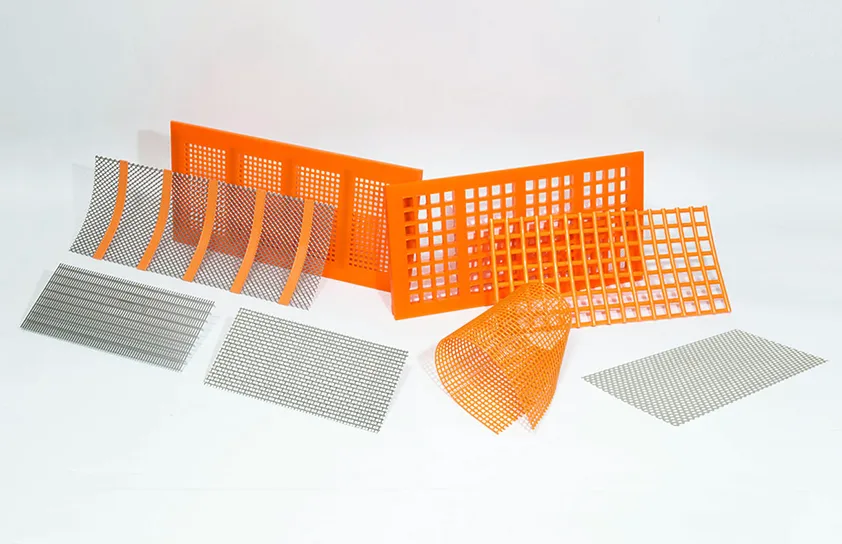
The best vibrating screen manufacturers don’t specialise in a single material — they manufacture across the full range of screen media types and can advise which is most appropriate for your application.
The main categories to look for are:
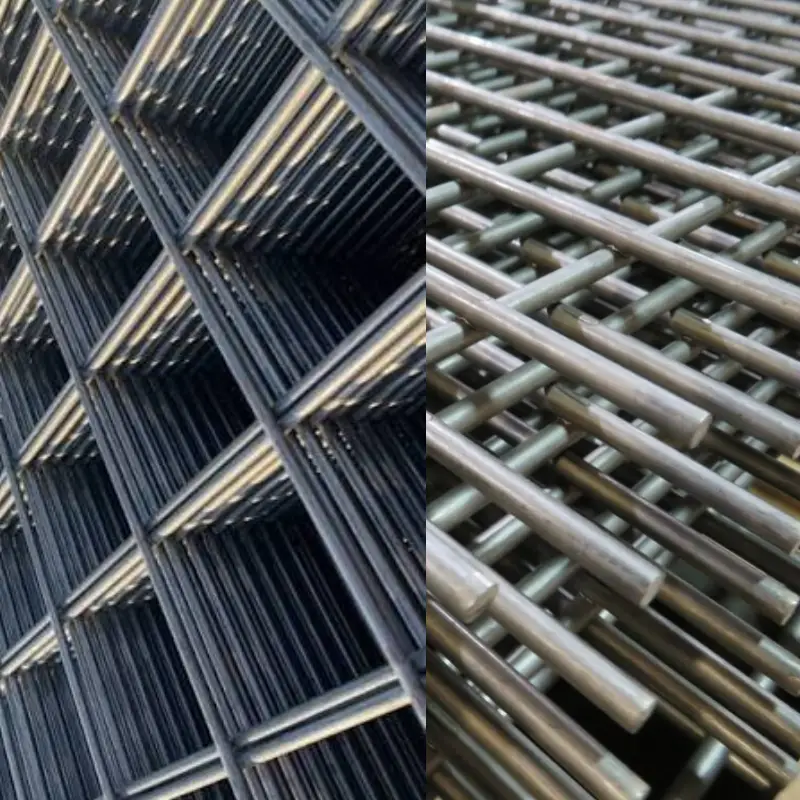
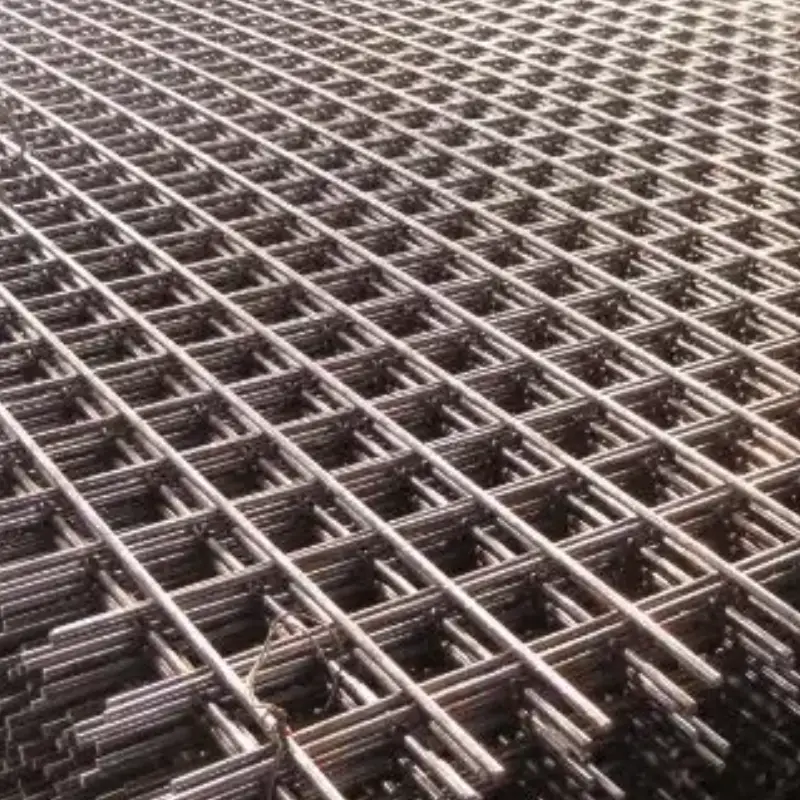
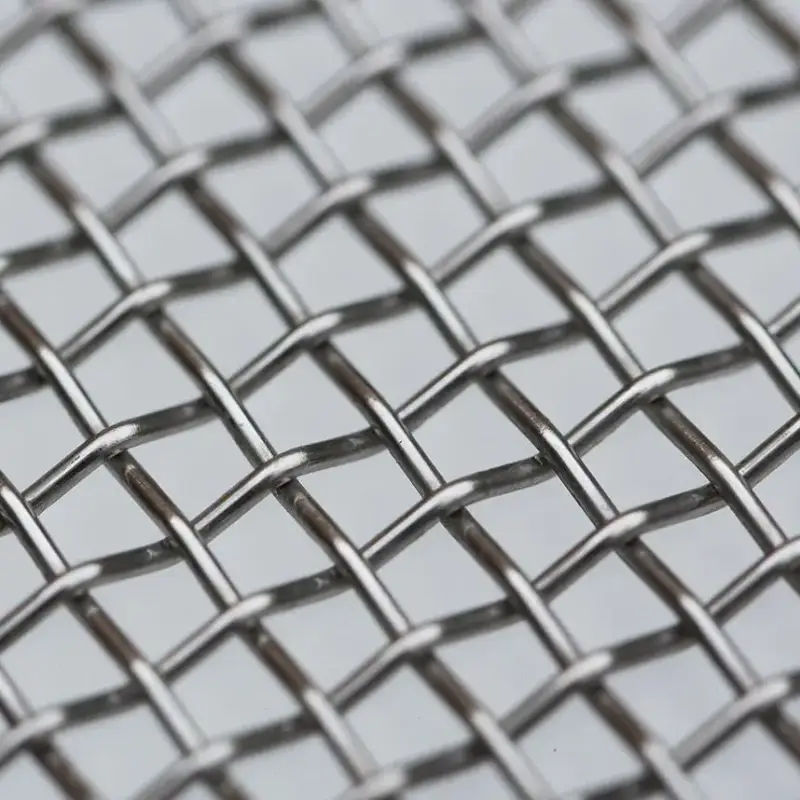
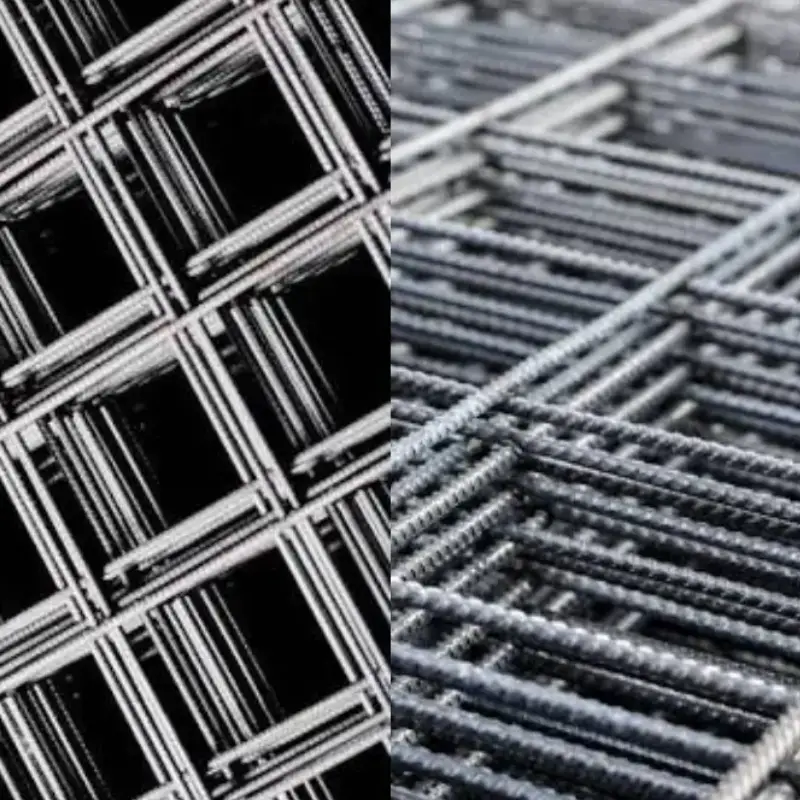
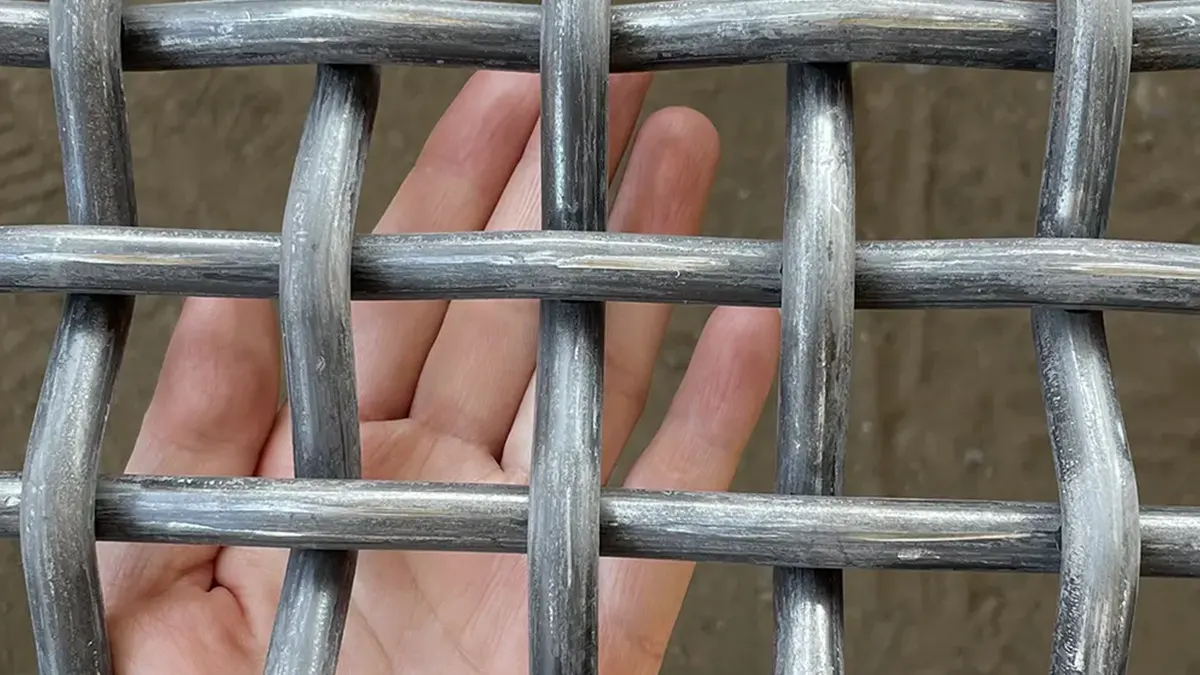
Woven wire mesh: The most widely used screen media type in aggregate and mining operations. A capable manufacturer should be able to produce plain weave, twill weave, and Dutch weave configurations in carbon steel, manganese steel, stainless steel, and galvanised steel, with a range of wire diameters and aperture sizes.
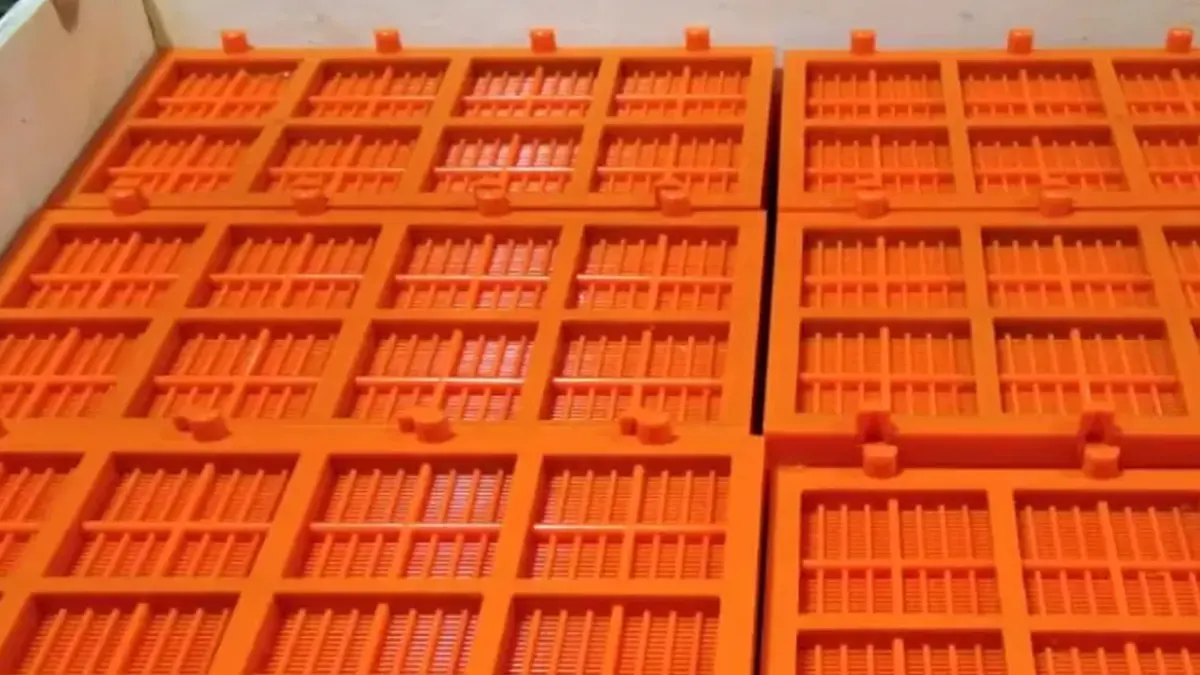
Polyurethane screen panels: Both modular (bolt-down) and tensioned configurations. Polyurethane is preferred for fine screening, dewatering applications, and operations where noise reduction is a priority. The hardness (Shore A rating) of the polyurethane compound should match the abrasiveness and impact level of the feed material.
Rubber screen panels: Better suited for high-impact applications where flexibility is needed to absorb energy rather than resist it. Rubber panels are commonly used on the top deck of primary screens in hard-rock crushing circuits.
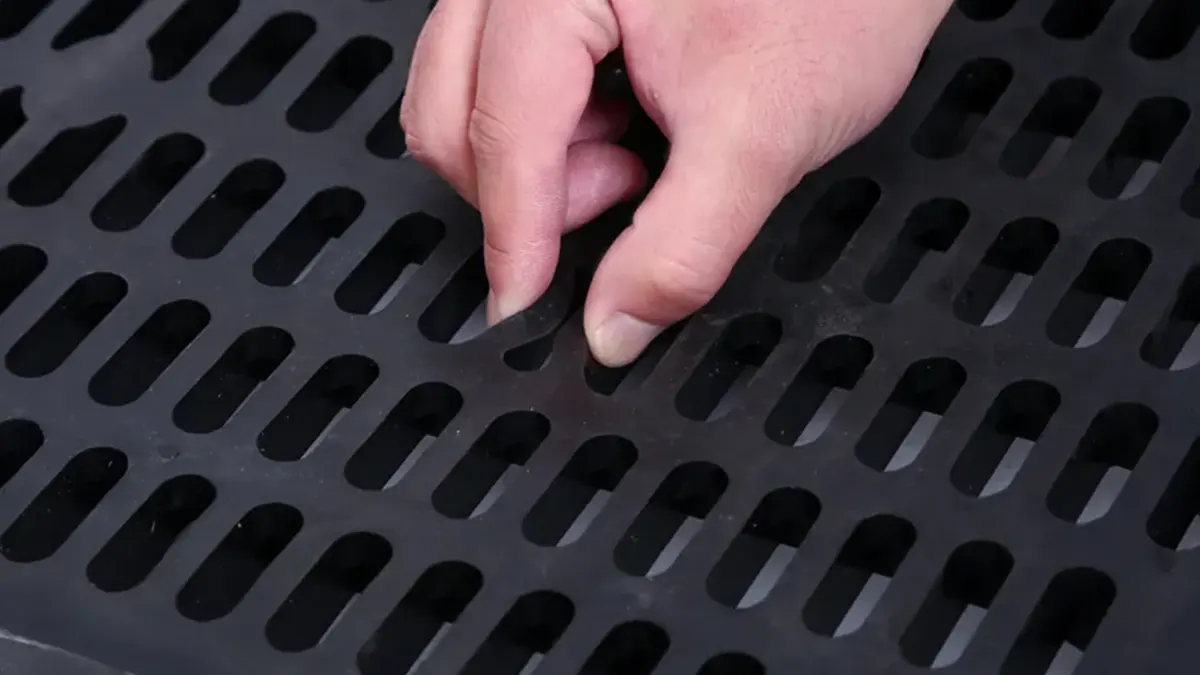
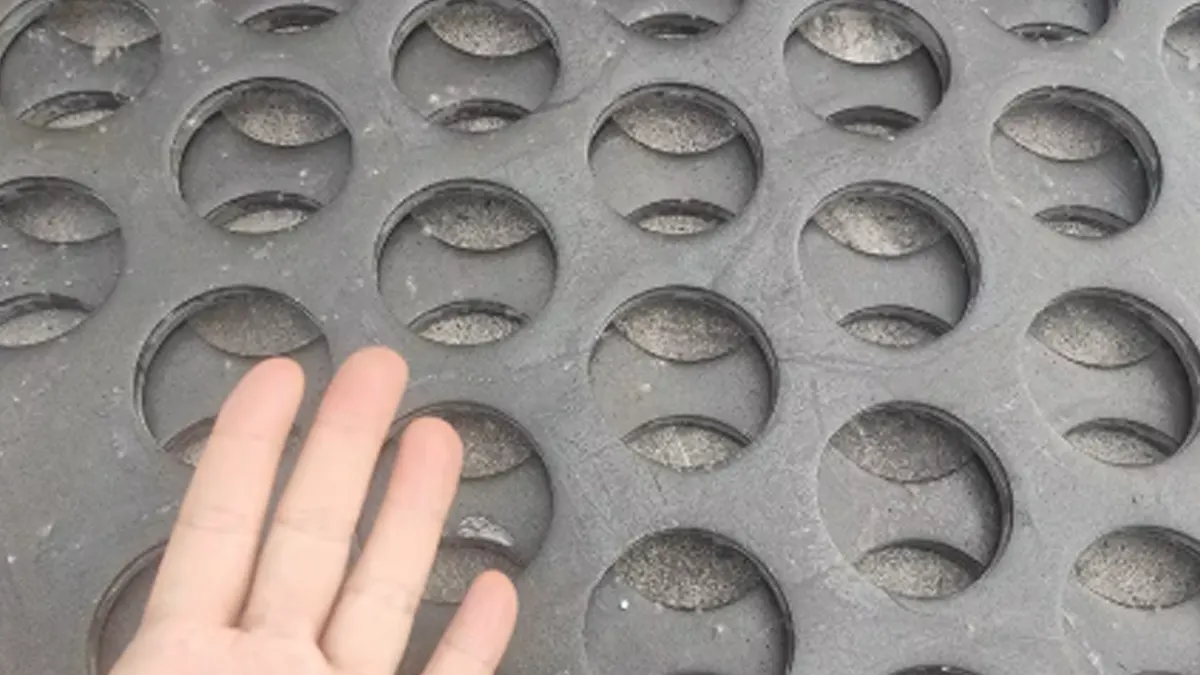
Perforated plate: Used where precise cut sizes and high structural rigidity are needed. Available in round or square aperture patterns, with open area percentage varying depending on pitch and hole diameter.
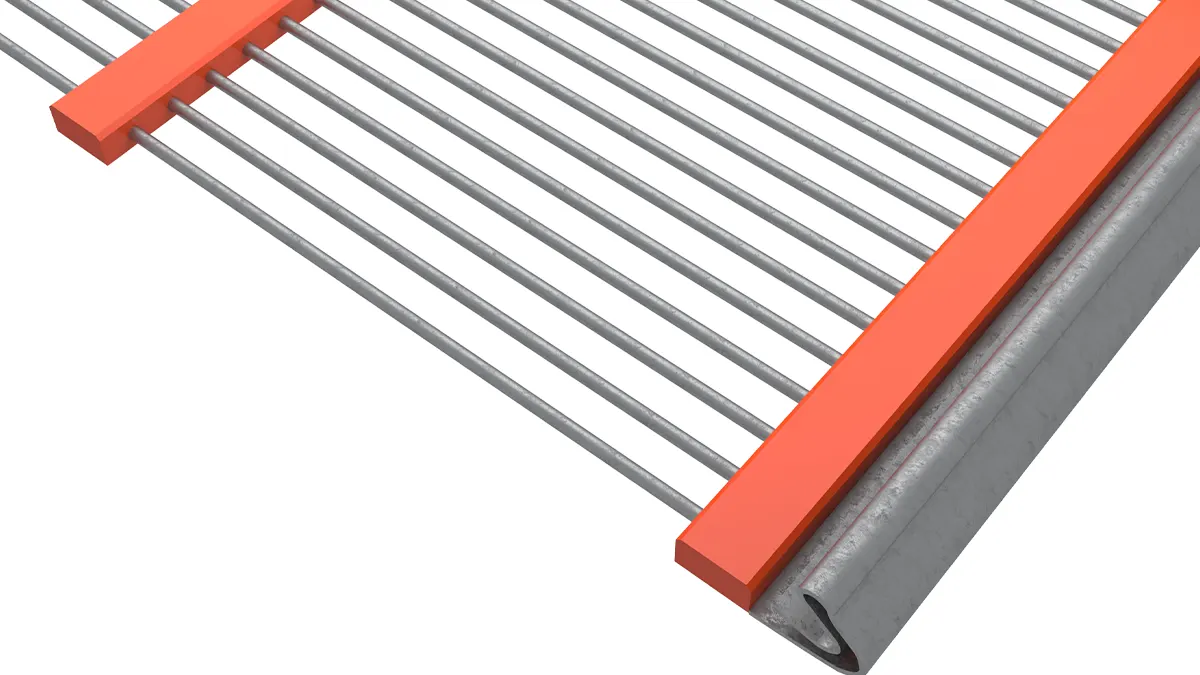
Self-cleaning and piano wire screens: Designed specifically for sticky or near-size materials prone to blinding. A manufacturer who produces these demonstrates expertise in the most technically demanding screening applications.
If a manufacturer only produces one or two of these categories, they may not be the right long-term partner — especially if your operation evolves and your screening requirements change.
Evaluate Manufacturing Quality Controls
There is no universal certification that guarantees screen media quality, but there are indicators of a manufacturer’s commitment to consistency.
Material traceability: Can the manufacturer provide mill certificates for the wire or polymer compounds they use? For woven wire mesh, the tensile strength and carbon content of the steel wire directly affects wear life. For polyurethane panels, the Shore hardness and elongation at break should be documented and consistent between batches.
Dimensional tolerances: Screen panels need to fit existing frame systems precisely. Even small deviations in panel dimensions — a few millimetres in the wrong place — can result in material bypass, uneven wear patterns, or premature failure at the edges. Ask manufacturers how they verify dimensional accuracy before despatch.
Aperture consistency: For woven wire mesh, aperture size determines cut point accuracy. Variation in aperture size across a panel leads to inconsistent product gradation. A quality manufacturer should be able to specify the aperture tolerance they hold and demonstrate it with testing data.
Production environment: If you have the opportunity to visit a manufacturing facility, pay attention to whether woven wire mesh is crimped to consistent depths before weaving, whether polyurethane casting is done under temperature-controlled conditions, and whether panels undergo any post-production inspection before shipping.
Check Compatibility with Your Existing Equipment
This is a practical issue that is sometimes overlooked during supplier evaluation but becomes immediately apparent when new panels arrive on site.
Screen media must be compatible with your vibrating screen frame — specifically the deck dimensions, tensioning system, and hook or fastening type. Different screen manufacturers use different standard panel sizes, and not all panels are interchangeable.
For tensioned woven wire and polyurethane screens: The hook configuration at each end of the panel must match your screen’s tensioning system. Common hook types include hook-and-loop, piano hook (bent end), and clamp strip systems. Ordering the wrong hook type results in panels that either cannot be fitted or cannot be tensioned properly.
For modular polyurethane and rubber panels: The peg or bolt pattern must match the subframe or modular support system in your screen box. Mismatched modular panels will not seat correctly, leading to material bypass at panel joints.
Before placing any order, provide the manufacturer with your screen make and model, the number of decks, the panel dimensions, and the tensioning or fastening system type. A competent manufacturer will verify compatibility before confirming the order.
Understand Their Lead Times and Supply Reliability
In processing operations, screen media is rarely ordered far in advance. Panels wear out — sometimes faster than expected — and the ability to get replacement panels quickly is operationally critical.
Ask prospective manufacturers the following questions:
- What is your standard lead time for stocked items?
- What is the lead time for custom or non-standard panels?
- Do you hold safety stock of commonly ordered sizes?
- What is your minimum order quantity?
- Can you accommodate urgent orders, and at what additional cost?
A manufacturer who holds finished inventory of high-volume standard sizes can typically ship within a few days. Custom panels — non-standard aperture sizes, unusual dimensions, or special materials — will take longer. Understanding this in advance allows you to plan reorder schedules and maintain appropriate on-site spares.
Supply reliability is particularly important for operations in remote locations where logistics lead times are already extended. A supplier who ships reliably from a warehouse close to your operation — or who can consolidate orders efficiently — reduces your exposure to supply chain disruption.
Evaluate Technical Support Capability
Screen media selection and troubleshooting is a technical discipline. The best manufacturers don’t just fill orders — they provide application engineering support that helps you optimise your screening circuit over time.
Signs of strong technical support capability include:
Application engineers on staff: Not just sales representatives, but people with practical knowledge of screening processes who can review your feed material characteristics, vibrating screen parameters, and current panel performance and make evidence-based recommendations.
Willingness to discuss failure analysis: If panels are wearing out prematurely, or if blinding is occurring, a good manufacturer will work with you to diagnose the cause — whether it’s a material characteristic, an installation issue, or a product specification problem — rather than simply processing a replacement order.
Access to test data: Reputable manufacturers can provide data on wear performance, open area calculations, and load capacity for their products. If a manufacturer cannot provide any performance data, it is difficult to make informed comparisons.
On-site support: For large operations or complex troubleshooting situations, some manufacturers will provide on-site technical visits. This is a differentiator that indicates a manufacturer who sees the relationship as a long-term partnership rather than a transactional one.
Assess Customisation Capability
Standard catalogue products cover most common applications, but many processing operations have requirements that fall outside standard specifications — unusual aperture shapes, non-standard panel dimensions, specific polymer formulations, or hybrid constructions.
A manufacturer’s ability to produce custom screen media — and their willingness to engage with custom requirements rather than deflecting them — is an indicator of both technical capability and customer orientation.
Common customisation requirements include:
- Non-standard aperture shapes (slotted, hexagonal, teardrop) for specific product gradation requirements
- Custom panel dimensions for older or non-standard screen frames
- Specific wire diameters or polymer hardness outside the standard range
- Composite panels combining two materials (for example, a polyurethane border bonded to a woven wire centre)
- Branded or colour-coded panels for inventory management
Ask manufacturers whether they can accommodate custom specifications, what the minimum order quantity for custom items is, and what additional lead time is required. The answers will tell you a great deal about the operational depth of the business.
Consider Total Cost of Ownership, Not Just Unit Price
Price is always part of the evaluation — but the lowest unit price for a screen panel is rarely the lowest total cost.
Total cost of ownership for screen media includes:
Panel lifespan: A panel that costs 20% less but wears out 40% faster is more expensive over time. Ask manufacturers for wear life data, or request a trial quantity to benchmark performance against your current supplier.
Downtime costs: Screen media replacement takes time and takes the screen offline. Panels that fail unexpectedly — rather than wearing predictably to a planned replacement schedule — cause unplanned downtime, which is significantly more expensive than planned maintenance.
Screening efficiency: Panels that blind or peg frequently reduce throughput, even when they’re not worn out. The cost of lost production is often invisible in a pure panel-price comparison.
Freight and logistics costs: A cheaper manufacturer in a distant location may have higher freight costs, longer lead times, and greater exposure to shipping disruption. These factors all have real cost implications.
When comparing manufacturers, ask for a total landed cost — panel price plus freight to your site — and factor in expected wear life and replacement frequency. This gives a more accurate picture of true operating cost than panel price alone.
Check References and Track Record
Vibrating screen manufacturers who have been supplying similar operations to yours will be able to provide references from existing customers. This is one of the most reliable ways to validate claims about product quality, technical support, and supply reliability.
When speaking to references, ask specifically:
- How consistent is the quality between orders?
- How does the manufacturer respond when there is a problem?
- Do the panels perform as described in terms of wear life and screening efficiency?
- Would you continue buying from this supplier, and why?
Beyond direct references, look for evidence of the manufacturer’s experience in your specific industry segment. Case studies, application notes, or project examples that demonstrate work in mining, quarrying, or aggregate processing are meaningful signals. A manufacturer who can point to specific projects where their screen media solved a particular challenge is more credible than one who makes general claims.
Evaluate Communication and Responsiveness
This may sound straightforward, but communication quality is a reliable predictor of how the relationship will work over time.
Pay attention to how a manufacturer responds during the initial enquiry phase. Do they ask detailed questions about your application, or do they immediately quote based on minimal information? Do they respond promptly and clearly? Do they follow up?
The way a manufacturer handles a new enquiry — before they’ve won your business — is usually indicative of how they’ll handle issues and questions once you’re an existing customer. A supplier who is slow to respond or vague in communication before the sale is unlikely to improve after it.
For international suppliers, also consider time zone overlap for support, the quality of English-language communication, and the availability of technical documentation in a language your team can use.
Key Questions to Ask Any Vibrating Screen Manufacturer
Before making a final decision, run through this checklist:
- What materials have you manufactured screen media for, and can you provide application references?
- What screen media types do you produce — woven wire, polyurethane, rubber, perforated plate?
- Can you supply mill certificates or material data sheets for your products?
- What dimensional tolerances do you hold on panel size and aperture?
- Is your product compatible with [specific screen make and model]?
- What is your lead time for standard and custom orders?
- What is your minimum order quantity?
- Do you have technical application engineers available for support?
- Can you accommodate custom aperture sizes or non-standard panel dimensions?
- What is the expected wear life of your panels in [specific application]?
- Can you provide references from similar operations?
Red Flags to Watch For
Not every manufacturer who presents well is a reliable long-term supplier. Watch for these warning signs:
No technical questions during initial enquiry. A manufacturer who quotes immediately without asking about your material, screen type, or application is likely selling on price rather than fit.
Inability to provide material certificates. For screen media used in demanding applications, traceability and consistent material specifications matter. Unwillingness to provide documentation suggests quality control gaps.
Unusually short lead times for custom items. Custom screen panels require tooling or formulation work. A manufacturer who promises custom panels in two days may be supplying something close enough — but not exactly what was specified.
No minimum order quantity. While low MOQs sound appealing, they can indicate a reseller rather than a manufacturer. Resellers have less control over product specifications and consistency.
No post-sale support structure. A manufacturer who goes quiet after the order is shipped and has no clear process for handling complaints, returns, or technical questions is a liability once problems arise.
Conclusion
Choosing a vibrating screen manufacturer is not a decision that should be made on catalogue price alone. The manufacturer you select will influence your screening efficiency, your maintenance burden, and your operating costs for as long as you’re running the operation.
The criteria outlined in this guide — material expertise, product range, quality controls, equipment compatibility, lead times, technical support, customisation capability, total cost of ownership, references, and communication — give you a structured framework for comparing suppliers objectively and identifying the right long-term partner.
Take the time to evaluate carefully before committing. The cost of getting it right at the selection stage is a fraction of the cost of managing a poor supplier relationship once production is running.