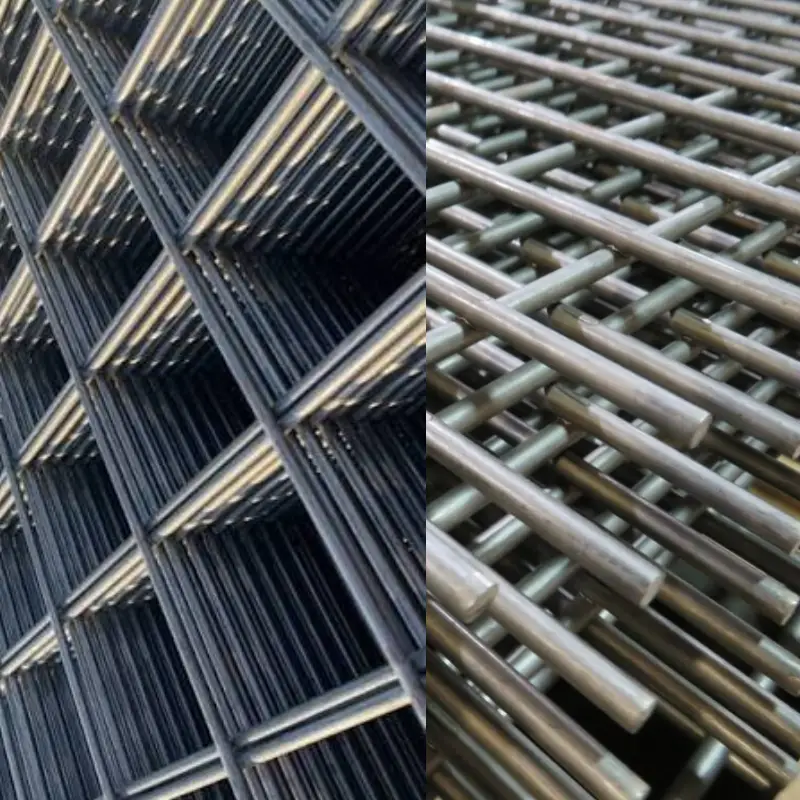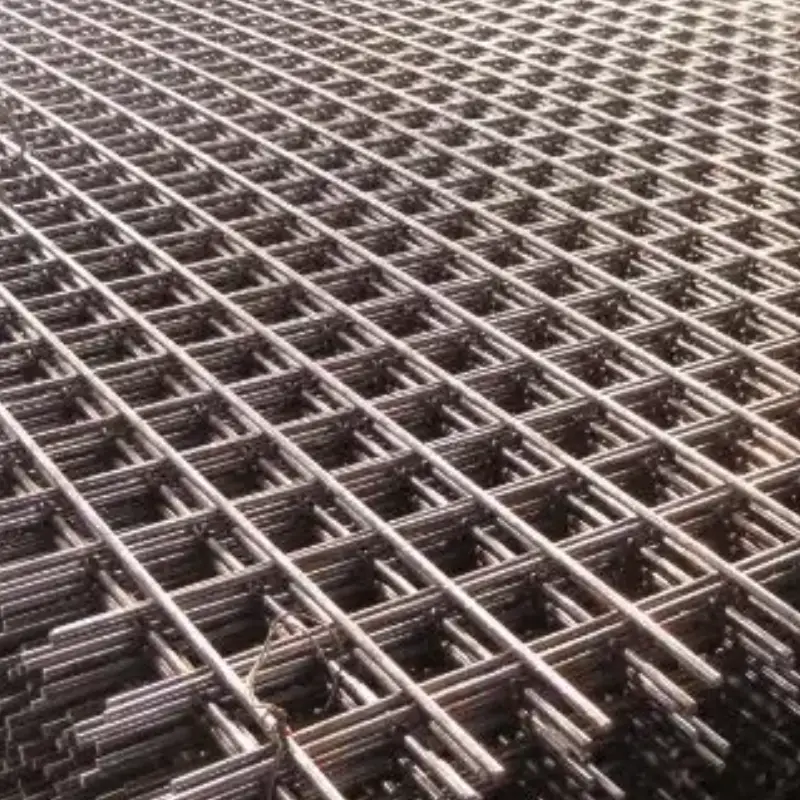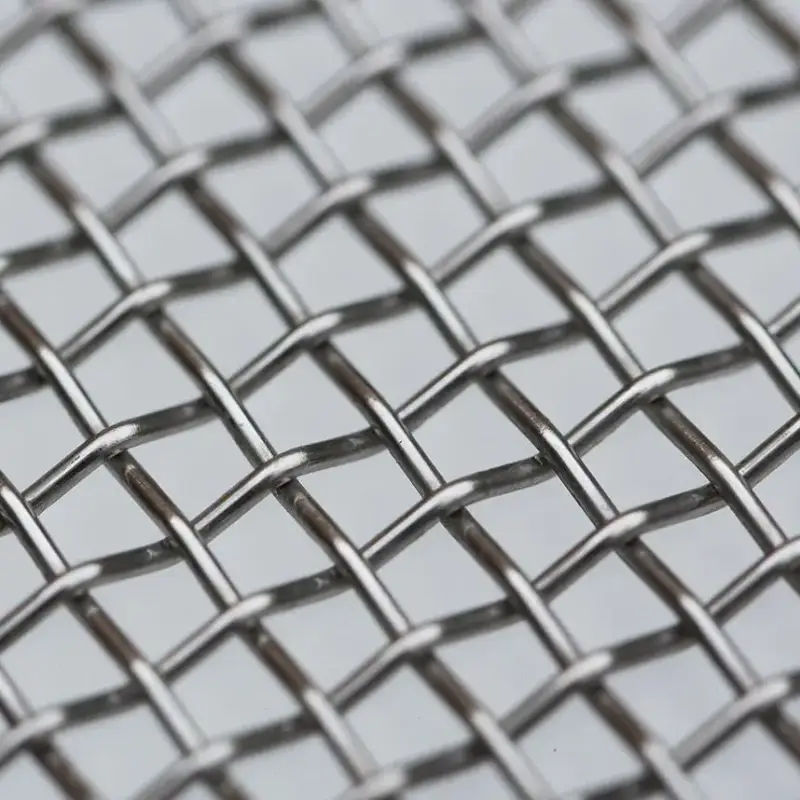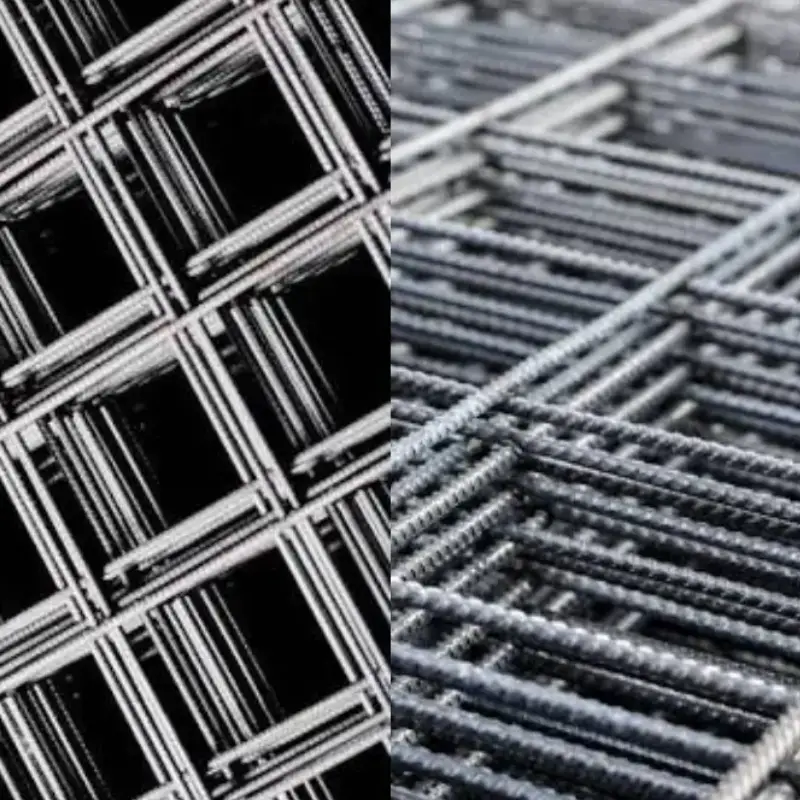
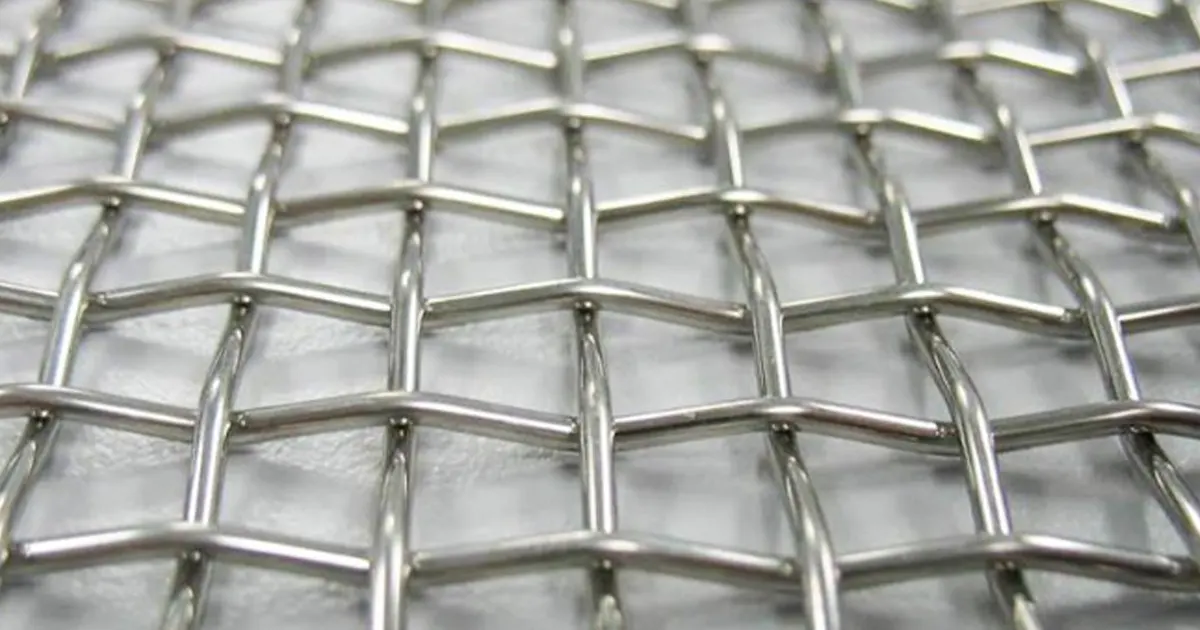
You might wonder, what is galvanized steel mesh? It’s a strong metal grid made from steel wires. These wires get a zinc coating that helps stop rust and keeps the mesh tough in all kinds of weather. The zinc layer gives you peace of mind, knowing your mesh will last a long time.
Key Takeaways
- Galvanized steel mesh is a strong metal grid. It is made from steel wires. These wires are coated with zinc. The zinc helps stop rust.
- Woven wire mesh bends easily. It works well for filters and screens. Welded wire mesh is very strong. It is good for heavy jobs.
- People use galvanized steel mesh for many things. It is used for fencing on farms. It helps make concrete stronger in buildings. It is also used for filtering in factories.
- To make it, steel wire is pulled into shape. Then it is covered with zinc. After that, it is woven or welded into mesh. This makes it last long and stay strong.
- Hot-dip galvanizing gives a thick zinc layer. This protects better from rust. Electro-galvanizing gives a thin layer. It is best for inside use.
- Galvanized steel mesh does not cost much. It needs less fixing than other materials. This makes it a smart pick for many jobs.
- When picking galvanized steel mesh, think about mesh size. Also look at wire thickness and surface finish. This helps you get what you need.
- You can also get custom galvanized steel mesh. You can choose the size, wire thickness, and coating. This lets you get what fits your project.
What Is Galvanized Steel Mesh
Definition and Features
When you hear “What Is Galvanized Steel Mesh,” picture a strong grid made from steel wires. These wires have a zinc coating that protects them. The zinc helps stop rust and keeps the mesh safe from rain or sun. This makes the mesh last a long time, even in tough weather. The mesh comes in many shapes and sizes for different uses. You can use it for fences, screens, or building parts. Its main features are strength, weather resistance, and flexibility. These make it great for both indoor and outdoor projects.
Common Types
There are several types of galvanized steel mesh. Each type has its own special use. Here are the two most common kinds:
Woven Wire Mesh
Woven wire mesh is made by weaving steel wires over and under each other. This makes the mesh flexible and easy to bend. You can shape it to fit what you need. People use woven mesh for filters, decorations, or screens. It is good when you need something that can move a bit without breaking.
Welded Wire Mesh
Welded wire mesh has wires joined at every crossing point. The welding makes this mesh very strong and sturdy. It can hold heavy loads or take a lot of pressure. Welded mesh is best for jobs that need extra support, like concrete or fencing.
Tip: If you want a mesh that bends, choose woven wire mesh. If you need one that stays firm, welded wire mesh is better.
Here are some common types of galvanized steel mesh you might see:
- Stainless steel galvanized filter mesh: Used in chemical plants, food factories, and hot sieving.
- Galvanized steel filter mesh: Found in mining, water cleaning, and air systems.
- Wedge wire galvanized filter mesh: Used in water plants and oil work.
- Square galvanized filter mesh: Good for farm screens and air filters.
- Fine galvanized mesh: Used in food work and labs.
- Plastic coated galvanized mesh: Great for garden fences and decorations.
Typical Applications
You may wonder where galvanized steel mesh is used. The answer is almost everywhere! Here are some ways different industries use it:
| Sector | Applications |
|---|---|
| Agriculture | Fencing, poultry netting, garden trellises, soil erosion control |
| Construction | Reinforces concrete, provides structural support, scaffolding, safety netting |
| Industrial | Filtration systems, machine guards, conveyor belts, chemical processing screens |
In farming, you can use galvanized steel mesh for fences, to protect chickens, or to help plants climb. It also helps stop soil from washing away and keeps crops safe. In building, the mesh makes concrete stronger, supports scaffolds, and acts as a safety net. Factories use it for filters, machine guards, and moving belts.
You might also see it in watering systems, where it keeps out dirt and lets water flow. Farmers use it to sift soil, clean seeds, and keep animals safe. Knowing what is galvanized steel mesh helps you choose the right material for your job.
Manufacturing Process
So, how do you actually make galvanized steel mesh? Let’s break it down step by step. You’ll see that each part of the process matters if you want strong, long-lasting mesh.
Drawing Steel Wire
Everything starts with the wire. You need to pick the right steel wire for your project. Some jobs call for low-carbon steel, while others need high-carbon or even stainless steel. The choice depends on how strong or flexible you want your mesh.
Here’s how the wire drawing process usually works:
- Select the steel wire that matches your needs. You might use galvanized, stainless, or low-carbon steel.
- Draw the wire through a series of dies. This step makes the wire thinner and smoother. Rolling or cold-stretching helps get the right diameter.
- Clean and straighten the wire. This removes any dirt or oil and makes sure the wire is even and ready for the next steps.
You want your wire to meet certain standards. Take a look at some typical specifications:
| Specification | Details |
|---|---|
| Wire Gauge | Consistent diameter; matches specification sheet |
| Zinc Coating | Hot-dip galvanized; ≥600 g/m² |
| Weld Quality | Smooth, fully fused joints; no cracks |
| Certifications | ASTM/ISO compliance; mill test reports |
Tip: Always check for certifications like ASTM A185 or A741. These show your mesh meets international standards.
Galvanizing the Wire
Now, you need to protect the wire from rust. That’s where galvanizing comes in. You have two main choices: hot-dip galvanizing and electro-galvanizing.
Hot-Dip Galvanizing
In hot-dip galvanizing, you dip the steel wire into a bath of molten zinc. The zinc sticks to the wire and forms a thick, tough layer. This method gives you the best protection against rust and weather.
Here’s what happens during hot-dip galvanizing:
- Clean the wire with hot alkaline solutions to remove oil and dirt.
- Rinse the wire to wash away any leftover cleaner.
- Pickle the wire in acid to get rid of iron oxide (rust) on the surface.
- Dip the wire into molten zinc. The zinc bonds to the steel and creates a strong coating.
- Cool and finish the wire so it’s ready for use.
Hot-dip galvanizing gives you a thick zinc layer. You can see the difference in this table:
| Method | Average Thickness | Minimum Local Thickness |
|---|---|---|
| Hot-Dip Galvanizing | 85–200+ μm | ≥70–85 μm |
| Electro-Galvanizing | 5–25 μm | ≥4–20 μm |
Hot-dip galvanizing works a bit slower, with line speeds from 30 to 180 meters per minute. But you get a much thicker and more durable coating.
Electro-Galvanizing
Electro-galvanizing uses electricity to coat the wire with zinc. The wire acts as a cathode in a special solution full of zinc ions. When you turn on the current, zinc sticks to the wire.
Here’s a quick look at the steps:
- Uncoil and load the wire for processing.
- Clean the wire with hot alkaline solutions.
- Rinse the wire to remove any cleaner.
- Pickle the wire in acid to get rid of rust.
- Electroplate the wire by running a current through a zinc solution.
- Rinse and finish the wire with extra treatments to boost corrosion resistance.
Electro-galvanizing gives you a thinner zinc layer, but it’s faster. Line speeds can reach 100 to 300 meters per minute. This method works well for indoor mesh or places with less moisture.
Weaving or Welding
Once you have your galvanized wire, you need to turn it into mesh. You can do this by weaving or welding.
- Weaving: Machines weave the wires over and under each other, just like fabric. This makes the mesh flexible and easy to shape.
- Welding: Machines weld the wires together at every crossing point. This creates a stiff, strong mesh that holds its shape.
You choose weaving or welding based on what you need. If you want a mesh that bends, go with woven. If you need something solid and sturdy, welded mesh is your best bet.
Note: The way you make the mesh affects how it works. Always match the method to your project.
Now you know the main steps in making galvanized steel mesh. Each part, from drawing the wire to weaving or welding, helps answer the question: What Is Galvanized Steel Mesh and how does it get so strong and reliable?
Quality Control and Finishing
You want your galvanized steel mesh to last. That means you need to check every step before the mesh leaves the factory. Quality control is not just a fancy word—it’s your best friend when you want strong, safe mesh.
First, you look at the wire. The wire gauge and steel type matter a lot. Thicker wires (with lower gauge numbers) can handle more weight and stress. You also want to make sure the steel has the right mix of metals. If you use the wrong wire, your mesh might bend or break too soon.
Next, you check the welds. Welded joints hold the mesh together. If the welds are weak or uneven, the mesh can fall apart. You want every weld to look smooth and even. No cracks, no gaps. If you see a bad weld, you fix it right away.
You also need to trust your supplier. Good suppliers have a strong reputation. They show you certifications and share customer reviews. If you pick a supplier with a good track record, you get better mesh.
Here’s a quick look at the main quality checks:
| Quality Control Measure | Description |
|---|---|
| Wire Quality | Gauge and steel composition affect durability and load capacity. Lower gauge numbers indicate thicker wire. |
| Welded Joint Quality | Fully fused, uniform welds are essential for structural integrity. Poor welds can lead to failure. |
| Vendor Reputation | Choosing reputable suppliers ensures quality materials and support. Look for certifications and reviews. |
Tip: Always ask for test reports or certifications. These show your mesh meets industry standards.
Now, let’s talk about finishing. After you make the mesh, you need to check for defects. Some problems can sneak in during the last steps. You want to catch these before you use the mesh.
Here are some common defects you might find:
| Defect Type | Description |
|---|---|
| Uniformity Issue | Uneven current distribution due to shielding effects, especially in fine-wire dense weaves. |
| Adhesion Issue | Peeling or flaking caused by incomplete pretreatment; requires thorough cleaning and activation. |
| Hydrogen Embrittlement | Ingress of hydrogen atoms during pickling and plating can lead to embrittlement in high-strength steel. |
| Thickness Control | Coating thickness must be controlled based on service environment; determined by plating parameters. |
| Corrosion Resistance | Evaluated through Neutral Salt Spray testing; chromate passivation extends resistance to rust. |
You want the zinc coating to look even and smooth. If you see peeling or flaking, the wire was not cleaned well enough. Sometimes, hydrogen can sneak into the steel during cleaning. This can make the mesh brittle, especially if you use high-strength steel. You also need to check the thickness of the zinc layer. Too thin, and the mesh will rust. Too thick, and it might crack.
To test for rust resistance, you can use a salt spray test. This test shows how well the mesh stands up to harsh weather. Some factories add a special finish called chromate passivation. This gives the mesh even more protection from rust.
When you follow these steps, you get galvanized steel mesh that is strong, safe, and ready for any job. You can trust your mesh to last, whether you use it for fences, filters, or building support.
Galvanizing Methods
When you see steel mesh, you might ask how it gets its zinc layer. There are two main ways to add zinc. One is hot-dip galvanizing. The other is electro-galvanizing. Each method makes the mesh strong in different ways.
Hot-Dip Galvanizing
Hot-dip galvanizing puts a thick zinc layer on steel mesh. The steel goes into a bath of melted zinc. The zinc sticks to the steel and makes a tough shield. This helps the mesh stand up to bad weather and heavy use.
Here’s why hot-dip galvanizing is a favorite:
| Key Benefit | Description |
|---|---|
| Corrosion Resistance | Zinc keeps steel safe from rust and forms a patina. |
| Durability | Mesh can handle hits and scrapes easily. |
| Longevity | Mesh can last more than 50 years in most places. |
| Low Maintenance | You do not need to fix it often, saving time and money. |
You can use hot-dip galvanized mesh outside or in wet spots. It stays strong for a long time. You do not need to paint it or worry about rust.
Electro-Galvanizing
Electro-galvanizing uses electricity to put zinc on the mesh. This method is faster and costs less than hot-dip galvanizing. The mesh looks shiny and smooth, but the zinc layer is thin.
Here’s what happens with electro-galvanizing:
- Electro-galvanizing gives steel mesh a thin zinc layer. This helps stop rust.
- This method is quick and saves money compared to hot-dip galvanizing.
- The thin coating does not last as long in rough places.
- Electro-galvanizing uses a passivation film for rust protection. Hot-dip galvanizing gives a thicker shield.
- Electric current puts zinc on the mesh, making a thin layer.
Electro-galvanized mesh works well indoors or where it does not get wet. It is good for screens inside or fences that do not need to be very strong.
Comparison and Best Uses
Let’s look at both methods so you can pick the best one.
| Type of Galvanization | Zinc Layer Thickness | Corrosion Resistance | Suitable Environments |
|---|---|---|---|
| Hot-dip galvanized steel | Thicker | Superior | Good for outdoor use and tough places |
| Electro-galvanized steel | Thinner | Lower | Best for indoor use and dry spots |
- Hot-dip galvanized steel is best for stopping rust outside or in hard conditions.
- Electro-galvanized steel is good for jobs inside or where there is little water.
If you want to know What Is Galvanized Steel Mesh and which type lasts longer, hot-dip galvanized mesh can last more than 50 years outside. Electro-galvanized mesh is good indoors but may not last if it gets wet a lot.
Tip: For fences outside, animal cages, or anything that gets rain, use hot-dip galvanized mesh. For screens inside or light jobs, electro-galvanized mesh saves money and still stops rust.
No matter which method you choose, galvanized steel mesh is strong and works for many jobs.
Benefits
Corrosion Resistance
When you choose galvanized steel mesh, you get strong protection against rust. The zinc coating acts like a shield, keeping water and air away from the steel. This helps your mesh last longer, even when it rains or gets wet often. You might wonder what can affect this protection. Here are some things to watch out for:
- Moisture: Lots of rain or high humidity can wear down the zinc faster.
- Chemicals: Acidic or alkaline substances can damage the coating and speed up rust.
- Temperature: Extreme heat or cold can make the coating brittle or increase corrosion.
If you compare galvanized steel mesh to stainless steel mesh, you will see some differences. Take a look at this table:
| Feature | Galvanized Steel Mesh | Stainless Steel Mesh |
|---|---|---|
| Corrosion Resistance | Good, but zinc can wear away | Excellent; self-healing layer |
| Performance in Coastal Areas | Rusts faster in salty air | Superior; resists salt and pitting |
| Longevity | Shorter lifespan in harsh spots | Can last for decades |
| Reaction to Acid Rain | Zinc layer wears away quickly | Stays strong against mild acids |
| Maintenance | Needs more frequent checks | Needs less care |
So, galvanized mesh works well in most places, but you need to check it more often if you live near the ocean or in a city with acid rain.
Durability and Longevity
Galvanized steel mesh stands up to daily wear and tear. The zinc coating helps prevent scratches and dents from turning into rust spots. In a typical outdoor setting, your mesh can last up to 50 years. If you use it in a tough place, like near the sea, it might last only about 5 years.
| Environment Type | Average Service Life |
|---|---|
| Typical Outdoor | Up to 50 years |
| Aggressive (e.g., coastal) | As little as 5 years |
Stainless steel mesh lasts even longer because it has a special layer that heals itself. You will not need to worry about rust or damage as much. Galvanized mesh is still a great choice for most projects, but it may need replacing sooner in harsh environments.
Cost-Effectiveness
You might ask, “Is galvanized steel mesh worth the money?” The answer is yes for many projects. Galvanized mesh costs less than stainless steel mesh at first. Stainless steel can cost up to three times more, but it lasts longer—sometimes up to 40 years.
- Galvanized mesh is cheaper upfront.
- Stainless steel mesh costs more but lasts longer.
- Over time, you may spend more on replacing galvanized mesh if you use it in tough spots.
Galvanized mesh also saves you money on maintenance. You do not need to paint or seal it. Just rinse it off now and then. It does not rot or get eaten by pests like wood. Over 20 years, galvanized mesh usually has the lowest total cost compared to wood or PVC. You get a strong, reliable product without breaking the bank.
Tip: If you want a balance between price and performance, galvanized steel mesh is a smart pick for most jobs.
Comparison with Other Mesh Types
You might wonder how galvanized steel mesh compares to other mesh types. Let’s break it down so you can pick the best one for your project.
1. Galvanized Steel Mesh vs. Stainless Steel Mesh
Stainless steel mesh stands out for its top-notch rust resistance. You can use it in salty air or chemical plants, and it will last a long time. Galvanized steel mesh costs less and works well for most outdoor jobs. If you need something for a tough spot, stainless steel might be better. For regular fences or garden projects, galvanized mesh saves you money.
| Feature | Galvanized Steel Mesh | Stainless Steel Mesh |
|---|---|---|
| Rust Resistance | Good | Excellent |
| Cost | Lower | Higher |
| Strength | High | Very High |
| Looks | Matte gray | Shiny silver |
| Best Use | Fences, cages | Labs, coastal areas |
Tip: If you want to save money and still get good rust protection, galvanized mesh is a smart choice.
2. Galvanized Steel Mesh vs. PVC-Coated Mesh
PVC-coated mesh has a plastic layer over the wire. This makes it colorful and smooth. It also adds extra rust protection. You can use PVC mesh for gardens, playgrounds, or pet cages. Galvanized mesh is tougher and handles heavy loads better. If you want something that looks nice and feels safe to touch, PVC mesh works well.
- Galvanized Mesh: Strong, lasts long, handles rough use.
- PVC-Coated Mesh: Softer, colorful, good for pets and kids.
3. Galvanized Steel Mesh vs. Plain Steel Mesh
Plain steel mesh has no coating. It rusts fast if it gets wet. You should only use it indoors or for short-term jobs. Galvanized mesh lasts much longer outside. You do not need to paint it or worry about rain.
| Feature | Galvanized Mesh | Plain Steel Mesh |
|---|---|---|
| Rust Resistance | Good | Poor |
| Cost | Moderate | Low |
| Lifespan | Long | Short |
4. Which Mesh Should You Choose?
Here’s a quick checklist to help you decide:
- Need strong rust protection? Go with galvanized or stainless steel mesh.
- Want bright colors or a soft touch? Try PVC-coated mesh.
- Working indoors for a short time? Plain steel mesh can work.
- Building a fence or animal cage? Galvanized mesh gives you the best mix of price and strength.
Note: Always think about where you will use the mesh. Wet, salty, or chemical-heavy places need better protection.
Galvanized steel mesh gives you a great balance. You get strength, good rust resistance, and a fair price. That’s why so many people pick it for fences, gardens, and building projects.
Applications
Construction
You can find galvanized steel mesh at many building sites. Builders like it because it makes things stronger and last longer. The zinc coating stops rust, even in wet concrete or rain. Here are some ways you might use galvanized steel mesh in building:
| Application Type | Description |
|---|---|
| Reinforcing Concrete Structures | Used in slabs, foundations, driveways, and pavements to boost strength and prevent cracks. |
| Crack Control | Stops cracks from forming in floors and roads when the weather changes or concrete shrinks. |
| Formwork Support | Holds up molds in precast concrete work, making sure shapes stay true. |
| Soil Stabilization | Keeps soil in place on slopes and behind retaining walls, fighting erosion. |
| Load Distribution | Spreads weight evenly in walls and pavements, making them safer and stronger. |
| Rust Prevention | Zinc coating keeps mesh from rusting inside concrete, so you don’t get weak spots or crumbling. |
Tip: Want your driveway or patio to last longer? Ask your builder to use galvanized steel mesh. This small step helps a lot!
Agriculture
Farmers use galvanized steel mesh for many jobs. It is strong and works in all weather. It keeps animals and plants safe. Here are some ways you can use it:
- Build fences to keep cows, sheep, and chickens in.
- Protect gardens and crops from deer, birds, and other animals.
- Make safe cages for animals, chicken coops, or bird houses.
- Help climbing plants like tomatoes or beans grow with trellises.
- Build greenhouses or nurseries to keep young plants safe from bugs.
- Put up root barriers or tree guards to stop rodents from chewing roots.
- Use it for farm fences because it is tougher than wood or chain-link.
Note: Galvanized mesh lets air and sunlight in. This helps your plants grow healthy and stay safe.
Industrial Uses
Factories and plants use galvanized steel mesh for many things. It is not just for fences or cages. This mesh helps with big jobs that keep factories working well. Here are some places you might see it:
- Water cleaning systems use mesh to catch dirt.
- Oil and gas plants use mesh to separate liquids and solids.
- Chemical factories use mesh for safe making and filtering.
- Mines use mesh to sort rocks and minerals.
- Plants that handle sand and gravel use mesh to screen materials.
- Farms use mesh to sort crops and seeds.
- Building sites use mesh to screen building stuff.
Galvanized steel mesh is tough and lasts a long time. You can trust it for jobs that need strength and safety.
Filtration and Screening
You might not realize it, but galvanized steel mesh plays a big role in filtration and screening. If you ever wondered how factories clean water or how food companies keep products safe, this mesh is often the answer. The zinc coating keeps the mesh from rusting, so you can use it in wet or dirty places without worry.
Where do you see galvanized steel mesh in filtration and screening? Here are some common uses:
- Water treatment plants: The mesh catches dirt, leaves, and other debris before water goes into pipes or tanks.
- Food processing: Factories use mesh screens to sift flour, sugar, or spices. The mesh keeps out lumps and foreign objects.
- Air filtration: You find mesh in air vents and HVAC systems. It traps dust and bugs, so the air stays clean.
- Mining and quarrying: Workers use mesh screens to separate rocks, sand, and minerals by size.
- Oil and gas: The mesh helps filter out sand and grit from oil or gas before it moves through pipes.
Tip: If you need a filter that lasts, choose galvanized steel mesh. It stands up to water, chemicals, and heavy use.
Let’s look at some benefits of using galvanized steel mesh for filtration and screening:
| Benefit | Why It Matters |
|---|---|
| Rust Resistance | Mesh stays strong in wet or harsh places |
| Easy to Clean | You can wash or brush off dirt and keep using it |
| Customizable Openings | Pick the right size holes for your job |
| Long Service Life | Mesh does not break down quickly, so you save money |
| Safe for Food & Water | Zinc coating keeps mesh safe for many food and water uses |
You can pick mesh with tiny holes for fine filtering or bigger holes for rough screening. The size you choose depends on what you want to catch or let through. For example, if you want to filter sand from water, you need small openings. If you want to sort rocks, you need larger ones.
How do you keep your mesh working well? Here are some quick tips:
- Rinse the mesh after each use, especially if you use it with food or chemicals.
- Check for damage or rust spots. Replace the mesh if you see any holes or weak spots.
- Store mesh in a dry place when you are not using it.
Note: Galvanized steel mesh works in both big factories and small home projects. You can use it for DIY compost bins, rainwater filters, or even aquarium screens.
If you want a filter or screen that is tough, easy to clean, and lasts a long time, galvanized steel mesh is a smart choice. You get peace of mind knowing your mesh will not rust or break down quickly. Next time you see clean water or clear air, remember—galvanized steel mesh might be working behind the scenes!
Choosing Galvanized Steel Mesh
Factors to Consider
Picking the right galvanized steel mesh can feel tricky, but you can make it simple by focusing on a few key points. You want your mesh to work well and last a long time. Here’s what you should look at:
- Mesh Size and Wire Diameter: Think about what you need the mesh to do. Fine mesh works best for filtering or keeping out small pests. Coarse mesh handles heavy jobs like fencing or concrete support.
- Material Gauge: The gauge tells you how thick the wire is. Heavy gauge mesh stands up to lots of stress. Light gauge mesh fits better for crafts or decorations.
- Surface Finish: Check the zinc coating. A smooth, even finish means better rust protection. You want the coating to cover every part of the wire.
- Welding Quality: Look at the joints where wires cross. Strong, even welds keep the mesh from falling apart. If you see weak spots, the mesh might not last.
- Flexibility and Installation: Some projects need mesh that bends or rolls up. Lightweight mesh is easier to move and install. If you plan to set up and take down the mesh often, pick a flexible type.
Tip: Always match the mesh to your project. Heavy-duty jobs need strong mesh. Light jobs can use thinner, more flexible mesh.
Custom Options
You might need something special for your project. Many suppliers offer custom choices, so you get exactly what you want. Here are some ways you can customize your galvanized steel mesh:
| Customization Option | Description |
|---|---|
| Flexible Dimensions | You can order panels in the exact height and width you need. |
| Mesh Variants | Choose from different wire gauges and opening sizes, like 1″ x 1″ or 2″ x 2″. |
| Applications | Mesh can be made for fences, barriers, animal cages, or even cool building designs. |
You can also ask for:
- Mesh in rolls, sheets, discs, or special shapes.
- Thicker or thinner wire for more strength or more bend.
- Mesh openings that are bigger or smaller than standard.
- Extra coatings if you need more protection from chemicals.
- Bulk packaging or special labels if you plan to resell the mesh.
Note: Custom mesh helps you solve unique problems. If you have a tricky space or a special job, ask about custom options.
Product Range Overview
You have lots of choices when it comes to galvanized steel mesh. You can find mesh for almost any job, big or small. Here’s a quick look at what you might see:
- Standard panels: Great for fences, gates, and animal enclosures.
- Fine mesh rolls: Perfect for screens, filters, or garden projects.
- Heavy-duty sheets: Used in construction, concrete work, or industrial barriers.
- Decorative mesh: Adds style to gardens, patios, or even inside your home.
You can pick mesh with small or large openings, thick or thin wires, and different finishes. Some mesh comes with extra coatings for tough environments. Others focus on looks for design projects.
If you’re not sure which mesh fits your needs, talk to a supplier. They can help you pick the right size, strength, and style for your project.
Conclusion
Now you know what galvanized steel mesh is and how it is made. With its zinc coating, strong structure, and good corrosion resistance, it is a practical choice for many projects, from fencing and filtration to general industrial use. As a screen media manufacturer, we provide a wide range of mesh products for different applications, including galvanized wire mesh, stainless steel mesh, and other screening solutions. Choosing the right mesh specification can help improve durability, performance, and overall value in the long run.
FAQ
What is the main purpose of galvanized steel mesh?
You use galvanized steel mesh to stop rust and add strength. The zinc coating keeps the steel safe from water and weather. This makes it great for fences, cages, and building projects.
Can you cut galvanized steel mesh at home?
Yes, you can cut it with wire cutters or a hacksaw. Wear gloves and safety glasses. The edges can be sharp. Measure first, then cut slowly for a clean edge.
Is galvanized steel mesh safe for gardens and pets?
You can use galvanized steel mesh in gardens and for animal cages. The zinc coating is safe for most uses. Do not use it for fish tanks or with acidic soil, as zinc can leach out.
How do you keep galvanized steel mesh from rusting?
The zinc layer protects the mesh. If you see scratches or bare spots, spray with cold galvanizing spray. Keep the mesh clean and dry when possible. Check for rust every few months.
What sizes does galvanized steel mesh come in?
You can find many sizes. Mesh openings range from tiny (1/8 inch) to large (2 inches). Wire thickness also varies. Ask your supplier for custom sizes if you need something special.
Can you paint galvanized steel mesh?
Yes, you can paint it. Clean the mesh first. Use a primer made for galvanized metal. Then, add your paint. This helps the paint stick and last longer.
Where should you not use galvanized steel mesh?
Avoid using it in saltwater, near the ocean, or with strong acids. The zinc coating can wear away fast in these places. For those spots, try stainless steel mesh instead.