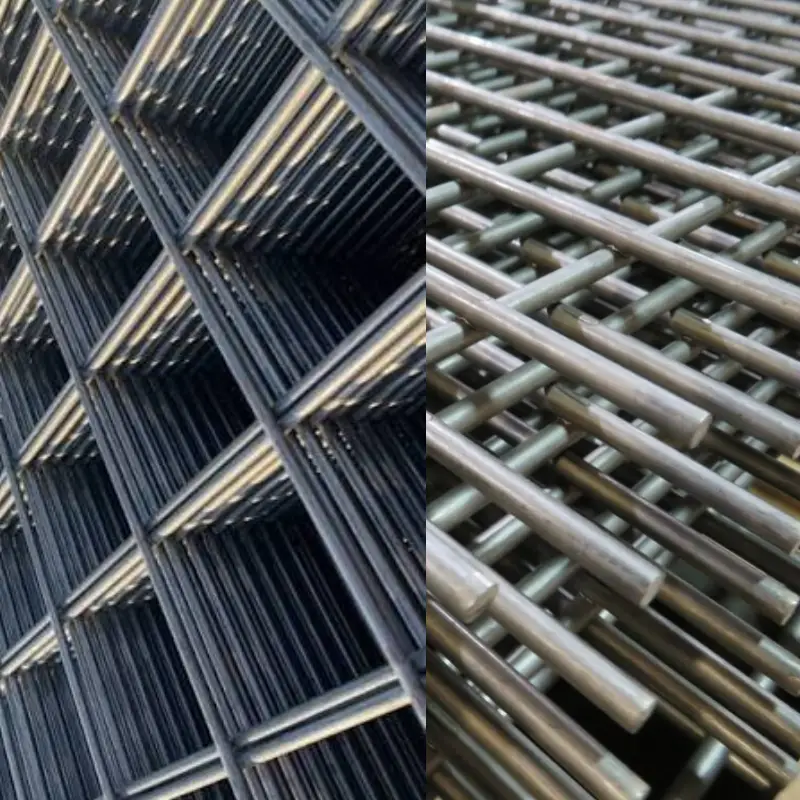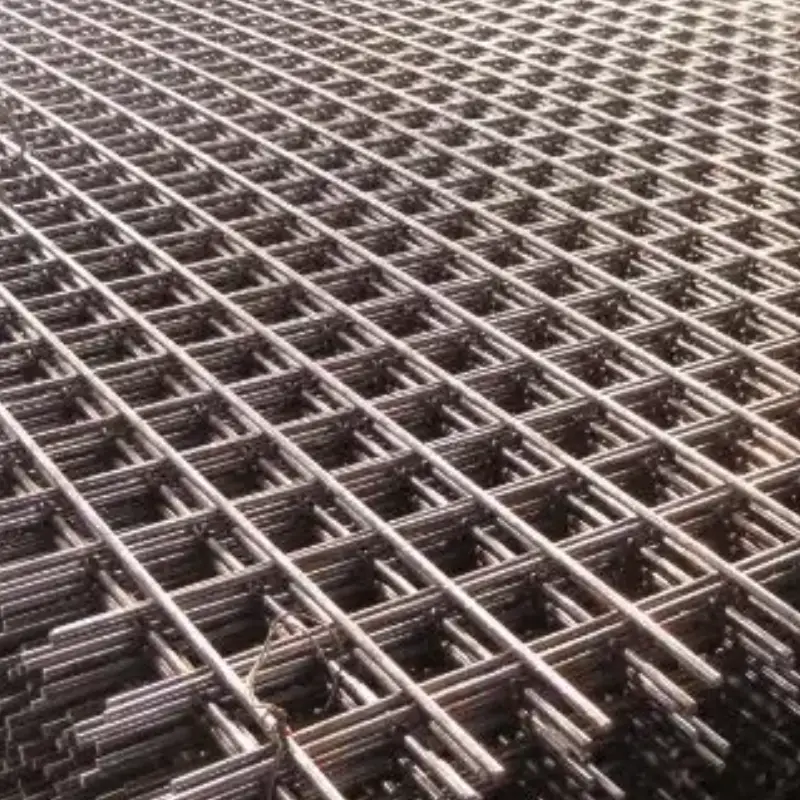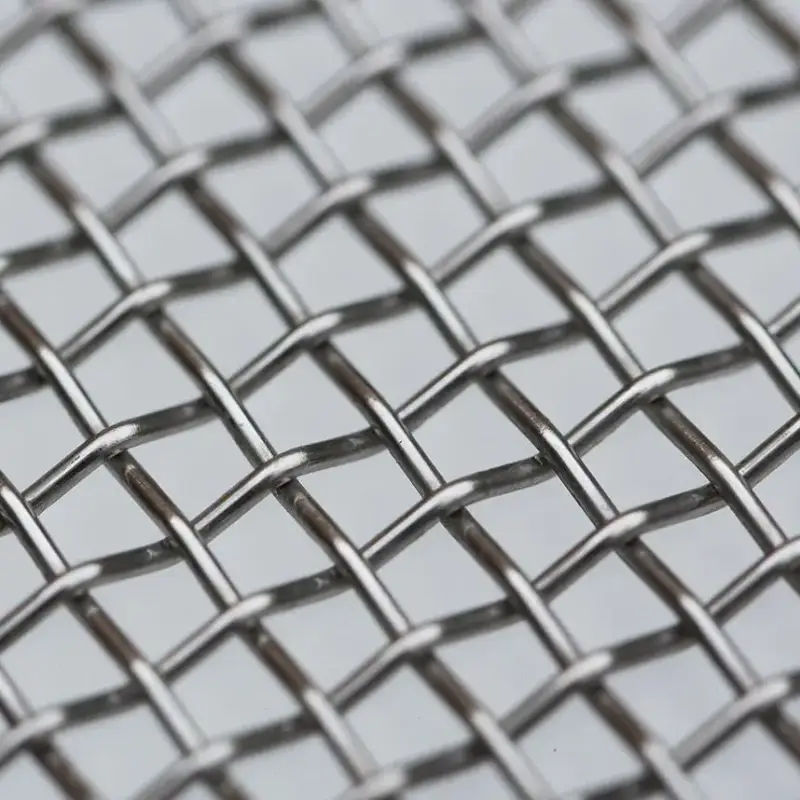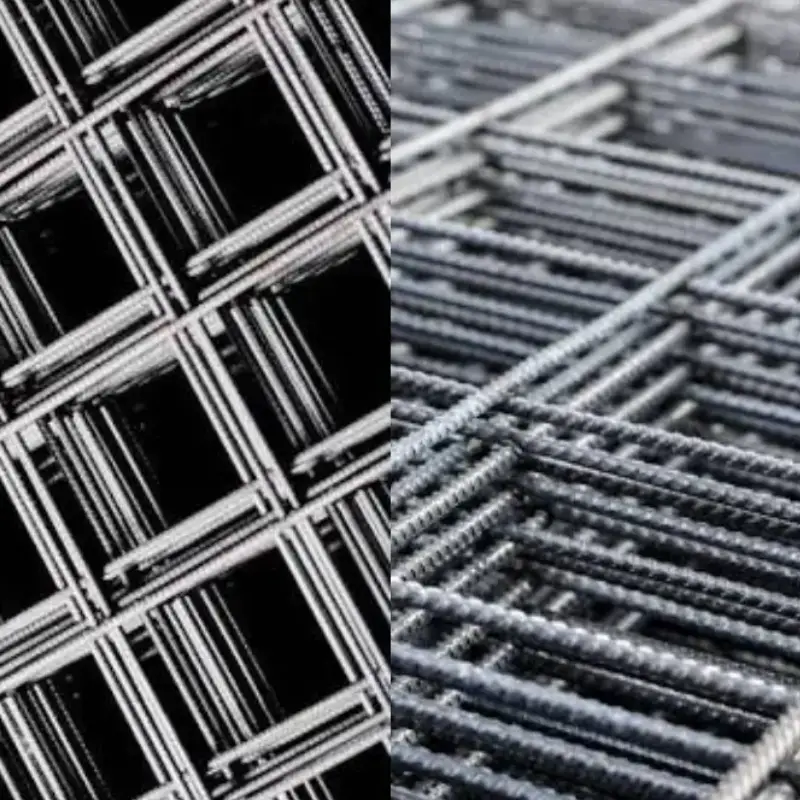
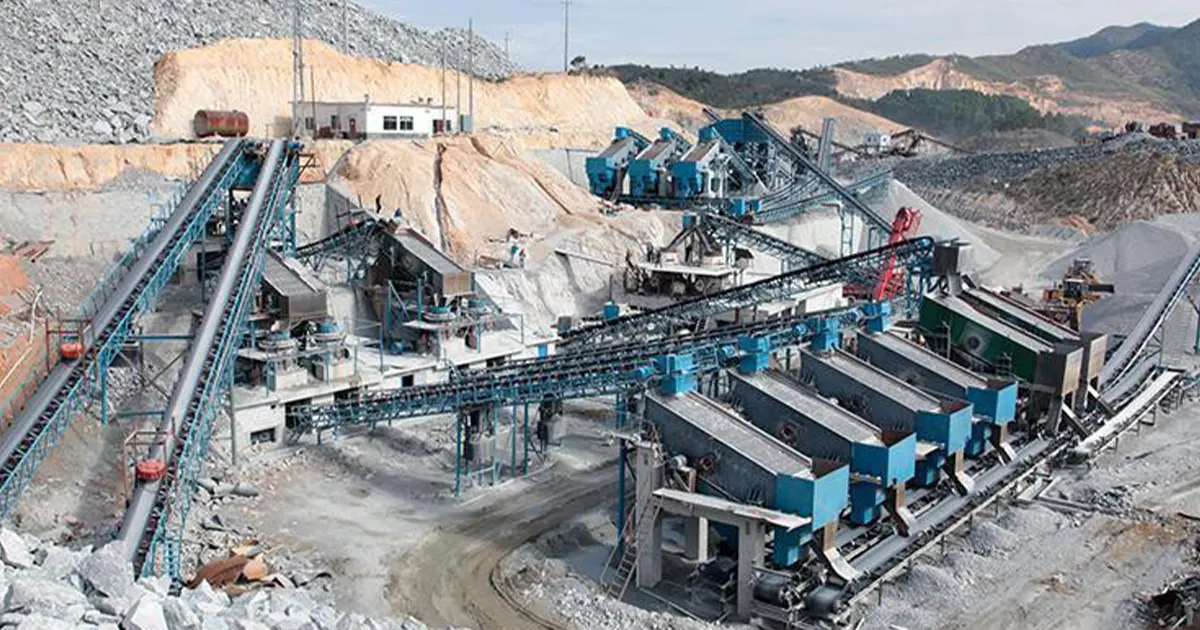
You get aluminum from bauxite ore by using steps. First, you mine the ore. Then, you prepare the ore. Last, you refine it. The Aluminum Mining Process turns raw bauxite into alumina. In ore preparation, you use screening media to sort particles by size. This step makes the ore better and helps the plant work well.
Tip: Picking the best screening media helps you work faster and fix things less often.
Key Takeaways
- Aluminum is made from bauxite ore. Bauxite is the only source for aluminum.
- The Aluminum Mining Process has three steps. First, miners get bauxite from the ground. Next, they prepare the ore. Last, they refine bauxite into alumina.
- Picking the best screening media helps work faster. It also lowers the need for repairs in ore preparation.
- Bauxite has special features. Its softness is between 1 and 3 on the Mohs scale. Its specific gravity is between 2.0 and 2.5.
- Open-pit mining is the main way to get bauxite. This method lets workers reach deposits quickly and safely.
- Taking care of the environment is very important. Managing waste like red mud keeps nature and people safe.
- The Bayer process is needed to turn bauxite into alumina. It uses sodium hydroxide to separate aluminum from other materials.
- Knowing the bauxite-to-aluminum ratio helps use resources better. It also helps cut down on waste during aluminum production.
Aluminum Mining Process Overview
What is Bauxite?
Bauxite is the first step in making aluminum. It is a rock that has a lot of aluminum oxides and hydroxides. You can find bauxite mixed with minerals like silica, iron oxide, and titania. The United States Geological Survey says bauxite is made of aluminum hydroxide minerals and other things.
Note: Bauxite is the only ore used to get aluminum for business. People use it in building and making things.
When you start the Aluminum Mining Process, you use bauxite because it gives you what you need to make alumina. There are three main aluminum hydroxide minerals in bauxite:
- Gibbsite
- Boehmite
- Diaspore
Bauxite also has things like clay minerals, iron oxide, and titanium dioxide. These can change how good the bauxite is and how you process it.
Bauxite Properties
You can tell bauxite by how it looks and feels. It is soft, with a hardness of 1 to 3 on the Mohs scale. Bauxite can be white, gray, or reddish brown. It often has small, round pieces called pisolitic structure. The luster is earthy, and it is not very heavy, with a specific gravity between 2.0 and 2.5.
| Property | Description |
|---|---|
| Hardness | Soft material with a hardness of 1 to 3 on the Mohs scale |
| Color | White to gray to reddish brown |
| Structure | Pisolitic structure |
| Luster | Earthy luster |
| Specific Gravity | Low specific gravity of 2.0 to 2.5 |
Bauxite has about 15%–25% aluminum. It also has clay minerals, iron oxide, and titanium dioxide. These things make bauxite good for the Aluminum Mining Process. They help you get alumina in an easy way.
Bauxite Extraction Methods
Open-Pit Mining
You use open-pit mining as the main way to get bauxite from the earth. Most bauxite deposits sit close to the surface, so you do not need to dig deep. You start by exploring the area. You drill into the ground to find out where the bauxite is. In remote places, you often use hand drills. After you find the deposit, you remove the layer of soil and plants on top. You can use hand tools or machines like power shovels for this step.
Next, you drill holes into the bauxite layer. You use blasting to break up the ore. The broken pieces are easy to collect. Power shovels pick up the bauxite and load it onto trucks. You send the ore to a beneficiation plant for further processing.
Tip: Open-pit mining lets you reach large amounts of bauxite quickly and safely.
Stripping and Haulage
You need strong machines for stripping and moving bauxite. Hydraulic excavators, such as Demag H185, help you load the ore. For moving the bauxite, you use haul trucks like Caterpillar 777B and 777D. These trucks carry the ore from the pit to the plant. Wheel loaders, such as Caterpillar 992C and 992D, help you handle the ore during stockpiling. This equipment makes the Aluminum Mining Process faster and more efficient.
- Hydraulic excavators load the ore.
- Haul trucks move the ore to the plant.
- Wheel loaders manage the stockpiles.
Environmental Impact
You must think about the environment when you mine bauxite. Open-pit mining can cause land degradation. You remove vegetation and topsoil, which can lead to erosion. Deforestation happens when you clear large areas, and this can cause animals to lose their homes. Water can get polluted from waste materials, especially red mud. This waste can harm rivers and lakes. Dust and small particles from mining can also pollute the air.
Note: In 2010, a red mud spill in Hungary wiped out all life in the Marcal River. This shows how important it is to manage waste safely.
You can reduce harm by restoring land after mining and using better waste controls. Always follow best practices to protect nature and people.
Ore Preparation
Ore preparation is an important part of the Aluminum Mining Process. You must get the bauxite ore ready before you can refine it into alumina. This part has three main steps: crushing, screening, and washing. Each step helps make the ore the right size, takes out things you do not want, and makes the ore better. Good ore preparation gives you more alumina, saves money, and keeps your machines safe.
Crushing
Crushing is the first thing you do in ore preparation. It breaks big rocks into smaller pieces. This makes more surface area for chemical reactions later. When all the pieces are about the same size, leaching works better and you get more pure alumina. If you do not crush the ore right, you might waste raw material and not get good results.
There are different jaw crushers you can use. Each one is good for certain jobs and has its own pros and cons:
| Type of Jaw Crusher | Advantages | Limitations | Best For |
|---|---|---|---|
| Mobile Jaw Crushers | Easy to move, good for far places, fast to set up | Not as strong, less power, does not crush as much at once | Small or medium mines, short-term mining |
| Fixed Jaw Crushers | Crushes a lot, lasts long, fits well in big plants | Costs more to put in, cannot move, needs a permanent spot | Big mining jobs, lots of ore |
| Single Toggle Jaw Crushers | Big opening, simple, costs less | Pieces not always the same size, wears out faster, needs fixing often | Small or medium mines, saving money |
| Double Toggle Jaw Crushers | Crushes hard, makes even pieces, uses less power | More parts, costs more, heavier than single toggle | Big jobs, hard bauxite |
| Semiautomatic & Manual Crushers | Cheap, easy to use, works with many sizes | Crushes less at a time, needs more work, not always the same output | Small mines, country areas |
Tip: Choose the crusher that fits your mine and how hard the ore is. This helps you get the best results and spend less money.
Screening
Screening comes after crushing. It sorts the crushed ore into different sizes. This is important for how well the plant works and what happens next. You use screening media to pick the right size and take out small bits before grinding. Good screening helps other steps work better and keeps the plant running well.
| Impact | Description |
|---|---|
| Pre-concentration | Taking out small bits before grinding saves energy and keeps machines from wearing out. |
| Grade Optimization | Getting the right size helps other steps like flotation or magnetic separation work better. |
| Process Uniformity | Makes sure the ore is always the same size, so the plant works well. |
Screening also helps you find the good minerals and throw away the waste. By sorting the ore, you keep machines from getting too full and get more valuable minerals. You can also save money on moving waste rock and get more money for ore with more good stuff in it.
Woven Wire Screens
Woven wire screens are used a lot for screening bauxite. They let a lot of ore through and are very exact. You can use them for dry or wet ore. They work for both big and small pieces. Woven wire screens are easy to put in and change, so you do not lose much time.
Polyurethane Screens
Polyurethane screens last a long time. Use them when the ore is rough or when you want the screen to last longer. These screens are light and bend easily. They also make less noise and shake less. Polyurethane screens are best for small and medium pieces.
Rubber Screens
Rubber screens are good for sticky or wet ore. They do not get clogged and last longer than metal screens in tough spots. You can use rubber screens to make less noise and protect your machines. They work for both the first and second screening steps.
Self-Cleaning Screens
Self-cleaning screens have special shapes to stop clogging. Use them when the ore is wet or has a lot of clay. These screens keep the plant working without stopping to clean. Self-cleaning screens help you work faster and keep the ore good.
Perforated Plates
Perforated plates are strong and last a long time. Use them for big, heavy pieces of ore. These plates can take hard hits and do not wear out fast. Perforated plates are easy to clean and fix. They are best for the first screening when you need to take out big pieces.
Note: Picking the right screening media helps you get the right size, makes the plant work better, and saves money on repairs.
Washing
Washing is the last step in ore preparation. You wash the ore to take out things like clay, silica, and iron minerals. This makes the ore have more alumina and less bad stuff. Washing also lowers the iron, especially goethite, which makes the ore worth more.
Washing bauxite ore gives you many good things:
- The ore is better because you take out things like kaolinite and goethite.
- The plant works better and costs less to run.
- It is easier to handle and works better in refineries.
- Less goethite helps the ore settle better.
- More alumina makes the ore worth more money.
- Less reactive silica makes refining work better.
Tip: Refineries like washed bauxite because it gives more alumina, better quality, and costs less.
Ore preparation is important for good refining. By crushing, screening, and washing, you make sure the Aluminum Mining Process gives you the best alumina and works well.
Bayer Process
The Bayer process is the main way to get alumina from bauxite. This chemical method is very important for making aluminum. It helps you get pure aluminum oxide. Aluminum oxide is needed to make aluminum metal. Almost all aluminum companies use the Bayer process. It works well and gives good results.
- The Bayer process uses sodium hydroxide to change aluminum hydroxide in bauxite into sodium aluminate.
- You can get aluminum hydroxide back by making it come out of the liquid.
- This process helps you get aluminum oxide easily.
- Most companies that make aluminum use the Bayer process.
Sodium Hydroxide Digestion
First, you mix crushed bauxite with hot sodium hydroxide. You do this at high heat and pressure. The sodium hydroxide reacts with the aluminum hydroxides in the bauxite. This reaction makes the aluminum minerals dissolve and form sodium aluminate. Things like iron oxides and silica do not dissolve. They stay as a solid waste called red mud. This step separates the useful aluminum from the rest of the ore.
Tip: Always watch the temperature and pressure during digestion. This helps you get more alumina and keeps things safe.
Separation of Impurities
After digestion, you need to take out the impurities. You let the mixture sit so the red mud sinks to the bottom. Then you filter the mixture to separate the liquid from the solid waste. The impurities you remove are:
- Iron oxides
- Silica
- Titanium oxides
These impurities stay in the red mud. The sodium aluminate solution has the dissolved alumina. You must handle the red mud carefully. If you do not store it right, it can hurt the environment.
- The Bayer process uses caustic soda to pull out the alumina.
- The good alumina stays in the liquid.
- The unwanted stuff forms a solid waste.
Alumina Precipitation
Now you need to get the alumina out of the sodium aluminate solution. You cool the solution and add aluminum hydroxide seeds. These seeds help the alumina come out as a solid. The steps for alumina precipitation are:
- Crush, wash, and dry the bauxite.
- Dissolve the bauxite with caustic soda at high heat.
- Filter the mixture to remove red mud.
- Move the clear liquid to special tanks.
- Cool the solution and add aluminum hydroxide seeds.
- Let the aluminum hydroxide settle at the bottom.
- Wash the aluminum hydroxide to take out any leftover caustic soda.
- Heat the washed aluminum hydroxide to remove water. You get pure alumina as a fine white powder.
Note: The precipitation step gives you the pure alumina you need to make aluminum metal. You must wash and heat the product to get the best quality.
The Bayer process lets you turn bauxite into alumina in a safe and easy way. You can use this alumina in the next steps to make aluminum.
Calcination
Calcination is the last step in the Bayer process. In this step, alumina hydrate changes into pure alumina. You put alumina hydrate inside a calcining kiln. The kiln gets very hot, up to 2,000°F (1,100°C). The heat takes away the water that is part of the hydrate. After this, you have anhydrous alumina. This alumina is ready to make aluminum.
You have to watch the temperature closely. If you heat the powder between 1,200°C and 1,300°C, you get calcined alumina. This kind of alumina is thick and strong. When big hexagonal crystals form, you call it “Tabular Alumina.” Tabular alumina is tough and does not wear out fast. People use it for many jobs in factories.
- Calcination takes water out of alumina hydrate.
- The process makes pure Al2O3, which is the most stable alumina.
- You get tabular alumina if big crystals grow during heating.
You need pure alumina for the next part of making aluminum. Calcination makes sure the alumina is dry and clean. You can count on this step to give you good material for electrolysis.
Tip: Always check the kiln temperature. Good heating gives you the best alumina for making aluminum.
Byproducts and Waste
Aluminum mining and refining make many byproducts. The most important one is red mud. You need to know how red mud forms and how to handle it safely. Good handling and new ideas help protect nature and make the plant work better.
Red Mud Handling
When you turn bauxite into alumina with the Bayer process, you get a lot of red mud. This waste is very alkaline and has lots of iron. For every ton of aluminum made, about two tons of red mud are left over. Each year, about 30 million tons of red mud are made by the industry.
| Byproduct | Description |
|---|---|
| Red Mud | A highly alkaline, iron-rich residue from the Bayer process. Modern ways try to use red mud in new ways, like neutralizing it, making building materials, or fixing land, so it is less risky for the environment. |
| Byproduct | Quantity |
|---|---|
| Red Mud | For every ton of aluminum, about two tons of red mud are made. Each year, about 30 million tons are produced. |
You must be careful with red mud to keep the environment safe. Most plants use a few steps to manage this waste:
- Dry and filter red mud into a cake to save space.
- Pump the wet mud into ponds or lagoons to keep it safe.
- Neutralize the red mud to make it less harmful.
- Use seawater at coastal plants to lower the pH fast.
These steps help store red mud safely and stop leaks or spills. Seawater neutralization can lower the pH from 11–13 to about 9.0. Some refineries, like Queensland Alumina Limited, have used this method for over 30 years with good results.
Tip: Always check red mud storage for leaks and keep strong barriers to protect soil and water.
Environmental Solutions
There are new ways to lower the harm from red mud. Many plants now try to reuse or treat red mud instead of just storing it.
- Advanced Neutralization: Mix red mud with acidic waste to make it less alkaline and trap heavy metals.
- Cement and Construction Materials: Use red mud to make cement, bricks, or ceramics. This cuts down on landfill waste and lowers carbon emissions.
- Land Rehabilitation: Use treated red mud to help plants and animals come back to mined land.
- Secondary Metal Recovery: Take out valuable metals like iron or rare earth elements from red mud with new technology.
Seawater neutralization is popular in coastal places. It lowers the pH and makes red mud safer to store or reuse. Using these solutions helps protect nature and turns waste into useful things.
Note: Using red mud for building and land repair helps the environment and supports a circular economy in aluminum production.
Alumina to Aluminum Metal
Electrolysis Overview
You change alumina into aluminum metal with the Hall-Héroult process. This method uses electrolysis to split aluminum from oxygen. First, you dissolve alumina in melted cryolite. The mix goes into a reduction cell. You send an electric current through the cell. The current makes aluminum ions move down. They collect at the bottom as melted aluminum. Oxygen joins with the carbon anode and makes carbon dioxide gas. You take out the aluminum and send it for more work.
- The Hall-Héroult process is a main part of making aluminum.
- Electrolysis changes alumina into aluminum metal.
- Melted aluminum gathers at the bottom of the pot.
Note: Making aluminum needs a lot of energy. Many plants are close to cheap power to save money.
Role of Cryolite
Cryolite is very important in making aluminum. You cannot use pure alumina for electrolysis because it melts at a very high temperature. Alumina melts at about 2,072°F (1,133°C). You mix alumina with melted cryolite to lower the melting point. This makes the process easier and safer. Cryolite drops the temperature for electrolysis to about 1,832°F (1,000°C). You use less energy and your machines last longer.
Mixing alumina with cryolite is needed. It helps you get aluminum out faster. The lower melting point lets electricity move through the mix. You get aluminum metal at the bottom of the cell. Cryolite also helps take out things you do not want from the aluminum.
| Substance | Melting Point (°F) | Purpose in Process |
|---|---|---|
| Alumina | 2,072 | Source of aluminum |
| Cryolite | 1,832 | Lowers melting point, solvent |
Tip: Always check the cryolite mix. The right mix keeps things running well and makes better aluminum.
Bauxite to Aluminum Ratio
You need a lot of bauxite to make aluminum. The Aluminum Mining Process starts with bauxite and ends with aluminum metal. You use about four tons of bauxite to get two tons of alumina. Then you need two tons of alumina to make one ton of aluminum. This ratio shows how much material you need for each step.
- 4 tons of bauxite → 2 tons of alumina → 1 ton of aluminum
You must plan mining and refining well. The ratio changes your costs and how much waste you make. You get more aluminum if you use good bauxite and smart refining.
Note: Knowing the bauxite-to-aluminum ratio helps you use resources well and makes your plant work better.
Now you know how alumina becomes aluminum metal. Electrolysis, cryolite, and the right amount of bauxite are all important in making aluminum.
Conclusion
You use steps to change bauxite into alumina. First, you wash, dry, and crush the bauxite. Next, you use chemicals to turn aluminum hydroxides into sodium aluminate. Then, you make alumina come out, wash it, filter it, and heat it to get pure alumina.
Screening media is important in ore preparation. It helps you pick the right particle size and makes the plant work better. There are many kinds of screening media for mining and mineral processing:
| Type of Screening Media | Description |
|---|---|
| Vibrating Screens | Shake material across screens using vibration. |
| Grizzly Screens | Take out big pieces before you crush the ore. |
| Roller Screens | Work well with wet, sticky ores that might clog. |
| Flip-Flow Screens | Sort small particles in hard conditions. |
| Mechanical Screening | Sort lots of ore by size quickly. |
| Wet Screening | Use water to help separate small particles. |
| Fine Screening | Sort very tiny particles with high-frequency screens. |
| High-Intensity Screening | Help separate particles that are almost the same size. |
| Static Screening | Use gravity and people to sift raw ore. |
You can ask us for more details about screening solutions. We have many types of screening media to help your mining work well.
Contact us today to find the best screening media for your plant.
FAQ
What is the main source of aluminum?
Aluminum comes from bauxite ore. Bauxite has a lot of aluminum hydroxides. Mining companies use bauxite as the only main source for making aluminum.
How does screening media improve ore preparation?
Screening media sorts bauxite by size. This step takes out things you do not want. It helps the plant work better. You get better ore and your machines last longer.
Why do you wash bauxite before refining?
Washing takes out clay, silica, and iron minerals. This makes the ore have more alumina and less bad stuff. Refineries like washed bauxite because it gives more and better alumina.
What is red mud, and how do you manage it?
Red mud is waste from the Bayer process. You must keep it safe in ponds or lagoons. Some plants make red mud safer or use it to build things.
How much bauxite do you need to make aluminum?
You need about four tons of bauxite to make one ton of aluminum. From four tons of bauxite, you also get two tons of alumina.
What is the Bayer process?
The Bayer process gets alumina from bauxite. Sodium hydroxide dissolves the aluminum minerals. Then you take out the bad stuff and make alumina as a white powder.
Why do you use cryolite in aluminum production?
Cryolite makes alumina melt at a lower temperature. You mix alumina with cryolite for electrolysis. This saves energy and makes it easier to get aluminum.
How can you reduce environmental impact in aluminum mining?
You fix the land after mining and use better ways to handle waste. Some plants reuse red mud and use seawater to make it safer. These steps help nature and make mining better for the planet.