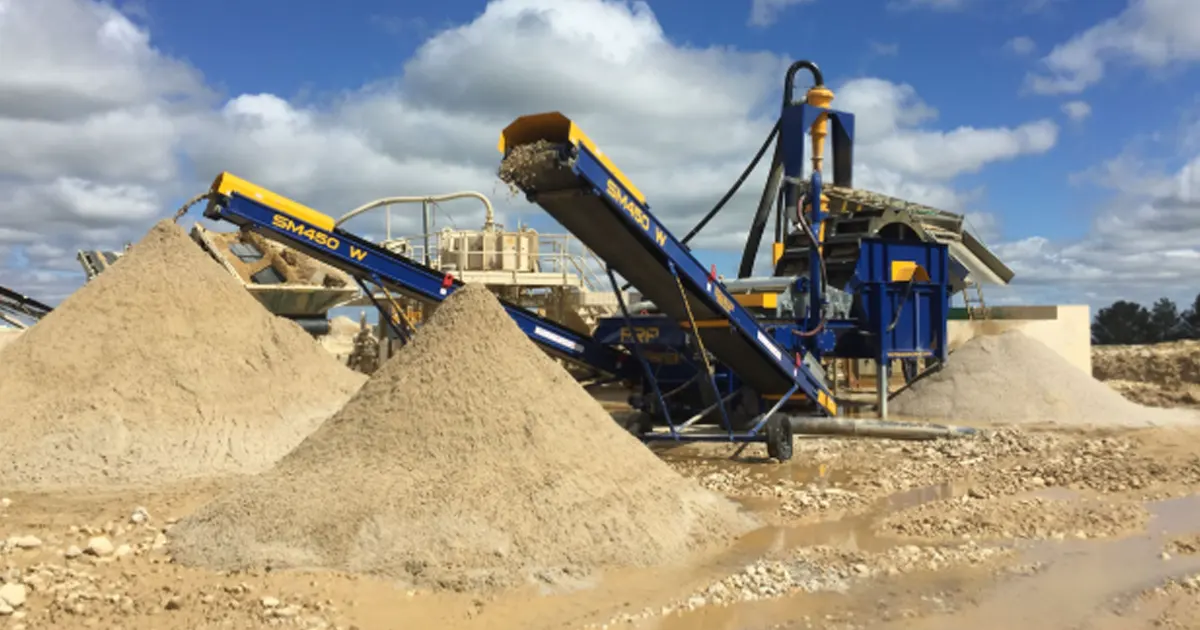
You want your sand screening process to run smoothly and efficiently. The right Screening Media makes all the difference. When you match your screen to the type of sand and your production needs, you get better results and fewer headaches. Check out some common factors pros consider before choosing a screen:
| Factor | Why It Matters |
|---|---|
| Moisture Content | Wet sand can clog screens, so you may need special systems. |
| Particle Size Distribution | Fine sand needs a finer mesh; coarse sand works with larger openings. |
| Abrasiveness | Tough sand wears out screens fast—choose tough materials. |
| Production Capacity | Your daily volume affects what screen setup you need. |
| Screen Size and Mesh Specs | The right mesh size gives you the best separation and accuracy. |
Start with these basics to pick the best screen for your operation.
Key Takeaways
- Pick the right screen media for your sand’s moisture. Wet sand needs special screens so it does not clog.
- Make sure the screen opening size matches your sand’s particle size. This helps separate sand better and cuts down on downtime.
- Think about how rough your sand is. Hard sand can wear out screens fast, so choose strong screens.
- Check your screens often for wear or damage. Finding problems early stops expensive downtime and repairs.
- Look at your screening setup often. Changing things can make it work better and help screens last longer.
- Use wet screening to get cleaner sand and less dust. This keeps screens clear and means less cleaning is needed.
- Talk to experts for advice about picking screen media. Their help can make your operation work better.
- Set up a regular maintenance schedule. Checking and cleaning often keeps screens working well and smoothly.
Sand Screening Material Factors
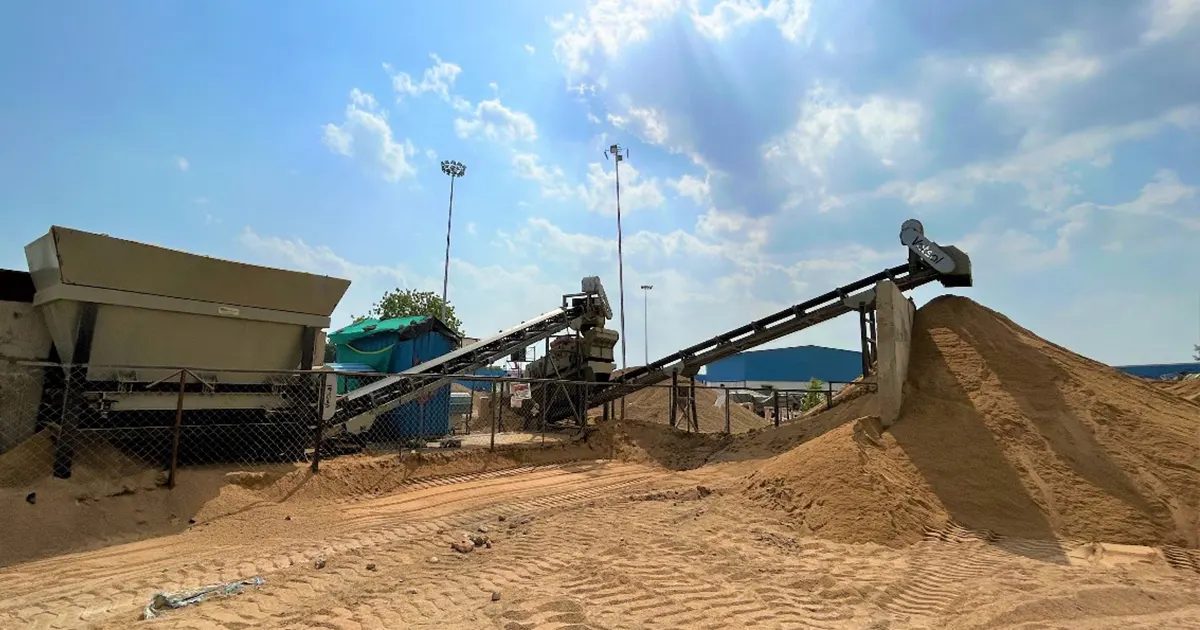
Wet vs. Dry Sand
You might notice that wet and dry sand behave very differently on a screen. Wet sand tends to stick together and can clog the mesh. This slows down your operation and makes cleaning harder. Dry sand flows more freely, so it passes through the openings with less trouble.
Here’s a quick look at how moisture levels affect performance:
| Moisture Level | Impact on Performance | Solutions |
|---|---|---|
| High | Causes clogging and reduces throughput due to sand adhesion to the screen mesh. | Use high-frequency screens, pre-dewatering systems, anti-blinding devices. |
| Optimal (6-8%) | Ensures efficient operation and reduces maintenance needs. | Monitor and control feed moisture. |
If you deal with high moisture, you should consider screens with anti-blinding features or use high-frequency vibration. These options help keep the sand moving and prevent blockages. For dry sand, you can focus on choosing the right mesh size for your separation needs.
Tip: Always check your sand’s moisture content before you pick a screen. This small step can save you time and money.
Particle Size
Particle size plays a huge role in sand screening. Fine sand needs a different approach than coarse sand. The size and shape of the particles decide how easily they pass through the screen. If you use the wrong opening size, you might lose valuable material or end up with poor separation.
Let’s break down what matters:
- The largest particles in your sand set the rules for screen slot size.
- Slots should be about two times bigger than the D10 size of your sand. This helps prevent plugging.
- For mixed sizes, you might use D25 or D30 as a guide for opening size.
- Spherical particles stay on the screen if the slot is 2.5 times their diameter or smaller.
Screening efficiency depends on how particles interact with the mesh. If your sand has a wide range of sizes, you need to balance capacity and accuracy. Too small an opening slows everything down. Too large, and you lose control over separation.
Here’s a simple process you can follow:
- Assess your sand’s particle size distribution (PSD).
- Pick a slot size that keeps the right amount of sand on the screen.
- Adjust your design to minimize plugging and boost separation.
When you match the screen opening to your sand’s particle size, you get better results and less downtime.
Abrasiveness
Abrasive sand can wear out your screen fast. If your sand has lots of sharp or rough particles, you need to think about durability. The faster your sand moves, the more it grinds away at the screen material.
The wear rate jumps when you increase the speed of the sand. For example, a 50% boost in velocity can lead to a 170% rise in erosion. That means you need to pick tough materials if you handle abrasive sand.
Abrasive wear comes in two main types:
- Two-body wear: Sand rubs directly against the screen.
- Three-body wear: Loose particles get trapped and grind between the sand and the screen.
Knowing which type you face helps you choose the right screen. For high-abrasion jobs, look for screens made from hard alloys or coated with special materials. This choice keeps your operation running longer and cuts down on maintenance.
Don’t ignore abrasiveness. It can turn a good screen into scrap in no time if you pick the wrong material.
Moisture Content
Moisture in your sand can make or break your screening process. When sand holds too much water, it sticks together and forms clumps. These sticky clumps block the screen openings. You see less material passing through, and your throughput drops. Wet sand also makes it tough to separate fine particles. If you work with clay or very fine sand, high moisture can plug your screens fast.
You want to keep your screening line moving. To do that, you need to control moisture. If you let moisture get too high, you will see more blinding and less accuracy. Your screen will need more cleaning, and you might lose valuable production time.
You can use a few smart strategies to handle high-moisture sand:
- Try wet screening. Water helps move sticky material through the screen and keeps the mesh clear.
- Adjust your feed rate. Slowing down the material flow gives each particle a better chance to pass through.
- Pick the right screen media. Woven wire cloth works well for durability. Polyurethane screens last longer in wet jobs. Rubber screens fight wear but may slow your throughput.
Tip: Check your sand’s moisture level every day. Small changes can have a big impact on your screening results.
If you match your screen media to your sand’s moisture, you will see fewer clogs and better separation. You will also spend less time on maintenance and more time producing quality sand.
Screening Goals and Methods
Scalping
Scalping is the first step in sand screening. You use a screen to take out big pieces and trash before finer separation. This helps your equipment last longer and makes your work faster. Scalping screens can handle heavy loads and work well with strong feeders. With the right setup, you can make three sizes—fines, middles, and overs.
Here’s a quick look at the pros and cons:
| Advantages of Scalping Screens | Disadvantages of Scalping Screens |
|---|---|
| Handles heavy material with strong feeders | Costs more than box screens |
| Makes three products (fines, middles, overs) | Needs extra feeding devices for good spreading |
| Works well for many products | Harder and more expensive to move |
Sometimes, inclined screens do not spread sand well. You need extra feeding devices to cover the screen surface. If you skip this, you waste space and lose separation power.
Tip: Always check your feed system. Good spreading means better screening and less downtime.
Sizing
Sizing means sorting sand into different sizes. You use a vibrating screen to separate particles by their size. This gives you clean sand for many uses. You must pick the right screen size and setup. Things like particle size, moisture, and abrasiveness matter.
- Sizing helps separate sand well and stops clogging.
- You must choose wet or dry screening.
- The right screen media stops too many small particles and keeps things running.
If you want good sand, match your screen to your sizing goals. This affects yield, purity, and maintenance. You also need to think about the screening area and if your sand needs washing.
Note: Sizing is not just about picking a mesh. Look at the whole process and adjust your equipment for the best results.
Final Product
The final product stage is all about quality. You want sand that meets standards for cleanliness, grain size, and strength. Your screen must give steady results. Uniform grain size helps mixing, filtration, and drainage work well. Clean sand lowers contamination risks, especially in sensitive places.
| Characteristic | Importance |
|---|---|
| Uniform grain size | Helps mixing, filtration, and drainage work well. |
| Cleanliness | Lowers contamination risks by removing organic matter, clay, and trash. |
| Durability | Keeps sand strong over time and stops breakdown in long-term jobs. |
Pick screen media that can handle your final product needs. Wire cloth is good if you change sizes often. Polyurethane screens are best for wet jobs. Your choice affects maintenance and sand quality.
If you want reliable sand, focus on your final product goals. The right screen matters a lot.
Wet vs. Dry Screening
There are two main ways to screen sand: wet or dry. Each way has good points and some problems. Dry screening uses air and shaking to sort the sand. This works best if your sand is not wet. But dry screening can leave dust and tiny pieces on your sand. You might also see more dust in the air, so you need dust control tools.
Wet screening uses water to help move sand through the screen. The water washes away dirt, clay, and small bits. This makes your sand cleaner and keeps dust down. Wet screening also stops the screen from getting clogged. Water keeps the holes open, so you clean less and make more sand.
Here is a simple chart to help you choose:
| Aspect | Dry Screening | Wet Screening |
|---|---|---|
| Cleaning Effect | Not much; dust and small bits stay on sand | Good; water washes away dirt, clay, and small bits |
| Dust Control | Not good; makes dust in the air | Great; water keeps dust down and air clean |
| Screen Clogging | Happens a lot with sticky, tiny bits | Not much; water keeps screens clear |
| Product Quality | Not as pure because of leftover dirt | Very pure with clean, even sand |
| Environmental Impact | More dust in the air; may need extra controls | Less dust; but you must manage and reuse water |
If you want very clean sand and less dust, wet screening is a good pick. You will need to use and recycle water, but your sand will be cleaner. Dry screening is better if your sand is dry and you do not want to use water.
Tip: Always check how wet your sand is and know your site’s dust rules before you choose. Picking the right way keeps your work safe and smooth.
Trommel Screens
Trommel screens are special for tough sand jobs. If your sand is wet, sticky, or has lots of clay, a trommel helps a lot. This machine has a turning drum with holes to sort the sand. As the drum spins, sand rolls and breaks up. This helps stop clogs and keeps the screen working well.
Trommel screens often have spray bars or water jets. These spray water on the sand as it moves, washing away dirt and clay. You get cleaner sand and better sorting. The self-cleaning design means you do not have to clean the screen as much.
Here is what makes trommel screens different:
| Performance Metric | Description |
|---|---|
| Self-Cleaning Feature | Stops the holes from clogging, so wet and sticky sand moves through easily. |
| Continuous Rotation | Makes the sand tumble and break up clumps, so screening works better. |
| Spray Bars or Water Jets | Washes and separates small bits from wet sand, making the sand cleaner. |
You can use a trommel screen when a vibrating screen cannot handle sticky or clay-filled sand. Trommels can take heavy loads and keep working, even with hard material. If you want less cleaning time and cleaner sand, think about using a trommel.
Note: Trommel screens are best for wet, sticky, or clay-filled sand. They help your work go faster and keep your sand clean.
Screening Media Types
Woven Wire
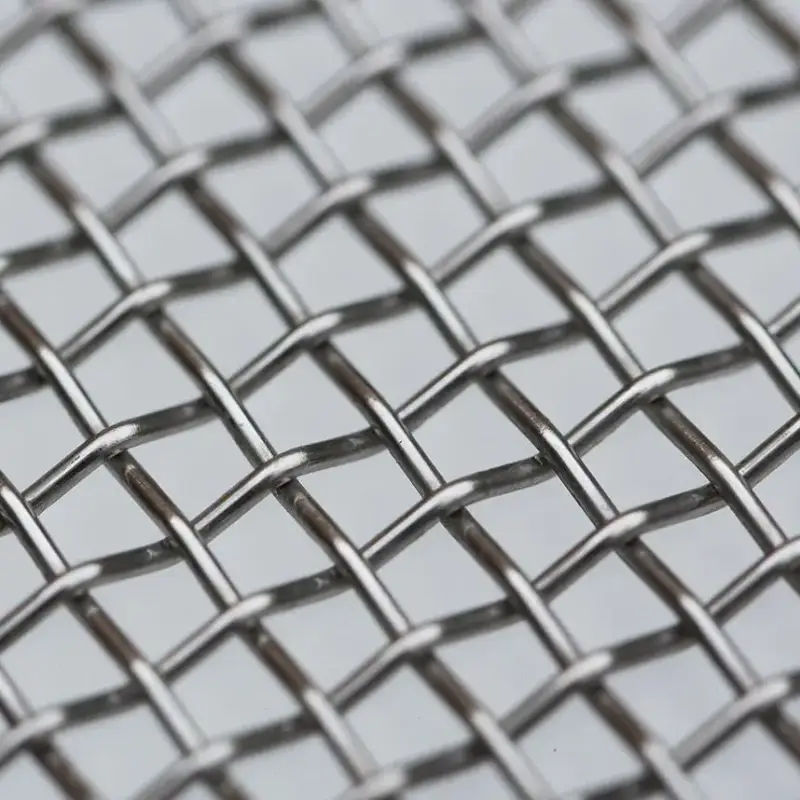
You see woven wire screens in many sand plants. They work well for most jobs because they are affordable and easy to change. You can pick from many mesh sizes and patterns. This helps you get the right fit for your sand.
Woven wire screens give you good screening efficiency. They have a high open area, so sand moves through fast. You can swap out the mesh quickly if you need a different size. This makes them a top choice for high-volume operations.
Here’s a quick look at the pros and cons:
| Advantages | Description |
|---|---|
| Cost-Effective & Versatile | You save money and can use them for many jobs. Mesh changes are simple. |
| Gentle on Materials | They protect fragile sand grains. Many weave patterns are available. |
| Prone to Blinding | Wet or sticky sand can block the mesh. This slows down your work. |
| Lower Throughput at Times | Blinding and pegging can cut how much sand you process. |
You should use woven wire if you need to change mesh sizes often or want a low-cost option. They work best with dry, clean sand. If you deal with wet or sticky sand, you may see more clogs.
Tip: Check your sand type before you choose woven wire. This helps you avoid downtime and keeps your screening line moving.
Rubber Panels
Rubber panels give you a flexible and tough screen. They shine when you handle wet, sticky sand or sand with lots of near-size particles. The panels bend and shake, which helps knock loose any sand stuck in the holes. This means less blinding and fewer cleanouts.
You get high impact resistance with rubber panels. They work well for heavy-duty jobs, like scalping big rocks or run-of-mine ore. If you need a screen that can take a beating, rubber is a smart pick.
Here’s why you might choose rubber panels:
- They flex to clear out trapped sand.
- They last longer in rough jobs.
- They cut down on noise in your plant.
Rubber panels do not have as many openings as woven wire. This can lower your throughput. You may not want them for fine sand or when you need the highest capacity. But if you fight blinding or need a tough screen, rubber panels help a lot.
Note: Use rubber panels for wet, sticky sand or when you need a screen that can handle heavy impacts.
Polyurethane
Polyurethane screens give you a strong and long-lasting option. They last much longer than metal screens—sometimes five to eight times longer. You see less wear and fewer replacements. This saves you money and time.
Polyurethane screens resist clogging. They work well with wet or abrasive sand. You get steady screening and less downtime for cleaning. The open area is a bit lower than woven wire, but you gain more service life.
Here’s a quick comparison:
| Feature | Polyurethane Screen Media | Metal Screens |
|---|---|---|
| Wear Resistance | 5–8 times higher | Lower |
| Open Area | Slightly lower | Higher |
| Clogging Resistance | Excellent | Poor |
| Service Life | Extended | Shorter |
| Screening Efficiency | Improved | Standard |
You should pick polyurethane if you run wet or wash screens, or if you handle dry, abrasive sand. They work well in high-volume plants where you want less maintenance. You get a cleaner product and a smoother operation.
Tip: Polyurethane screens help you cut costs and boost uptime, especially in tough sand screening jobs.
Steel Plate
Steel plate screens are very strong and last a long time. You might use steel plate if your sand is very rough or sharp. These screens are made from thick steel sheets with holes in them. The solid steel lets them handle heavy sand and tough jobs.
You see steel plate screens where strength is more important than having lots of holes. They do not have as many holes as woven wire or polyurethane screens. This means you might get less sand through at once. But they work well in places where other screens wear out quickly.
Here are some places where steel plate screens are used:
| Industry | Use Cases |
|---|---|
| Aquaculture | Protects fish gills, keeps water clear, stops rust, and lowers organic buildup. |
| Geotechnical Engineering | Holds soil in place, helps control water, and supports freezing the ground. |
| Oil and Gas | Stops sand from getting in, keeps wells safe, and lets you block off certain areas. |
| Mining | Helps separate valuable stuff, works in placer mining, and can be made in different shapes. |
| Groundwater Extraction | Keeps pumps safe, keeps water clean, and has features to stop clogging. |
| Construction | Makes sure materials are good, sorts sand by size, and helps with recycling. |
You might pick steel plate screens for big, sharp, or heavy sand. They are good when you do not want to change screens often. The steel does not bend or break easily, even when things get rough.
Tip: If you work where things wear out fast or need a screen that is really tough, steel plate is a good pick. Just remember, you may have to trade some speed for strength.
Hybrid Media
Hybrid screen media mixes the best parts of different materials. You get the open area and strength of wire. You also get the long life and quiet sound of rubber or polyurethane. These screens use more than one material to fix common sand screening problems.
Hybrid screens come in different types to give you more open area and longer life. Urethane-encapsulated wire gives you the good parts of urethane screen media, like lasting longer and being quieter, without needing a new deck or losing too much open area. Another kind of hybrid screen uses wire held by rubber or urethane strips. This helps the screen last longer and flex to familiar sand from plugging or blinding.
Most screens today are made from rubber, polyurethane, or steel. Each one has something special:
- Rubber panels make less noise and take hits well.
- Polyurethane lasts longer and does not clog easily.
- Steel wire gives you lots of open space and good sorting.
Hybrid screens mix these good things together. For example, a wire mesh with polyurethane on it lasts longer and is quieter than just wire. Some hybrid screens use rubber strips to hold the wire. This helps the screen bend and shake off stuck sand.
You might choose hybrid media if you want your screen to last longer and not clog as much. They are great for plants that need strong screens and less fixing.
Note: If you want a screen that can handle hard jobs and keep working, hybrid media is a smart choice. You get more options, more strength, and better results all together.
Screen Media Selection Features
Panel Thickness
Panel thickness matters more than you might think. If you pick a thick panel, you get a screen that lasts longer and stands up to heavy, rough sand. Thicker panels resist wear and damage from sharp grains. You will not need to replace them as often, which saves you time and money. But there is a trade-off. Thick panels can lower your screening capacity because they reduce the open area. Less open space means less sand passes through at once. If you want to boost your output, you might choose a thinner panel. Thinner panels give you more open area, but they wear out faster. Think about your sand type and how much maintenance you want to do. If your sand is very abrasive, go for thicker panels. If you need high capacity and your sand is gentle, thinner panels work well.
Tip: Check your panels often. If you see wear or damage, swap them out before they cause bigger problems.
Hole Shape
The shape of the holes in your screen media can change everything. Round and square holes help sand move through quickly. These shapes give you better screening efficiency and help you reach your production goals. Flat or rectangular holes can slow things down. They trap sand and cause clogging, which means you spend more time cleaning and less time making sand. When holes get clogged, you lose capacity and your screen needs more attention. Regular checks for holes and tears keep your screen working well. Clean out any stuck material to keep your operation smooth. If you want the best results, pick hole shapes that match your sand and your goals. Spherical and cubic shapes usually work best for most sand screening jobs.
Note: The right hole shape helps you avoid blind zones and keeps your screen media openings clear.
Opening Size
Opening size is one of the most important choices you will make. The size of the holes decides what sand passes through and what stays on top. If you pick a small opening, you get fine, clean sand. But small openings can clog faster, especially with wet or sticky sand. Large openings let more sand through and boost your capacity, but you might lose some control over the final product. Always match the opening size to your sand’s particle size. This helps you get the best separation and keeps your screen running longer. If you want maximum open area, balance the need for throughput with the need for accuracy. Too much open space can lower your product quality, while too little can slow you down.
Tip: Test different opening sizes to see what works best for your sand and your production needs.
Pattern
The pattern of your screen media shapes how well your sand screening works. When you look at a screen, you see a layout of holes or slots. This layout is the pattern. You might not think much about it, but the pattern can change everything from how much sand you process to how often you clean your screens.
You have a few main pattern choices:
- Straight Pattern: Holes or slots line up in rows and columns. This pattern gives you strong support and makes the screen last longer. You get even wear across the whole panel. If you want a simple setup that is easy to maintain, straight patterns work well.
- Staggered Pattern: Holes or slots are offset, not lined up. This pattern lets more sand pass through because there is less blockage. You get higher capacity and better screening efficiency. Staggered patterns also help reduce blinding, which means less sand gets stuck in the holes.
- Custom Patterns: Some screens use special layouts for unique jobs. You might see zigzag or wave patterns. These help with tricky sand or tough screening problems.
Here’s a quick table to help you compare:
| Pattern Type | Best For | Key Benefit | Watch Out For |
|---|---|---|---|
| Straight | Durability, easy care | Even wear, strong | Lower capacity |
| Staggered | High volume, wet sand | More throughput | Slightly less strong |
| Custom | Special needs | Solves tough issues | May cost more |
Tip: If you want more sand to pass through, try a staggered pattern. If you need your screen to last longer, stick with a straight pattern.
You should always match the pattern to your sand and your goals. Wet or sticky sand often works better with staggered patterns. Dry, coarse sand can use straight patterns for longer life. If you see a lot of blinding, a staggered or custom pattern can help keep your screens clear.
Patterns also affect maintenance. Staggered patterns may need more checks for wear, but they keep your operation moving. Straight patterns are easier to inspect and replace. Custom patterns can solve special problems, but you might wait longer for replacements.
Ask yourself these questions:
- Do you want more capacity or longer life?
- Is your sand wet, sticky, or tough to screen?
- How often do you want to change or clean your screens?
Your answers will help you pick the right pattern. The right choice keeps your sand screening line running smooth and efficient.
Common Screening Challenges
Clogging
Clogging is a big problem in sand screening. When the screen gets blocked, work slows down. Wet sand can stick together and block the holes. Fine particles can fill up the holes too. This makes it hard for sand to move and separate. To keep your equipment running, you need to know what causes clogging and how to stop it.
Here’s a table to help you see the main causes and fixes:
| Cause of Clogging/Blinding | Mitigation Strategy |
|---|---|
| Excessive Material Moisture | Use wet screening or pre-drying for high-moisture materials (>8% water) |
| Material Adhesiveness | Use anti-static screens or static eliminators for electrostatic materials |
| Lightweight or Irregularly Shaped Material | Select appropriate screen type based on material properties |
| Poor Particle Size Distribution | Optimize particle size distribution in upstream crushing process |
| Incorrect Screen Selection | Choose appropriate aperture and wire diameter based on material |
| Lack of Cleaning Devices | Install cleaning devices like Rubber Bouncing Balls or Ultrasonic Cleaning Systems |
If you see clogging, check the sand’s moisture and size. Try screens with anti-blinding features or add cleaning tools. Always pick a screen that fits your sand. This helps you get the right product size and keeps things working well.
Tip: Check your screens often and fix problems fast. This helps you avoid big slowdowns from clogs.
Wear
Wear happens all the time in sand screening. Each time sand hits the screen, it wears it down a bit. Over time, this can make holes, cracks, or even break the screen. If you want your equipment to last, you need to fight wear at every step.
You can use these smart steps to lower wear:
- Check your screens often for cracks or damage.
- Handle and install screens carefully to avoid stress.
- Remove grit and sand before they reach important parts.
- Change your equipment to lower rough impacts.
- Pick strong materials like special alloys or coatings for longer life.
- Choose screen designs that balance strength and how much sand they can handle.
When you do these things, your screen lasts longer and needs fewer repairs. You also keep your sand sizes right and your separation sharp. If you ignore wear, you will have more downtime and higher costs.
Note: Checking for wear every day saves you trouble later. Make it part of your daily routine.
Cost
Cost is always important when you run sand screening. You want to get the most from your screens without spending too much. If you pick the wrong screen or skip care, costs can go up fast. You might pay more for new screens, repairs, or lost work.
Here are some ways to keep costs low:
- Pick screen media that matches your sand and goals.
- Buy tough screens for rough jobs, even if they cost more at first.
- Do regular care to catch problems early.
- Use cleaning tools to stop clogs and save time.
- Watch your screen’s work and change panels before they break.
When you focus on the right screen and good care, you work better and save money. You also get better sand and more steady sizes. Smart choices now mean fewer problems later.
Tip: Spending a bit more on the right screen now can save you a lot later.
Maintenance
You want your sand screening equipment to last as long as possible. Good maintenance helps you get the most out of your screen media and keeps your operation running smoothly. If you skip regular checks, you might face more downtime, higher costs, and even safety risks. Let’s talk about how you can keep your screens in top shape.
First, set up a simple daily routine. Start by looking for signs of damage or wear. Check for holes, tears, or loose panels. If you spot a problem early, you can fix it before it gets worse. Small cracks or worn spots can grow fast, especially when you deal with abrasive sand.
Here’s a quick checklist you can follow every day:
- Inspect all screen panels for cracks, holes, or broken wires.
- Listen for strange noises during operation. These sounds can mean something is loose or damaged.
- Clean off any sand buildup or debris. Blocked screens can lead to faster wear.
- Tighten bolts and fasteners. Loose parts can cause extra movement and more wear.
- Check for uneven wear patterns. These can show you where the sand hits hardest.
Tip: Keep a logbook for your maintenance checks. Write down what you find and what you fix. This helps you spot patterns and plan for replacements.
Different screen media need different care. Woven wire screens are easy to swap out, but they can wear out quickly if you handle rough sand. Rubber panels last longer and resist impact, but you should check for cuts or tears. Polyurethane screens fight off wear better than metal, but they can still crack if you overload them. Steel plate screens are tough, but they need cleaning to stop rust and buildup.
Here’s a table to help you remember what to check for each type:
| Screen Media | What to Watch For | How to Fix It |
|---|---|---|
| Woven Wire | Broken wires, holes | Replace damaged sections |
| Rubber Panels | Cuts, tears, loose panels | Patch or swap out panels |
| Polyurethane | Cracks, blocked holes | Clean or replace as needed |
| Steel Plate | Rust, buildup, cracks | Clean and treat rust spots |
If you see uneven wear, you might need to adjust your feed system. Sometimes, sand piles up in one spot and wears out the screen faster there. Spread the sand evenly to make your screens last longer.
Don’t forget about cleaning. Sand, clay, and debris can build up and block the holes. Use brushes, air, or water to keep everything clear. Clean screens work better and wear out slower.
Note: Regular maintenance does not just save money. It keeps your team safe and your sand quality high.
If you make maintenance a habit, you will see fewer breakdowns and less wear. Your screens will last longer, and your operation will run smoother.
Optimize Screen Media Selection
Evaluate Setup
You want your screening operation to run at its best. Start by taking a close look at your current setup. Check if your screen matches the hardness of your sand. Woven wire mesh, steel plates, and polyurethane panels each work better with certain types of sand. Next, look at how your screen moves. Fine sand needs high vibration frequency, while coarse sand does better with lower settings.
Deck design matters, too. Single, double, or triple-deck screens let you separate sand into different product sizes. Adjustable angles and vibration intensity help you handle changes in your feed. Make sure your feed system spreads sand evenly across the screen. This step prevents uneven wear and keeps your productivity high.
Here’s a quick table to help you review your screening equipment:
| Aspect | What to Check For |
|---|---|
| Screen Material | Does it match your sand’s hardness? |
| Vibration Frequency | Is it tuned for your sand type? |
| Deck Design | Do you have the right number of decks for your product sizes? |
| Adjustability | Can you change angles and vibration for different feed conditions? |
| Feed Distribution System | Is sand spread evenly to avoid extra wear? |
| Mobility | Can you move your screen easily if needed? |
| Extra Features | Do you have self-cleaning, dust control, or remote monitoring? |
Tip: Review your setup often. Small changes can boost your screening results and help you reach maximum longevity for your screen.
Consult Experts
Sometimes, you need a fresh set of eyes. Reach out to screen media manufacturers or industry experts. They know the latest technology and can spot issues you might miss. Experts help you with screen media selection, making sure you get the right fit for your sand and your goals. They can suggest upgrades or tweaks that improve your operation.
Don’t be afraid to ask questions. Share details about your sand, your screening equipment, and your production targets. The more information you give, the better advice you get. Experts can also help you plan for future needs, so your screen keeps working as your business grows.
Note: Working with experts saves you time and money. You get solutions that fit your site and boost your productivity.
Test Performance
You can’t improve what you don’t measure. After you make changes, test your screen’s performance. Watch how much sand passes through and check the quality of your product sizes. Look for signs of clogging, uneven wear, or slowdowns. If you see problems, adjust your settings or try a different screen media.
Keep records of your results. Track how long your screen lasts and how often you need to clean or replace it. This data helps you spot trends and make better choices next time. Testing also shows if you’re getting the maximum longevity from your screen.
Tip: Regular testing keeps your screening operation on track. You catch problems early and keep your sand quality high.
Adjust for Longevity
You want your screen media to last as long as possible. Getting the most life out of your screens means making smart adjustments and staying alert to changes in your operation. Let’s talk about how you can stretch every dollar and keep your sand screening running strong.
First, keep an eye on your wear patterns. Uneven wear tells you something is off. Maybe your feed isn’t spreading sand evenly. Maybe your vibration settings need a tweak. When you spot these signs early, you can fix small problems before they turn into big repairs.
Here are some easy ways to adjust for longer screen life:
- Rotate or Flip Panels
Many screen panels let you rotate or flip them. This simple move spreads out the wear and helps each panel last longer. You get more use from every piece. - Fine-Tune Vibration Settings
If you notice fast wear or clogging, try changing the vibration speed or angle. Sometimes, a small adjustment makes a big difference. You can boost throughput and reduce stress on your screens. - Balance Your Feed
Make sure sand covers the whole screen, not just one spot. Use a feed box or spreader bar if you need to. Even coverage means even wear. - Clean Regularly
Sand, clay, and debris build up fast. Clean your screens often to keep holes open and reduce extra strain. A clean screen works better and lasts longer. - Replace Worn Parts Quickly
Don’t wait for a panel to fail. Swap out worn or damaged panels right away. This keeps your operation safe and stops damage from spreading.
Tip: Keep a simple log of your adjustments and replacements. You’ll spot patterns and know what works best for your setup.
Here’s a quick table to help you remember what to check:
| Adjustment Step | Why It Matters | How Often? |
|---|---|---|
| Rotate/Flip Panels | Spreads wear, extends panel life | Monthly |
| Adjust Vibration | Reduces stress, prevents clogging | As needed |
| Balance Feed | Prevents uneven wear, boosts efficiency | Weekly |
| Clean Screens | Keeps holes open, reduces wear | Daily |
| Replace Worn Panels | Avoids breakdowns, keeps quality high | When needed |
You don’t need fancy tools to make these changes. Most adjustments take just a few minutes. Over time, these small steps add up to big savings.
Remember, every screening operation is different. What works for one plant might not work for yours. Stay flexible. Test new ideas and see what gives you the best results. If you’re not sure, ask your screen media supplier for advice. They know what works for your type of sand and your equipment.
Note: Adjusting for longevity isn’t a one-time job. Make it part of your routine. You’ll get more life from your screens and keep your sand quality high.
Conclusion
When choosing the right screen for sand screening, you need to look at several factors, including sand type, target product size, and screening equipment. The right screen media can improve efficiency, reduce downtime, and keep your screening process running smoothly. To get better results, it is important to match the screen media to your material and application. As a screening media manufacturer, we produce screening solutions for different sand screening conditions and help customers choose a more suitable option based on their actual needs. With the right screen media and proper support, you can get more value from every screening job.
FAQ
What is the best screen media for wet sand?
You should try polyurethane or rubber panels. These resist clogging and last longer in wet conditions. Woven wire can work, but it may blind faster with sticky sand.
How often should I check my screens for wear?
Check your screens every day. Look for holes, cracks, or loose panels. Early checks help you catch problems before they stop your operation.
Can I use the same screen for all sand types?
No, you need to match your screen media to your sand. Fine, wet, or abrasive sand each needs a different screen for the best results.
How do I stop my screens from clogging?
Try these tips:
- Use anti-blinding devices.
- Clean screens often.
- Adjust your feed rate.
- Pick the right opening size for your sand.
What is the difference between woven wire and polyurethane screens?
| Feature | Woven Wire | Polyurethane |
|---|---|---|
| Cost | Lower | Higher |
| Wear Life | Shorter | Longer |
| Clogging | More common | Less common |
Do I need special screens for abrasive sand?
Yes, you should use screens made from hard alloys or coated materials. These last longer and handle rough sand better.
Who can help me choose the right screen media?
You can talk to screen media manufacturers or industry experts. They know what works best for your sand and your equipment.