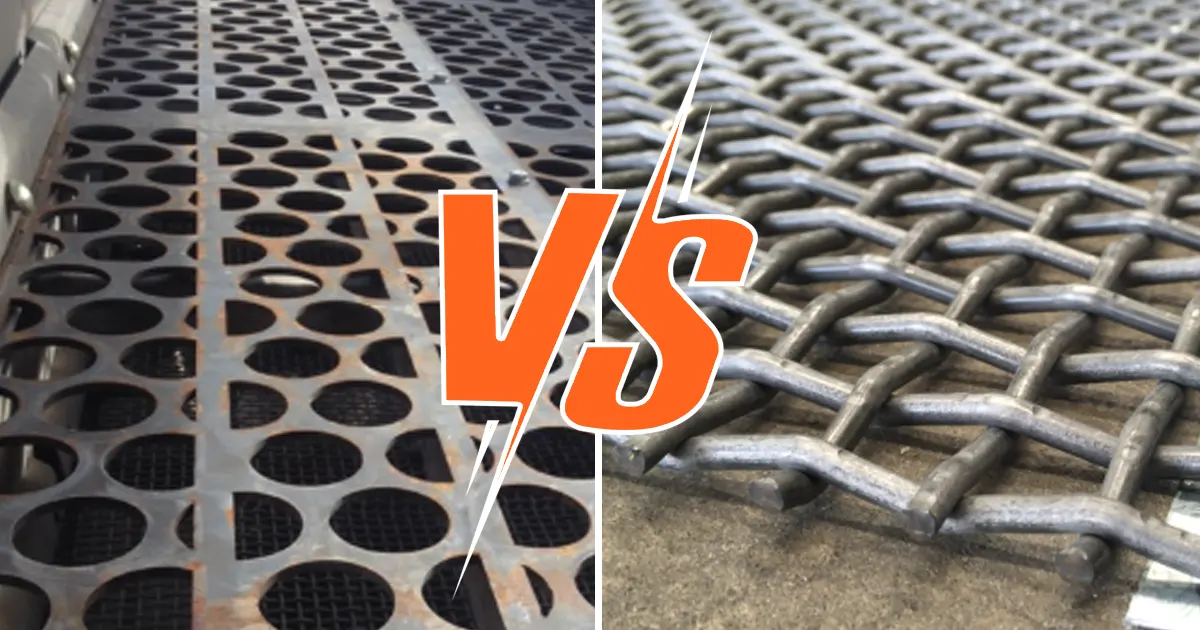
You know how important it is to get screening right in your operation. The wrong screen media can make screening tough. You might face issues like:
- Screen blinding and clogging from sticky materials
- Fast wear and tear on your screens
- Material flow problems that slow down screening
- Handling mixed streams that reduce screening accuracy
- High energy use during screening
When you look at punch plate vs woven wire mesh, your choice can help you avoid these headaches and keep screening running smoothly.
Key Takeaways
- Punch plate is very strong and lasts a long time. It works well for tough jobs like mining and quarrying.
- Woven wire mesh has lots of open space. This lets materials move faster and helps with quick screening in lighter jobs.
- You can change punch plate by picking different hole shapes and sizes. This helps make it fit your screening needs.
- Woven wire mesh is light and simple to put in place. This saves money and time when installing.
- Punch plate does not need much care because it is solid. Woven wire mesh needs to be cleaned and checked often so it does not wear out.
- Think about what material you have and how you will use the screen. Punch plate works best for rough materials. Woven wire mesh is good for smaller materials.
- Each screen type has its own good points. Look at the starting price and how much care it needs over time.
- Talk to a screen media expert for advice. They can help you pick the best screen for your work.
What Is Punch Plate?
Structure and Materials
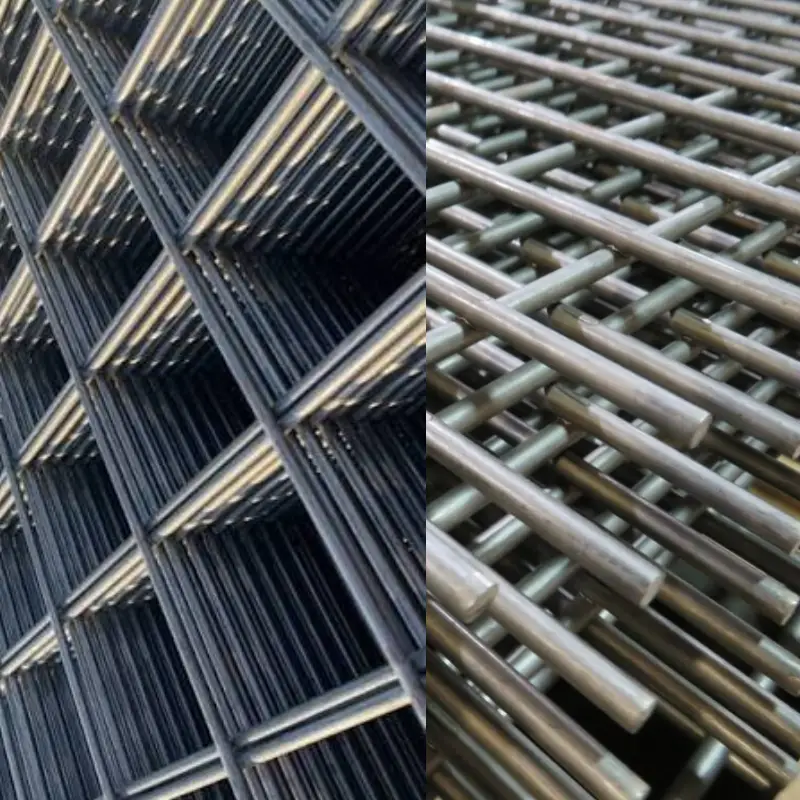
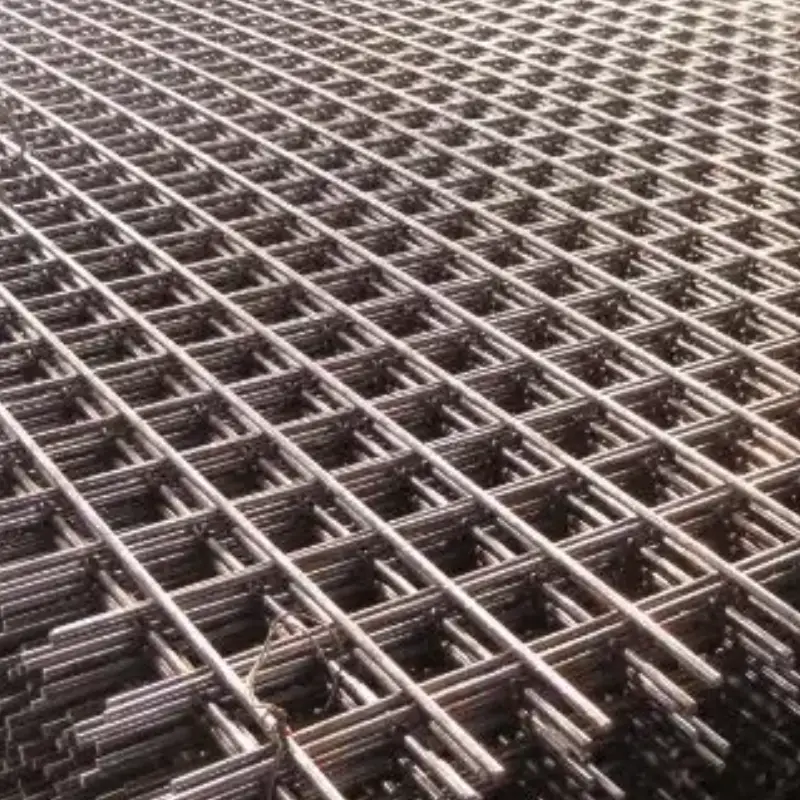
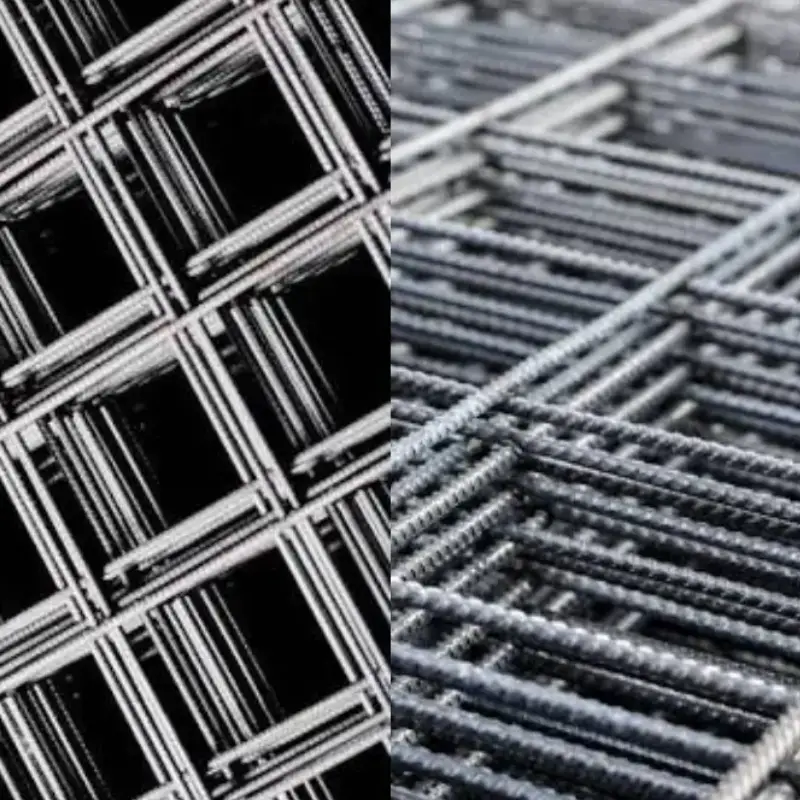
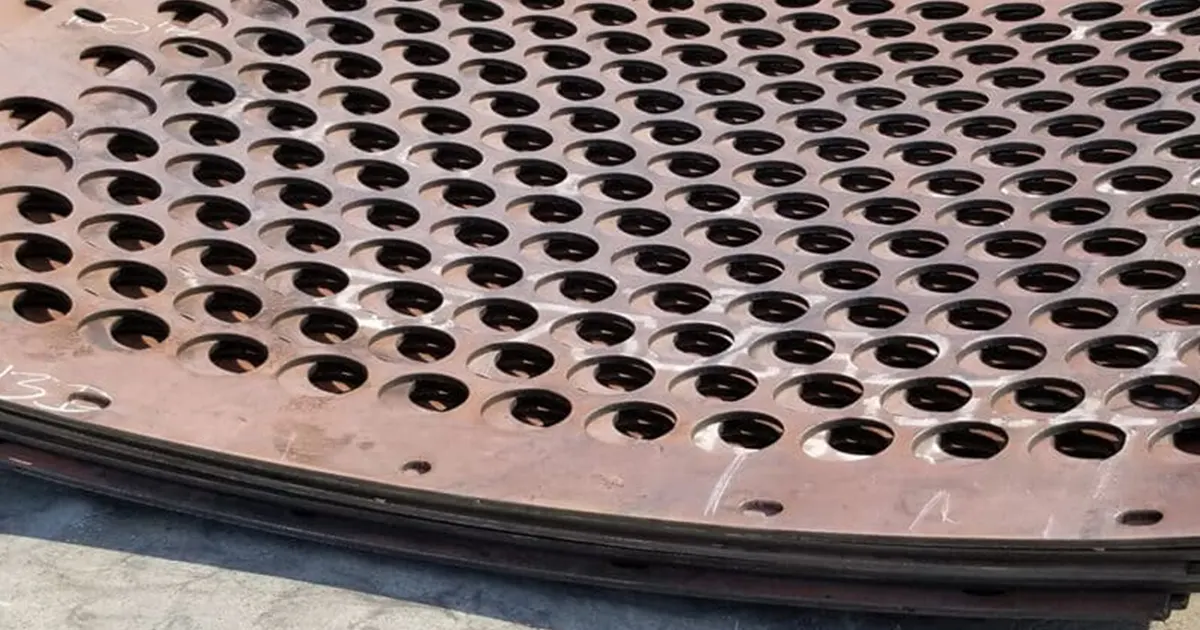
Punch plate is a strong metal sheet with holes in it. You can find these plates in many screening machines. The holes can be round, square, or slotted. The shape depends on what you need to screen. The plate can be thick or thin. The hole size can also change for different jobs.
Here’s a simple table about punch plate materials and options:
| Specification | Details |
|---|---|
| Plate Material | Carbon Steel, High-Carbon Steel, Manganese Steel (65Mn), Stainless Steel (304/316) (custom available) |
| Plate Thickness | Custom by duty and impact level (common for scalping and coarse screening) |
| Surface Options | Plain / Galvanized / Coated (optional, depends on corrosion requirements) |
You can choose the material that works best for your job. Stainless steel is good for wet or rusty materials. Manganese steel is very strong for hard jobs.
Manufacturing Process
Making punch plate takes a few steps. Each step helps make a tough and steady screen.
- Design and Planning: First, you pick the plate’s size, thickness, and hole pattern. You draw your plan and set up the machine.
- Selecting Materials: Next, you choose strong metals like stainless steel, carbon steel, or aluminum.
- Fabricating the Frame: Then, you cut and weld steel to make a strong frame. The frame must be flat and even.
- Making the Ram: You shape a steel bar for the ram. It must move smoothly to punch holes right.
- Creating the Punch and Die Set: You make the punch and die carefully for neat holes.
- Building the Drive Mechanism: You pick how the ram will move—by hand, motor, or hydraulic power.
- Assembly and Alignment: You put all the parts together and line them up.
- Testing and Calibration: You test the punch press and fix anything that is off.
Tip: You can order custom punch plates for your needs. You can ask for special hole shapes or patterns for your job.
Common Uses
Punch plate screen media is used on scalping screens. These screens work after raw materials go through primary crushers. Punch plate helps sort big pieces from small ones. It is great for hard jobs with heavy or rough materials. You see punch plate in mining, quarrying, recycling, and other jobs that need strong screens.
What Is Woven Wire Mesh?
Structure and Materials
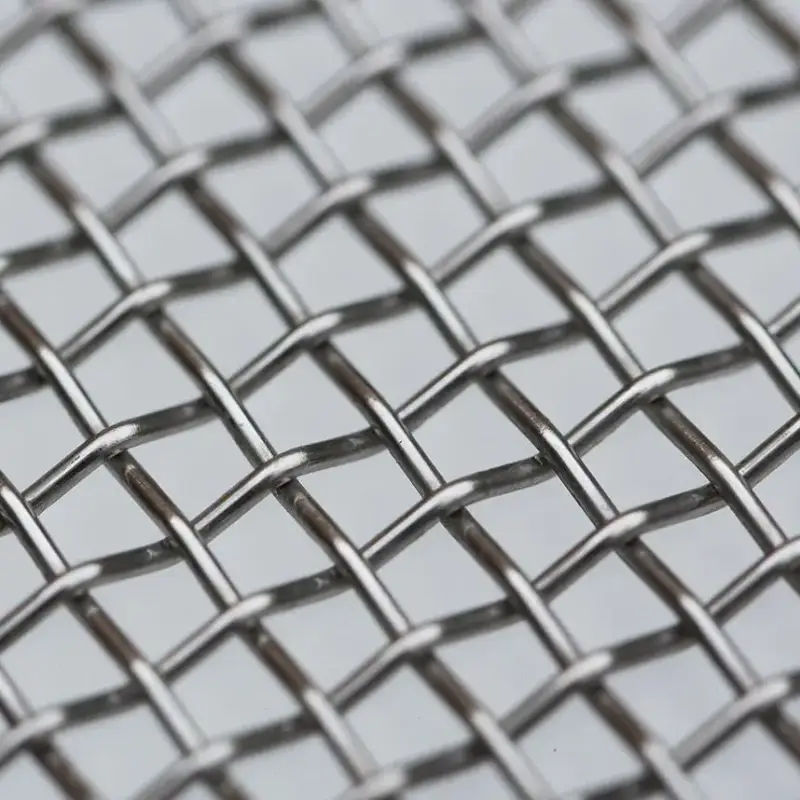
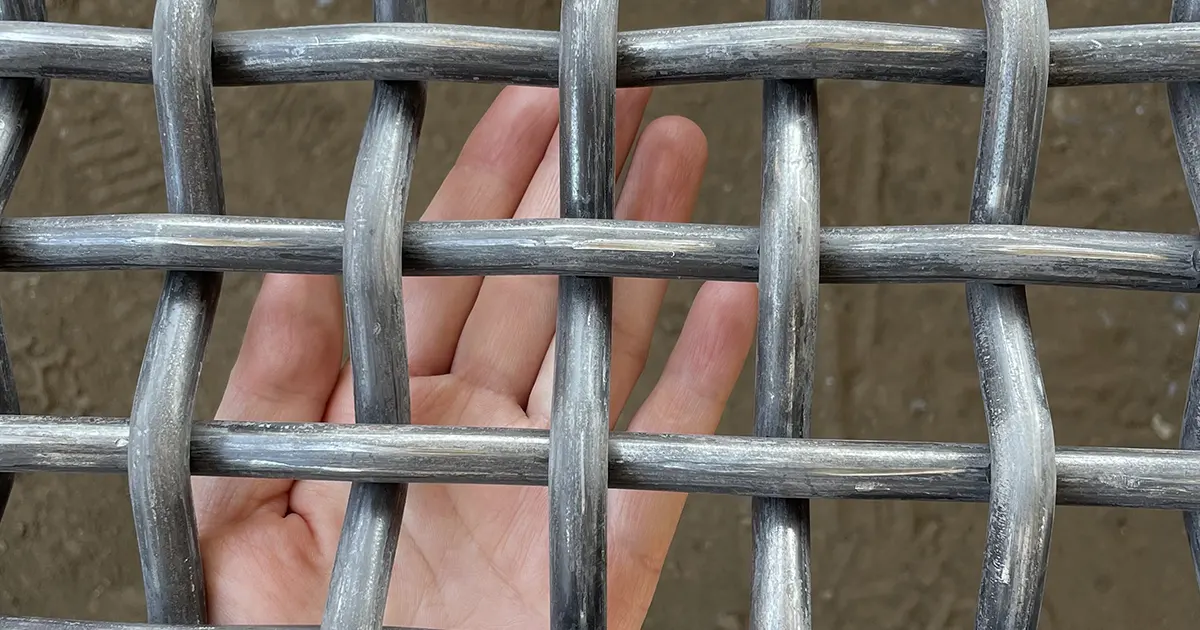
Woven wire mesh is a screen made by weaving metal wires together. You get a grid with square or rectangular openings. This design gives you a lot of flexibility. The mesh can bend and move a little, which helps it handle different materials. You can pick the wire thickness and opening size for your job.
Here’s a quick look at the most common materials used for woven wire mesh:
| Material Type | Description |
|---|---|
| High-Carbon Steel | Offers high tensile strength and abrasion resistance, suitable for demanding applications. |
| Stainless Steel | Non-staining and corrosion-resistant, ideal for various industrial environments. |
| Specialty Alloys | Includes Monel, Inconel, Hastelloy, and titanium for extreme conditions. |
You can also find woven wire mesh made from:
- Low carbon steel for good strength and impact resistance
- Galvanized steel for longer life in damp places
- Specialty alloys for tough jobs where regular steel won’t work
This wide range of materials means you can match the mesh to your screening needs.
Manufacturing Process
You make woven wire mesh by weaving wires over and under each other, just like making a basket. Machines pull the wires tight and keep the openings even. You can choose how thick the wires are and how big the openings should be. This process lets you get a mesh that fits your exact needs. The mesh comes in rolls or flat panels, so you can cut it to fit your screen frame.
Because the mesh is flexible, you can install it quickly. You don’t need heavy tools or special equipment. If you need to change the mesh, you can do it fast. This saves you time and keeps your operation running.
Tip: Woven wire mesh is easy to repair. If a section breaks, you can replace just that part instead of the whole screen.
Common Uses
You see woven wire mesh in many industries. It works well for jobs that need good material flow and accurate sizing. Here are some common uses:
- Screening and separation in mining and aggregate plants
- Sifter screens in food processing and pharmaceuticals
- Filtration systems for liquids and gases
- Material handling equipment like conveyors and dryers
- Machine guards and building ventilation
- Reinforcement in plastics and concrete
Woven wire mesh gives you a high open area. This means more material passes through, so you get better throughput. The mesh is light and easy to handle. You can install it without much trouble.
However, woven wire mesh is not the best choice for very heavy or sharp materials. It can wear out faster than punch plate in tough jobs. If you need a screen for heavy-duty work, you might want to look at other options.
Pros of Punch Plate
High Strength and Durability
Punch plate is very strong and lasts a long time. It is made from solid metal like stainless steel or carbon steel. This makes it much tougher than woven wire mesh. Punch plate can handle hard hits and sharp rocks. It does not break or wear out quickly. In mining or quarrying, materials are rough and heavy. Punch plate keeps working even when things get tough.
Here’s a simple table to compare punch plate and woven wire screens:
| Feature | Punch Plates | Woven Wire Screens |
|---|---|---|
| Impact Resistance | High | Moderate |
| Durability in Abrasive Environments | Excellent | Limited |
| Lifespan | Longer than woven wire screens | Shorter lifespan |
| Material | Made from strong metals like stainless steel and carbon steel | Typically less durable materials |
Punch plate lasts longer, especially where screens get hit a lot.
Tip: If you want to change screens less often, punch plate is a good choice.
Customization Options
Punch plate lets you pick what works best for your job. You can choose the hole shape, like round, square, or slotted. You can also pick the hole size for your material. If you need a special pattern or thickness, you can get that too. This helps you get the best screen for your work.
Here are some ways you can customize punch plate:
| Customization Aspect | Details |
|---|---|
| Hole Shape | Round, Square, Slotted (custom patterns available) |
| Hole Size | Custom to target cut size and material behavior |
| Material | Stainless steel, carbon steel, aluminum |
| Thickness | Customizable for different job requirements |
| Open Area Percentage | Adjustable for sorting efficiency |
| Non-Perforated Areas | Customizable for strength and attachment |
| Pattern Orientation | Customizable to influence material flow and stress handling |
You can talk to your supplier about what you need. They can help you design a punch plate that fits your plant.
Wear and Impact Resistance
Punch plate can take hard hits and still work well. It does not get damaged by sharp rocks or heavy things. The thick metal and strong design keep it from bending or breaking. Even in rough places, punch plate stays strong. You do not have to worry about holes getting bigger or wires breaking.
- Punch plate is great for tough jobs.
- It keeps its shape, so your screening stays right.
- You spend less time fixing or changing screens.
If you work with rough materials every day, punch plate helps you feel sure your screen will last and your work will go smoothly.
Low Maintenance
You want a screen that works hard but doesn’t need constant attention. Punch plate fits that need. It’s built tough, so you spend less time fixing and more time running your operation. You don’t have to worry about wires snapping or mesh stretching out of shape. The solid metal design stands up to rough use and keeps its form, even when you throw heavy or sharp materials at it.
One of the best things about punch plate is how simple it is to keep in good shape. Most of the time, you just need to check it now and then. You won’t find yourself stopping production for repairs every week. When you do need to do some upkeep, the steps are pretty straightforward.
Here’s what you should do to keep your punch plate running smoothly:
- Lubricate Moving Parts
Grease all moving parts, like the ram, guides, and bearings. Use a good lubricant made for metalworking. This helps everything move easily and cuts down on wear. - Inspect Tooling and Dies
Take a look at the dies for any nicks or dull spots. Sharp dies make cleaner cuts and help your punch plate work better. - Monitor Clutch and Brake Components
Check clutch pins and brake parts often. If you see any wear, apply high-temperature grease to keep them working right. - Clean and Lubricate Rails and Screws
Wipe down oil tubes and add lubricant to slide rails, screws, and sliders. This keeps everything moving smoothly. - Check Hydraulic Systems
Watch the hydraulic oil pressure and temperature. Change the hydraulic filters when needed to avoid problems. - Use Precision Tools for Alignment
Make sure the machine frame and dies stay lined up. Use precision tools to check parallelism and perpendicularity. - Protect Against Rust
Apply anti-rust oil or paint to any exposed metal surfaces. This keeps your punch plate looking good and working well.
Tip: If you follow these steps, your punch plate will last even longer and give you fewer headaches.
You don’t need special skills or fancy tools to handle most of this maintenance. Most operators can do these checks during regular downtime. Because punch plate is so sturdy, you won’t have to replace it as often as other screens. That means less money spent on new parts and less time lost to repairs. If you want a screen that lets you focus on your work instead of constant upkeep, punch plate is a smart choice.
Cons of Punch Plate
Heavier Weight
Punch plate screens are heavy. You feel the difference as soon as you try to lift one. The solid metal design gives you strength, but it also adds a lot of weight. This can make your job harder when you need to move or install the screens. You might need more people or even special lifting tools to get the punch plate into place.
Heavy screens can slow down your work. You spend more time getting them set up. If you need to change screens often, this can lead to longer downtime. The extra weight also puts more stress on your screening equipment. Motors and support frames have to work harder to handle the load.
You do have options to make things easier. Some punch plates use aluminum instead of steel. Aluminum punch plates weigh less, so you can install and move them with less effort. Lighter screens help lower labor costs and reduce the risk of injury. They also put less strain on your machines and can even save energy.
Tip: If you want a punch plate that is easier to handle, ask your supplier about aluminum options.
Lower Open Area
Punch plate screens have less open space than woven wire mesh. The solid metal between the holes takes up room. This means less material can pass through at one time. If you need high throughput, this can slow things down.
A lower open area can also affect how well your screen separates materials. You might see more material sitting on top of the screen instead of falling through. This can lead to more blinding, where the holes get blocked, and you lose screening efficiency.
You can ask for larger or more holes, but there is a limit. If you add too many holes, the plate gets weaker. You have to balance strength with open area. For some jobs, this trade-off is not a big deal. For others, it can make a big difference.
Handling and Installation Challenges
Working with punch plate screens can be tough. The heavy weight and solid design make them harder to move and fit into place. You might need a team to help you lift and install them. Sometimes, you need cranes or other lifting equipment.
If your screen deck is high up or in a tight spot, things get even trickier. You have to plan ahead and make sure you have the right tools and enough people. This can add time and cost to your project.
Punch plates are also less flexible than woven wire mesh. You cannot bend or shape them to fit odd spaces. If your screen frame is not perfectly flat, you might have trouble getting the punch plate to sit right.
Note: Always check the weight and size of your punch plate before you start installation. This helps you avoid surprises and keeps your team safe.
Blinding and Pegging Risk
Blinding and pegging can make your screening job much harder. You might see these problems when you use punch plate screens. Let’s break down what these terms mean and why you should care.
Blinding happens when fine, sticky, or wet material covers the holes in your screen. The holes get blocked, and less material passes through. You may notice your screen looks clogged or packed with material. This slows down your work and lowers your screening efficiency.
Pegging is when small rocks or particles get stuck in the holes. These pieces wedge themselves in and do not shake loose. Over time, more holes get blocked. You end up with less open area and more downtime for cleaning.
Punch plate screens are strong, but they have a higher risk of blinding than woven wire mesh. The flat, solid surface of punch plate does not flex or move much. Sticky or damp material can stick to the plate and cover the holes. You may need to stop your machine and clean the screen more often.
Here’s a quick look at how punch plate compares to woven wire mesh:
| Media Type | Best For | Blinding Risk | Pegging Risk | Durability | Cost |
|---|---|---|---|---|---|
| Woven Wire | Dry, clean material | Medium | Medium | Medium | $ |
| Perforated Plate | Large, sharp material | High | Medium | Very High | $$ |
You can see that punch plate (perforated plate) has a high blinding risk and a medium pegging risk. Woven wire mesh has a medium risk for both. If you work with wet, sticky, or fine materials, you might run into more trouble with punch plate.
Tip: If you notice your screen blinding often, try using a screen with more open area or a different hole shape. You can also use a ball deck or spray system to help keep the holes clear.
Here are some signs you might have a blinding or pegging problem:
- Material builds up on top of the screen.
- Throughput drops and your machine slows down.
- You see blocked or plugged holes during inspection.
- You need to stop often to clean the screen.
You can reduce blinding and pegging by choosing the right screen for your material. If you handle dry, clean material, punch plate works well. For sticky or wet material, woven wire mesh might give you fewer headaches.
Remember, every screening job is different. Watch your screens and adjust your setup if you see problems. A little attention now can save you a lot of time later.
Pros of Woven Wire Mesh
High Open Area
You want your screening process to move fast and stay efficient. Woven wire mesh gives you a high open area, which means more space for material to pass through. This design helps you get better throughput and less clogging. When you use woven wire mesh, you see more material flowing and less time wasted on cleaning blocked screens.
Take a look at how open area percentages match different uses:
| Percentage of Open Area | Best Use Cases |
|---|---|
| Above 50% | Airflow, filtration, sieving |
| 30% – 50% | Safety guards, light screens |
| Below 30% | Security, fine particle block |
If you need to screen or filter a lot of material, you should pick mesh with an open area above 50%. This helps you keep your operation running smoothly and boosts your productivity.
Flexibility and Adaptability
Woven wire mesh stands out because it bends and fits where you need it. You can shape it to match different frames or machines. This flexibility makes installation much easier, especially if you have an unusual setup. You do not have to worry about the mesh breaking when you bend it into place.
Here are some reasons why flexibility and adaptability matter:
- You can fit woven wire mesh to many shapes and sizes. This makes installation simple in all kinds of environments.
- You get to choose the wire thickness, mesh size, and material type. This lets you match the mesh to your exact needs.
- The mesh handles vibration and impact well. It keeps working even when your machine shakes or moves a lot.
If you need to change your setup or swap out screens, woven wire mesh makes the job quick. You do not need special tools or a big team for installation. You can cut the mesh to size and fit it right where you want.
Tip: If you work in a plant with lots of different machines, woven wire mesh helps you stay flexible and ready for any job.
Lightweight and Easy Installation
You will notice how light woven wire mesh feels compared to solid metal screens. This makes a big difference when you need to move, lift, or install it. You can carry the mesh by hand and set it in place without heavy equipment. This saves you time and lowers the risk of injury during installation.
Check out these benefits:
| Benefit | Description |
|---|---|
| Lightweight | Easier to transport and handle in industrial settings. |
| Flexibility | Can fit complex shapes and configurations without breaking. |
| Versatility | Suitable for various applications due to precise control over mesh properties. |
Because the mesh is light, you can finish installation faster. If you need to replace a section, you can do it without stopping your whole operation. You spend less time on installation and more time getting work done.
Note: Lightweight mesh also puts less stress on your machines. This can help your equipment last longer and cut down on repair costs.
If you want a screen that makes installation simple, woven wire mesh is a smart choice. You get speed, safety, and less downtime—all from one product.
Cost-Effectiveness
You want to get the most value for your money. Woven wire mesh helps you do just that. It stands out as one of the most cost-effective options for industrial screening. You save money in several ways when you choose woven wire mesh.
First, the upfront cost is usually lower. You pay less for woven wire mesh than for punch plate or other heavy-duty screens. The materials and manufacturing process cost less. This means you can buy more screens for the same budget.
Second, you spend less on installation. Woven wire mesh is light and easy to handle. You do not need special tools or a big crew. One or two people can install it quickly. This cuts down on labor costs and keeps your operation moving.
Third, repairs and replacements are simple. If a section of your mesh wears out, you can replace just that part. You do not have to swap out the whole screen. This saves you both time and money. You also do not need to stop your machines for long periods. Quick fixes mean less downtime and more productivity.
Here’s a quick table to show how woven wire mesh compares to punch plate on cost:
| Feature | Woven Wire Mesh | Punch Plate |
|---|---|---|
| Upfront Cost | Low | High |
| Installation Cost | Low | Medium to High |
| Repair/Replacement | Easy and Cheap | Harder and More Expensive |
| Downtime for Repairs | Minimal | Can Be Significant |
You also get more life out of your screens in many cases. Woven wire mesh can last a long time if you use it for the right materials. You do not need to replace it as often as you might think.
Tip: If you want to stretch your budget, try using woven wire mesh for lighter or medium-duty jobs. You get good performance without breaking the bank.
You can also recycle old mesh. Many suppliers will take back used wire mesh for recycling. This helps you save on disposal costs and supports a greener operation.
In short, woven wire mesh gives you a lot of value. You pay less up front, spend less on labor, and save on repairs. If you want a smart, budget-friendly choice for your screening needs, woven wire mesh is hard to beat.
Cons of Woven Wire Mesh
Lower Durability
Woven wire mesh is easy to use, but it does not last as long as punch plate. The wires in the mesh are thin and can break more easily. If you use woven wire mesh for tough jobs, it can wear out fast. Rocks and sharp things can bend or snap the wires. When this happens, you need to change the mesh more often. This can slow down your work and cost you more money.
Take a look at how strong each material is:
| Material Type | Durability Comparison |
|---|---|
| Woven Wire Mesh | Less durable due to smaller wire diameters, more delicate. |
| Perforated Plate Sieves | More durable as they are made from solid sheets of metal. |
If you work with rough materials, think before picking woven wire mesh. Punch plate can take more hits and lasts longer when things get tough.
Wear and Tear
Woven wire mesh gets worn out in many jobs. The wires rub against rocks and other stuff all day. After a while, the wires get thin, break, or snap. You might see holes getting bigger or wires coming loose. This can make your screening worse and you might lose material.
Different wire mesh types last longer than others. Here’s a quick look:
| Material Type | Abrasion Resistance Description | Extra Notes |
|---|---|---|
| High Carbon Steel | Stands up to heavy wear, great for rough and bulky materials. | Least expensive, best for tough jobs. |
| Stainless Steel | Combines abrasion and corrosion resistance. | Types 304 and 316 work well in harsh conditions. |
| Tufflex Wire | Flexible, consistent, and strong against impact and abrasion. | Finer grain, higher tensile strength, lasts longer. |
If you pick a stronger wire, your mesh can last longer. But even the best mesh wears out faster than a solid punch plate. You should check your screens often and change them if you see damage.
Tip: If your mesh wears out fast, try a tougher wire or a thicker gauge.
Limited Customization
Woven wire mesh is flexible, but you cannot customize it as much as punch plate. You can pick the wire thickness and opening size, but not the exact hole shapes or patterns. The mesh is made by weaving wires, so the holes are mostly square or rectangle. If you need special shapes or sizes, you may not find them with woven wire mesh.
Here’s a quick comparison:
| Material | Flexibility | Durability | Customization Limitations |
|---|---|---|---|
| Woven Wire Mesh | High | Moderate | May wear out faster, less precise hole sizes |
| Punch Plate | Low | High | Limited flexibility, precise hole dimensions |
Punch plate lets you pick round, square, or custom hole shapes. You can also control the spacing and pattern better. Woven wire mesh works for many jobs, but if you need something special, punch plate gives you more choices.
Note: If your job needs exact sizes or special patterns, ask your supplier about punch plate instead of woven wire mesh.
Maintenance Needs
You want your screening operation to run smoothly. Woven wire mesh can help, but you need to keep up with maintenance. If you skip these steps, you might see more downtime and higher costs.
Woven wire mesh needs more attention than punch plate. The wires can bend, break, or wear out. Dirt and debris can build up fast. You need to stay on top of things to keep your screens working well.
Here’s a quick look at the main maintenance tasks you should do:
| Maintenance Practice | Description |
|---|---|
| Regular Cleaning | Use brushes or compressed air to remove dirt and debris. |
| Visual Inspections | Check for signs of wear, tear, or damage to identify issues early. |
| Proper Storage | Store in a dry place to prevent rust and corrosion. |
Let’s break these down:
- Regular Cleaning
You should clean your mesh often. Use a stiff brush or compressed air. This removes dust, rocks, and sticky material. If you let dirt build up, your mesh can clog. Clogged mesh slows down your screening and can even damage the wires. - Visual Inspections
Take a close look at your mesh every day. Check for broken wires, holes, or spots where the mesh sags. If you spot a problem early, you can fix it before it gets worse. Small tears can turn into big holes if you ignore them. - Proper Storage
When you store extra mesh, keep it dry. Moisture can cause rust and weaken the wires. Lay the mesh flat so it does not bend or warp. Good storage helps your mesh last longer.
You might also need to tighten the mesh on your screen frame. Loose mesh can vibrate too much and wear out faster. If you see the mesh moving or hear rattling, check the tension.
Here are a few more tips to make maintenance easier:
- Set a schedule for cleaning and inspections.
- Train your team to spot problems early.
- Keep spare mesh on hand for quick repairs.
If you keep up with these tasks, your woven wire mesh will last longer. You will have fewer surprises and less downtime. Maintenance might take a little time, but it saves you money in the long run.
Remember, woven wire mesh is not as tough as punch plate. You need to give it a little more care. If you do, your screens will keep working and your operation will stay on track.
Punch Plate vs Woven Wire Mesh Comparison
Impact and Wear Resistance
When you look at punch plate and woven wire mesh, you see they handle tough jobs differently. Punch plate is very strong. It works well where rocks hit hard or where you need a screen that will not bend. The solid metal in punch plate makes it last a long time. It does not dent easily and keeps its shape, even in mining or big building jobs.
Woven wire mesh can bend and fit into many shapes. This helps when you need to install it in different places. But because it bends, it can wear out faster. If you use woven wire mesh with rough stuff, the wires might break or stretch. You may have to fix it more often, which can cost more money.
Here’s a simple table to show the differences:
| Feature | Woven Wire Mesh | Punched Plate Mesh |
|---|---|---|
| Flexibility | More flexible, can fit odd shapes | Less flexible, very strong |
| Durability | May wear out faster | Highly durable, resists wear |
| Clogging Resistance | Higher risk of clogging | Lower risk, holes stay clear |
| Temperature Resistance | Handles high heat well | Lower resistance to extreme heat |
If you want a screen for a building that lasts a long time, punch plate is a good pick. For lighter jobs, woven wire mesh can work, but you might need to change it more often.
Open Area and Throughput
Open area means how much space is open for things to go through your screen. Throughput is how much stuff moves through in a certain time. Woven wire mesh usually has more open area than punch plate. This means more material can pass through, which is good for checking particle sizes.
Punch plate has less open space because the metal takes up more room. This can make things move slower. If you need to move a lot of material fast, woven wire mesh is better. You also get better results when you need to sort things by size.
Here’s a table to compare them:
| Feature | Woven Wire Mesh | Punched Plate Mesh |
|---|---|---|
| Open Area | High | Lower |
| Throughput | Fast | Slower |
| Clogging Risk | Medium | Lower |
| Flexibility | High | Low |
If you work on building designs and want good airflow, you might pick woven wire mesh. But if you need a screen that does not clog and can hold heavy things, punch plate is better, even if it is a bit slower. Woven wire mesh can cost less at first, but you should think about how often you will need to replace it.
Screening Accuracy
Screening accuracy means how well your screen sorts things by size. You want your results to be right when you check particle sizes. Punch plate and woven wire mesh give you different results.
Punch plate has holes that are always the same size and in the same place. This gives you steady results when you need to measure things exactly. The holes do not change, so your results stay the same for a long time.
Woven wire mesh can stretch or move a little when you use it. This means the holes might not always be the same size. Your results could change a bit. For most jobs, this is okay, but if you need perfect accuracy, punch plate is better.
Here’s a table to help you see the differences:
| Feature | Punched Screen Mesh | Woven Wire Mesh |
|---|---|---|
| Strength & Durability | High structural integrity, keeps shape | Flexible, may stretch under heavy loads |
| Opening Precision | Consistent hole size and spacing | Some variation in opening size |
| Common Applications | Heavy-duty filtration, architectural panels, noise barriers, industrial screens | Fine sieving, laboratory filters, window screens, precision sorting |
If you need exact results for building work, punch plate is the best choice. For most other jobs, woven wire mesh is easier to put in and still works well. The price of each type matters too, so think about how much you want to spend and how long you need the screen to last.
Tip: If you need your screen to be very accurate, pick punch plate. If you want something flexible for different jobs, woven wire mesh is a good choice.
Blinding and Pegging
Blinding and pegging can slow down your screening job. You want to know how each screen type handles these problems.
Blinding happens when fine or sticky material covers the holes in your screen. The holes get blocked, and less material passes through. Pegging is when small rocks or particles get stuck in the holes and do not shake loose.
Punch plate screens have flat, solid surfaces. Sticky or wet material can cover the holes more easily. You might see more blinding with punch plate, especially if you work with clay, wet sand, or damp gravel. Pegging can also happen, but the thicker metal sometimes helps knock loose stuck pieces.
Woven wire mesh has flexible wires. The mesh can move and shake, which helps clear out some stuck material. You may see less blinding with woven wire mesh, especially if your material is dry. Pegging can still happen, but the mesh often clears itself better than punch plate.
Here’s a quick table to help you compare:
| Screen Type | Blinding Risk | Pegging Risk | Best For |
|---|---|---|---|
| Punch Plate | High | Medium | Large, sharp, or wet material |
| Woven Wire Mesh | Medium | Medium | Dry, clean, or fine material |
Tip: If you see a lot of blinding, try using a screen with more open area or a different hole shape. You can also add a ball deck or spray system to help keep holes clear.
Service Life
You want your screen to last as long as possible. Service life means how long your screen works before you need to replace it.
Punch plate screens are made from thick, solid metal. They can handle heavy hits, sharp rocks, and tough jobs. You will notice they last a long time, even in rough conditions. Punch plate stands up to weather, chemicals, and mechanical stress better than woven wire mesh.
Woven wire mesh is lighter and more flexible. It works well for many jobs, but the wires can wear out faster. If you use woven wire mesh with rough or sharp material, you may need to replace it more often. The mesh can break, stretch, or get holes over time.
Here’s a simple list to help you remember:
- Punch plate lasts longer in heavy-duty jobs.
- Woven wire mesh works well for lighter jobs but wears out faster.
- If you want fewer screen changes, punch plate is a better choice.
Maintenance
You want to spend less time fixing your screens and more time working. Maintenance needs can change based on the screen you pick.
Punch plate screens need less maintenance. The solid design helps keep the holes clear and reduces clogging. You do not have to check or clean them as often. Punch plate also stands up to weather and chemicals, so you do not need to worry about rust or damage as much.
Woven wire mesh needs more attention. The wires can wear out, break, or stretch. You should check the mesh often for damage. Cleaning is important, too. Dirt and debris can build up and block the holes. You may need to replace sections of mesh more often.
Here’s a quick list to compare:
- Punch plate:
- Less cleaning needed
- Fewer repairs
- Handles tough conditions well
- Woven wire mesh:
- Needs regular checks for wear and tear
- More cleaning to keep holes open
- May need more frequent replacements
Note: If you want a screen that saves you time on maintenance, punch plate is a smart pick. If you choose woven wire mesh, set a schedule for cleaning and inspections to keep things running smoothly.
Weight and Handling
You can feel the difference right away when you pick up a punch plate and a woven wire mesh. Punch plate is heavy. The solid metal makes it strong, but it also means you need more muscle or even a machine to move it. You might need a team to help you lift and install a punch plate screen. Sometimes, you need a crane or hoist, especially for big panels.
Woven wire mesh is much lighter. You can carry it by yourself or with just one other person. You do not need special tools. You can cut it to size with simple hand tools. This makes installation quick and easy. If you need to change screens often, woven wire mesh saves you time and effort.
Here’s a quick table to show the difference:
| Feature | Punch Plate | Woven Wire Mesh |
|---|---|---|
| Weight | Heavy | Light |
| Handling | Needs more people/tools | Easy to handle |
| Installation Time | Longer | Shorter |
| Flexibility | Rigid | Can bend and fit easily |
Tip: If you want to save time and avoid heavy lifting, woven wire mesh is the way to go. If you need a screen that stays put and can handle big impacts, punch plate is worth the extra effort.
Cost
You always want to know how much things cost. Punch plate usually costs more up front. The thick metal and custom shapes add to the price. You also pay more for shipping because of the weight. Installation can cost more, too, since you might need extra help or equipment.
Woven wire mesh is easier on your budget. The materials cost less. You can install it faster, so you save on labor. If a section wears out, you can replace just that part instead of the whole screen. This keeps your costs down over time.
Here’s a simple cost comparison:
| Cost Factor | Punch Plate | Woven Wire Mesh |
|---|---|---|
| Upfront Price | Higher | Lower |
| Shipping | More expensive | Cheaper |
| Installation | More labor needed | Quick and easy |
| Replacement Parts | Whole panel | Small sections possible |
| Long-Term Value | Lasts longer | May need more changes |
Note: If you need a screen for tough jobs and want it to last, punch plate can be a good investment. If you want to keep costs low and change screens often, woven wire mesh is a smart choice.
Typical Applications
You see punch plate and woven wire mesh in many places, but they each have their favorite jobs.
Punch plate works best when you need strength and durability. You find it in:
- Mining and quarrying, where rocks are big and sharp
- Scalping screens, which take the first hit from raw material
- Recycling plants, where heavy or bulky items need sorting
- Construction, for screening rubble or concrete
Woven wire mesh shines when you want speed and flexibility. You see it in:
- Sand and gravel plants, where you need fast screening
- Food processing, for sifting flour or grains
- Chemical and pharmaceutical plants, for filtering powders
- Agriculture, for sorting seeds or grains
- Air and water filtration systems
Here’s a quick reference:
| Application Type | Punch Plate Best For | Woven Wire Mesh Best For |
|---|---|---|
| Heavy, abrasive material | ✔️ | |
| High throughput | ✔️ | |
| Precise sizing | ✔️ | ✔️ (for lighter materials) |
| Frequent changes | ✔️ | |
| Wet or sticky material | ✔️ |
If you work with heavy, rough material, punch plate is your friend. If you need speed, easy changes, or work with fine or sticky stuff, woven wire mesh is the better pick.
How to Choose for Industrial Screening
Material and Application Needs
You want your screening setup to match your material and your job. Start by thinking about what you need to screen. Are you working with big rocks, fine sand, or something sticky? Each material acts differently on a screen.
Here are some things you should look at:
- Mesh Specifications: Mesh comes in many sizes. You can find openings as large as 4 inches (100mm) or as small as 20 microns (635 mesh). If you need to sort tiny particles, pick a finer mesh. For bigger chunks, go with larger openings.
- Mesh Count: This tells you how many wires fit in one inch. A higher mesh count means smaller openings. You get better filtration but less material flow.
- Wire Diameter: Thicker wires make the mesh stronger. Thinner wires give you more open area but can wear out faster.
- Opening Size: The size of the holes decides what can pass through. Make sure the opening matches the size you want to separate.
- Material Composition: Some jobs need stainless steel for rust resistance. Others do fine with carbon steel or special alloys. Pick the right material for your environment.
- Quality Control: Woven wire mesh sieves help you keep your product quality steady. They give you reliable results for industrial jobs.
Tip: Always match your screen to your material. If you screen sharp rocks, you need something tough. For fine powders, choose a mesh with small, even openings.
Operating Conditions
Your work site changes how your screen performs. Hot, wet, or dusty places need special screens. Think about where you will use your screen and what it will face every day.
Ask yourself these questions:
- Will your screen get wet or face chemicals? Stainless steel or special alloys resist rust and corrosion.
- Do you need your screen to handle high temperatures? Some metals work better in heat.
- Is airflow or visibility important? Woven wire mesh lets air and light pass through. Punch plate blocks more but gives you strength.
- Will your screen face heavy impacts? Punch plate stands up to hard hits. Woven wire mesh works better for lighter loads.
Here’s a quick table to help you decide:
| Condition | Best Choice | Why It Works |
|---|---|---|
| Wet/Corrosive | Stainless or Alloy Mesh | Resists rust and chemicals |
| High Impact | Punch Plate | Handles heavy hits and sharp edges |
| Need for Airflow | Woven Wire Mesh | Lets air and light pass through |
| High Temperature | Specialty Metals | Stays strong in heat |
Note: Always check your work site before you choose. The right screen lasts longer and works better.
Maintenance and Downtime
You want your operation to run with as little downtime as possible. The screen you pick can make a big difference in how often you need to stop for repairs or cleaning.
Here’s what you should think about:
- Ease of Cleaning: Woven wire mesh is easy to clean. You can brush off dirt or use air. Punch plate may need more effort, especially if material sticks to the holes.
- Repair and Replacement: If a wire breaks in woven mesh, you can often replace just that section. Punch plate repairs take more time and sometimes need special tools.
- Inspection: Woven wire mesh needs regular checks for broken wires or stretched spots. Punch plate needs less checking but can be harder to fix if damaged.
- Downtime: Lightweight mesh means faster swaps. Heavy punch plate takes longer to move and install.
Here’s a quick checklist for you:
- Clean your screens often to keep them working.
- Check for damage during every shift.
- Keep spare parts on hand for quick fixes.
- Choose a screen that matches your team’s skills and your maintenance schedule.
Tip: If you want less downtime, pick a screen that’s easy to handle and repair. For tough jobs, invest in a stronger screen to avoid frequent changes.
Cost vs. Performance
You want the best value for your money. That means you need to balance cost and performance. Sometimes, the cheapest screen is not the best choice. You should look at how long the screen will last, how much work it can handle, and how often you need to replace it.
Let’s break it down:
- Upfront Cost: Woven wire mesh usually costs less when you buy it. Punch plate costs more because it uses more metal and takes longer to make.
- Service Life: Punch plate lasts longer, especially in tough jobs. You might pay more at first, but you change screens less often.
- Maintenance: Woven wire mesh is easy to fix and replace. Punch plate needs less fixing, but when it does, it can take more time and effort.
- Downtime: Every time you stop your machine to change a screen, you lose time and money. Punch plate helps you avoid frequent stops. Woven wire mesh lets you swap out sections fast, but you might do it more often.
Here’s a quick table to help you compare:
| Factor | Punch Plate | Woven Wire Mesh |
|---|---|---|
| Upfront Cost | Higher | Lower |
| Service Life | Long | Short to Medium |
| Maintenance | Low | Medium to High |
| Downtime | Less frequent | More frequent |
| Replacement Cost | Higher per change | Lower per change |
Tip: Think about the total cost over time, not just the price tag. A screen that lasts longer and needs less fixing can save you money in the long run.
When to Choose Punch Plate
You should pick punch plate when you need strength and durability. Punch plate works best in heavy-duty jobs. If you deal with big rocks, sharp materials, or lots of impact, punch plate will not let you down.
Here are some signs punch plate is right for you:
- You work in mining, quarrying, or recycling.
- Your material is large, sharp, or very abrasive.
- You want a screen that lasts a long time.
- You do not want to stop often for repairs.
- Your equipment can handle heavier screens.
Punch plate also helps when you need exact sizing. The holes stay the same size and shape, so you get steady results. If your job is tough and you want fewer headaches, punch plate is a smart pick.
Note: Punch plate is heavy. Make sure you have the right tools and team for installation.
When to Choose Woven Wire Mesh
Woven wire mesh is your go-to for speed, flexibility, and easy handling. If you need to change screens often or want to keep costs low, woven wire mesh is a great choice.
Pick woven wire mesh when:
- You work with sand, gravel, or fine materials.
- You need high throughput and fast screening.
- You want a lightweight screen that is easy to install.
- Your material is not too rough or sharp.
- You need to fit the screen into different shapes or machines.
- You want to save on upfront costs.
Woven wire mesh is also good for jobs where you need to see or feel the material as it moves. You can cut and shape the mesh to fit almost any frame.
Tip: If you need to swap screens quickly or work with sticky or wet material, woven wire mesh can help you keep things moving.
Expert Consultation
Choosing the right screen media can feel tricky. You might have questions about your material, your machines, or your budget. You do not have to figure it out alone. You can talk to an expert and get advice that fits your needs.
When you reach out to a screen media specialist, you get more than just answers. You get a partner who understands your industry. Here’s what you can expect when you ask for expert help:
- Personalized Recommendations
An expert listens to your challenges. You get advice based on your material, your equipment, and your goals. You do not get a one-size-fits-all answer. - Material Testing
Sometimes, you need to see how a screen works with your material. Experts can test samples and show you real results. - Troubleshooting Support
If you have problems like blinding, pegging, or fast wear, an expert can help you fix them. You get tips that save you time and money. - Up-to-Date Solutions
Screen media changes all the time. Experts know about new products and technology. You get the latest options for your operation. - Cost Analysis
You want to know what you will spend. An expert can help you compare costs and find the best value for your plant.
Tip: Bring details when you talk to an expert. Share your material type, screen size, and any problems you face. The more you share, the better the advice.
Here’s a quick table to show what you gain from expert consultation:
| What You Get | Why It Matters |
|---|---|
| Custom Solutions | Fits your exact needs |
| Faster Problem Solving | Less downtime and fewer headaches |
| Latest Technology | Stay ahead of your competition |
| Cost Savings | Avoid costly mistakes and wasted money |
| Ongoing Support | Help is just a call or email away |
You do not have to guess or hope for the best. You can make smart choices with help from people who know screen media inside and out.
Note: We are a screen media manufacturer. Our team helps customers like you every day. If you want advice, product recommendations, or support, just reach out. We are ready to help you find the perfect screen for your job.
Conclusion
Choosing between punch plate and woven wire mesh comes down to your job’s needs. Punch plate gives you strength and long life. Woven wire mesh offers flexibility and easy handling. Here’s what you should remember:
- Match your screen to your material and workload.
- Think about cost, maintenance, and how often you swap screens.
Need help? We are a screen media manufacturer. Reach out for expert advice or a custom solution that fits your plant.
FAQ
What is the main difference between punch plate and woven wire mesh?
Punch plate uses solid metal sheets with holes. Woven wire mesh uses wires woven together. Punch plate gives you strength. Woven wire mesh gives you flexibility and high open area.
Which screen lasts longer in tough jobs?
Punch plate lasts longer in heavy-duty work. It handles sharp rocks and big impacts. Woven wire mesh wears out faster if you use it with rough materials.
Can I install woven wire mesh by myself?
Yes, you can. Woven wire mesh is light and easy to handle. You do not need special tools. One or two people can install it quickly.
Does punch plate cost more than woven wire mesh?
Punch plate usually costs more up front. You pay for thicker metal and custom shapes. Woven wire mesh costs less and is cheaper to ship.
How do I reduce blinding on my screen?
Try using screens with more open area or different hole shapes. You can add a ball deck or spray system. Clean your screens often to keep holes clear.
Can I use punch plate for fine screening?
Punch plate works best for large or coarse materials. For fine screening, woven wire mesh gives you better accuracy and higher throughput.
How do I know which screen is right for my job?
Think about your material, how tough your job is, and your budget. If you need help, ask an expert. We are a screen media manufacturer and can help you choose the best option.