Choosing the right quarry screen mesh sizes is very important. Mesh size helps you get the results you want. Quarry screen mesh sizes help you sort materials for different jobs. You can use quarry screen mesh sizes to make your products better. Quarry screen mesh sizes help you work faster. Quarry screen mesh sizes let you use your aggregates for many jobs. Do you need fine sand or big stones for drainage? Quarry screen mesh sizes give you choices for every job. You can use quarry screen mesh sizes for hard jobs or easy jobs. Quarry screen mesh sizes help you do many jobs, so you get good results. Quarry screen mesh sizes help you work with wet jobs, sticky jobs, and dry jobs. You can trust quarry screen mesh sizes for strong jobs and safe jobs. Quarry screen mesh sizes make your jobs simple and neat. Quarry screen mesh sizes work for heavy jobs and light jobs.
Key Takeaways
- Picking the right mesh size is very important. It helps sort aggregates well. It affects how good and fast your work is.
- Mesh size shows how many holes are in one inch. Bigger numbers mean smaller holes. Smaller holes are good for fine materials.
- Use fine mesh for sand. Use coarse mesh for bigger stones. This makes sure you get the right size for your job.
- Check your screens often for damage. Fixing them stops expensive delays. It keeps your work going without problems.
- Think about how wet your materials are. Wet or sticky aggregates need bigger mesh sizes. Sometimes you need self-cleaning screens.
- Choose mesh size based on the aggregate type. This makes screening better. It also makes your product higher quality.
- Use charts and tables to pick mesh size. They help you make smart choices for your projects.
- Ask screen media experts if you are not sure. Their help can save you time. It can also make your results better.
Quarry Screen Mesh Sizes Explained
What Is Mesh Size?
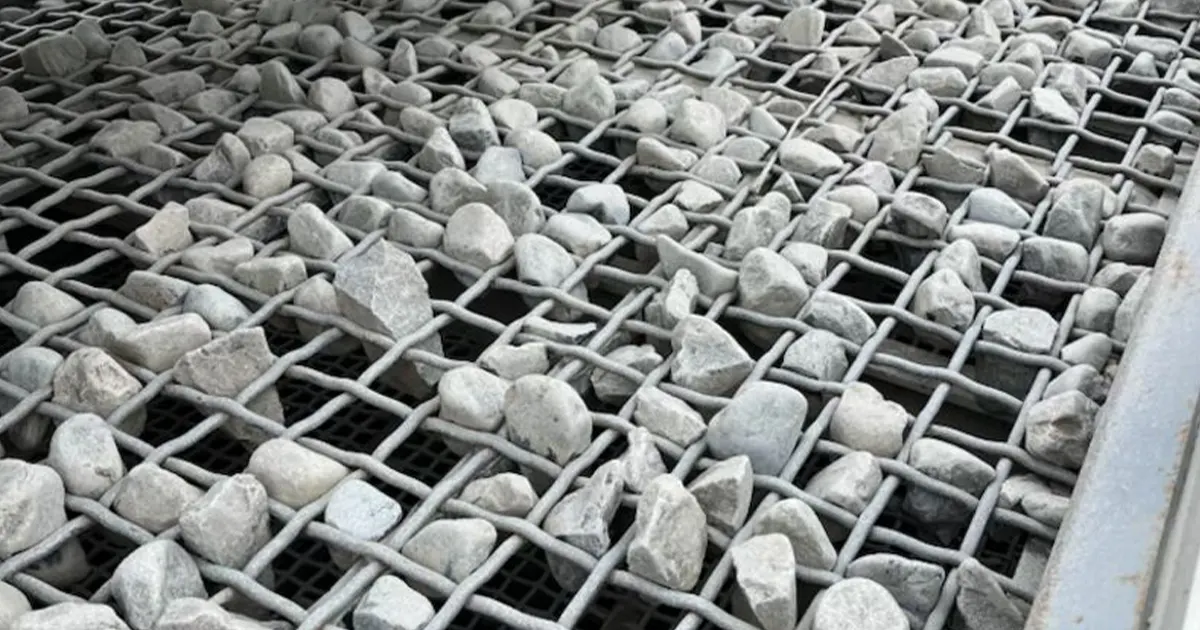
You might ask what mesh size means on quarry screens. Mesh size shows how many holes are in one inch of the screen. If a screen says “20 mesh,” it has 20 holes in each inch. Mesh size helps you pick how big or small the pieces will be after sorting. You can pick different mesh sizes for different jobs. Some screens have fine mesh for sand. Other screens use coarse mesh for bigger stones.
Here’s a quick look at mesh types and their uses:
| Mesh Size Type | Description | Applications |
|---|---|---|
| Fine | High screening efficiency and minimal material loss | Sand production, mineral beneficiation, fine aggregate processing |
| Medium | Versatile, balances throughput and precision | Mining, construction, aggregate processing |
| Coarse | Maximum durability and impact resistance | Primary screening, scalping operations |
You can see mesh size changes how you sort materials and what you can use them for.
How Mesh Size Is Measured
You count the number of holes in one inch to measure mesh size. You can use special tools and sieves to check the size. Some screens use inspection sieves for better accuracy. Calibration sieves give you more trust in the measurements. Master-matched sieves help with quality checks. Standard reference materials test how well sieves work. Sieve inspection tools let you check mesh size and screen shape.
Here’s a table showing common methods:
| Method | Description |
|---|---|
| Inspection Sieves | Suitable for critical accuracy and repeatability. |
| Calibration Sieves | Have double the openings measured, ensuring a 99.73% confidence level in aperture standard deviations. |
| Master-Matched Sieves | Verified to Inspection grade and compared to Master Sieves for quality control. |
| Standard Reference Materials | Used to test sieve performance and determine mesh opening sizes. |
| Sieve Inspection Tools | Provide direct measurements of mesh size and assess sieve condition, though not for verification. |
You can use these tools to make sure your screens work right.
Mesh Size Numbering
Mesh size numbering helps you choose the right screen for your job. The number tells you how many holes fit in one inch. A higher number means smaller holes. A lower number means bigger holes. For example, a 4 mesh screen has four holes per inch. A 200 mesh screen has 200 holes per inch. You can use the chart below to see how mesh size matches opening size:
| Mesh Size | Openings per Inch | Approximate Opening Size (mm) |
|---|---|---|
| 4 mesh | 4 | 5–6 |
| 20 mesh | 20 | 1 |
| 60 mesh | 60 | 0.25 |
| 200 mesh | 200 | 0.074 |
| 325 mesh | 325 | 0.043 |
You can use mesh size numbers to match your screen to the size you need.
Mesh Size vs. Grit Size
You might see the words “mesh size” and “grit size” when you look at quarry screens. These terms can confuse you if you are new to aggregate screening. Let’s break down what each one means and how you can use them.
Mesh size tells you how many openings sit in one square inch of your screen. You use mesh size to figure out which particles can pass through the screen. If you pick a screen with a higher mesh number, you get smaller openings. That means only tiny particles will slip through. If you choose a lower mesh number, you get bigger holes. Larger stones or gravel can pass through those screens.
Grit size describes the size of the particles themselves. You use grit size when you talk about abrasives or sand. Grit size gives you a more accurate idea of the particle distribution. Sometimes, you see grit size used for sandpaper or blasting media. In quarry work, grit size helps you understand how fine or coarse your material is.
Here’s a quick way to see the difference:
- Mesh size counts the number of holes in your screen per square inch.
- Grit size measures the size of the particles you want to screen.
- Mesh size controls what goes through the screen.
- Grit size tells you how big or small your aggregate is.
- You might hear people use these terms interchangeably. In most quarry jobs, the difference does not matter much.
Tip: If you want to sort aggregates, focus on mesh size. If you want to know how fine your sand or abrasive is, look at grit size.
You can use mesh size to pick the right screen for your job. You can use grit size to check the quality of your sand or stone. Sometimes, you see both terms on product labels. If you see “20 mesh” or “20 grit,” check what the label means. Usually, mesh size helps you choose screens. Grit size helps you pick materials.
Let’s look at an example. If you want to screen fine sand, you might use a 60 mesh screen. That screen lets only tiny particles pass through. If you want coarse gravel, you might use a 4 mesh screen. That screen lets bigger stones drop through. If you need sand for blasting, you might check the grit size to make sure it fits your needs.
You can remember this simple rule: mesh size is about the screen, grit size is about the material. When you pick screens for your quarry, focus on mesh size. When you buy sand or abrasives, check the grit size. This way, you get the right product for your job and avoid confusion.
Why Mesh Size Matters for Aggregates
Product Sizing and Quality
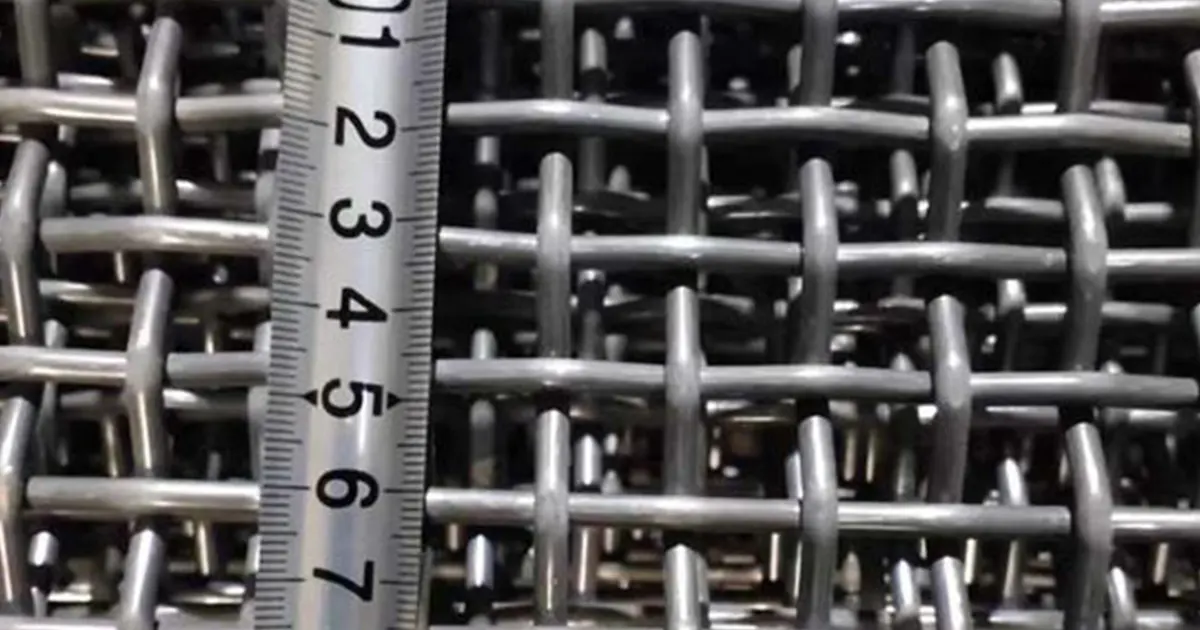
You want your aggregates to meet the right standards. Mesh size helps you control the sizing of your products. If you pick the wrong screen, your aggregates might not fit the job. You could end up with materials that fail project specs. That means you might need to redo the work, which costs time and money.
When you choose the right mesh size, you get uniform aggregates. This makes your concrete stronger and your projects safer. You also avoid contamination from unwanted particles. Here’s what happens when you select the right mesh size:
- You improve the separation of aggregates.
- You boost the quality of your final product.
- You meet project requirements and avoid costly mistakes.
If you need fine screening for sand, you might use a mesh size around 2mm. For drainage, you could use a mesh size of 40mm or 75mm. Picking the right mesh size gives you better control over sizing and quality.
Screening Efficiency
Screening efficiency matters when you want to get the most out of your plant. Mesh size affects how well you separate materials. A larger open area in the mesh lets more aggregates pass through. This speeds up processing and improves efficiency.
Screening efficiency is the percentage of undersized material that gets separated and discharged. If you use the right mesh size, you keep your aggregates within spec. You also reduce the risk of contamination. When you use the wrong mesh, you might need to rescreen or re-crush your aggregates. That wastes time and hurts cost efficiency.
You can see a big difference in production rates with the right screen. Even a small change in mesh size can add up to extra tons of aggregates each week. That means more value for your business.
Tip: Always check your mesh size to keep your screening efficient and your aggregates on target.
Throughput and Capacity
Mesh size also affects throughput and capacity. If you use coarse mesh, you can process large rocks and gravel faster. Medium mesh works well for crushed stone and aggregate classification. Fine mesh is best for sand and precise grading.
Here’s a table to help you match mesh size to your application:
| Mesh Size | Description | Application |
|---|---|---|
| Coarse Mesh (1–4) | Separates large rocks and gravel | Primary screening stages |
| Medium Mesh (6–12) | Classifies crushed stone and aggregates | Aggregate classification |
| Fine Mesh (16–100+) | Grades sand, silt, and fine aggregates | Precise grading of fine materials |
When you pick the right mesh size, you increase throughput and boost cost efficiency. You get more aggregates processed in less time. That helps you meet deadlines and keep your plant running smoothly.
Blinding and Wear
You might notice that your quarry screens sometimes get clogged or worn out faster than you expect. This happens because mesh size plays a big role in how your screens handle different materials. When you choose a mesh size, you need to think about blinding and wear. Blinding means your screen openings get blocked by material, so nothing can pass through. Wear means your screen starts to break down or lose strength over time.
Let’s talk about blinding first. If you use a finer mesh, you get better separation. Only small particles can pass through. This helps you make pure and consistent products. You might need this for sand or fine aggregates. But smaller openings also mean you risk blinding. Wet or sticky materials can settle in the mesh and block the holes. When your screen blinds, you lose processing speed and capacity. You spend more time cleaning or replacing screens.
Here are some things that affect blinding and wear:
- Mesh size: Finer mesh improves accuracy but increases blinding risk.
- Wire diameter: Thicker wires handle heavy or sharp materials better. Thin wires wear out faster.
- Screen tension: Loose screens let material bounce and settle, causing blinding.
- Bed depth: If you ignore bed depth, you get poor screening and more blinding.
You can see that mesh size is not the only thing to watch. Wire diameter and screen tension matter too. If you pick a screen with thin wires and fine mesh, you get great separation but more blinding and faster wear. If you use thick wires and coarse mesh, you get durability and less blinding, but you lose some accuracy.
Here’s a quick checklist to help you manage blinding and wear:
- Check your mesh size for the material you want to screen.
- Choose wire diameter based on how tough your aggregates are.
- Make sure your screens are tight and well-tensioned.
- Watch bed depth to keep screening efficient.
- Clean screens regularly to prevent buildup.
Tip: If you work with wet or sticky materials, try self-cleaning screens or larger mesh sizes. These help reduce blinding and keep your plant running.
You want your screens to last and your aggregates to stay on spec. By paying attention to mesh size, wire diameter, and screen tension, you can cut down on blinding and wear. This keeps your operation smooth and saves you money on maintenance. Remember, the right mesh size makes your job easier and your products better.
Aggregates and Screening Needs
Crushed Stone
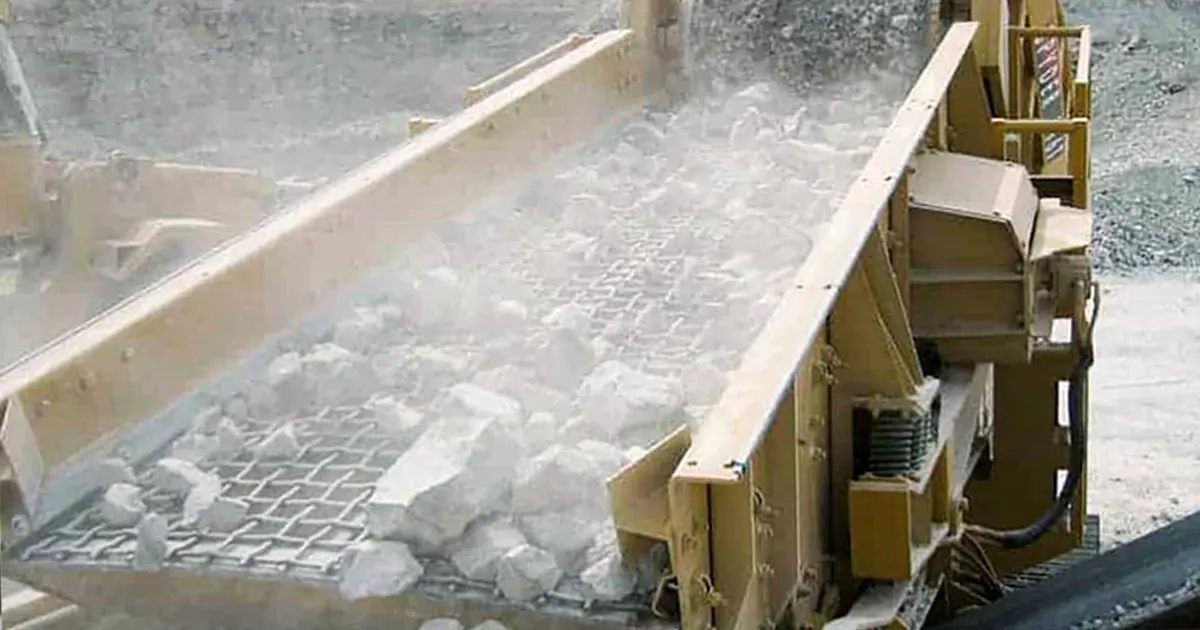
You see crushed stone everywhere in construction. It forms the base for roads, fills foundations, and supports drainage systems. When you screen crushed stone, you want to separate it into the right sizes for each job. Mesh size matters a lot here. If you use a coarse mesh, you get bigger stones for heavy-duty work. Fine mesh gives you smaller pieces for detailed projects.
Take a look at this table. It shows common mesh sizes for crushed stone and what they’re used for:
| Application Type | Mesh Size Range (mesh) | Mesh Size Range (microns) |
|---|---|---|
| Coarse Aggregate Scalping | 4 to 10 | 4,750 to 2,000 |
| Construction Sand Grading | 16 to 60 | 1,200 to 250 |
| Fine Specialty Sands | 20 to 140 | 850 to 106 |
If you need large stones for drainage, you pick a mesh size between 4 and 10. For sand grading, you go with 16 to 60 mesh. Fine specialty sands use mesh sizes from 20 to 140. You can match your mesh size to the job and get the best results.
Tip: Always check your mesh size before you start screening. You save time and avoid mistakes.
Gravel
Gravel works well for landscaping, drainage, and road bases. You want to sort gravel into different sizes so it fits each purpose. Mesh size helps you do this quickly. If you use a smaller mesh, you get fine gravel. Bigger mesh sizes give you larger stones.
Here’s a table that shows popular mesh sizes for gravel and their uses:
| Mesh Size | Purpose in Construction and Landscaping |
|---|---|
| 1/8″ | Used for fine gravel applications |
| 3/8″ | Suitable for drainage and landscaping |
| 1/2″ | Commonly used for base materials |
| 3/4″ | Ideal for concrete and asphalt bases |
| 1″ | Used for larger gravel needs |
You might use 1/8″ mesh for walkways or garden paths. If you need gravel for drainage, 3/8″ mesh works well. For road bases, 1/2″ or 3/4″ mesh is common. Larger mesh sizes, like 1″, help with big landscaping projects.
Note: If you want clean and uniform gravel, pick the right mesh size for your screen.
Sand
Sand is important for making concrete, mortar, and even playgrounds. You need to screen sand to remove unwanted particles and get the right grain size. Fine mesh screens work best for sand. You can use mesh sizes from 16 to 100 or higher, depending on how fine you want your sand.
When you screen sand, you make sure it meets quality standards. Clean sand helps your concrete stay strong. If you use sand for play areas, you want it to feel soft and safe. Mesh size lets you control these features.
You can also use sand for specialty jobs, like filtration or sports fields. In these cases, you might need even finer mesh sizes. Always check your mesh size and test your sand before you use it.
Tip: If you work with sand, clean your screens often. Fine mesh can clog quickly, so regular maintenance keeps your screening efficient.
You can see how mesh size helps you sort crushed stone, gravel, and sand. When you match your screen to the material, you get better results and save time. If you want to produce high-quality aggregates, start with the right mesh size.
Recycled Aggregates
You see recycled aggregates used more often in construction. People want to save money and help the environment. You can make recycled aggregates from old concrete, bricks, or asphalt. These materials come from demolition sites or old roads. When you screen recycled aggregates, you need to pay attention to mesh size.
Recycled materials can be tricky. They might have mixed sizes, shapes, or even bits of metal. You want to remove unwanted pieces and get clean, uniform aggregates. Mesh size helps you sort these materials. If you use a coarse mesh, you get bigger chunks. Fine mesh gives you smaller particles for new concrete or road base.
Here’s a quick table to show common mesh sizes for recycled aggregates:
| Mesh Size | Typical Use |
|---|---|
| 1/2″ | Road base, fill material |
| 3/8″ | Concrete production |
| 1/4″ | Asphalt, fine fill |
You need to check your feed material. Sometimes, recycled aggregates have sticky or flaky bits. These can block your screens. You might need to clean your screens more often. You can also use self-cleaning screens to help with tough materials.
Tip: Always inspect recycled aggregates before screening. Remove large debris and metal to protect your screens.
Wet or Sticky Materials
Wet or sticky materials can make screening hard. You might see mud, clay, or damp sand in your feed. These materials stick to the mesh and block the openings. You lose time and slow down your plant.
Here are some common problems you face with wet or sticky materials:
- Blinding: Material plugs the openings and blocks screening.
- Clogging: Sticky material sticks to the deck or overlaps.
- Carryover: Fine or wet material fails to pass through the screen.
- Low throughput: Reduced open area slows production.
Flake materials in stone can make things worse. They don’t pass smoothly through the mesh. Their shape lets them block openings and cause more blinding and clogging.
You can try a few solutions:
- Use larger mesh sizes to reduce blinding.
- Choose self-cleaning screens for sticky materials.
- Keep your screens tight and clean them often.
- Adjust your feed rate to avoid overload.
Note: Wet or sticky materials need special care. If you ignore these problems, you lose efficiency and waste aggregates.
You want your screening process to run smoothly. If you handle wet or sticky materials, pick the right mesh size and screen type. This helps you get clean, usable aggregates and keeps your plant working well.
Mesh Size Conversion and Selection
Mesh to Millimeter/Micron Chart
You might wonder how mesh size turns into millimeters or microns. Mesh size tells you how many openings sit in one inch of your screen. Millimeters and microns measure the actual size of each opening. If you want to know what fits through your screen, you need to check both numbers.
Take a look at this table. It shows common mesh sizes and their opening sizes in millimeters and microns. You can use this chart to pick the right screen for your job.
| Mesh Size | Opening Size (mm) | Opening Size (μm) |
|---|---|---|
| No. 4 | 4.75 | 4750 |
| No. 8 | 2.36 | 2360 |
| No. 16 | 1.18 | 1180 |
| No. 30 | 0.600 | 600 |
| No. 40 | 0.425 | 425 |
| No. 50 | 0.300 | 300 |
| No. 60 | 0.250 | 250 |
| No. 80 | 0.180 | 180 |
| No. 100 | 0.150 | 150 |
| No. 200 | 0.075 | 75 |
| No. 325 | 0.045 | 45 |
| No. 635 | 0.020 | 20 |
You can see that as mesh size goes up, the opening gets smaller. If you need to screen fine sand, you might use a mesh size like No. 100 or No. 200. For bigger rocks, you pick a mesh size like No. 4 or No. 8.
Tip: Always check both mesh size and opening size before you start screening. This helps you avoid mistakes and keeps your aggregates on spec.
Matching Mesh Size to Aggregate Size
You want your screen to match the size of your aggregates. If you use the wrong mesh, you might lose valuable material or let unwanted pieces slip through. Matching mesh size to aggregate size makes your screening more efficient.
Here’s how you can do it:
- Look at the particle size of your material. If you have coarse rocks, you need bigger openings. For fine powders, you need smaller openings.
- Think about your separation goals. If you want to remove fines, pick a mesh with small openings. If you need to scalp large stones, choose a mesh with big holes.
- Use wire mesh for versatility. If you work with tough materials, try perforated plate screens for extra durability.
- Check the aperture size. It can range from 1.5 inches for coarse materials to 1,600 microns for fine powders.
Let’s say you want to screen quarry rock. You might use a mesh size with openings between 10 mm and 50 mm. If you need silica sand, you could use a mesh size with openings from 0.1 mm to 1 mm.
Note: The right mesh size keeps your aggregates clean and uniform. You get better results and save time.
Typical Mesh Sizes for Aggregates
You see different mesh sizes used for different aggregates. Each type of material needs its own screen. If you know what you want to produce, you can pick the best mesh size.
Here are some typical mesh sizes for common aggregates:
- Quarry Rock: Use mesh sizes from 10 mm to 50 mm. These screens handle large stones and heavy-duty jobs.
- Crushed Stone: Pick mesh sizes from 4.75 mm (No. 4 mesh) to 1.18 mm (No. 16 mesh). This works well for road base and construction.
- Gravel: Try mesh sizes from 1/8″ to 1″ (about 3 mm to 25 mm). You can sort gravel for landscaping, drainage, or concrete.
- Sand: Use mesh sizes from 0.1 mm to 1 mm (No. 100 to No. 16 mesh). Fine mesh screens help you get clean sand for mortar or playgrounds.
- Silica Sand: Choose mesh sizes from 0.1 mm to 0.5 mm (No. 100 to No. 30 mesh). This gives you precise grading for filtration or sports fields.
If you work with recycled aggregates, you might use mesh sizes from 1/4″ to 1/2″ (about 6 mm to 12 mm). For wet or sticky materials, larger mesh sizes help reduce blinding.
Callout: Always match your mesh size to the material and the job. This keeps your screening efficient and your products high quality.
You can use these charts and tips to pick the right mesh size every time. If you need help, ask a screen media expert or manufacturer. You get better results and avoid costly mistakes.
How to Choose Mesh Sizes for Screens
Identify Aggregate Type
You need to start with the basics. What kind of aggregates are you working with? Every quarry has its own mix. You might see crushed stone, gravel, sand, or recycled materials. Each type has different shapes and sizes. Some aggregates are sharp and rough. Others are round and smooth. You must know what you have before you pick your screens.
If you use the wrong mesh size, you can lose valuable material. You might let unwanted pieces slip through. When you know your aggregate type, you can match your screens to the job. Here’s a quick table to help you:
| Aggregate Type | Common Mesh Size Range | Typical Uses |
|---|---|---|
| Crushed Stone | 4–16 mesh | Road base, drainage |
| Gravel | 1/8″–1″ | Landscaping, concrete |
| Sand | 16–100 mesh | Mortar, playgrounds |
| Recycled Aggregates | 1/4″–1/2″ | Fill, new construction |
Tip: Always check your aggregate type before you start screen selection. This step saves you time and keeps your products on spec.
Define Product Size Requirements
You want your aggregates to fit the job. Every project has its own size needs. If you build a road, you need big stones. If you make mortar, you need fine sand. You must decide what size you want before you choose your screens.
Ask yourself these questions:
- What is the smallest size you need?
- What is the largest size you want?
- Do you need to remove fines or dust?
- Are you making a product for concrete, drainage, or landscaping?
You can use a list to keep track:
- Write down your target product size.
- Check the specs for your project.
- Match the mesh size to your product needs.
- Make sure your screens can handle the job.
If you want clean aggregates, you must use the right mesh size. You get uniform products and avoid waste. When you define your product size, you make screen selection easier.
Note: Product size requirements help you pick the best screens for your aggregates. You get better results and happier customers.
Assess Feed and Moisture
You need to look at your feed material. Is it dry, wet, or sticky? Moisture changes how your screens work. Wet aggregates can clog the mesh. Sticky materials cause blinding. Dry feed moves faster and screens better.
You must check the moisture level before you start. If your feed is wet, you might need larger mesh sizes. You can also try self-cleaning screens. These screens help reduce blinding and keep your plant running.
Here’s a simple checklist:
- Is your feed dry or wet?
- Does your material stick to the mesh?
- Do you see blinding or clogging?
- Can you use self-cleaning screens?
If you handle wet or sticky aggregates, you need to adjust your mesh size. You keep your screens clean and your production steady.
Callout: Moisture matters. Always assess your feed before you choose mesh sizes. This step keeps your screens working and your aggregates on spec.
Consider Screening Stage
You need to think about where your screens fit in your process. Every quarry uses different stages for screening. You might start with primary screening. This stage removes big rocks and debris. You use coarse mesh here. Secondary screening comes next. You sort medium-sized aggregates. You use screens with smaller openings. Final screening gives you the smallest particles. You use fine mesh for sand or silt.
Each stage needs a different mesh size. If you use the wrong mesh, you lose material or slow down your plant. You want to match your screens to the stage. Here’s a simple table to help you:
| Screening Stage | Mesh Size Range | Purpose |
|---|---|---|
| Primary | 1″–4″ (25–100 mm) | Remove large rocks and debris |
| Secondary | 1/4″–1″ (6–25 mm) | Sort medium aggregates |
| Final | 16–100 mesh (0.15–1 mm) | Grade sand and fine materials |
Tip: Always check your screening stage before you pick mesh size. You get better results and keep your plant running smoothly.
Balance Capacity and Wear
You want your screens to last. You also want high capacity. If you use fine mesh, you get better accuracy. You might lose capacity because small openings slow down the flow. If you use coarse mesh, you boost capacity. You might let unwanted material pass through.
You need to find a balance. Think about how much material you want to process. Check how tough your aggregates are. If you work with sharp stones, thick wires help your screens last longer. Thin wires give you more accuracy but wear out faster.
Here are some things to consider:
- Fine mesh gives you better grading but wears out faster.
- Coarse mesh boosts capacity but lowers accuracy.
- Thick wires handle heavy loads and sharp materials.
- Thin wires work well for light and fine aggregates.
Note: You can ask your screen media supplier for advice. They help you pick the right mesh size and wire thickness for your job.
Mesh Size Selection Checklist
You want to make the right choice every time. Use this checklist to help you select mesh sizes for your screens:
- Identify your aggregate type.
- Define your product size requirements.
- Assess feed and moisture conditions.
- Consider your screening stage.
- Balance capacity and wear for your plant.
- Match mesh size to your material and job.
- Check wire diameter for durability.
- Choose self-cleaning screens if you handle wet or sticky materials.
- Review your plant’s throughput and efficiency goals.
- Consult with screen media experts if you need help.
Callout: If you follow this checklist, you improve your screening process. You get cleaner aggregates and higher efficiency.
You can use this guide every time you select screens. It helps you avoid mistakes and keeps your plant running strong.
Key Factors in Screen Media Selection
Material Properties
You need to look at the material you want to screen. Every aggregate has its own shape, hardness, and moisture level. Some rocks are sharp and tough. Others are round and soft. If you work with sticky clay or wet sand, you face different challenges. The right screen media helps you handle these materials.
Let’s say you deal with hard granite. You want screen media that can resist wear and last longer. If you screen soft limestone, you can use lighter screen media. Wet or sticky materials need self-cleaning screen media. This type keeps your screens clear and boosts efficiency.
Here’s a quick list of material properties to check:
- Hardness
- Moisture content
- Particle shape
- Abrasiveness
You match your screen media to these properties. This way, you get better results and avoid downtime.
Plant Conditions
Your plant setup affects your screen media choice. You need to think about your screening equipment, vibration levels, and feed rates. If your plant runs fast, you need strong screen media. Heavy vibration can wear out screens quickly. You want screen media that stands up to tough conditions.
Look at your plant’s layout. If you have tight spaces, you might need custom screen media. If your plant handles high volumes, you want screen media with larger open areas. This helps you process more material in less time.
Here’s a table to help you match plant conditions to screen media:
| Plant Condition | Screen Media Feature Needed |
|---|---|
| High vibration | Durable and flexible |
| Tight space | Custom fit |
| Heavy feed rate | Large open area |
| Frequent cleaning | Self-cleaning design |
You check your plant conditions before you pick screen media. This keeps your operation smooth and efficient.
Product Specs
You want your final product to meet project specs. Every job has its own requirements for aggregate size and quality. If you need fine sand, you pick screen media with small openings. If you want large stones, you use screen media with bigger holes.
You must know the specs for your project. Write down the size range you need. Check the quality standards. Match your screen media to these specs. This helps you deliver the right product every time.
Tip: Always review your specs before you choose screen media. This step saves you from costly mistakes.
You can ask your screen media supplier for advice. They help you pick the best screen media for your job. If you follow these steps, you get clean aggregates and happy customers.
Maintenance and Wear
You want your quarry screens to last as long as possible. Maintenance and wear play a big role in how well your screens perform. If you ignore these factors, you might face breakdowns or costly downtime. Taking care of your screens helps you get the most out of your investment.
Start with regular inspections. You should check your screens often for signs of wear or fatigue. Look for broken wires, loose mesh, or any damage. If you spot problems early, you can fix them before they get worse. This simple habit keeps your operation running smoothly.
Cleaning is another important step. Dust, dirt, and small rocks can build up on your screens. When debris collects, your screens can clog and lose efficiency. Make it a habit to remove debris from your screens. Clean screens work better and help you avoid blinding.
Corrosion can also cause trouble, especially if you work in damp or wet conditions. Rust weakens the mesh and shortens its life. You can protect your screens by using anti-corrosive coatings. These coatings help your screens stay strong, even in tough environments.
Tension and alignment matter too. If your screens are loose or not lined up right, they will wear out faster. Proper tensioning keeps the mesh tight and helps it handle heavy loads. Check the alignment to make sure the screen fits well in the frame. This step is important for both regular jobs and heavy-duty applications.
Here’s a quick checklist to help you keep your screens in top shape:
- Inspect screens regularly for wear and fatigue.
- Clean off debris to prevent clogging and blinding.
- Use anti-corrosive coatings in damp environments.
- Check tension and alignment for optimal performance.
If you use your screens for heavy-duty applications, you need to pay extra attention to maintenance. These jobs put more stress on your screens. Strong mesh and proper care help you avoid unexpected failures. When you follow a good maintenance routine, you get longer screen life and better results.
Tip: Keep a maintenance log for your screens. Write down inspection dates, cleaning times, and any repairs. This record helps you spot patterns and plan for replacements before problems start.
Taking care of your screens is not just about fixing problems. It’s about preventing them. Good maintenance saves you money, keeps your plant running, and helps you deliver quality aggregates every time.
Common Mesh Size Mistakes
Misreading Mesh Numbers
You might think all mesh numbers mean the same thing. That’s a common mistake. Mesh numbers can look confusing if you don’t check the details. A higher mesh number means smaller openings, while a lower number means bigger holes. If you mix these up, you could end up with the wrong size aggregate for your job.
Let’s say you grab a 20 mesh screen when you really need a 4 mesh. You’ll get much finer material than you wanted. This mistake can slow down your project or even ruin a batch of concrete. Always double-check the mesh number and the opening size before you start. If you’re not sure, ask your supplier for a conversion chart. It’s better to spend a minute checking than to waste hours fixing a problem.
Tip: Keep a mesh size chart near your screening equipment. This quick reference can save you from costly mix-ups.
Overlooking Material Changes
You might not notice when your material changes. That’s another big mistake. Aggregates don’t always stay the same. Weather, moisture, and even the source can change how your material behaves on the screen.
Here’s what you need to watch for:
- Particle shape can change. Angular or flaky particles are harder to screen than round ones. They can get stuck or block the mesh.
- Moisture can sneak in. Wet material sticks together and can clog fine screens. This is a big problem if you use small mesh sizes.
- Feed consistency matters. If your material suddenly has more fines or clay, your screens might blind or wear out faster.
If you ignore these changes, you might pick the wrong mesh size. You could lose efficiency or end up with poor-quality aggregates. Check your material often. If you see more moisture or flaky pieces, adjust your mesh size or try self-cleaning screens.
Note: Material changes can sneak up on you. Stay alert and adjust your screens as needed.
Ignoring Screen Media Type
You might focus only on mesh size and forget about the screen media type. That’s a mistake that can cost you time and money. Not all screens are created equal. Woven wire mesh, self-cleaning screens, polyurethane panels, and perforated plates each have their own strengths.
If you use the wrong type, you might see faster wear, more blinding, or lower throughput. For example, woven wire mesh works well for most dry aggregates. Polyurethane panels last longer with abrasive materials. Self-cleaning screens help with wet or sticky feeds.
Here’s a quick list to help you remember:
- Woven wire mesh: Good for general use and dry materials.
- Self-cleaning screens: Best for wet, sticky, or blinding-prone materials.
- Polyurethane panels: Great for high-wear or abrasive aggregates.
- Perforated plate: Handles heavy-duty, large rock screening.
Callout: Don’t just pick mesh size—choose the right screen media for your material and application. This keeps your plant running smoothly and your products on spec.
Maintenance Oversights
You might think your screens will last forever if you pick the right mesh size. That’s not true. Maintenance matters just as much as mesh selection. If you skip regular care, your screens can wear out fast, clog up, or even break. You lose time, money, and product quality. Let’s talk about the most common maintenance oversights and how you can avoid them.
1. Forgetting Regular Inspections
You need to check your screens often. If you don’t, small problems can turn into big headaches. Broken wires, loose mesh, or rust can sneak up on you. You might miss cracks or holes that let unwanted material through. Inspections help you catch issues early.
Tip: Set a reminder to inspect your screens every week. Write down what you find in a logbook.
2. Skipping Cleaning
Dust, dirt, and sticky material build up on your screens. If you ignore cleaning, your mesh can blind or clog. You lose efficiency and your aggregates won’t meet specs. Cleaning keeps your screens open and working right.
Here’s a simple cleaning checklist:
- Remove debris after every shift.
- Use a brush or air hose for fine mesh.
- Wash screens if you handle wet or sticky materials.
3. Ignoring Tension and Alignment
Loose screens don’t work well. If your mesh isn’t tight, material bounces and settles. You get more blinding and faster wear. Alignment matters too. If your screen sits crooked, you see uneven wear and poor separation.
Callout: Always check tension and alignment after maintenance or screen changes.
4. Delaying Repairs and Replacement
You might wait too long to fix or replace worn screens. That’s a mistake. Damaged mesh lets oversized material slip through. You risk product quality and safety. Quick repairs keep your plant running and your aggregates on spec.
5. Overlooking Corrosion Protection
Rust eats away at your screens, especially in wet conditions. If you skip anti-corrosive coatings, your mesh won’t last. Protect your screens with the right coatings or materials.
Maintenance Oversight Table
| Oversight | What Happens | How to Fix It |
|---|---|---|
| No inspections | Missed damage, downtime | Weekly checks |
| No cleaning | Blinding, poor efficiency | Clean after each shift |
| Loose tension | Uneven wear, blinding | Tighten regularly |
| Delayed repairs | Quality loss, safety risks | Repair or replace fast |
| No corrosion care | Mesh failure, short life | Use coatings/materials |
Note: Good maintenance keeps your screens strong and your aggregates clean. If you stay on top of care, you save money and avoid trouble.
You can make maintenance part of your routine. If you follow these steps, your screens last longer and your plant works better. Don’t let simple oversights ruin your screening process. Stay alert, stay clean, and keep your screens in shape!
Screen Media Types and Applications
Woven Wire Mesh
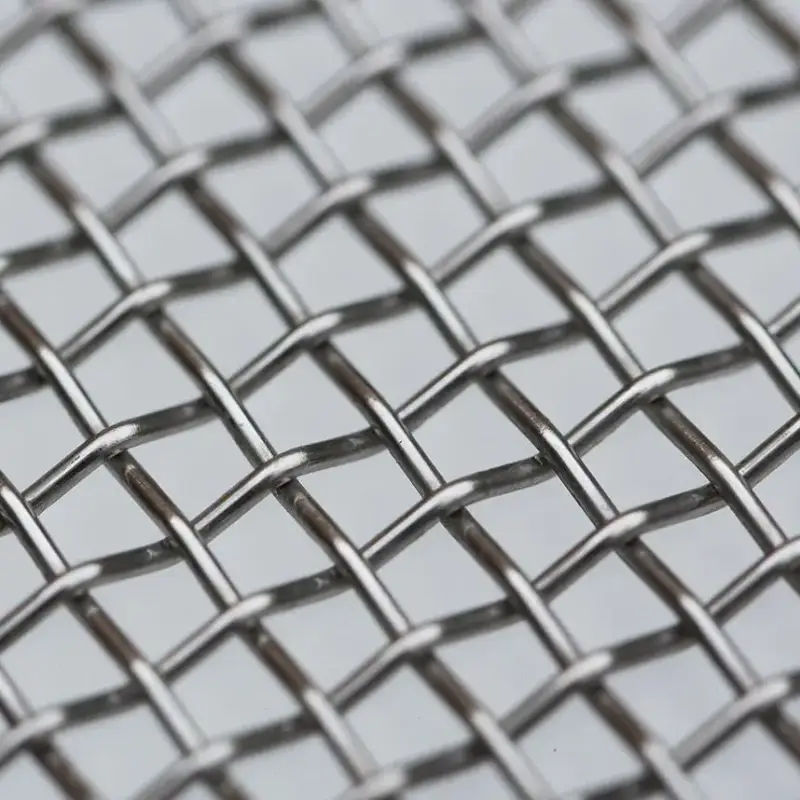
You see woven wire mesh everywhere in aggregate screening. This screen media stands out as one of the most popular types of screen media in quarries and mining sites. You might wonder why so many plants choose woven wire cloth for their screens. Let’s break it down so you can see the benefits for yourself.
Woven wire cloth uses interlaced wires to create a grid. You get a strong, flexible screen that handles many materials. You can pick different wire diameters and mesh sizes to match your job. If you need to screen crushed stone, gravel, or sand, woven wire cloth gives you options.
Here’s a quick list of reasons you might choose woven wire cloth:
- You want high screening accuracy.
- You need a screen that resists impact and abrasion.
- You like easy installation and replacement.
- You want to handle both dry and wet materials.
You can use woven wire cloth for primary, secondary, or final screening. It works well for scalping big rocks or grading fine sand. If you need to change mesh sizes, you can swap out woven wire cloth panels quickly.
Tip: If you work with sticky or wet materials, you can try self-cleaning woven wire cloth. This design helps reduce blinding and keeps your plant running.
Let’s look at a table that shows how woven wire cloth fits different applications:
| Application | Mesh Size Range | Wire Diameter Options | Benefits |
|---|---|---|---|
| Crushed Stone | 4–16 mesh | Heavy, medium | Impact resistance |
| Gravel | 1/8″–1″ | Medium, light | Versatile sizing |
| Sand | 16–100 mesh | Light, fine | High accuracy |
| Recycled Aggregates | 1/4″–1/2″ | Medium, heavy | Easy cleaning |
You can see woven wire cloth adapts to many jobs. You get flexibility and reliability. If you want to boost your screening efficiency, woven wire cloth is a smart choice.
You might ask about durability. Woven wire cloth lasts longer if you pick the right wire diameter. Thicker wires handle sharp rocks and heavy loads. Thin wires work well for fine materials but wear out faster. You can balance accuracy and lifespan by matching wire size to your aggregate.
You also get easy maintenance with woven wire cloth. You can clean it with a brush or hose. If you spot damage, you can replace panels without much downtime. This keeps your plant running and your aggregates on spec.
Note: Woven wire cloth is one of the most cost-effective types of screen media. You save money on replacements and repairs.
If you want to try different types of screen media, you can start with woven wire cloth. You get a proven solution that works for many materials. You can ask your screen media supplier for advice on mesh size and wire diameter. This helps you get the best results for your quarry.
You can trust woven wire cloth for strong jobs and safe jobs. You get clean aggregates and happy customers. If you want a screen that adapts to your needs, woven wire cloth is the answer.
Self-Cleaning Screens
Polyurethane Panels
Perforated Plate
You might see perforated plate screens in heavy-duty quarry jobs. These screens use solid metal plates with holes punched through them. The holes can be round, square, or slotted. You get a tough screen that stands up to big rocks and rough materials.
Perforated plate screens work best when you need strength and durability. If you handle large, sharp, or abrasive aggregates, these screens can take the hit. You do not have to worry about wires breaking or bending. The solid plate gives you a long-lasting option for tough jobs.
Why choose perforated plate screens?
Here are some reasons you might pick this type:
- You want a screen that resists impact from big rocks.
- You need to handle heavy loads without frequent replacements.
- You work with sharp or abrasive materials that wear out wire mesh.
- You want to reduce blinding with special hole shapes.
Tip: Perforated plates come in different thicknesses and hole patterns. You can ask your supplier to match the plate to your material and job.
Let’s look at some common uses for perforated plate screens:
| Application | Why Use Perforated Plate? |
|---|---|
| Primary scalping | Handles large, heavy rocks |
| Recycled concrete/asphalt | Resists sharp, jagged edges |
| Heavy-duty mining | Stands up to high impact |
| Wet or sticky materials | Slotted holes help reduce blinding |
You can use perforated plates for the first stage of screening. They remove oversized rocks and protect finer screens below. If you work with recycled materials, these screens help you sort out tough debris.
How do you pick the right perforated plate?
Here are a few things to check:
- Choose the right hole size and shape for your aggregate.
- Pick a plate thickness that matches your feed material.
- Ask about anti-corrosive coatings if you work in wet conditions.
- Make sure the plate fits your screen deck and plant setup.
Note: Perforated plate screens weigh more than wire mesh. You may need to check your equipment’s capacity before switching.
You get a strong, reliable screen with perforated plate. If you want less downtime and fewer replacements, this option works well. You can talk to your screen media supplier for help with sizing and installation. Perforated plate screens keep your plant running, even with the toughest materials.
Conclusion
Choosing the right quarry screen mesh size makes your job easier and your products better. You get the best results when you match mesh size to your aggregate and project. Use the charts and checklists in this blog to help you decide. If you feel unsure, talk to a screen media expert.
Need help? As a screen media manufacturer, we can recommend the best mesh sizes and screen types for your needs!
FAQ
What does mesh size mean for quarry screens?
Mesh size tells you how many holes fit in one inch of your screen. You use mesh size to decide what size of material passes through. Bigger mesh numbers mean smaller holes.
How do I pick the right mesh size for my project?
You start by checking the size of your quarry materials. If you need fine sand, choose a higher mesh number. For bigger stones, use a lower mesh number. Always match mesh size to your job.
Can I use the same screen for different aggregates?
You can switch screens, but each aggregate works best with a specific mesh size. If you change quarry materials, you should check if your screen fits the new material.
Why do screens clog or blind sometimes?
Wet or sticky materials block the holes in your screen. Fine mesh screens clog faster. You can clean your screens often or try self-cleaning screens to fix this problem.
What is the difference between mesh size and grit size?
Mesh size measures the screen openings. Grit size tells you how big the particles are. You use mesh size for screening and grit size for checking material quality.
How often should I check or replace my screens?
You should inspect your screens every week. Look for broken wires, loose mesh, or rust. If you see damage, replace the screen to keep your plant running smoothly.
Are there special screens for wet quarry materials?
Yes, you can use self-cleaning screens or screens with larger openings. These help reduce blinding and keep your screening process efficient when you handle wet or sticky quarry materials.
Who can help me choose the best mesh size?
You can ask a screen media manufacturer or supplier. They help you pick the right mesh size and screen type for your quarry materials and your project needs.