You want your fluorite processing plant to work well and make great products. The choices you make during the fluorite beneficiation process are very important. Picking the right equipment for crushing and screening can make a big difference. If you pick the wrong equipment, you might get less fluorite, spend more money, and have trouble reaching your goals. Good equipment helps you get better fluorite and saves energy. These steps help get the ore ready for flotation separation, which is very important in mineral processing. In the end, smart choices help you get better results and make more money.
Choosing the right fluorite beneficiation equipment:
- Makes products better
- Helps you earn more money
- Lowers how much you spend
- Saves energy
- Helps you reach your goals in the fluorite beneficiation process
Key Takeaways
- Pick the best fluorite beneficiation equipment to get better product quality and make more money.
- Crushing is important for getting ore ready; it makes sure the pieces are the right size for good screening and flotation.
- Keep the feed size the same for screening to help separate materials better and stop machines from stopping.
- Try to get a P80 size of 75-106 microns before screening to get more fluorite and use less energy.
- Use vibrating screens to sort fluorite by size and take out waste, so flotation works better.
- Use washing steps to get rid of small bits and sticky stuff that can make screening harder.
- Pick screen media by looking at the ore; think about how long it lasts and how it handles wetness.
- Check and fix your equipment often to stop problems like blinding and pegging, so everything runs well.
Crushing in Fluorite Processing
The Role of Crushing in Ore Preparation
You want your fluorite beneficiation equipment to help you. Crushing is the first main step in fluorite processing. You break big pieces of fluorite ore into smaller ones. This makes it easier for other machines to work. Crushing helps you get the right size for separation. If you skip or do this step badly, flotation separation will be hard. You need the right mineral processing equipment for the best results.
Hydraulic cone crushers are a good pick for many plants. These machines can handle hard and rough fluorite ores. They give you lots of crushed ore and save energy. Their automatic systems help things run well. You want your fluorite beneficiation equipment to help, not cause problems.
Preparing a More Consistent Feed for Screening
You need a steady and even feed for screening. Crushing helps you get this. The right fluorite processing equipment makes the ore more even in size. This makes screening easier and faster. You do not want big lumps mixed with tiny pieces. That mix will slow down separation and lower recovery.
A good feeder works with your crusher. It keeps the ore moving and stops blockages. You want your fluorite beneficiation equipment to give a steady flow. This helps screening machines sort ore by size. You get better flotation separation when you start with even ore.
Tip: Always check your feeder and crusher settings. Small changes can really help your fluorite processing line.
Size Reduction Goals Before Screening
You need to know your target size before you start. Most fluorite processing plants use a P80 of 75-106 microns. This size works best for flotation separation. If you grind the ore too fine, you can lose up to 22% recovery. Grinding too much wastes energy and money.
Here’s a quick guide for size reduction goals:
- Aim for a P80 of 75-106 μm before screening.
- Do not grind below 20 μm to avoid losing recovery.
- Check your fluorite beneficiation equipment settings often.
Crushing and screening help you get ready for separation. Using the right fluorite processing equipment and focusing on size goals helps you do better. You get more fluorite, better concentrate, and lower costs. Every crushing step helps flotation separation work better.
How Crushing Affects Screening Performance
You might think crushing and screening are two separate jobs. In reality, they work together like teammates. The way you crush your fluorite ore changes how well your screens do their job. If you crush the ore right, you make screening easier and faster. If you crush it wrong, you create problems that slow everything down.
When you use the right crusher settings, you get ore pieces that are close in size. This helps your screens sort the ore better. You do not want big chunks mixed with tiny grains. That mix makes your screens work harder. It can even block the screen holes. You want a steady flow of even-sized material. This keeps your screening line running smooth.
Let’s look at what happens when crushing goes wrong:
- Too many fines: If you crush the ore too much, you get lots of tiny particles. These fines can clog your screens. They also waste energy and lower your recovery in flotation.
- Oversized lumps: If you do not crush enough, you get big rocks. These can bounce on the screen and never pass through. They can also damage your screen media.
- Mixed sizes: A mix of big and small pieces makes screening slow. The small pieces can block the holes, and the big ones just roll off.
Tip: Check your crusher’s output size often. Adjust the settings if you see too many fines or big lumps. Small changes can make a big difference.
You also need to think about the type of fluorite ore you have. Some ores are soft and break easy. Others are hard and tough. You might need a jaw crusher for big, hard rocks. For softer ore, a cone crusher might work better. The right feeder helps too. It gives your screen a steady flow and stops surges.
Here’s a quick table to help you see the link between crushing and screening:
| Crushing Result | Screening Effect | What You Get |
|---|---|---|
| Even-sized pieces | Smooth, fast screening | Better product quality |
| Too many fines | Clogged screens | Lower recovery |
| Oversized lumps | Screen overload | More downtime |
When you set up your crushing line the right way, you help your screens do their best work. You get more fluorite, less waste, and a smoother process. Always remember, good crushing means good screening. Your whole plant will thank you!
Screening and Classification
Vibrating Screens for Fluorite
You want your fluorite beneficiation equipment to work well. Vibrating screens are important in fluorite processing. These machines sort fluorite by size. They help remove waste rock called gangue from the ore. This step gets your material ready for the next process. Using vibrating screens makes your equipment work better. You get a steady feed for your flotation machine. This helps with better separation.
Here’s what vibrating screens do:
- Sort fluorite sand into different sizes.
- Take out waste gangue from the ore.
- Get the ore ready for better beneficiation.
If you want good flotation separation, you need even-sized fluorite. Vibrating screens help you reach this goal. You can trust your equipment to keep things running smoothly.
Washing and Removal of Fines
Washing is an important step in fluorite beneficiation. You use water to wash away fine particles and sticky clay. These fines can block your screens and hurt flotation separation. Clean ore helps your flotation machine work better. You get higher grade fluorite concentrate and less waste.
When you wash your ore, you protect your equipment. Less dirt means less damage. Your machines last longer and need fewer repairs. You save money and keep your plant running.
Tip: Always check your washing system. Clean water and good flow help you get the best results.
Sizing for Flotation Separation
You need the right size fluorite for flotation separation. If your ore is too big, it will not float well. If it is too small, you lose fluorite in the waste. Screening and classification help you find the best size for your flotation machine. You want your equipment to give you a steady feed of the right size.
Good sizing helps you get more fluorite concentrate. You also use less energy and chemicals in flotation separation. This makes your whole process cheaper and greener. You can use selective flotation and micro-flotation for even better results. These methods use special collectors to pick out the best fluorite. Your equipment helps you get the most from every ton of ore.
Screening and classification are key steps in fluorite processing. They help you get ready for flotation separation, selective flotation, and micro-flotation. You get better fluorite concentrate, save money, and make your plant work better. Trust your equipment to help you succeed in the market.
Challenges in Fluorite Screening
Variable Feed Size
It is hard when the feed size keeps changing. If the ore is not the same size, your screens have to work harder. Sometimes, they miss sorting the right size. You might see big lumps and tiny grains together. This mix slows down your plant. It can also cause more stops for repairs. Continuous jigs need a steady feed to work well. If the feed size changes a lot, your plant works less well. You also spend more time fixing things. Multi-stage jigs can handle different sizes better. But you still need to watch for too much ore at once. If you put too much on your screens, you can break them. You also get less fluorite back.
Here is how different jigs handle feed size:
| Jig Type | Feed Flexibility | Key Points |
|---|---|---|
| Continuous Jigs | Low (requires uniform) | Work without stopping; need steady feed for good results. |
| Multi-Stage Jigs | High (multi-size) | Handle mixed ores and help you get more fluorite. |
| Pulsating Jigs | Medium | Good for fine or low-grade materials. |
You want your fluorite feed to stay steady. If you check your plant often, you can stop problems before they start. This helps your plant run better.
Fine Particles
Fine particles can make your screening line work badly. These tiny grains can slip through the screen holes. Sometimes, they block the holes too. If you have too many fines, your screens do not work as well. You might get less fluorite and pay more for repairs. Fines also make it harder to use chemicals for separation. If you use chemicals, fines can mess up the process. They can also make waste harder to handle. You want to get rid of fines early. This helps your screens and flotation machines work better.
Tip: Wash your fluorite ore before you screen it. Clean ore means fewer fines and better results.
You should also check your screen media often. If you see clogging, you may need to change your media or wash more.
Abrasive Wear
Abrasive wear is a big problem in fluorite screening. The ore has sharp sand pieces that can scratch your screens. These sharp pieces wear out your screen media fast. Over time, you see bigger holes and broken screens. If your plant runs fast, the screens wear out even quicker. You need strong materials to protect your screens. This saves money on repairs.
Watch out for these things:
- Sharp fluorite pieces wear out your screens faster.
- The longer your plant runs, the more wear you see.
- Fast screening makes the problem worse.
- Strong materials help your screens last longer.
If you check your equipment and use tough materials, you spend less on repairs. Your fluorite plant will work longer.
Note: Problems with equipment can lower how much fluorite you get and cost more money. Fix problems early and use strong screen media.
Moisture and Sticky Material
Moisture and sticky material can cause big problems in your fluorite screening line. Wet ore likes to clump together. Sticky clay can glue itself to your screens. When this happens, your screens get blocked, and your plant slows down. You might see less fluorite in your final product. You may also spend more time cleaning and fixing your equipment.
You can fight back against moisture and sticky material. Here are some best practices you can use in your fluorite processing plant:
- Store your fluorite powder in airtight, moisture-resistant containers. This keeps water out and stops the powder from caking or reacting with air.
- Keep your fluorite in a cool, dry, and well-ventilated space. Try to keep the temperature below 25°C and humidity under 50%. This helps stop sticky problems before they start.
- Wear gloves, masks, and goggles when you handle fluorite. This keeps you safe from dust and skin irritation.
- Use dust control tools like local exhaust fans or wetting sprays. These tools help keep the air clean and stop dust from spreading.
- Check your fluorite often. Test for purity, particle size, and moisture content. Look for any signs of caking or sticky lumps.
If you follow these steps, you can keep your fluorite screening line running smoothly. You will see fewer blocks and less downtime. Your product will stay clean and easy to handle. You will also protect your workers and your equipment.
Tip: If you see sticky material building up, stop and clean your screens right away. Quick action saves you time and money.
Blinding and Pegging
Blinding and pegging are common problems in fluorite screening. Blinding happens when fine particles cover the screen openings, while pegging occurs when larger particles become stuck in the apertures. Both issues can reduce screening efficiency, lower throughput, and affect fluorite recovery.
The right screen media can help reduce these problems. Polyurethane screen media is often a good choice because it offers strong wear resistance and can be designed to improve material flow. In many fluorite screening applications, anti-blinding screen designs can help keep apertures open, reduce buildup, and improve overall plant performance. Another advantage is that suitable screen media can often be installed on existing equipment, making upgrades easier without requiring a full machine replacement.
Here is a quick overview of how the right screen media can help in fluorite screening:
| Feature | Description |
|---|---|
| Material Option | Polyurethane screen media |
| Main Benefit | Helps reduce blinding and pegging |
| Performance Impact | Improves screening efficiency and supports higher throughput |
| Wear Resistance | Offers longer service life in demanding conditions |
| Upgrade Option | Can often be fitted to existing screening equipment |
When you use the right screen media, you can improve fluorite recovery, reduce waste, and keep your screening process running more smoothly. This helps lower maintenance needs, reduce downtime, and support more consistent fluorite concentrate production.
Note: Always check your screens for signs of blinding or pegging. Change your media if you see these problems often.
Screen Media Options for Fluorite
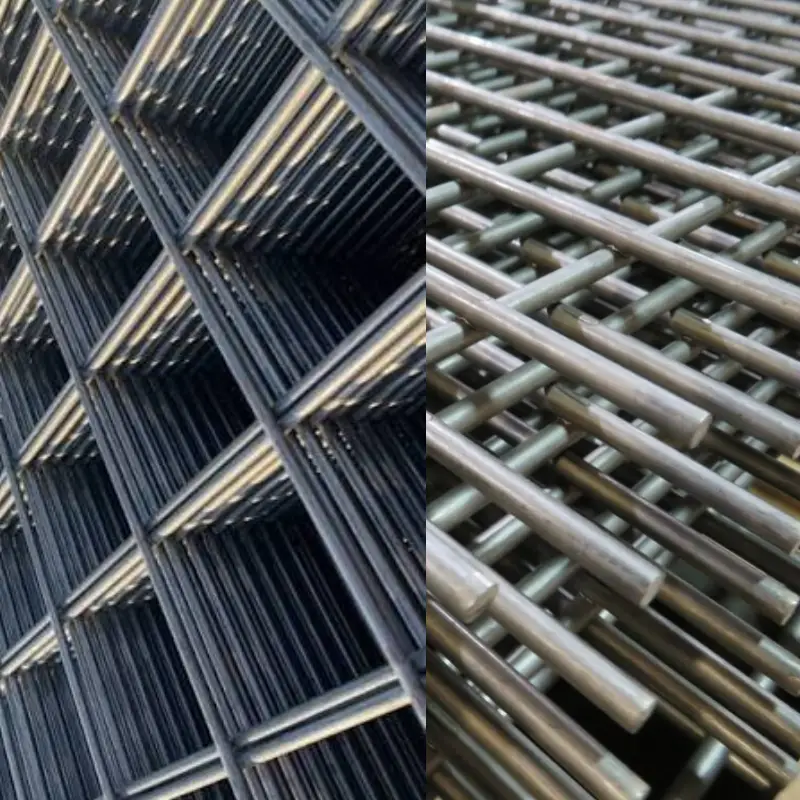
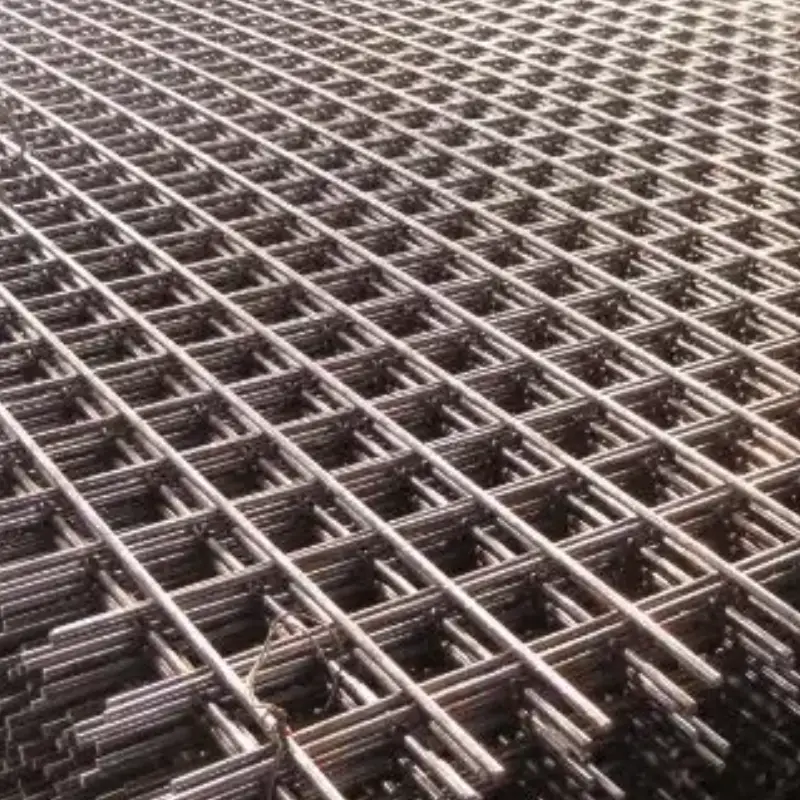
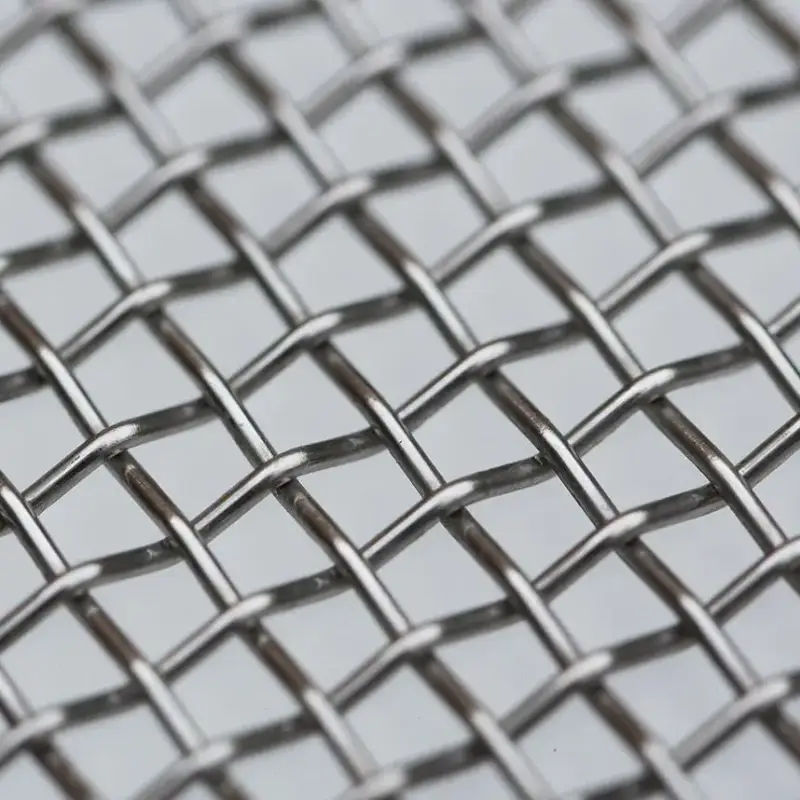
Woven Wire Mesh
Advantages
Woven wire mesh is a classic choice for screening fluorite. You get great accuracy with this type of screen. The open area is high, so you can move a lot of material fast. You can also find woven wire mesh in many sizes and shapes. This makes it easy to match your screen to your fluorite processing needs. If you want to see what is happening on your screen, wire mesh lets you do that. You can spot problems quickly.
Limitations
Wire mesh does not last as long as some other options. Sharp fluorite pieces can wear it out fast. If you have sticky or wet fluorite, the mesh can clog. You may need to clean or replace it more often. Sometimes, the wires can break and let unwanted pieces through.
Best Use Cases
You should use woven wire mesh when you want fast screening and need to see your product. It works best with dry fluorite and when you do not have a lot of sticky material. If you want to change screen sizes often, wire mesh is a good pick.
Polyurethane Panels
Advantages
Polyurethane panels are tough. They handle sharp fluorite and heavy loads without wearing out quickly. You get good resistance to chemicals and moisture. Polyurethane panels also help reduce noise in your plant. They come in many shapes and sizes, so you can fit them to your fluorite screening machine.
Limitations
Polyurethane panels can cost more at first. They do not have as much open area as wire mesh, so you may move less fluorite per hour. If you need very fine screening, these panels might not be the best choice.
Best Use Cases
You should pick polyurethane panels if you process abrasive fluorite or run your plant for long hours. They work well in wet conditions and when you want less noise. If you want to spend less time on maintenance, polyurethane is a smart option.
Rubber Panels
Advantages
Rubber panels are great for handling tough fluorite. They absorb impact, so your screen lasts longer. Rubber also helps cut down on noise. If you have sticky or wet fluorite, rubber panels can help stop clogging. They are flexible and can handle heavy loads.
Limitations
Rubber panels do not have as much open area as wire mesh. This means you may not screen as much fluorite at once. They can also cost more than basic mesh screens. Sometimes, rubber panels are not the best for very fine screening.
Best Use Cases
You should use rubber panels when you deal with high-impact fluorite or lots of sticky material. They work well in plants where noise is a problem. If you want a screen that lasts a long time and needs less fixing, rubber panels are a good choice.
Self-Cleaning Screens
Advantages
You might struggle with screens that clog or blind when you process fluorite. Self-cleaning screens can help you solve this problem. These screens use special wires or flexible panels that move and shake. This movement helps break up sticky material and keeps the holes open. You get steady screening and less downtime.
Here are some big advantages:
- You spend less time cleaning your screens.
- You keep your fluorite plant running longer.
- You get better separation, even with wet or sticky fluorite.
- You see fewer problems with blinding and pegging.
Tip: If you process fluorite with lots of clay or moisture, self-cleaning screens can save you hours of work.
Limitations
Self-cleaning screens do not work for every job. Sometimes, they cost more than regular screens. You may also see less open area, so you might not move as much fluorite per hour. These screens can wear out faster if you use them with very sharp or heavy fluorite.
A few things to watch out for:
- Higher upfront cost.
- Not the best for very high-tonnage jobs.
- May need more frequent checks for wear.
Best Use Cases
You should use self-cleaning screens when you deal with sticky, wet, or fine fluorite. They work well if you see a lot of blinding or pegging in your plant. If you want to keep your screening line moving and avoid shutdowns, these screens are a smart pick.
Best for:
- Wet fluorite ore
- Sticky clay or mud in your feed
- Plants with lots of screen blinding
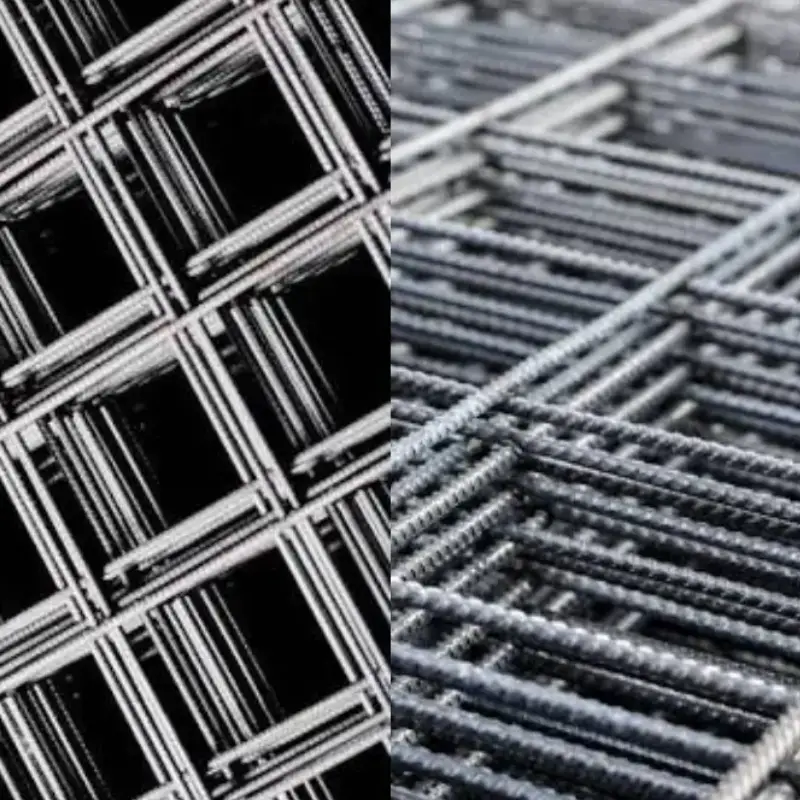
Perforated Plate
Advantages
Perforated plate screens give you strong and sturdy screening. These plates use thick metal with holes punched in them. You get great wear resistance, even with sharp fluorite pieces. Perforated plates last a long time and can handle heavy loads. You can pick different hole shapes and sizes to match your fluorite needs.
Some key advantages:
- Very strong and durable
- Handles heavy and sharp fluorite well
- Custom hole shapes for special jobs
Limitations
Perforated plates do not have as much open area as wire mesh. This means you might not screen as much fluorite at once. These plates can be heavy, so you may need stronger support frames. Changing plates takes more time than swapping out mesh or panels.
Keep in mind:
- Lower screening capacity
- Heavier and harder to handle
- Takes longer to change out
Best Use Cases
You should use perforated plates when you process coarse or abrasive fluorite. They work best in the first stage of screening, where you need strength and long life. If you want a screen that stands up to tough jobs, perforated plates are a good choice.
Best for:
- Coarse fluorite screening
- High-wear areas
- Plants that need strong, long-lasting screens
Screen Media Selection
Feed Size and Cut Size
When you choose screen media for your plant, you need to think about the size of your feed and the cut size you want. Feed size means the biggest pieces of fluorite that go onto your screen. Cut size is the smallest size you want to keep or remove. If you get this wrong, your fluorite processing equipment will not work well.
You have many screen media options. You can pick woven steel wire, punched steel plate, rubber, or polyurethane. Each type works best with certain feed sizes. For example, woven wire mesh is great for small and even feed. Punched steel plate handles big, rough pieces. Rubber and polyurethane are good for medium to large feed, especially if you want your screens to last longer.
The type of screen media you pick changes the open area. Open area is the space where fluorite can pass through. More open area means you can process more ore at once. Less open area slows things down but can give you better control. The open area also affects how big your screening unit needs to be. If you want to screen a lot of fluorite, you may need more decks or a bigger machine.
Here’s a quick list to help you match feed size and screen media:
- Small feed size: Woven wire mesh or fine polyurethane panels
- Medium feed size: Rubber panels or standard polyurethane
- Large feed size: Punched steel plate or heavy-duty rubber
Tip: Always do a fluorite ore characteristics analysis before you pick your screen media. This helps you match the right media to your ore and your plant goals.
Wet vs. Dry Processing
You need to know if your plant runs wet or dry. Wet processing uses water to help move and clean the fluorite. Dry processing does not use water. The way you process changes what screen media works best.
If you use wet processing, you want screen media that resists water and does not rust. Polyurethane and rubber panels work well here. They do not soak up water, and they last a long time. Wet ore can be sticky, so self-cleaning screens are also a smart choice. These screens shake off mud and clay, so you do not have to stop and clean as much.
Dry processing is different. You want screen media that can handle dust and sharp pieces. Woven wire mesh is a good pick for dry fluorite. It gives you lots of open area and lets you see what is happening. Perforated plates also work well if you have big, dry lumps.
Here’s a table to help you decide:
| Processing Type | Best Screen Media Options | Why It Works |
|---|---|---|
| Wet | Polyurethane, Rubber, Self-cleaning | Resists water, handles sticky ore |
| Dry | Woven wire mesh, Perforated plate | High open area, handles sharp lumps |
Note: Your choice of fluorite processing equipment should match your plant’s wet or dry setup. This keeps your mineral processing equipment running smoothly.
Sticky Material Handling
Sticky material can cause big problems in your screening line. Clay, mud, or wet fines can block your screens and slow down your plant. You need to pick screen media that fights back against sticky fluorite.
Self-cleaning screens are your best friend here. These screens use wires or panels that move and flex. This action shakes off sticky lumps and keeps the holes open. Polyurethane and rubber panels also help. They do not let sticky material build up as much as metal screens.
If you see a lot of sticky material in your fluorite ore characteristics analysis, you should avoid woven wire mesh. It clogs fast and needs lots of cleaning. Instead, look for screen media made for tough, sticky jobs.
Here are some quick tips for handling sticky material:
- Use self-cleaning screens for the stickiest fluorite.
- Pick polyurethane or rubber panels for less cleaning.
- Check your screens often and clean them before they clog.
- Store your fluorite in a dry place to keep it from getting sticky.
Tip: The right fluorite processing equipment makes it easier to handle sticky ore. You get more product and spend less time fixing problems.
Wear Resistance
You want your screen media to last as long as possible. Fluorite ore can be rough and sharp. It wears out screens fast if you pick the wrong material. Wear resistance means your screens can handle tough jobs without breaking or losing shape.
Let’s look at how you can boost wear resistance in your plant:
- Pick the right material: Polyurethane and rubber panels stand up to sharp fluorite. They absorb hits and resist scratches. Perforated plates also work well for coarse ore.
- Check your ore: If your fluorite is very abrasive, you need stronger screens. Woven wire mesh wears out quickly with sharp rocks. You might spend more time fixing or replacing it.
- Watch your screening speed: Fast screening moves more ore but wears out screens faster. If you run your plant hard, choose media that can take the heat.
- Inspect often: Look for signs of wear like holes, cracks, or thin spots. Change screens before they break. This keeps your plant running and saves money.
Tip: If you see lots of broken wires or torn panels, switch to tougher screen media. You’ll get more fluorite and less downtime.
Here’s a quick table to help you compare wear resistance:
| Screen Media | Wear Resistance | Best For |
|---|---|---|
| Polyurethane Panels | High | Abrasive, sharp fluorite |
| Rubber Panels | High | Impact, sticky material |
| Perforated Plate | Very High | Coarse, heavy ore |
| Woven Wire Mesh | Low | Dry, fine fluorite |
| Self-Cleaning Screens | Medium | Sticky, wet fluorite |
Wear resistance matters. If you pick the right screen media, you spend less time fixing things and more time making quality fluorite concentrate.
Open Area and Impact Load
Open area is the space in your screen where fluorite can pass through. You want enough open area to move lots of ore, but not so much that your screen gets weak. Impact load is the force your screen feels when heavy fluorite hits it. If your screen can’t handle the impact, it breaks or bends.
Here’s how you can balance open area and impact load:
- Choose wisely: Woven wire mesh has lots of open area. It lets you screen more fluorite fast. Polyurethane and rubber panels have less open area but are stronger.
- Think about your feed: If you have big, heavy rocks, you need screens that can take the impact. Perforated plates and rubber panels are good for this.
- Match your goals: If you want speed, go for more open area. If you want strength, pick tougher media.
Note: Too much open area can make your screen weak. Too little slows down your plant. Find the balance that fits your fluorite processing goals.
Here’s a simple list to help you:
- High open area: Fast screening, less strength
- Low open area: Slow screening, more strength
- High impact load: Needs tough screen media
You can use this info to pick the best screen for your plant. If you get it right, you move more fluorite and keep your screens safe.
Maintenance and Compatibility
You want your screens to be easy to maintain and fit your machines. Maintenance means how often you need to clean, fix, or replace your screen media. Compatibility means your screens work well with your plant setup.
Let’s break down what you should look for:
- Easy cleaning: Polyurethane and rubber panels are simple to clean. Self-cleaning screens need less work. Woven wire mesh can clog and needs more attention.
- Long life: Tough materials last longer. You spend less money and time on replacements.
- Fits your machines: Make sure your screen media matches your screen frames and feeders. If you use undergravel filters, put a mesh screen or paper towel under your fluorite to stop clogging.
- Safe for your plant: High-quality fluorite is pH-neutral and safe for most setups. It doesn’t change water hardness or cause problems.
- Check grain size: Granular fluorite (2–4 mm) works well but can be heavy. Pick the size that fits your plant and goals.
Here’s a table to help you compare maintenance and compatibility factors:
| Factor | What You Need to Know |
|---|---|
| Compatibility | Make sure screens fit your machines and plant setup. |
| Longevity | Tough screens last longer and save money. |
| Water Parameters | High-quality fluorite is safe and pH-neutral. |
| Setup Tip | Use mesh or paper towel under fluorite with undergravel filters to prevent clogging. |
| Quality and Purity | Pick screens that keep your fluorite clean and free from contaminants. |
| Grain Size | Choose the right size for your plant; granular fluorite is heavy but effective. |
| Price and Budget | Prices change based on quality; high-purity fluorite gives better results. |
Tip: Always check your screens for signs of wear or clogging. If you see problems, fix them fast. This keeps your plant running and your product clean.
If you pick screen media that’s easy to maintain and fits your machines, you get better results. Your plant runs smoother, and you spend less time fixing things.
Best Media Choices for Fluorite Conditions
Coarse Crushing Stage
You start your fluorite processing journey with the coarse crushing stage. Here, you deal with big rocks and heavy loads. You want screen media that can handle impact and last a long time. Perforated plate screens work well in this stage. They are strong and can take hits from sharp fluorite pieces. You do not have to worry about fast wear or broken screens. Rubber panels also help if you want to cut down on noise and absorb shock.
Tip: Always check your screen frames for damage. Heavy fluorite can bend weak frames.
A quick look at your options:
- Perforated plate: Best for strength and durability.
- Rubber panels: Good for noise and impact.
- Woven wire mesh: Not the best here. It wears out fast.
If you want to get the most out of your equipment, match your screen media to the tough job of coarse crushing.
Intermediate Sizing
After you crush the big pieces, you move to intermediate sizing. Now, you want to sort medium-sized fluorite chunks. Polyurethane panels shine in this stage. They last longer than wire mesh and handle sharp edges well. You get good screening and less downtime for repairs. Rubber panels also work if you deal with sticky material or want a quieter plant.
You can use this table to help you pick:
| Media Type | Best For | Why Choose It |
|---|---|---|
| Polyurethane Panel | Medium fluorite pieces | Long life, less maintenance |
| Rubber Panel | Sticky or noisy plants | Handles impact, easy to clean |
| Woven Wire Mesh | Dry, clean fluorite | Fast screening, easy to swap |
If you do a fluorite ore characteristics analysis, you can see what works best for your plant. This step helps you avoid mistakes and keeps your process smooth.
Fine Screening
Fine screening is where you get ready for acid-grade fluorite production. You want to catch the smallest grains and remove waste. Self-cleaning screens are a smart choice here. They shake off sticky fines and keep your line moving. Polyurethane panels with small holes also help you get clean, even fluorite. Woven wire mesh works if your ore is dry and not sticky.
Here’s what you should remember:
- Use self-cleaning screens for wet or sticky fluorite.
- Pick fine polyurethane panels for high-quality concentrate.
- Try woven wire mesh if you want to see your product and change sizes often.
You want the best results in fine screening. The right media helps you get pure fluorite for acid-grade fluorite production. You also save time and money by avoiding clogs and shutdowns.
Note: Always check your screens for wear. Fine screening needs clean, open holes for the best results.
Wet Screening
Wet screening is a big part of many fluorite plants. When you add water to the process, you help wash away fines and clay. This step gets your fluorite ready for the next stage, like acid-grade fluorite production. But water also brings new challenges. Wet ore can stick together and block your screens. If you use the wrong screen media, you will spend a lot of time cleaning and fixing problems.
You want to pick screen media that fights clogging. Polyurethane mesh works great for wet screening. It has a smooth surface and flexible holes. These features help stop sticky fluorite and clay from blocking the screen. You keep your line moving and get more product with less downtime. Self-cleaning screens are another smart choice. They shake and flex, so sticky lumps fall off instead of building up.
Here’s a quick list to help you remember the best options for wet screening:
- Polyurethane mesh: Stops clogging and lasts a long time.
- Self-cleaning screens: Shake off sticky material and keep holes open.
- Rubber panels: Help with sticky ore and reduce noise.
If you use dry screening, you can try woven wire mesh. Dry ore does not stick, so you do not need anti-clog features. Always match your screen media to the moisture in your fluorite ore. This simple step makes your plant more efficient and helps you reach your goals.
Sticky Material
Sticky material can slow down your fluorite screening line. Clay, mud, and wet fines love to block screen holes. When this happens, you get less fluorite and more downtime. You need smart solutions to keep your plant running.
Self-cleaning screens are your best friend for sticky material. These screens use moving wires or panels that flex and shake. Sticky lumps cannot build up, so you spend less time cleaning. Polyurethane panels also help. They have smooth surfaces that resist sticky build-up. Rubber panels work well too, especially if you want to cut down on noise.
Here are some quick tips for handling sticky fluorite:
- Use self-cleaning screens for the toughest jobs.
- Pick polyurethane or rubber panels for less cleaning.
- Store your fluorite in a dry place to stop sticky problems before they start.
If you check your screens often and clean them before they clog, you will keep your plant running smoothly.
High-Wear Applications
Some fluorite plants deal with very tough jobs. Sharp rocks and heavy loads can wear out screens fast. You want screen media that stands up to the challenge. Polyurethane mine screens and dehydration screens are top picks for high-wear applications. They last longer and keep your plant running.
Here’s a table to show you the best choices:
| Product Type | Application Area |
|---|---|
| Polyurethane Mine Screens | Used in metallurgy for fluorite processing |
| Polyurethane Dehydration Screens | Suitable for fine crushing and screening applications |
Polyurethane screens have strong wear resistance. They work well in fine crushing and screening. You get less downtime and more fluorite concentrate. If you want your plant to last, choose screen media made for high-wear jobs.
Tip: Always check your screens for signs of wear. Change them before they break to keep your fluorite line moving.
Low Maintenance Plants
You want your fluorite processing plant to run smoothly with as little fuss as possible. If you spend less time fixing screens and cleaning up, you can focus on getting more product and making your plant more efficient. Choosing the right screen media makes a big difference in how much maintenance you need.
Let’s look at some smart choices for low maintenance plants:
- Polyurethane panels: These screens last a long time. You don’t have to change them often. They resist wear from sharp fluorite pieces and handle heavy loads. You save time and money because you don’t need to stop your plant for repairs.
- Self-cleaning screens: If you deal with sticky fluorite or wet ore, these screens help you avoid clogs. The wires or panels move and shake, so you don’t have to clean them as much. Your plant keeps running, and you get steady results.
- Rubber panels: These screens absorb impact and reduce noise. You don’t see as many cracks or breaks. Rubber panels also handle sticky material well, so you spend less time scraping off clay or mud.
Here’s a quick table to help you compare your options:
| Screen Media | Maintenance Level | Best For |
|---|---|---|
| Polyurethane Panels | Low | Abrasive fluorite, heavy loads |
| Self-Cleaning Screens | Low | Sticky or wet fluorite |
| Rubber Panels | Low | Impact, sticky material |
Tip: If you want your plant to run with less downtime, check your screens regularly. Look for signs of wear or clogging. Replace panels before they break. This simple habit keeps your fluorite line moving and saves you money.
You should also think about compatibility. Make sure your screen media fits your machines. If you pick panels that match your frames and feeders, you won’t struggle with installation or repairs. You can swap out old screens quickly and get back to work.
Low maintenance plants help you reach your goals faster. You spend less on repairs and get more fluorite concentrate. You also keep your workers safe because you don’t need to climb around machines as often. If you choose the right screen media, your plant will thank you.
Want to make your plant even easier to run? Store your fluorite in a dry place. Keep your equipment clean. Use high-quality screen media that stands up to tough jobs. These steps help you build a plant that works hard with less effort.
Common Mistakes in Media Selection
Price-Only Decisions
You might think picking the cheapest screen media is a smart move. It saves money upfront, right? But this choice can cost you more in the long run. Cheap screens often wear out fast. You spend more time fixing or replacing them. Your plant stops working, and you lose production. You also risk getting lower-quality fluorite because the screens break or clog.
Here’s what happens when you focus only on price:
- More downtime for repairs
- Lower product quality
- Higher long-term costs
- Frustration for your team
Tip: Look at the total cost, not just the price tag. Quality screen media lasts longer and helps your plant run smoother.
Ignoring Ore Condition
Every fluorite ore is different. Some ores are soft and easy to screen. Others are sharp, sticky, or wet. If you ignore these differences, you pick the wrong screen media. Your screens might clog, wear out, or break. You waste time and money fixing problems.
You need to match your screen media to your ore. If your fluorite is sticky, use self-cleaning screens. If it’s sharp and abrasive, pick polyurethane or rubber panels. If you skip this step, your plant struggles.
Here’s a quick checklist for ore condition:
- Is your fluorite sticky or wet?
- Does it have sharp or abrasive pieces?
- Is the feed size big or small?
Note: Always check your ore before you choose screen media. The right match keeps your plant running and your product clean.
Overlooking Open Area
Open area means the space in your screen where fluorite can pass through. If you overlook this, your screening slows down. You move less ore, and your plant works harder. You might see more clogging and less product.
Let’s look at how open area affects your plant:
| Screen Media | Open Area | Screening Speed | Maintenance |
|---|---|---|---|
| Woven Wire Mesh | High | Fast | More often |
| Polyurethane Panels | Medium | Moderate | Less often |
| Rubber Panels | Low | Slow | Rare |
If you want fast screening, pick media with more open area. If you need strength, choose panels with less open area. You need to balance speed and durability.
Alert: Don’t forget to check open area when you pick screen media. It changes how much fluorite you can process and how often you need to clean your screens.
Wrong Aperture Shape
You might think all screen holes are the same, but the shape of the holes—called apertures—matters a lot in fluorite processing. If you pick the wrong aperture shape, you can run into big problems. Your screening line might slow down, or you could lose valuable fluorite. You want your plant to run smooth, so let’s talk about why aperture shape is so important.
Apertures come in different shapes. The most common are square, rectangular (slotted), and round. Each shape works best for certain jobs. If you use the wrong one, you might see these issues:
- Blinding: Fine or sticky fluorite can block square holes fast. This means less ore gets through.
- Pegging: Long, skinny pieces of fluorite can get stuck in round or square holes. This slows down your plant.
- Poor separation: If the holes are too big or the wrong shape, you might lose small fluorite pieces. If they’re too small, you keep too much waste.
Here’s a quick table to help you see the difference:
| Aperture Shape | Best For | Common Problems |
|---|---|---|
| Square | General screening | Blinding with sticky ore |
| Rectangular | Wet or sticky material | Pegging with long pieces |
| Round | Coarse, dry material | Poor for fine screening |
You want to match the aperture shape to your fluorite ore. If your ore is wet or sticky, rectangular slots help stop blinding. If you process dry, chunky ore, square or round holes work well. Always check your ore before you choose.
Tip: If you see lots of blocked holes or stuck pieces, try changing the aperture shape. Small changes can make a big difference in how much fluorite you recover.
Don’t forget about the size of the holes, too. The shape and size work together. If you pick the right combo, you get better screening, less downtime, and more product.
You can ask your screen media supplier for samples. Test a few shapes and see what works best in your plant. You’ll save time and money by picking the right aperture shape from the start.
Choosing the right aperture shape helps your plant run better. You get more fluorite, less waste, and happier workers. So, take a close look at your screens. The right shape can change everything!
Conclusion
You want your fluorite plant to work really well. If you choose the right machines for crushing, screening, and media, you help your plant do better. This means you get:
- Fluorite concentrate that is higher quality and better flotation separation.
- You use less energy and make more money from each ton.
- Your flotation machine has fewer problems, and it is easier to do selective flotation or micro-flotation.
- Every step of separation goes smoothly, even when you use special collectors.
You can count on us to help you pick the best screen media for each part of your separation process.
FAQ
What is the best screen media for sticky fluorite ore?
You should try self-cleaning screens. These screens shake off sticky clay and mud. You spend less time cleaning and get more fluorite concentrate. Polyurethane panels also help with sticky material.
How often should you check your screens for wear?
You need to check your screens every week. Look for holes, cracks, or thin spots. If you see damage, replace the screen right away. This keeps your plant running and stops downtime.
Can you use rubber panels for wet screening?
Yes, you can use rubber panels for wet screening. Rubber absorbs impact and handles sticky material well. You get less noise and fewer clogs. Your screening line stays smooth and easy to maintain.
Why does feed size matter in fluorite processing?
Feed size changes how well your screens work. If you use big lumps, your screens can break or clog. Small and even feed helps your screens sort fluorite faster. You get better product quality and higher recovery.
What is fluorite grinding equipment used for?
You use fluorite grinding equipment to make ore smaller after screening. This step helps you get ready for flotation separation. Grinding and classification make sure you have the right size for the next process.
How do you prevent blinding and pegging in screens?
You can stop blinding and pegging by using self-cleaning screens or polyurethane mesh. These screens move and flex, so sticky lumps and big pieces fall off. You spend less time fixing problems and more time making fluorite concentrate.
Is it important to match screen media to ore condition?
Yes, you need to match your screen media to your ore. Sticky, sharp, or wet fluorite needs special screens. If you pick the wrong media, you get more downtime and less product. Always check your ore before choosing.
What is grinding and classification in fluorite processing?
Grinding and classification means you crush and sort fluorite into different sizes. You use grinding machines and screens to get the right size for flotation. This step helps you make better concentrate and save energy.